
Maahantuoja: R-JAM Group
Kitarablogi.com – Finland's premier Guitar and Bass blog
Juttuja kitaroista ja bassoista
Playing an acoustic guitar live on stage in a Rock/Pop-band setting is not as easy as one might think. A large acoustic body that has a floor monitor pointing straight at it is a recipe for howling feedback.
There are ways to lessen the danger of feedback, like applying equalisation in strategic frequency bands or using a mechanical sound-hole plug, but the easiest road to pursue, by far, is using a thinline (or even solid-body) acoustic guitar onstage.
ESP offers a model range for just this purpose, called LTD TL (TL = Thinline):

The steel-string acoustic guitar goes by the model name TL-6.

The bass guitar is called TL-4.

And there’s the TL-6N, a nylon-string acoustic guitar.
****


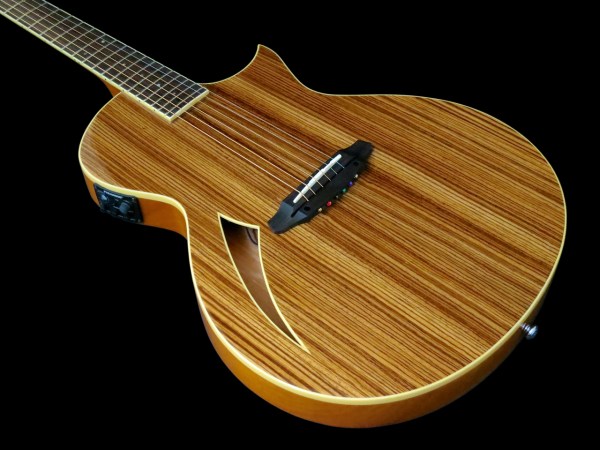
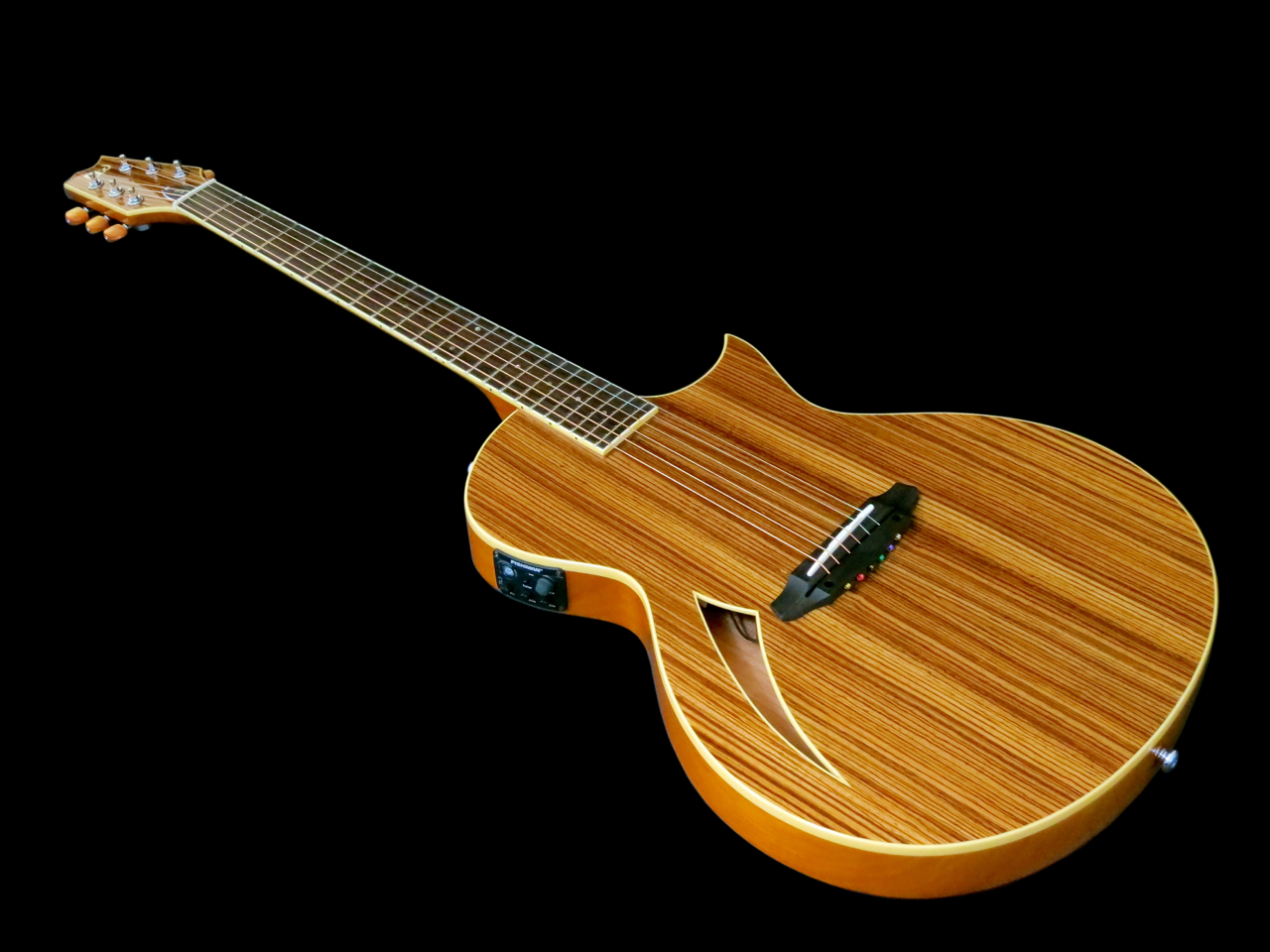
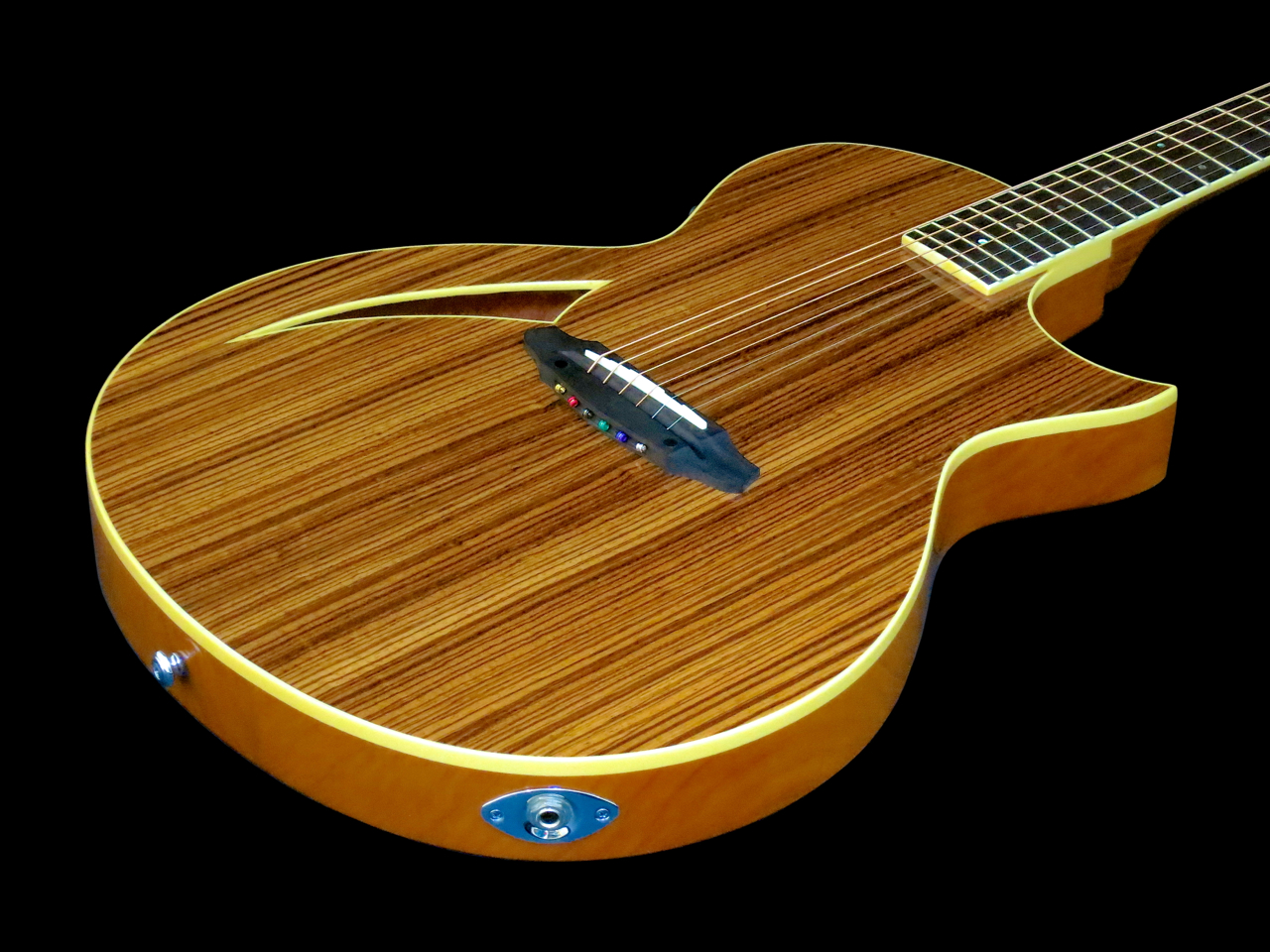
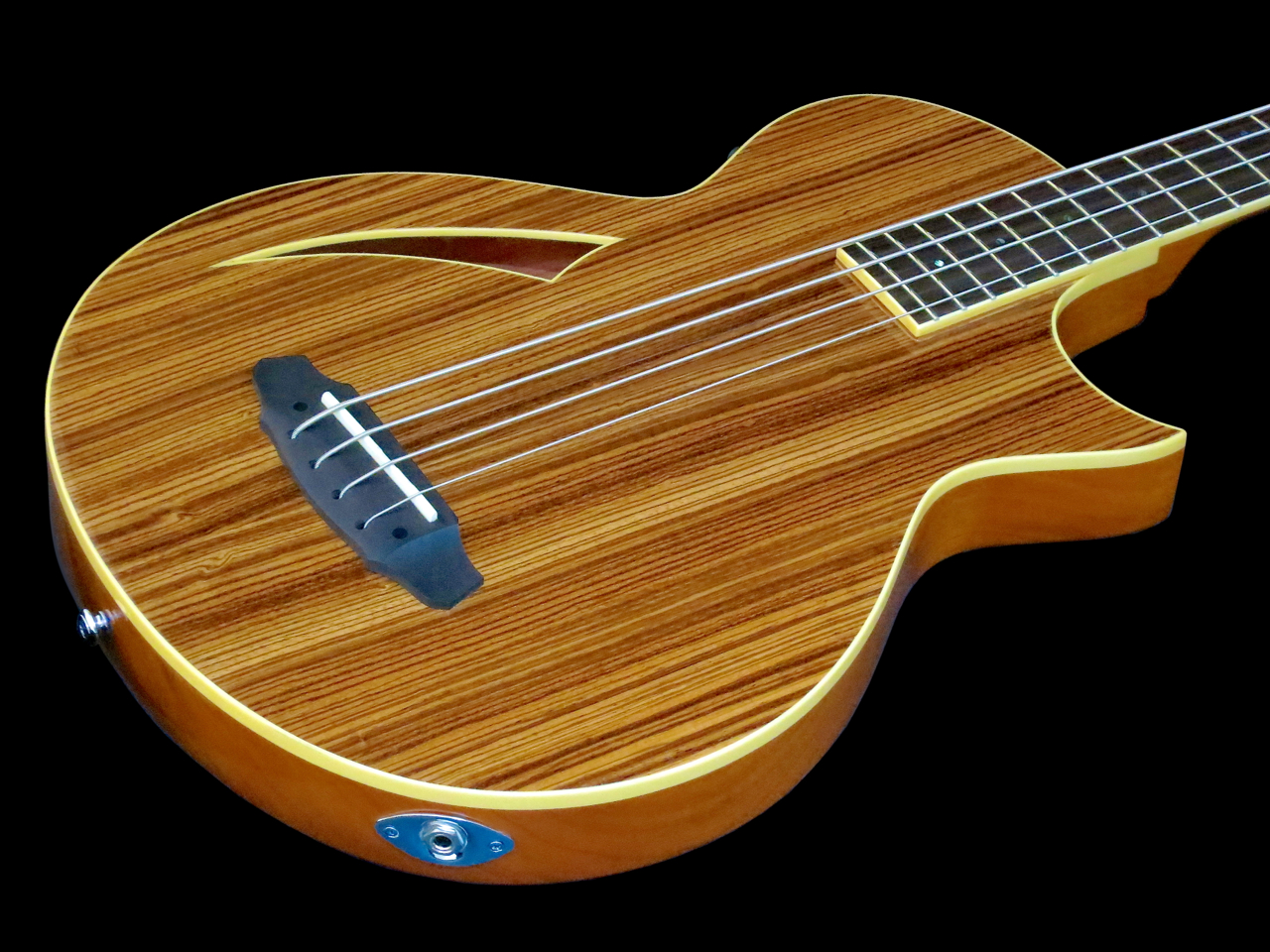
Kitarablogi received the bass and steel-string models in their most visually stunning versions – the ESP LTD TL-6Z (650 €) and the LTD TL-4Z (682 €).
Both instruments sport zebrano tops. Zebrano is an African hardwood with a very striking wood grain that is reminiscent of a zebra’s stripes (hence the name). Zebrano has been in use since the 1990s in some boutique-grade bass guitars, but it has recently been adopted for more and more acoustic guitars and ukuleles, too.
The TL-6 is also available in a plainer, maple-topped version (in natural or black).

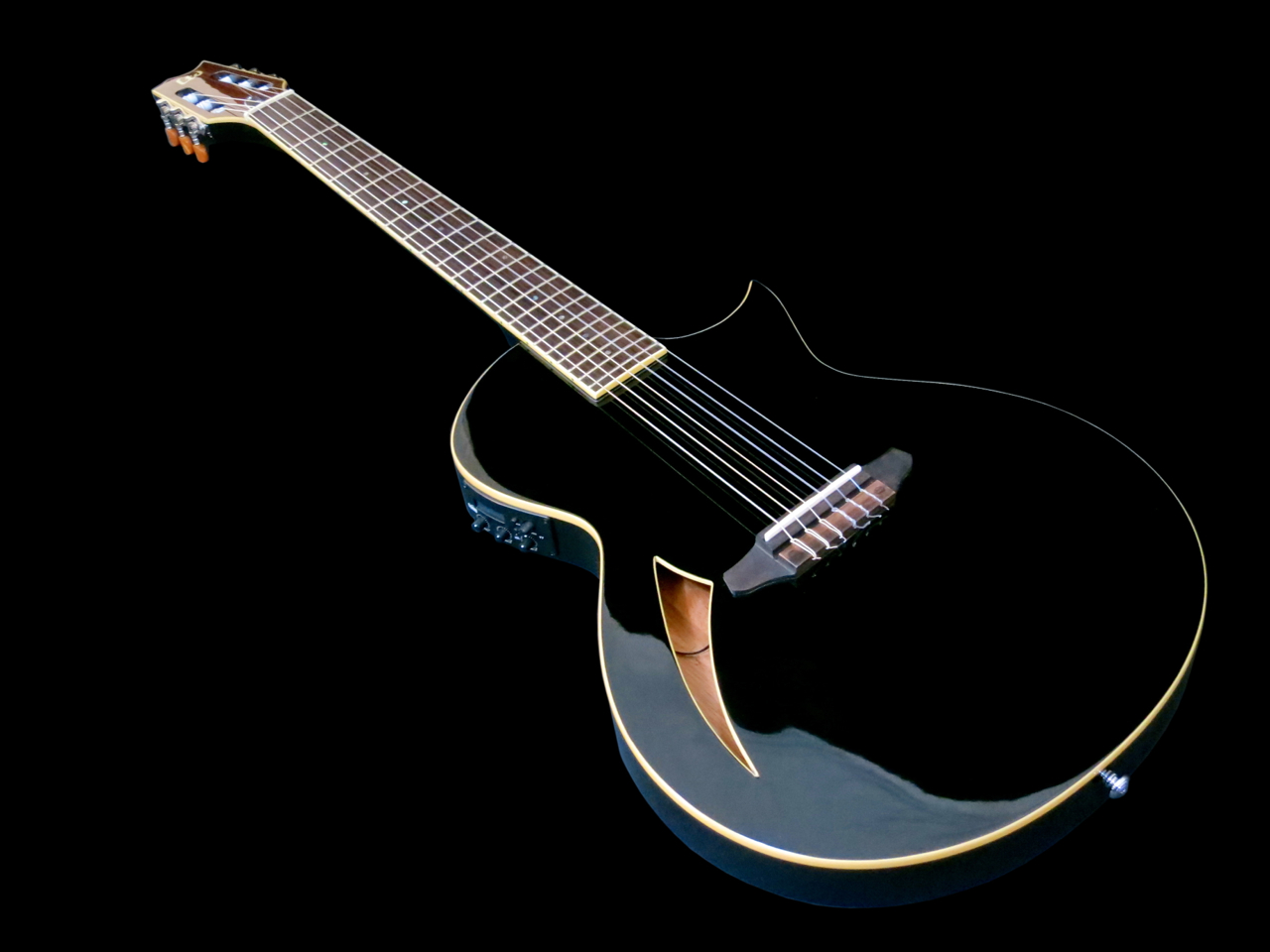
The nylon-string LTD TL-6N (625 €) comes with a maple top, either with a gloss natural or a piano black finish (as reviewed).

These instruments aren’t super shallow acoustic instruments, instead LTD’s TL-range features genuine thinline construction.
The bodies are based on solid mahogany backs, which have large areas routed out from the front before the top is glued into place. A ”centre block” is left standing from beneath the bridge all the way to the end of the body.
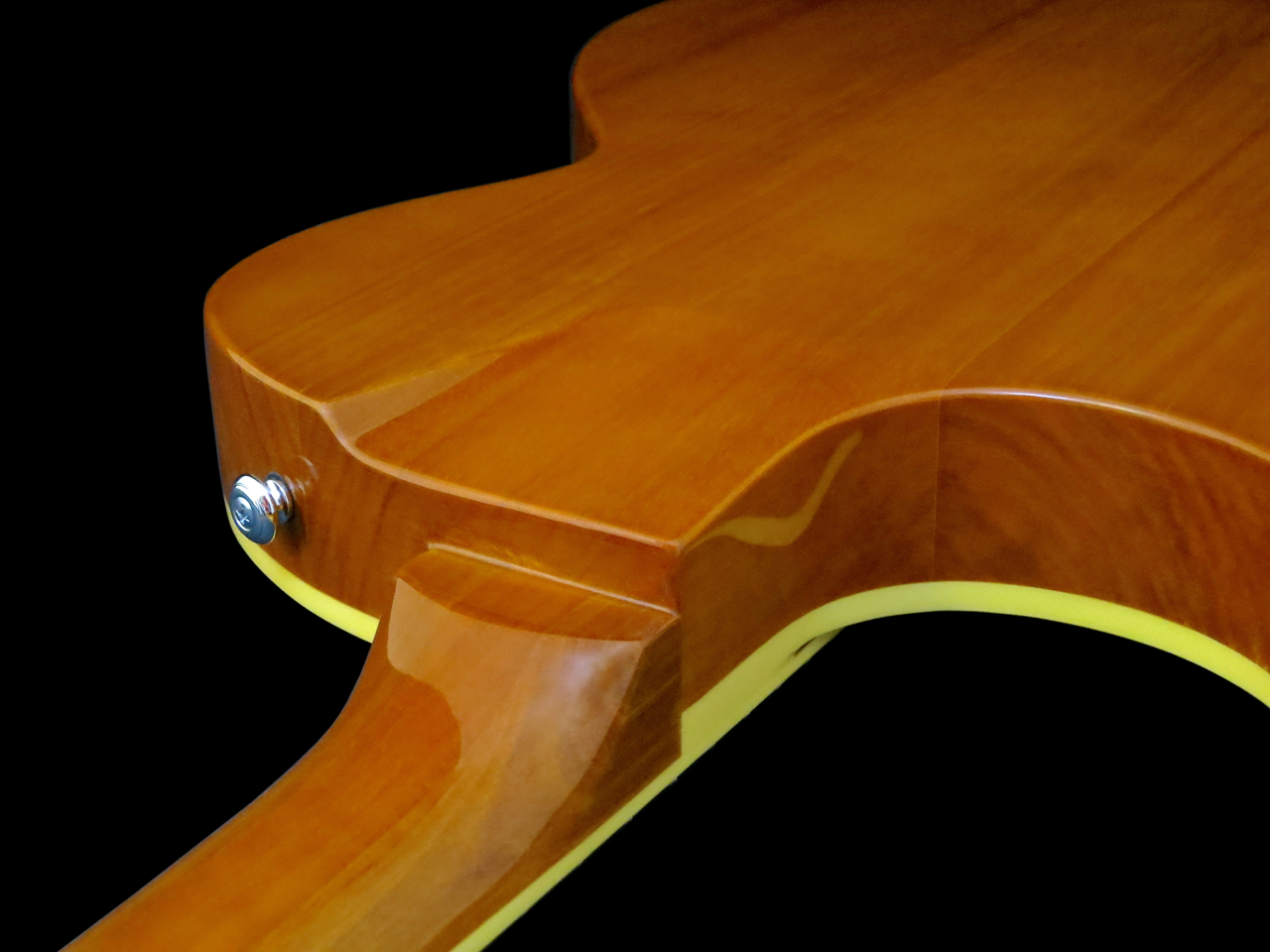
A body chamfer next to the neck heel makes reaching the top frets a little easier.
The mahogany neck is glued together from three long side-by-side strips.
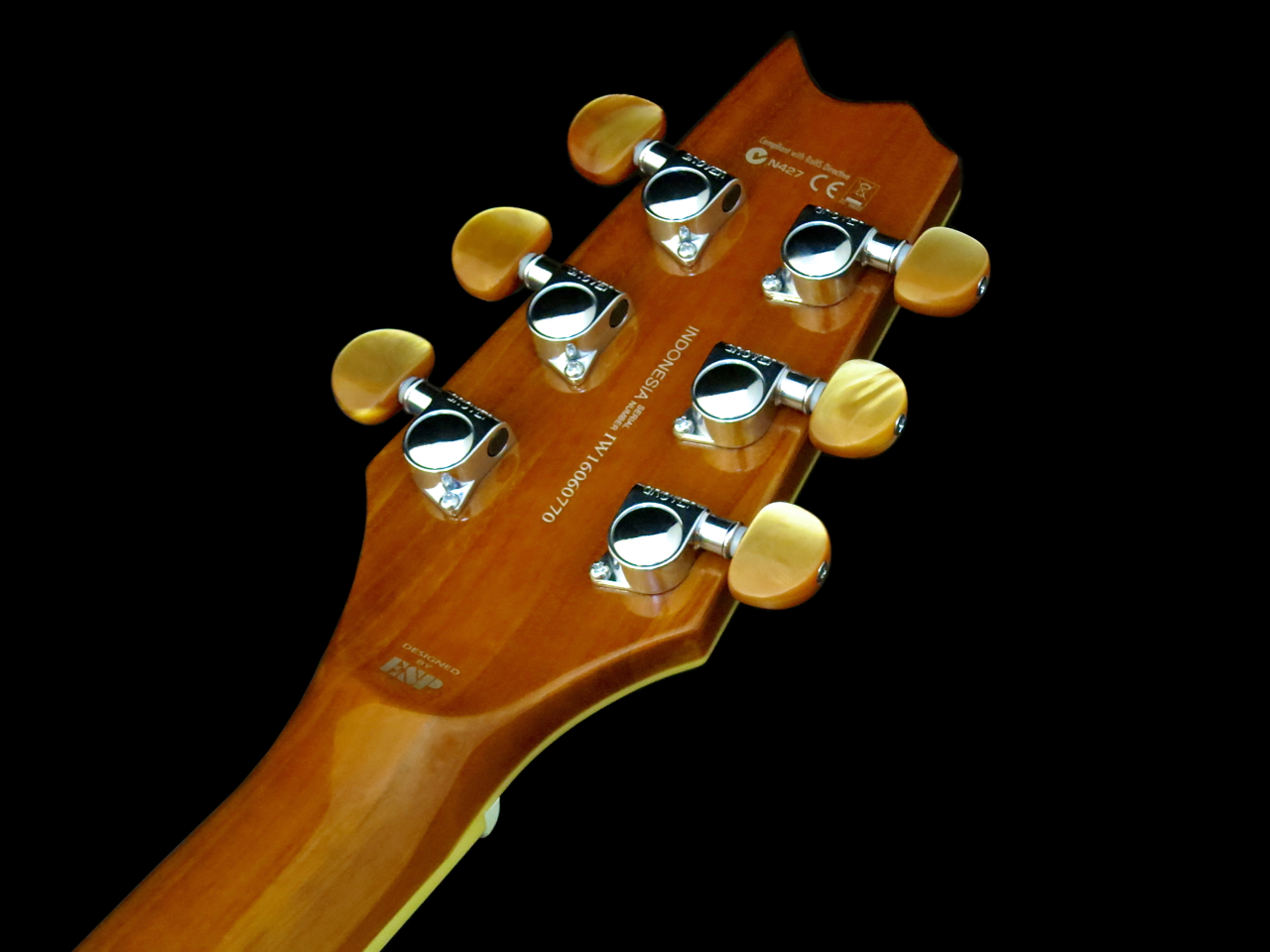

All TL-instruments come with quality tuning machines:
The steel-string instruments use Grover machine heads.

LTD’s TL-6N sports a set of open Hauser-style tuners.

On the TL-6Z the strings are fed through the back part of the rosewood bridge, which makes for much faster and easier restringing than a traditional pin bridge.

We find through-body stringing (with back ferrules) on the TL-4Z bass.
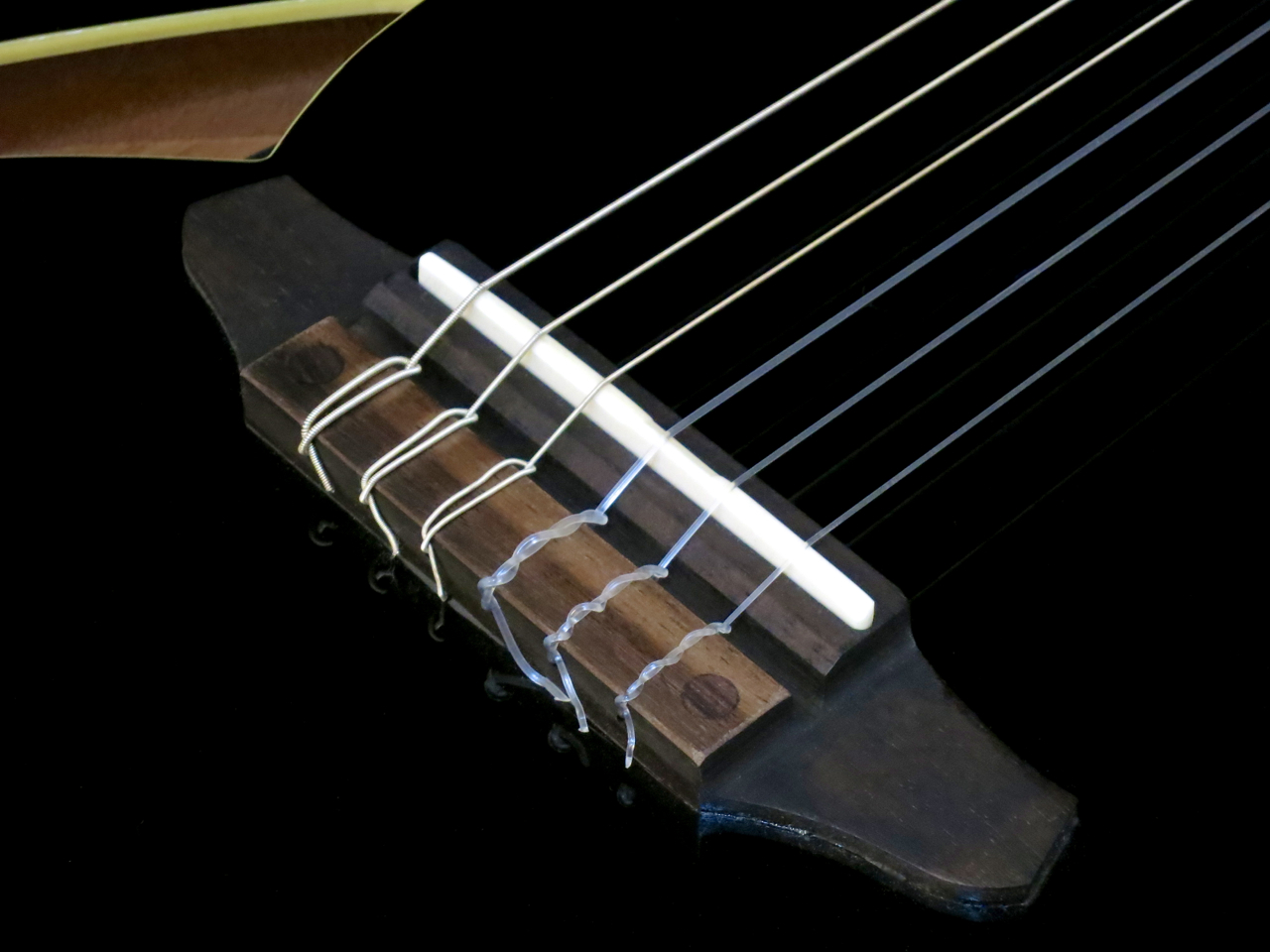
It’s traditional knot-stringing for the nylon-string version (TL-6N).
All top nuts and compensated bridge saddles on these TL-Series instruments are made from Graph Tech’s high-quality NuBone material, a man-made alternative to bovine bone.

Both the TL-4Z and TL-6Z come with a Fishman under-saddle-transducer and a TL-3 preamp.
The Fishman TL-3 features a built-in chromatic tuner and a three-band EQ section.

For the nylon-string guitar ESP has chosen B-Band’s T7 system, which features a tuner, a three-band EQ section, and a feedback-reducing phase reverse-switch.
****

Our review sample of the TL-6Z was the lightest guitar of the trio. Its thin body (5 cm) makes it sit nicely in your lap. This guitar’s strapped-on balance is also very good.
ESP call the neck profile a Thin U – I’d say the neck feels very comfortable, with a nicely rounded, not-too-thick cross section.
You can’t say anything negative about the workmanship on this guitar – this is a cleanly built guitar with a great feel, not least because of the smooth fret job.
Played unplugged, the TL-6Z isn’t very loud. In terms of volume it is on a par with an ES-335-style semi.
Plug the TL-6Z in, though, and it really comes alive. This is what this LTD is meant for, and the guitar delivers a quality piezo sound with plenty of dynamics:

The LTD TL-4Z-bass is a well-made quality instrument, and plays great.
The TL-4Z’s neck profile is similar to that of a Jazz Bass, but the LTD’s jumbo frets and flatter-than-vintage fretboard radius take this bass into a much more modern direction.
The basic amped-up sound of this bass is fantastic. Our review sample suffered from a mild volume reduction in the g-string’s output level, though. Usually, problems like this one are caused by a tiny piece of wood, caught between the underside of the bridge saddle and the surface of the piezo pickup, which prevents the bridge saddle from making full contact with the pickup. In most cases this is very easy to remedy.
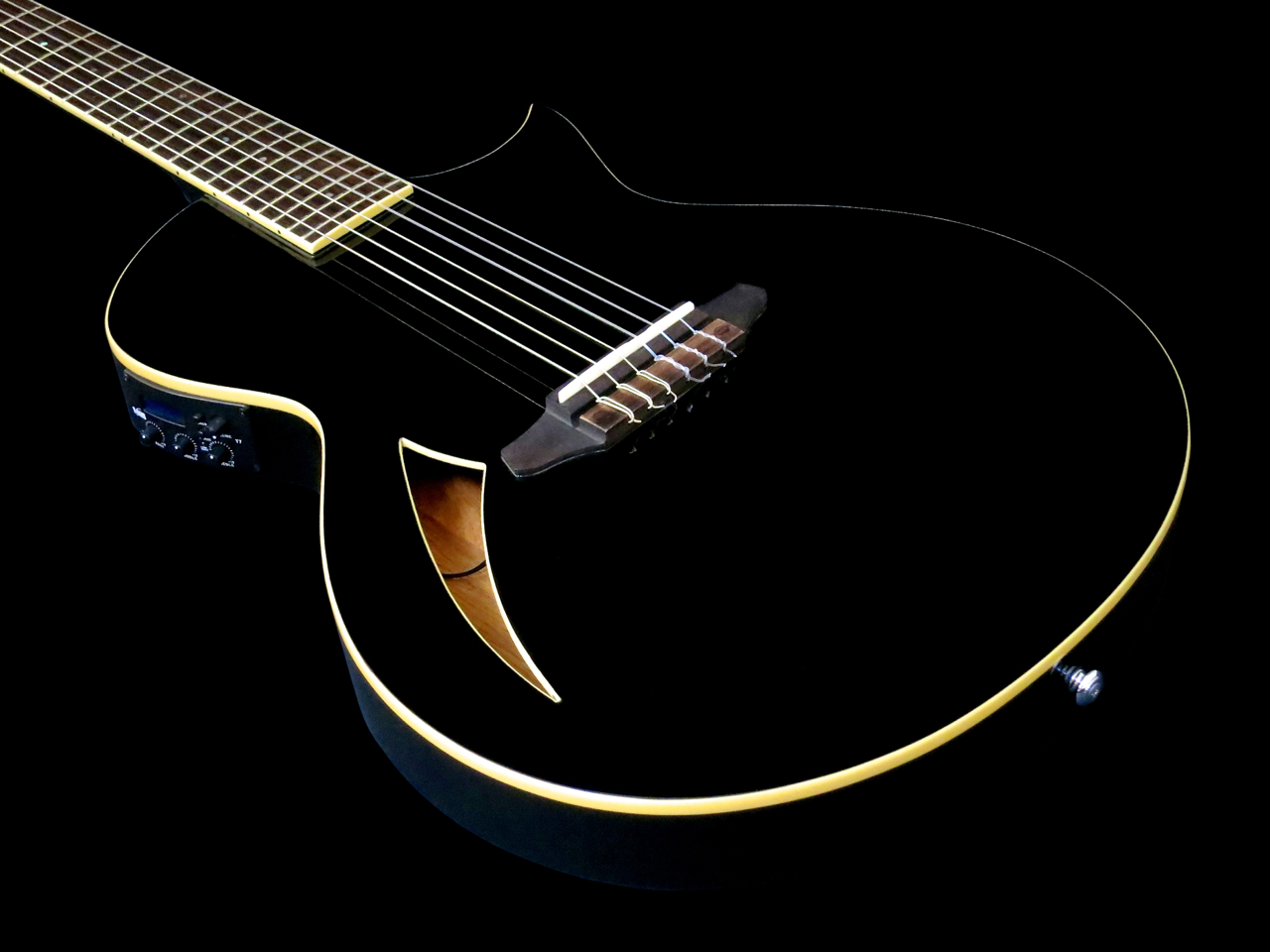
As a builder of thinline classical guitars you have the choice between two options:
Some manufacturers equip a guitar of this type with an electric or steel-string neck, to make it easier for an occasional nylon-string user to switch between different types of guitar.
ESP has gone for the second option, namely for making a thinline instrument with a neck that feels like the neck of a full-blown classical guitar. The LTD-6N has the wide and flat neck profile so typical of most traditional nylon-string acoustics. In my opinion this is a good choice, because the neck profile has a bearing on how you approach and play such a guitar. This is a thinline classical that feels ”real”.
Because of the much lower string-pull of nylon strings – when compared to steel strings – the TL-6N is the quietest instrument of this trio, when played unplugged.
The TL-6N will win you over with its tasty amplified voice, though. The B-Band pickup system is a fantastic choice for a nylon-string guitar, because the B-Band pickup – which works similar to an electret microphone – won’t give you any of that infamous piezo quack, which tends to make nylon-string guitars sound rather annoying.
Here are two different versions of the demo song:
****
In my view, ESP’s LTD TL-Series is a great choice if you want to add acoustic guitar tones to your onstage arsenal.
The TL-Series features instruments that combine stylish looks, great playability and quality electronics into instruments, which will give you a fine range of acoustic tones in a live setting, combined with a far lower susceptibility to feedback.

****
LTD Thinline TL-6Z, TL-4Z + TL-6N
TL-6Z: 650 €
TL-4Z: 682 €
TL-6N: 625 €
Finnish distributor: Musamaailma
****
Pros (all models):
+ stylish design
+ workmanship
+ playability
+ amplified sounds
Cons (TL-4Z only):
– slight volume drop on g-string

Akustinen kitara on Pop/Rock-bändin kontekstissa aina hieman haasteellinen soitin keikkatilanteessa, koska iso, akustinen kaikukoppa ja siihen suunnattu lavamonitori ovat herkästi feedbackia tuottava yhdistelmä.
Tarkalla ekvalisoinnilla ja mekaanisella kaikuaukon tulpalla pystyy kyllä vähentämään kiertämisen riskiä ideaalitapauksissa huomattavasti, mutta helpompi ratkaisu on käyttää keikoilla livetilanteita varten kehitettyä, lankkumallista akustista.
ESP tarjoaa nyt myös tällaisia soittimia LTD TL –sarjan muodossa (TL = Thinline):
Kuusikielisen, teräskielisen kitaran mallitunnus on TL-6.
Basson nimi on TL-4.
Ja nailonkielisen kitaran mallitunnus on TL-6N.
****
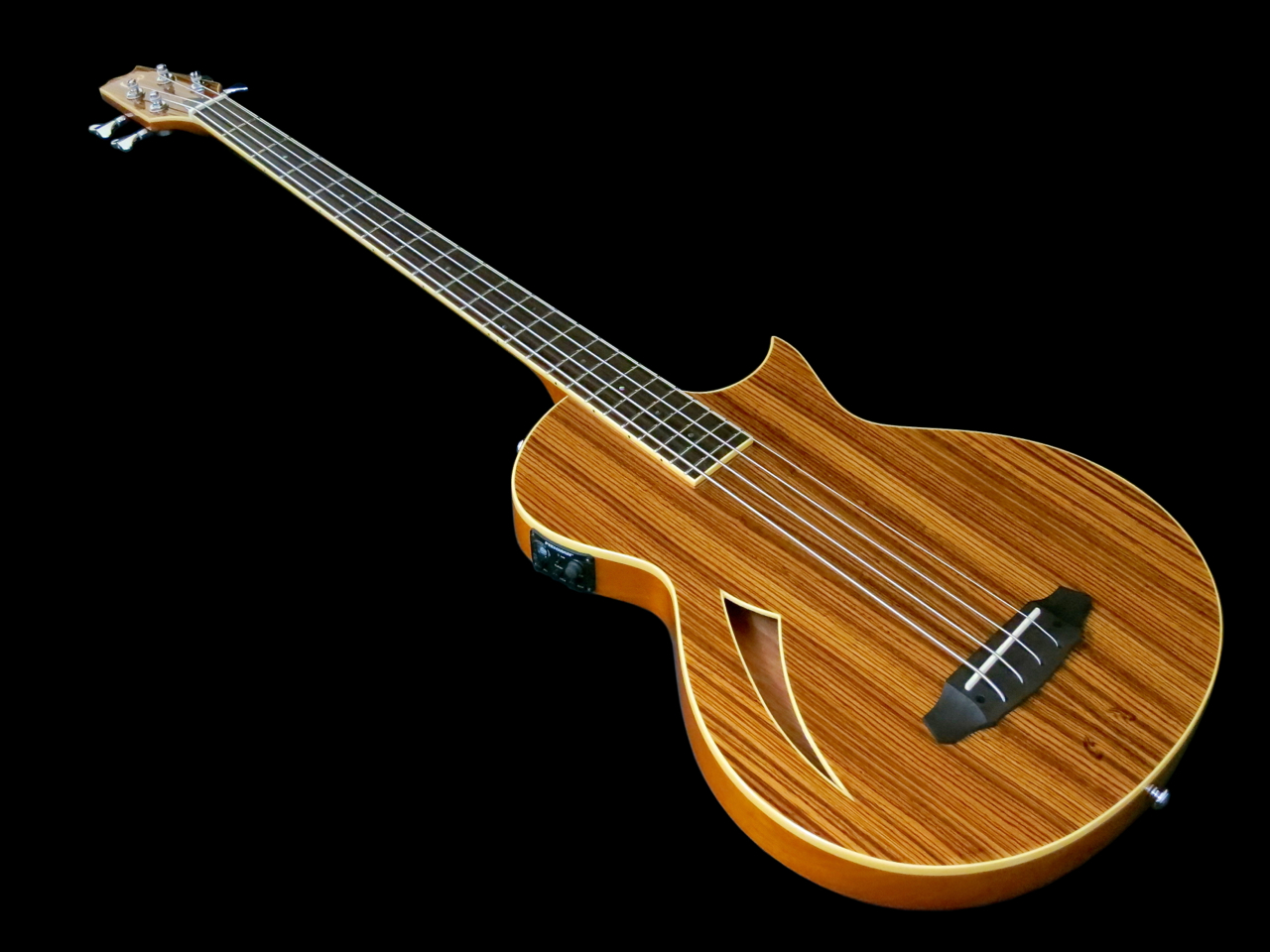
Kitarablogi sai testiin teräskielisestä kitarasta ja bassosta erittäin näyttävät ESP LTD TL-6Z (650 €) ja LTD TL-4Z (682 €) -versiot, joissa on upeat kannet zebrano-puusta.
Zebrano on afrikkalainen jalopuulaji, jonka vahva syykuvio muistuttaa seepran raitoja. Zebranoa on käytetty jo 1990-luvulta lähtien mm. useissa boutique-luokan sähköbassoissa, mutta viime vuosina puulajia on nähty käytettävän yhä useammin myös akustisissa kielisoittimissa.
TL-6 on saatavissa myös vaahterakannella (värivaihtoehtoina musta tai natural).
Nailonkielinen LTD TL-6N:ssä (625 €) on varustettu vaahterakannella, ja soitin on saatavilla vaaleana natural-versiona sekä kiiltävän mustaksi lakattuna.
LTD TL-sarjan soittimissa on aito thinline-rakenne, sen sijaan että ne olisivat ainoastaan hyvin ohutkoppaisia akustisia.
Soittimien mahonkirunkoihin on jyrsitty edestä suuret kolot, ennen kuin kansi on liimattu paikalleen. Tallan alta rungon päätyyn asti ulottuu TL-soittimissa ”keskipalkki” runkopuusta.
Kaulaliitoksen kohdalla runkopuuhun on veistetty kätevä viistotus, joka helpottaa otekäden pääsyä ylimpiin nauhoihin.
Mahonkikaula on kolmiosainen.
TL-soittimet on varustettu laadukkailla virittimillä:
Teräskielisiin soittimiin on asennettu nykyaikaiset Grover-koneistot.
TL-6N:ssä taas on sulavasti toimivat, Hauser-tyyliset, avoimet virittimet.
Teräskielisen TL-6Z:n ruusupuisen tallan takaosassa on reiät, joista kielet kulkevat läpi. Kielten pallopäät juttuvat reikiin, mikä on nopeampi ja varmempi tapa kiinnittää kielet kuin perinteinen tappikiinnitys.
TL-4Z-basson kielet taas vedetään rungon läpi.
Nailonkielinen TL-6N luottaa perinteiseen solmukiinnitykseen.
TL-sarjan satulat ja kompensoidut tallaluut valmistetaan Graph Techin laadukkaasta NuBone-materiaalista, joka on synteettinen vaihtoehto naudanluulle.
TL-4Z ja TL-6Z on molemmat varustettu samalla Fishman TL-3 esivahvistimella, jossa on sisäinen viritysmittari.
Volume-säätimen lisäksi TL-3 tarjoaa kolmikaistaisen taajuuskorjaimen.
Nailonkitaran tapauksessa ESP taas luottaa B-Band T7 -järjestelmään, jossa on viritysmittarin ja kolmikaistaisen EQ:n lisäksi vielä vaiheenkäännin.
****
Testissä käynyt TL-6Z on tämän kolmikon kevyin soitin, ja sen ohut runko (5 cm) istuu hyvin syliin. Myös hihnan varassa tasapaino on hyvä.
ESP kutsuu tämän kitaran kaulaprofiilia Thin U:ksi – minä taas sanoisin, että se on oikein mukavan tuntuinen kaula, pyöreällä, hieman keskivertoa ohuemmalla läpimitalla.
Työnjälki on kiitettävää tasoa – erittäin siisti nauhatyö (22 jumbo-kokoista nauhaa) on tästä vain yksi esimerkki.
Akustisesti soitettuna TL-6Z ei ole kovinkaan äänekäs. Lankkuakustisen tuottaman äänen taso on samalla viivalla esimerkiksi ES-335-tyylisen puoliakustisen kanssa.
TL-6Z onkin tarkoitettu akustisen vahvistimen kautta tai suoraan linjasoitolla miksauspöytään (tai äänikorttiin) soitettavaksi, jolloin se todellakin herää henkiin. Tarjolla on todella laadukas ja dynaaminen piezosoundi:
TL-4Z-basso on laadukkaasti toteutettu lajinsa edustaja, jota on erittäin mukava soittaa.
TL-4Z:n kaulaprofiili on Jazz-basson kaltainen, mutta LTD:n jumbo-kokoiset nauhat ja tasaisempi otelaudan kaarevuus (= isompi radius) tekevät soittotuntumasta selvästi nykyaikaisemman.
Basson vahvistettu ääni on sinänsä erittäin laadukas, mutta testiyksilön hieman muita kieliä vaimeammin soiva g-kieli johtaa lievään pistevähennykseen. Usein tämänkaltaiset ongelmat johtuvat pienestä puulastusta, joka on päässyt tallan uraan, luun ja mikrofonin väliin, estäen kielen värähtelyn optimaalisen välityksen piezomikrofoniin. Tämä ei ole iso ongelma, vaan sen saa ratkaistua useimmiten hyvinkin nopeasti.
Tämän kitaratyypin ”klassisissa kitaroissa” kitaravalmistaja voi valita kahden koulukunnan välillä:
Jotkut valmistajat tekevät nailonkielisiä lankkukitaroita teräskieli-tyylisillä kauloilla, koska he uskovat tällaisen kitaran käyttäjän todennäköisesti olevan pääasiallisesti sähkökitaran soittaja.
ESP taas kuuluu niihin valmistajiin, jotka haluavat, että myös nailonkielinen lankkukitara tuntuu aidolta klassiselta kitaralta. LTD TL-6N -mallissa on siis aito klassisen kitaran kaulaprofiili, joka on tunnetusti teräskielisen kitaran kaulan profiilia leveämpi ja harteikkaampi. Minusta tämä on ainoastaan hyvä asia, koska soittotuntuma on sen ansiosta ”aidompi”.
Nailonkielten teräskieliin verrattuna heikomman kielivedon vuoksi TL-6N on akustisesti tämän kolmikon hiljaisin soitin.
TL-6N:n vahvistettu soundi kuulostaa erittäin terveeltä. B-Band-mikrofonijärjestelmä on mielestäni todella hyvä valinta juuri nailonkieliseen kitaraan, koska elektrettimikrofonin tavalla toimivasta B-Band-mikistä puuttuu täysin se useista piezomikrofoneista tuttu ärsyttävänkin naksahteleva atakki.
Tässä vielä kaksi versiota demobiisistä:
****
ESP LTD:n TL-sarjan soittimet tarjoavat mielestäni erittäin toimivia ratkaisuja tilanteisiin, joissa halutaan tuoda bändisoundiin akustisia vaikutteita.
TL-soittimissa tyylikäs ulkonäkö, hyvä soitettavuus ja laadukas elektroniikka muodostavat toimivan kokonaisuuden, jolla saa vaivattomasti hyvän lavasoundin todella vähäisellä feedback-vaaralla.
****
LTD Thinline TL-6Z, TL-4Z + TL-6N
TL-6Z: 650 €
TL-4Z: 682 €
TL-6N: 625 €
Maahantuoja: Musamaailma
****
Plussat (kaikki mallit):
+ tyylikäs ulkonäkö
+ työnjälki
+ soitettavuus
+ sähkösoundi
Miinukset (vain TL-4Z):
– g-kieli soi hieman muita heikommin
In this last part of our series we take a look at what a beginner needs to make the most of his/her new guitar.
****
• Amplification
An electric guitar needs some type of amplification. Yes, it’s true that you can play an electric guitar unplugged, too, but to develop a good technique you should use an amplifier regularly. Especially with solid body guitars there’s always the temptation to play them too hard, when playing unplugged.
You can either go for a headphone amp…

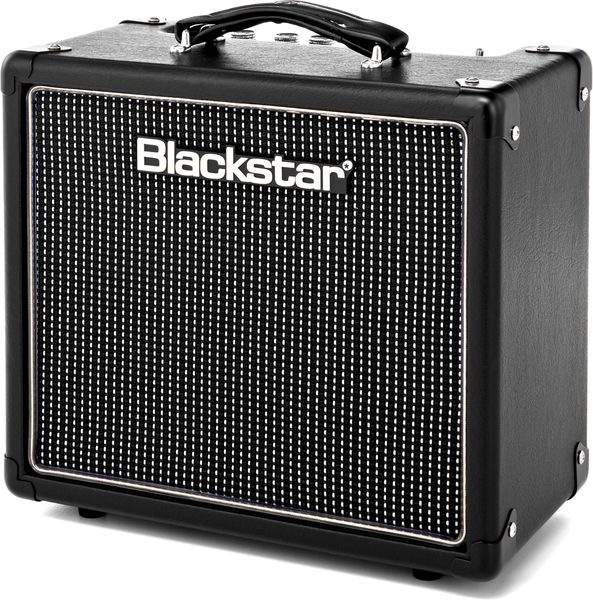
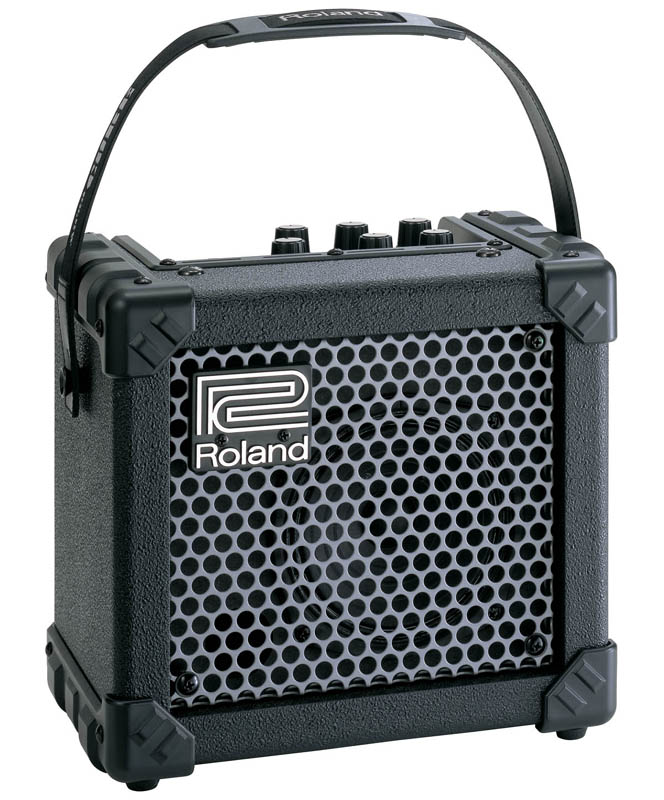
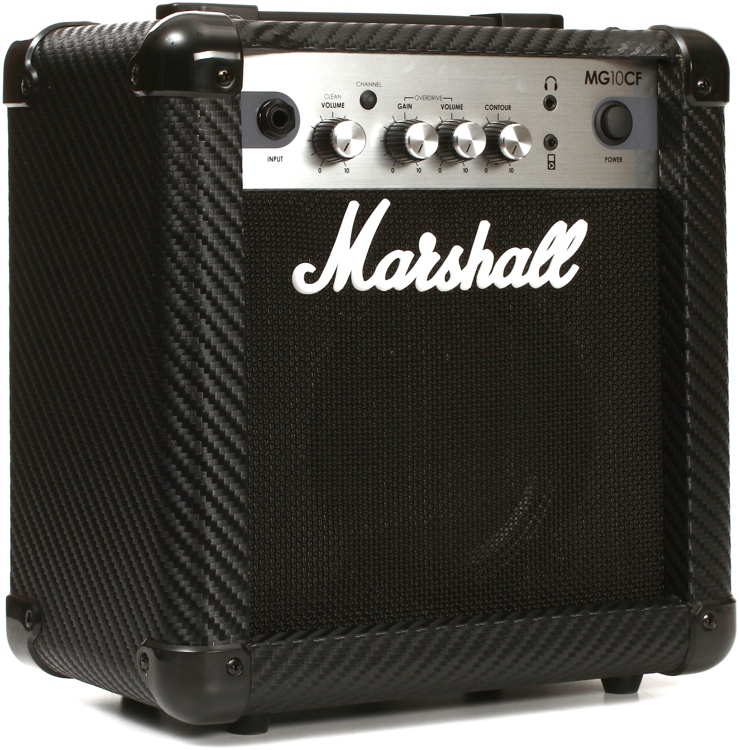
…or a practice amp, meaning a small, low-powered combo.
****
• A cable (aka a lead)
You will need an instrument cable to connect your guitar to your amp. Most leads that come with less expensive guitars (sub 1,000 €) are very cheap and nasty – don’t use them.
A quality guitar cable is made from sturdy cable material, which is well-shielded from electromagnetic interference, and it sports two quality plugs.

If you use a Gibson SG-type guitar or any semiacoustic with an output jack mounted to its top, you should get a guitar lead that has an angled plug to use with the guitar. The angled plug will put less mechanical stress on the crucial area around the jack.

****
• A bag or a case
The safest place for your instrument, when it’s not played, is a well-made gig bag or a hard case.
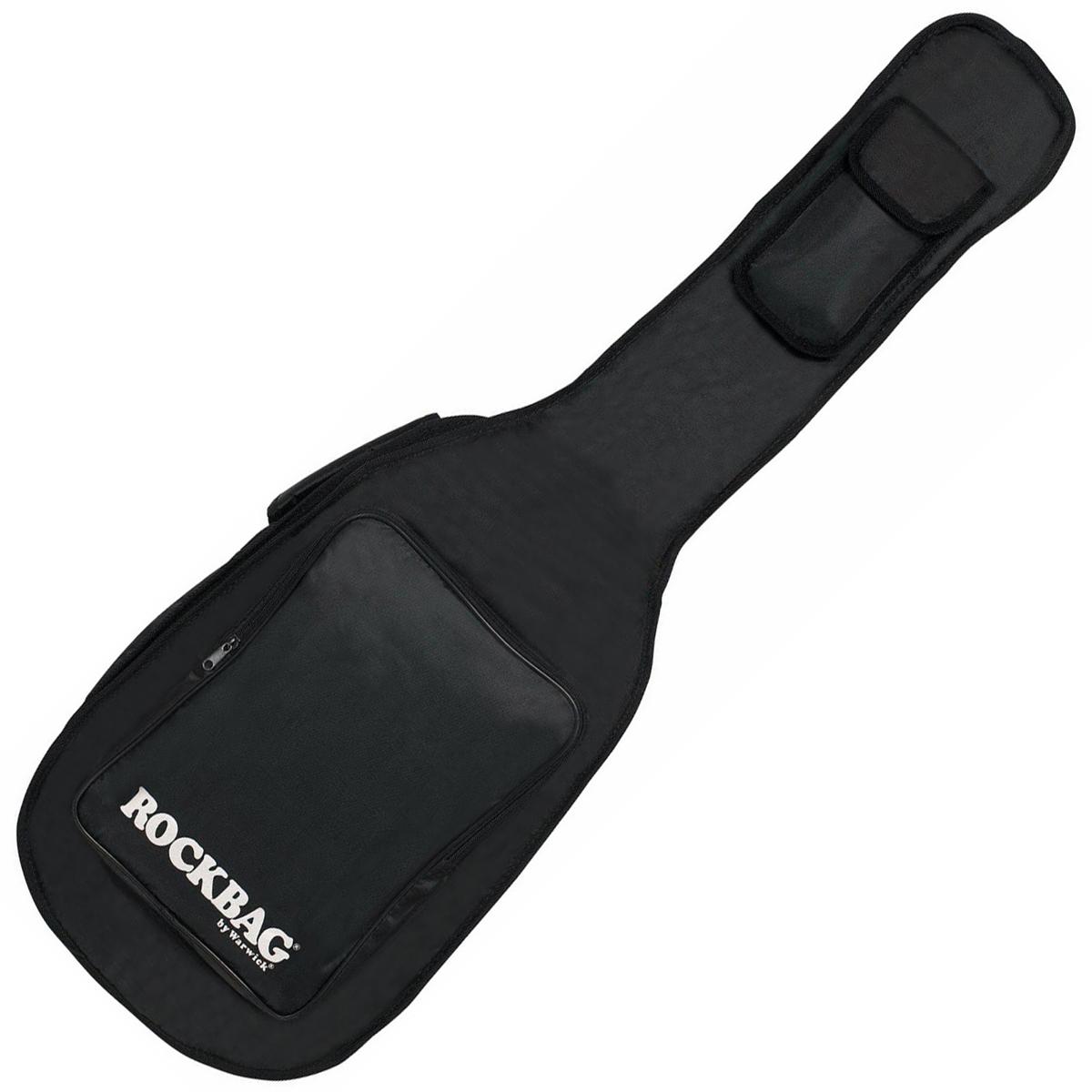
A well-padded gig bag is lightweight and easy to transport, especially if you travel by public transport or by bike.

More expensive guitars – especially those with set necks – should really be stored in a case. You should also opt for a case if you plan on transporting your instrument in the back of a van or in a trailer, as a case is much sturdier than a gig bag.
****
• A stand
On stage – or during practice session breaks – you should put your guitar in a guitar stand, when you’re not playing it. Leaning it against the amp or leaving it lying on the floor will result in accidents sooner rather than later.

If your guitar is finished in nitrocellulose lacquer (which means all Gibsons, some upper range Fenders, many luthier-made instruments), you have to make sure to buy a stand that won’t react chemically with your guitar’s finish. Some stands have padding that can leave marks on your guitar, or even cause the finish to blister. Some guitarists even line the contact areas of their stands with linen or cotton cloth to protect their nitro-finished instrument.
****
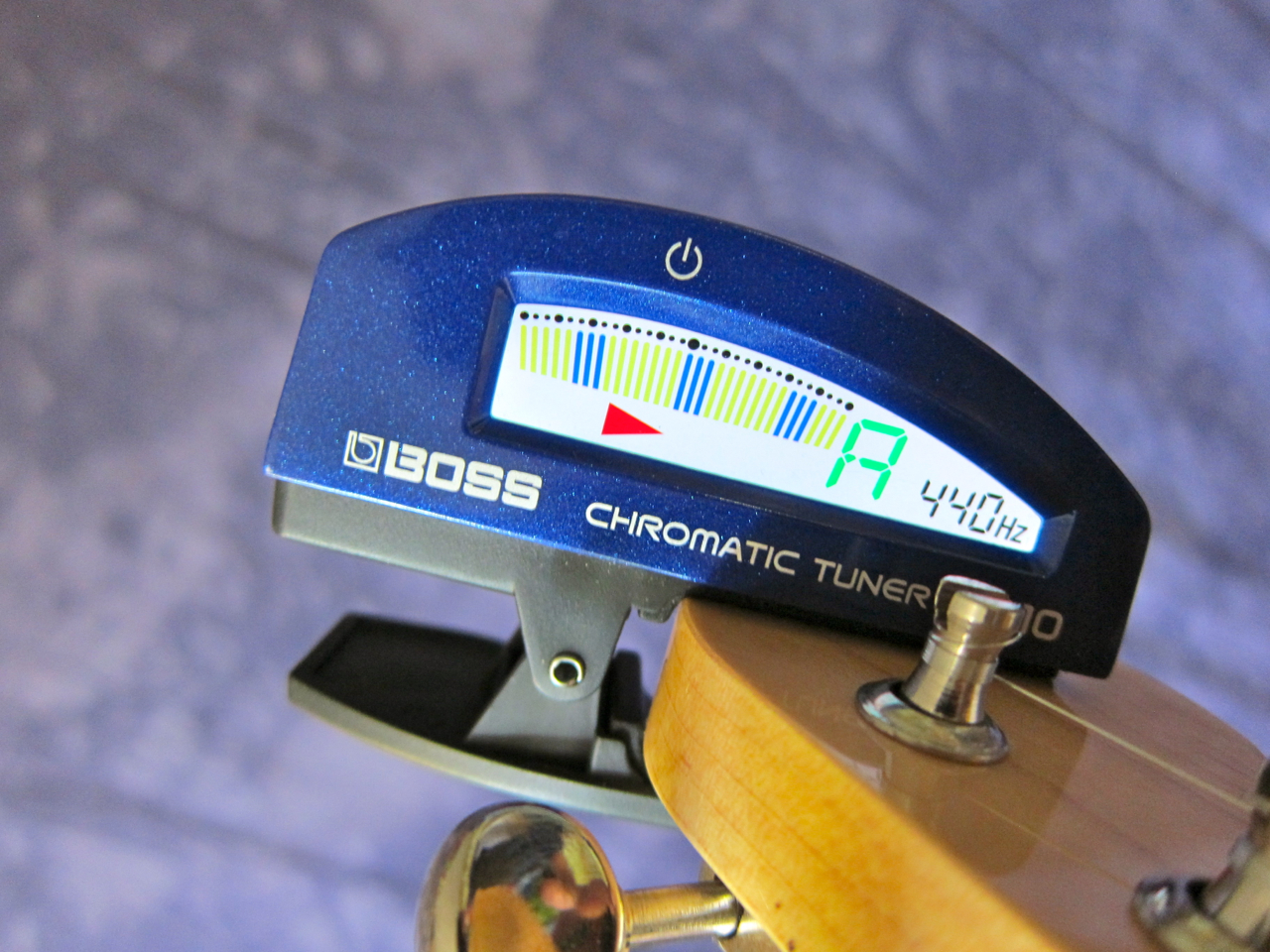
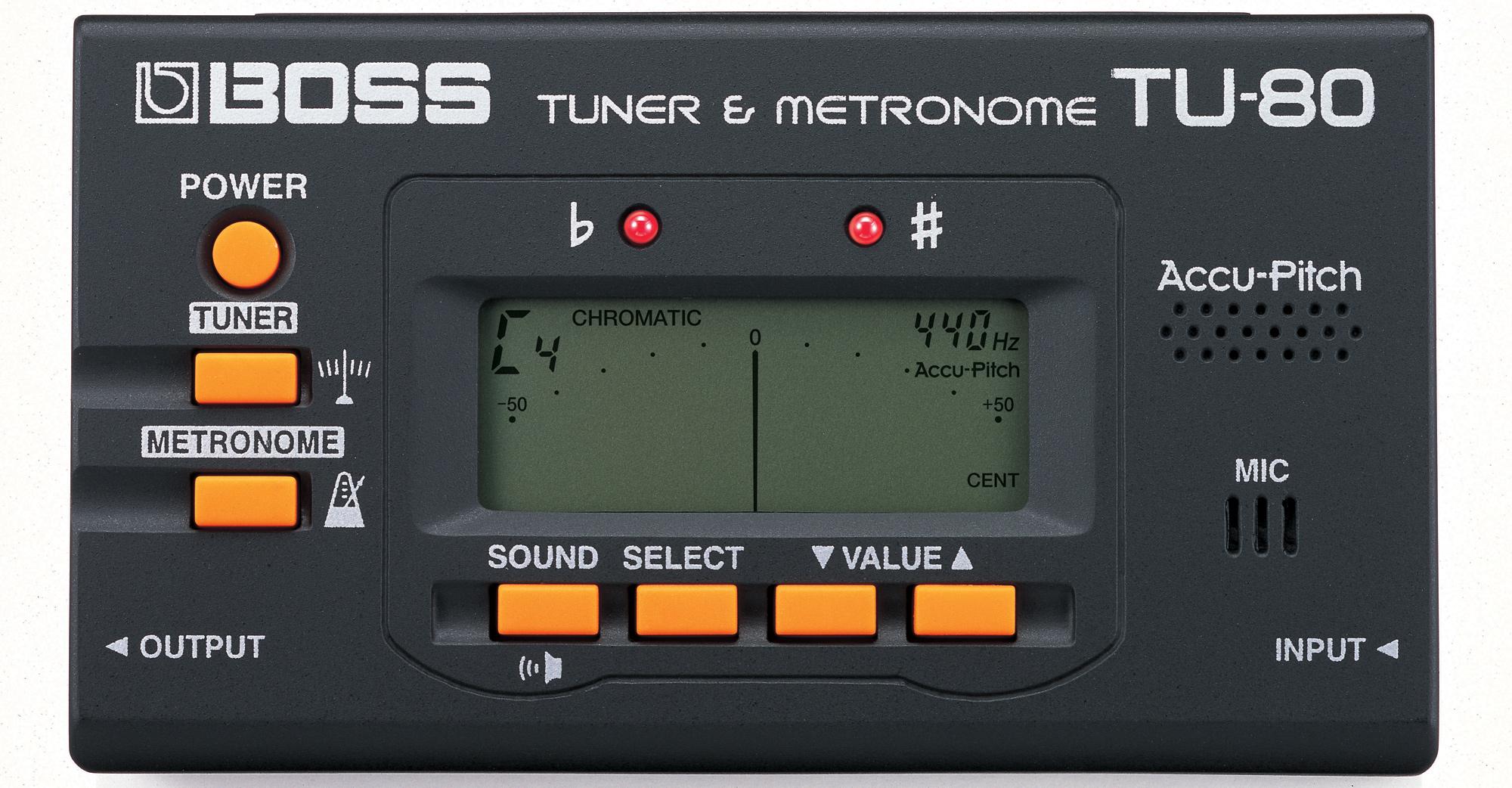
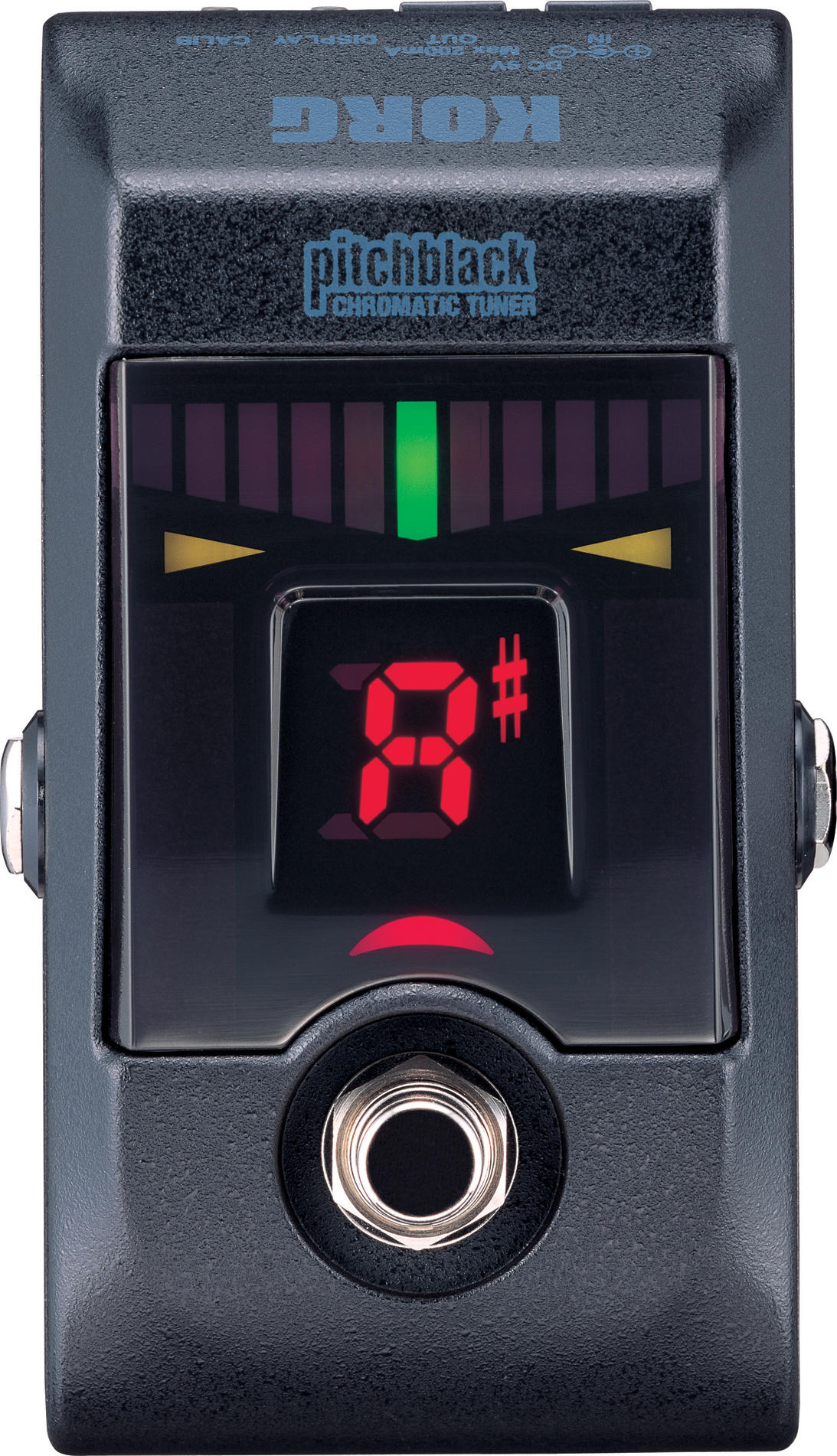
• A tuner
A digital tuner will help you play in tune with the rest of the band. It is also an indispensable tool for setting your guitar’s intonation.
Tuners are available as clip-on units…
…table top tuners…
…or as floor ”effects”.
****
• Strings
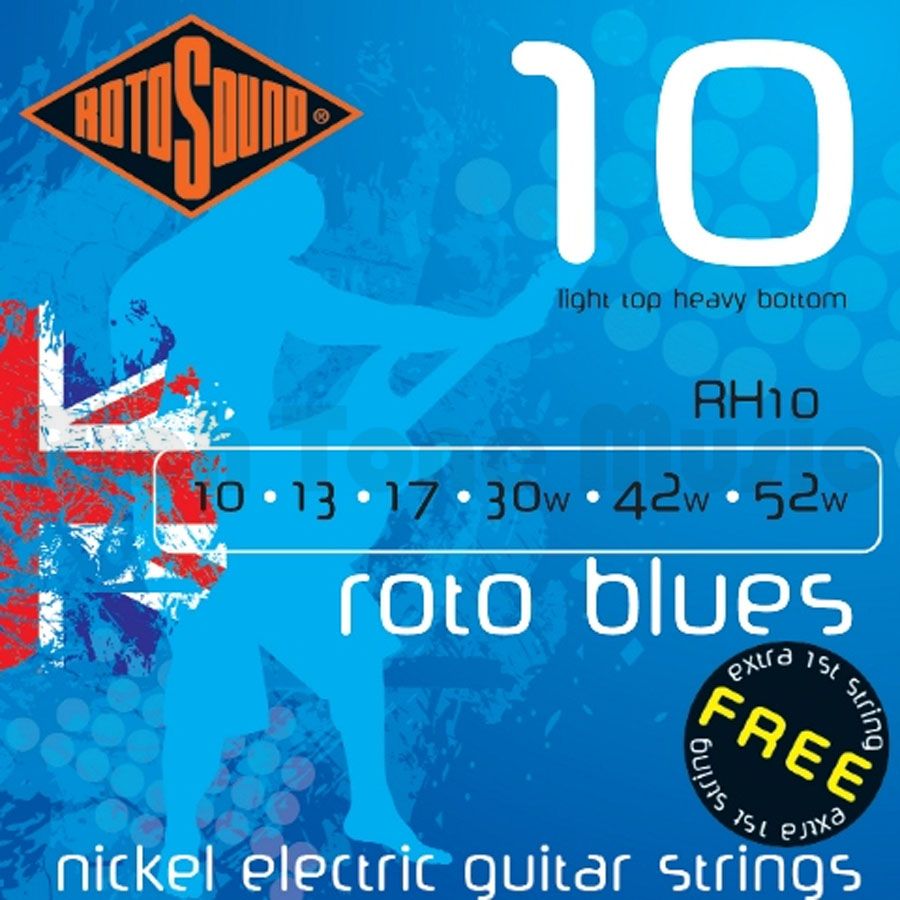
It’s a very good idea to have one or two sets of strings in your gig bag or case, in case you break a string.
If you’re unsure about the correct gauge, ask the shop assistant (or the seller) to tell you what gauge the current string set on the guitar is. You can find more information about string changes HERE.
****
• Plectrums
Most guitarists use a plectrum (aka a pick) to strum their electric guitar.
Picks are available in a plethora of different materials, thicknesses, colours and sizes. Luckily, plectrums are also quite inexpensive, so I’d suggest you try a few different picks, before deciding on your personal preference.


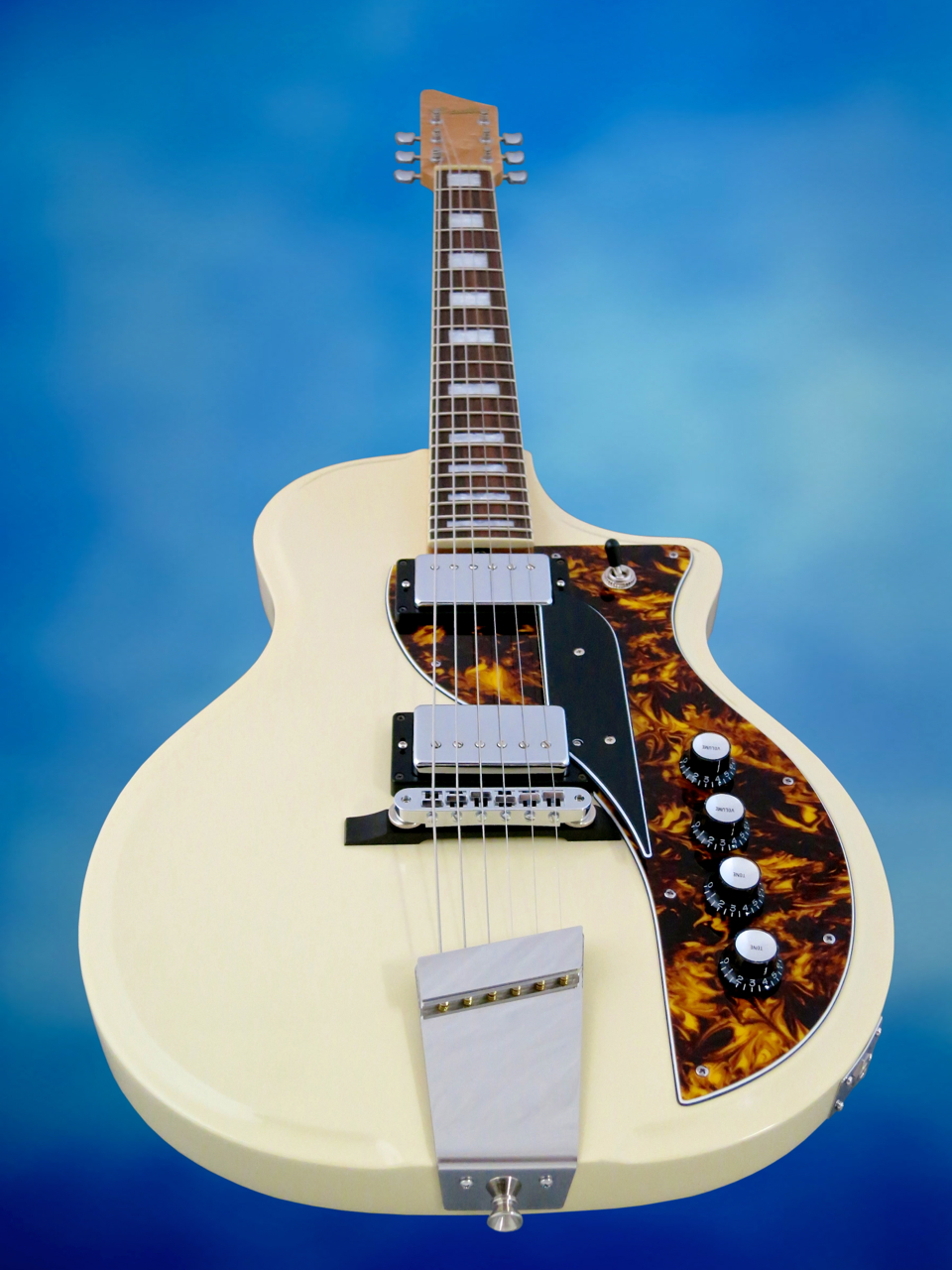
This time we’re in for a real treat:
We’ll take a closer look at master luthier Veijo Rautia’s handmade interpretation of a lesser known 1950s Supro-model – the Dual Tone. Mr. Rautia has included a handful of updates, which bring the playability of this guitar up to modern standards. In contrast to many lesser Supro-, Valco- and Airline-copies, the Rautia Guitars Dual Tone uses the correct type of pickups.
To people in the know Veijo Rautia is already a well-established name, rising to fame as the chief designer of the original Flaxwood models. These days Rautia focuses mainly on making pickups and custom-order guitars.
****

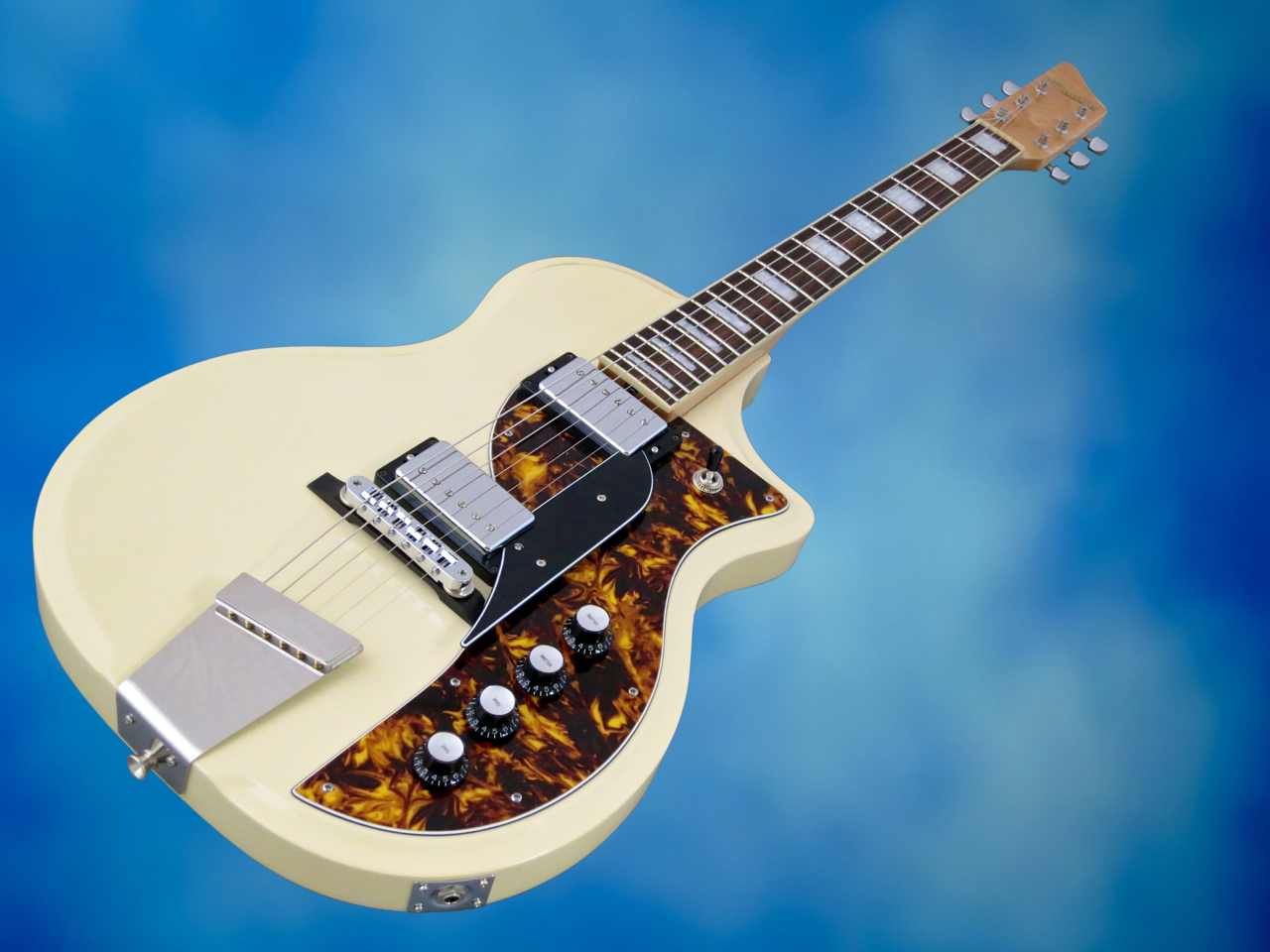
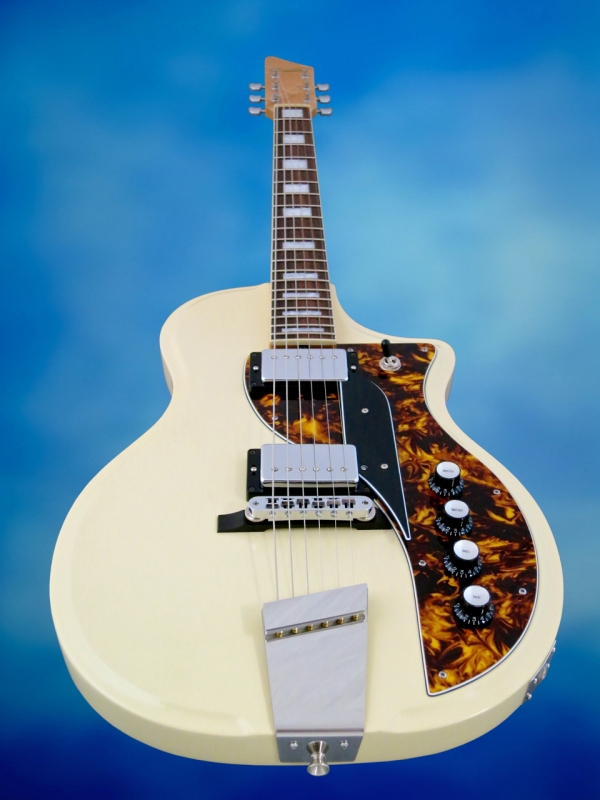
Rautia Guitars’ Dual Tone (approx. 2,500 €) is a very stylish singlecut electric guitar.
Its alder body is partly hollowed out for better balance and tonal resonance.
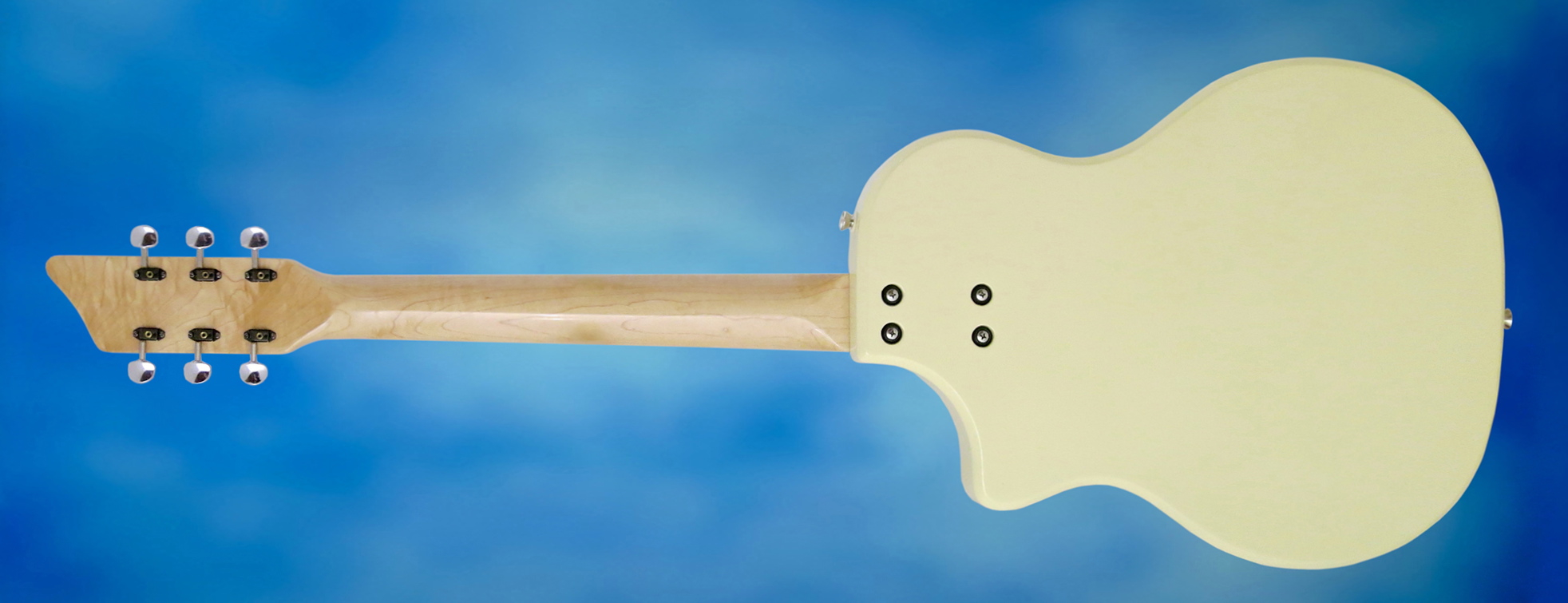
Old (wooden) Supros used a very idiosyncratic neck attachment.
Rautia’s solution feels far more stable, using four wood screws and separate washers.
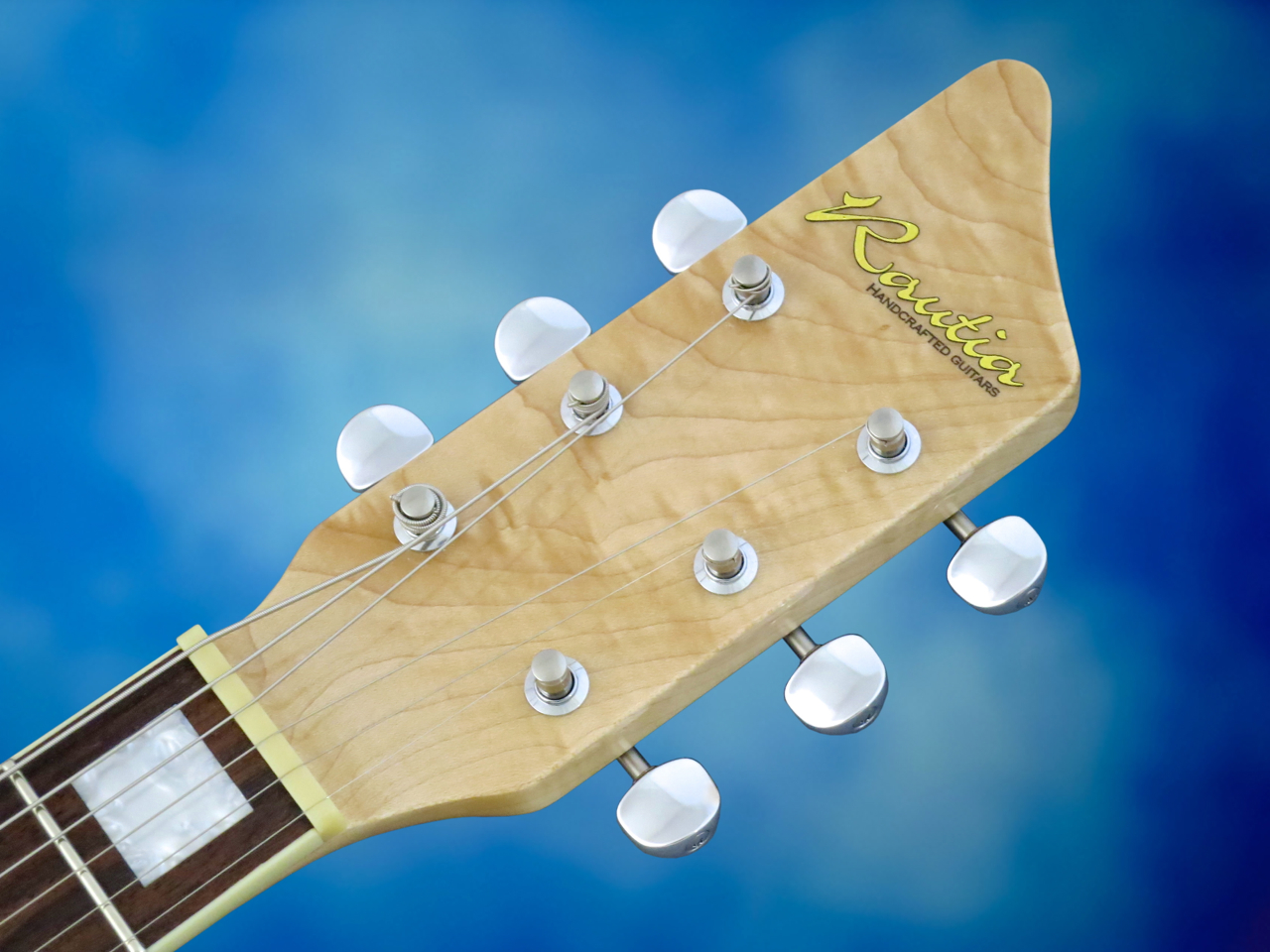
Looking from the front, the Dual Tone’s machine heads seem to be traditional Kluson-copies.
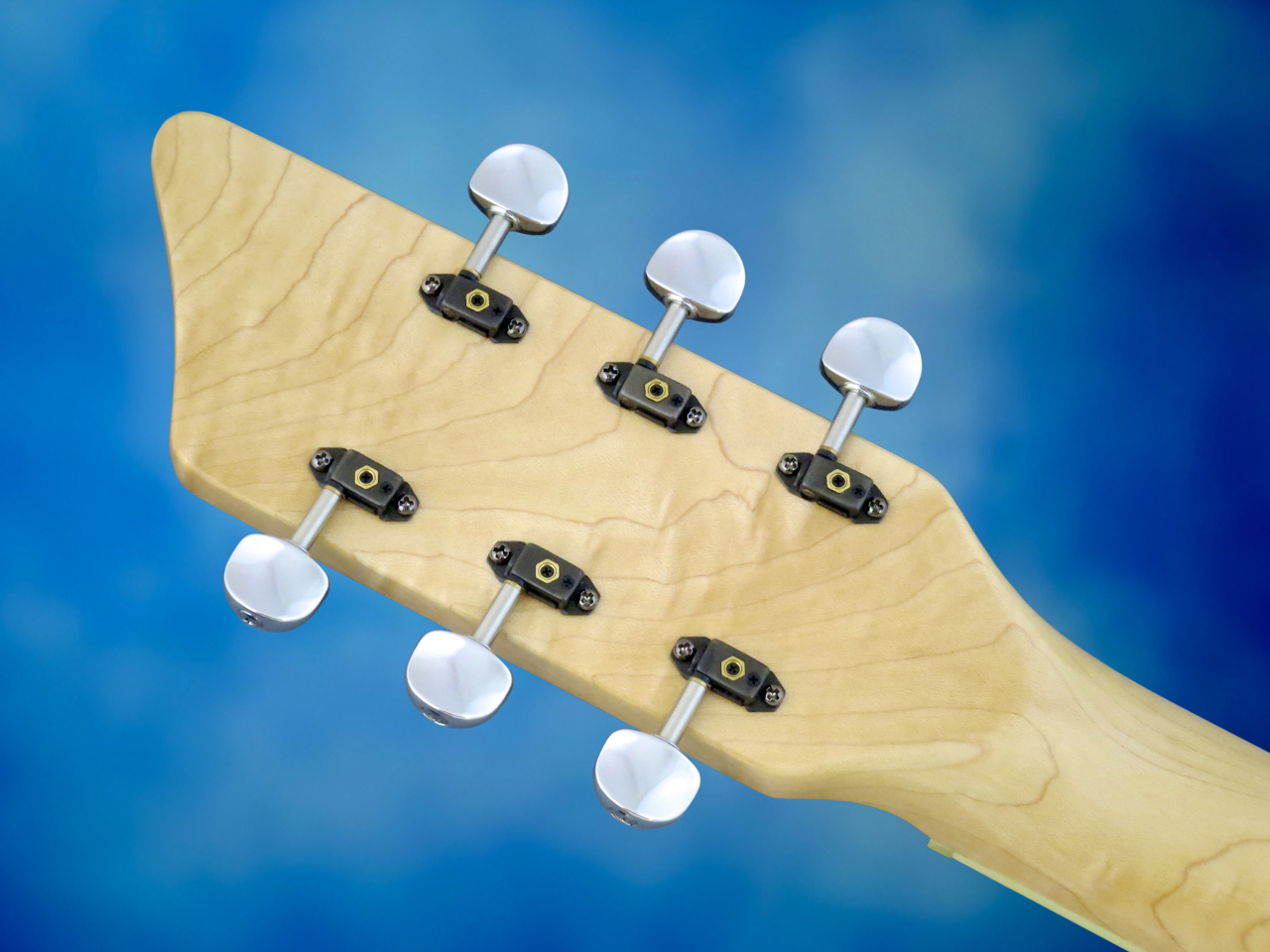
In fact, Rautia uses a set of mini-sized, high-tech and ultra-light Gotohs, called Stealth tuners.
The Stealth set works great, and the tuners turn very smoothly.
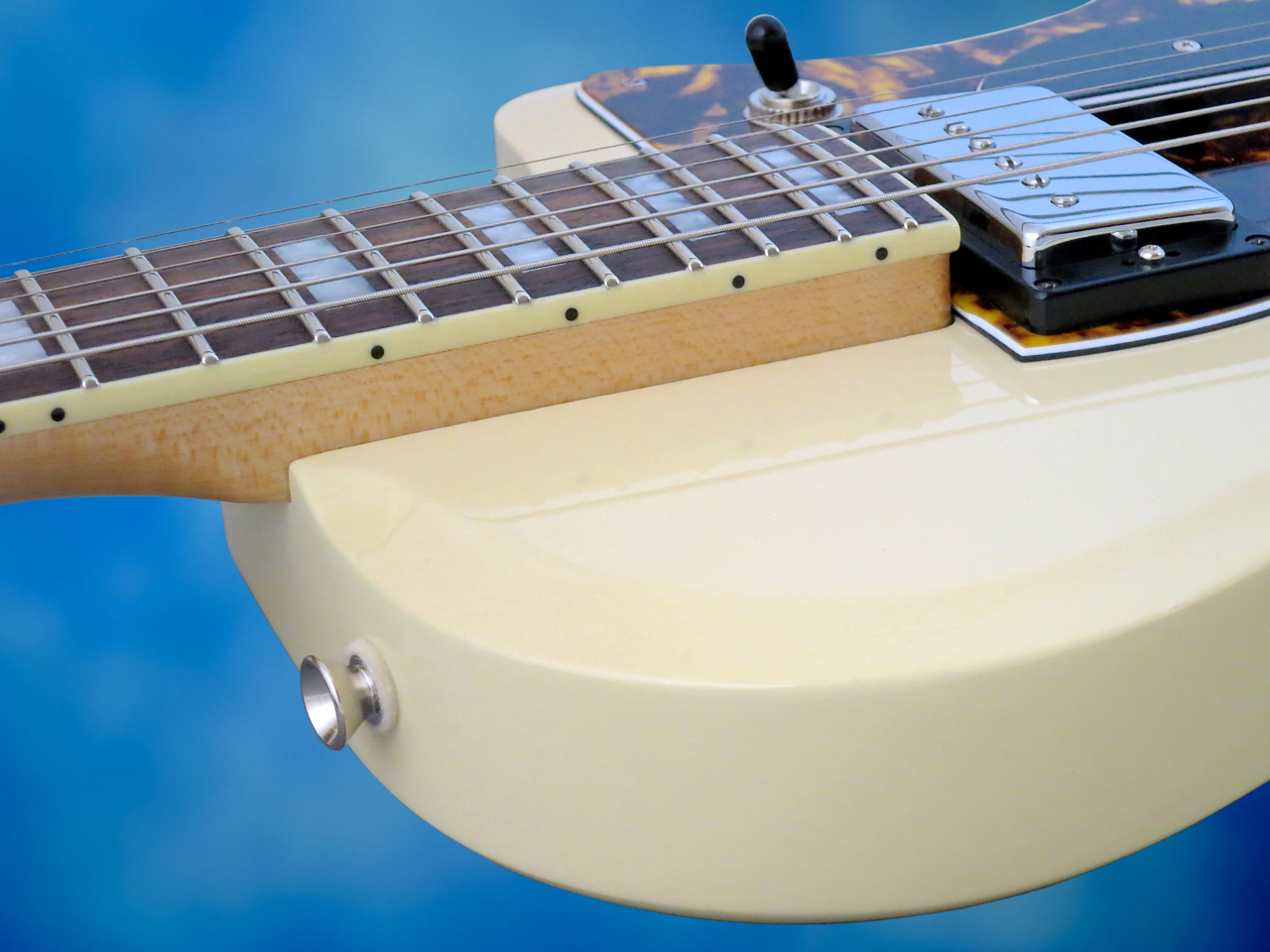
As per original specs, Rautia’s Dual Tone uses a very shallow neck pocket, with the neck set quite some way into the body. This high neck joint makes it possible to use a jazz guitar style bridge on a guitar with no neck angle.

The Indian rosewood fretboard is bound. It sports 22 medium-sized frets and rectangular pearloid position markers.
The fretwork is excellent, as you’d expect on a boutique grade guitar such as this.

The Tune-o-matic bridge on the Dual Tone Style – made by Schaller – sits on an ebony foot.
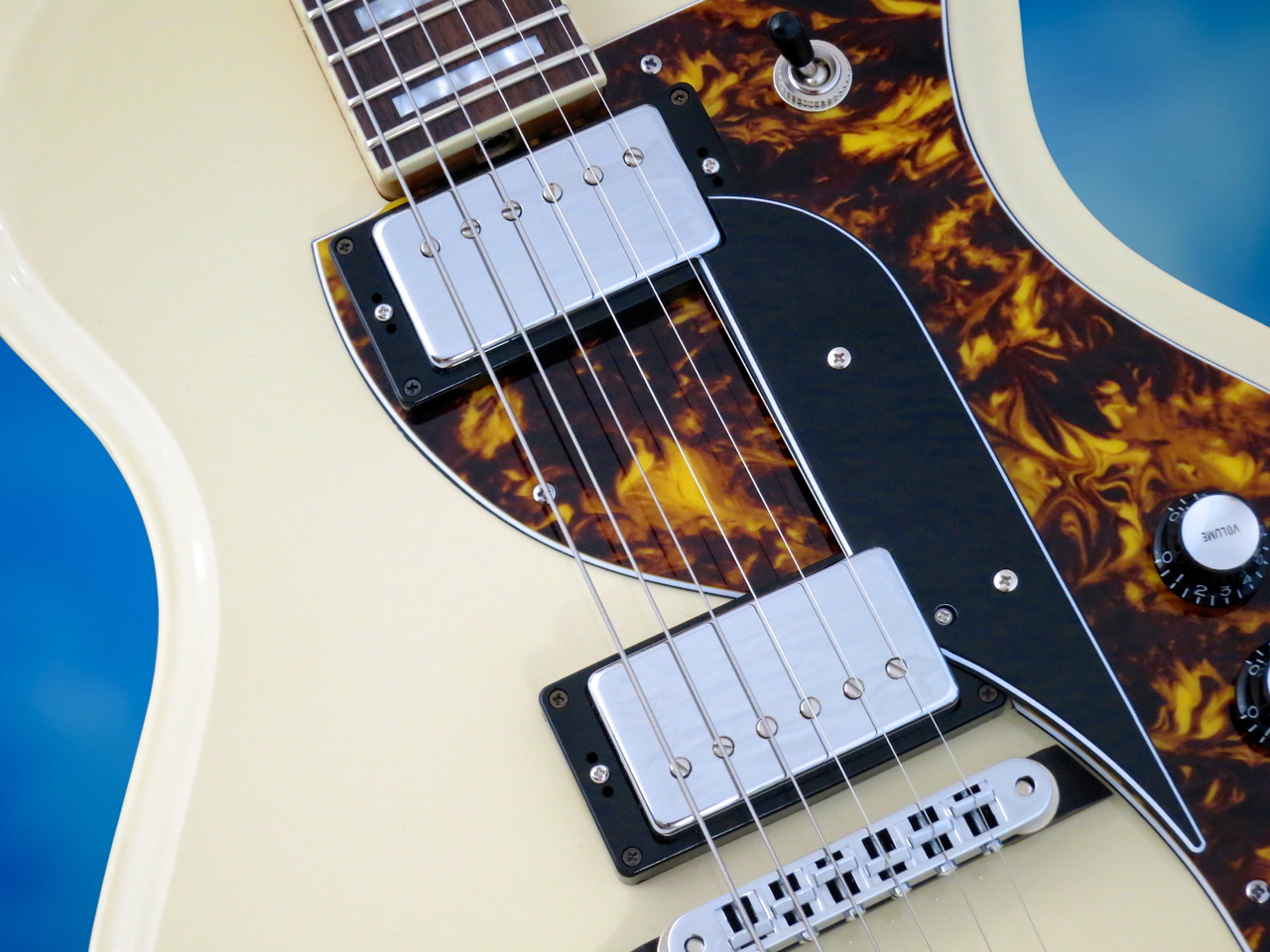
Original Supro (and Valco) pickups look like humbuckers, but they are in fact a very special breed of singlecoil pickup.
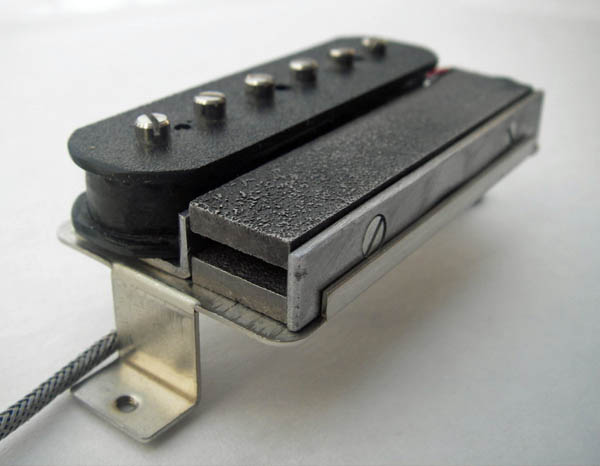
The Valco-pickup uses two alnico magnets mounted between two steel plates. One of these plates is L-shaped and serves as the mounting plate (and magnetiser) for the assembly’s single bobbin.

There are two volume and two tone controls on the Dual Tone.
Just as on the original model, the pair that is closest to the bridge deals with the bridge pickup (!), while the pair further away from the bridge is connected to the neck pickup.
The Rautia-model comes with a push/pull phase switch for the neck pickup.

****
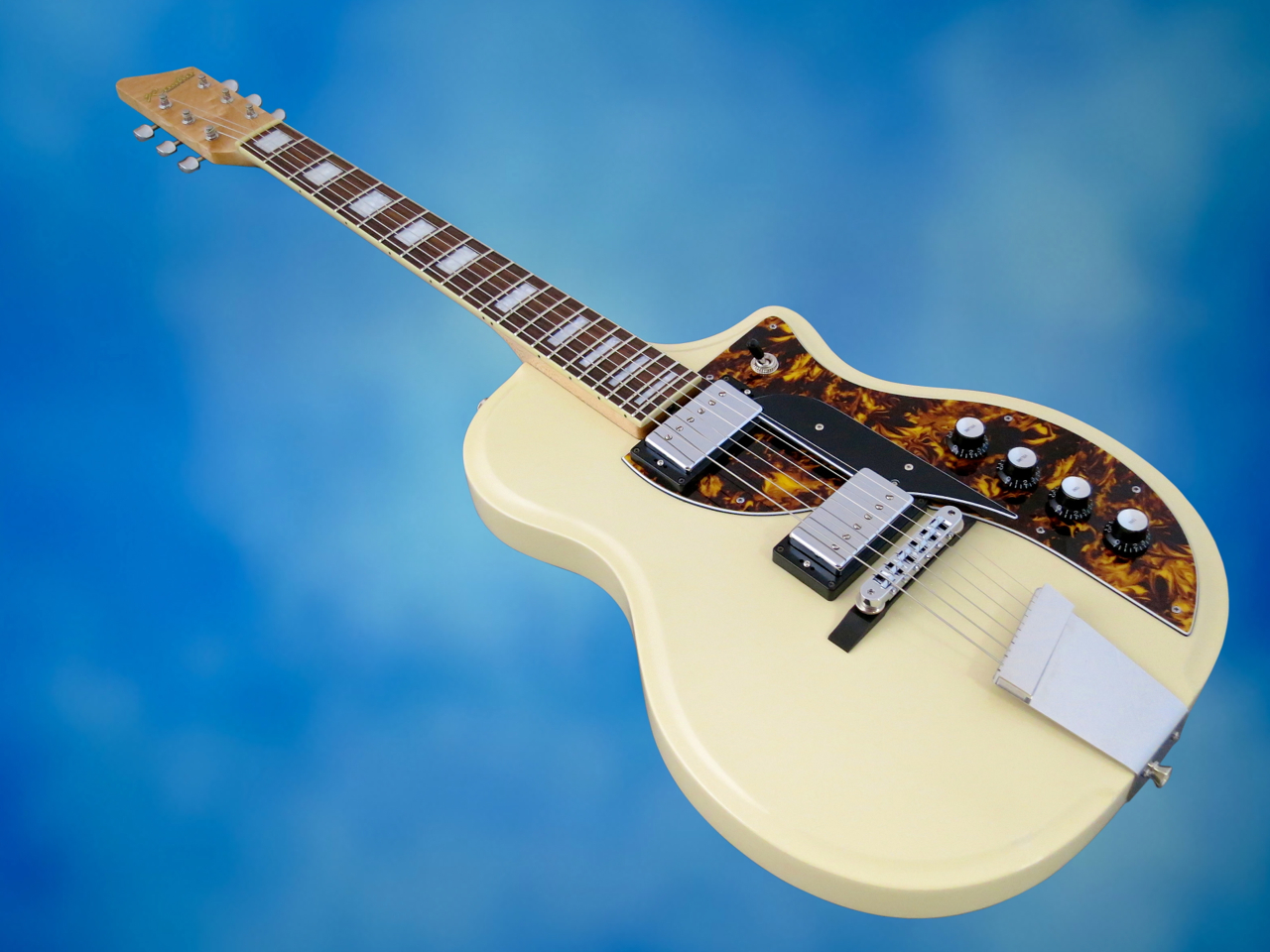
Rautia Guitars’ Dual Tone Style is a lightweight electric guitar offering boutique grade playability.
The neck’s gloss finish is very thin, and doesn’t feel sticky at all. The neck’s C-profile is well-rounded and comfortable – not clubby or too much of a handful.
From a modern guitarist’s standpoint, the Dual Tone’s deep neck set makes it a bit more difficult to reach the top end of the fretboard than what we’re normally used to. Some players would also prefer a fixed bridge for fear of knocking the free-standing bridge out of place in the heat of the moment. Based on this test, though, I must state that I really enjoyed playing the Dual Tone, and experienced no problems whatsoever!
The clean tones on the Rautia Dual Tone are really very beautiful, open and bell-like. These pickups aren’t as sharp-sounding as your traditional Fender singlecoil, but they aren’t as cluttered in the mid-range as a Gibson P-90, either.
The pickups are played in the following order; neck PU –> both PUs (in phase) –> both PUs (out of phase) –> bridge PU:
Rautia’s Valco-type pickups also sound fantastic with some distortion. There’s ample grit for the guitar to cut through, without the Dual Tone ever sounding thin or brittle:
The demo track features two rhythm guitar track, both using the middle selection on the toggle switch, as well as the phase reverse switch.
The first lead guitar part uses the neck pickup, then you’ll hear both pickups together (neck phase reversed), and the last pass is played using the bridge pickup on its own:
****
It’s so easy to fall in love with such a fantastic instrument!
Rautia Guitars’ Dual Tone represents the best in Finnish craftsmanship. Veijo Rautia’s vast knowledge in the field of guitar pickups really shows, making this a guitar which plays and sounds like a dream.
This is a handcrafted guitar at a very fair price.
****
Rautia Guitars Dual Tone Style
2,500 €
Contact: Rautia Guitars
****
Pros:
+ handcrafted in Finland
+ workmanship
+ playability
+ sound
+ rare type of pickup
Cons:
– vintage-style top fret access
Tällä kertaa on tarjolla hyvin harvinaista herkkua:
Tämä soitin on Veijo Rautian käsintehty versio 1950-luvun Supro-mallista – Dual Tone. Rautia on tehnyt tähän kitaraan useita parannuksia alkuperäiseen verrattuna, mikä nostaa kitaran soitettavuutta selvästi nykypäivän tasolle. Lisäksi Rautia Guitars Dual Tone -mallissa on – monesta Supro-, Valco- ja Airline-kopioista poiketen – alkuperäisellä periaatteella rakennetut mikrofonit.
Joensuulainen soitinrakentajamestari Veijo Rautia ei varmasti kaipaa esittelyä – mm. alkuperäiset Flaxwood-kitarat ovat hänen käsialansa. Nykyään Rautia keskittyy omassa pajassa kitaramikrofonien ja custom-kitaroiden tekemiseen.
****
Rautia Guitarsin Dual Tone (2.500 €) on erittäin tyylikäs, yhdellä soololovella varustettu sähkökitara.
Runko on veistetty lepästä, ja se on kaiverrettu osittain ontoksi.
Vanhoissa puu-Suproissa on hyvin omanleimainen kaulaliitos.
Rautian ratkaisu on perinteisempi ruuviliitos neljällä ruuvilla ja erillisillä prikoilla.
Dual Tone -mallin virittimet näyttävät edestä katsottuna vintage-tyylisiltä virittimiltä.
Todellisuudessa tämän Rautian koneistot ovat Gotohin minikokoiset ja kevyet hi-tech-virittimet, nimeltä Stealth.
Stealth-virittimet toimivat hyvin sulavasti ja kevyesti.
Rautian Dual Tonessa käytetään esikuvansa tavalla hyvin pitkää, mutta samalla verrattain matalaa kaulataskua, joka mahdollistaa korkean vintage-tallan käyttöä ilman kaulakulmaa.
Reunalistoitettuun ruusupuuotelautaan on asennettu 22 medium-kokoista nauhaa, sekä isoja otemerkkejä helmiäismuovista.
Nauhatyö on – luonnollisesti, kun kyse on suomalaisesta käsityöstä – boutique-tasoa.
Dual Tone Style -kitaran talla on Tune-o-Matic Schallerin valikoimasta joka istuu eebenpuisella jalalla.
Supron (ja Valco-yhtiön) mikrofonit näyttävät kaksikelaisilta humbuckereilta, mutta ne ovat todellisuudessa yksikelaisia mikkejä hyvin erikoisella rakenteella.
Kaksi alnico-magneettia on asennettu kahden teräslevyn väliin, joista toinen (kulmarauta-tyylinen) toimii kelan kiinnitysalustana.
Dual Tonessa on kaksi volume- ja kaksi tone-säädintä.
Alkuperäisen reseptin mukaan lähempänä kaulaa oleva säädinpari ovat tallamikrofonille (!), kun taas ne toiset kaksi säätimet ovat kaulamikkiä varten.
Rautia-kitarassa kaulan toneen on piilotettu nostokytkin, jolla kaulamikin vaihetta voi kääntää.
****
Rautia Guitars Dual Tone Style on mukavan kevyt soitin ensiluokkaisella soitettavuudella.
Kaulan ohut kiiltävä lakkaus tuntuu mukavalta, samoin kuin kaulan pyöreä, muttei liian paksu C-profiili.
Nykypäivän näkökulmasta katsottuna Dual Tonen pitkä kaulatasku hankaloittaa hieman pääsyä ihan ylimmille nauhoille. Myös vapaasti seisova talla voisi olla hyvin raskaalla kädellä soittavalle muusikoille olla pieni riski. Minun täytyy kuitenkin testin perusteella todeta, että tulin itse kitaran kanssa erittäin hyvin toimeen, eikä kitaran 50-luvun sukujuurista johtuvien ominaisuuksien kanssa tullut minkäänlaisia ongelmia.
Rautia Dual Tonen puhdas soundi on hyvin kaunis, avoin ja kellomainen. Mikrofonit eivät ole yhtä teräviä kuin perinteiset Fender-yksikelaiset, mutta niissä ei ole myöskään niin paksu keskialue kuin Gibsonin P-90-mikeissä.
Esimerkkipätkässä järjestys on kaulamikki –> molemmat mikrofonit (samassa vaiheessa) –> molemmat mikrofonit (kaulamikin vaihe käännetty) –> tallamikrofoni:
Rautian Valco-mikrofonit toimivat myös todella hyvin särökäytössä. Mikeissä on riittävästi purevuutta lyödäkseen itsensä sopivasti läpi, ilman että ne olisivat niin teräviä, että soittajalta lähtisi paikat hampaista:
Demobiisissä on kaksi komppikitaraa, jotka käyttävät kytkimen keskiasentoa, sekä vaiheenkääntöä.
Ensimmäinen soolo-osa käyttää kaulamikrofonia, toisessa kuullaan molemmat mikit yhdessä (plus vaiheenkääntöä), ja viimeinen osa soitetaan tallamikrofonilla:
****
Tällaiseen herkkupalaan on todella helppoa rakastua!
Rautia Guitarsin Dual Tone on aitoa suomalaista käsityötä. Kunnioituksella lisätyt parannukset päivittävät 60 vuotta vanhan soittimen nykykitaristille sopivaksi – sekä soitettavuus että soundi ovat ensiluokkaisia.
Hinta-laatu-suhde on mielestäni erittäin korkealla.
****
Rautia Guitars Dual Tone Style
2.500 €
Lisätiedot: Rautia Guitars
****
Plussat:
+ käsintehty Suomessa
+ työnjälki
+ soitettavuus
+ soundi
+ ainutlaatuinen mikrofonityyppi
Miinukset:
– pääsy viimeisille nauhoille


 Kitarablogi.com – Finland's premier Guitar and Bass blog