Finnish boutique amp company Bluetone has released a Swiss Army Knife-style lifesaver for valve amp users on stage and in the studio.
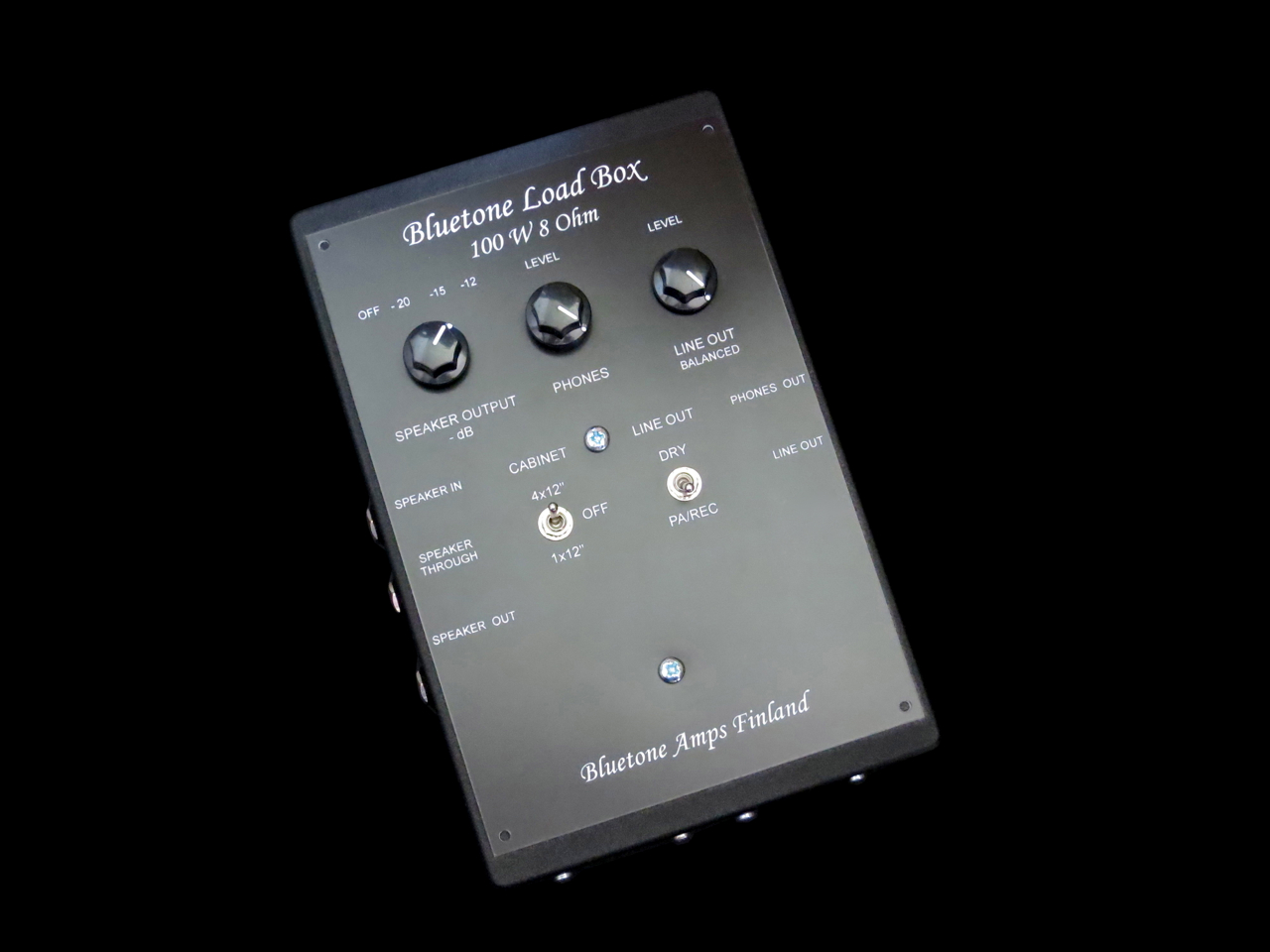
The Bluetone Load Box (370 €; incl. 1.5 metre speaker cable) is a professional quality dummy load (100 W/8 Ω) in a very compact format (only slightly larger than a big paperback) that doubles as a DI-box for guitar amps.
As any valve amp user should know, using an amplifier with a valve-driven power amp without a speaker (cabinet) connected – unless expressly allowed by the manufacturer – is a surefire path to disaster. The results of driving an amp without a speaker load can range from the output transformer catching fire to larger-scale component meltdown inside the amp, depending on the volume levels the amplifier is played at, and how quickly the fuses react.
This is where load boxes – also called dummy loads – come in. A load box allows you to run a valve amp safely without any speaker connected, while usually also offering signal attenuation and/or line level outputs. As a result, you are able to direct inject any amp into a PA system or recording equipment, as well as running the amp at full tilt without blasting everybody off the stage.
Doing away with the speaker (cabinet) isn’t as straightforward as you might think, because the impedance stated on a speaker is only nominal. The speaker, being an electromechanical transducer, behaves in a frequency- and signal level-dependent way, which results in dynamically shifting impedance values.
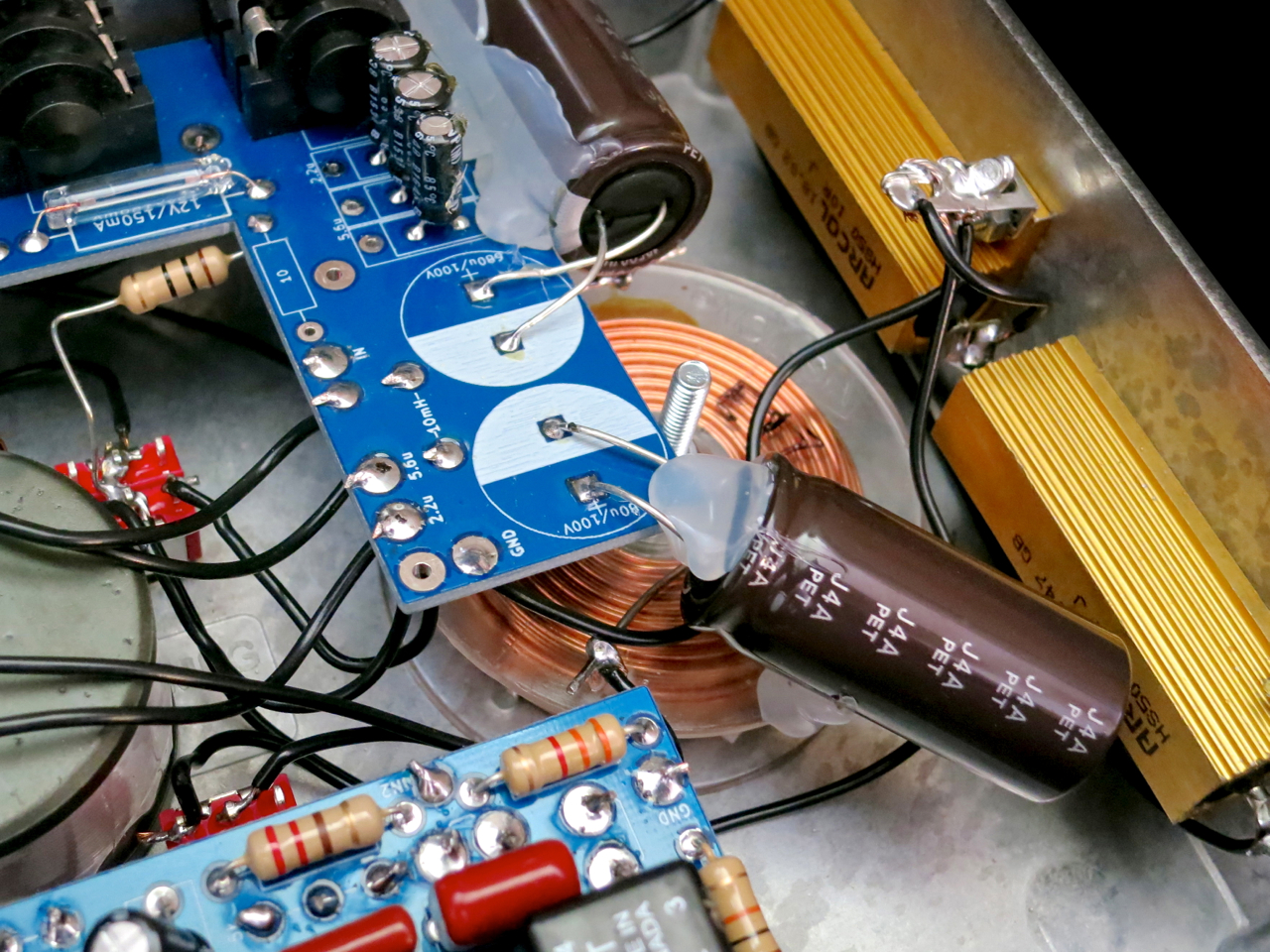
This means that a dummy load is a much more involved design than just a few resistors thrown together. Dummy coils, and a heap of capacitors and resistors are needed to simulate realistically the behaviour of a speaker, to attenuate the speaker signal (by dissipating part of it as heat), and to produce a quality DI-signal.
****
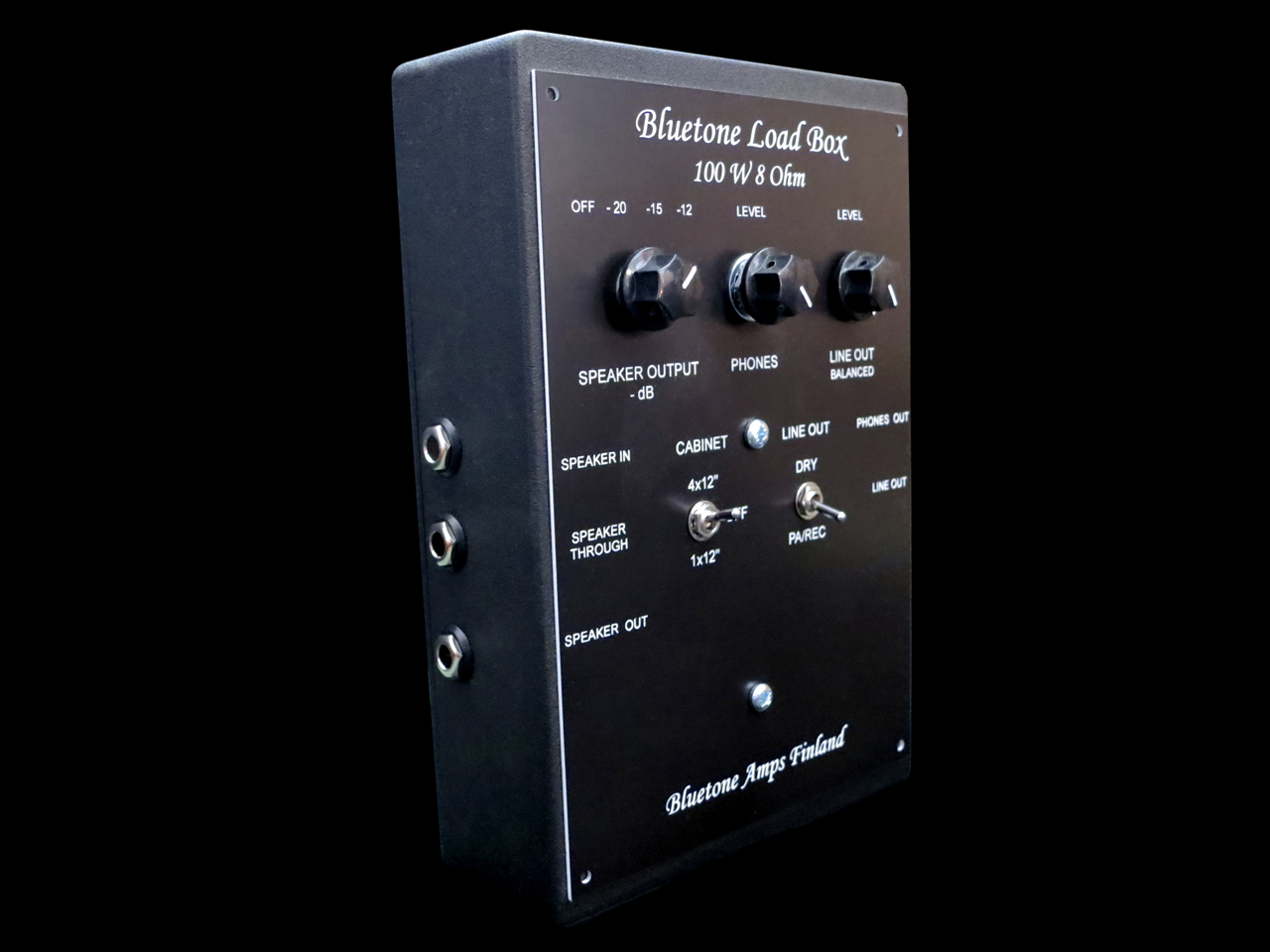
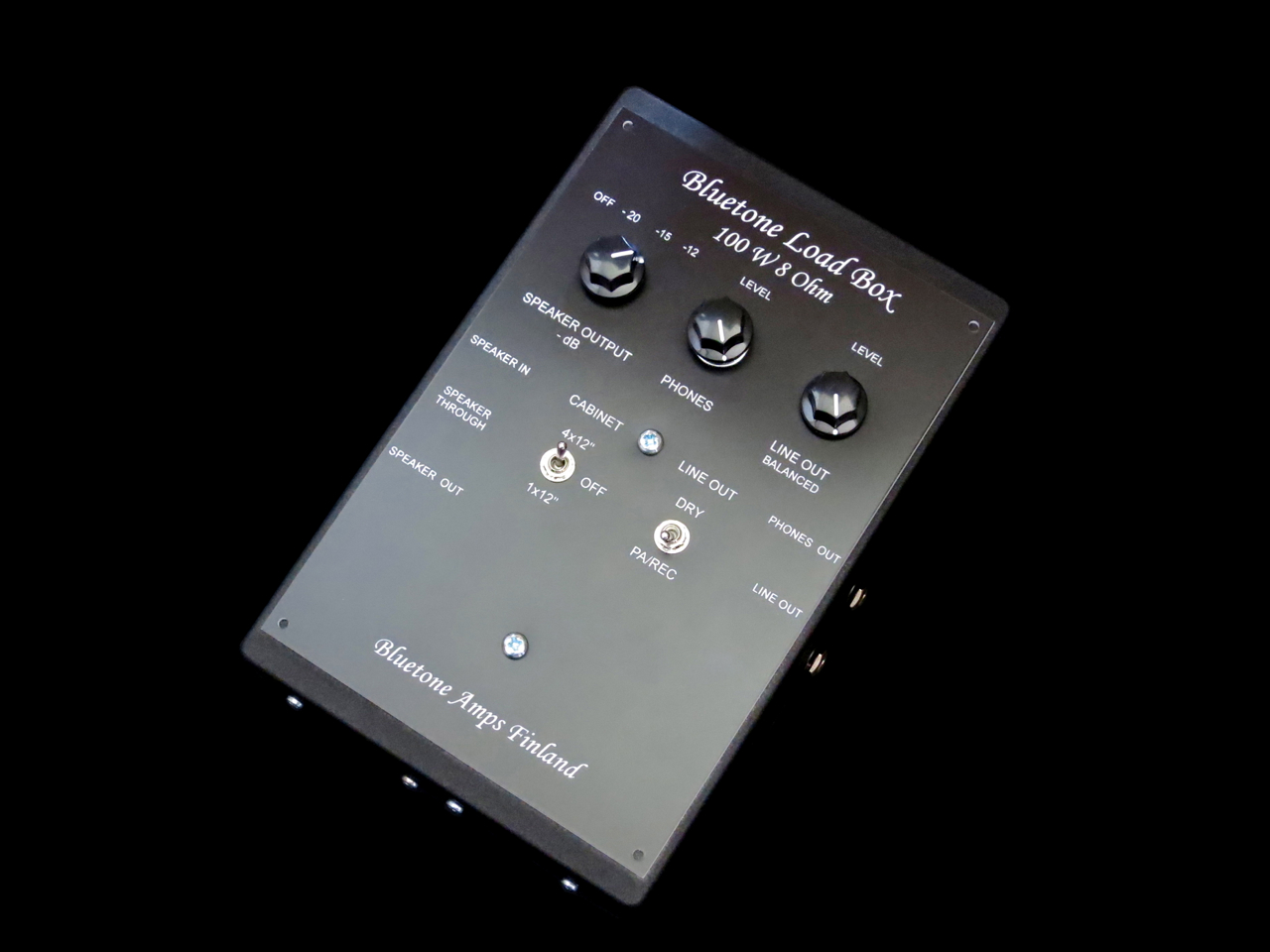
Bluetone’s Load Box has a very clear and logical layout:
The left side carries all speaker-related connectors, offering an input, as well as both an attenuated output (Speaker Out) and a straight speaker output (Speaker Through). Why would anyone need two speaker outputs? The answer is simple: If you want to run an isolated cabinet backstage at full speaker output for the FOH engineer, and an attenuated speaker signal for the backline to keep onstage volume levels manageable.
The right side sports two output jacks – one is carrying a headphone signal, while the other one is the balanced output for connection to a mixing console or a soundcard.
The controls and switches are self-explanatory:
Top left is a four-way rotary switch for speaker attenuation, with ”Off” muting the Speaker Out signal completely. I should also mention that you can use the Bluetone Load Box without any speakers connected, regardless of the selector setting.
The middle knob is the headphone level control. Because the Load Box is a completely passive design – meaning there’s no need for any sort of power supply – the output level of the headphone output is directly dependent on the signal level (and wattage) of the connected amplifier. On the early production model used for this review the headphone signal can be a tiny bit on the quiet side, when using a low-wattage amp and power hungry headphones. This is a known issue, and Bluetone will increase the signal level in future.
The line level output offers a healthy output levels. If you need an XLR connector for the Load Box’ balanced output, Bluetone offers a handy adapter for 20 €.
A three-way mini toggle gives you two different types of cabinet simulation – 1 x 12″ and 4 x 12″ – while its two-way counterpart makes it possible to bypass speaker simulation for the Line Out signal.
The Bluetone Load Box’ dummy load and attenuator work really well in dropping volume levels while keeping virtually all of your amp’s tone intact. Now you can run your non-master volume valve amp at pub-friendly levels, without sacrificing your sound.
Bluetone’s DI-output captures your amp’s tone without the need for a speaker cabinet and microphones, which is great news for home recordists and small project studios. The Load Box’ analogue speaker modelling offers a fine solution for capturing your sound with the least amount of fuss.
Here’s what my Fender Strat sounds like played through a Bluetone Shadows Jr. combo on clean settings, and recorded with a Shure SM57:
Here’s the same clean example direct recorded with the Load Box set to 1 x 12″:
Here’s a distorted clip with the sound of the Shadows Jr. recorded with the SM57:
And the same clip recorded through the Load Box:
****
In my opinion the Bluetone Load Box offers great value for money. Bluetone’s compact Load Box is a product every owner of a valve amp that doesn’t come with output attenuation built in should at least consider adding to his/her equipment.
The clever bit is how Bluetone has managed to fit the different functions into a lightweight, easy-to-carry, handcrafted piece of equipment. The Load Box is a sturdy device that will get the job done with the minimum amount of fuss, and it comes at a fair price.
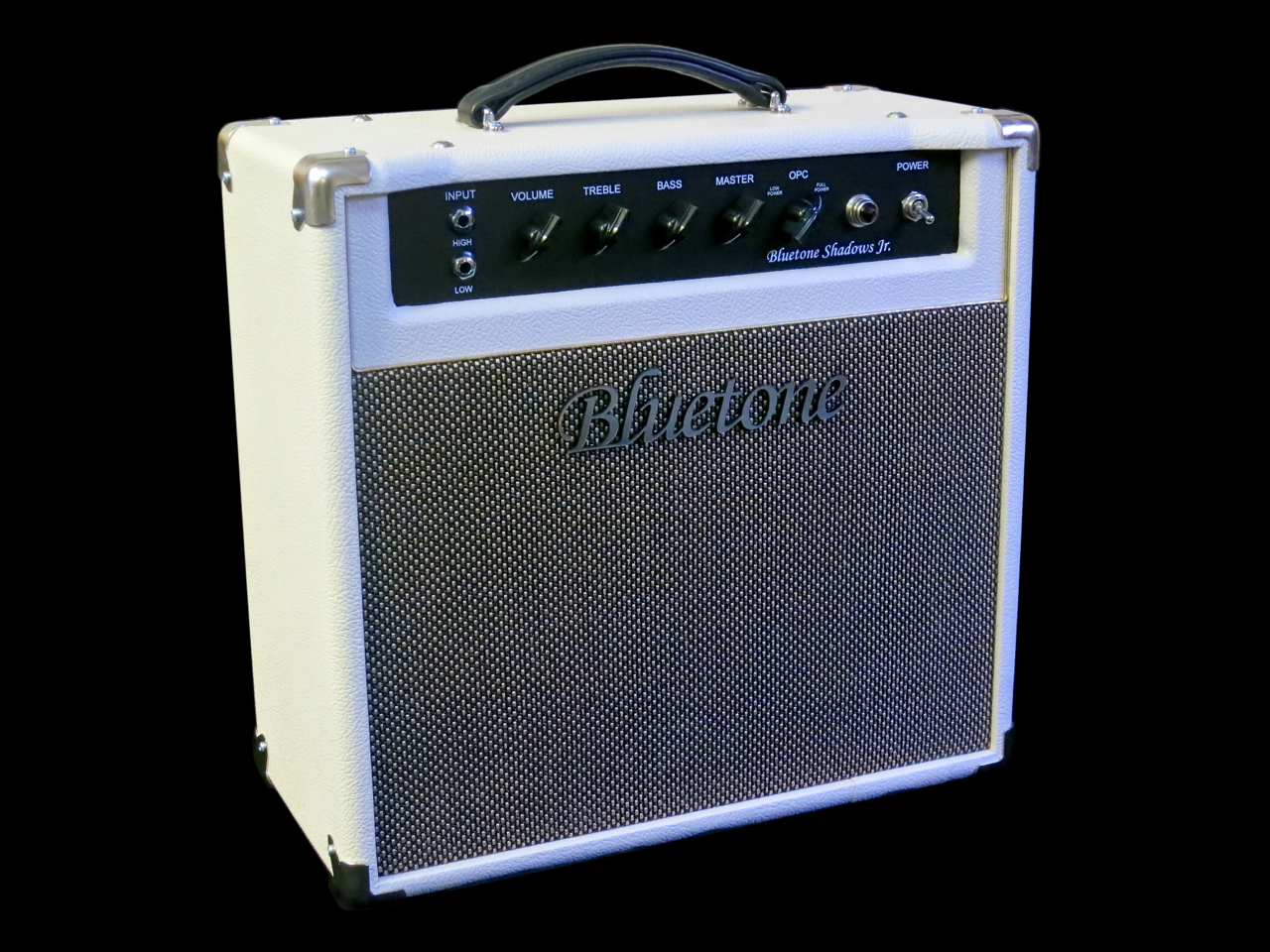
The Bluetone Shadows Jr. (combo starting at around 1,300 €) is a hand-built, all-valve guitar combo, whose sound is based on the classic Vox AC15. Instead of being a straight, slavish copy, though, the Shadows Jr. incorporates many of the up-to-date features that have made Bluetone such a well-regarded boutique maker.
****
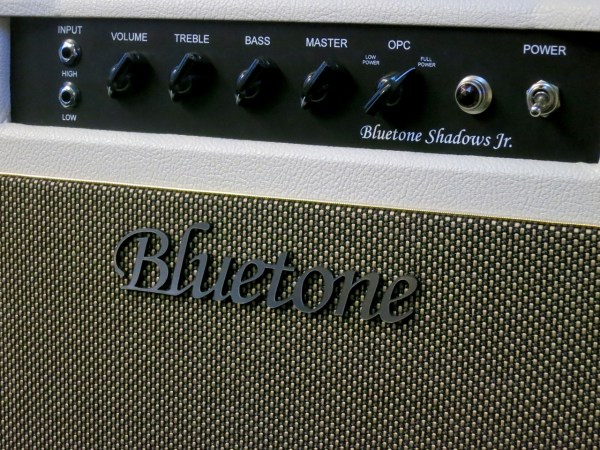
The Shadows Jr. has the clean and business-like looks that active players truly appreciate. You don’t want to be slowed down on stage by a control panel that’s hard to decipher. The Bluetone is clarity itself.
This is a single-channel all-valve combo running in Class AB mode giving you maximum output power at just over 10 watts.
The Shadows Jr. is designed around a trio of 12AX7 preamp tubes and a pair of EL84s powering the speaker. The combo’s power valves are cathode-biased, which means that swapping tubes won’t necessitate a trip to your friendly amp technician.
Bluetone is one of the very few amp makers who use torroidal power transformers. These doughnut-shaped devices (the black thing in the upper left corner) are lighter and more dependable than traditional transformer designs, and they offer more exact tolerances. As a valve amp is highly dependable on a stable and electronically quiet power supply for superior tone, Bluetone decided on using torroidal transformers early on, and they’ve never looked back.
The Warehouse Guitar Speakers Green Beret is an excellent choice for a strongly Brit-flavoured combo. Bluetone break in all of the speakers they use with low-frequency sine waves.
Despite being a compact single-channel combo amp (weighing only around 10 kg), the Bluetone Shadows Jr. offers an amazing amount of different clean and gain tones, thanks in no small part to the amp’s PPIMV master volume and the three-step OPC-switch.
PPIMV stands for ”post-power inverter master volume”, which is the preferred way of master volume design at Bluetone Amps, because it eats up the least amount of an amplifier’s tone, when in use. And if you turn the master volume knob all the way up, a PPIMV design makes the master volume ”disappear” electronically, making it completely transparent.
OPC, on the other hand, stands for ”output power control”. On the Shadows Jr. you have a choice of three settings, giving you 0.2, two or the full 10 watts of power, respectively. The magic of the OPC circuit is that it will turn volume levels down very noticeably without changing the tonal character of your settings, while also leaving almost all of the dynamics intact. Many lesser output power designs will turn a clean setting into an overdriven sound when you select a lower output level. The Shadows Jr. will sound almost the same on ten, two or 0.2 watts – the small tonal differences are the result of the speaker being driven differently. With the OPC at the lowest setting you will get approximately 95 percent of the full ”Shadows Jr. experience” at bedroom/apartment block volume levels. That’s fantastic!
The back panel gives you a choice of using the internal speaker or an external 4- or 8-ohm cabinet.
Bluetone have also included their tasty buffered, switchable effects loop with a dedicated volume control. When the loop is not in use, the circuit can also serve as a handy lead boost.
****
Are you looking for a cool little tone machine with a strong Vox-y flavour, and no-compromise build quality? You should do yourself a favour and try the Bluetone Shadows Jr.
The Shadows Jr. ticks all the right boxes:
You get that classic clean tone with that sweet mid-range ”attitude”. A clean tone that is lively, but never glassy or brittle.
With the front-end volume near the other extreme you’ll get overdrive and distortion that is more gritty and dynamic – think later era Beatles, windmilling Townshend, or multilayered May – than creamy and compressed.
But don’t forget to check out the wide scope of break-up Blues and Rock ’n’ Roll sounds to be had between 11 and 2 o’clock on the volume (gain) control (depending on the guitar used). You’re in for hours of wailing soloing and chunky rhythms without ever needing an overdrive stompbox.
Here’s a Gibson Les Paul Junior on its own:
Demo track number one features two rhythm guitar tracks – a Fender Stratocaster (stereo left) and a Gibson Les Paul Junior (right) – as well as a Hamer USA Studio Custom on lead duty:
The second demo track features a Gibson Les Paul Junior (rhythm left), an Epiphone Casino (rhythm right), and a Fender Telecaster (lead guitar):
****
The Bluetone Shadows Jr. is a fantastic little tone machine for the Vox-inclined player, who likes warm clean tones, dynamic break-up sounds, and gritty late-Sixties/early-Seventies dirt.
The build quality is miles ahead of any mass-produced guitar amplifier – this is a handcrafted boutique-grade valve amp. Modern additions like the PPIMV master volume, the OPC circuit, and the switchable effects loop, also raise this amp above any vintage-style copies.
For many the crucial question with low-wattage amps is volume. How loud is the Bluetone Shadows Jr?
Let’s just say that if you’ve only ever tried 10-watt tranny combos before you’re in for quite a surprise! These are ten (-plus) watts of British-style valve amp majesty, with every last ounce of loudness wrung out of the power amp and speaker.
With the OPC and the master on full, this little chap will easily get you into trouble with your neighbours in your block of flats on clean tones alone. If you don’t need 100 percent clean tones, the Shadows Jr. will easily get you through many rehearsals and gigs in small venues. And there’s always the option to stick a mic in front of the speaker.
So, don’t expect a Heavy Metal-type volume onslaught, but be prepared for some serious business.
• Handmade in Finland
• All-valve Class AB single-channel combo
• 10 W, 2 W or 0.2 W of output power (OPC)
• Diode recitified
• Two-band EQ
• PPIMV Master Volume
• Built-in buffered FX loop/booster
• 3 x ECC83 (12AX7) & 2 x EL84
• One 10-inch WGS Green Beret speaker (25 Watts/8 Ohms)
****
Demo Track
All guitars recorded with the Bluetone Shadows Jr. (no pedal effects used). Delay and reverb added during mixdown.
• Rhythm guitars: Fender Stratocaster (left channel) & Gibson Les Paul Junior (right channel)
• Lead guitar: Hamer USA Studio Custom
Tokai Guitars’ workshop in Japan will do the occasional special run of Limited Edition models that come with some features that differ from the regular models on offer. To our delight, we at Kitarablogi managed to get hold of two such special Love Rock guitars for this review.
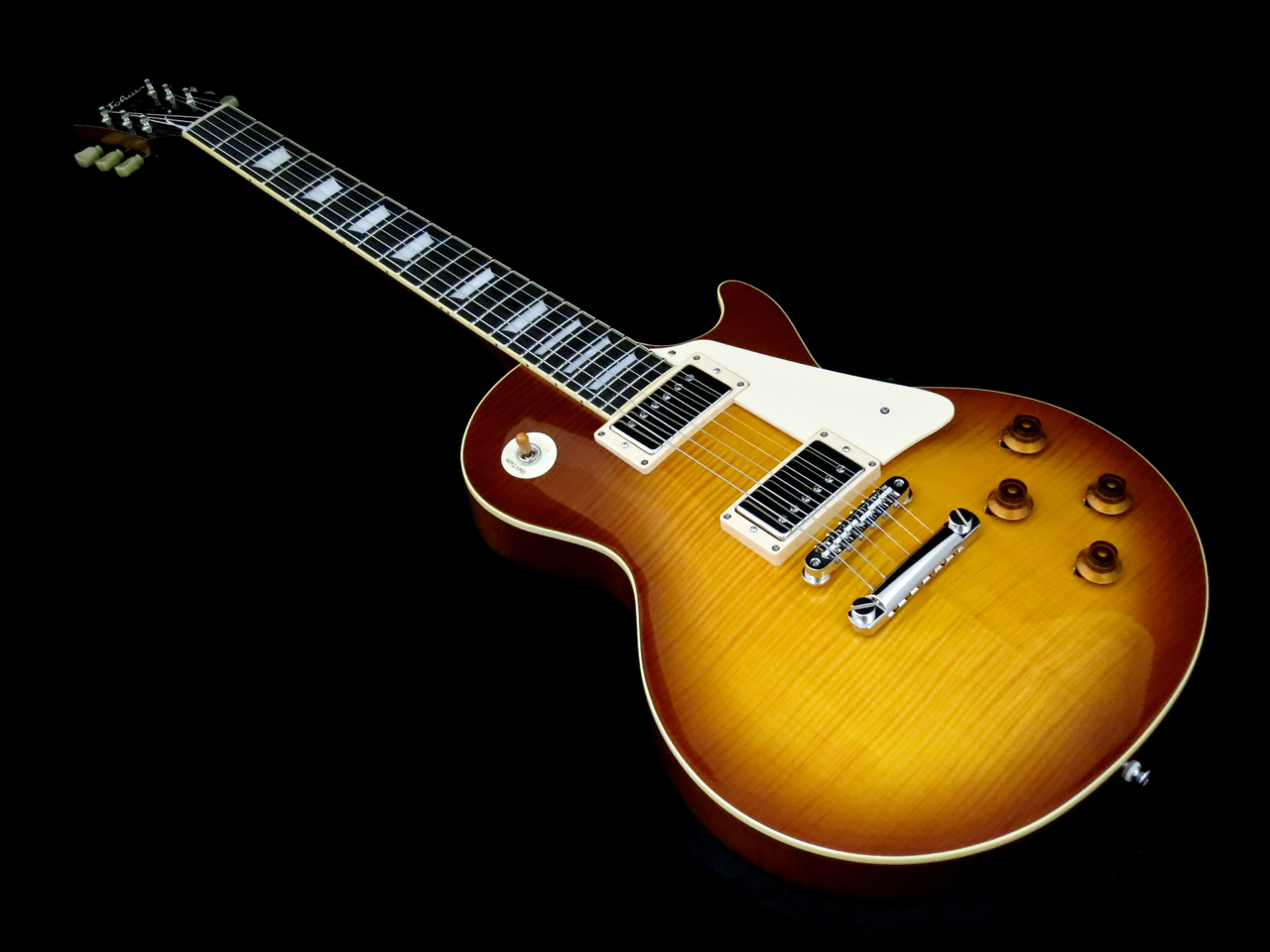
The Tokai LS-100F Pearly Gates (price in Finland: 1,550 €; hard case incl.) is a factory-modded instrument for Billy Gibbons fans …
… while Tokai’s LS-200F-5A(2,995 €; hard case and pickguard incl.) represents the maker’s take on the ”ultimate Love Rock guitar”. This Premium Series instrument shows off an AAAAA figured maple top, and a set of Seymour Duncan Custom Shop pickups.
****
Even though this isn’t an official signature model by any stretch of the imagination, Tokai’s LS-100F Pearly Gates is clearly modelled after Billy F. Gibbons’ main squeeze.
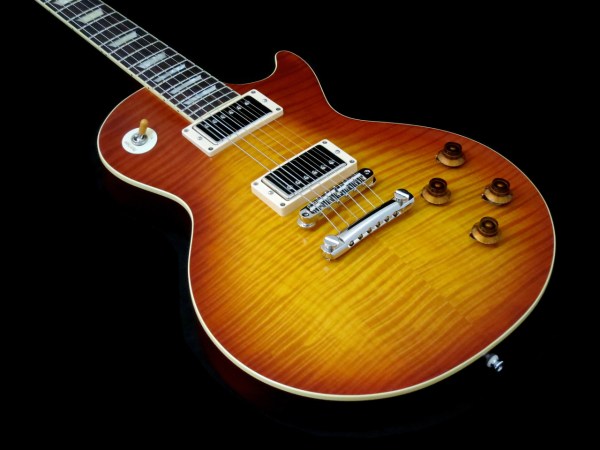
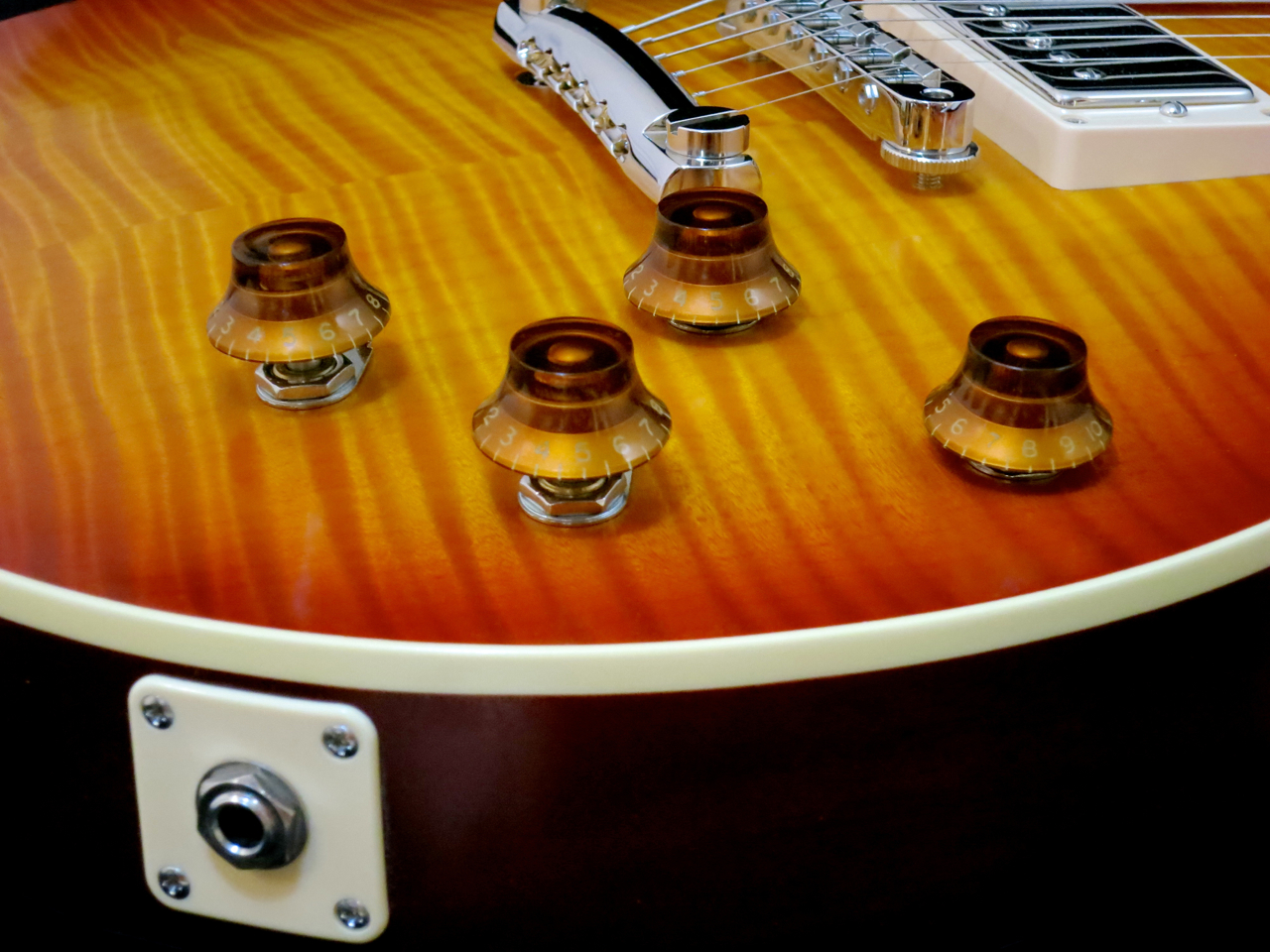
The solid figured maple top looks fantastic in its gloss brown Ice Tea Burst. The guitar comes with a set of Seymour Duncan Pearly Gates humbuckers.
The Tokai LS-200F-5A has been built in an extremely limited edition (less than 20 guitars worldwide), with a whopping three instruments finding their way to Finland.
The LS-200F-5A isn’t ”just” a top-of-the-line instrument, it’s a thrilling experience. The flame on this guitar’s top is so deep you can lose yourself in it, and the instrument’s semimatte finish only accentuates its sensual qualities.
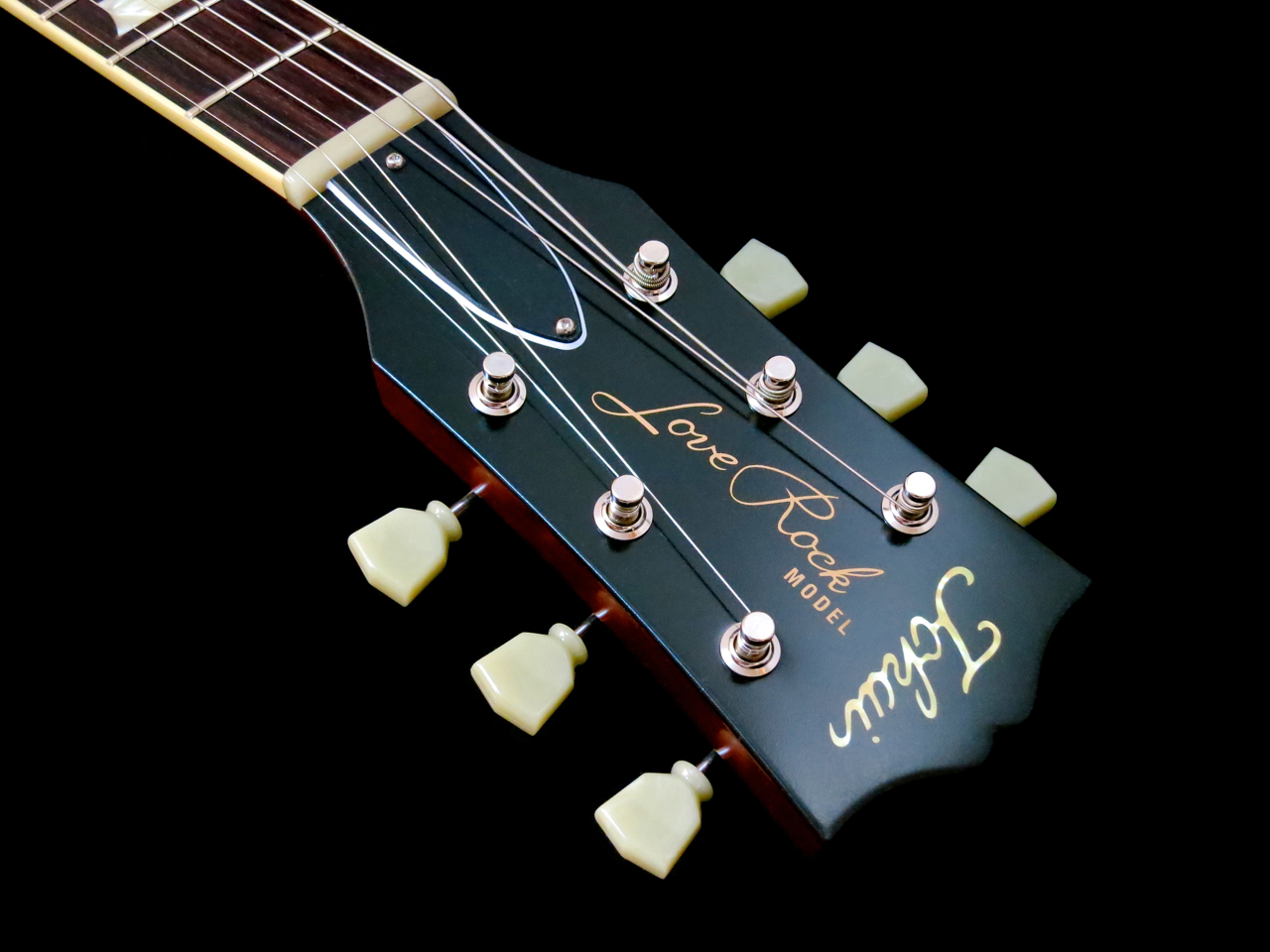
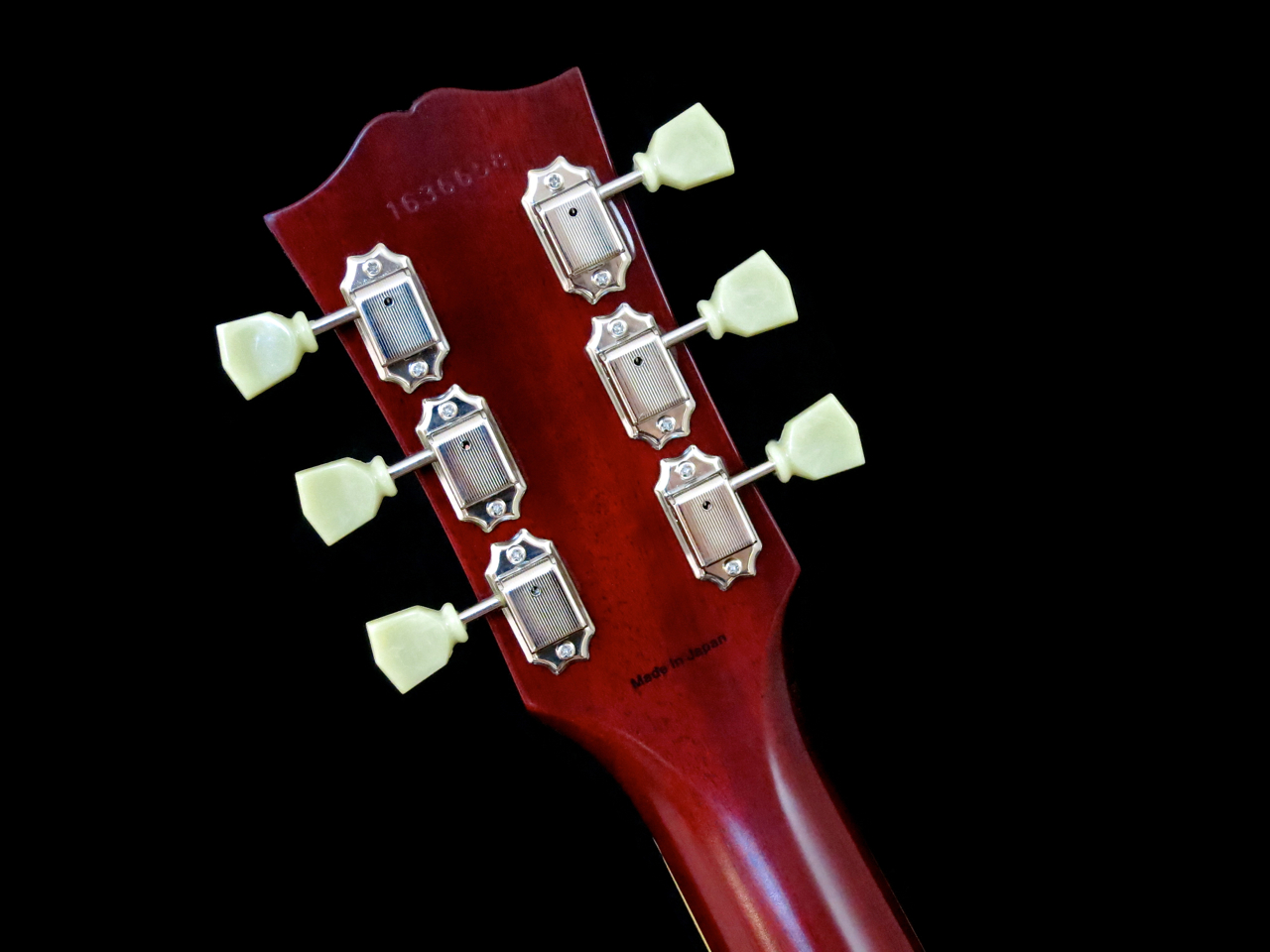
Both models are equipped with top quality Gotoh machine heads.
The fretwork is second to none. Both instruments sport a fret size that’s slightly larger-than-vintage.
The bridges and tailpieces are also supplied by Gotoh.
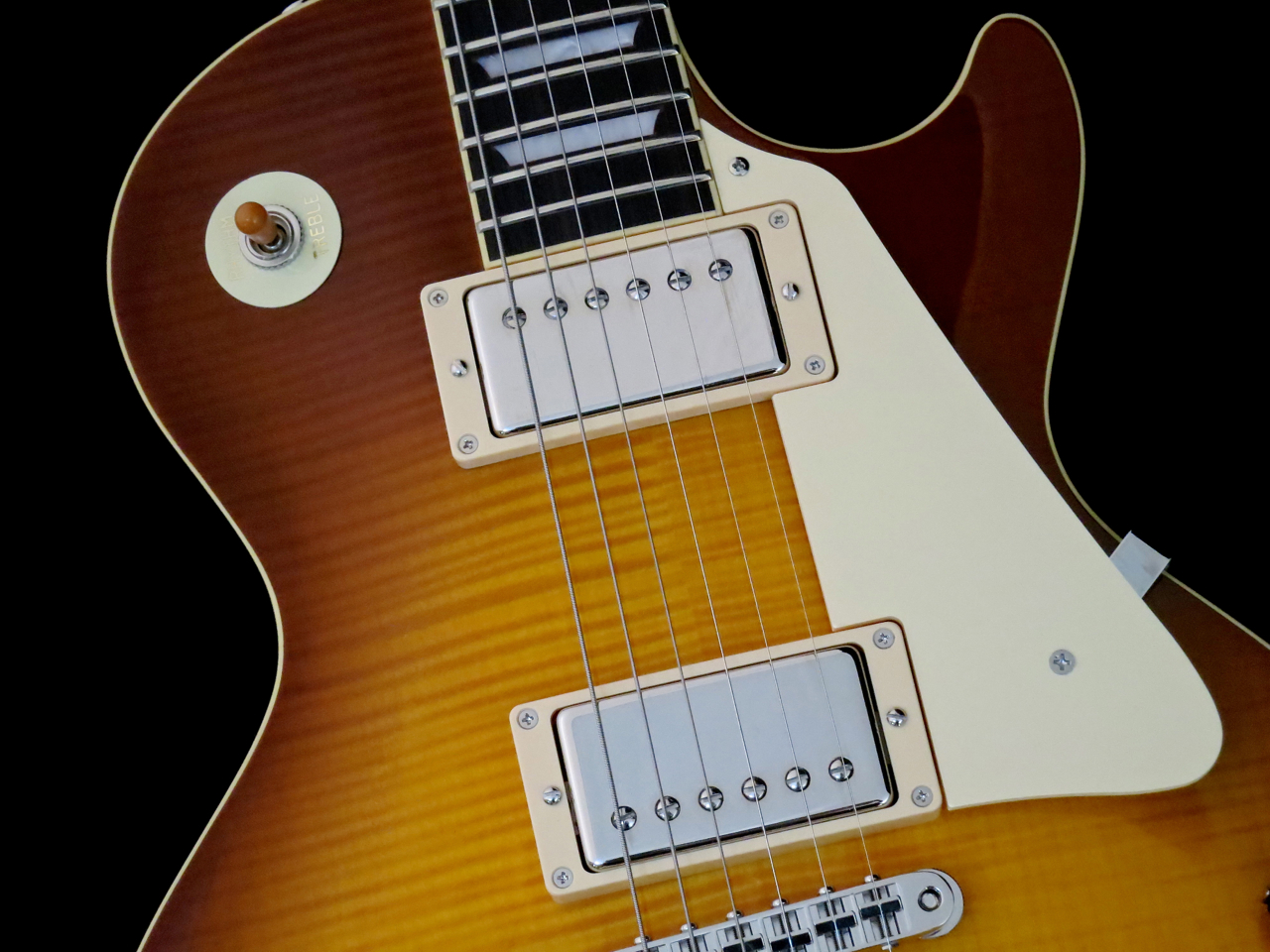
Seymour Duncan’s Pearly Gates set is a recreation of the slightly unusual PAFs found in Billy Gibbons’ legendary guitar.
For some reason Pearly Gates – a 1959 Les Paul Standard – comes with a set of humbuckers that offers a strong mid-range peak, while the bridge humbucker is clearly much louder than the neck unit.
Tokai has ordered a batch of custom-made Seymour Duncan Antiquity-humbuckers for the LS-200F-5A.
The Antiquity is Duncan’s most faithful recreation of Gibson’s original PAF. The custom-version used here differs from the regular issue in two points – these humbuckers have not been aged, but look brand new, and both pickups come with four conductors to facilitate pickup splitting.
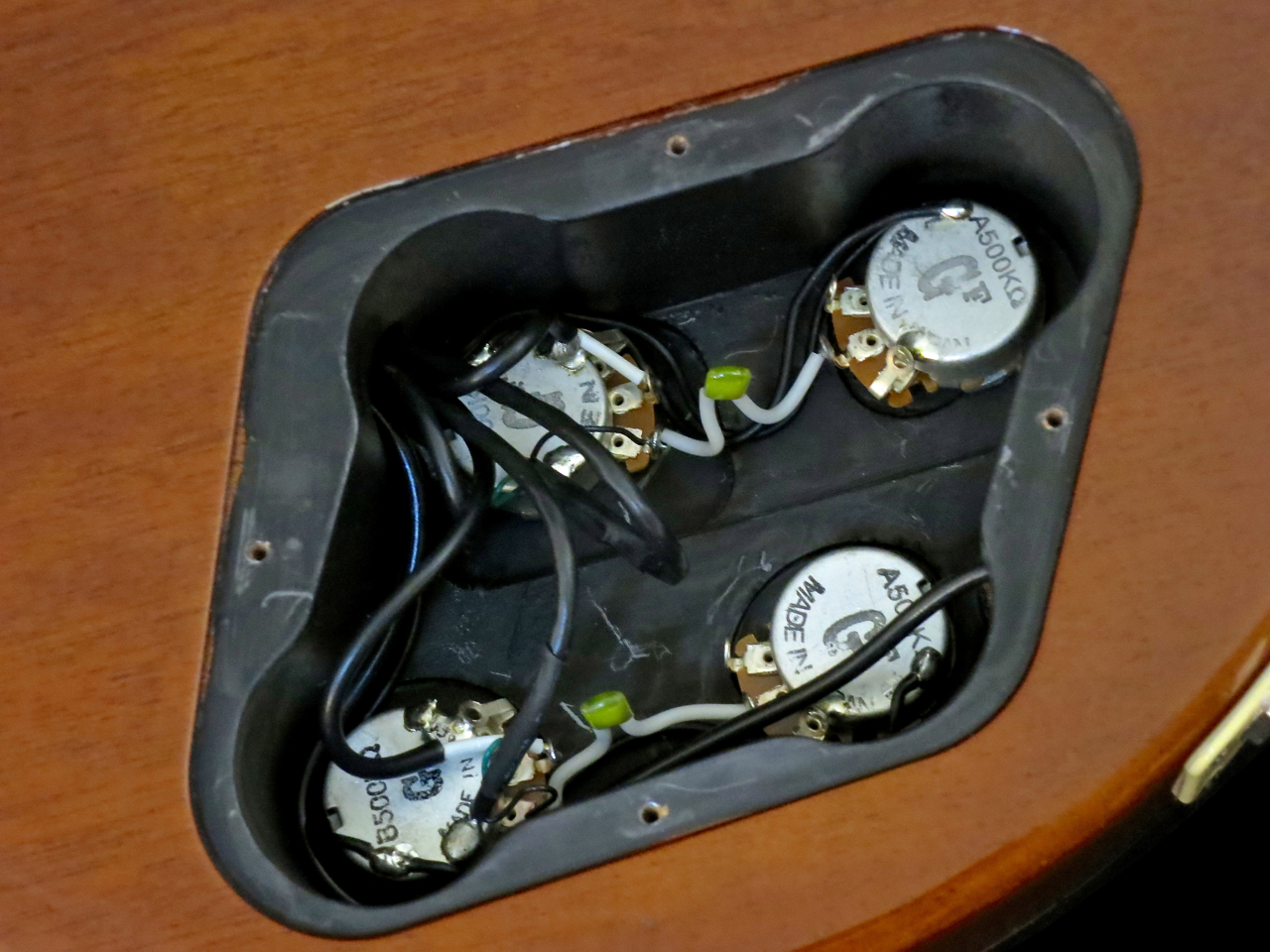
The Japanese electronics inside the LS-100F Pearly Gates are of a very high standard.
For the LS-200F-5A Tokai uses Orange Drop capacitors, US-made volume pots, and two ESP push/push tone pots for coil-splitting.
Both models are sold with a top-drawer hard case.
****
Our review sample of the Tokai LS-100F Pearly Gates is a fine-playing instrument, with a nice, moderate weight, and a great neck profile, that’s rounded, but not too big (somewhere between a ’59 and a ’60 profile).
The Pearly Gates humbuckers deliver a good deal more output than a traditional PAF (or its copy), coupled with a very strong mid-range. Yet, despite this signature sound, the Pearly Gates set never feels one-dimensional, clunky, or hard-to-control. There’s ample top end and a great dynamic range.
This is what the LS-100F Pearly Gates sounds like played through a handwired Tweed Champ-clone set clean:
Overdriven and distorted tones clearly show off the signature pickup set’s Texan accent:
It’s fairly easy to coax artificial harmonics from this Tokai, if you’re into Billy Gibbons’ playing style:
****
Tokai’s LS-200F-5A is too good an instrument to be locked away in a display case!
The LS-200F-5A is a surprisingly lightweight solid-body guitar. It plays at least as good as the LS-100F, but thanks to its semimatte finish one seems to make a more intimate connection with this fantastic guitar.
Seymour Duncan’s Antiquity-humbuckers really let the woody aspects of your guitar’s inherent tone shine through. These humbuckers have a clear, precise and dry (in a good sense) sound:
The coil-split option opens up a whole bag of additional tonal choices, whenever you look for more single-coil-type tones from this Love Rock:
Overdriven and distorted tones, too, will benefit from the possibility to drop the output level with the simple pressing of a button (or two):
The demo track features two rhythm guitar tracks, which were both recorded with split humbuckers. The first half of the lead part starts off with the split neck pickup, switching to the full unit for the second half of the song:
****
Both the LS-100F Pearly Gates as well as the LS-200F-5A are prime examples of the kind of top grade workmanship that has made Japanese Tokais legendary.
The LS-100F Pearly Gates is a great choice for Blues- and Rock-inclined players, who thrive on chunky mid-range power and bags of sustain.
For an investment grade instrument Tokai’s LS-200F-5A is still rather affordable. This guitar will give you Japanese Custom Shop quality at a very fair price, but the edition is, indeed, very limited…
****
Two Tokai Love Rock models
LS-100F Pearly Gates – 1,550 € (case included)
LS-200F-5A – 2,995 € (case included)
Pros (both guitars):
+ workmanship
+ playability
+ sound
+ (LS-100F Pearly Gates only) Billy Gibbons signature humbuckers
Tokai Guitarsin paja Japanissa valmistaa aika ajoin pieniä eriä erikoismalleja, joilla on tavalliseen mallistoon nähden poikkeavia ominaisuuksia. Kitarablogin iloksi saimme tällä kertaa testiin jopa kaksi tällaista Love Rock -kitaraa.
Tokai LS-100F Pearly Gates (1.550 €; laukku kuuluu hintaan) on ns. valmiiksi modattu soitin Billy Gibbons -faneille.
Tokai LS-200F-5A(2.995 €; laukku kuuluu hintaan) taas on firman näkemys ultimaattisesta Love Rock -mallista. Se on Premium-sarjan soitin AAAAA-luokan loimuvaahterakannella ja Seymour Duncan Custom Shop -mikrofoneilla.
****
Vaikka se ei olekaan virallinen nimikkomalli, on Tokain LS-100F Pearly Gates silti kovin Billy Gibbons -henkinen soitin.
Upeassa, kiiltäväksi lakattussa kitarassa on ruskehtava Ice Tea Burst -liukuväritys, sekä Seymour Duncanin valmistama Pearly Gates -mikrofonisetti.
Tokai LS-200F-5A –mallia on valmistettu erittäin rajoitettu erä (noin 20 kappaletta yhteensä), joista peräti kolme kitaraa löysivät tiensä Suomeen.
LS-200F-5A ei ole ”vain” laatukitara, se on elämys. Sen loimuvaahterakannen kuviointi on niin syvän kolmiulotteista, että melkein alkaa huimata, ja sen puolihimmeä viimeistely tukee sopivasti tätä kokonaisuutta.
Molemmissa kitaroissa on käytetty Gotoh:n laadukkaita Kluson-kopioita.
Soittimien nauhat on työstetty erinomaisella tarkkuudella. Molemmissa kitaroissa on käytetty samaa, hieman vintagea isompaa nauhakokoa.
Myös tallan ja kieltenpitimen suhteen Tokai luottaa Gotoh:n vankkaan laatuun.
Jostakin syystä mestarin omasta 1959 Les Paul -kitarasta löytyy epätavallinen setti PAF-mikrofoneja, joissa on vahva keskialueen korostus, sekä selvästi kaulamikrofonia voimakkaampi tallamikki.
LS-200F-5A:ta varten Tokai on tilannut Seymour Duncan Custom Shopilta erikoiserän firman Antiquity-settiä.
Antiquity on Duncanin tarkin jäljitelmä legendaarisista PAF-mikrofoneista. Tässä erikoiserässä on kaksi eroa tavallisiin Antiquity-mikrofoneihin nähden – niiden ulkonäköä ei ole vanhennettu lainkaan, ja kummankin mikrofonin voi halutessaan puolittaa.
LS-100F Pearly Gates -mallin elektroniikka edustaa selvästi japanilaista pro-tasoa.
LS-200F-5A:ssa on sen sijaan käytetty Orange Drop -kondensaattoreita, amerikkalaisia volume-potikoita, sekä ESP:n valmistamia push/push-potikoita tonea ja mikkien puolitusta varten.
Molemmat soittimet myydään oman laadukkaan kovan laukun kera.
****
Testattu Tokai LS-100F Pearly Gates on erittäin mukavan tuntuinen soitin. Painoa löytyy vain maltillisesti ja mallin pyöreä, muttei liian paksu kaulaprofiili tuntuu erittäin mukavalta.
Pearly Gates –mikrofoneissa on huomattavan paljon enemmän tehoa kuin tavallisissa PAF (-kopioissa), ja myös keskialueesta löytyy rutkasti vääntöä. Silti Pearly Gates -setti ei kuulosta millään lailla yksitoikkoiselta, kömpelöltä tai kovaotteiselta, vaan soinnista löytyy silti dynamiikkaa ja selkeyttä.
Särösoundeista löytyy sopivasti rosoista Teksas-asennetta:
Billy Gibbons -tyylinen huiluäänikikkailukin on helppoa, kun käytössä on oikeanlainen kitara soittotyyliä tukevilla mikrofoneilla:
****
Tokai LS-200F-5A ei ole pelkästään kuvankaunis esine, vaan myös erittäin monipuolinen ja laadukas soitin.
LS-200F-5A on todella kevyt kitara. Sen soitettavuus on yhtä vaivatonta kuin LS-100F-mallissa, mutta soittotuntuma on puolihimmeän viimeistelyn ansiosta jotenkin intiimimpi, suorempi.
Seymour Duncanin Antiquity-mikrofonit antavat todellakin puiden soida, ja näiden humbuckereiden tarkkavainen, dynaaminen ja avoin ääni on positiivisella tavalla kuiva:
Mikrofonien puolitus lisää rutkasti tämän kitaran monipuolisuuta, kun 5A:sta lähtee melko autenttisia yksikelamikkien soundejakin:
Myös särösoundeissa mikrofonien puolitus suo soittajalle mahdollisuuden nostaa välillä kaasujalkaa polkimelta:
Demobiisissä molemmilla komppiraidoilla käytetään mikkien puolitusta. Soolokitara aloittaa ensin puolitetulla kaulahumbuckerilla, minkä jälkeen molemmat kaulamikin keloista aktivoidaan:
****
Sekä LS-100F Pearly Gates että LS-200F-5A ovat loistavia esimerkkejä laadusta, jota japanilaiset Tokai-kitarat tarjoavat, ja joka on tehnyt niistä legendaarisia.
LS-100F Pearly Gates on todella hyvä valinta Blues- ja Rock-kitaristeille, jotka kaipaavat soundiinsa aimon annoksen keskialueen voimaa.
LS-200F-5A on keräilyluokan kitaraksi vielä melko edullinen. Se tarjoaa aitoa japanilaista Custom Shop -laatua reiluun hintaan. Tässäkin tapauksessa nopeat syövät hitaat…
****
Tokai Love Rock -kitarat
LS-100F Pearly Gates – 1.550 € (kova laukku kuuluu hintaan)
LS-200F-5A – 2.995 € (kova laukku kuuluu hintaan)
Plussat (molemmat mallit):
+ työnjälki
+ soitettavuus
+ soundi
+ (vain LS-100F Pearly Gates) Billy Gibbons -nimikkomikrofonit
















 Kitarablogi.com – Finland's premier Guitar and Bass blog