Why not assemble one yourself? – The ”Berka T” Experiment

I can declare freely and from the bottom of my heart that I am not the most handy when it comes to DIY and using tools! You can’t win ’em all…       😉

Still, most of us could, and probably should, try their hands at ”building” their own electric solidbody guitar or bass. I use the quotation marks here, because I’m not talking about building, as in ”raw wood”, but rather about assembling an instrument from prefabricated parts.

A self-assembled guitar is almost certainly not cheaper than buying a mass-produced item. The idea behind the whole process is rather to get a true, hands-on insight into what makes an electric guitar tick. And it’s fun…

****

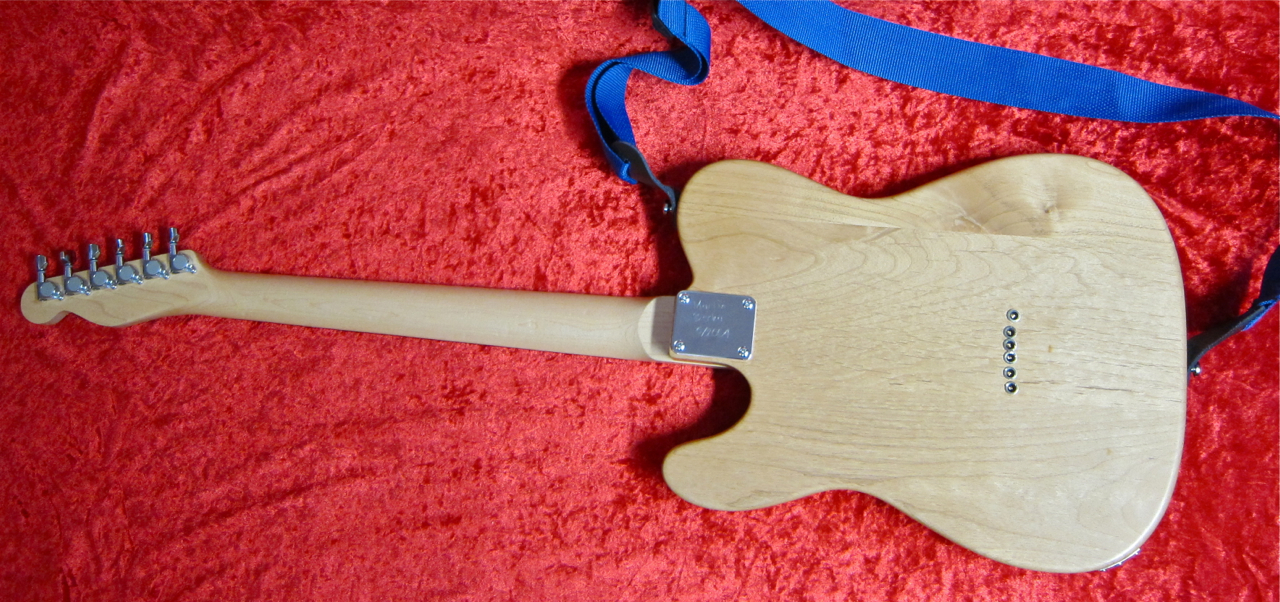
I assembled this guitar – let’s call her the ”Berka T” – in 2004. I specifically wanted to find out what kind of instrument you end up with using comparatively inexpensive parts.

I got all the ingredients for the Berka T from SP-Elektroniikka in Oulu (Finland), aiming for stripped Tele-with-pearloid-pickguard-look in an oil and wax finish.

****

The body is a three-piece alder affair, with the pieces’ grain not really matched, which is absolutely normal at this price level. The shaping is OK and the routings reasonably clean.
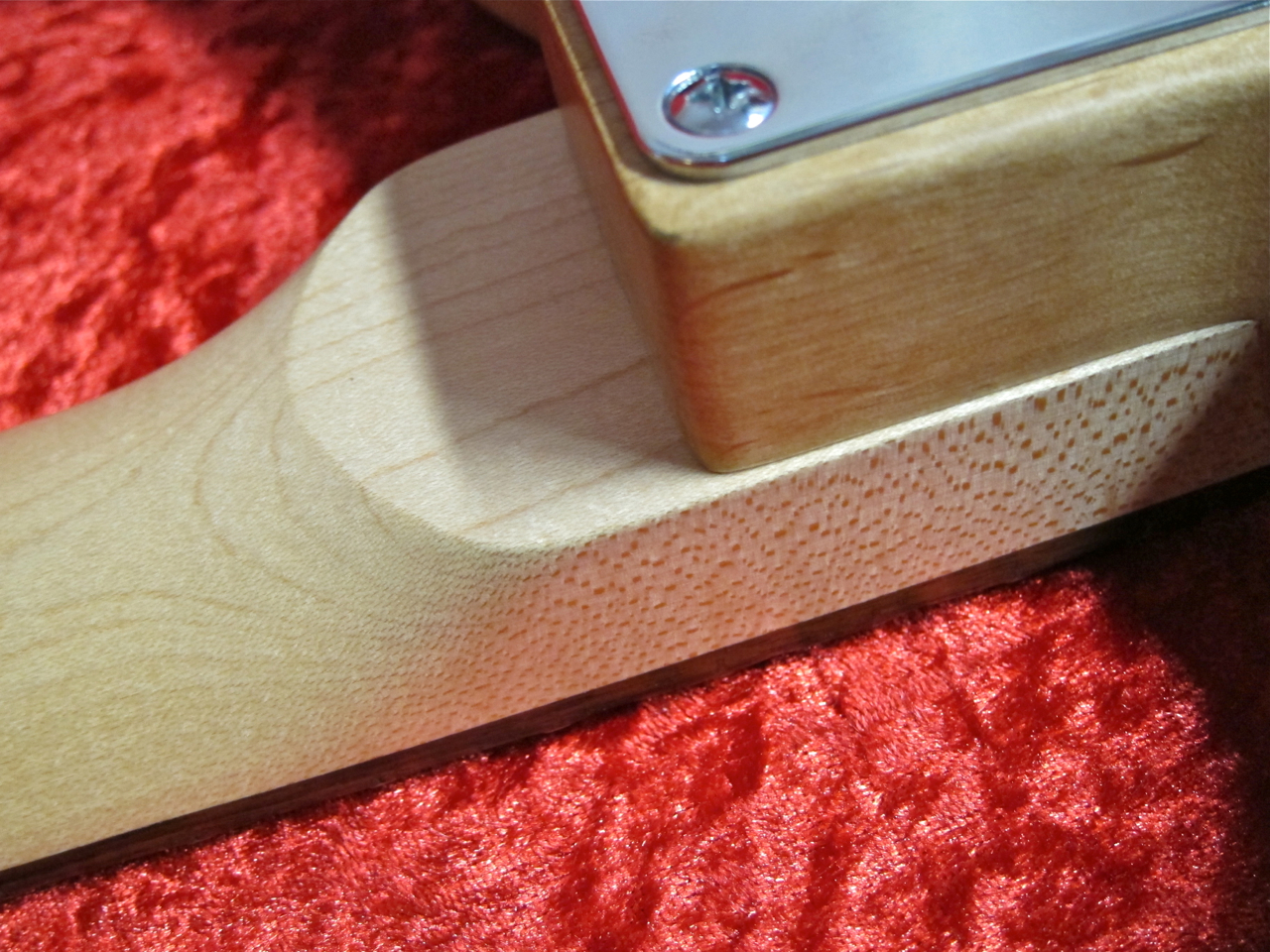
The only strange thing is that the treble facing side of the neck pocket doesn’t quite line up with the neck’s heel. I nevertheless got the neck installed correctly, but things like these can happen when buying less expensive parts.

****

The neck is maple, which I finished with wax and oil, while the fretboard is made from a nice and lively piece of sonokeling.

The ’board has a flat radius and medium-sized frets, which had been installed sufficiently well for a nice medium action.

****

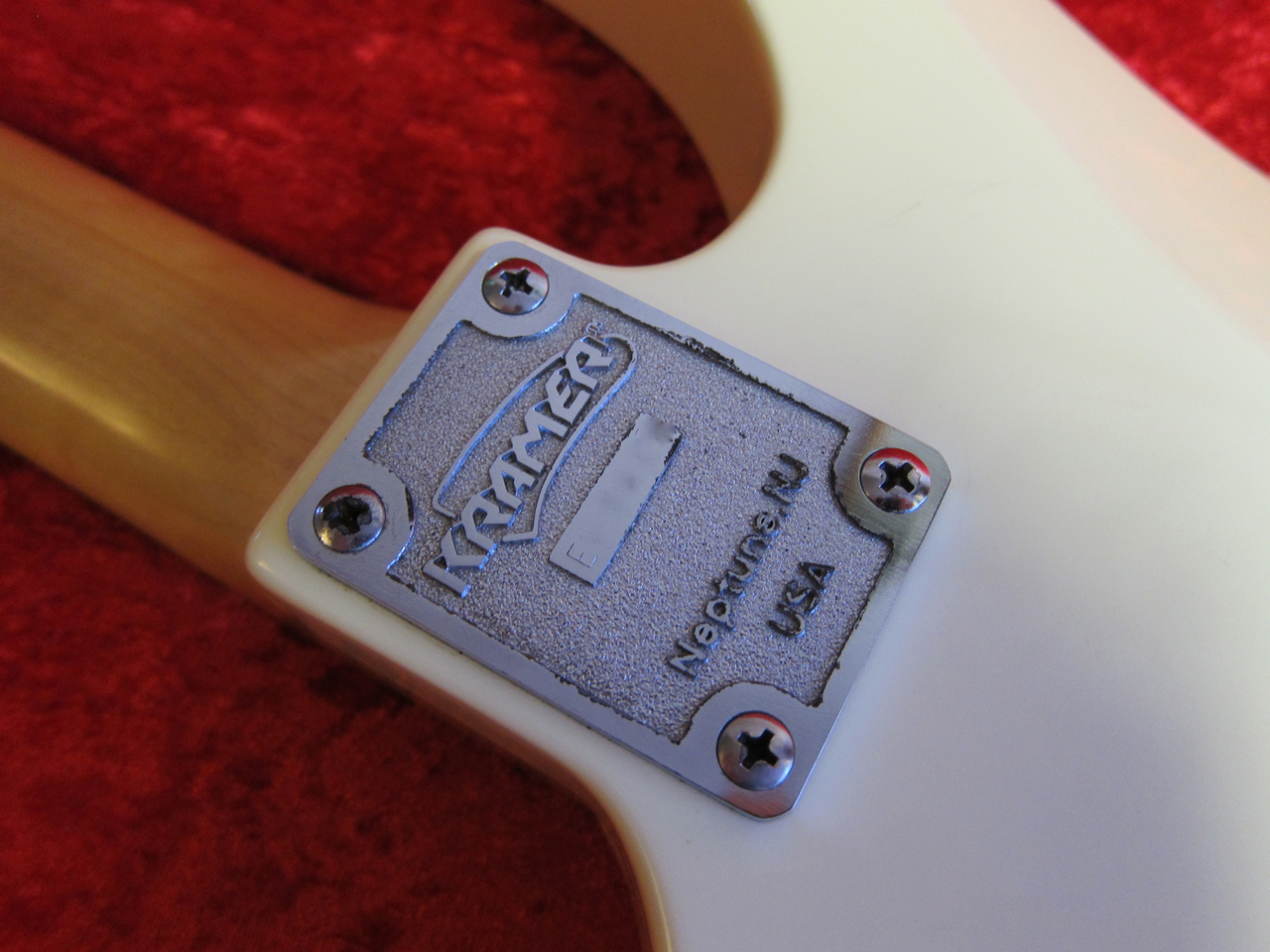
The neck has been mated to the body in time-honoured fashion via four screws and a steel plate.

****

The bridge and pickups – all made by Gotoh – are decidedly non-vintage: The bridge features a thick base-plate and six separate saddles, while the singlecoil pickups are cheap units with ceramic bar magnets stuck to the bottom of their bobbins, instead of traditional alnico slug magnets.

I had to file the bridge pickup’s top plate down by a tiny little bit, because it wouldn’t fit through the bridge otherwise. Again, not untypical when using inexpensive parts.

****
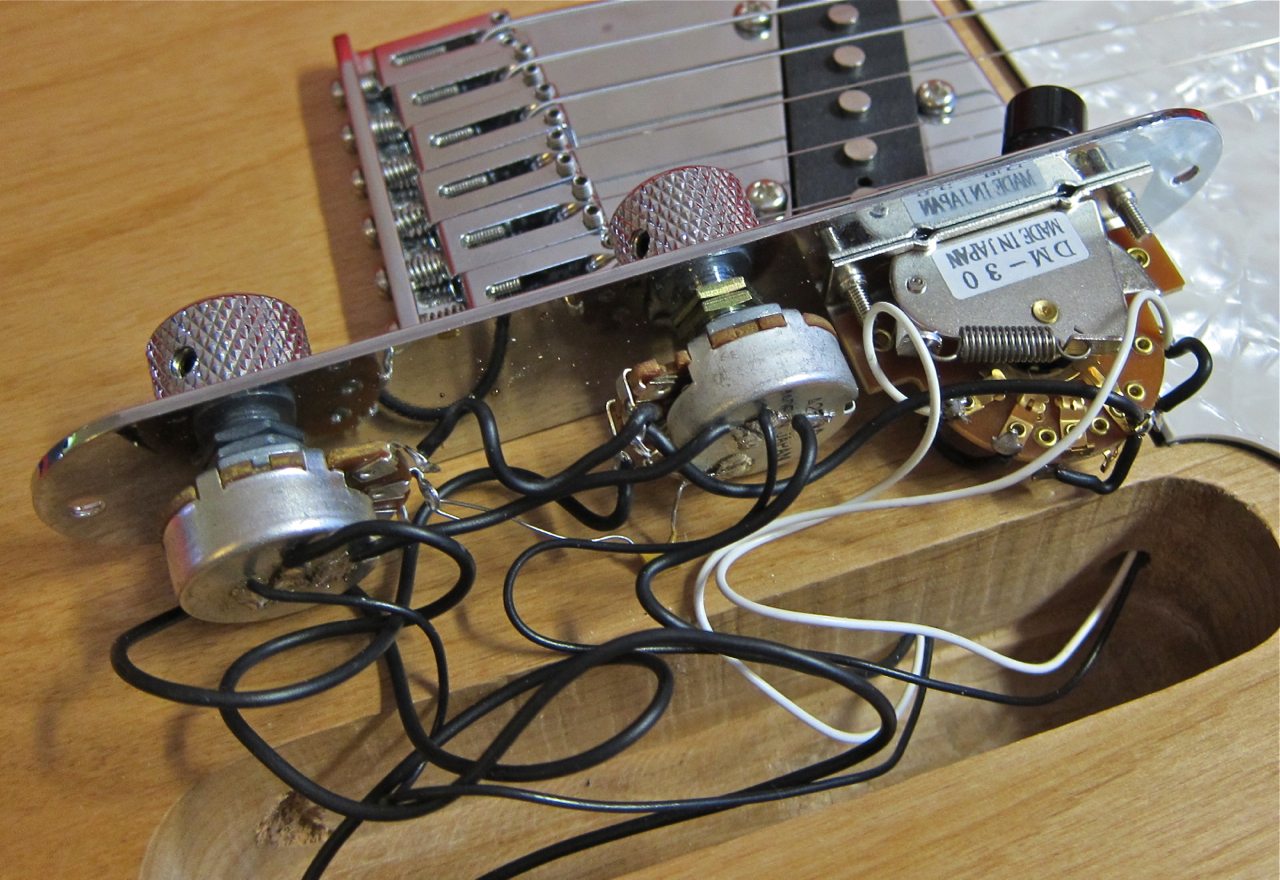
This hadn’t been my first project, so I had no problems wiring and soldering the electronic components correctly. Some companies also offer pre-wired kits for the complete newcomer.

The nice three-way switch was deeper than the body channel, so I had to gouge out a little bit of wood by hand to make the assembly fit the body.

****

I had no problems installing the modern tuners…
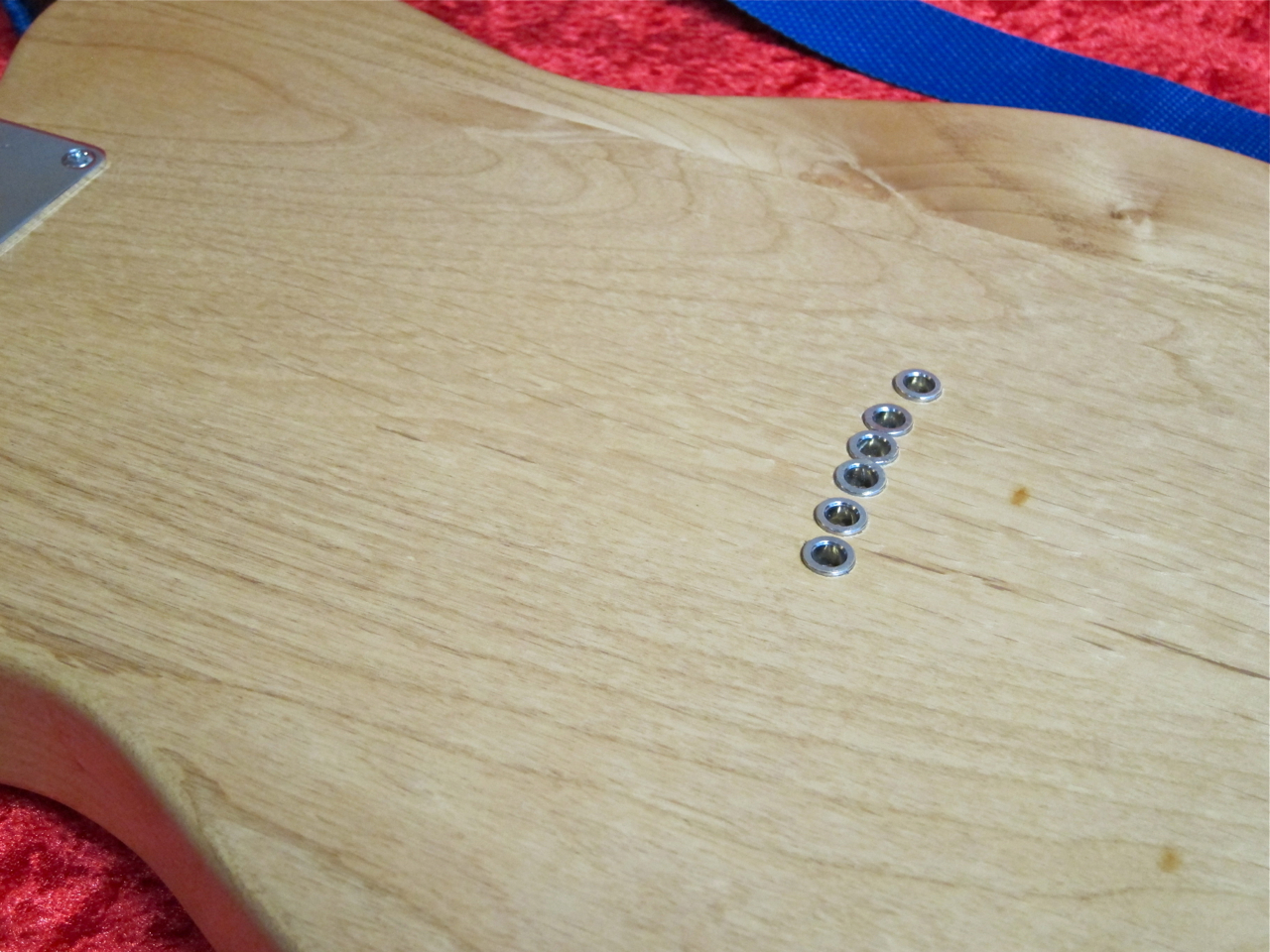
…but made a mess of a hack job of installing the string ferrules.

Mental note: Do prepare a jig! Use a drill stand for drilling the holes next time!

****

All in all, I’m rather satisfied with my Berka T! It cost a little over 300 € to make, and I learned a few new lessons during assembly.

The guitar plays well, even though I would prefer a rounder and fatter neck profile. The cheap Gotoh-pickups sound surprisingly good – they’re a little hotter and fatter than a standard vintage-style Tele-set, but still have enough spank and quack to satisfy.

Here are two soundbites:

Berka T – clean

Berka T – distortion

****

Links:

Warmoth Guitar Parts

WD Music UK

Rockinger (Germany)

Millbrook (Finland)

Kitaraporno: Kramer Pacer Custom II – 1980-luvun Superstr*to

Kramer Pacer on hyvä esimerkki 1980-luvun syntyneestä Superstr*to kitaralajista, ja sillä on kaikki tyypilliset perusominaisuudet:

Stratocaster-tyylinen runko, Gibson Explorerista lainattu lätkämailan muotoinen lapa, tallahumbuckeri, sekä Floyd Rose -vibra.

VintageKramer-sivuston mukaan tämä Pacer Custom II on American-sarjan kitara vuosilta ’87 –’89.

Alun perin (1970-luvun loppupuolella) Kramer-kitaroiden erikoisuus oli alumiinista tehty kaula. 1980-luvun loppupuolella firma oli siirtynyt kuitenkin takaisin perinteisiin puukauloihin. Kaulat ja rungot ostettiin yhteistyökumppaneilta – Pacer Custom II:n tapauksessa Japanista ESP:n tehtaalta – mutta soittimet koottiin USAssa käyttäen firman omaa elektroniikkaa sekä aitoja Floyd Roseja.

Sulava runko on tässä kitarassa poppelista, kaula vaahterasta ja otelauta palisanterista.

Tässä versiossa lapa on Kramerin teräväkärkinen malli. Palkkimainen alasvedin pitää kielet tiukasti lukkosatulaa vasten.

Paksut nauhat ja loiva otelauta kuuluvat nekin Superstr*toon – silloisen sankarikitaristin työkaluun.

Kaula on rakennettu kolmesta pitkästä vaahterapalasta…

…ja se liitetty runkoon perinteisellä tavalla ruuvaamalla.

Vaikka Floikalla varustetussa kitarassa lavan virittimet käytetään ani harvoin, ovat nekin Pacer Custom II:ssa aitoa laatutavaraa saksalaisvalmistajalta Schaller. USA-Floydin kuusiokoloavaimet on hyvä pitää aina mukanaan, sillä ilman niitä kielten vaihtaminen ei onnistuu.

Custom II:ssa on kaksi yksikelaista mikrofonia sekä yksi humbucker tallan lähellä.

Säätimet toimivat kuten normi-Stratossa – master volume, kaulan tone ja keskimikrofonin tone-säädin. Minikytkimellä saadaan kolme erilaista kytkentävaihtoehtoa tallamikrofonista: perinteinen humbucker (sarjakytkentä), yksikelainen (vain tallan puoleinen kela) sekä kirkkaampi humbucker (rinnakkaiskytkentä).

Tällaisia soundeja saa vintage-Kramerista:

Kramer Pacer Custom II – puhdas

Kramer Pacer Custom II – särö

****

Tämä kitara on mukavan kevyt soitin. Kaulan profiili on silloiselle vauhtikitaralle tyypillinen hyvin laakea ”D” – mikä on minulle hieman liian ohut ja leveä – mutta tämä Pacer on loistavassa trimmissä. Kramer Pacer Custom II on vanha laatukitara – ulkonäkö voi olla hieman vanhentunut, mutta sen soitettavuus ja soundi ovat vielä täysin ajankohtaiset.

****

Kiitos Tommi Posalle, jolle tämä Kramer kuuluu!

Gibson 335-S – 1980-luvun malli uusintapainoksena

Gibson lanseeraa 1980-luvun alkupuolen erikoisuus uudestaan. Mallin nimi on Gibson 335-S, ja se näyttää tältä:

335-S:llä on lankkumallinen vaahterarunko, joka muistuttaa piennettyä ES-335-mallia. Kaulakin on vaahterasta, kun taas otelauta on värjätty grenadillo.

Mikrofoneiksi on valittu kaksi alnico II -magneeteilla varustettua Burstbuckeria – kaulahumbuckeri on hyvin mieto Burstbucker 1, ja tallamikrofonina käytetään hieman mehukkaampi Burstbucker 2 -versio.

Gibson 335-S tarjoaa kolmiasentoisen vipukytkimen lisäksi kaksi volumea sekä yhden master tonen.

Kitara on saatavilla Vintage Sunburstin lisäksi Silverburst-viimeistelyllä.

Maahantuoja: Into-Luthman

Classic Basses, part 5: The Gibson SG-bass (EB-0/EB-3)

I don’t quite know why, but the Gibson EB-3 has long seemed very exciting to me.

Probably, this is because it was the first electric bass I ever played.

I was only 14 years old, and played with architecture students – all the guys were much older than me. But I had two trump cards, which were my door into this band: a) I could play the piano and b) I was rather good at transcribing songs off records (or tape machines). The bassist was the band’s leader, and he played a genuine Gibson EB-3, which I was allowed to play a few times – wow!  🙂

In its day the Gibson EB-3 was the company’s most popular bass by far. The now legendary Thunderbird, for example, was a complete and utter flop, and only in production for six years (1963-1969). The EB-3, on the other hand, was in continuous production from 1961 all the way to 1979.

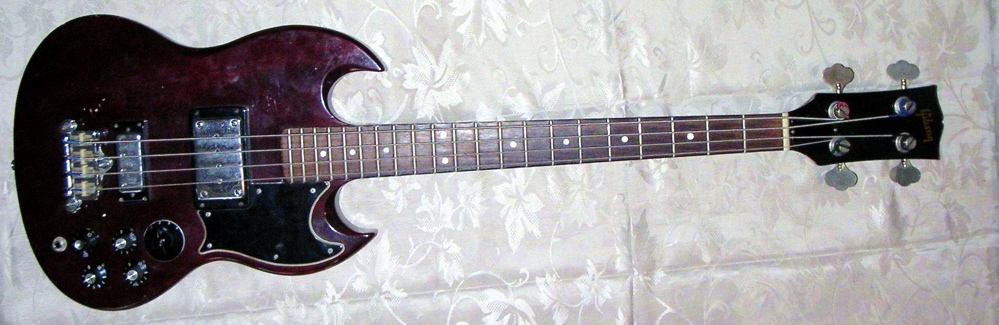
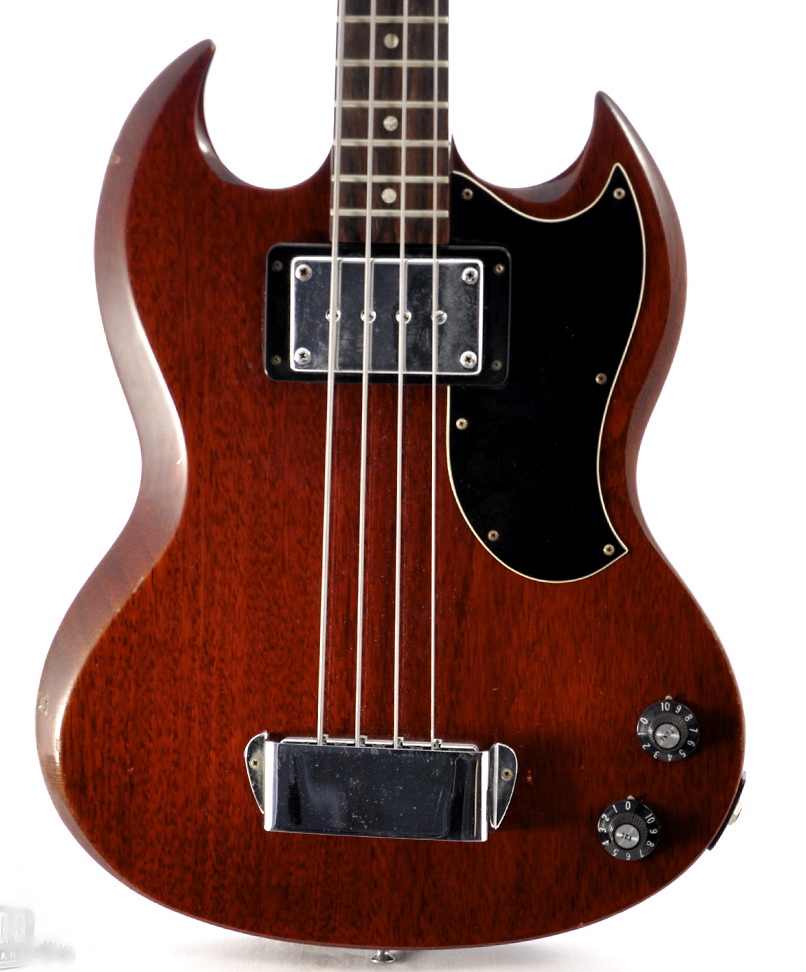
The EB-3 shared the same mahogany body, as its SG-cousins, and because it was a short-scale bass, the whole package was comfortably compact and light.

The neck pickup is a huge mother of a humbucker, with a much smaller companion mounted close to the bridge. The very first instruments had a black plastic cover on the front pickup, which was painted silver-metallic, but soon Gibson introduced a proper metal cover on the neck humbucker. The four-way rotary selector gives you each pickup on its own, both pickups together, as well as the rather strangled-sounding baritone-variant.

At the start of the Seventies the neck material was changed to maple for added strength, with the neck humbucker’s position moved to halfway between the end of the fingerboard and the bridge pickup.

During the years 1969-74 Gibson also offered a long-scale version – the EB-3L – most of which featured a spanish-style headstock (see below). Because of its longer neck the EB-3L was noticeably neck-heavy, though.

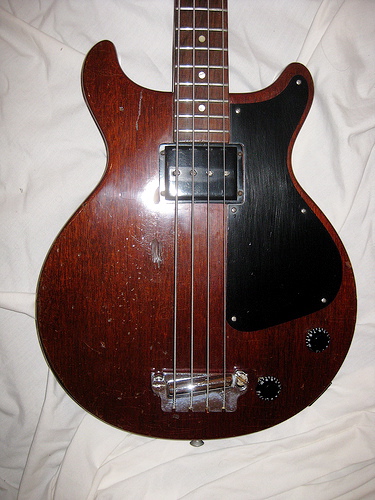
The EB-3’s kid brother is actually the model’s predecessor: the EB-0 was first introduced in 1959 with a double-cutaway Les Paul Junior -style body (see above).

In 1961 the EB-0 was changed to conform to the SG-look. In the mid-Seventies the EB-0’s single pickup was also moved closer to the bridge. From 1962 to ’65 a fuzz-equipped version was also available (the EB-0F).

****

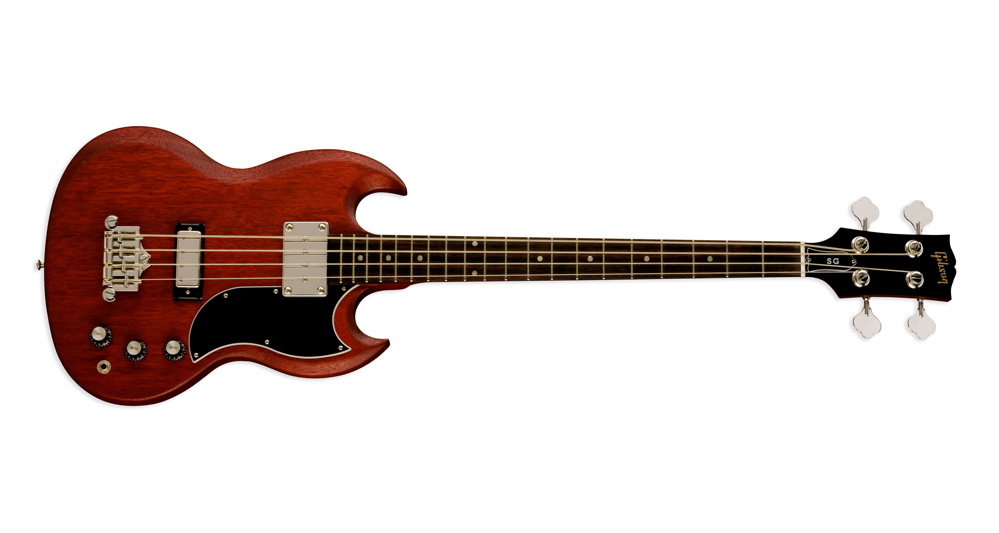
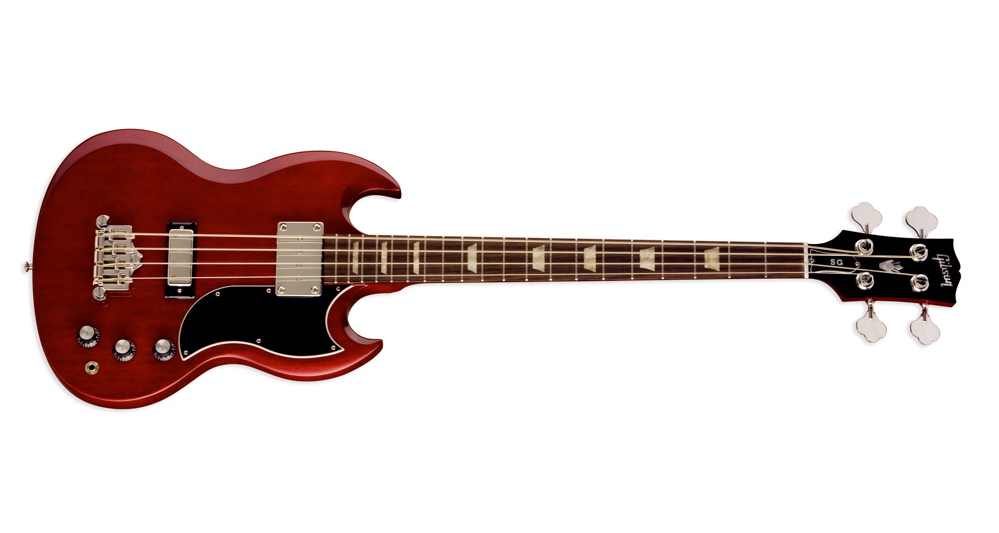
At the moment Gibson offers two USA-made SG-basses: The SG Standard Bass Faded comes in Gibson’s faded finish and sports dot inlays in the fretboard.  The SG Standard Bass is gloss-finished and features crown-style inlays. Both basses use a Jazz Bass -style volume-volume-tone-setup in place of the original four controls plus rotary switch.

****

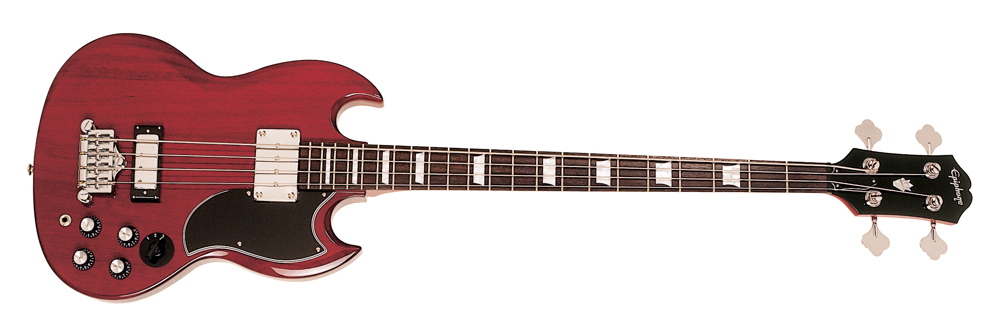
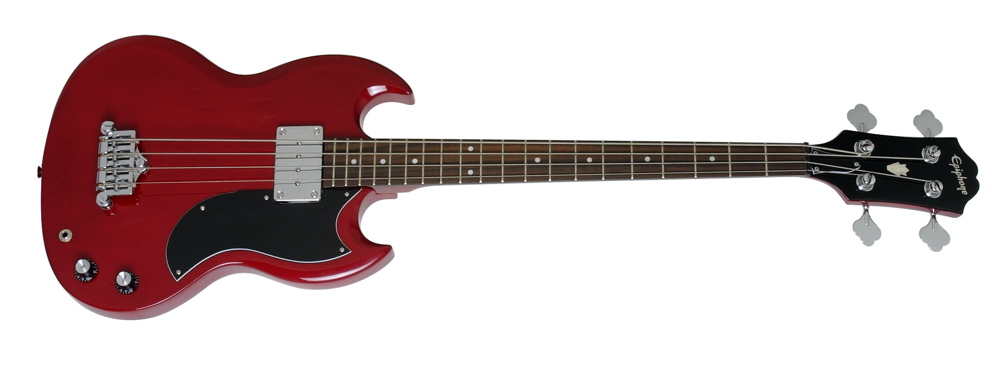
Epiphone’s cost-conscious EB-3 is only offered as in a long-scale version.

The Epiphone EB-0 is an even more affordable, bolt-on short-scale bass.

****

The fat and flexible tone of the EB-3 (as well as the EB-0) was well received by many Blues and Rock bassists in the late-Sixties and early-Seventies.

The best-known EB-3-users have been The Cream’s Jack Bruce and Free’s bassist Andy Fraser.

Here are Gibson’s own sound examples for the SG Standard Bass:

bridge pickup

both

neck pickup

Les Paul on Toast – Classic Custom

”James, saisinko Les Paul -kitarani paahdettuna?”

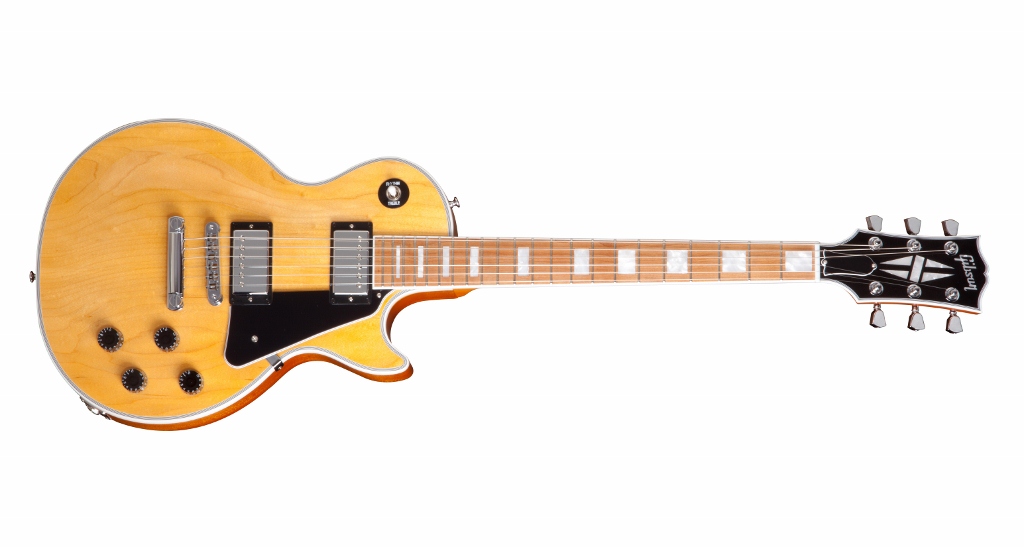
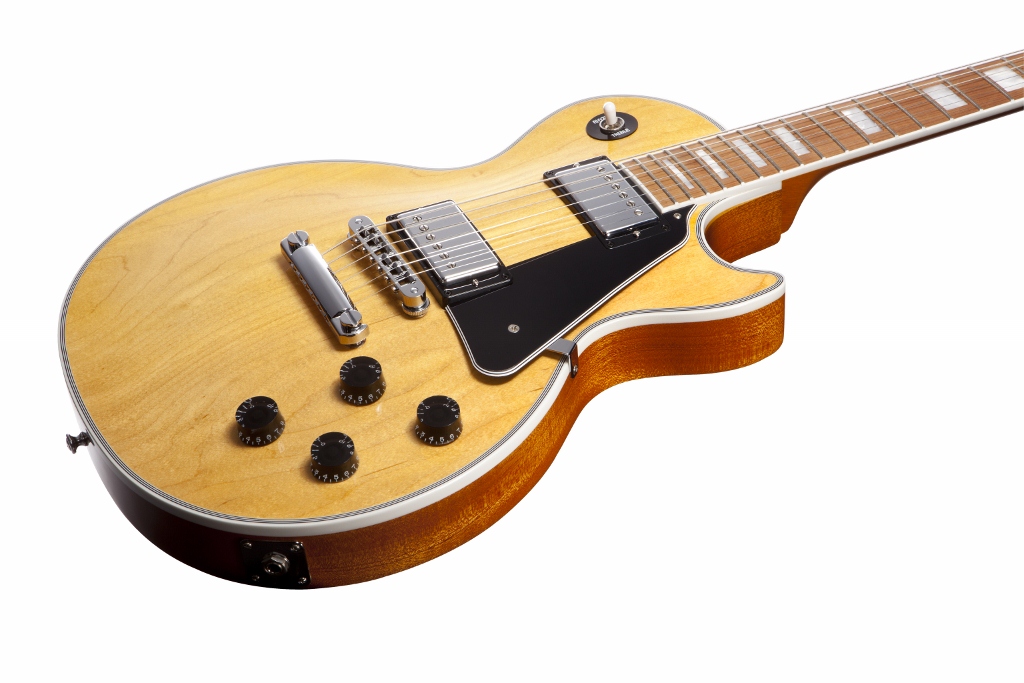
Uusi Gibson Les Paul Classic Custom on erehdyttävästi tavallista Les Paul Customia muistuttava malli, jolla on kuitenkin yksi ratkaiseva ero – otelauta paahdetusta vaahterasta.

Oikeaoppinen nimi on lämpökäsittely tai englanniksi ”torrefaction”. Prosessi stabiloi ja lujittaa puun ja muuttaa sen sointua lähemmäksi hyvin vanhaa puuta.

Les Paul Classic Customin mikrofonit ovat Gibsonin omia ’57 Classic- ja ’57 Classic Plus -malleja.

”I have toasted your Les Paul, Milord!”

Gibson’s new Les Paul Classic Custom is very similar to the original Les Paul Custom, but it features one important twist – a baked maple fingerboard.

The baking or torrefaction of wood stabilises the material, makes it stronger and makes it sound quite similar to really old wood.

The pickups on the Les Paul Classic Custom are a ’57 Classic in the neck position paired with a slightly hotter ’57 Classic Plus at the bridge.

70s Flashback: Gibson L6S ** Vaahterakitara 70-luvulta: Gibson L6S

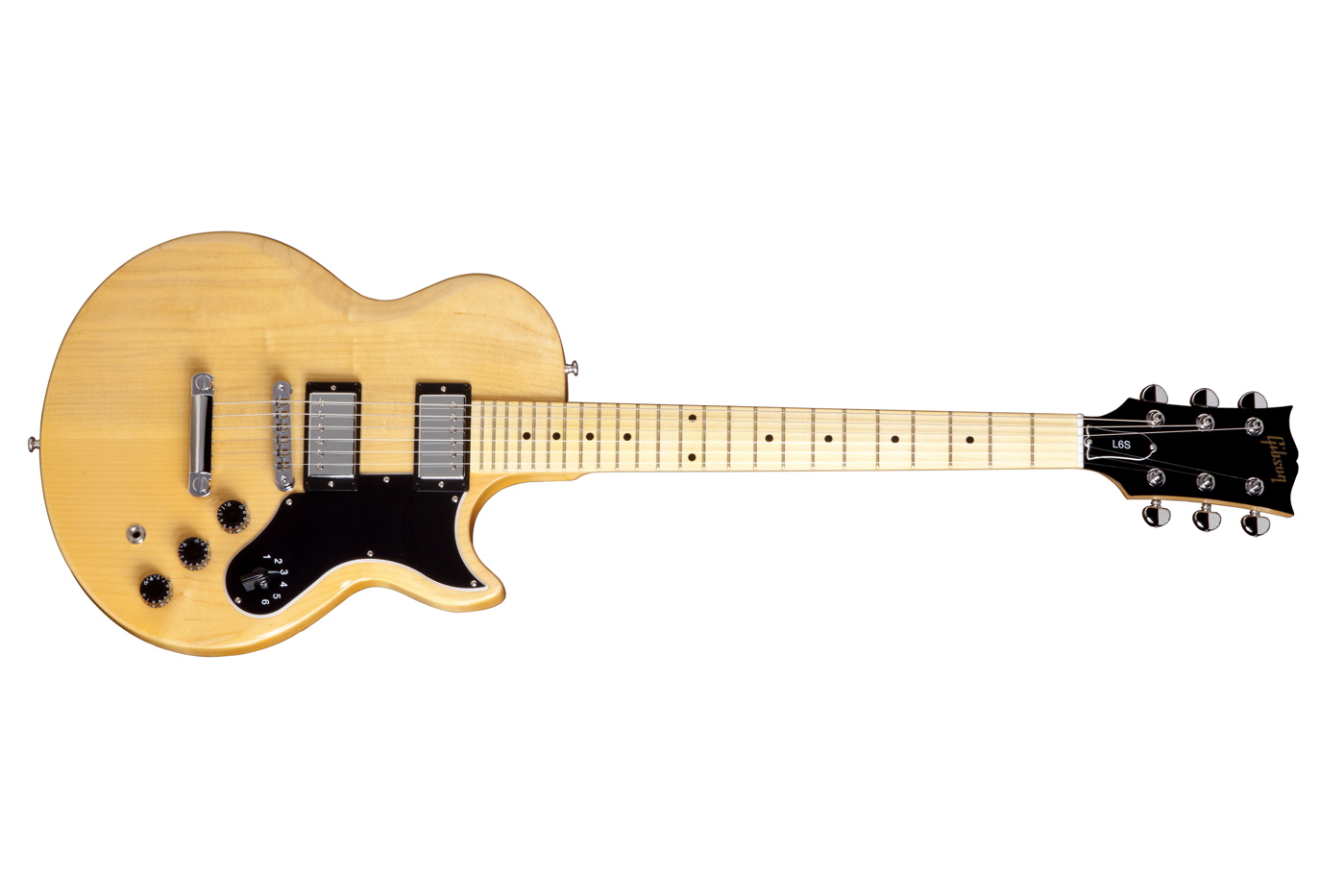
Gibson L6S on tullut takaisin!

1970-luvun malli oli silloisen mainonnan mukaan ”maailman monipuolisin kitara”, ja mannekiineina toimivat mainoksissa Carlos Santana ja Al DiMeola.

Gibson L6S on täysin vaahterasta tehty sähkökitara. Master volumen ja kahden tone-säätimien lisäksi soittimessa on vielä kuusipykäläinen kiertokytkin, jolla voi valita täysien humbuckereiden ja puolitettujen vaihtoehtojen välillä.

Lisätietoja löydät TÄÄLTÄ.

The Gibson L6S is back!

When it was released in the 1970s the L6S was hailed in Gibson’s advertisements as ”the world’s most versatile guitar”, and endorsed by Carlos Santana and Al DiMeola.

The Gibson L6S is crafted in its entirety from maple. In addition to a master volume and two tone controls the guitar features a 6-way rotary switch for pickup switching (full humbuckers or coil-splits).

More info HERE.

Klassikkobassot, osa 5: Gibsonin SG-basso (EB-3/EB-0)

En tiedä miksi, mutta Gibsonin EB-3 on ollut jo pitkään kiehtova soitin minulle.

Voi olla, että se johtuukin siitä, että se oli ensimmäinen sähköbasso, jonka soitin.

Olin neljätoista, ja soitin yhdessä opiskelijabändissä, jossa kaikki muut olivat luonnollisesti 20 v ja päälle. Mutta minulla olikin kaksi ässää hihassa: a) soitin pianoa ja b) olin melko taitava transkriboimaan biisejä suoraan levyiltä (tai kelanauhalta). Bändin basisti (ja keulahahmo) omisti EB-3:n ja sillä sain muutaman kerran soittaa – wow!  🙂

Gibson EB-3:llä on firman historiassa kunnia olla ainoa suhteellisen suosittu basso. Esimerkiksi tänä päivänä niin suosittu Thunderbird oli täysi floppi, ja sen tuotanto lopetettiin jo kuuden vuoden jälkeen (1963-1969). EB-3 taas oli tuotannossa vuodesta 1961 vuoteen ’79 saakka.

Bassossa oli sama mahonkirunko kuin SG-kitarassa. Koska alkuperäinen EB-3 on lyhyellä mensuurilla varustettu, soitin on hyvin kompakti ja kevyt.

Etumikrofoni on iso humbucker ja tallan vieressä on minihumbucker. Neliasentoisella kiertokytkimellä sai valittua kummankin mikrofonin yksitellen, molemmat yhdessä ja viimeinen valinta oli kummallisen kuristettu baritoni-vaihtoehto.

1970-luvun alussa kaulamateriaali muuttui mahongista vaahteraan, ja pian tämän jälkeen kaulamikrofoni siirrettiin lähemmäksi tallaa.

Vuosina 1969-74 myytiin myös täyspitkällä mensuurilla varustetun version – EB-3L – jolla oli lähes aina myös avoin viritinlapa. Pitkän kaulan takia EB-3L oli aika kaulanpainoinen.

EB-3:n pikkuveli on itse asiassa isoveli: EB-0 tuli markkinoille vuonna 1959 Les Paul Junior -rungolla.

Vuonna 1961 EB-0 muutettiin sitten SG-sarjan yhteensopivaksi. Myös EB-0:n mikrofonin sijainti siirrettiin 1970-luvulla hieman lähemmäksi tallaa. Vuosissa 1962-65 myytiin myös säröllä varustetun version (EB-0F).

Tällä hetkellä Gibsonin mallistossa on kaksi SG Bass -nimistä mallia. Faded-sarjan vaihtoehdossa on pyöreät otemerkinnät ja ohut mattalakkaus, kun taas Standard-bassossa on tavallinen kiiltävä viimeistelly, sekä otelaudassa crown-upotukset. Molemmissa on kytkimen sijaan Jazz-basson kaltainen elektroniikka – kaksi volumea ja master tone -säädin.

Edullinen tytärbrändi Epiphone tarjoaa jostain syystä EB-3:n ainoastaan pitkällä mensuurilla.

Manner-Euroopassa ja Englannissa saatava Club Edition on sekin EB-3L:n kopio, mutta se pääsee kuitenkin kosmeettisesti jo lähempää Gibsonia.

Epiphonen EB-0 on vaatimattomampi otus ruuvikaulalla, mutta sillä on ainakin lyhyt mensuuri.

EB-3:n (ja EB-0:n) leveä soundi ja notkea soitettavuus olivat 1960/70-luvun taitteessa hyvin suosittu bluesin, heavyn ja hard rockin piireissä.

Tunnetuimmat mallin soittajat ovat selvästi Cream-yhtiön Jack Bruce ja Freen basisti Andy Fraser.

Jos haluatte tietää lisää näistä malleista, kannattaa tilata Riffi 3/2000 (Epiphone EB-3 -testi) ja Riffi 3/2007 (Gibson SG Reissue Bass -juttu) täältä.

Tässä ovat Gibsonin omat esimerkkisoundit SG-bassosta:

tallamikrofoni

molemmat

kaulamikrofoni

Pidä blogia WordPress.comissa.

Ylös ↑