****
Alkuperäinen suomenkielinen juttu on luettavissa TÄÄLLÄ.
****
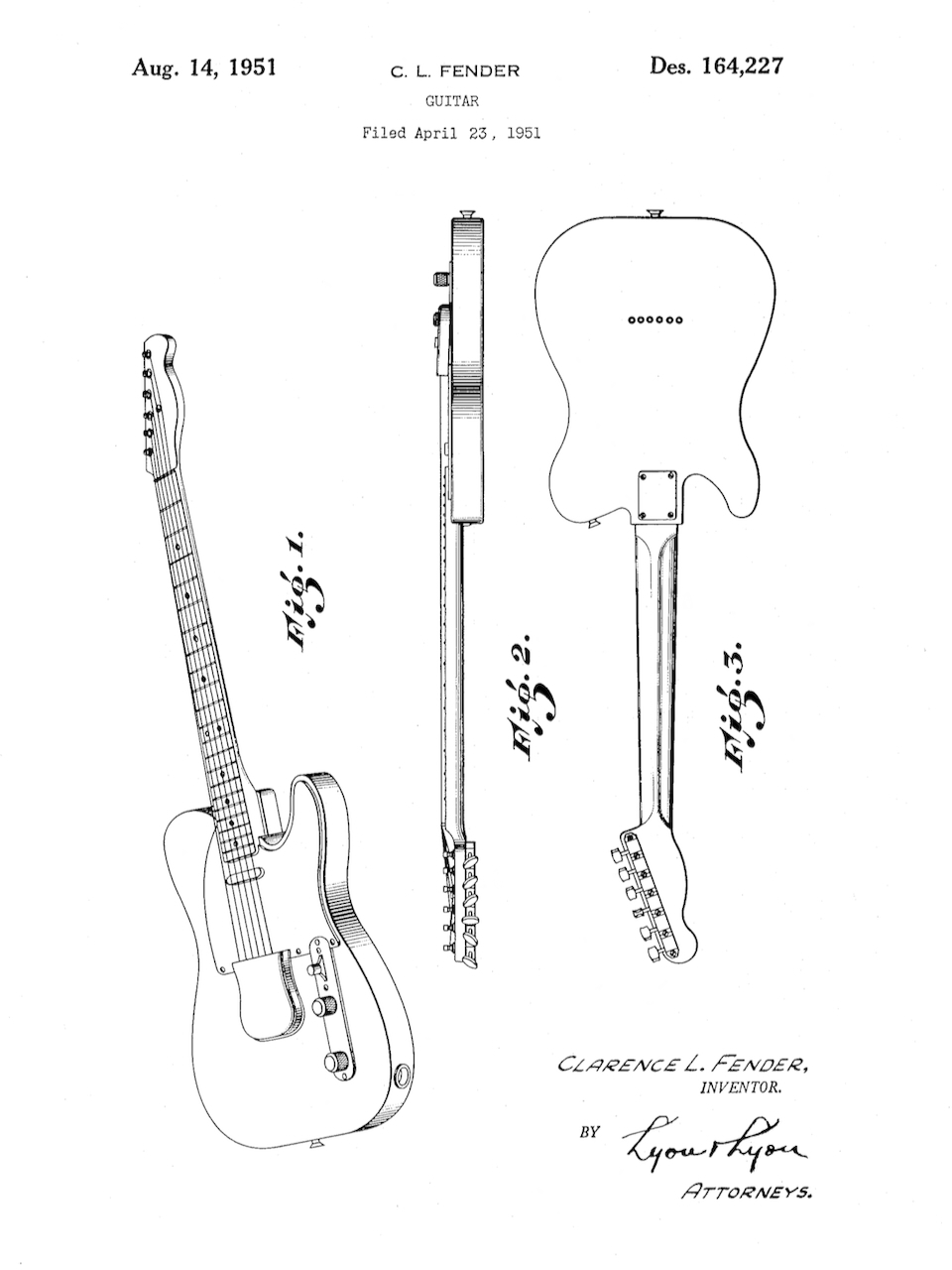
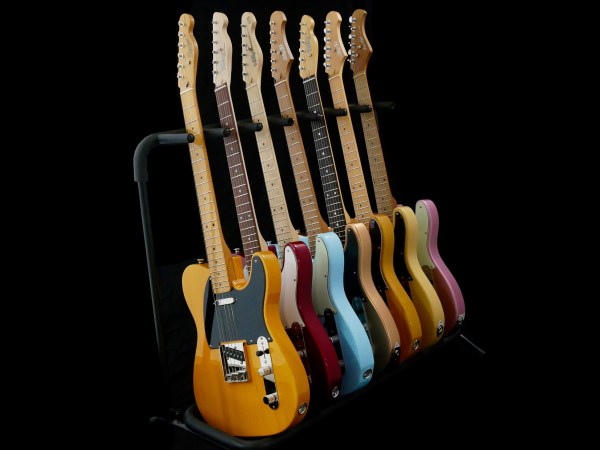
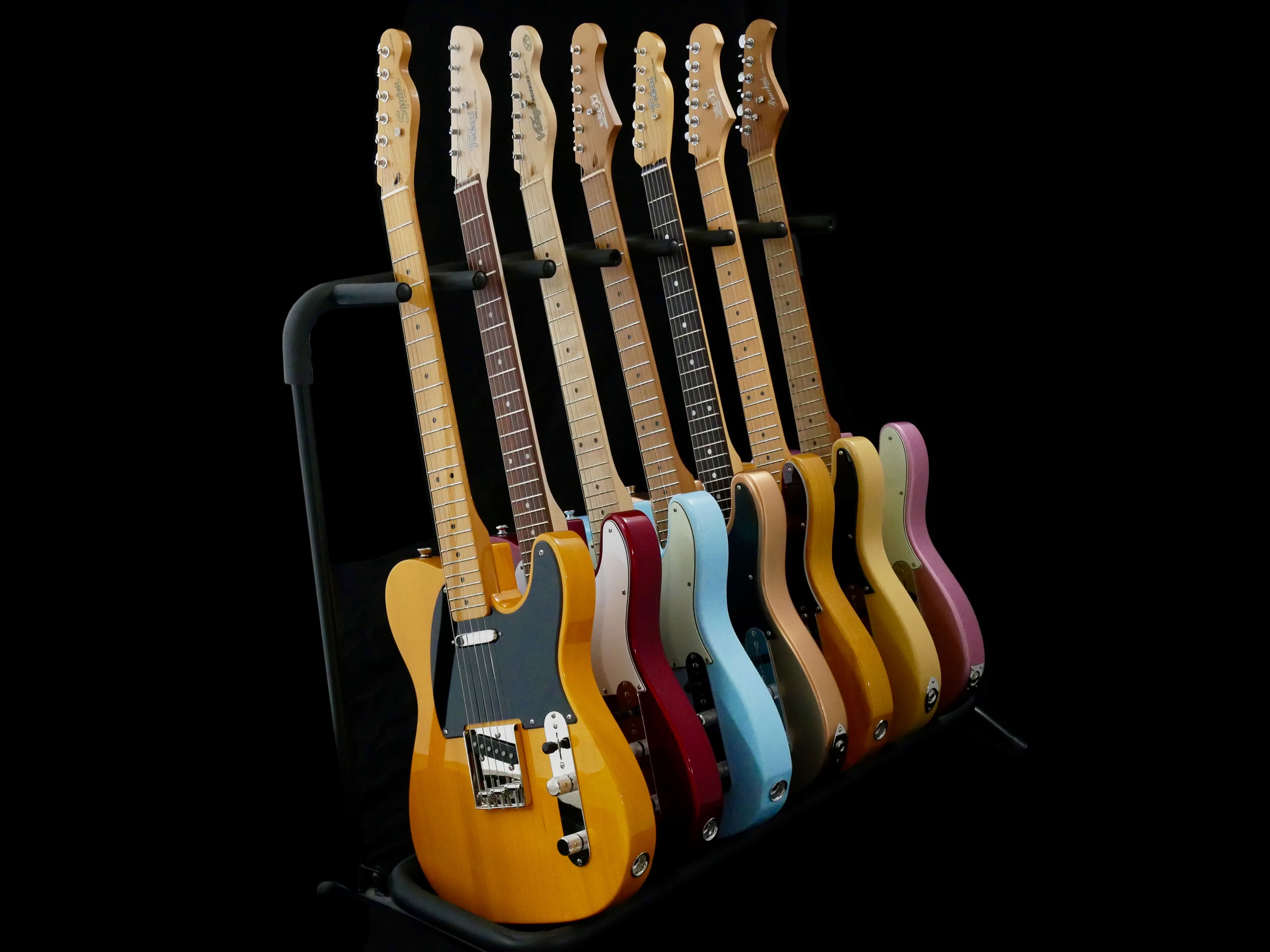
Leo Fender’s Telecaster – which started life as the Esquire and Broadcaster – turns 75 years this year. Reason enough for us to check out seven of its descendants in this review.
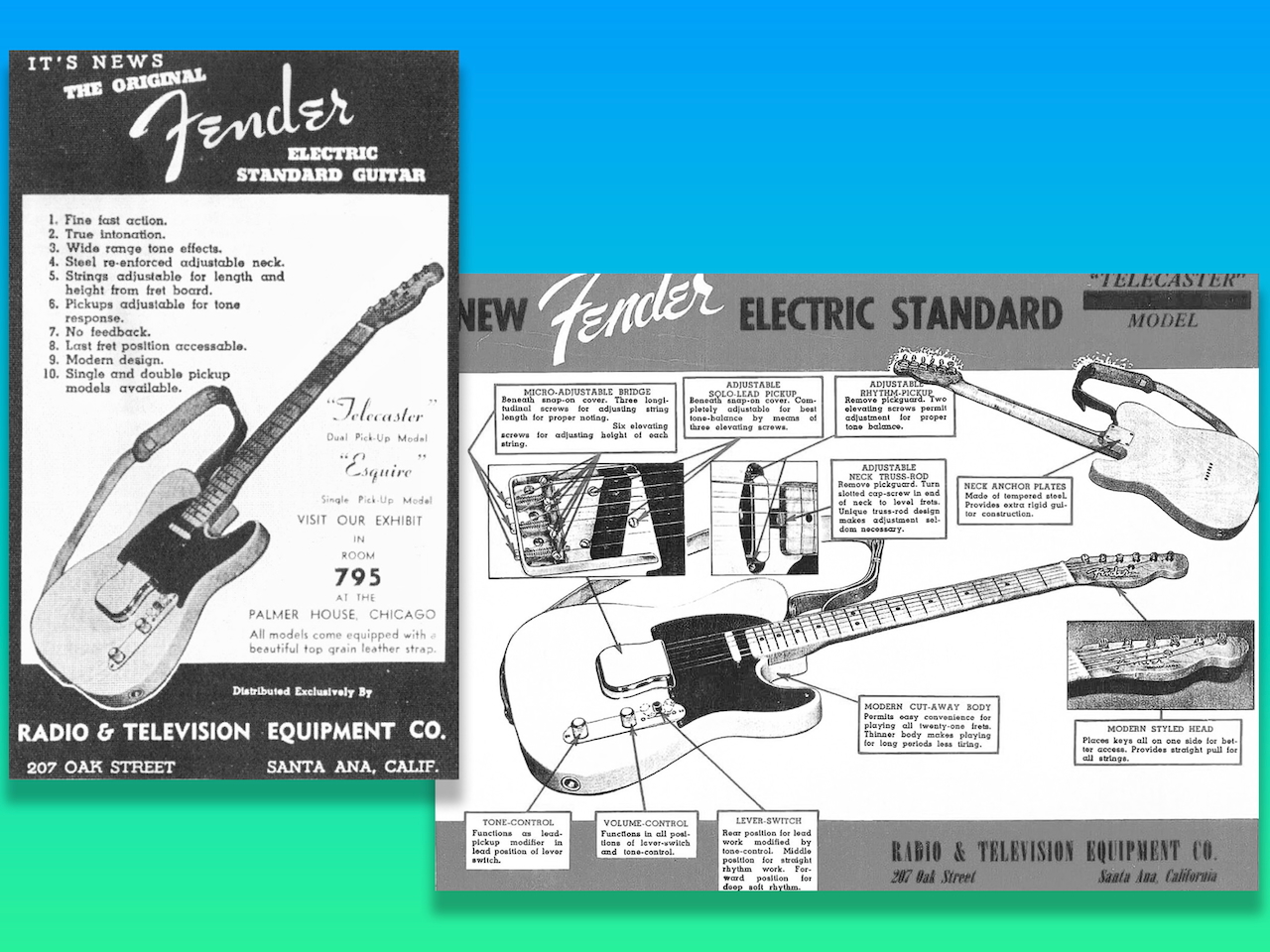
Because the Telecaster is such an old model, there is a huge range of different Tele-style instruments available today – from reissues to ultra-modern metal-style instruments. I chose six “traditional” Teles for this test, which in this context means they have a bolt-on neck, two single-coil pickups, and a traditional bridge. In addition to these, there is one instrument with the traditional neck pickup replaced with a P-90.
Let’s proceed in order of ascending price…
****
Jet Guitars JT-350 Butterscotch (Tampereen Musiikki; 299,– €)
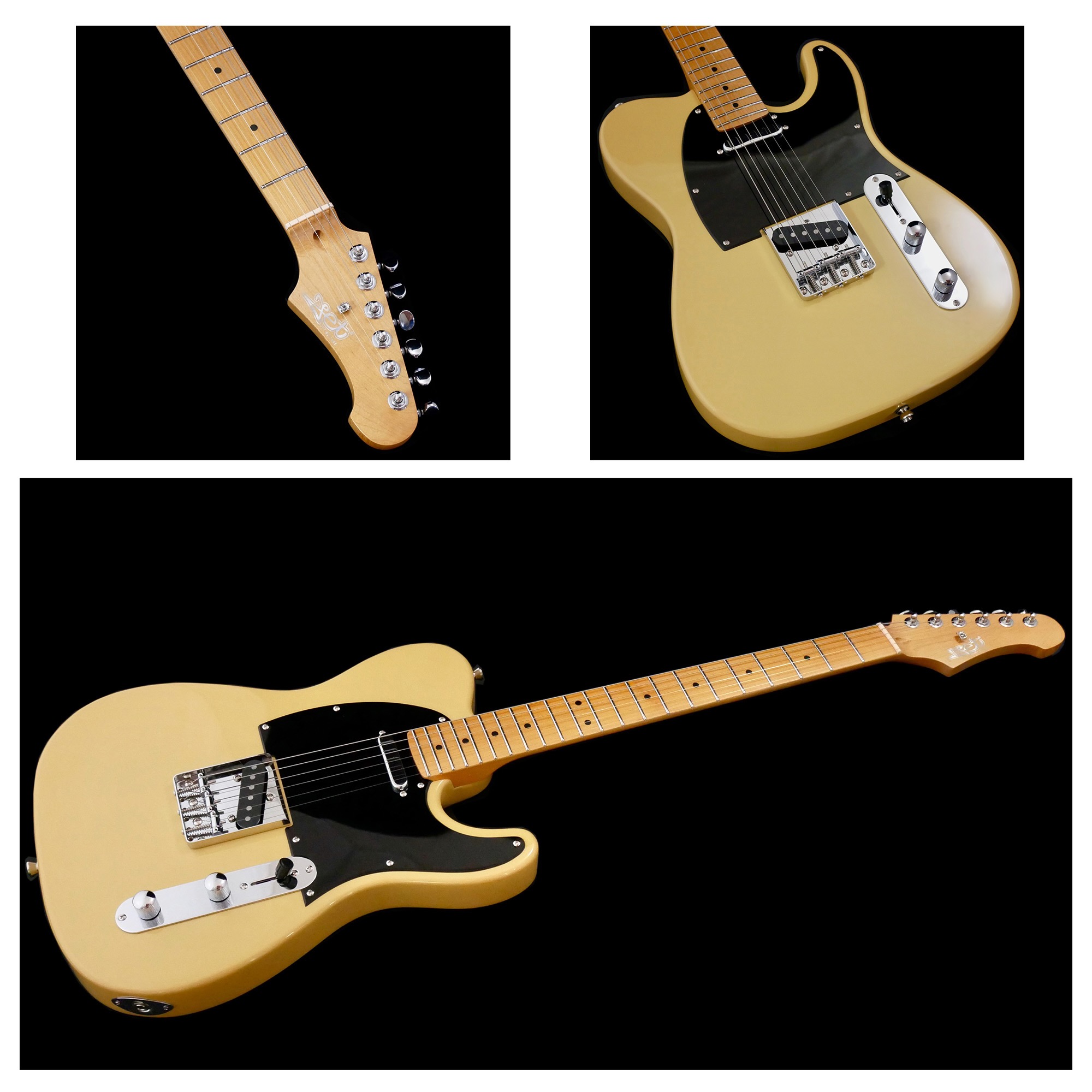
Jet Guitars is still a relatively young brand, where Slovenian design and Chinese production meet.
Jet was the first guitar brand sold in Finland to offer torrefied maple as a neck material in affordable guitars, and the Jet JT-350 Butterscotch is no exception in this regard. As its name suggests, the JT-350 Butterscotch is the company’s take on the early 1950s ”Blackguard Tele”, where the maple neck is attached to a creamy yellowish body, on which a single-layer black pickguard is installed.
However, the Jet JT-350 is not 100% traditional, with the guitar including several sensible updates. For example, the neck joint is implemented much more comfortably than the original with individual screws, as well as a rounded heel. The truss rod is two-way, which means that it can both straighten the neck and add relief to it, should this be required. The tuners are modern enclosed models.
The playing feel is positively affected by the larger-than-vintage frets, as well as the flatter fingerboard radius. In the 1950s, Messrs. Fender and Fullerton chose a relatively steep 7.25 inch curvature for the Fender fingerboards, which makes it very comfortable to pick chords, but at the same time makes it difficult to bend (especially on the high frets). Gibsons of the same era had a much gentler 12 inch radius – the neck feels slightly wider near the saddle, but string bending is much easier. Since the 1980s, Fender Instruments have often used a 9.5 inch radius, which is a very good compromise between the Fender and Gibson worlds; this is exactly the radius that can be found on the Jet JT-350 Butterscotch model.
The strings are anchored to the body in a vintage style. The Jet’s traditional bridge is a high-quality Wilkinson model with three steel bridge saddles, each with its own groove.
The Jet JT-350 offers two vintage-style alnico pickups. The height of the neck pickup can be easily changed without removing the plickguard.
The body of this Jet model is finished with a glossy varnish, while the neck has been given a very thin satin finish, which also gives the neck a modern feel.
The guitar is very comfortable to play – the neck has a medium D profile – and the review instrument is light (3.4 kg).
The JT-350’s pickups display excellent balance, a healthy vintage-style sound, and a moderate output level. This is a fairly inexpensive, but high-quality representative of its kind.
****
Squier CV 50s Telecaster Butterscotch (Verkkokauppa.com; 445,– €)
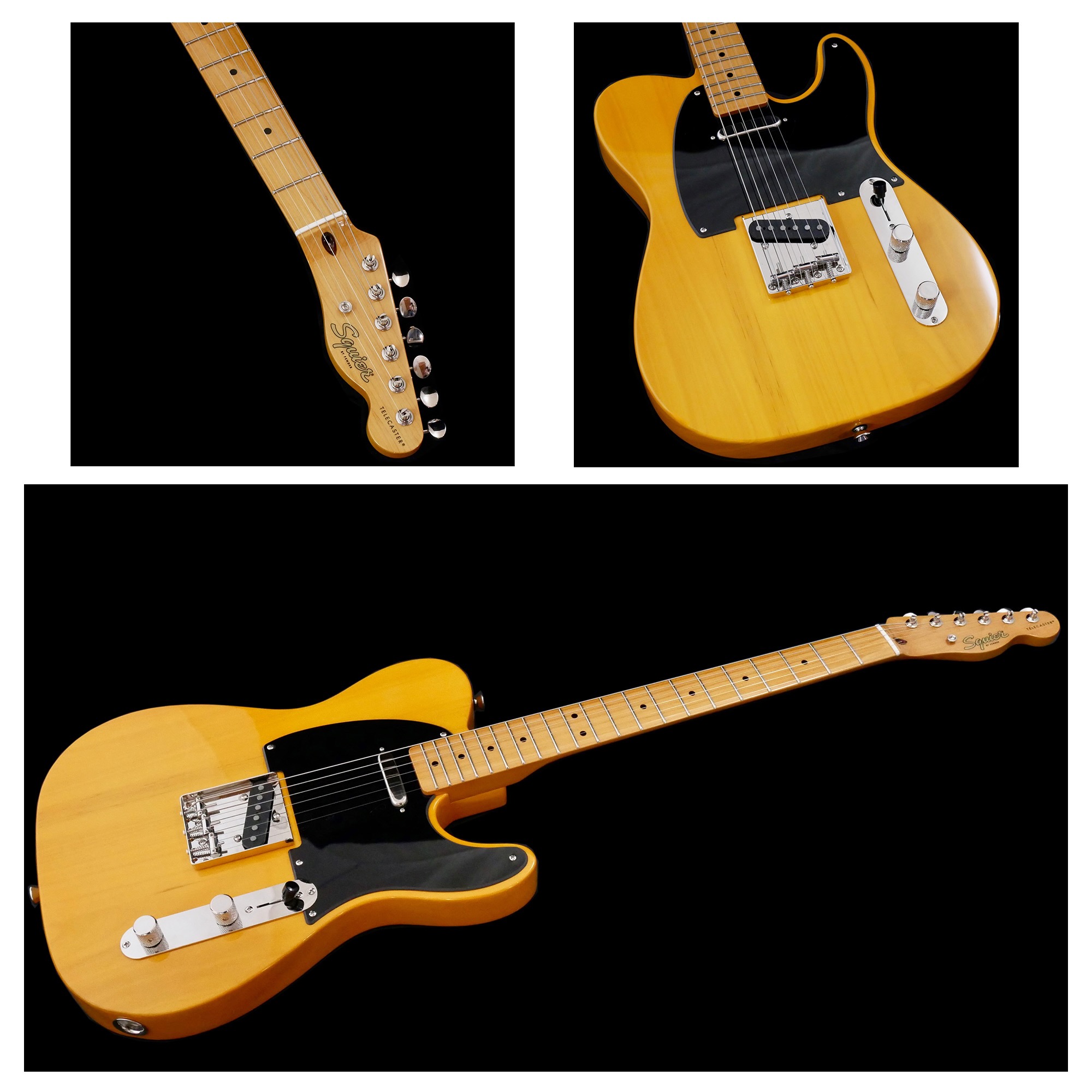
This Squier Classic Vibe 50s Telecaster is the only “genuine Telecaster” in this review. Made in Indonesia, the guitar is an official copy of the “Blackguard Telecaster” made by Fender’s own subsidiary brand – Squier.
Since swamp ash has become a sought-after and relatively expensive wood these days, but Squier wanted to keep the body’s vibrant grain patterns, the brand chose a type of Asian pine as the body wood. The appearance is very beautiful, but the weight of the test guitar is unfortunately already at the upper limit of a nice Tele (4 kg).
Since the Squier series is called Classic Vibe, the features of this Tele are kept as ”vintage” as is possible in this price range, but there are some modern improvements included this guitar as well.
The entire guitar, including the one-piece neck/fretboard, is gloss-lacquered – the body has a gorgeous butterscotch finish and the neck has a slightly yellowish clear lacquer. The single-layer pickguard is black, and the neck pickup adjustment is conveniently through the ’guard.
The tuners on the Squier CV 50s are vintage-style Kluson copies, and the bridge is also traditional. However, the truss rod is now bidirectional and the adjustment is located on the headstock side of the neck. In original vintage Teles, adjusting the neck almost always requires removing the neck. The “fingerboard” radius has also been updated to 9.5 inches. However, the fret size is narrow and medium-high in vintage style.
The Classic Vibe Tele’s pickups are made according to Leo Fender’s original recipe, using six short alnico magnets inside the coil in each pickup. Squier’s electronics, though, work according to the modern (post-1967) formula: master volume and master tone, and a three-position switch (neck pickup/both together/bridge pickup).
Squier’s Classic Vibe 50s Telecaster is a really good choice if you’re looking for a vintage-style Tele at a reasonable price. The playability of the test instrument is really good with its round and comfortable neck profile, and the guitar’s sound is truly 1950s-style – a dry overall voice, a warm but not wooly neck pickup, and a gnarly but not too biting bridge pickup.
****
Vintage V75 Reissued Sonic Blue (Nordsound; 469,– €)
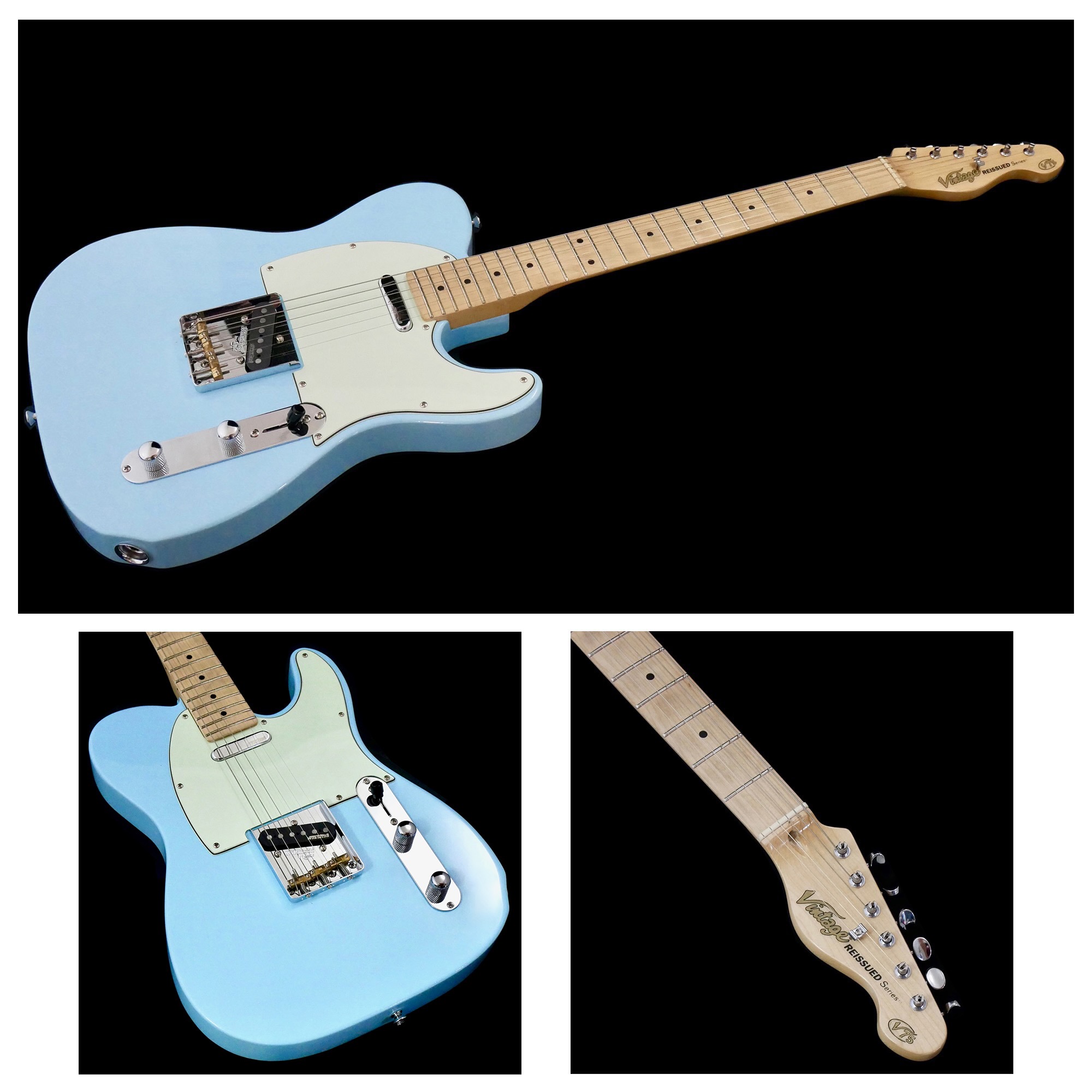
British guitar builder Trev Wilkinson is a living legend in his field, having invented, for example, the roller nut and the Wilkinson vibrato bridge. Wilkinson is also the man behind the guitar parts that bear his name – tuners, bridges and pickups. He has also designed electric guitars and basses for the Vintage brand and Fret King, among others.
Vintage’s V75 Sonic Blue is the brand’s take on a good 1970s Telecaster, and is made in Vietnam. The alder body is finished in a glossy light blue (sonic blue), while the one-piece neck/fingerboard has been given a nice matte finish.
The metal parts and pickups are – of course – all from the Wilkinson brand’s range:
The tuners are high-quality Kluson-style vintage models, while the bridge has pre-compensated brass bridge saddles, which significantly improve the guitar’s intonation. The V75’s pickups are traditional alnico single-coils. To adjust the height of the neck pickup, you have to remove the guitar’s three-layer white pickguard, just like on old Fenders.
The Vintage V75’s double-action truss rod is accessible from the headstock end. The fingerboard radius is 10 inches, and the frets are medium-sized.
This guitar also feels and plays really well. The weight of the test instrument is moderate (3.5 kg). The neck profile is a nice slim C, which does have a slight V-neck feel near the saddle. The pickups’ output level is a bit hotter than many vintage pickups, but they have an excellent balance. The bridge pickup snarls and bites very appealingly. The quality of some original 1970s Telecasters left a lot to be desired, but I feel the Vintage V75 is a great representation of the best features from that era.
****
Tokai ATE-52 Metallic Red (Musamaailma; 546,– €)
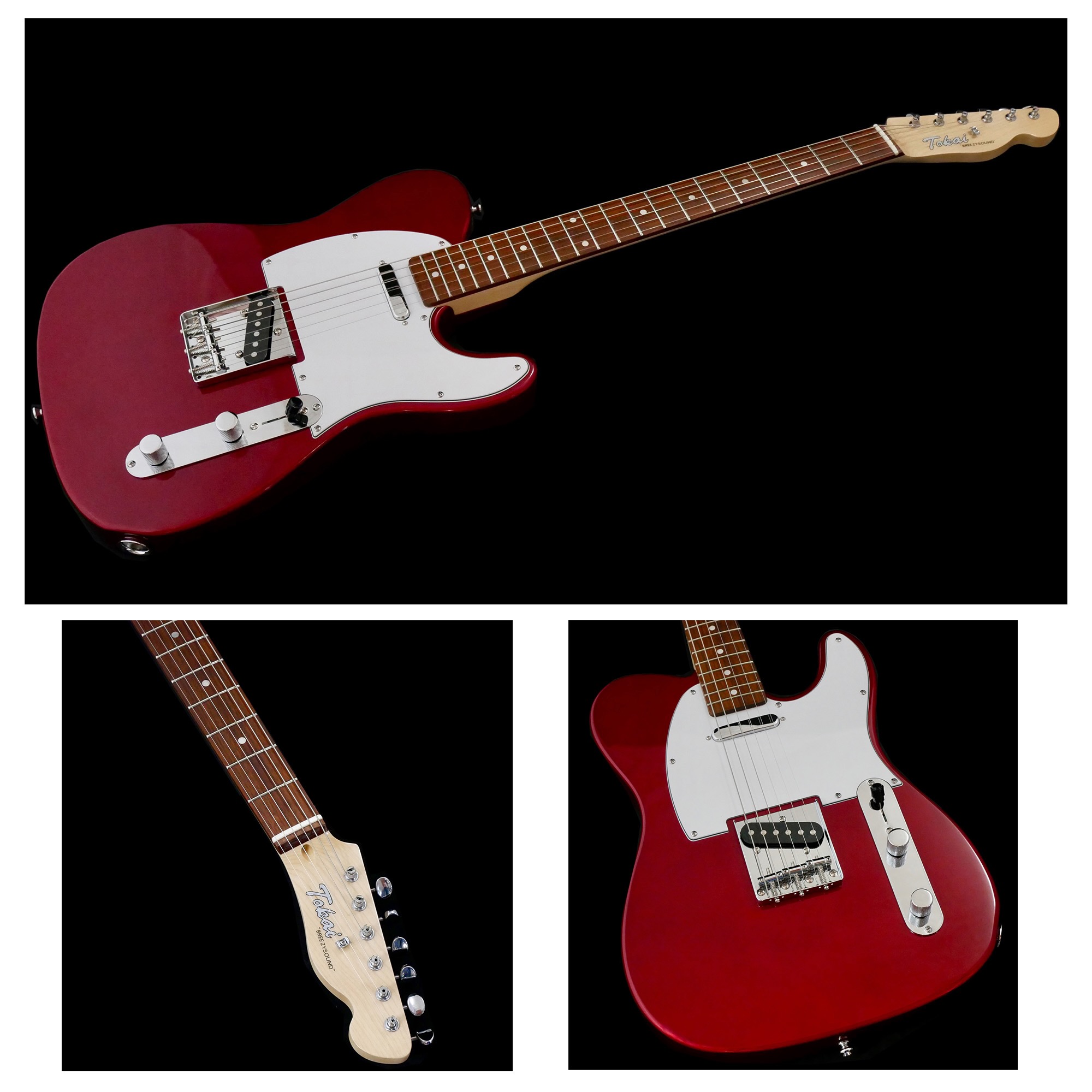
Tokai’s striking ATE-52 is a lightly updated version of a 1960s Tele. The body of the ATE-52 is alder and the bolt-on neck is carved from hard maple. The dark fingerboard is made of South American jatoba, an excellent alternative to rosewood. The body of the guitar has been given a shiny metal finish, while the neck sports a thin satin finish.
In keeping with the theme, the tuners are high-quality Kluson copies from Gotoh. The neck adjustment is conveniently done from the headstock. The high-quality Gotoh bridge offers two ways to attach the strings – they can be pulled through the body, or attached (like on Fender basses) to the back wall of the bridge (a so-called top-loader arrangement). In 1958, Fender tried to speed up the production of Telecasters with a top-loader bridge, which eliminated the need to drill the string channels and install the string ferrules. However, guitarists were very skeptical of the new solution, and Fender eventually canceled the redesign. The most legendary top-loader Tele is probably the guitar owned by Jimmy Page (Led Zeppelin), decorated with a dragon image, which he played on the entire Led Zeppelin I album, and later on the “Stairway to Heaven” guitar solo.
The Tokai ATE-52’s pickups are clearly more powerful than original vintage units and they also have a slightly more modern sound, which perhaps makes the instrument even more versatile.
The Tokai, made in China, has very good playability and ergonomics. The guitar sports a comfortable mid-range weight (3.6 kg). The neck profile is a full, but not too thick D, which sits nicely in the hand. Combined with the first-class set-up – and a 9.5-inch fingerboard radius – it makes the Tokai ATE-52 really easy to play.
Great sound and good playability – what more could you want?
****
Jet Guitars Elite JT-30 (Tampereen Musiikki; 679,– € incl. gig bag)
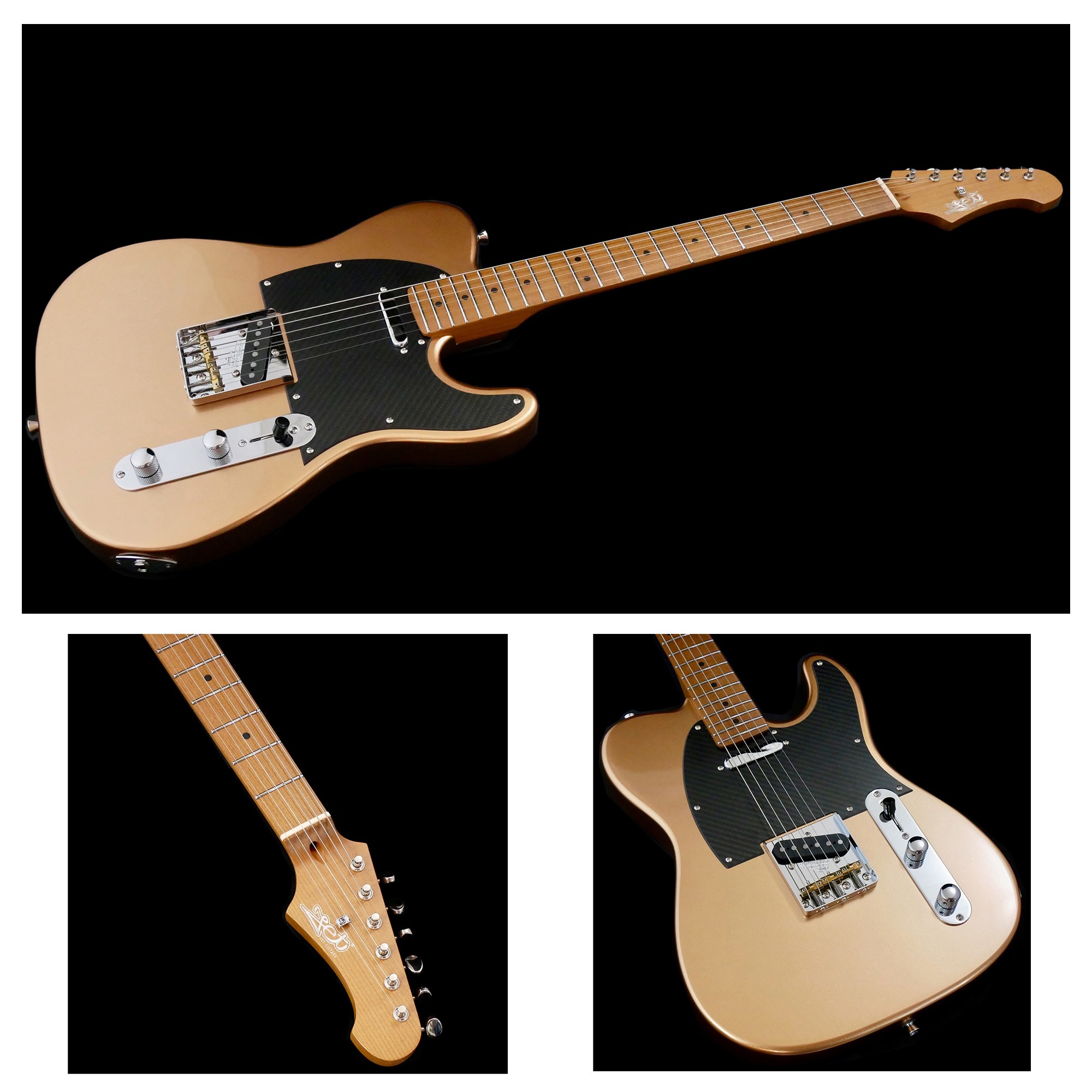
Jet Guitars Elite is the company’s new, higher-quality line. The Elite line is also made in China, but its features – such as hand-wound pickups and even higher-quality woods – aim to offer custom shop-style quality at a much more affordable price point.
The Elite JT-30’s maple neck is made of roasted quarter-sawn Canadian maple, and its fingerboard is made from the same wood. The Jet guitar’s body is carved from three adjacent pieces of alder, and it is finished in gold metallic. The neck is attached to the body traditionally with a steel plate and four wood screws, but the back of the body is noticeably thinner and more rounded around the joint and in the cutaway. The pickguard comes in a very fetching carbon fibre look.
The tuners and bridge are higher-grade Wilkinson parts – the tuners are smooth-running Kluson copies, while the bridge has pre-compensated brass bridge saddles. The guitar’s two-way truss rod is accessible from the headstock.
The Jet Elite JT-30’s hand-wound alnico pickups sound excellent. This is exactly the kind of depth and smoky midrange character that many Telecaster fans crave.
The Jet Elite is also top-notch in terms of ergonomics and playability. The test instrument is light (3.4 kg), the neck profile is comfortable (a medium D) and access to the upper frets is very easy. The fingerboard is slightly flatter than on a vintage Tele (9.5 inch radius), and the medium-sized frets make bending easy.
The Jet Guitars Elite JT-30 offers a lot of value for money, and I think you should definitely check it out.
****
Bacchus Global Tactics-STD/RSM (Nordsound; 748,– €; incl. gig bag)
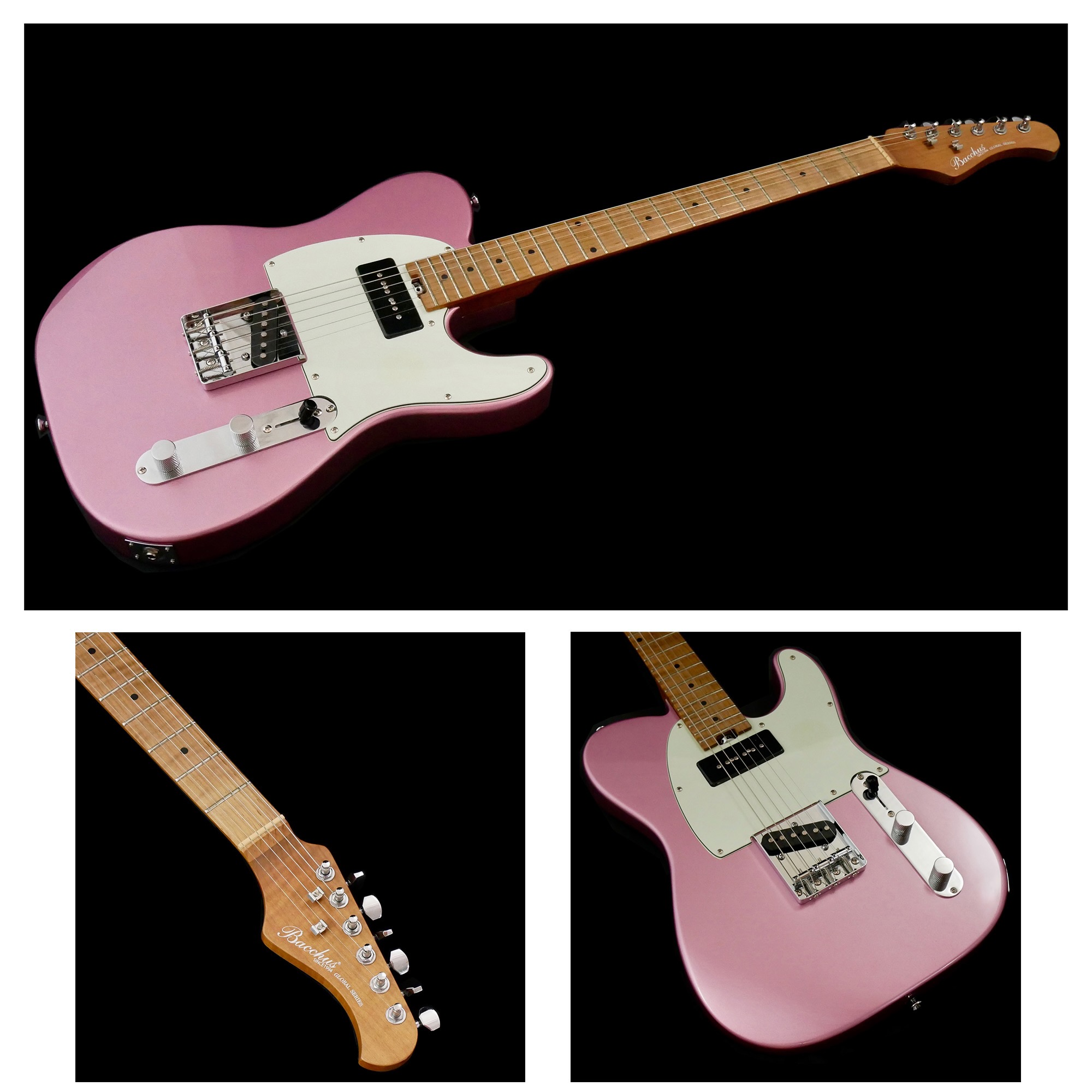
Bacchus Guitars is something of a new acquaintance for me, which is why I selected the company’s Global Tactics-STD/RSM model for this review, even though it has a P-90 single-coil pickup installed instead of a regular Tele neck pickup.
Made in Indonesia, the Global series Tactics-STD/RSM is also the only guitar in the review that has Stratocaster-style bevels on both the front and back of the body. The body of the test guitar has been given a beautiful raspberry-hued metallic colour. The neck and fingerboard of the Bacchus guitar are carved from roasted flame maple. The truss rod adjustment is done from the end of the body, with a Music Man-style adjustment wheel, without the need to remove the neck.
The tuners on the Bacchus Tactics-STD/RSM model are of the modern enclosed variety. The Bacchus also offers a traditional through-body, as well as a top-loader option for attaching strings at the bridge.
Bacchus uses its own alnico pickups on this guitar – a P-90-style single-coil is found near the neck, while a traditional Tele pickup is installed in the bridge.
The Global Tactics guitar is the lightest instrument in this review (3.3 kg), which is a very welcome feature. The neck’s nicely slim C profile, larger-than-vintage frets, and the flatter radius of the fingerboard – together with the nice set-up on the review instrument – make this Bacchus model very easy to play.
The guitar’s sound is also excellent, although it is not 100% typical of a Tele, due to the model’s modified neck pickup. The P-90 sounds bigger and “wider” than the Tele’s traditional neck pickup, which allows for deeper jazz sounds or more raucous blues distortion. The bridge pickup, on the other hand, gives you a very high-quality version of a Tele’s signature twang.
The Bacchus Global Tactics-STD/RSM is a beautiful, high-quality instrument.
****
Tokai ATE-102R Vintage Natural (Musamaailma; 1,455,– €)
I still remember the early 1980s, when Japanese instruments were considered very affordable – they weren’t cheap instruments, but they were definitely more affordable alternatives to US guitars. Those days are long gone; today, Japanese guitars and basses are known for their high quality, and the prices of the instruments reflect this fact.
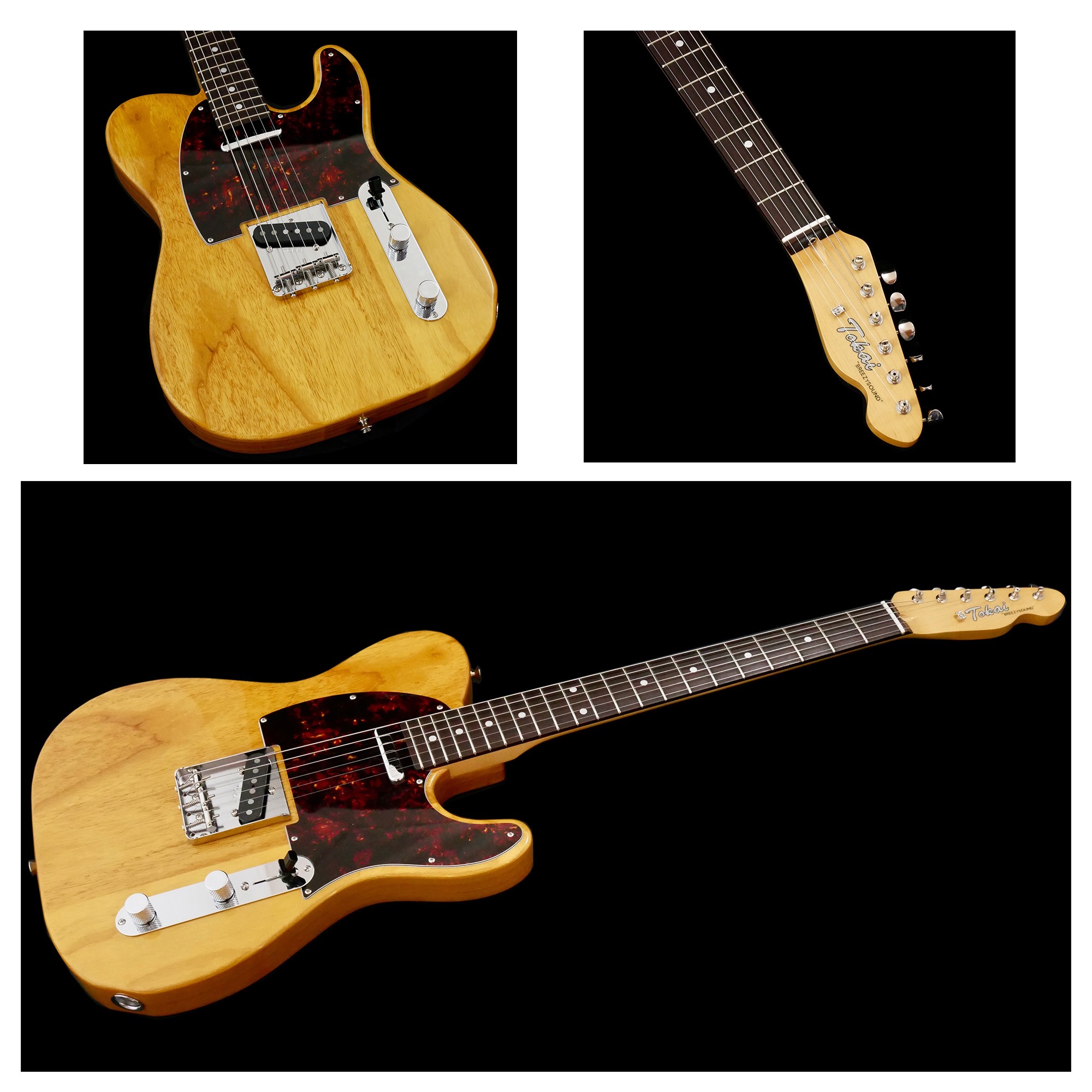
The ATE-102R Vintage Natural is Tokai Japan’s vision of a top-quality Tele with a 1970s look. Back then, it was the golden age of natural finishes, and in the case of the Telecaster, that meant vibrant-looking ash.
Even at that time, there were problems with the availability of lightweight “swamp ash,” which is why many Fender instruments from the Seventies are very heavy. Unfortunately, the availability problem is even worse today, which is why the prices of lightweight ash continue to rise.
Since Tokai definitely wants to keep the prices of its instruments player-friendlys, the ATE-102R model puts stunning looks first, which means, at least in the case of the review guitar, a relatively heavy instrument (4 kg).
The Tokai ATE-102R model has a maple neck attached to a beautiful ash body. The guitar’s fingerboard is carved from genuine rosewood, and 22 medium-jumbo sized frets are installed on it in exemplary neatness. The neck adjustment is conveniently done from the headstock side of the neck.
The metal parts come from Gotoh – the tuners are the company’s high-quality Kluson copies, while the vintage-style bridge bears the Tokai name. The ATE-102R’s pickguard is four-ply and has a tortoise-style pattern.
This Tokai uses Gotoh TL-Classic α Series alnico pickups, which are the company’s meticulous imitations of Fender’s 1950s Tele pickups – even the neck pickup’s originally thinner coil wire has been taken into account.
The neck profile of the Tokai ATE-102R model is very nice, slightly oval with a slim C, just like the one found on Teles from the early Sixties. The fretwork couldn’t be any cleaner, and the set-up on the test guitar is extremely ”fast”, but without any string rattle.
In my opinion, the ATE-102R’s sound is definitely among the best of Tele-style guitars. The guitar’s sound is almost three-dimensional, with depth in the lower register, twang in the midrange, and sparkle in the treble – all in just the right proportions.
****








 Kitarablogi.com – Finland's premier Guitar and Bass blog