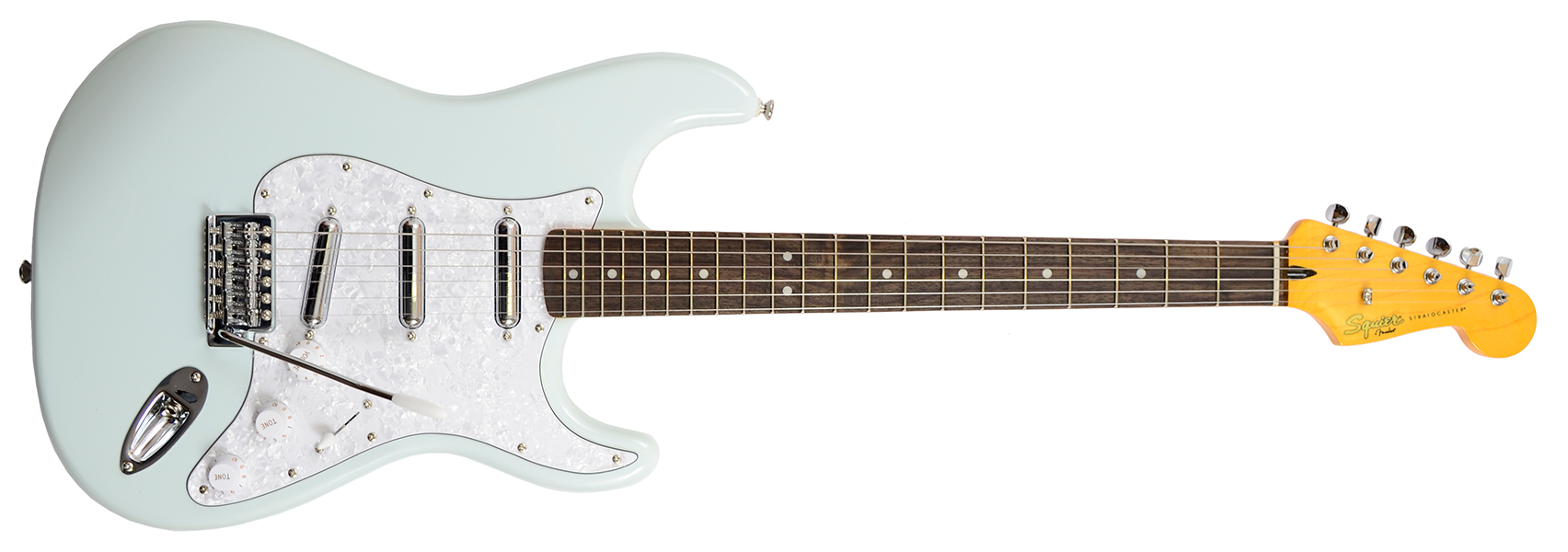
Upouusi Squier Surf Stratocaster on saanut selviä vaikutteita Stevie Ray Vaughanin kuuluisalta ”Charley Stratolta”, jonka mestari hankki itselleen Dallasissa Charlie Wirzin Charley’s Guitar Shopilta.
Kyse on lehmusrunkoisesta, 1960-luvun-tyylisestä Stratosta, johon on asennettu satsi Danelectro-kitaroista tuttuja Lipstick-mikrofoneja. Squier Surf Straton mikrofonit ovat Seymour Duncanin Duncan Designed -sarjan LS-102-mikrofonit.
Vintagea loivempi otelaudan radius (9,5″) ja paksummat nauhat helpottavat kielten venymistä, mutta SRV:n suosimat erikoispaksut kielet jätettiin Squierilta onneksi pois.
ESP’s Eclipse is one of the company’s most successful models, because it fuses effortlessly a classic outline with modern features.
The ESP Eclipse is available in many different variations, of which the ESP Eclipse-I CTM (current price in Finland: 1.668 €) is the series’ equivalent to the venerable Gibson Les Paul Custom.
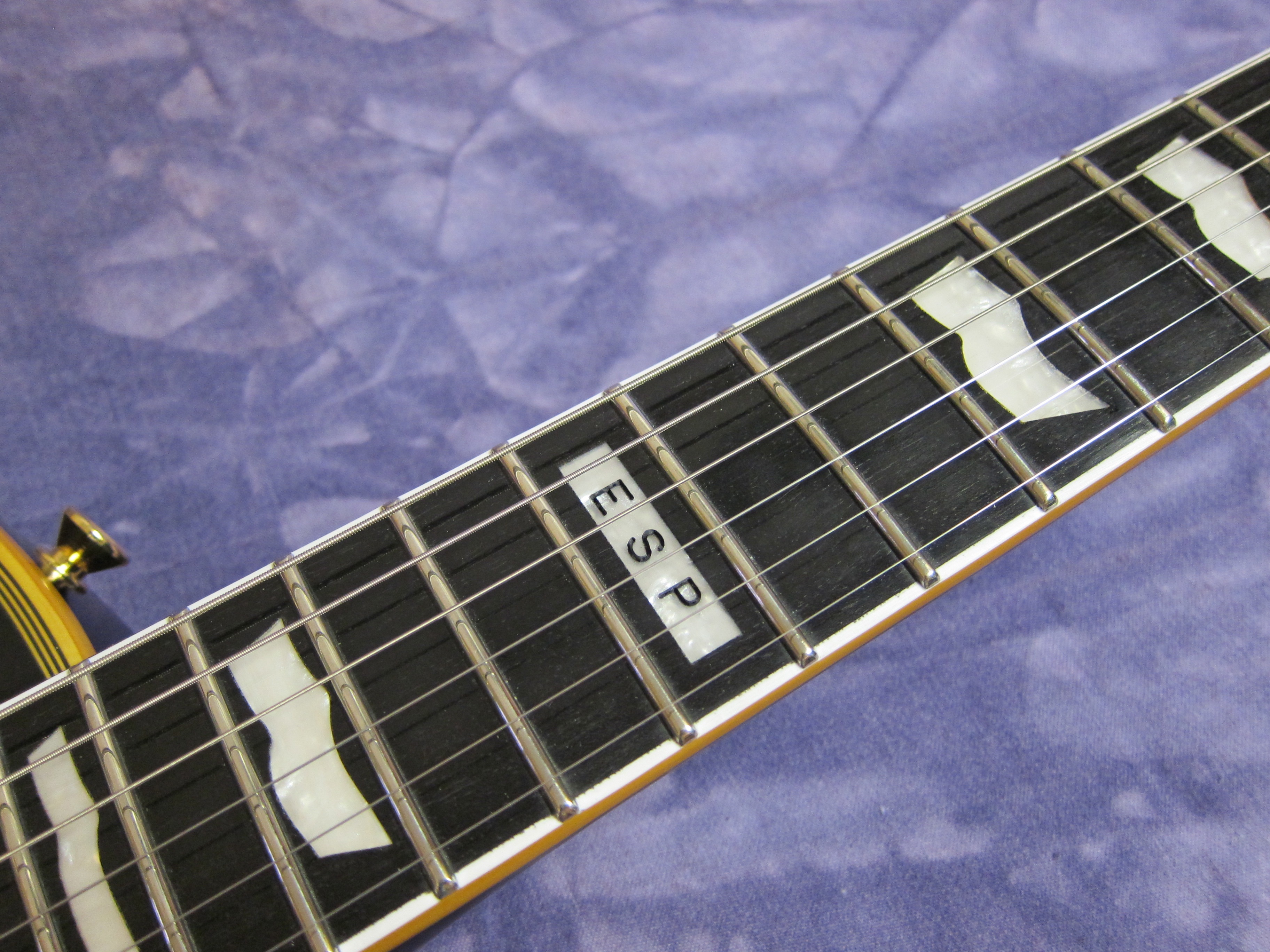
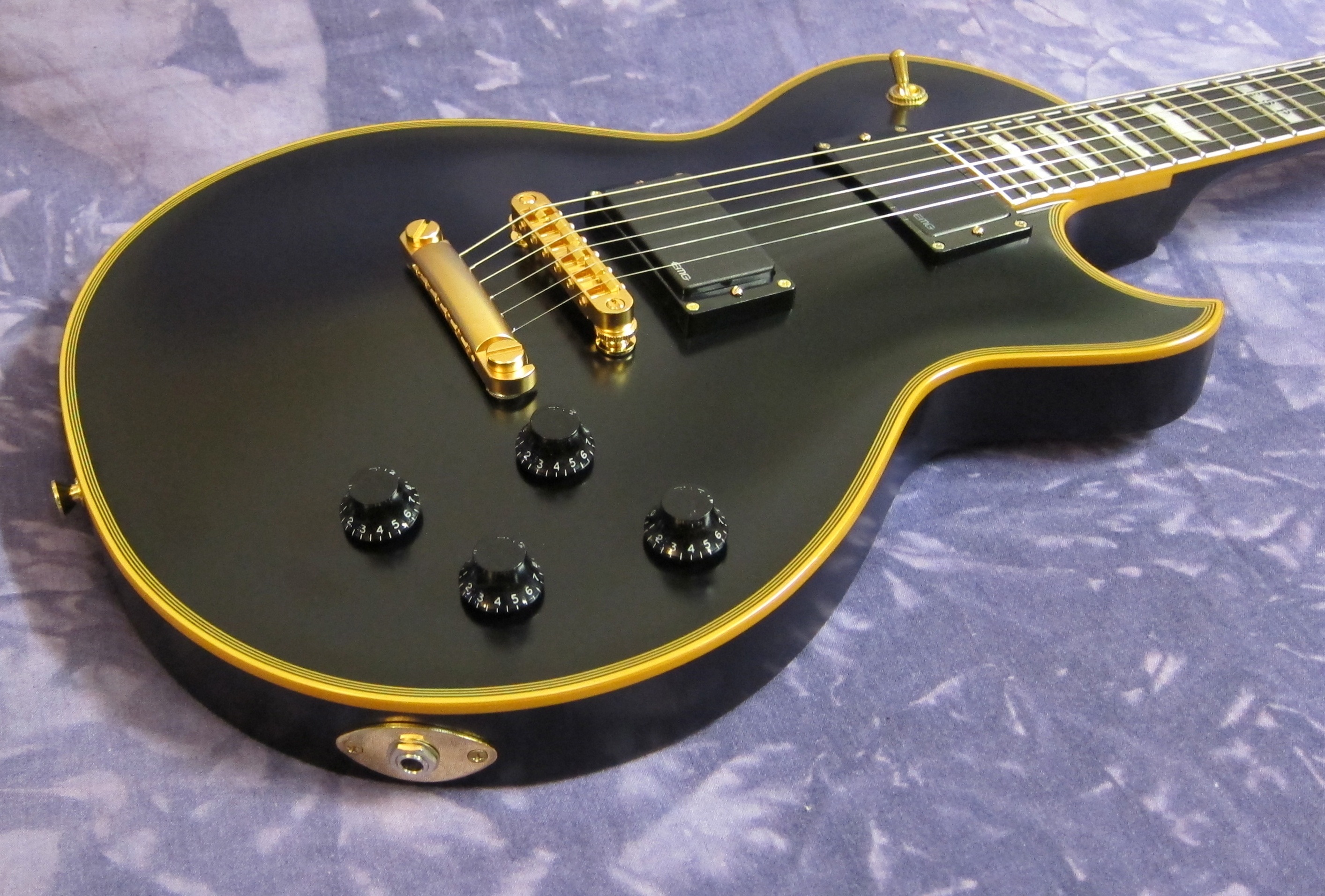
A matte-black finish with a yellow-ish overcoat, multi-laminated binding, gold-coloured hardware, an ebony fretboard with large pearloid inlays, as well as a pair of EMG-pickups endow the Eclipse-I CTM with an extremely stylish look. This Japanese guitar is sold in its own high-quality case.
Sound-fetishists will be more than happy about the ESP’s genuine bone nut, as well as the vintage-style truss rod. This type of truss rod requires a much narrower rout compared to many modern designs, and removing less of the neck’s mahogany will most likely result in a fuller-bodied tone and stronger attack.
ESP is using Gotoh’s excellent self-locking Magnum Lock tuners. Changing strings is a breeze and tuning stability is rock solid.
The Eclipse displays exemplary fret work, resulting in a fast and slippery feel.
Despite being made from the most traditional of raw materials – a mahogany back with a maple top – this ESP cuts down considerably on weight thanks to a thinner body, compared to a vintage guitar of this type.
The Eclipse-I’s controls follow tradition, offering separate volume and tone controls for each pickup.
The two active humbuckers are EMG’s best-selling pairing of an EMG 60 in the neck position with a hotter EMG 81 next to the bridge.
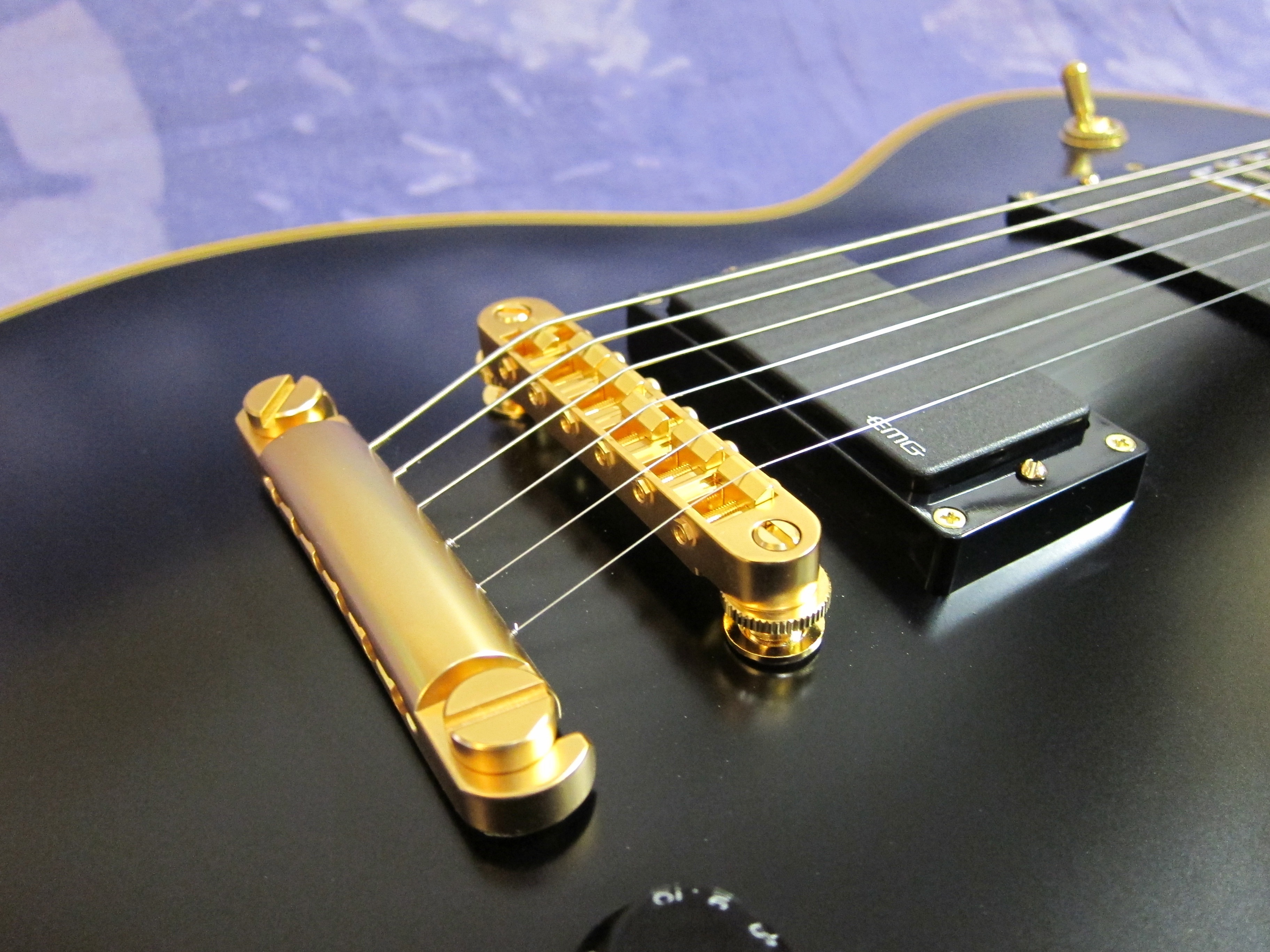
Golden-finished Gotoh-quality for the stopbar and tune-o-matic-bridge combination.
A generous rib-cage contour is another of the Eclipse-I’s contemporary improvements.
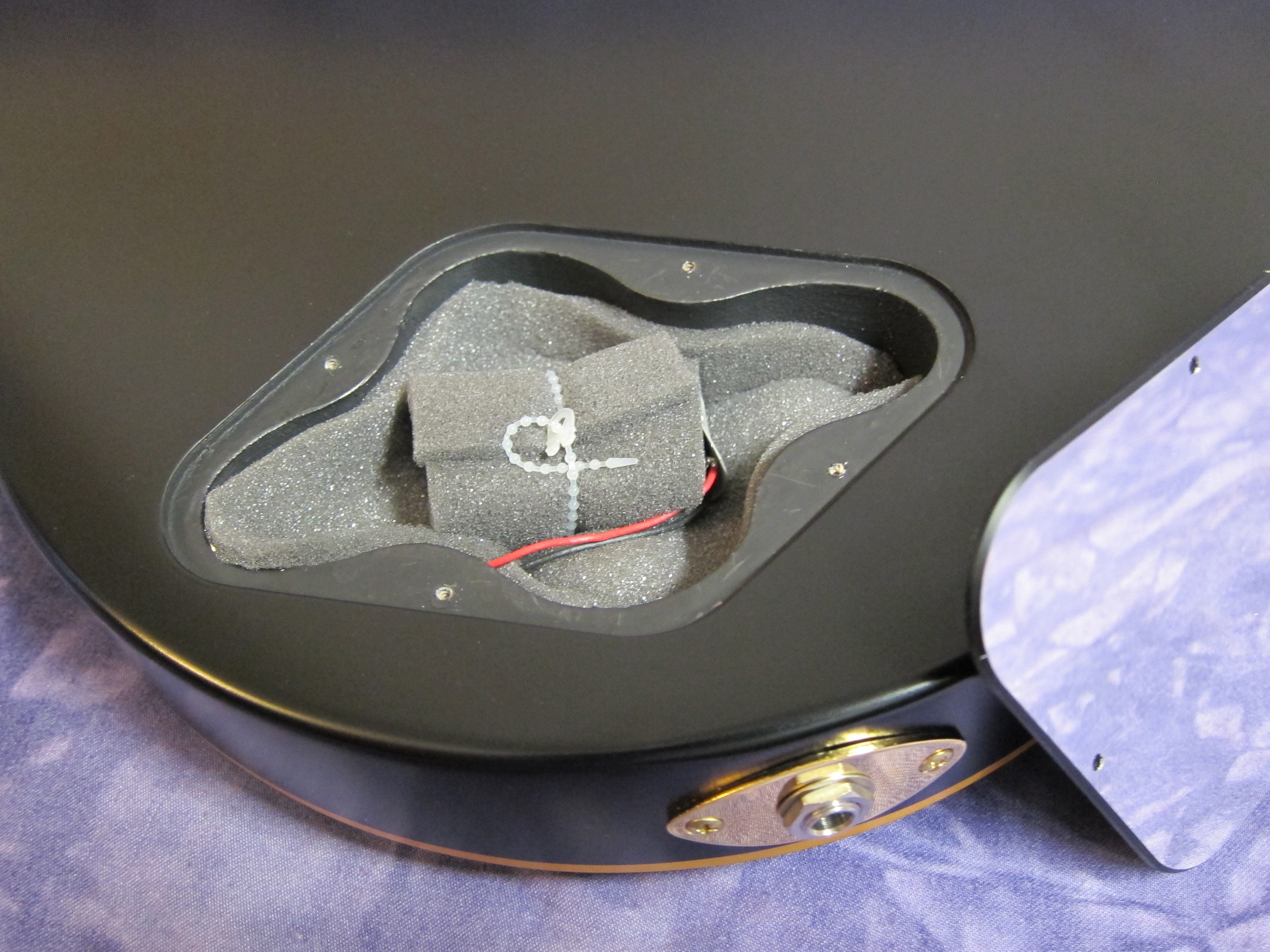
I can understand ESP’s reason for not including a separate battery compartment, which would spoil the guitar’s classic look. Still, the solution on offer doesn’t earn full marks in my book.
I’m quite sure that the foam padding doesn’t make the Eclipse any less gig-worthy, but it looks somewhat half-baked nontheless. I’d much rather see a battery clip attached to the inside of the control cavity’s lid, as well as machine screws with threaded inlets in the body to keep the lid firmly in place.
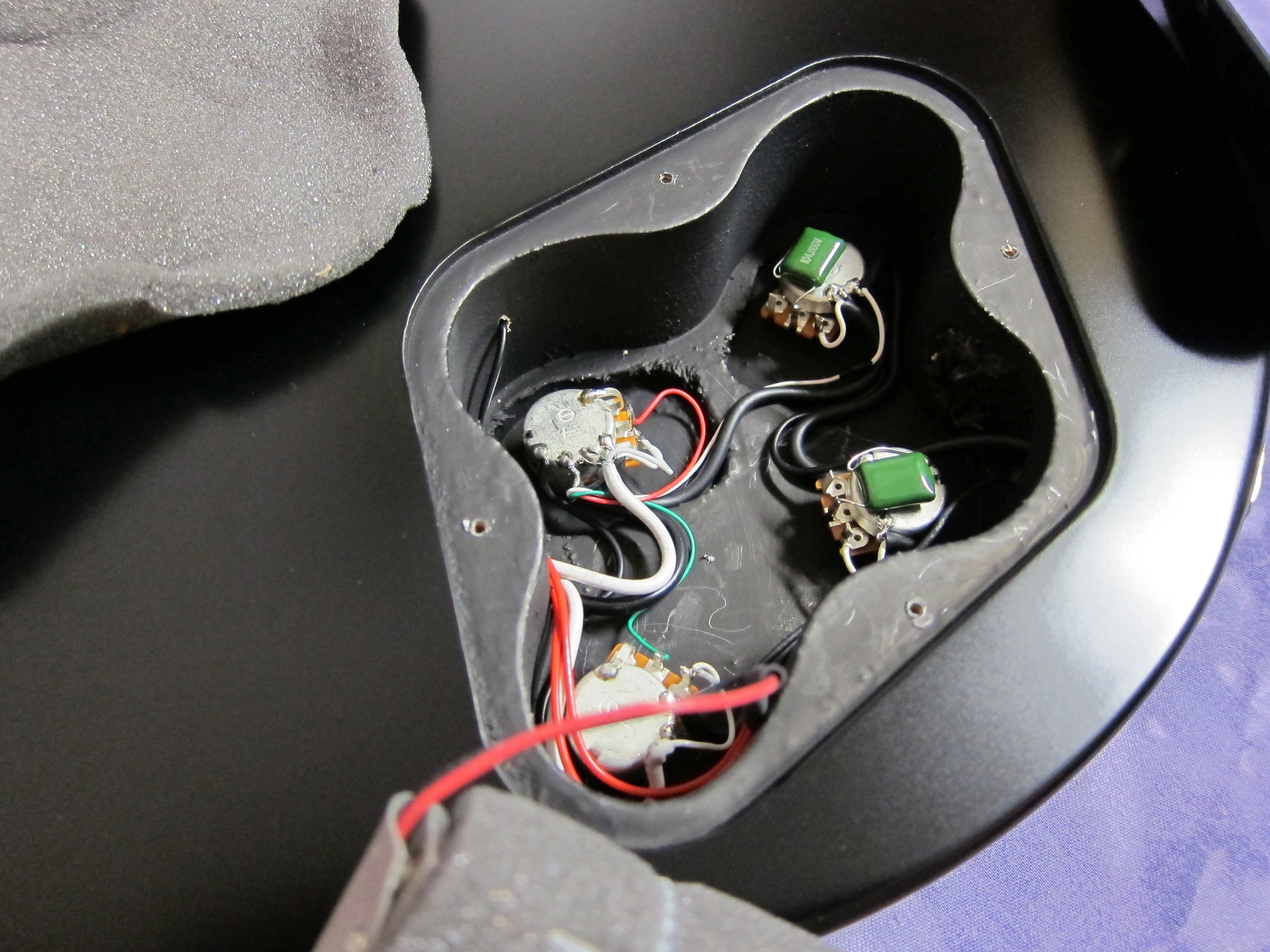
EMG’s own pots and capacitors are used in the clean and well-screened cavity.
****
The ESP Eclipse clearly is a pro-quality electric guitar.
I don’t think one can overstate the positive effect of this model’s low weight on one’s playing. A light guitar, such as this, tends to become a natural extension of the players body, letting the music flow effortlessly and unimpeded.
Personally, I really like this model’s slightly-structured Vintage Black matte finish, which calls to mind Music Man’s Stealth-series of instruments. This modern finish feels rather organic and offers the fretting hand good support, even in sweaty situations. I can understand, though, that some people would prefer a vintage-type gloss finish on a guitar like this – horses for courses.
The Eclipse-I’s flattish D-profile is a good all-rounder, which will fit easily into most guitarist’s hands.
EMG’s electronics work fantastically on this ESP. You can get all the types of sounds you’d come to expect from a guitar of this style effortlessly. From soft Jazz tones to out and out, balls-to-the-wall Metal Mania, this guitar delivers all the goods with no extraneous noise or interference whatsoever.
Yes, most probably the majority of potential buyers will use this guitar to rock out mercilessly, but I’d still warmly recommend the Eclipse’s clean sounds as well. Some vintage anorak might even be surprised by the organic sound emanating from the active pickups!
Tanglewood Guitars combines British design with quality luthiery from Asia for a winning value-for-money-mix. Especially the brand’s acoustic guitars have won over many fans.
The Tanglewood TW1000N (current price in Finland: 721 €) is a real Dreadnought-beauty from the company’s Sundance-series, and features a solid spruce top mated to a laminated back and sides made of rosewood.
The bound headstock looks fashionably understated, sporting a rosewood veneer, as well as the company logo in abalone.
The nicely finished top nut is genuine bone.
A volute strengthens the area where the neck changes into the headstock. The gold-coloured tuners are sealed Grover Rotomatics.
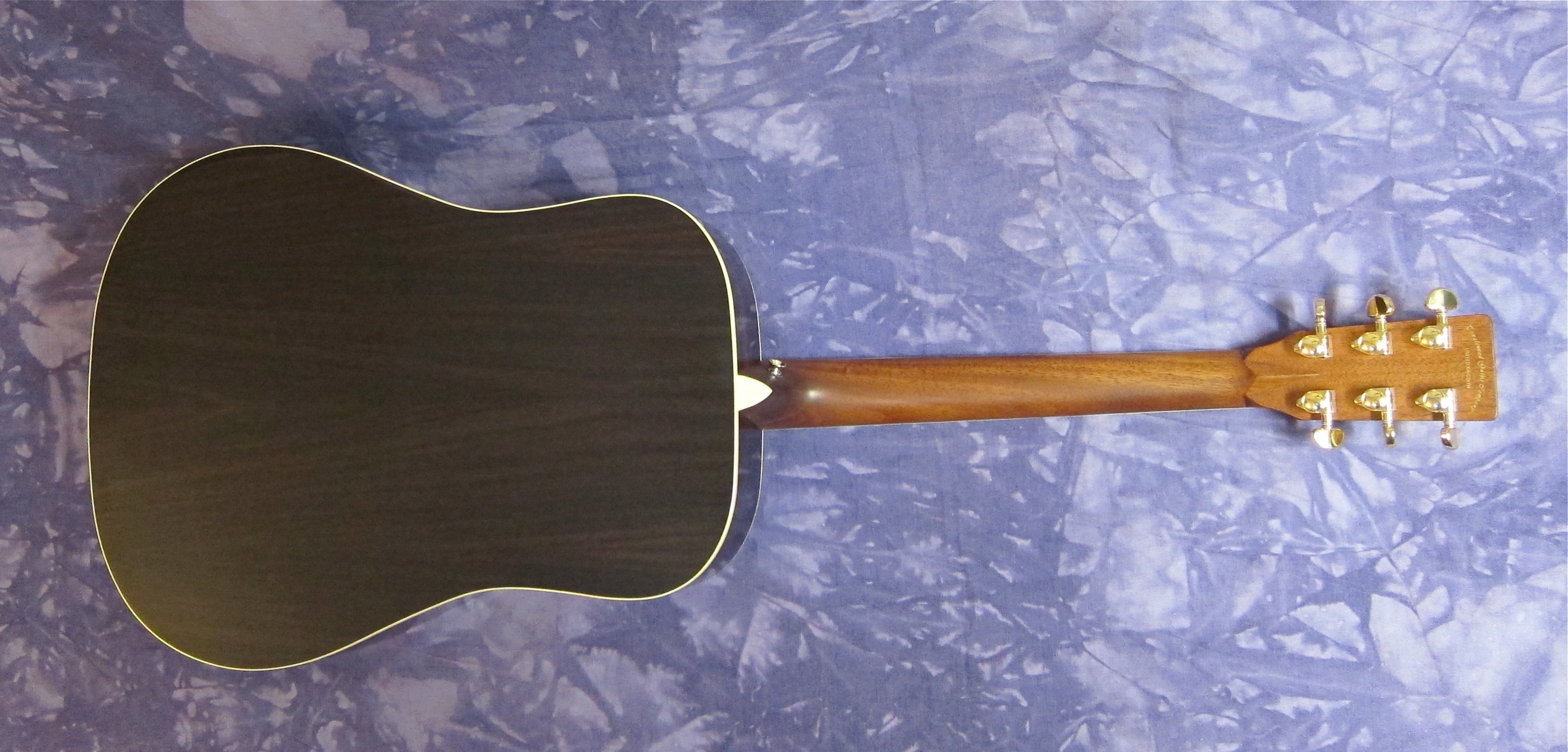
The TW1000N’s neck is a one-piece mahogany affair, save for a small glued-on bit for the neck heel.
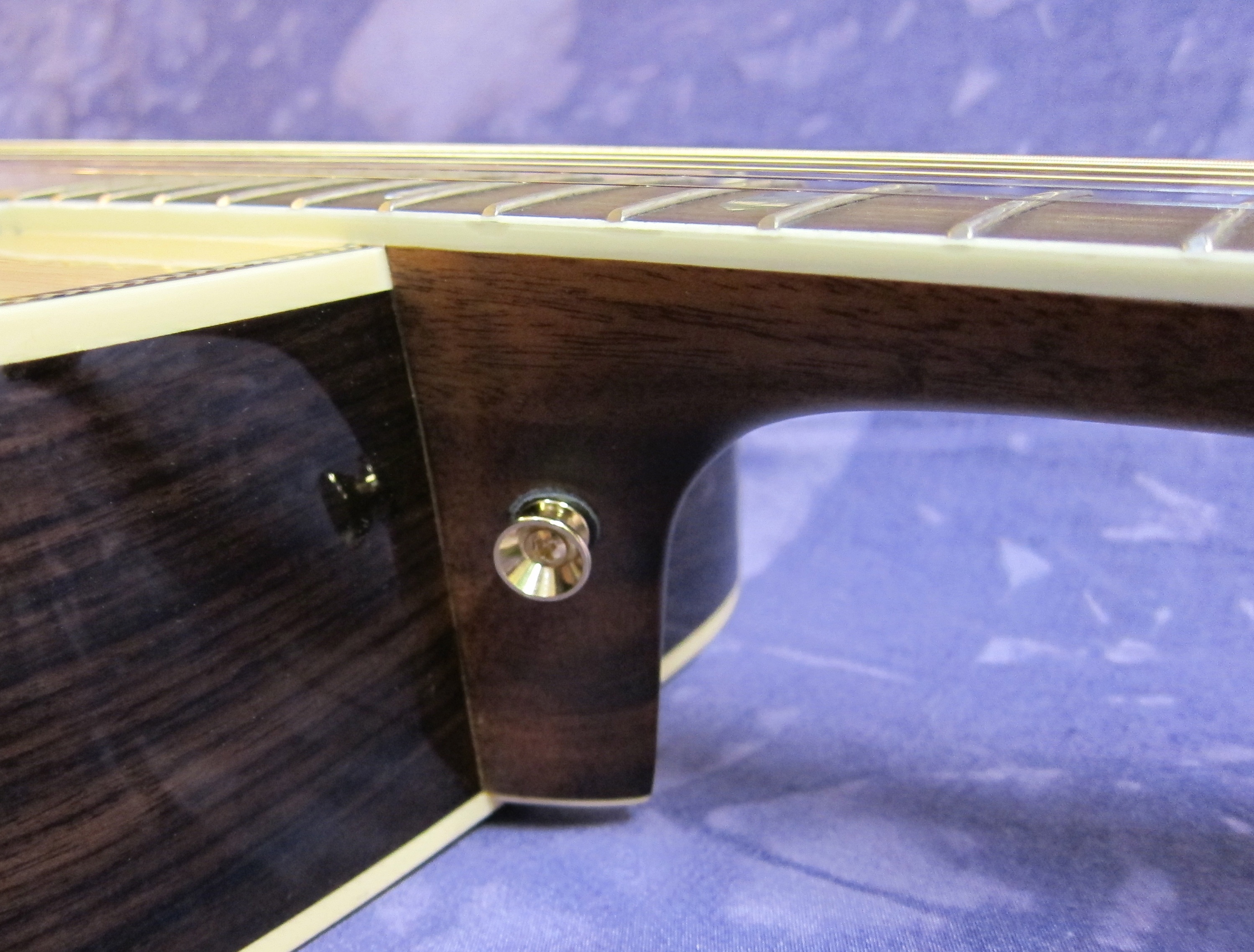
Tanglewood have added a nice little detail for the gigging guitarist – a second strap button.
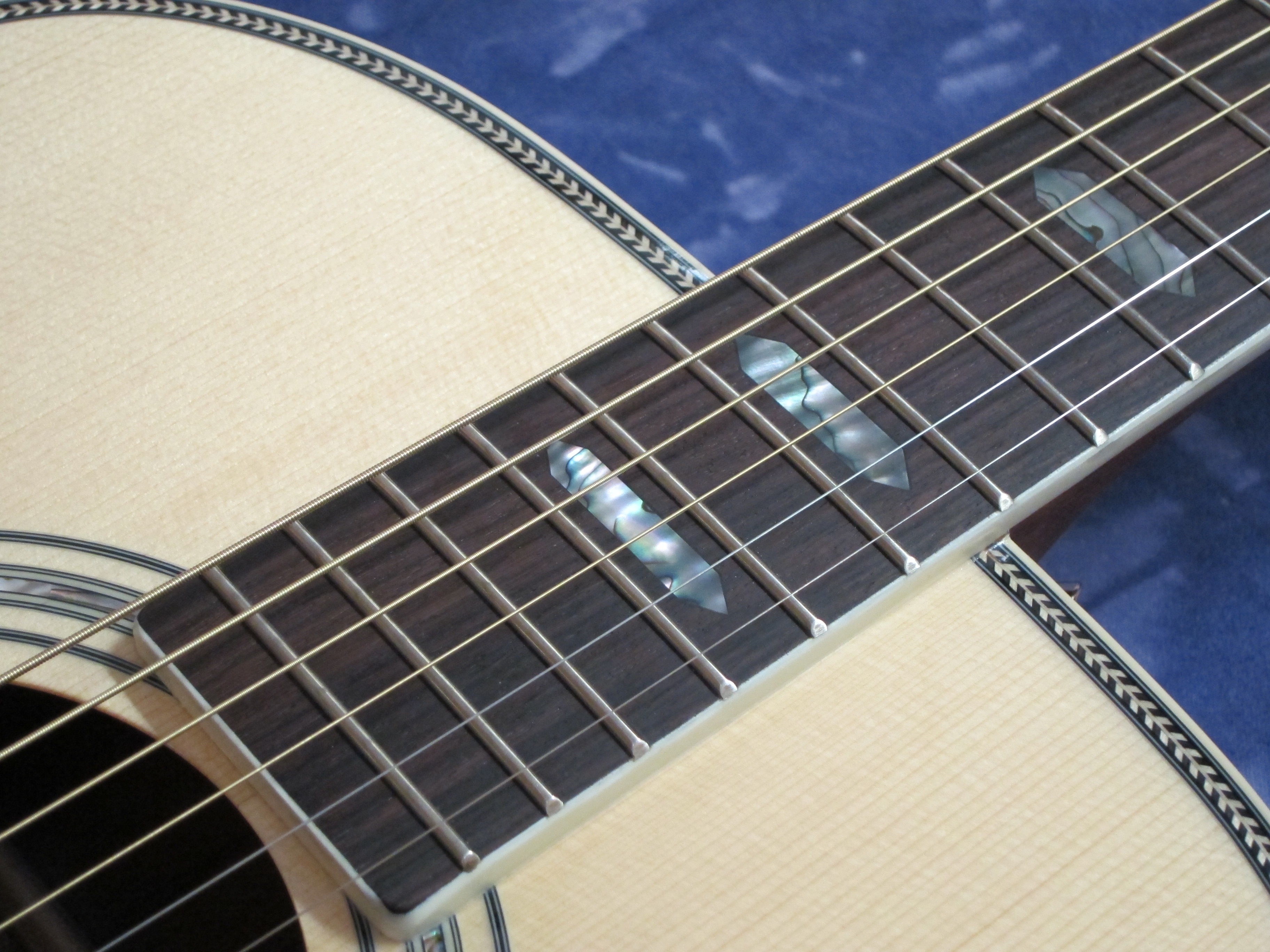
The TW1000N has been generously endowed in the looks stakes, but always with good taste. We find abalone hexagons inlaid into the nice-looking rosewood fretboard, as well as herringbone binding around the guitar’s top.
Black and white rings coupled with cleanly inlaid abalone make up the soundhole rosette.
The bridge is Tanglewood’s own design, crafted from a fine piece of rosewood on the test sample. The compensated saddle is made from genuine bone.
****
It’s not hard to fall in love with the Tanglewood TW1000N – this guitar possesses timeless beauty, is easy to play and sounds magnificent!
The neck profile is a very friendly, medium-depth ”C”, with the satin finish and the well-dressed medium frets doing their bit to keep the feel comfortably modern.
As is the case with many D-sized guitars, the TW1000 has a nice middle-of-the-road set-up, with a neck width of 44 mm at the nut and a string spacing of 53 cm (E–e), working equally well for strummers as well as pickers.
With the factory-supplied Elixir Nanoweb Light 12–53 -strings the Tanglewoodin sounds well-rounded and warm, with clear top-end definition and a dose of sparkle.
The dynamic range on offer is impressive and the guitar projects well. There’s a good whack of attack on offer, when you dig in with a plectrum, while the sound stays nicely focussed and transparent when fingerpicked.
In the TW1000N’s case you don’t pay through the nose for perceived status or the name on the headstock; with Tanglewood you get a great guitar for your hard-earned money.
Tanglewood-kitaroissa yhdistyy brittiläinen muotoilu ja laadukas aasialainen työnjälki. Etenkin firman akustiset kitarat ovat saaneet laajasti kiitosta.
Tanglewood TW1000N (721 €) on varsin näyttävä Dreadnought firman Sundance-sarjasta. Kitaran kansi on valmistettu kokopuisesta kuusesta, kun taas kopan pohja ja sivut ovat palisanterivaneria.
Reunalistoitettu viritinlapa on päällystetty palisanteriviilulla, johon on kauniisti upotettu firman logo. Muotoilu on klassisen hillitty ja tyylikäs.
Sulavasti muotoiltu satula on aitoa naudanluuta.
Timantinmuotoinen paksunnus kaulan ja lavan yhtymäkohdassa (engl.: volute) on lainattu suoraan Martin-kitaroilta. Volute pienentää tehokkaasti lavan murtumisvaara ja partantaa soittimen sustainia.
Laadukkaat suljetut virittimet ovat Grover Rotomaticit.
TW1000:n mahonkikaula on yksiosainen (!), lukuunottamatta yhtä pientä kaulan korossa käytettyä palaa.
Joskus pienet yksityiskohdat ratkaisevat: Tanglewoodia voi soittaa ”suoraan laatikosta” myös seisten, koska kaulakorkoon on lisätty hihnatappi.
TW1000:n koristelu on toteutettu tarkasti ja erittäin hyvällä maulla. Reunalistoitettuun palisanteriotelautaan on upotettu värikkäitä kuusikulmioita aidosta helmiäisestä, kun taas kannen reunaa koristavat sekä vintage-tyylinen herringbone-kuvio että kermanvaalea muovilista.
Kaikuaukolle on suotu omaa koristelunsa, jossa yhdistyvät mustat ja valkoiset renkaat sekä pikkutarkasti toteutetut helmiäisupotukset.
Myös kitaran sisällä työnjälki on ilahduttavan siistiä. Kaulaliitos on perinteinen lohenpyrstöliitos. Soittimen sarjanumero löytyy mahonkiselta kaulablokilta.
TW1000N:n lentävää lintua muistuttava talla on veistetty palisanterista. Kielitapit ovat muovia, mutta kompensoitu tallaluu on valmistettu aidosta naudanluusta.
****
On erittäin helppo ihastua Tanglewood TW1000N:ään – kitara on ajattoman kaunis, mutta myös sen soitettavuus ja ääni ovat ensiluokkaisia!
Kaulan profiili on mukavan pyöreä ”C” maltillisella paksuudella. Kaulan mattaviimeistely ja soittimen keskikokoiset nauhat tekevät soittotuntumasta nykyaikaisen kevyen.
TW1000 kulkee monen Dreadnoughtin tapaan kultaista keskitietä, ja mahdollistaa 44 mm leveällä kaulalla (satulan kohdalla) sekä 53 cm kielietäisyydellä tallassa (E–e) kitaran ongelmattoman käytön sekä sormisoitossa että plektralla soitettuna.
Tehdasasenteisella Elixir Nanoweb Light 12–53 -kielisatsillaTanglewoodin soittotuntuma on kevyt. Kitaran ääni on hyvin lämmin, mehukas ja täyteläinen, mutta samalla selkeä, avoin ja raikas.
Dynamiikkaa on tarjolla rutkasti, ja kitaran sointi projisoi esimerkkillisesti. Soundi on mukavan eloisa: plektrasoitossa atakki on tarkka ja helmeilevä, eikä sormisoitossa soundillinen balanssi koskaan harhaile liian bassovoitoiselle puolelle.
Tältä TW1000N kuulostaa Zoom H1 -tallentimella äänitettynä:
Gibson lanseeraa 1980-luvun alkupuolen erikoisuus uudestaan. Mallin nimi on Gibson 335-S, ja se näyttää tältä:
335-S:llä on lankkumallinen vaahterarunko, joka muistuttaa piennettyä ES-335-mallia. Kaulakin on vaahterasta, kun taas otelauta on värjätty grenadillo.
Mikrofoneiksi on valittu kaksi alnico II -magneeteilla varustettua Burstbuckeria – kaulahumbuckeri on hyvin mieto Burstbucker 1, ja tallamikrofonina käytetään hieman mehukkaampi Burstbucker 2 -versio.
Gibson 335-S tarjoaa kolmiasentoisen vipukytkimen lisäksi kaksi volumea sekä yhden master tonen.
Kitara on saatavilla Vintage Sunburstin lisäksi Silverburst-viimeistelyllä.
The Höfner 500/1 is a German electric bass guitar, which has been in production since 1956.
It is quite likely that this hollow-body, short-scale model (76,2 cm = 30″) would have been destined to become a mere footnote in bass history, if not for one small incident in 1961. A young, newly ”elected” bass player from Liverpool – named Paul McCartney – was browsing the local instrument stores in Hamburg (Germany), for a mid-priced electric bass, preferably left-handed. He found the Höfner 500/1 – and the rest, as they say, is history…
****
During the first years of production many of the 500/1’s specifications were changed on nearly a yearly basis.
The first production models came equipped with two long and narrow singlecoil pickups, which were placed in the neck and middle positions. An oval control plate sported two volume and two tone controls.
****
In 1959 Höfner changed the control layout: a long rectangular plate offered two separate volume controls, as well as three two-position sliders for turning each pickup on or off and choosing between solo (full power) and rhythm mode (slightly dampened). This switching (Aggregat E2 B) also gives you a fat, treble-deprived signal, whenever the middle (later bridge) pickup is turned off using the slider switch – Reggae-bass galore.
****
The singlecoils were switched to humbucking pickups in 1960. The metal covers on these units are stamped with a diamond and the Höfner-logo. This model is the bass that Paul McCartney bought in Hamburg (it had to be ordered left-handed):
****
In 1962 the second pickup was moved close to the bridge. Shortly hereafter it the 500/1’s humbuckers were switched to the so-called staple-top-pickups, which, despite their look, are singlecoils. The pickups got their nickname, because the bridge-facing polepieces look somewhat like staples. In 1963 Paul McCartney received/bought (the available info is not quite clear on this) this type of Höfner 500/1 – which he continues to use to this day!
****
From 1967 onwards Höfner’s new blade-pickups were installed on the 500/1.
The Höfner 500/1 stayed more or less this way until the latter part of the Nineties, before the Beatles Anthology -series kicked off a renaissance.
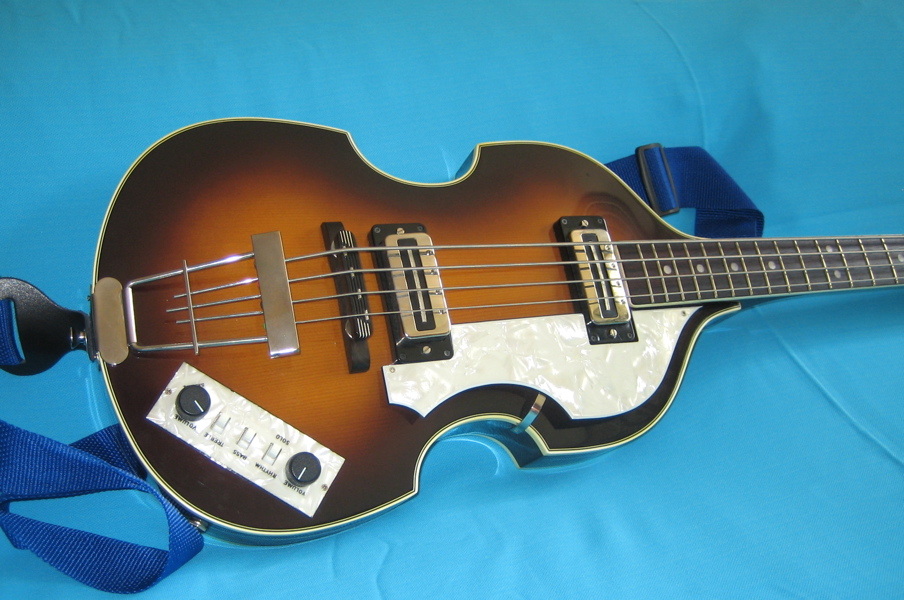
My own 500/1 -bass is a January 1990 -model. Then, demand for Beatle-basses was so low, that Höfner only built them on order, and for a very advantageous price.
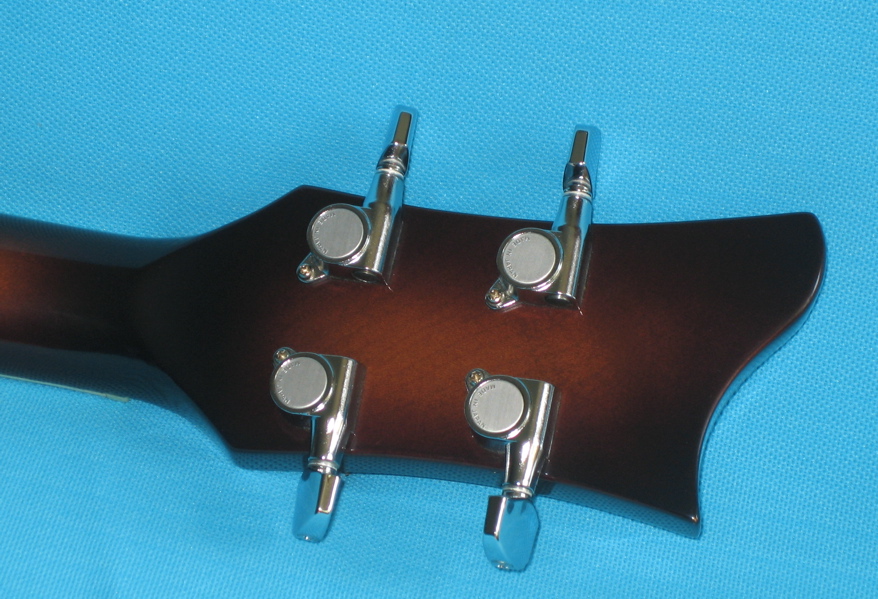
My Höfner sports a maple neck, which is one-piece save for the neck heel. The tuners are sealed Gotoh guitar models.
The top of the hollow body is spruce plywood, while the sides and back have been crafted from anigré-plywood (lat. aningeria spp.).
The Höfner’s sound is big, fat, huge and warm, but still has ample zing and growl with roundwound strings.
I’m mainly a fingerstyle player, but tend to use a plectrum whenever I play the 500/1, because its strings sit rather high above the body and are quite close to each other.
For some strange reason my Beatle-bass sounds fantastic plugged directly into a mixing console or soundcard, even without using a DI-box!
****
These days Höfner produces the excellent mid-price Contemporary-version (made in China) alongside its more pricier German reissues:
The main difference is that the Contemporary 500/1 is semi-solid, with a maple centre block running the length of its body. This adds some sustain, as well as making the bass less susceptible to feedback than an original.
****
The Höfner 500/1 -sound is probably known to all of us – listen to virtually any Beatles-record pre-1966. Later examples include the Beatles-tracks Get Back and Come Together, as well as McCartney’s solo-single My Brave Face.


















 Kitarablogi.com – Finland's premier Guitar and Bass blog