Turenki Tonefest 2012

Mad Professorin (ja Turenki Recordsin) Harri Koski ja hänen tiiminsä ovat laittaneet meille tänä vuonna entistäkin herkullisemman kattauksen suomalaista soitinrakennustaitoa.

****

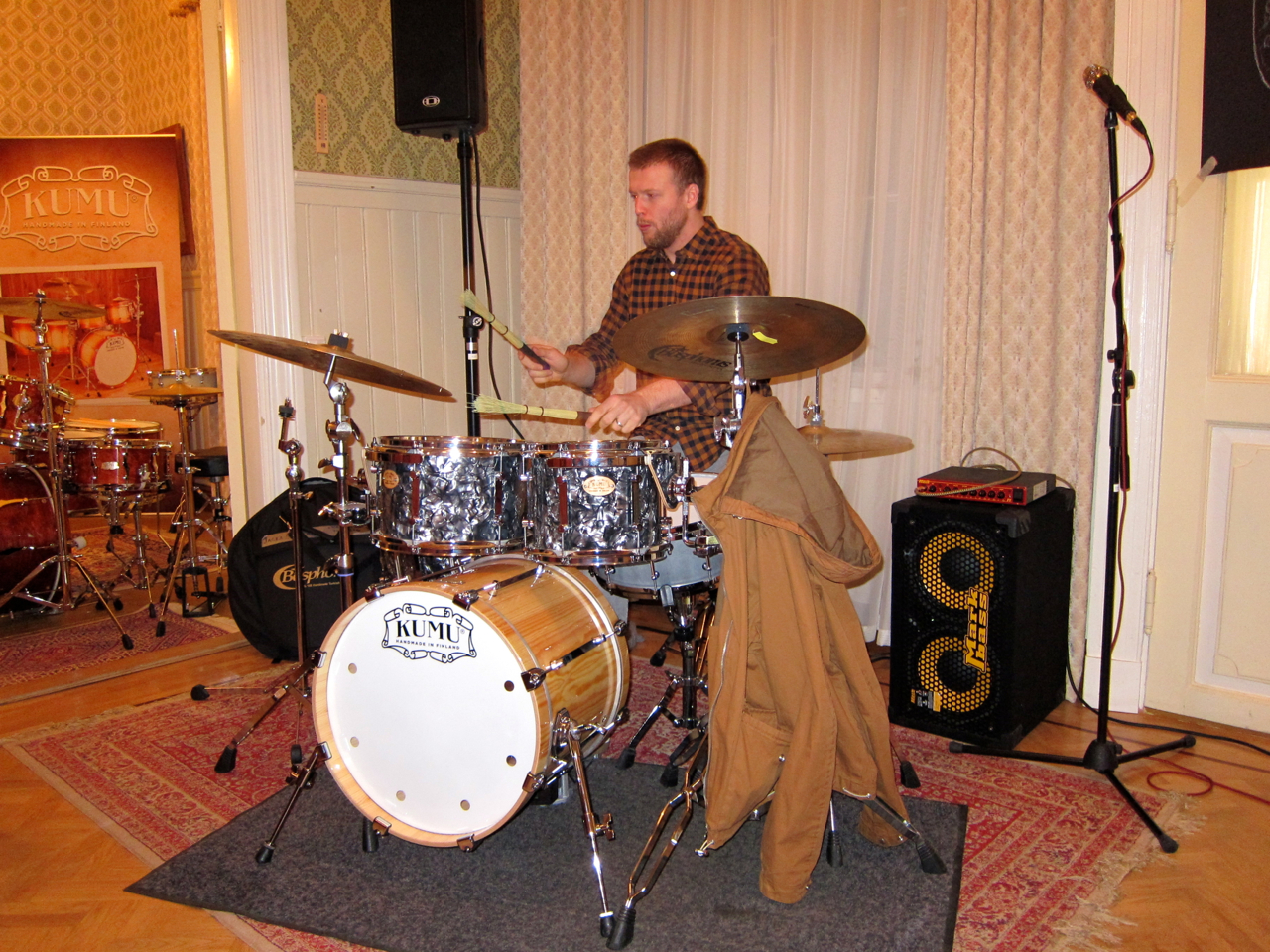
Kumu-rummut ovat esillä kokeiltavaksi ja kuuntelevaksi, esimerkiksi Jaska Lukkarisen soittamana.

****

Kitarakuun Seppo Kaskenmäki esittelee mm. firmansa maahantuomia Magneto-kitaroita ja Klein-mikrofoneja.

****

Marko Karhu ja Mad Professorin tuotteita.

****

IKATA:lla on myös oma ständi, jossa voi kokeilla opiskelijoiden kitaroita. Tässä Rainer Lorenz ja hänen itse rakennettu puoliakustinen sähkökitaransa.

****

Tamperelainen Halla Custom Instruments on erikoistunut sähkökitaroihin ja -bassoihin. Ville Mattila on yrityksen luova pää.

Halla Custom Instruments valmistaa myös omat mikrofonit.

****

Amfisoundin Sampo Leppävuori ja firman tuotannon äärilaidat – Rock-virtuoosin mehevä lavakitara ja Rockabilly-henkinen kaunotar.

****

Myös virolaiset Romu-vahvistimet voi kokeilla Turengissa.

****

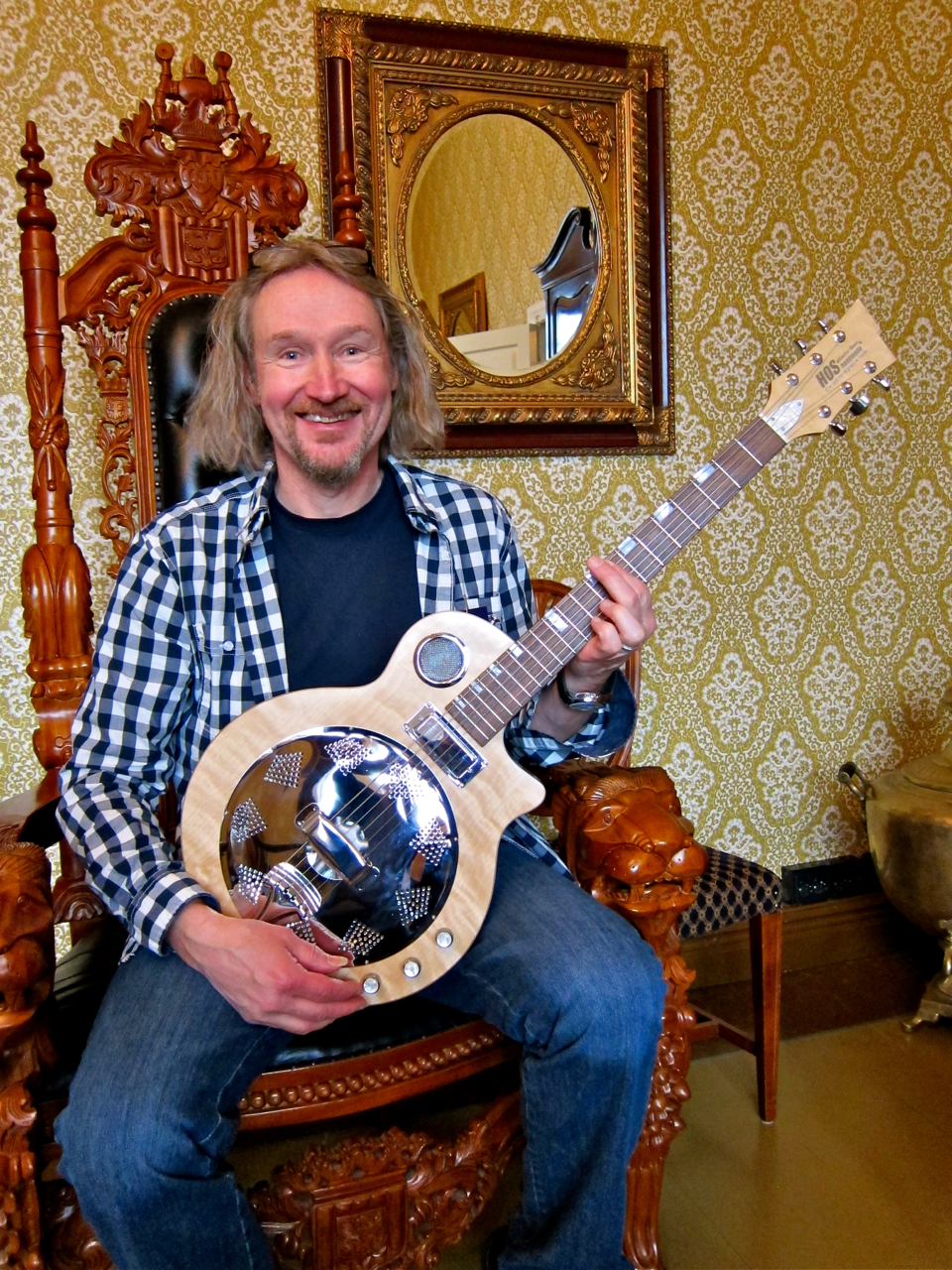
HOS Guitarsin Henry Salo pitää Erja Lyytisen sähköresonaattorikitaraa sylissään.

****

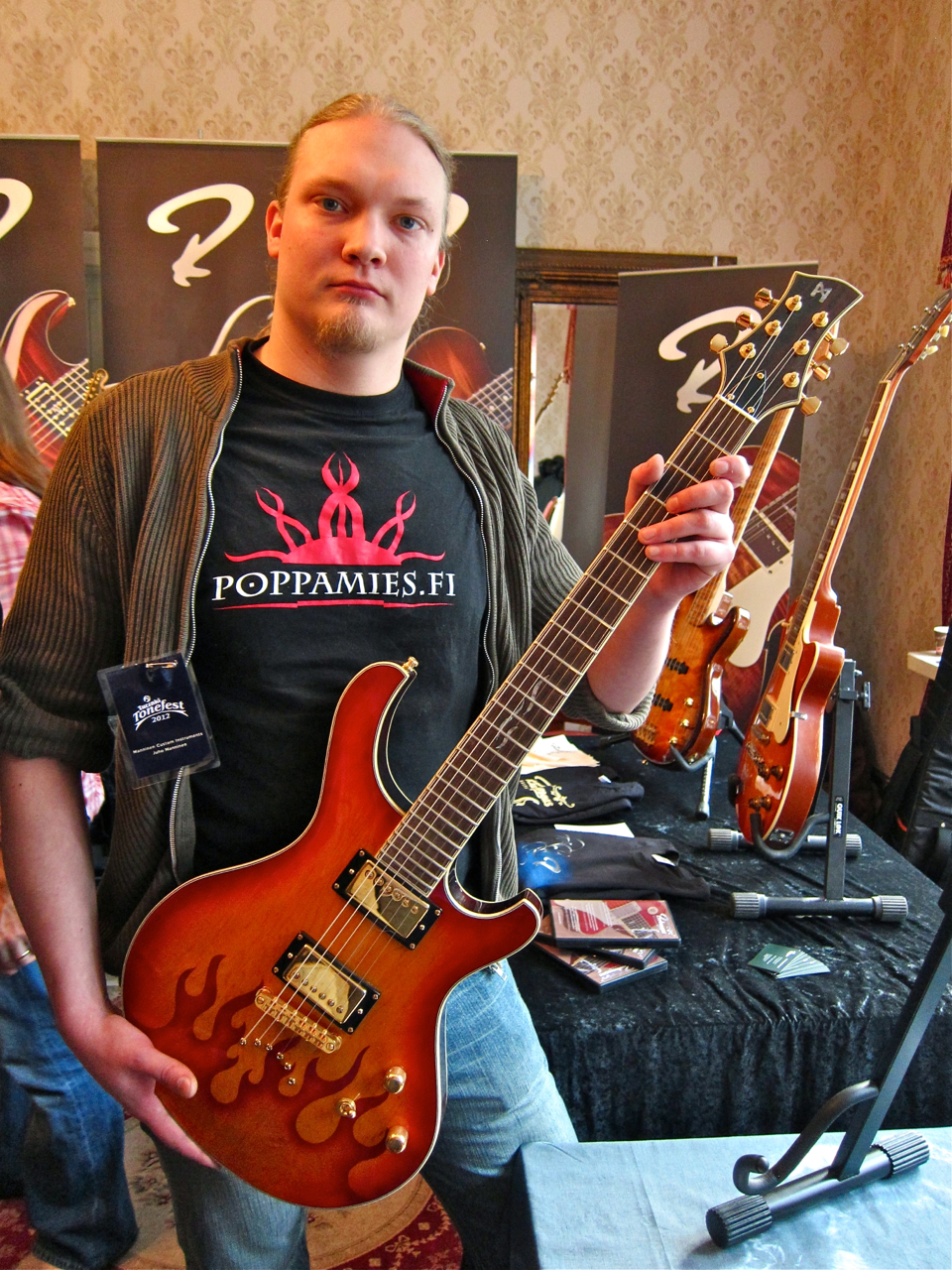
Juho Mannisen Manninen Custom Instruments on uusi tuttavuus Loimaalta.

****

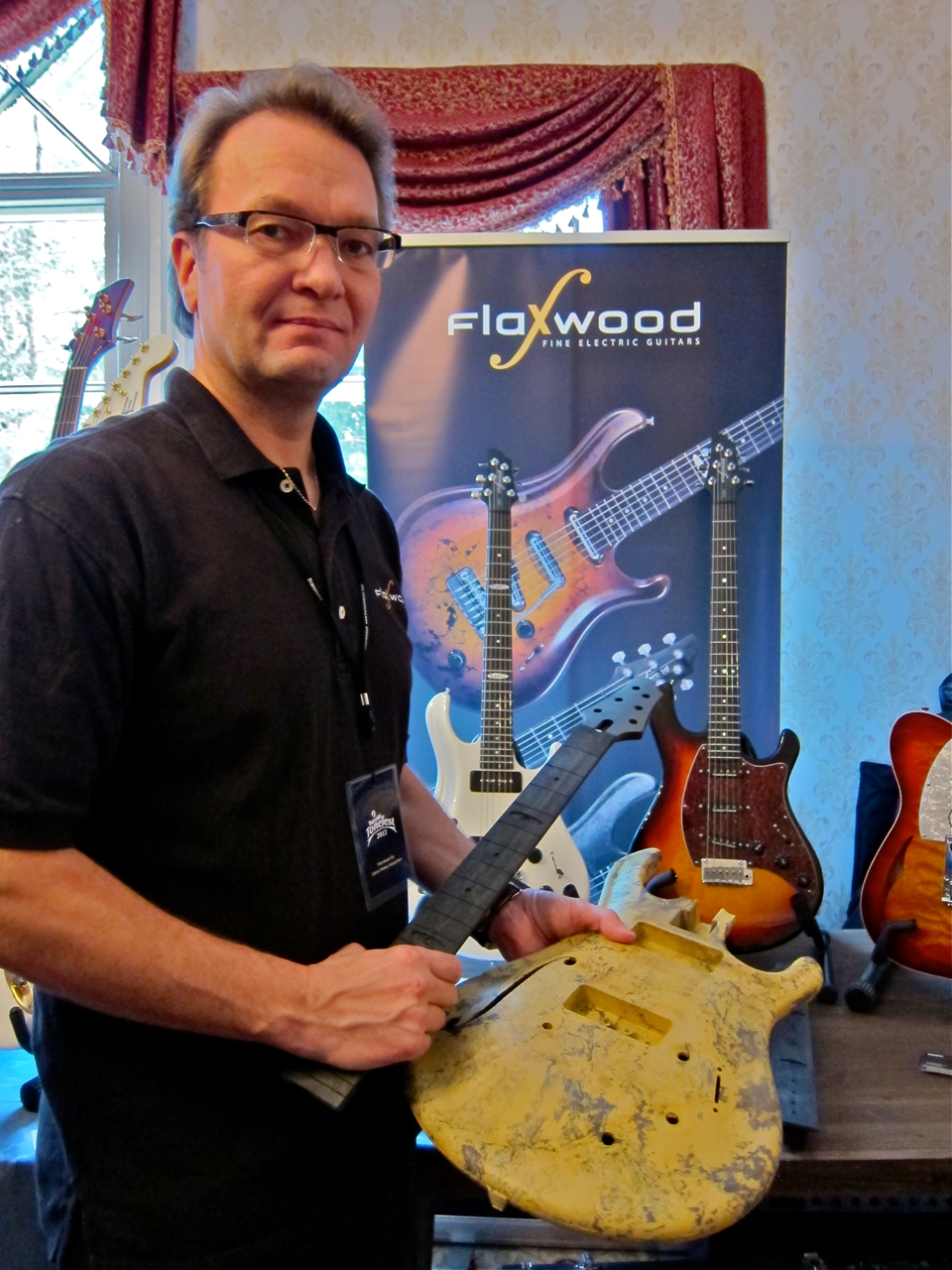
Flaxwood-kitarat saa nyt myös rakennussarjoina.

****

Flaxwoodilta tuttu Veijo Rautia rakentaa jälleen kitaroita ja mikrofonia myös omalla nimellä.

****

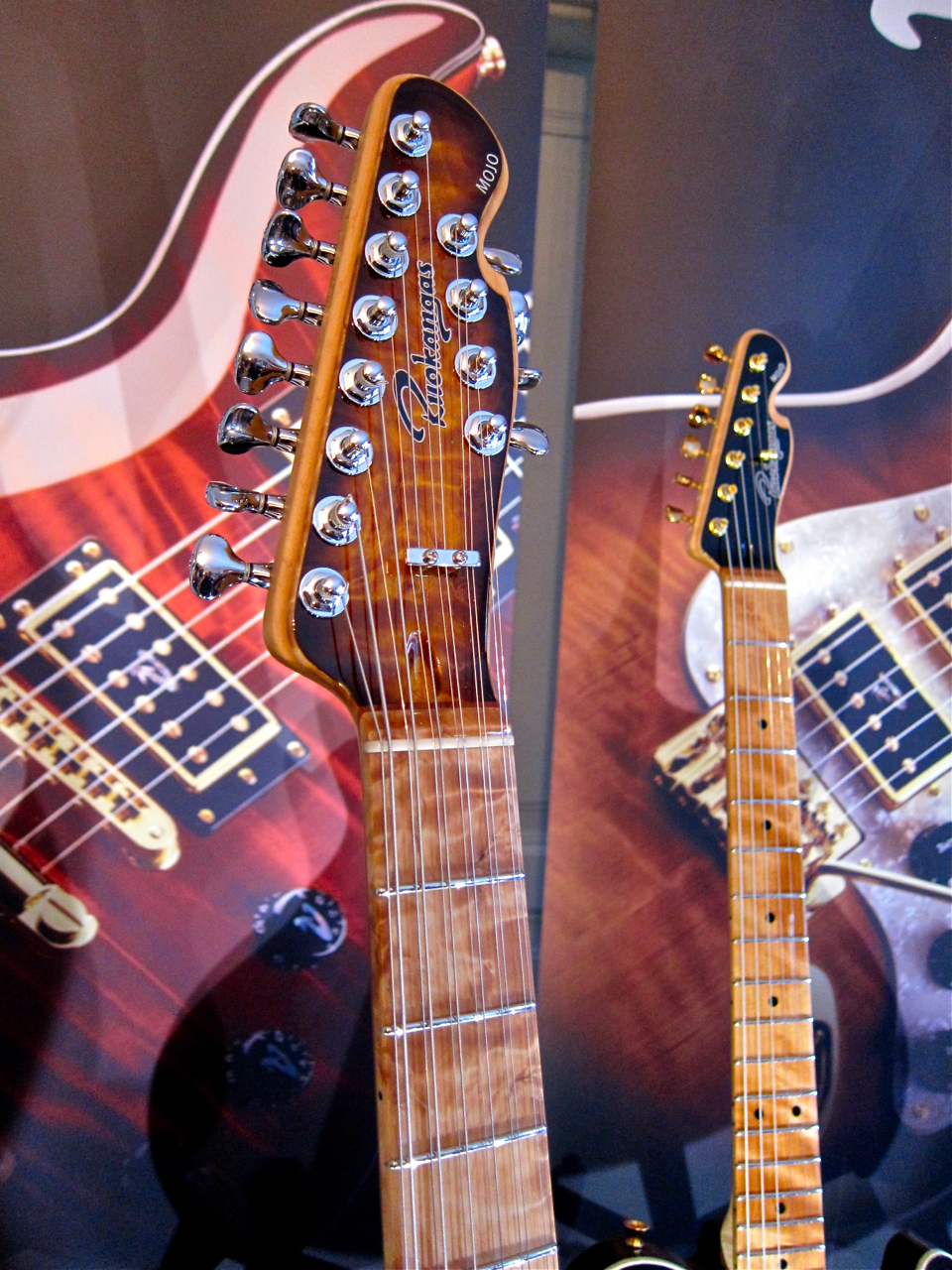
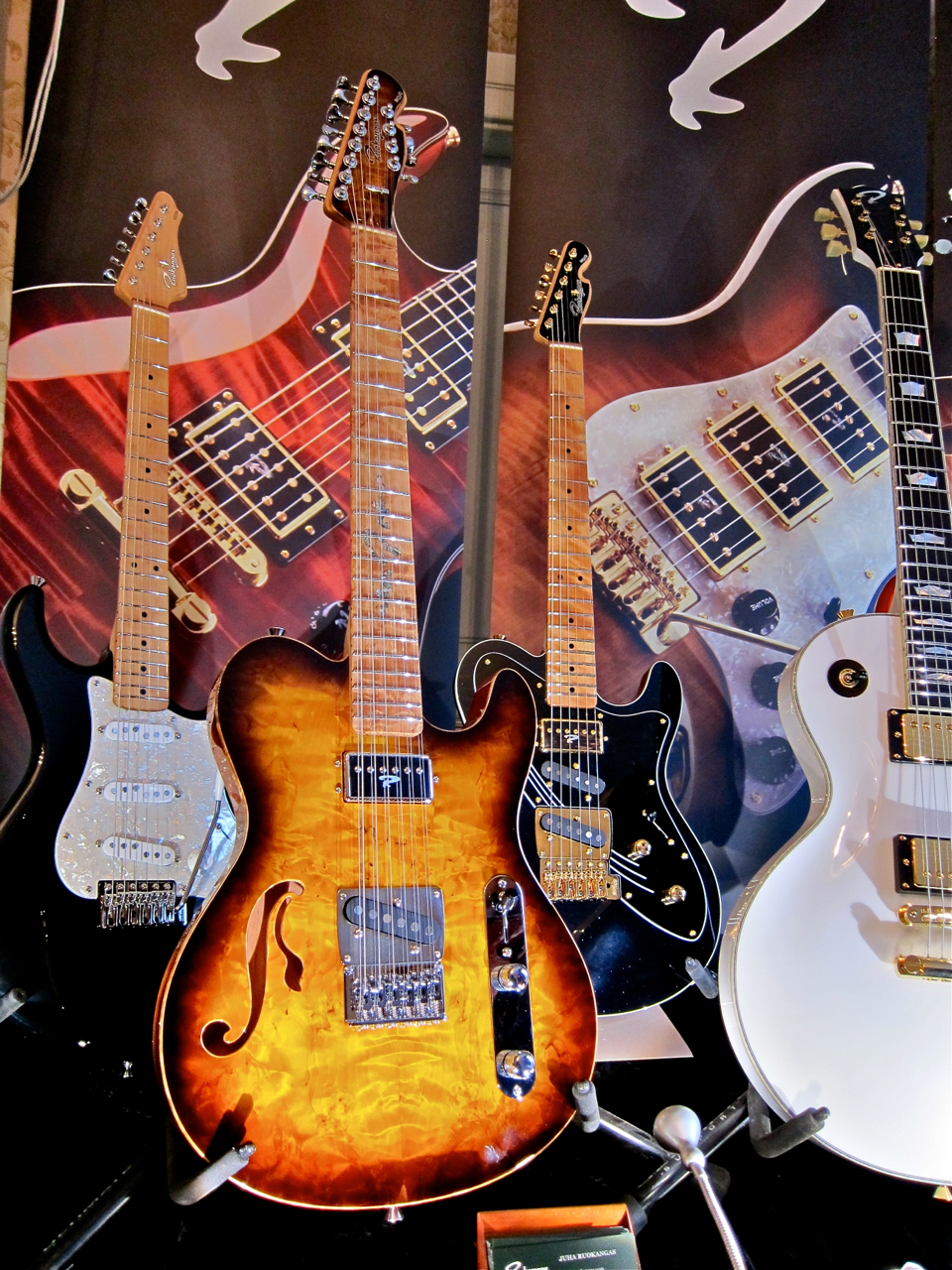
Taito-Finlandian tuore voittaja, Juha Ruokangas, on ollut koko lauantaina huomion keskipisteenä.

Ruokankaan 12-kielinen Mojo-malli on erittäin tyylikäs tapaus.
****

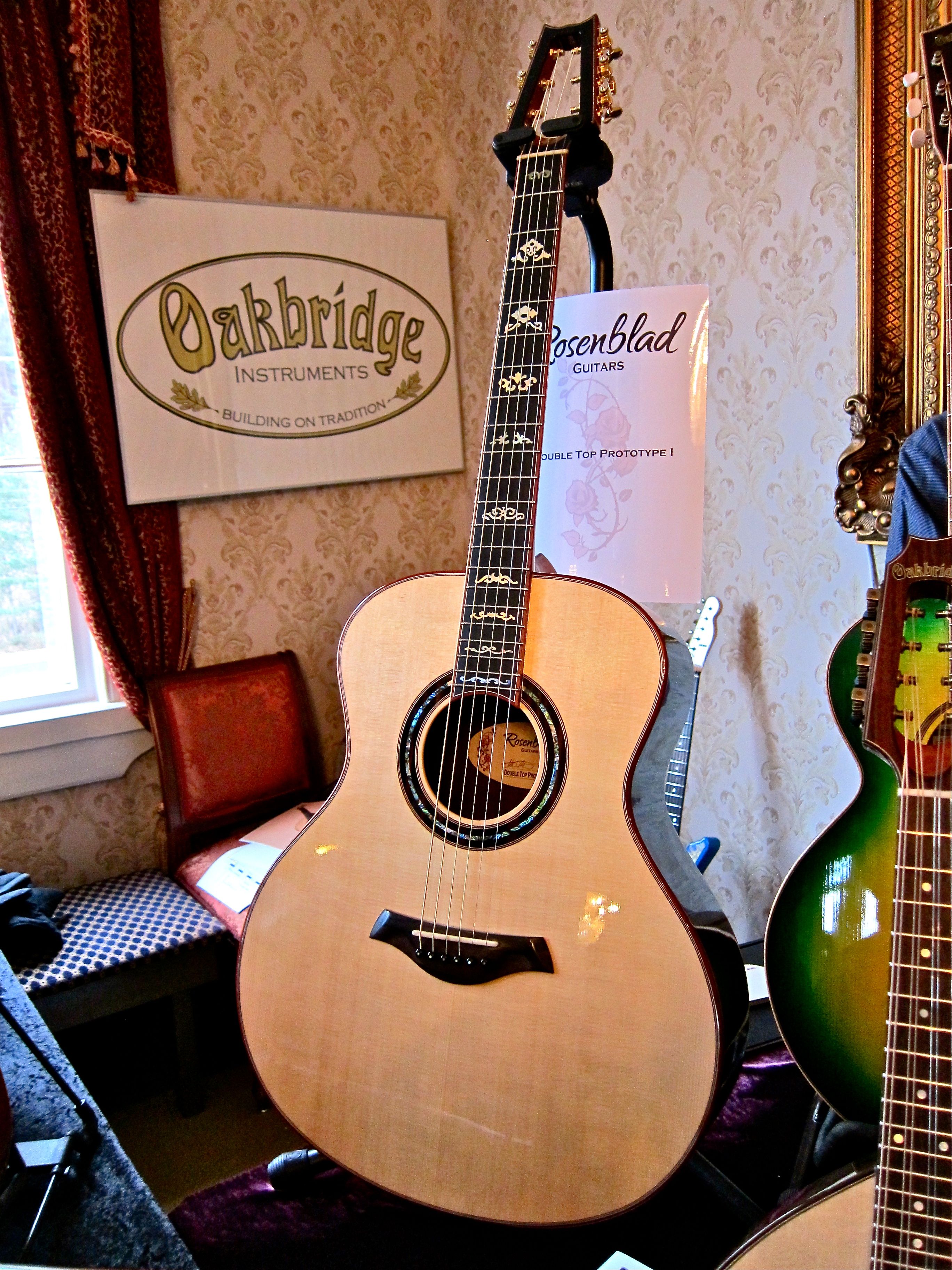
Rosenblad Guitarsin prototyypissä käytetään kennorakenteista tuplakanta.

****

Custom Shopin uudet omistajat – Kimmo Aroluoma ja Jani Marjoniemi – esittelevät mm. firman efektipedaaleja ja kustomoituja efektilautoja.

****

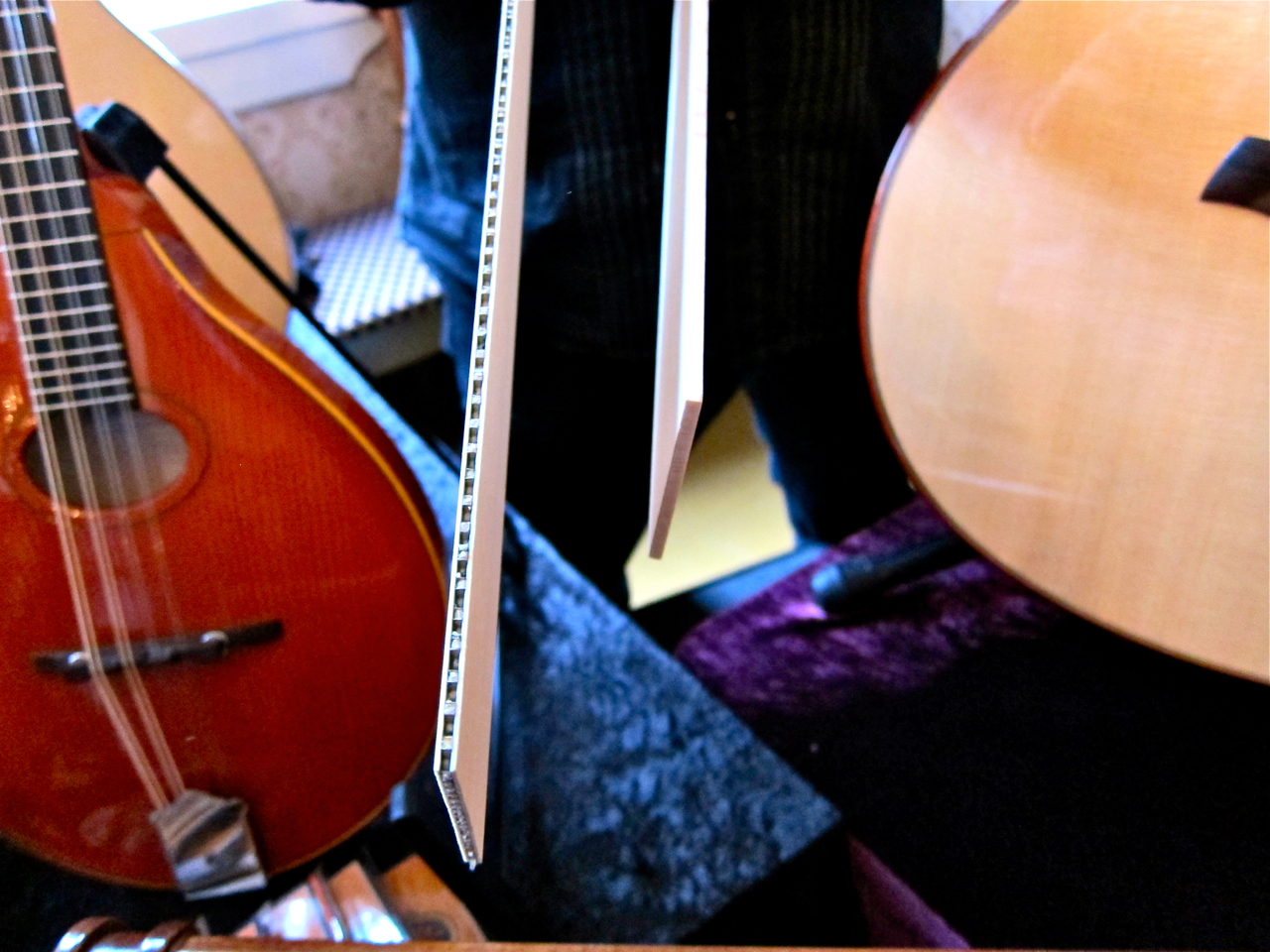
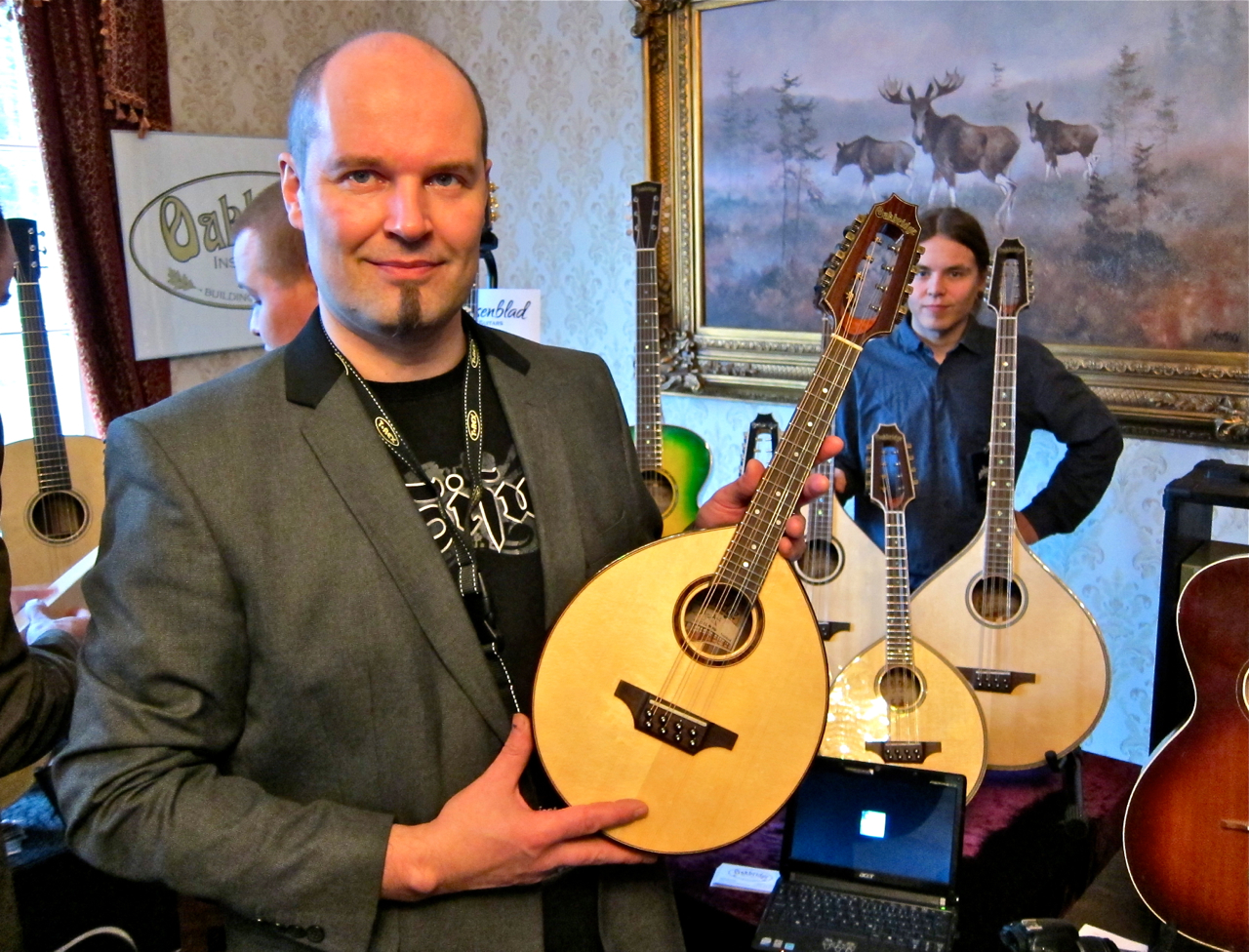
Oakbridgen Jouni Järvinen ja firman kiinteällä tallalla varustettu mandoliinimalli.
****

Soitinpaja JaSeSoin Ari-Pekka Paasosella oli jälleen kerran esillä monta upeaa soitinta.

****

Jarno Salo (Salo Pickups) ja puulla päällystetty Rough Boy -mikrofoninsa.

****

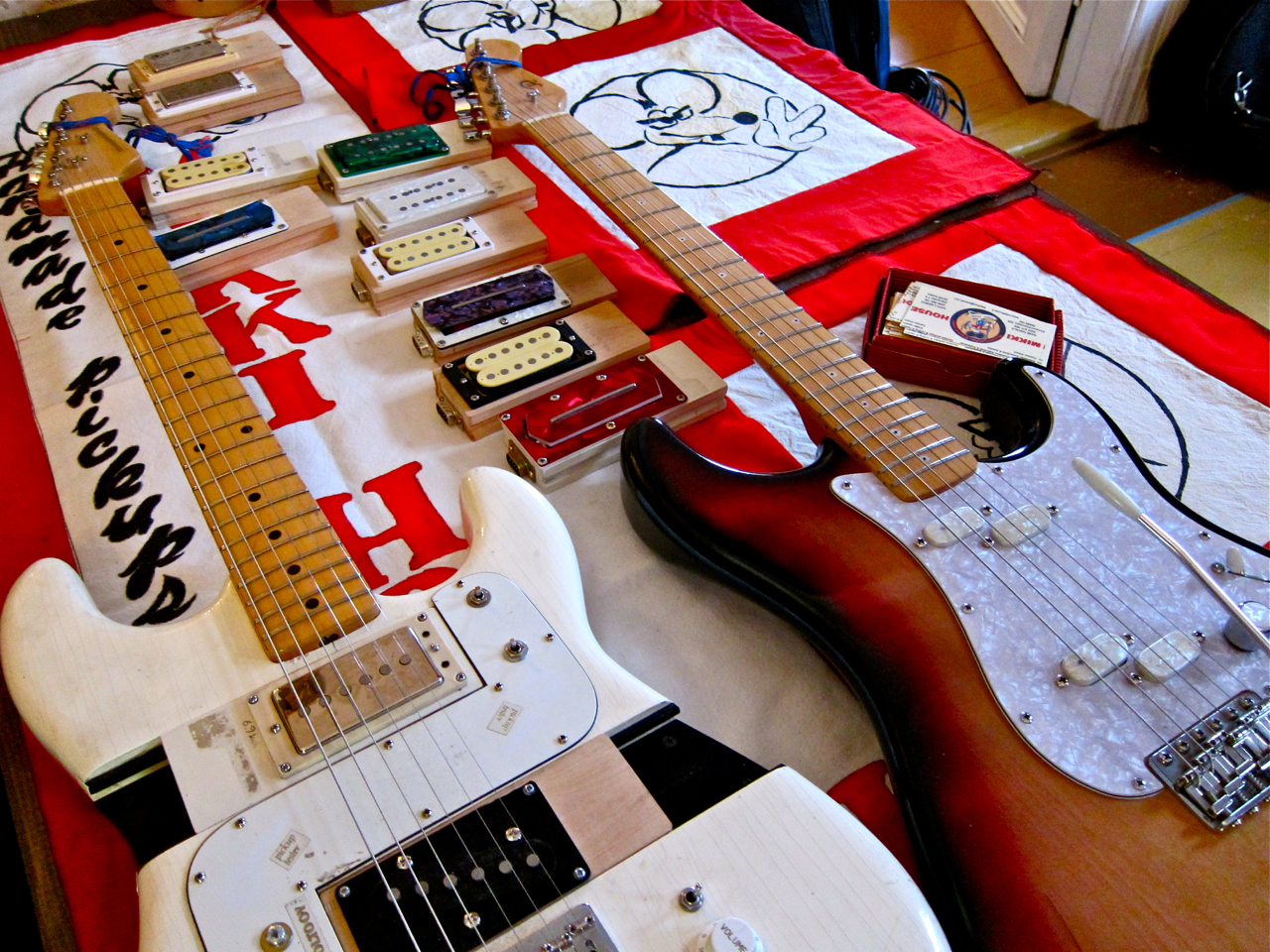
Mikki House-mikrofoneja ja -testisoittimia.

****

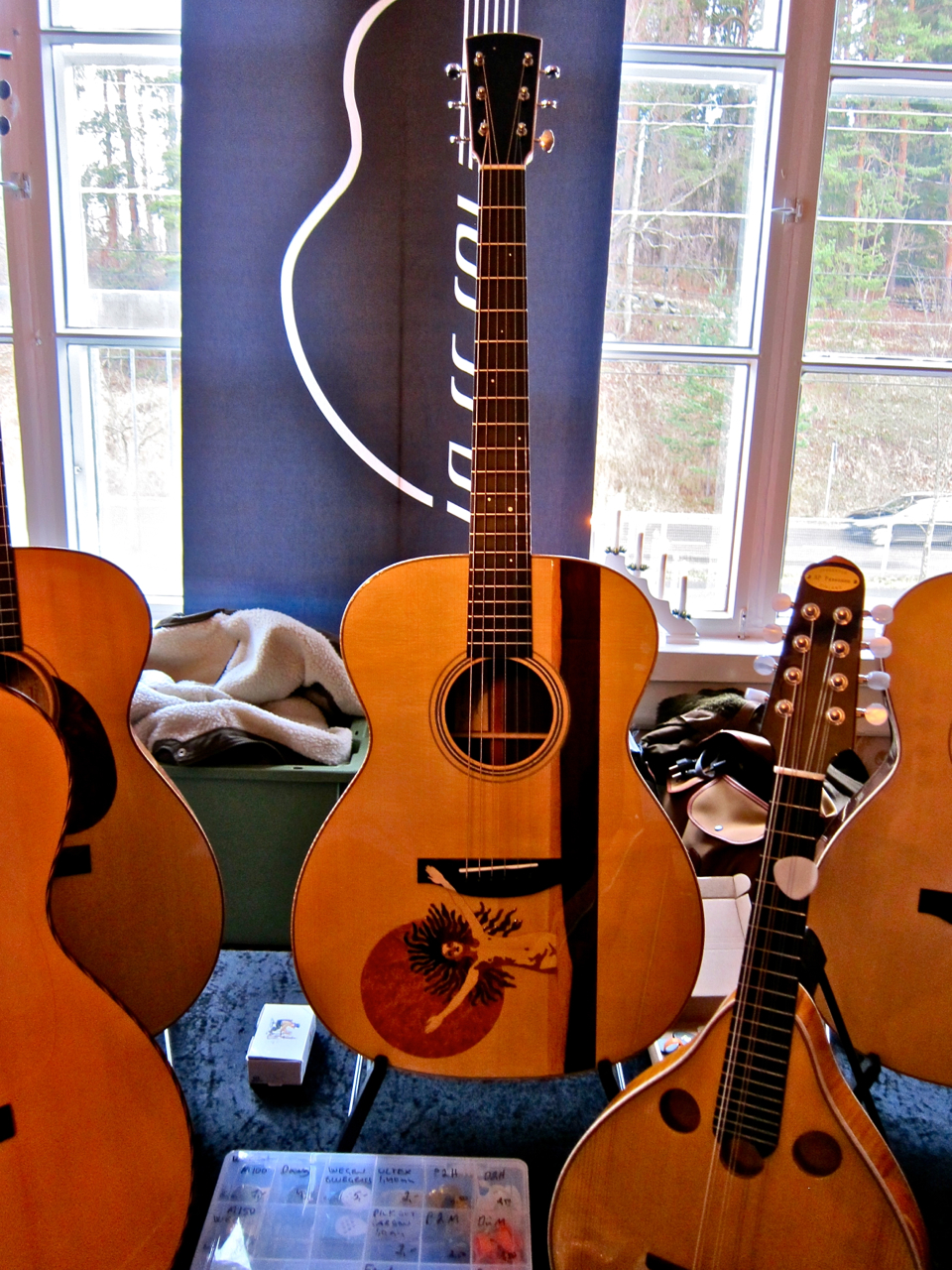
Finlandia Instruments Hämeenlinnasta tarjoaa laajan skaalan erilaisia kielisoittimia. Teemu Järvinen esittelee firman lankkuakustista kitaraa.

****

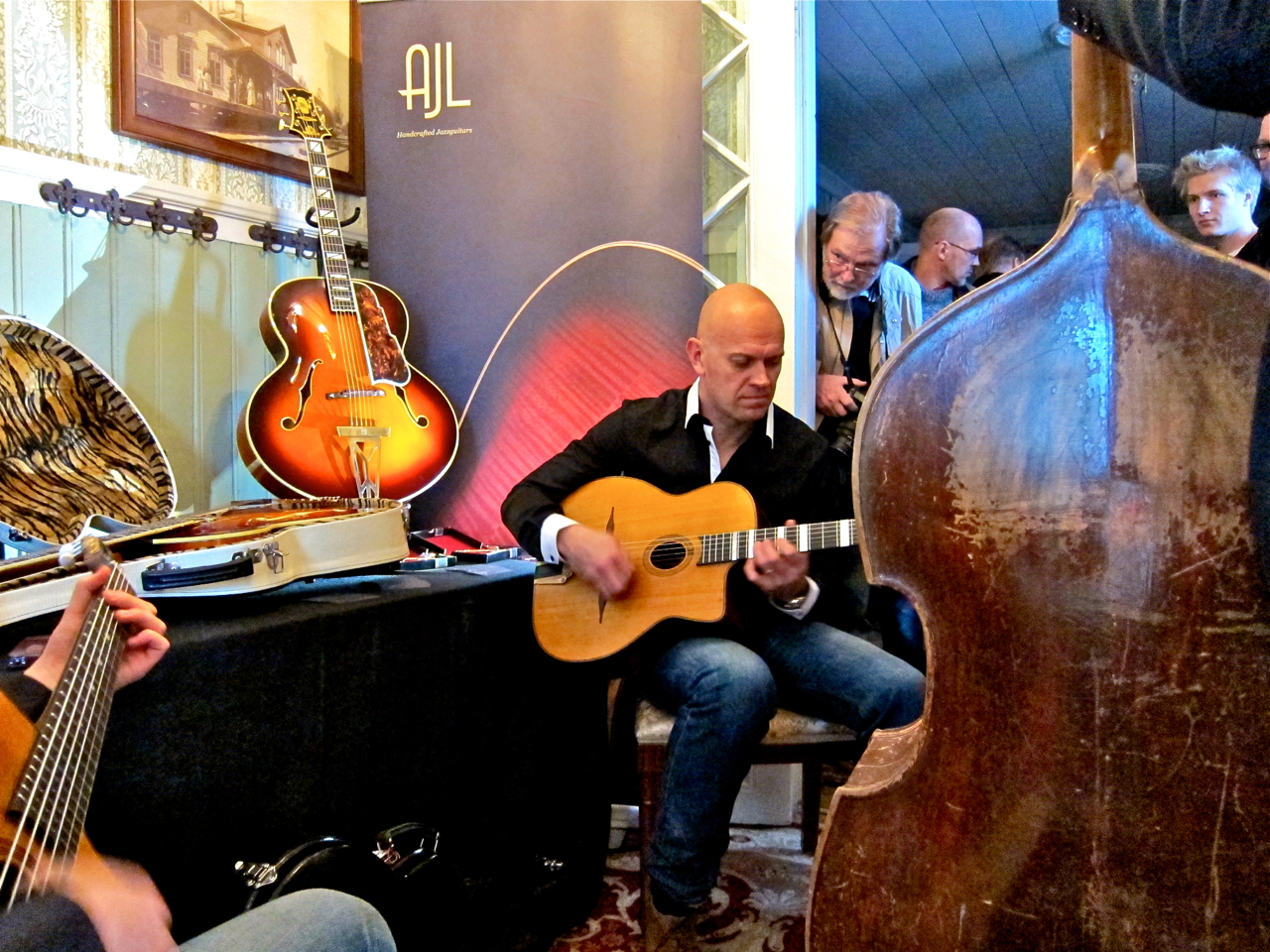
AJL-Guitarisin osastolla soitetiin kuumaa mustalaisjazzia – Hot Club de Finlande feat. Olli Soikkeli.

Soitinrakentaja Ari-Jukka Luomaranta on myös loistava kitaristi.

****

Tonefest jatkuu vielä huomenna!

Review: EBS Classic Session 30

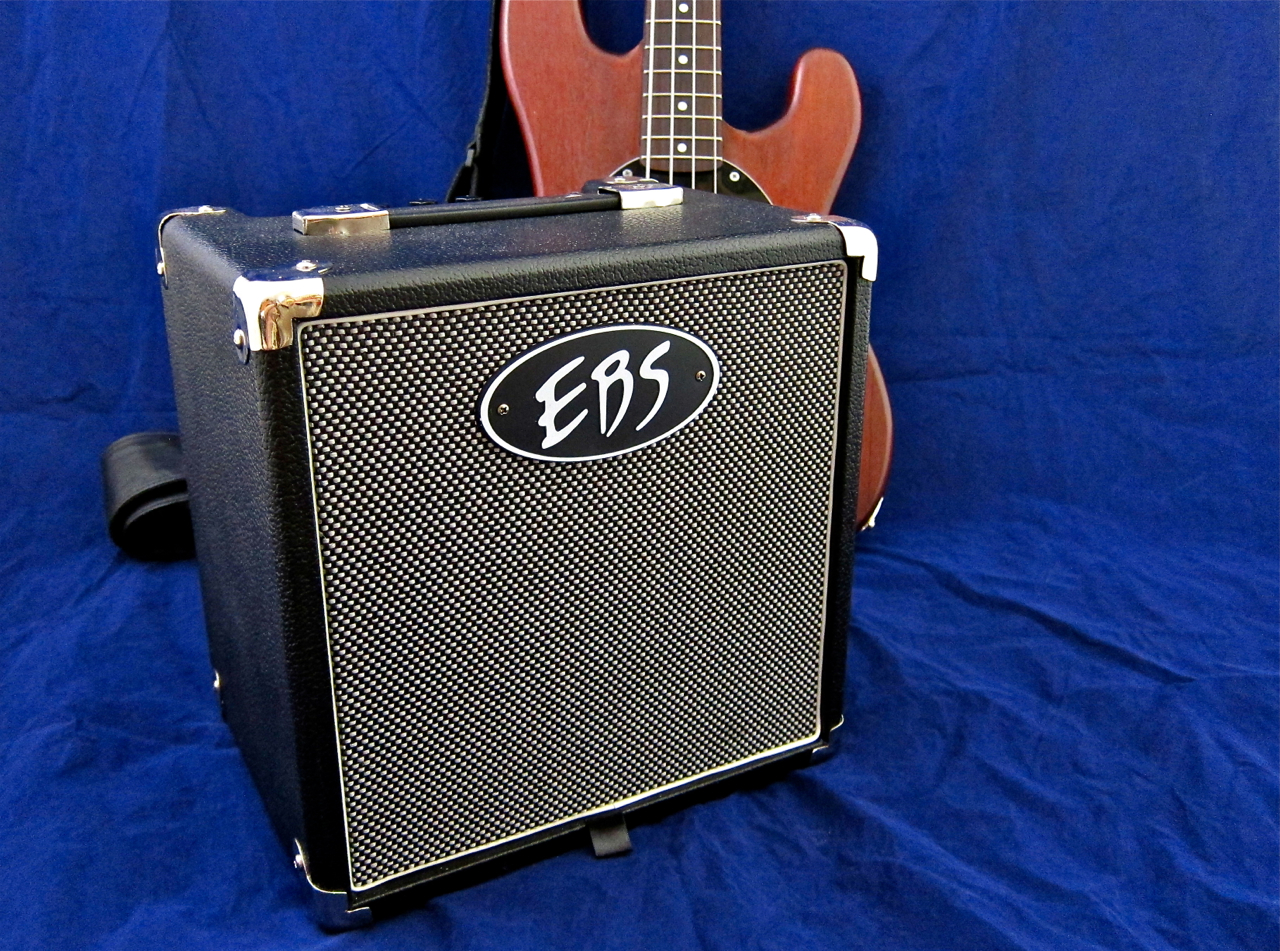
EBS Sweden’s latest product – the Session 30 – is the company’s smallest bass combo to date, and meant for practicing, recording and home use.

****

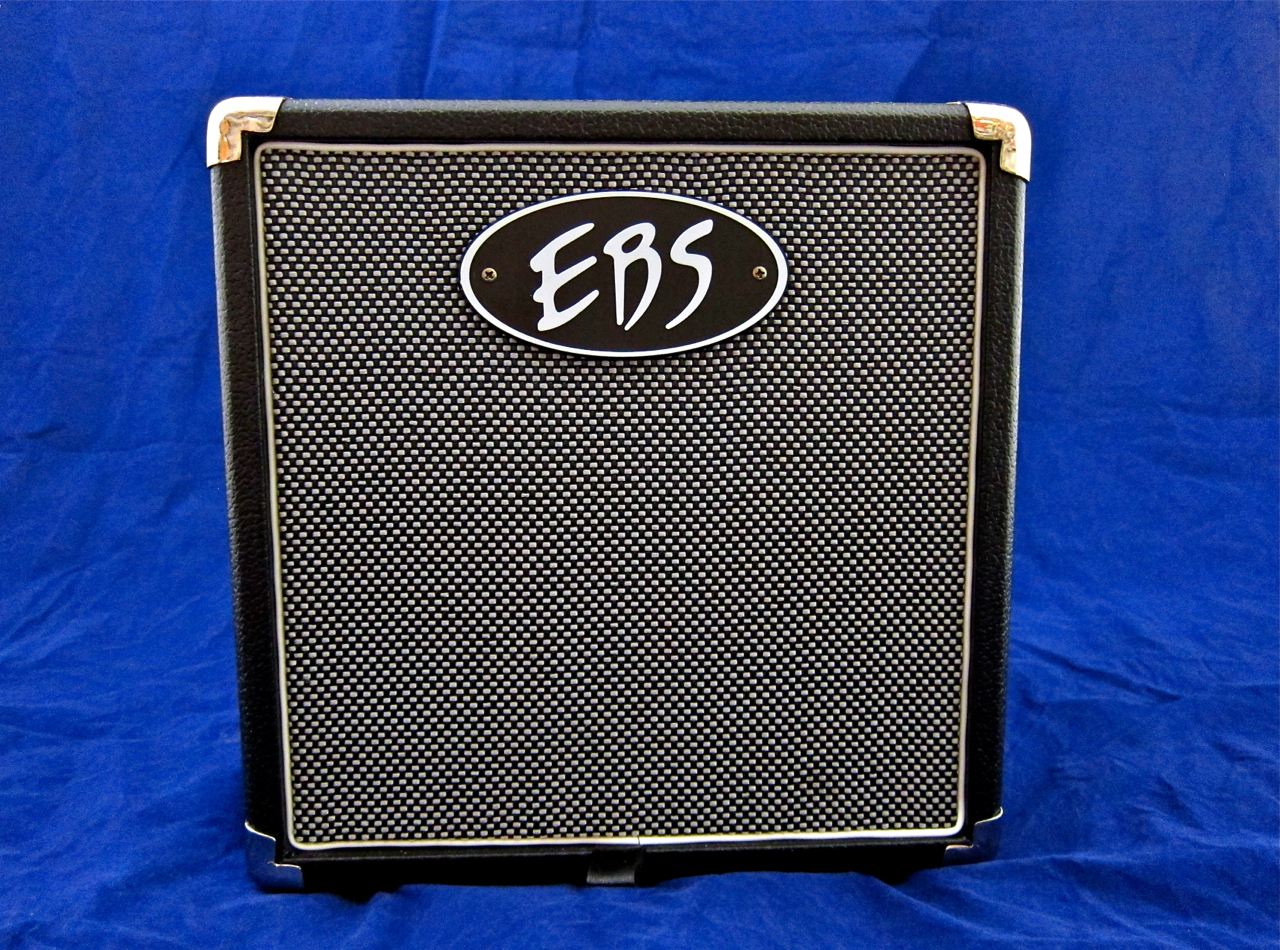
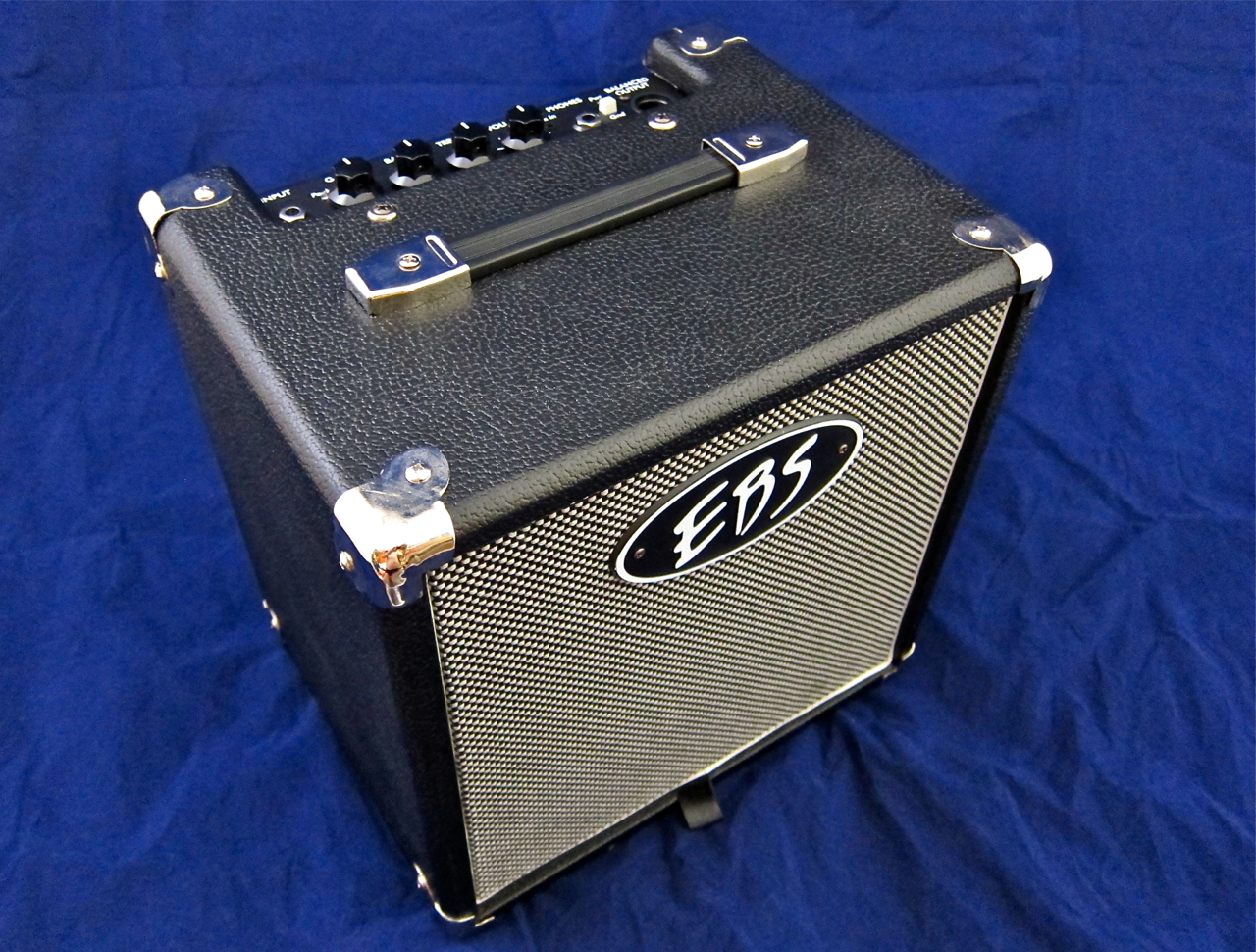
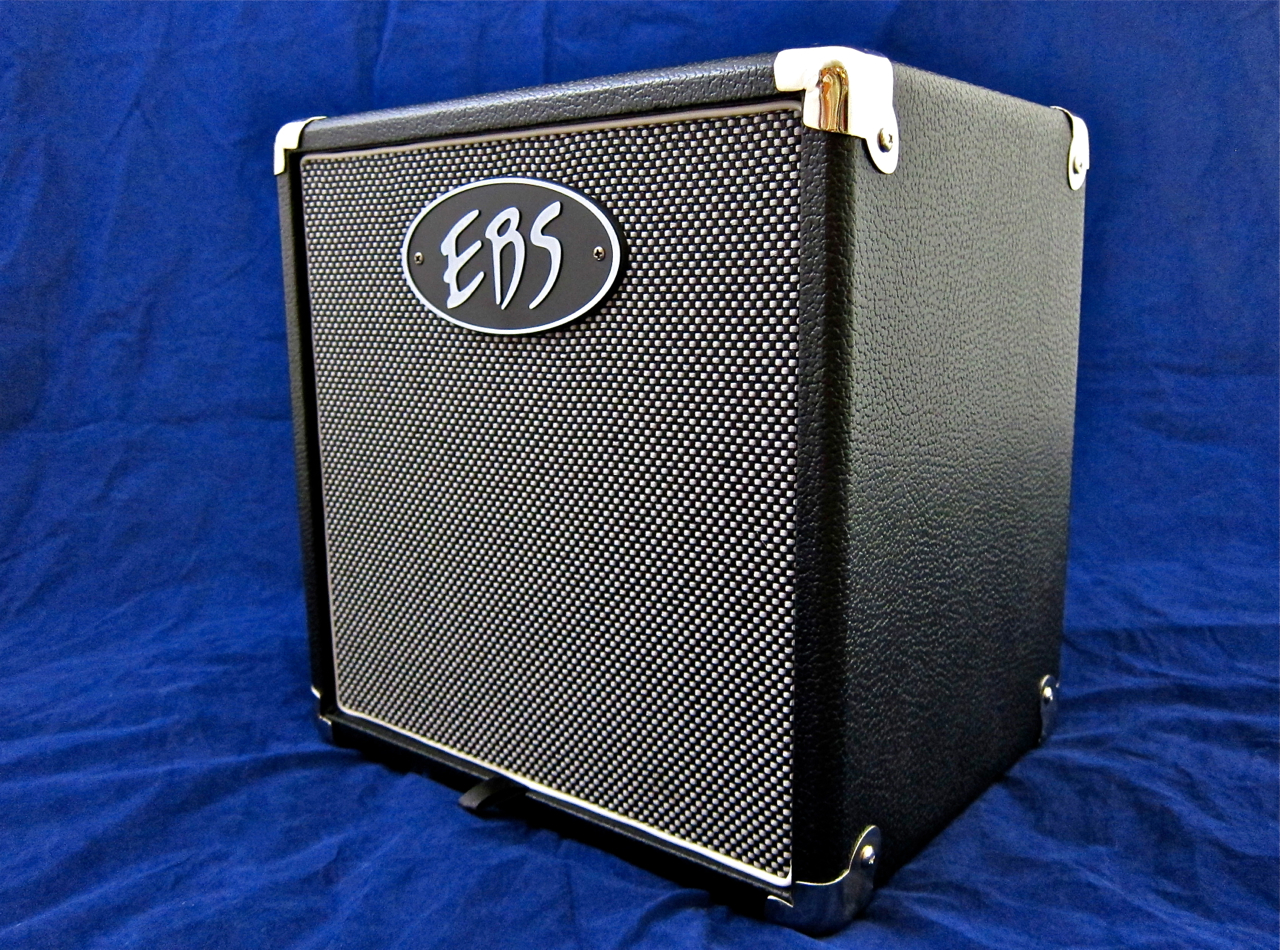
The diminutive and lightweight EBS Classic Session 30 (current price in Finland approx. 169 €) is part of EBS’ Made-in-China Classic-series.

As its name suggests, the Session 30 offers 30 Watts of rms-power.

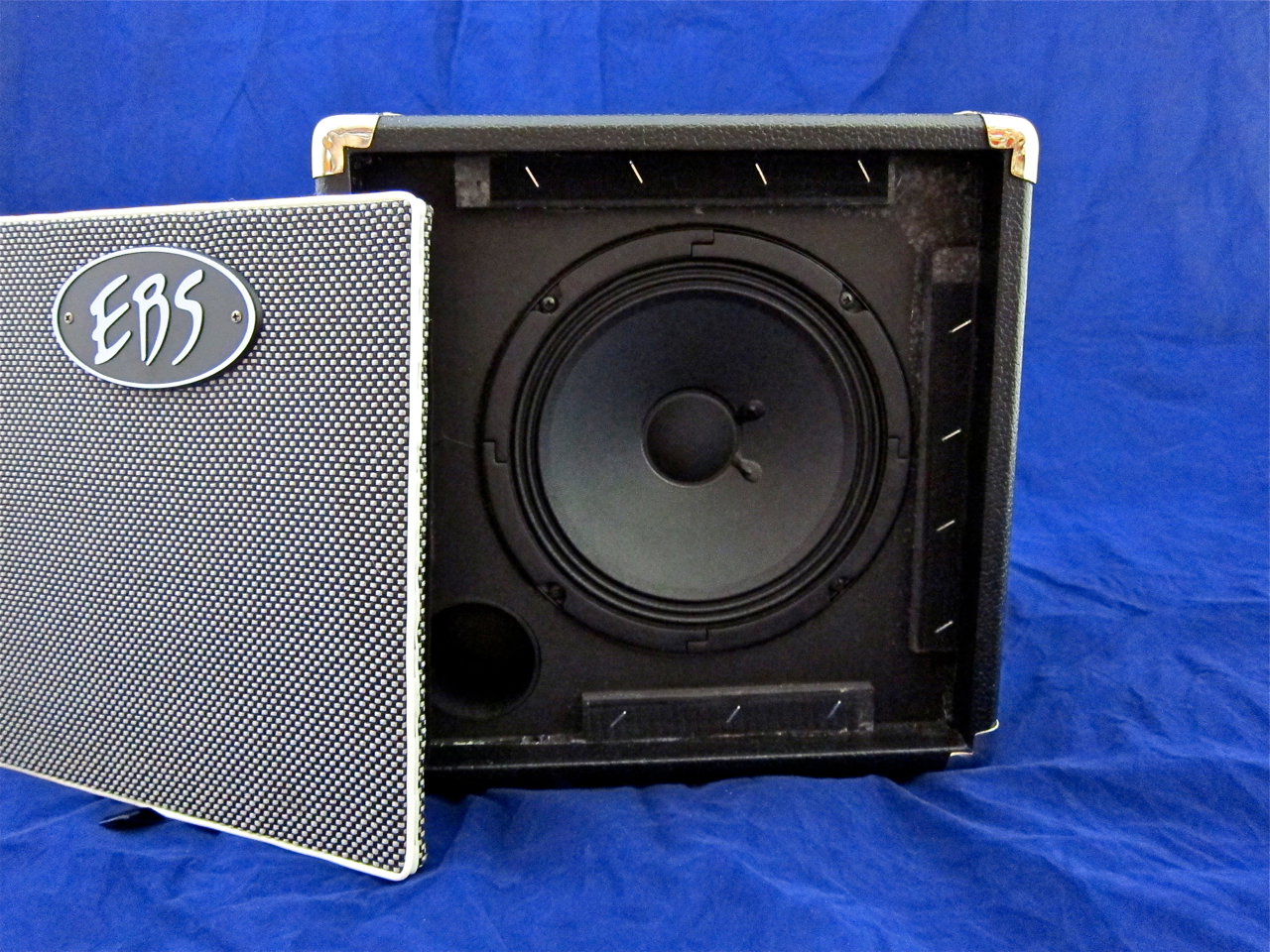
Its eight-inch speaker sits in a front-ported baffle. The stylish grille cloth is attached in a traditional way using velcro.

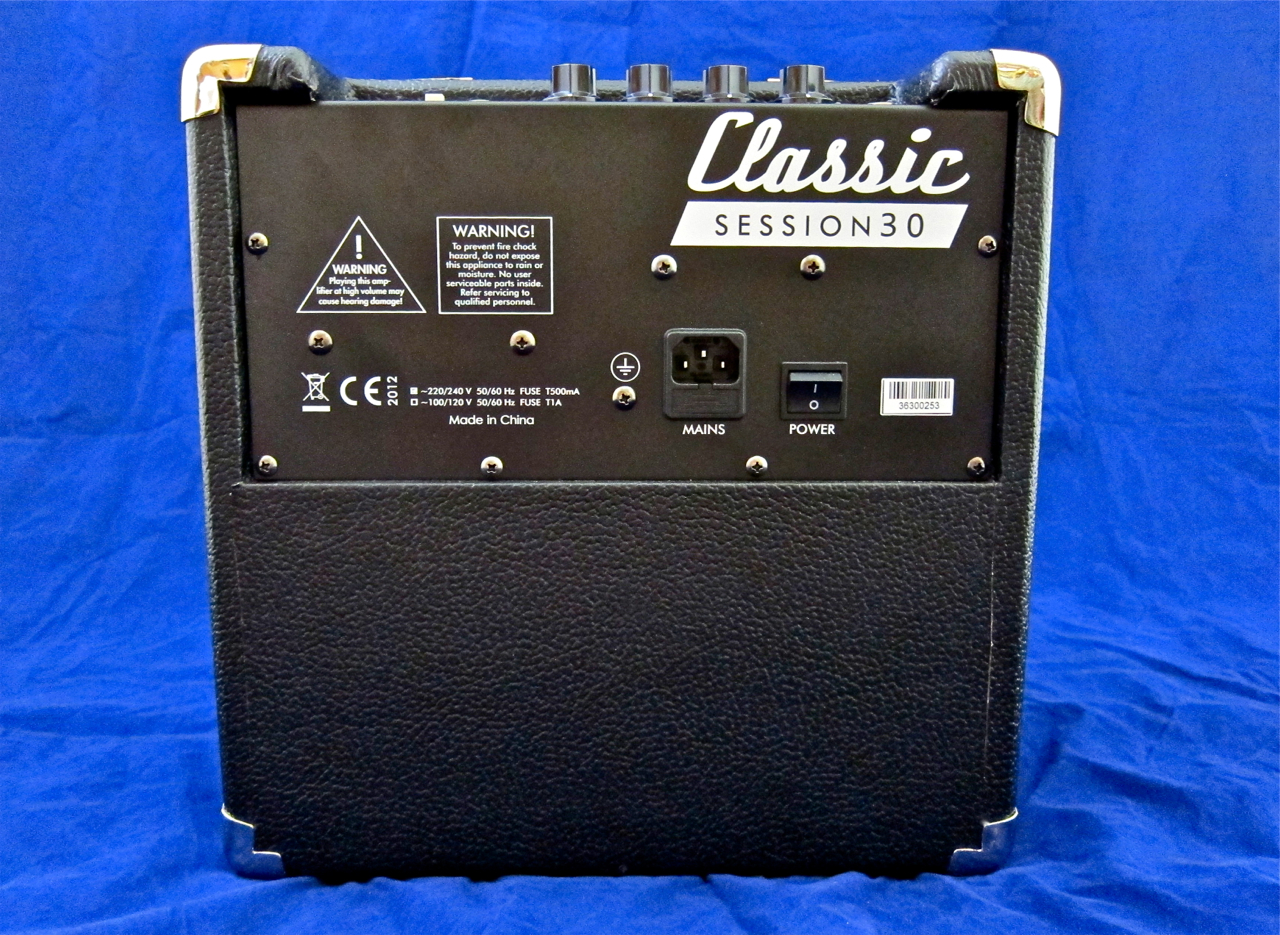
The combo’s back is fully closed. EBS have added a separate grounding point next to the power connector, which may come in handy in the studio for combatting mains hum.

The Session 30 weighs just under nine kilos, so it is very easy to carry around by its top handle.

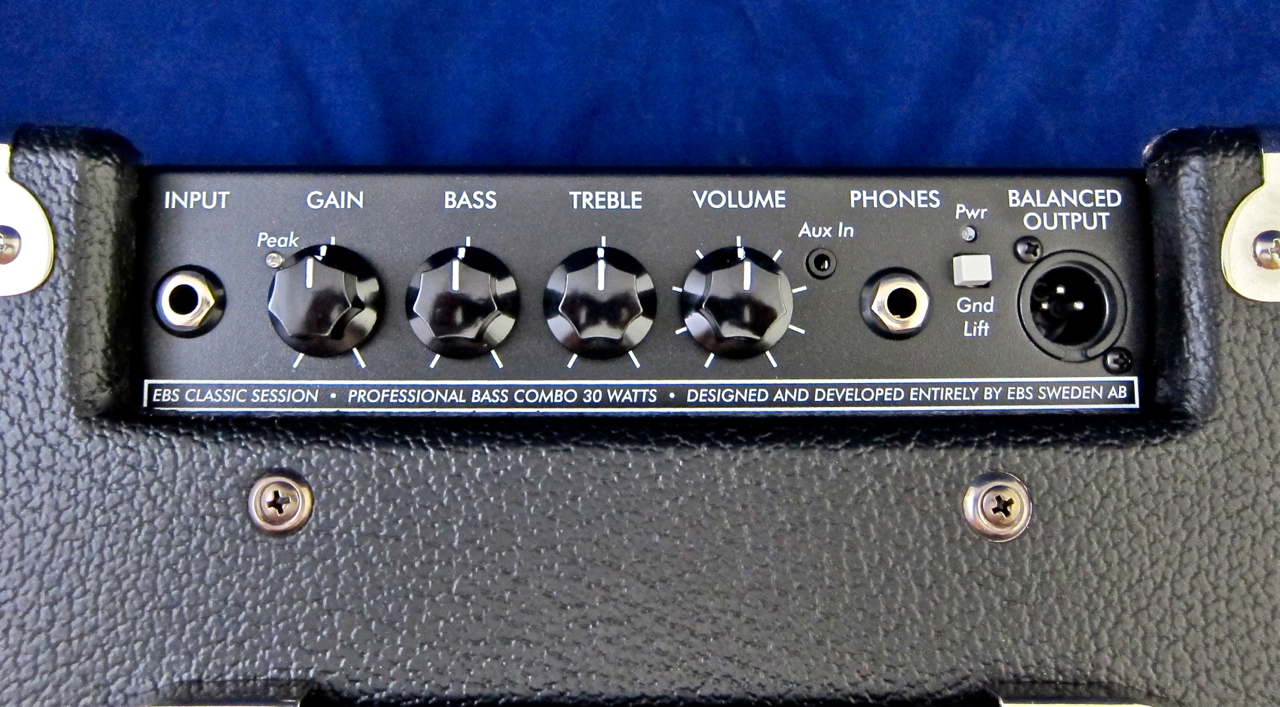
The control panel comprises of four control knobs – with a peak indicator next to the gain control.

For practicing, EBS have added a mini-jack, so you can connect an mp3-player, as well as a full-sized headphones output.

A very rare feature in this price range is the combo’s balanced XLR-output, which makes the Session 30 handy as a studio DI-box with its own monitor. Using the Ground Lift -switch enables you to break possible earth loops safely.

****

It would be completely unrealistic to expect a mighty roar from such a tiny bass combo.

But I must stress that the EBS Classic Session 30 really delivers the good in terms of its sound quality. This isn’t a murky-sounding piece of junk, but a great little tool – regardless of its very fair price.

This little ’un delivers genuine EBS Classic Series -tone at levels fit for tuition and home use. The bass register is warm, the mid-range tone clear, and the top end has a nice, soft silkiness to it.

The eight-inch speaker and small cabinet will show you the white flag, if the combo is taken to its limits, by vibrating and buzzing, but used sensibly, the EBS Session 30 holds its own nicely.
The combo’s XLR-output works great, and sends a healthy, pristine signal to your console or sound-card.

In my opinion, the EBS Classic Session 30 is a fine little practice amp and a handy tool in the small project studio.

****

The sound bites were recorded by mixing the combo’s DI-signal with the sound picked up by a condenser mic placed in front of the speaker:

1985 Squier Jazz Bass

1989 Höfner 500/1

1987 Rickenbacker 4003

****

EBS Classic Session 30

169 €

Finnish distributor: F-Musiikki

****

Pros:

+ value-for-money

+ size

+ weight

+ sound

+ DI-output

****

Review: Roland GA-112

****

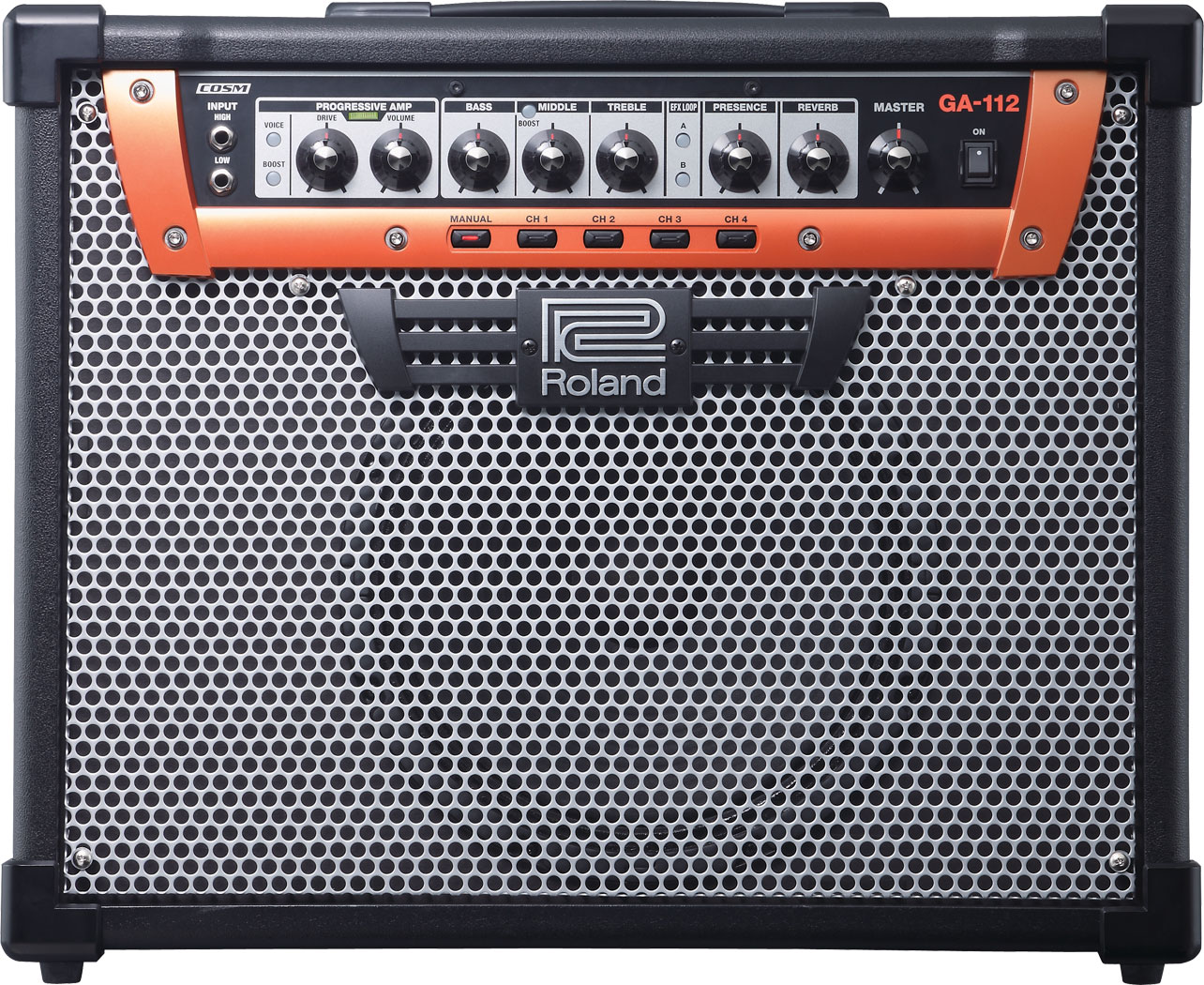
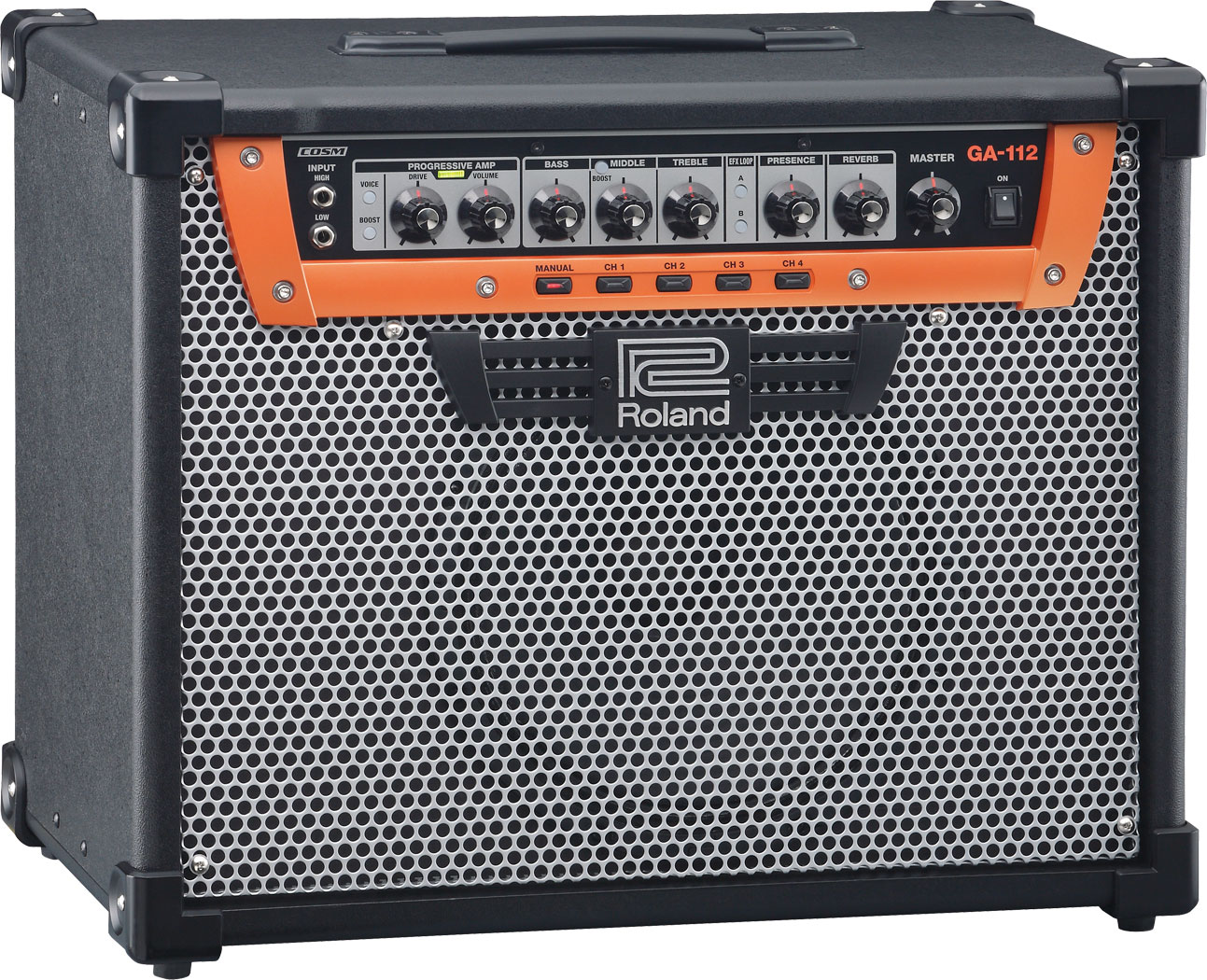
One of Roland’s many new products for 2012 is the GA-112 – a COSM-based guitar combo using the company’s modelling technology to come up with a sound all of its own.

The GA-112 – as well as its larger 2 x 12″ brother, the GA-212 – utilises a specially designed COSM-model called Progressive Amp. Progressive Amp promises to give you the full scale of possible amp tones – from ultra-clean all the way to bone-crushingly dirty – from a single digital amp model, using only the gain-control and the combo’s EQ.

The 100-Watt Roland GA-112’s (current price in Finland: 844 €) looks combine many features from older Roland guitar amps.

The front panel is somewhat reminiscent of the legendary Jazz Chorus combo, while the cabinet’s black vinyl cover, as well as the extremely sturdy metal speaker grille have been borrowed from the company’s long-running Cube-range.

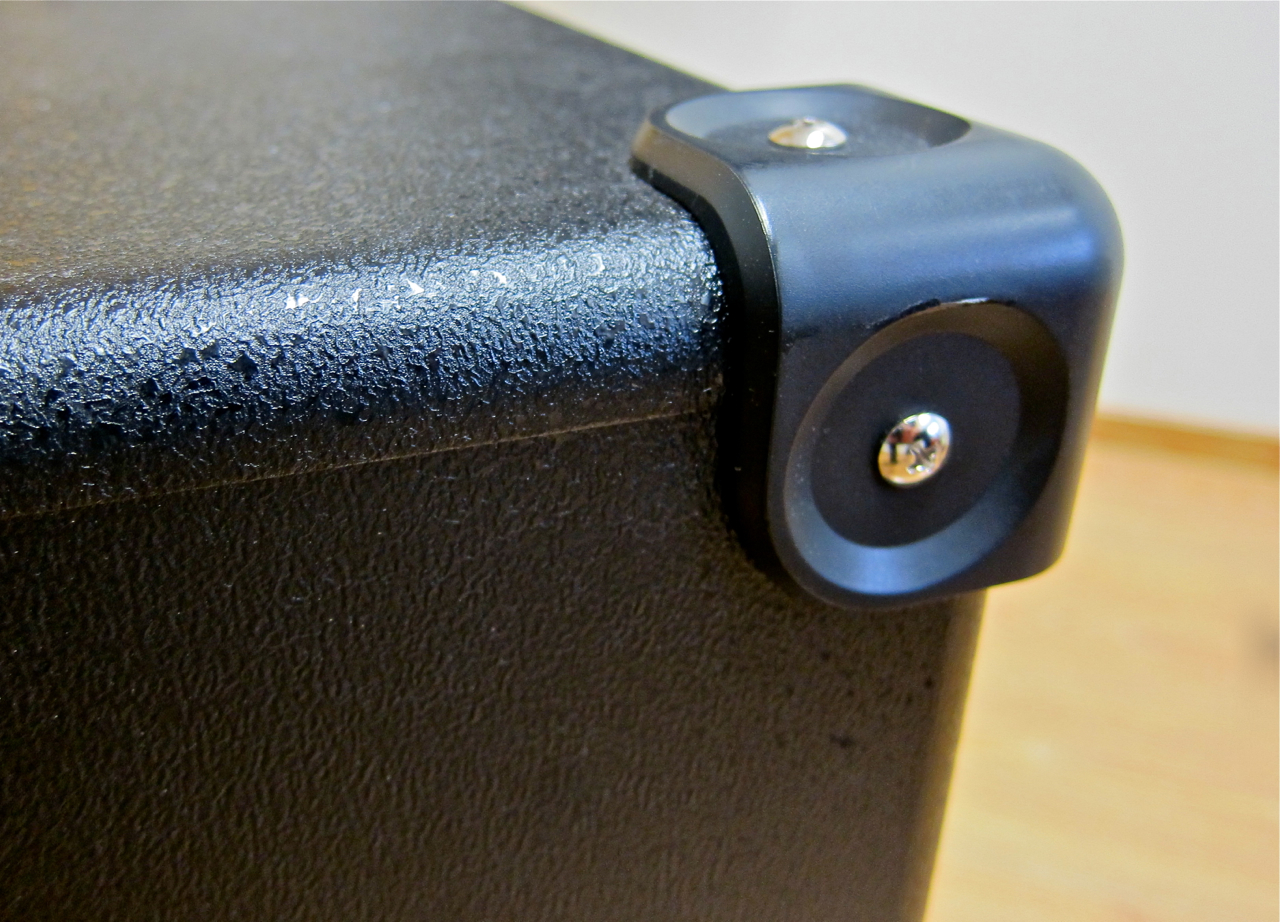
The GA-112’s chunky plastic corner protectors are designed to withstand the rough life of a gigging amplifier.

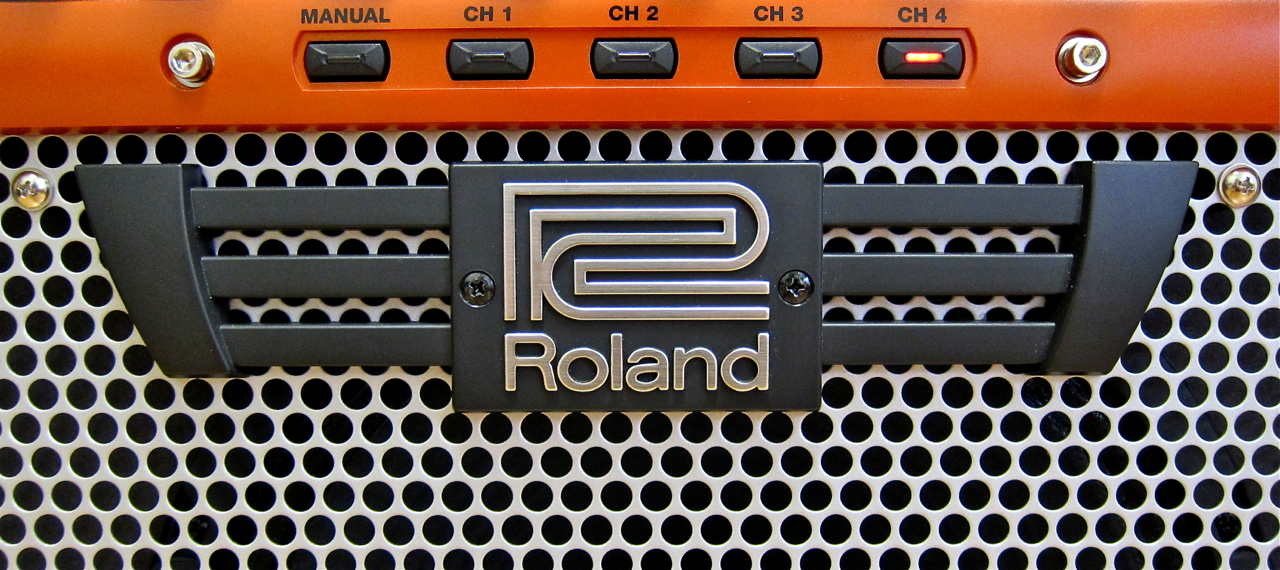
This Roland is equipped with a fully-digital preamp section offering a whopping five channels – four user-storable selections, plus the current control knob settings in Manual-mode.

Regardless of all the digital circuitry inside, the GA-112’s front panel is very clean and easy to understand. All push-buttons are backlit, and all the knobs for storable parameters (meaning all, but the Master Volume) have been equipped with red position LEDs. This combo’s settings are easy to read even on a completely darkened stage.

Apart from its two input jacks, the front section offers two buttons – Boost and Voice, which adds a slight loudness EQ-curve to the signal.

The Progressive Amp -section’s oblong LED-indicator is a great way to keep you in the picture in regard to the character of the current amp channel/settings, by changing its colour according to the gain setting. A green light, for example, tells you that you are paddling safely in totally clean waters, while purple or white means you are sailing close to distortion meltdown.

The EQ-section is a three-band affair with an added mid-boost for fattening up your tone.

Before travelling onward to the Presence- and reverb-controls your signal can be send to either or both of the GA-112’s effect loops. Both loops’ on/off-status is stored channel-specifically along with all the other channel data, which means that changing channels also automatically switches the loops on or off.

The GA-combo’s only internal effect is its lushly-voiced digital reverb.

Roland’s GA-112 stores all changes to one channel’s settings automatically each time you switch to another channel, which makes the combo quite intuitive to work with.

The effect loops have been placed alongside all the other connectors on the back panel.

You can choose between a parallel and a series signal path for each loop, and set the correct nominal signal level (-10 dB or +4 dB) for your chosen outboard effects.

The back panel also gives you a tuner output and a line level output for connection to a mixer. You can also daisy-chain two GA-112s for large venues.

For full switching control on-stage you have to buy Roland’s own GA-FC-footcontroller, which allows you to switch channels, turn the boost on or off, as well as switch on/off the effect loops and the reverb.

It would have been a nice move, though, if Roland had included a simple up/down-footswitch for channel-switching with the amp.

****

Roland’s GA-112 isn’t your traditional modelling amp, as it doesn’t feature heaps of different models of famous amps, vintage and new, or loads of different internal effects. The approach has been radically different here.

The GA-112’s main advantages are its healthy basic sound, as well as the Progressive Amp’s huge versatility and tweakability, giving you everything from totally clean to full-on metal.

The Roland isn’t about the authenticity of vintage amp models when compared to the physical originals from yesteryear. This is a modelling amp that isn’t modelling any specific amps, but uses it digital power to offer the guitarist a blank canvas with a large palette of colours.

The Roland GA-112 makes a great job of offering most guitarists their sound with the minimal amount of fuss and a practically flat learning curve.

Warm Jazz-cleans or biting Country-picking can be dialled in in no time. Organic and dynamically rich Trad Blues and Seventies Rock can also be had. And the GA-112’s merciless Metal-riffing will have you headbanging until the janitor takes the main fuse hostage.

Roland’s two switching effect loops open up many interesting possiblilities for seasoning your tones.

I suggest you make a beeline for your nearest Roland-dealer, if you are interested in making the GA-112 your personal command centre on-stage or in the studio.

****

Here are a couple of examples using the Roland GA-112 without any external effects:

Stratocaster – clean

Kasuga semi – clean

Stratocaster – overdriven

Kasuga semi – overdriven

Stratocaster – full gain

Kasuga semi – lead sound

****

Roland GA-112

844 €

Finnish distribution: Roland Scandinavia

****

Pros:

+ basic sound

+ extremely wide scale of gain

+ programmable

+ two effect loops

+ power

+ sturdy build

Cons:

– footcontroller optional

****

Testipenkissä: EBS Classic Session 30

EBS Swedenin uutuus – Session 30 – on firman pienin kombo tähän mennessä, joka on tarkoitettu koti-, äänitys- ja harjoituskäyttöön.

****

Pieni ja kevyt EBS Classic Session 30 (169 €) kuuluu valmistajan vintage-tyyliseen, Kiinassa valmistettuun Classic-sarjaan.

Session 30 tarjoaa nimensä mukaisesti 30 wattia lähtötehoa.

Kahdeksantuumainen kaiutin istuu refleksikotelossa, jolla on auko edessä. Tyylikäs etukangas on kiinnitetty perinteiseen tapaan tarranauhoilla.

Harjoituskombon takapuoli on täysin suljettu. Virtajohdon liittimen ja virtakytkimen viereen EBS on lisännyt vielä maadoituspisteen, josta voi olla hyötyä hurinan minimoimisessa, silloin kun vahvistinta käytetään studioympäristössä.

Session 30:n paino jää alle yhdeksän kiloa, joten kombo on todella helppo kuljettaa kantokahvallaan.

Kombon paneeli tarjoaa säätimiä gainille (jolla on oma Peak-ledi), bassolle, diskantille sekä volumelle.

Harjoituskäyttöä varten EBS on lisännyt Session-vahvariin minijakin mp3-soittimelle ja kuulokelähdön.

Harvinaisuus tässä hintaluokassa on pikkukombon balansoitu XLR-lähtö, joka tekee Session 30:stä myös kätevän DI-boksin omalla monitoroinnilla studiokäyttöä varten. Ground Lift -kytkimellä saa katkaistua tehokkaasti mahdollisista maalenkeistä aiheuttavan brummin.

****

Pikkuisesta, kahdeksantuumaisella kaiuttimella varustetusta harjoituskombosta ei voi odottaa seiniä vavisuttavaa bassotoistoa ja äänenpainetta – se olisi täysin epärealistinen.

Toisaalta täyttyy korostaa, että EBS Classic Session 30:stä lähtee kunnon bassosoundi. Tämä kombo ei missään nimessä ole kumiseva leluvahvistin, erittäin reilusta hinnastaan huolimatta.

Pikkuvahvistin tarjoaa aitoa EBS Classic -sarjan soundia opetus- ja harjoituskäyttöön sopivalla volyymillä. Bassorekisteri on lämmin, keskialue siisti ja yläkerta silkkisen pehmeä.

Kun vääntää master volumen täysille – tai jo vähän aikaisemmin viisikielisellä bassolla – mukaan kuvaan astuu odotetusti myös kombon (ja kaiuttimen) pienestä koosta aiheuttuvaa resonointia ja surinaa, mutta järkevässä käytössä EBS:n pienokainen pärjää mainiosti.

Session 30:n XLR-lähtö toimii sekin moitteettomasti, välittämällä kombon laatusignaalia puhtaasti eteenpäin mikserille tai äänikortille.

Mielestäni EBS Classic Session 30 on mainio harjoitusvahvistin, sekä erittäin kätevä työkalu kotistudiossa.

****

Seuraavat esimerkit on äänitetty käyttämällä samanaikaisesti sekä kondensaattorimikrofonia kaiuttimen edessä että kombon suoraa XLR-lähtöä:

1985 Squier Jazz Bass

1989 Höfner 500/1

1987 Rickenbacker 4003

****

EBS Classic Session 30

169 €

Maahantuoja: F-Musiikki

****

Plussat:

+ hinta-laatu-suhde

+ koko

+ paino

+ soundi

+ DI-lähtö

****

Kitarablogi kävi Helsingin Musiikkimessuilla

****

DLX Musiikilla on iso kitaraosasto, jossa ovat esillä mm. …

…Hagström…

…ja Vox.

****

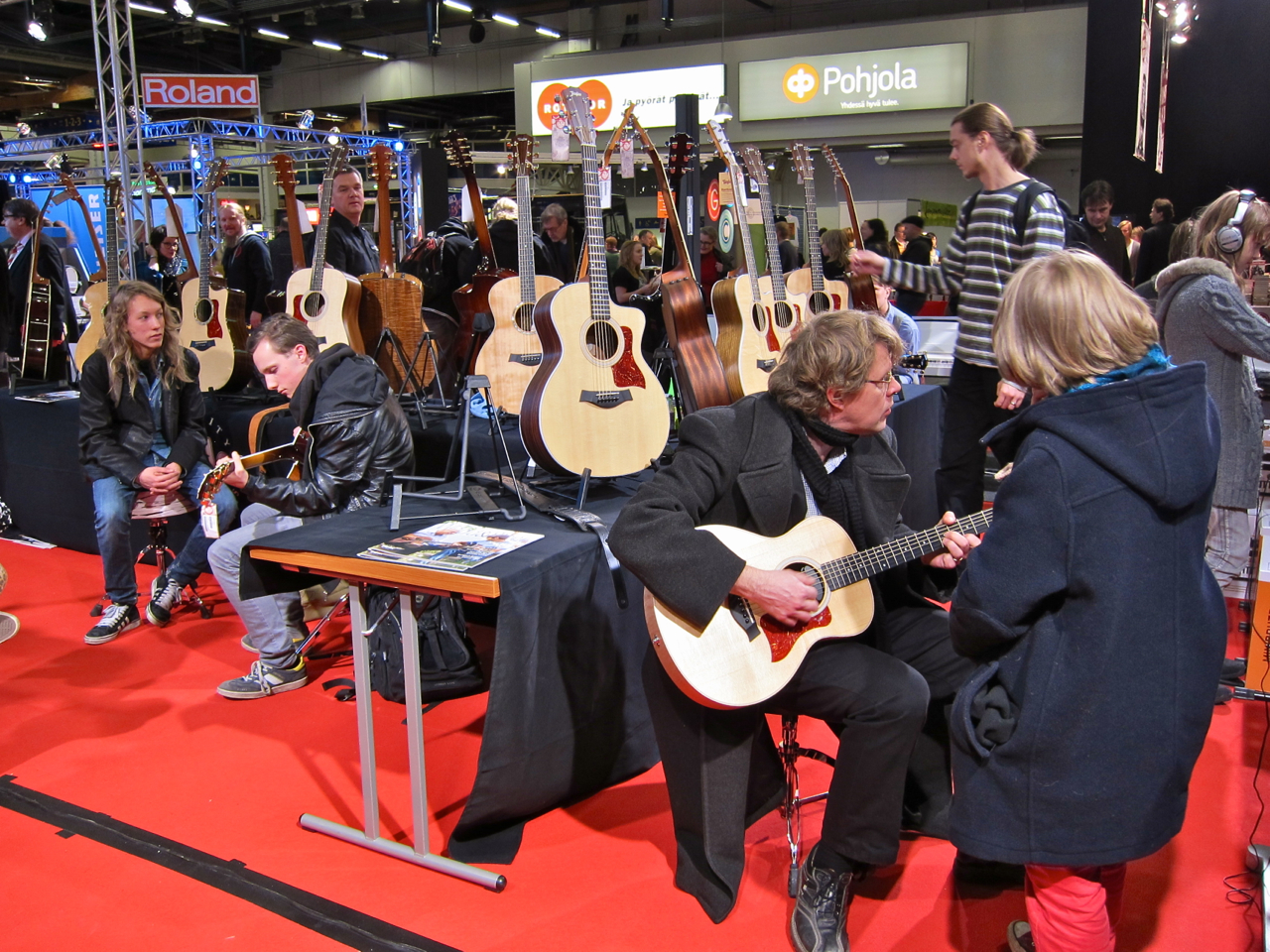
DLX:n akustisessa puolessa oli mukana myös Taylor Guitars.

Myös 8-kielistä baritoni-Tayloria voi kokeilla…

****

Riffi-julkaisujen Tommi Posalla on kädessään kustantamon uunituore Country Guitar Workshop 2 -kirja. Kirjan tekijä on Jarmo Hynninen.

****

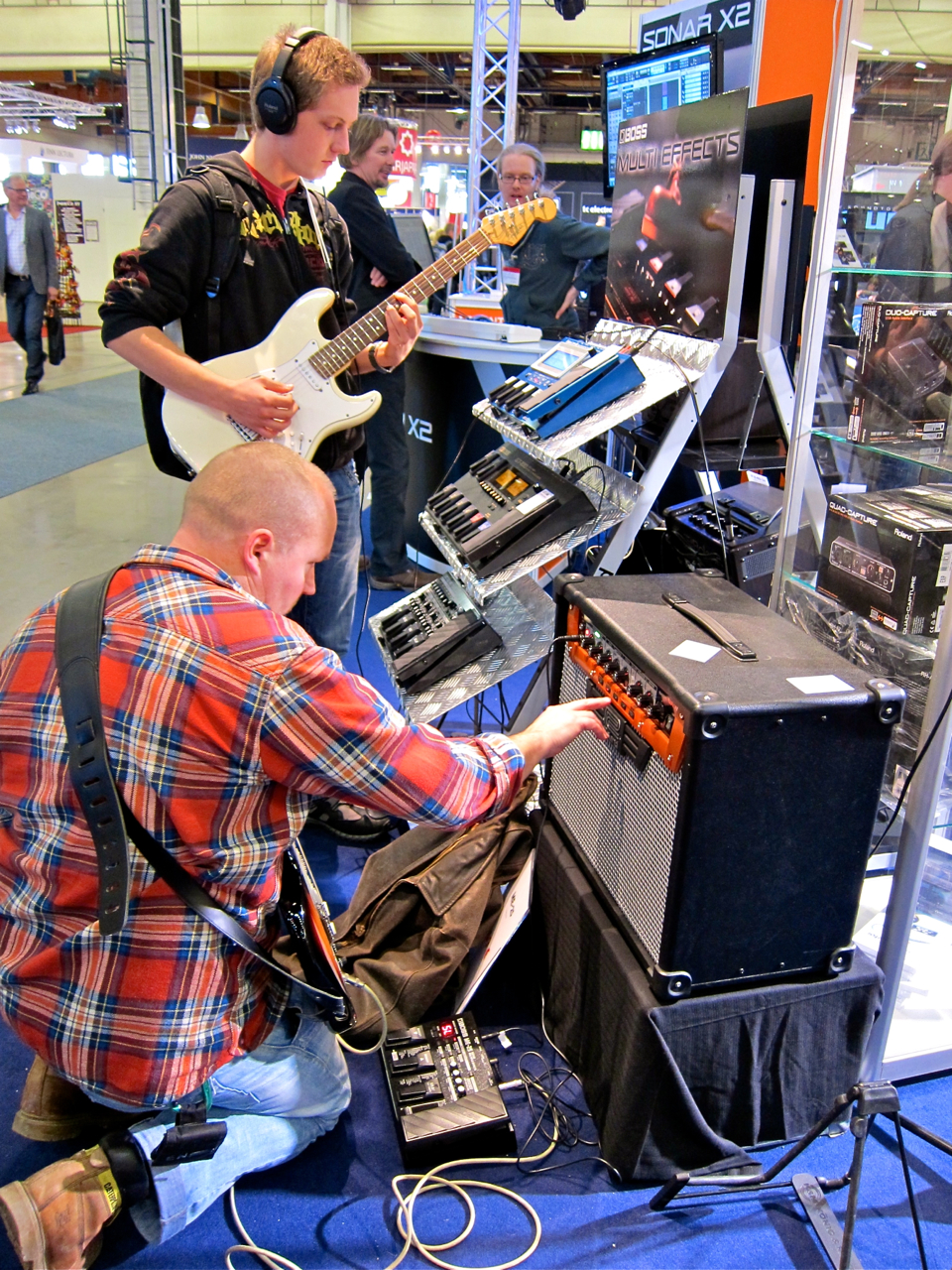
Rolandilla voi tsekata mm. digitaalista GA-112-komboa.

****

Jos Schecter, TC Electronic tai Ampeg kiinnostavat, kannattaa käydä Soundtoolsin osastolla!

****

Messut jatkuvat vielä sunnuntaihin saakka.

Pidä blogia WordPress.comissa.

Ylös ↑