Ensimmäinen versio Hughes & Kettnerin Red Boxista ilmestyi jo 1980-luvun loppupuolella, ja nerokkaasta laitteesta tuli nopeasti menestystuote.
Red Box on kitaravahvistimelle tarkoitettu erikois-DI-boksi. Perinteisen DI-boksin leipätyö on muunnella soittimesta lähtöistä korkeaimpendanssista signaalia mikserille sopivaksi matalaimpendanssi-signaaliksi.
Red Box taas kytketään kitaravahvistimen kaiutinlähdön ja kaiuttimen väliin, ja sen ansiosta saadaan kaiutinmallinnuksella höystettyä signaalia suoraan mikseriin, täysin ilman kaiuttimen eteen laitettavia mikrofoneja.
Hughes & Kettnerin tuotekehitys on edennyt vuosikymmenien mittaan jo Red Box -vitosversioon – oli siis korkea aikaa tutkiskella päivitetyn laitteen toimintaa ja soundia.
****
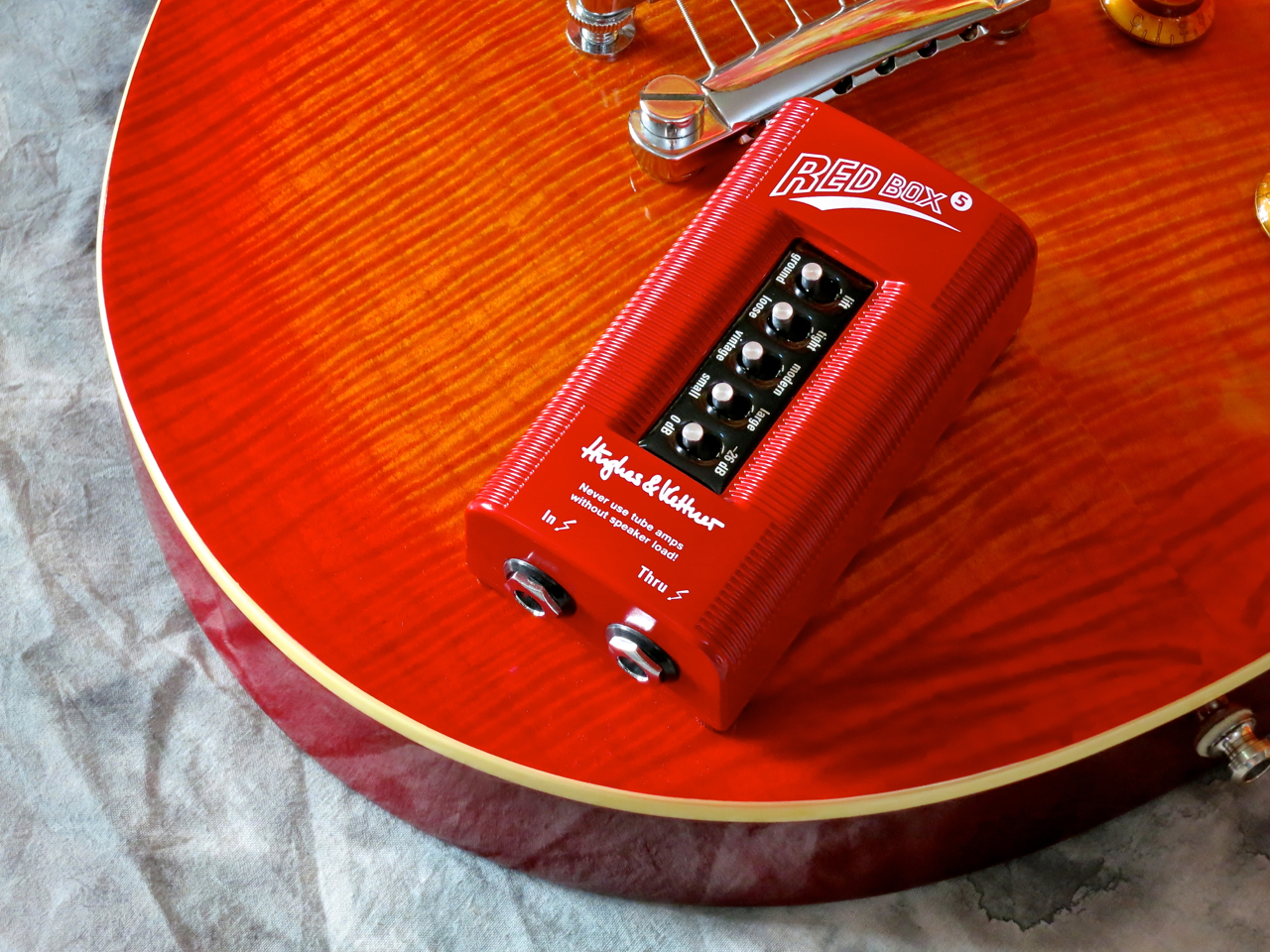
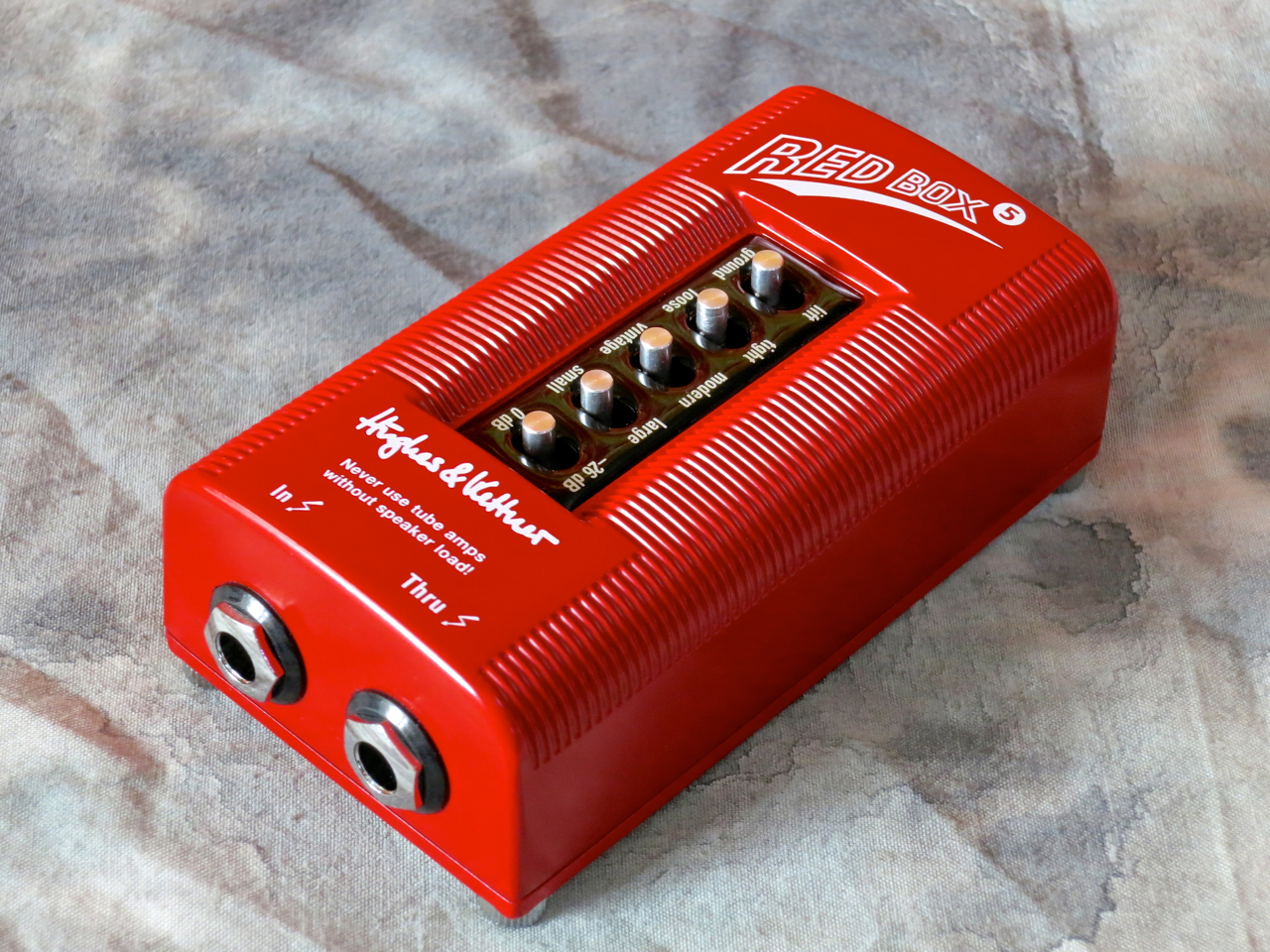
Hughes & Kettner Red Box 5 (89,90 €) tuntuu hyvin kestävänoloiselta, sen kompaktin, valumetallisen kotelonsa ansiosta.
Red Boxin koteloon upotettu kytkinpaneeli suojaa kytkimiä tehokkaasti mekaaniselta rasitukselta, sekä tahattomilta asetusmuutoksilta.
Kitaristin ja teknikon iloksi uusille Red Boxeille voi syöttää monenlaista sähköä:
Tämä Hughes & Kettner toimii sekä 9 voltin paristolla, mikserin phantomsyötöllä tai ulkoisen virtalähteen sähköllä, jolloin Red Boxiin voi syöttää 9-12 volttia joko tasavirtana (miinus keskellä) tai vaihtovirtana. Sopivan verkkolaitteen löytäminen ei siis pitäisi olla tässä tapauksessa ongelma!
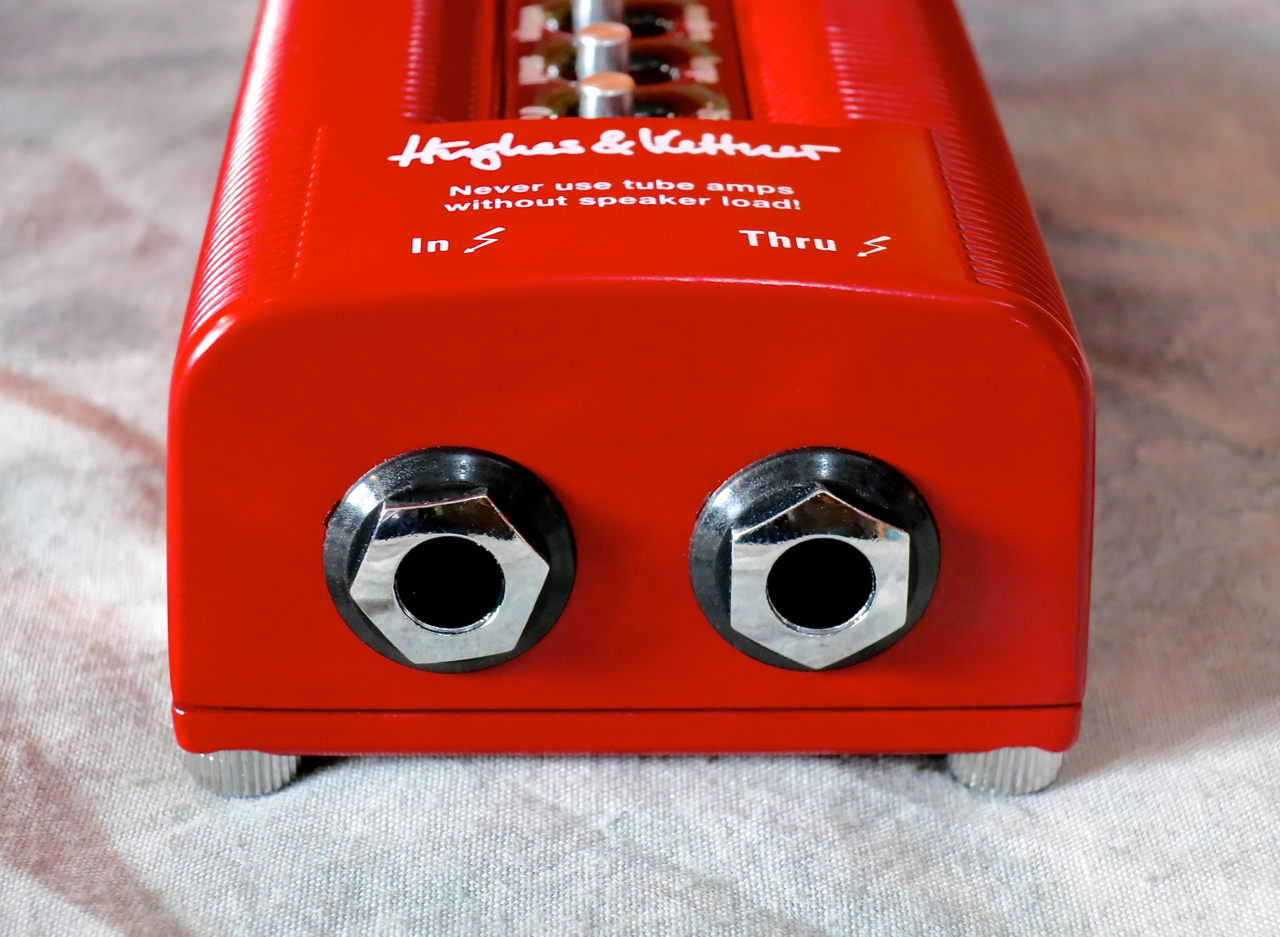
Hughes & Kettnerin alareunasta löytyy boksin kaiutinliittimet:
Vahvistimesta tuleva kaiutinjohto kytketään In-tuloon, kun taas Thru-lähdön signaali menee eteenpäin kaiuttimelle.
On erittäin tärkeä korostaa, että Red Box 5 ei ole keinokuorma, vaan ainoastaan DI-boksi! Jos käytössä on putkivahvistin (tai putkipäätteellä varustettu hybridi), vahvistinta saa ainoastaan käyttää sopivalla (= oikea ohmiarvo) kaiuttimella/kaiutinkaapilla tai keinokuormalla, riippumatta siitä käytetäänkö Red Boxia vai ei. Putkivahvistimen käyttäminen ilman asianmukaista kuormaa rikkoo (käytännössä väistämättä) laitteen audiomuuntajan!
Red Boxin yläreunaan on asennettu laitteen balansoitu XLR-lähtö mikserille, sekä liitin virtalähteelle.
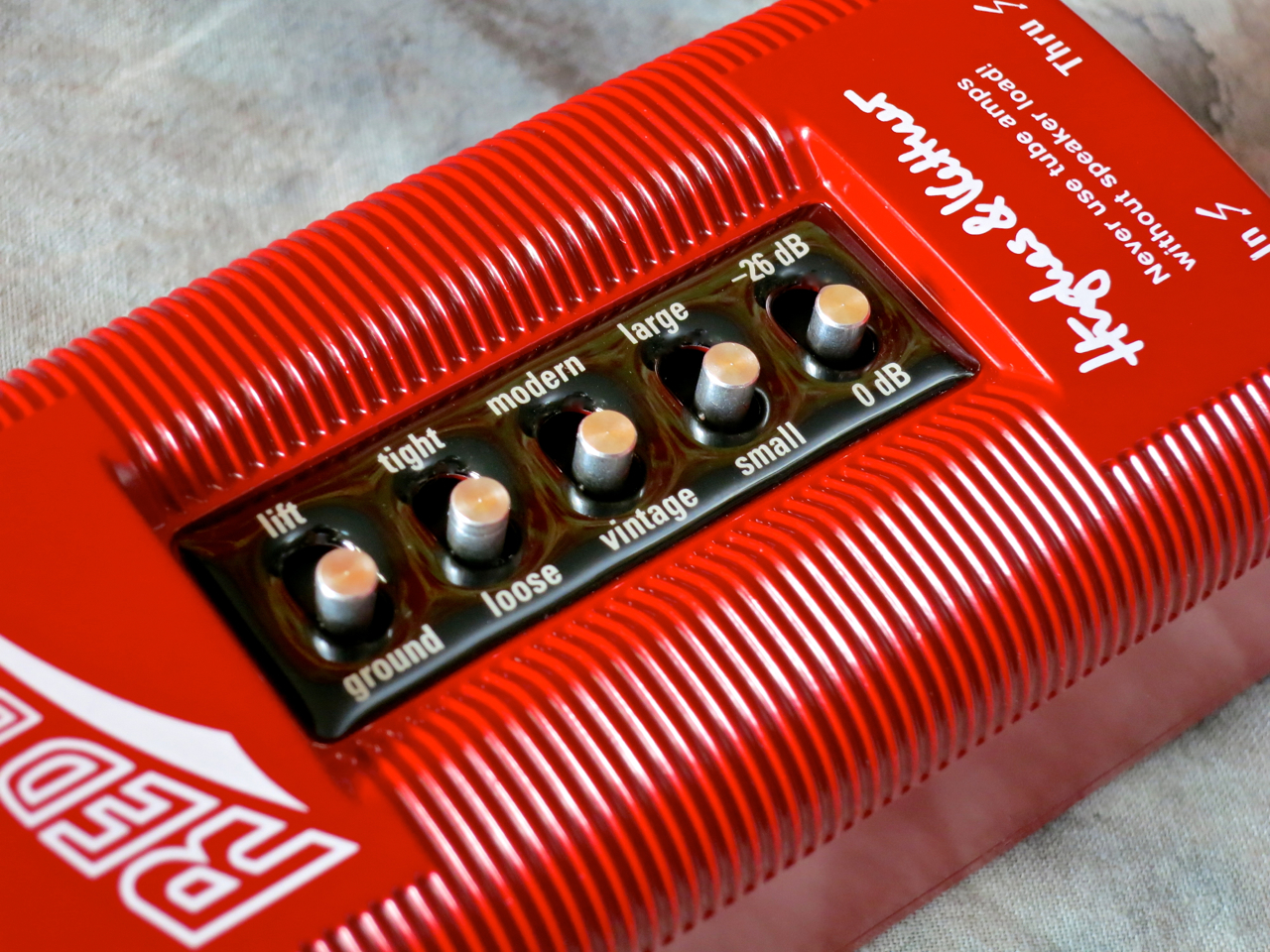
Hughes & Kettnerin viidellä kytkimellä voi hienosäätää DI-boksin toimintaa ja soundia:
Tarjolla on maalenkin katkaisin, bassokarakteerikytkin, modern/vintage-valitsin, kaappikokokytkin (small: kombo; large: 4 x 12 -kaappi), sekä 26:n desibelin padi DI-signaalille.
Pakkauksesta löytyy myös musta samettipussi kuljetusta varten.
****
”Hyvä kitarasoundi” on ehkä yksi maailmankaikkeuden subjektiivisimmista asioista. Signaaliketjussa sinänsä on tavallisesti jo suuri määrä muuttuvia tekijöitä. Kun soppaan lisätään vielä kaapin mikitykseen käytetty mikrofoni, sen asento kaiuttimeen nähden ja mikin etäisyys, soundien kirjosta tulee miltei ääretön. Olisi täysin kohtuutonta vaatia tämänkaltaisesta DI-boksista samankaltaiset laajat muokkausmahdollisuudet.
Hughes & Kettner Red Box 5:n idea onkin tarjota käyttäjälle mahdollisimman luonnollisen kuuloisia Best of -vaihtoehtoja tyypillisistä kitarakaappisoundeista, suoraan vahvistimesta mikseriin, täysin ilman mikkiasetuksesta tai huoneakustiikasta johtuvia häiriötekijöitä. Ja juuri siinä Red Box 5 onnistuu mielestäni loistavasti.
Seuraavissa klipeissä on samat pätkät vertailun vuoksi äänitetty sekä ”akustisesti” Shure SM57 -mikrofonilla että suoraan Red Boxilla. Käytin Blackstar HT-1R -vahvistinta ja Änäkäinen Rumble -kaappia. Hughes & Kettnerin kytkimillä oli valittu asetukset ”loose”, ”vintage” ja ”large”.
Tässä on lähimikitetty puhdas pätkä:
Tällaiselta sama pätkä kuulostaa Red Box 5:llä äänitettynä:
Shurella poimittu särösoundi oli tällainen:
Sama pätkä suoraan Hughes & Kettnerin kautta äänitettynä:
****
Hughes & Kettner Red Box 5 on mainio työkalu etenkin lavalla. Red Box 5:llä pääsee viimein mikrofonin kanssa häsläämisestä, ja se poistaa näin myös tehokkaasti mikrofonin feedback- ja vuoto-ongelmat. Jäljellä jää erittäin laadukas kitarasoundi päivästä toiseen.
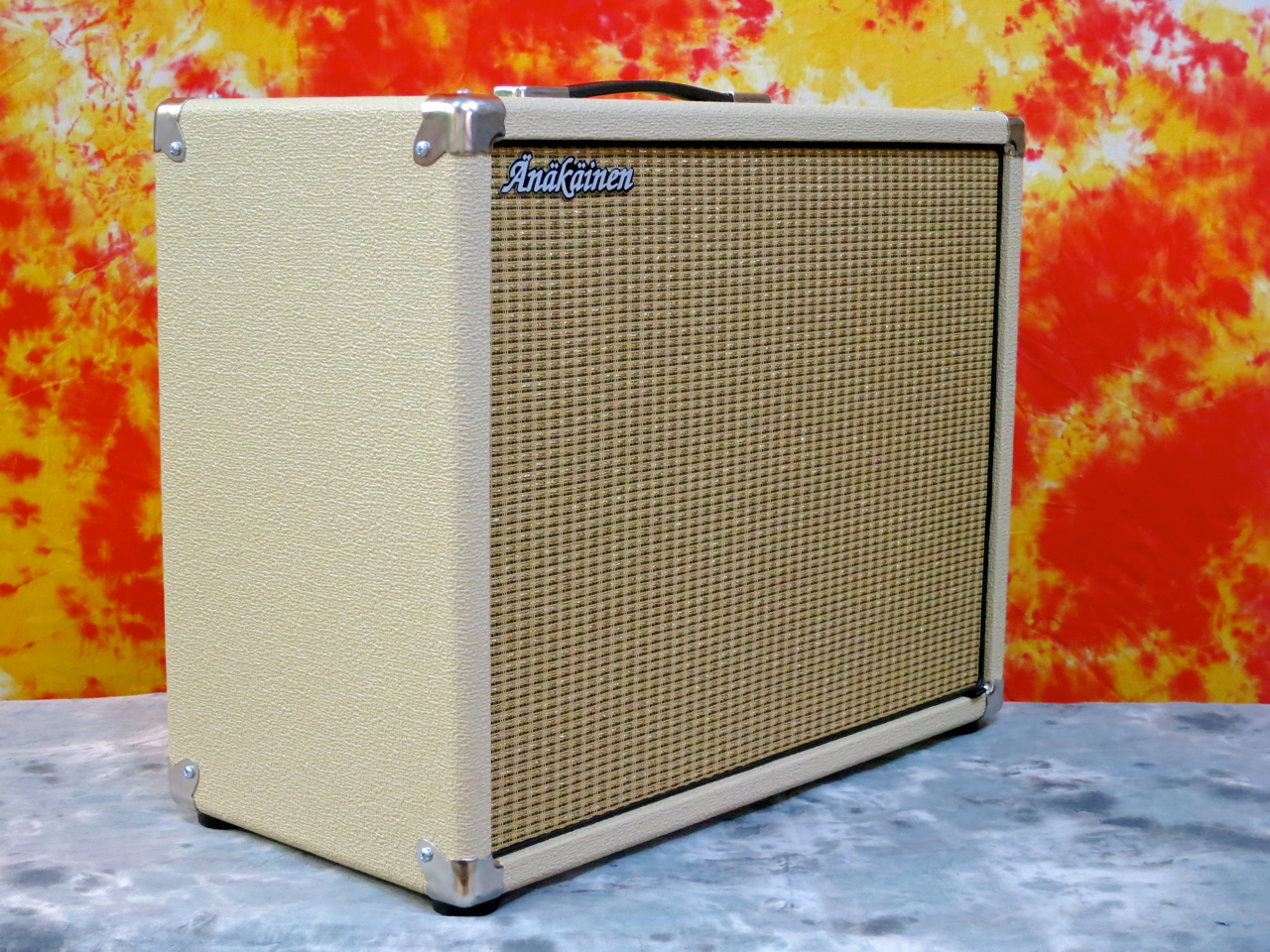
Puuverstas Änäkäisen Rumble 1 x 12 -kaappi (hinnat alk. 580 €) tarjoaa tuoreita suomalaisia ratkaisuja hyvän kitarasoundin perustaksi.
Rumble-konseptin takana ovat puuseppä Kari Änäkäinen, jolla itse on myös kitaristi- ja basistitausta, sekä kuusankoskelaisen Triodipajan vetäjä Lassi Ukkonen. Rumble-kitarakaapin suunnittelu alkoi puolivahingossa, kun Kari päätti rakentaa itselleen kevyen ja kompaktin bassokaapin ja pyysi Lassia laskemaan hänelle siihen oikeat mitat. Onnistuneen bassokaapin perusteella syntyi idea tarjota kitaristille laadukkaita, kompakteja ja kevyitä vahvistinkaappeja. Yksi Änäkäisen ensimmäisistä asiakkaista muusikkopuolelta oli kitaralegenda Juha Björninen.
****
Rumble-kaappien kosmetiikan suhteen Kari Änäkäinen on vannoutunut vintage-mies.
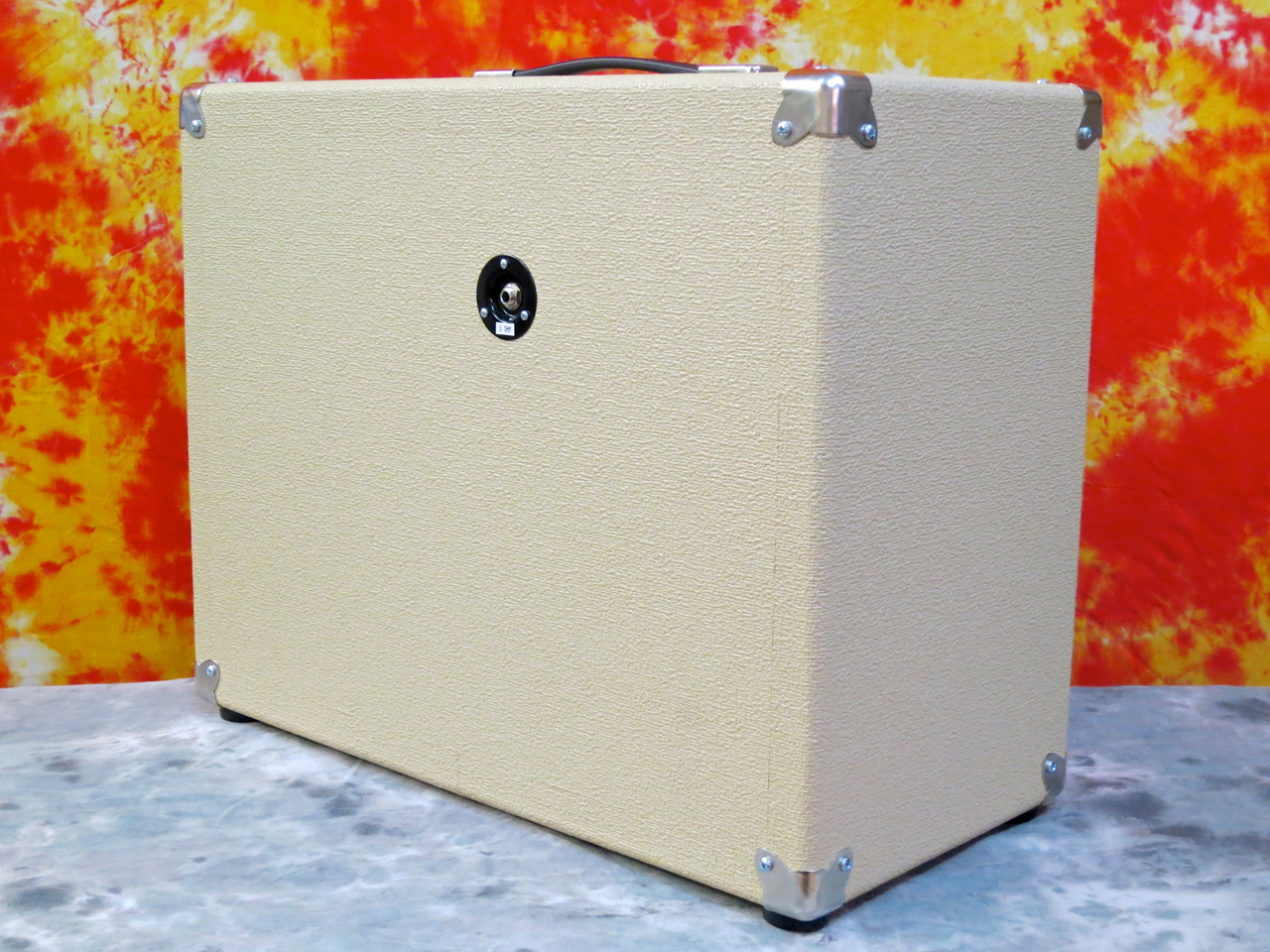
Saimme testiin kaksi Rumblea, joista toisella on Fender Blonde -tyylinen ulkonäkö (kermanvärinen päällystys ja beesi etukangas)…
…ja toisella enemmän Marshallin suuntaan nojaava värimaailma.
Rumble-kaapeissa on metalliset kulmasuojat.
Vankantekoiseen jakkilevyyn on liimattu selkeä impedanssitarra.
Kari Änäkäinen tarjoaa asiakkailleen viisi erilaista 12-tuumaista kaiutinmallia, joista voi valita sopivan elementin omaan kaappiin.
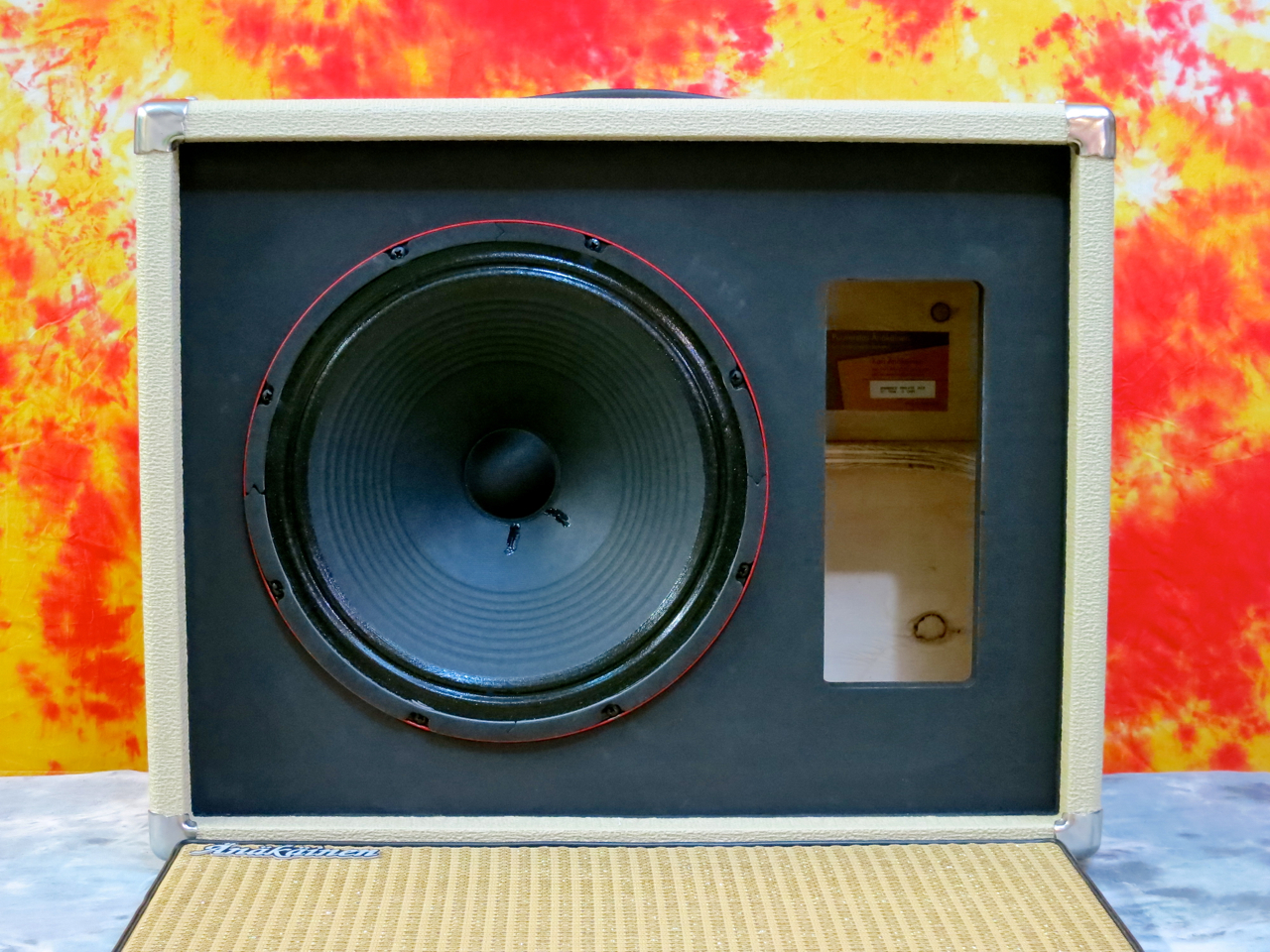
Testissä käyneeseen kermanvaaleaan Rumbleen oli asennettu Eminence Private Jack -kaiutin (50 W/8 Ω).
Mustaan Rumbleen taas on valittu WGS:n Reaper-malli (30 W/8 Ω).
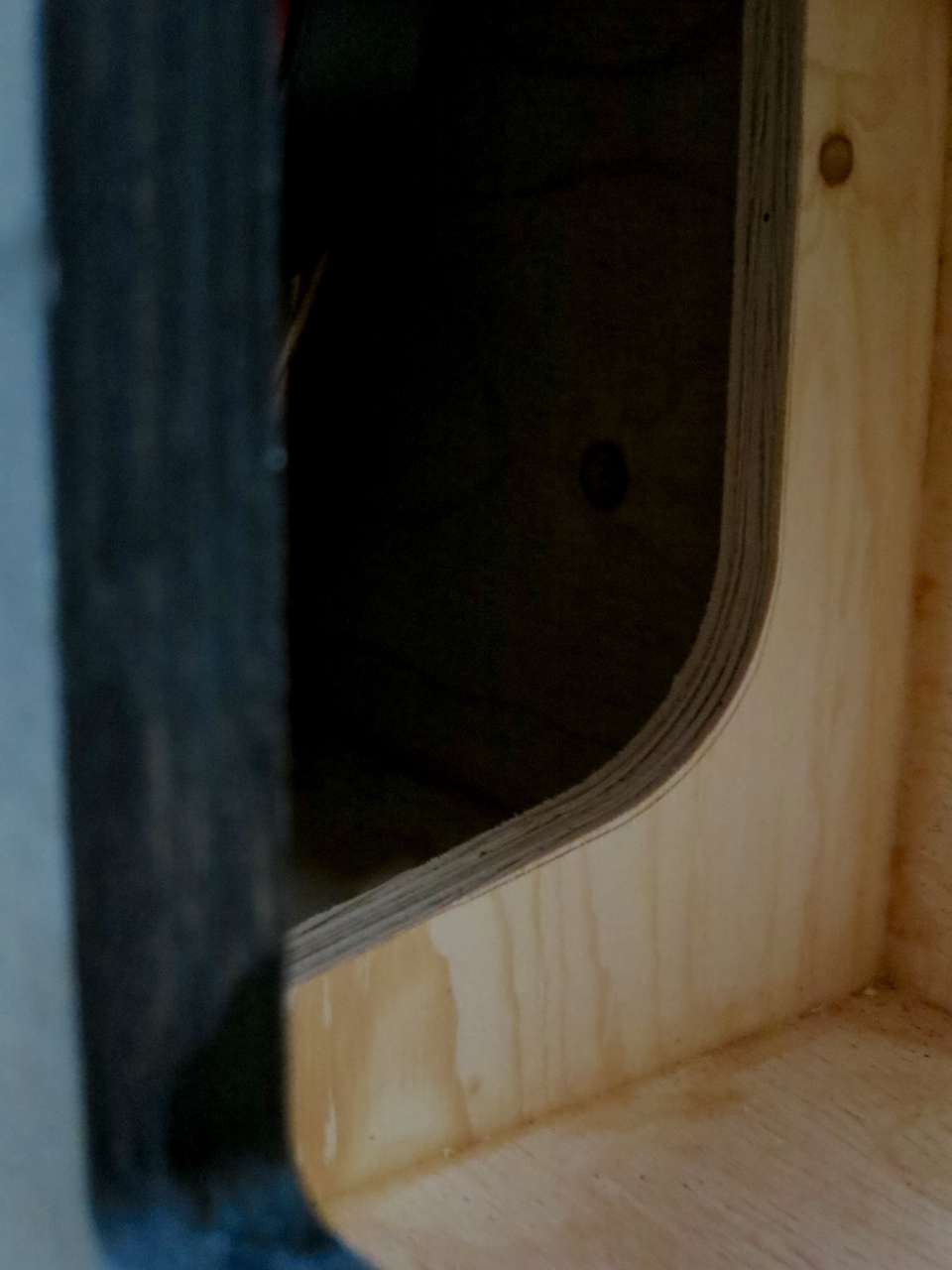
Kuten näistä kuvista näkyy, yksi Rumble-kaappien erikoisuuksista on kaiuttimen viereen sijoitettu ääniaukko. Idea on lainattu useissa basso- ja hifikaapeissa käytetystä refleksirakenteesta, vaikka Rumbleissa ei ole ääntä heijastavia väliseiniä tai viritettyä bassoputkea.
Rumble-kaappien perusrakennekin poikkeaa tavallisesta kitarakaapista, sillä kotelo on tehty kotimaisesta, 15-millisestä havuvanerista.
Havuvanerin edut ovat sen laadukkuus, hyvä saatavuus, ja etenkin materiaalin kevyt paino. Monille valmistajille havuvaneri on kitara- ja bassokaappien tekoon hieman liian taipuisa, mutta Kari Änäkäinen on löytynyt tähän ratkaisun – samasta materiaalista tehdyt sisäiset tuet.
Kaiutinta kantava etuseinä taas on leikattu 18-millisestä, suomalaisesta koivuvanerista.
Koko kotelo on toteutettu täysin ilman ruuveja, ainoastaan liimaliitoksilla ja puutapeilla. Rumble-kaappien ainoat ruuvit käytetään kaiuttimen, jakkilevyn ja kulmasuojien kiinnityksissä.
Rumble-kaappi on hyvin kompakti ilmestys, joka painaa vain noin 12 kiloa.
****
Tämä perustuu vain subjektiiviseen vaikutukseen, mutta ensimmäiset sanat jotka tulivat Rumble-kaappien kokeilussa mieleen olivat ”äänekäs”, ”iso” ja ”musikaalinen”. Änäkäinen Rumble saa jopa oman Blackstar-pikkuvahvarin (HT-1R) kuulostamaan täysikokoiselta, aikuiselta putkivahvistimelta.
Rumblessa löytyy se sama lämpö ja avoimuus kuin monissa avoimissa kaapeissa/komboissa, mutta sen erikoisen rakenteen ansiosta äänen suuntavuus on huomattavasti parannettu. Tässä ei katoa puolet soundista johonkin kaapin taakse. Samalla etupuolen ääniaukon ansiosta syntyy sellainen herkullinen, huonetta täyttävä ”laajakulma-soundi”.
Eminence-kaiuttimella varustettu blondi-Rumble soi täyteläisellä ja kermaisella äänellä:
Mustalla Rumblella taas on – WGS Reaper -kaiuttimen ansiosta – vahva Britti-aksentti. Tämä kaappi on hieman ärhäkämpi ja sillä on purevampi preesensalue. Puhtailla vahvistinasetuksilla ero testikaappien välillä ei ole ehkä niin selkeä kuin särösoundeissa:
****
Tämän testin perusteella voin vain todeta, että Änäkäinen Rumble -kaappi tarjoaa aitoa suomalaista boutique-laatua reiluun hintaan. Rumble todella kuulostaa isommalta kuin mikä se on.
Blackstar Amplificationin uutuustuote on minikokoinen harjoitusvahvistin nimeltään Fly 3.
Blackstar Fly 3 on kolmewattinen, kaksikanavainen kitarakombo, joka toimii virtalähteellä tai paristoilla. Fly 3 tarjoaa sekä puhtaan että särökanavan. Harjoituskombossa on Blackstarin patentoitu ISF-säädin, sekä nauhakaiku-tyylinen viive-efekti. Kaiuttimen halkaisia on kolme tuumaa.
Kaiutinmallinnuksella varustettu kuuloke-/linjalähtö mahdollistaa hiljaista harjoittelua, sekä suoria linjaäänityksiä kotistudiossa.
Blackstar Fly 3 -komboon voi hankkia myös Fly 103 -nimisen lisäkaappin, joka tekee harjoitusvahvistimesta oivan stereosysteemin – joko kitaran soittoa tai musiikin kuuntelua varten.
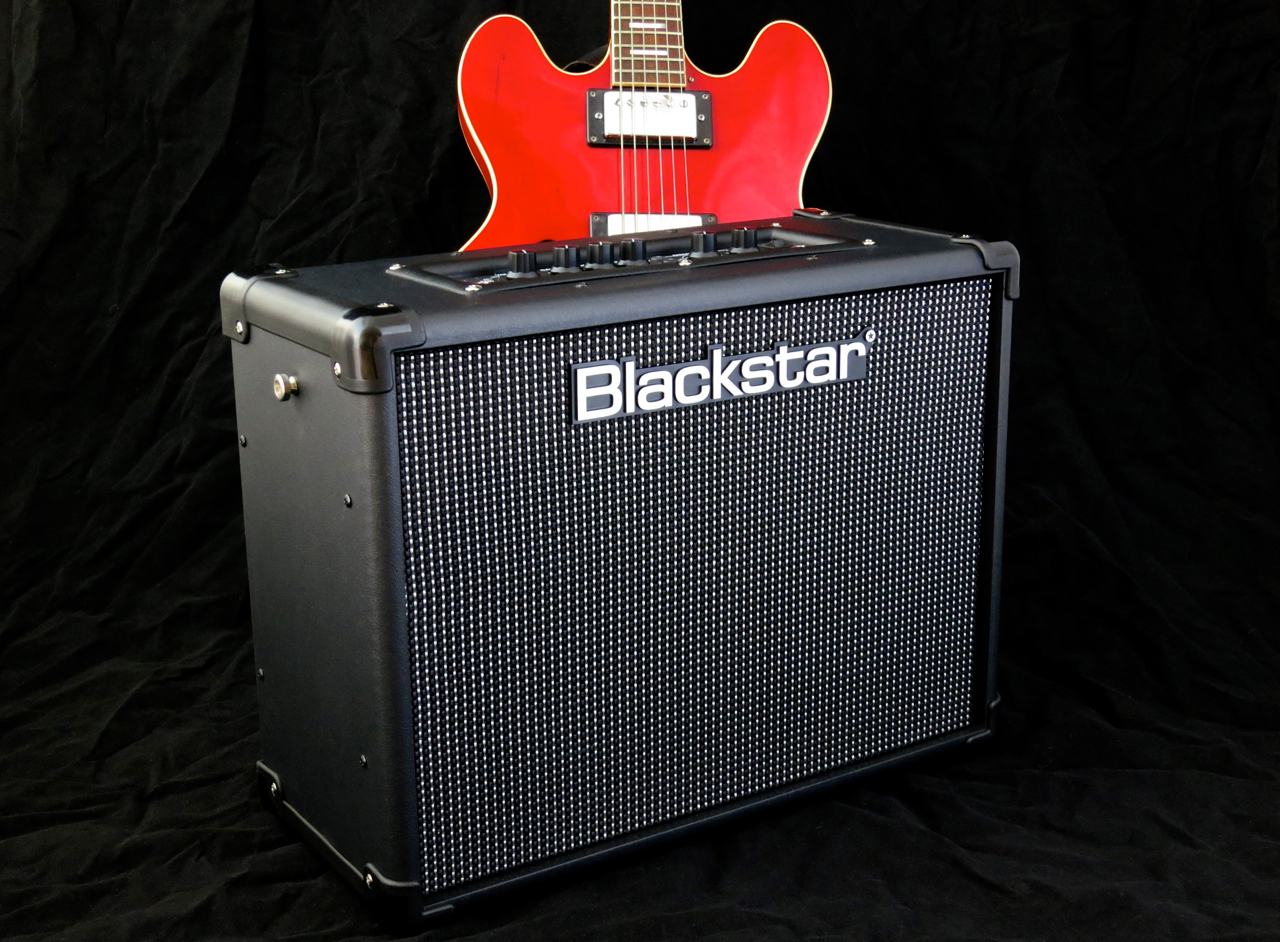
Earlier this year, Blackstar Amplification have released their new ID:Core series, which comprises three stereophonic practice amps (at the moment of writing).
Blackstar’s ID:Core combos are powered by the same modelling technology used in the company’s full-blown ID-series. The ID:Core amps simply take this technology to a smaller format.
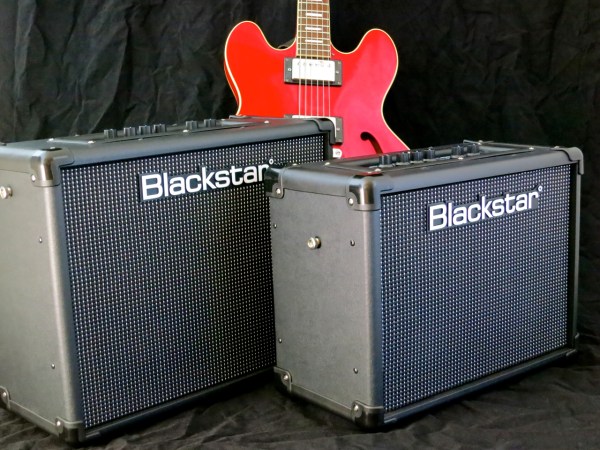
Kitarablogi had the pleasure of testing the new series’ middle model – the ID:Core 20 (2 x 10 W) – as well as the largest member of the ID:Core family – the ID:Core 40 (2 x 20 W).
****
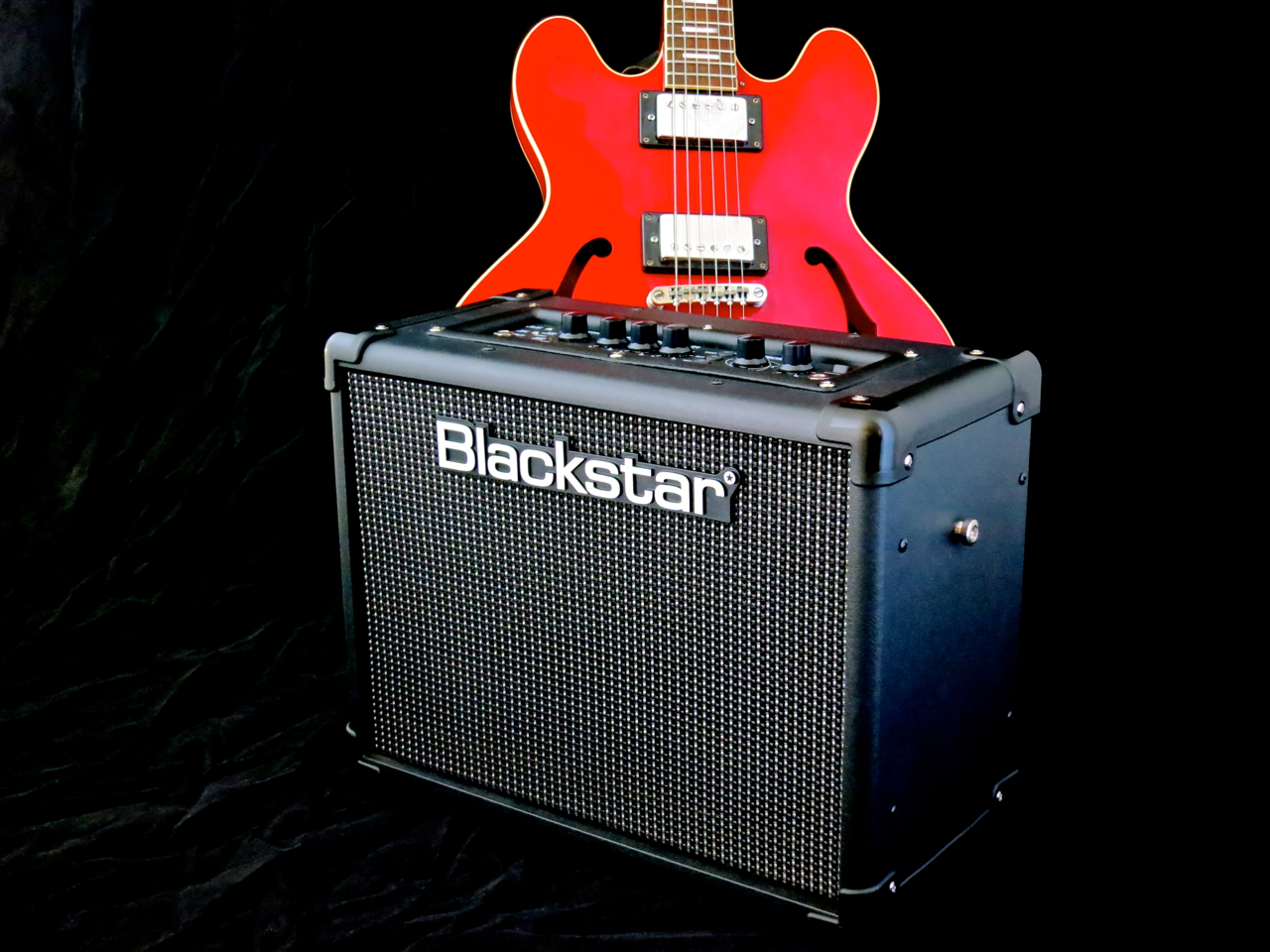
The Blackstar ID:Core 20 (current price in Finland:149 €) comes equipped with a pair of five-inch speakers.
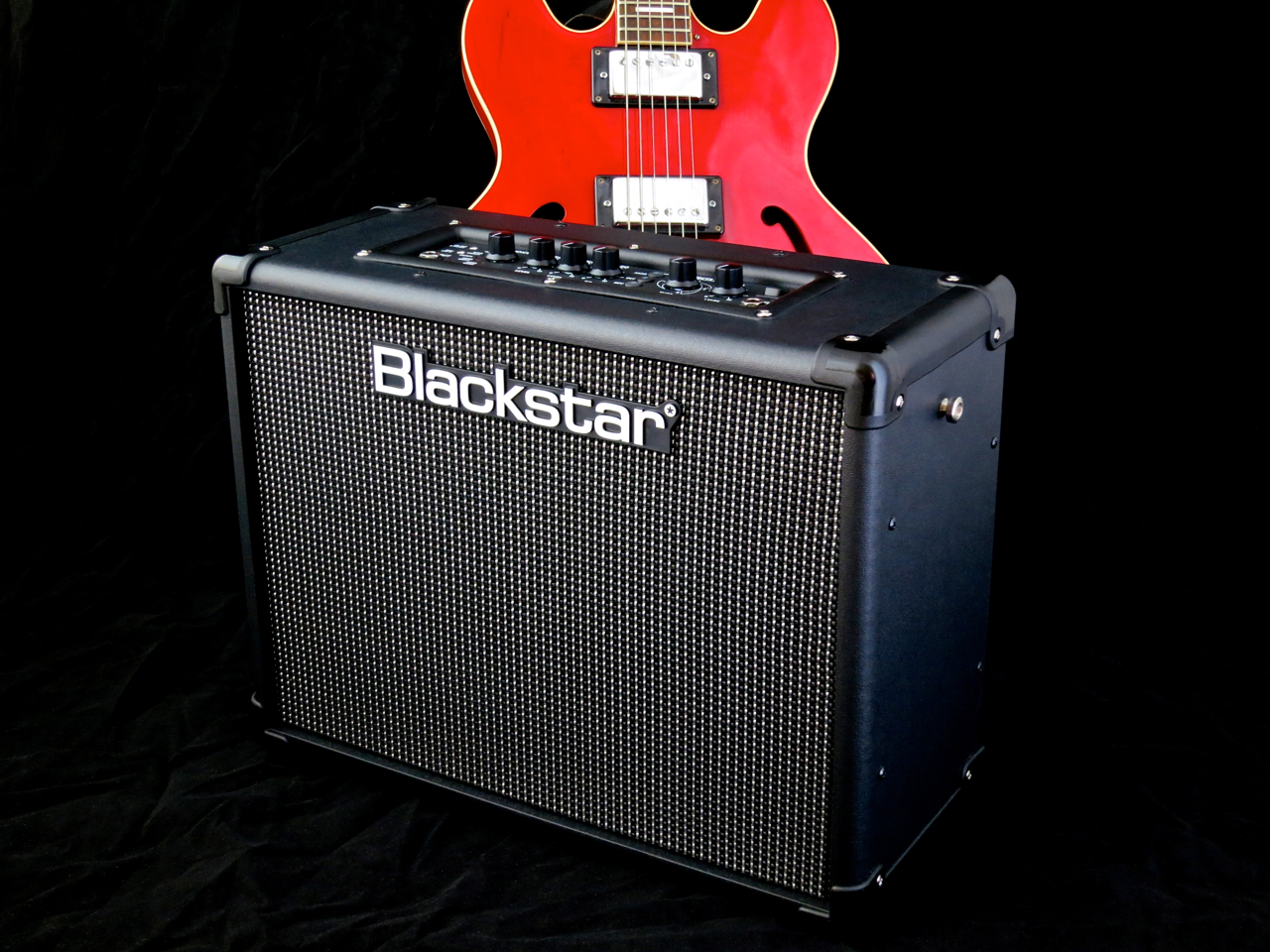
The larger Blackstar ID:Core 40 combo (current price in Finland:195 €) uses two 6.5-inch speakers to get its message across.
Except for the differences in power amp-, cabinet- and speaker-sizes, the rest of the specifications are identical in these two guitar combos. To make this review more readable I will concentrate on the Blackstar ID:Core 40, and mention any possible differences found in the ID:Core 20.
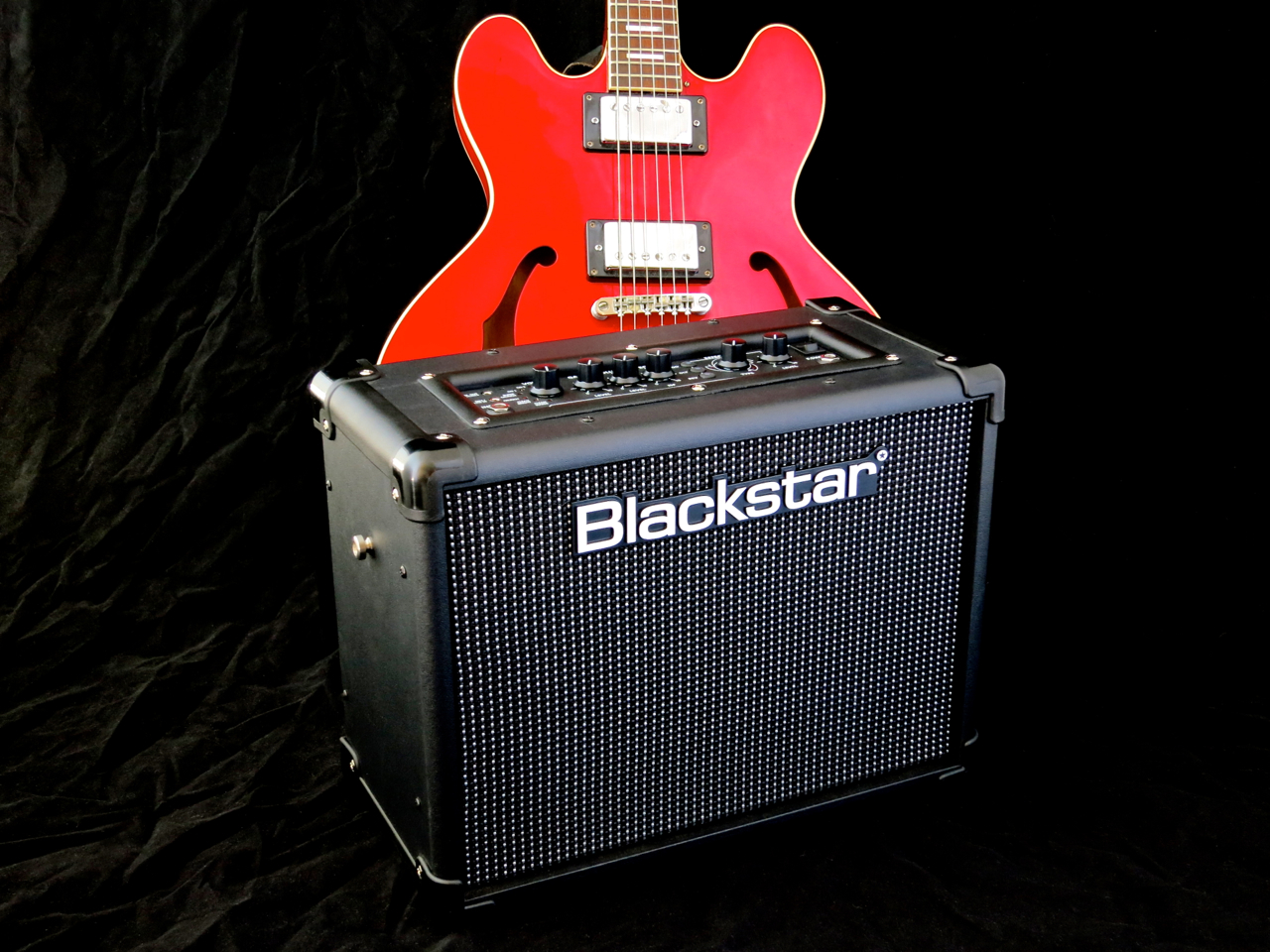
The new Blackstar combo has a very handy size, and it is easy to carry. In addition to the carrying strap, you will find the power supply unit and a quick start guide in the shipping box. You can download the full owner’s manual as a PDF-file from Blackstar’s website or HERE.
Even though the ID:Core series, naturally, isn’t really built to withstand the rigours of touring, these combo’s are rather sturdy little numbers. These may be mere practice amps, but toys they are most definitely not!
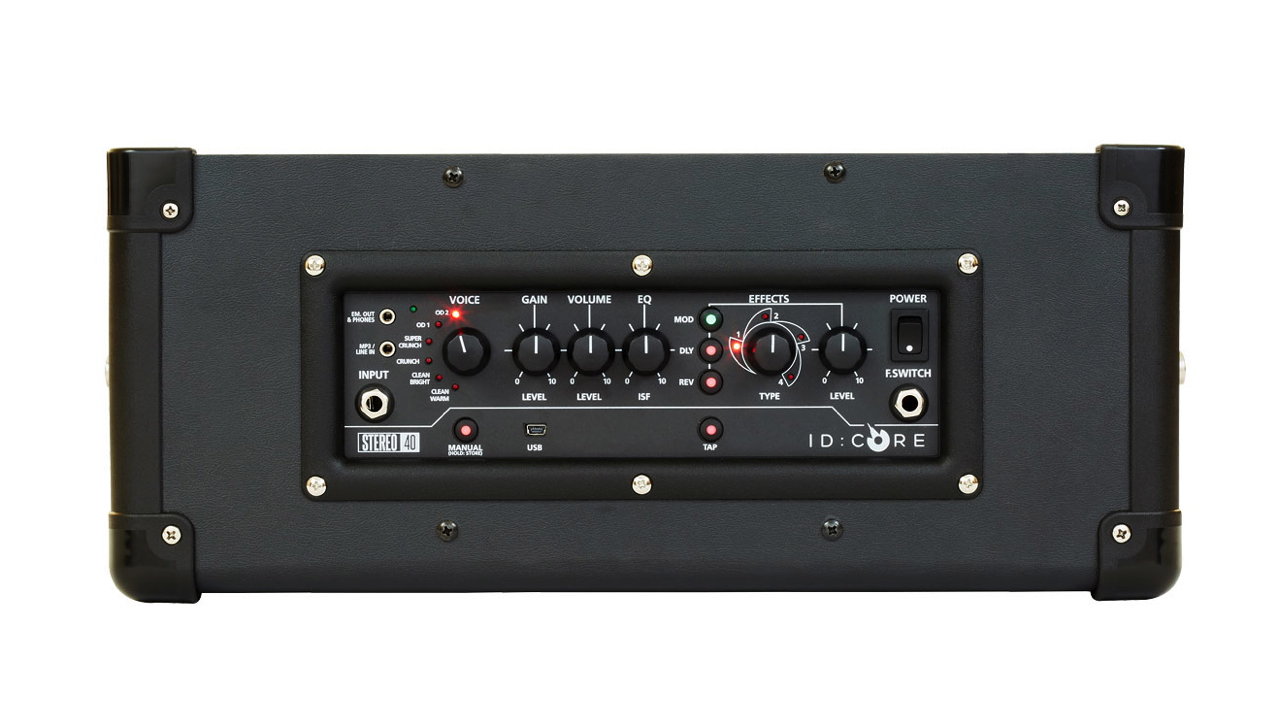
The electronics have been installed into the ID:Core’s top.
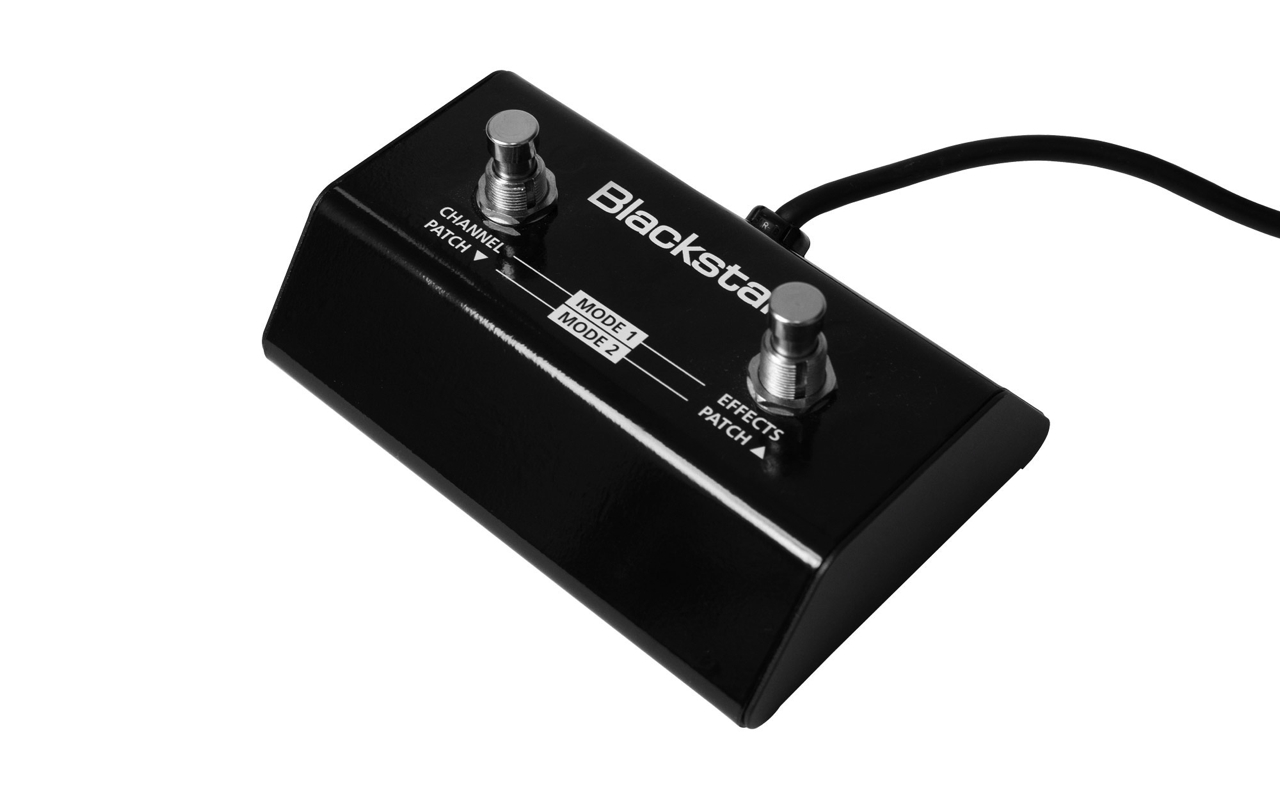
All the controls, push-buttons and inputs/outputs are identical throughout the whole series, with the exception of the smallest combo (the ID:Core 10) not offering the option of connecting a FS-11 footswitch unit (not included).
The ID:Core 40’s factory default uses the FS-11’s left switch for switching between two Voice-channels, with the right switch functioning as an effect mute for the selected channel.
The free Blackstar Insider -software (PC and Mac) also lets you select a different footswitch mode that offers you all Voice-channels, and which uses the two switches to step through all the channels, either up (right switch) or down (left switch).
****
The ID:Core 40 is very easy to use:
The Voice-selector lets you choose one of the combo’s six Voice-channels (= digital amp models). In Preset-mode calling up a channel automatically recalls all the stored preset settings, like gain, ISF or effects. In Manual-mode switching to a different Voice only changes the selected amp type, with the other settings staying the way you have manually set them.
Naturally, all presets can be adjusted by the user, and the changes can then be stored in the ID:Core combo’s memory, wiping the factory preset in the process.
The new Blackstar-combos also come equipped with a digital tuner, which springs to life when you hold down the Manual- and Tap-buttons simultaneously for a couple of seconds. In Tuner-mode the combo’s red Voice-LEDs represent the six guitar strings, while the LEDs in the Effect-buttons tell you whether the pitch is flat (REV), sharp (MOD) or right on the money (DLY).
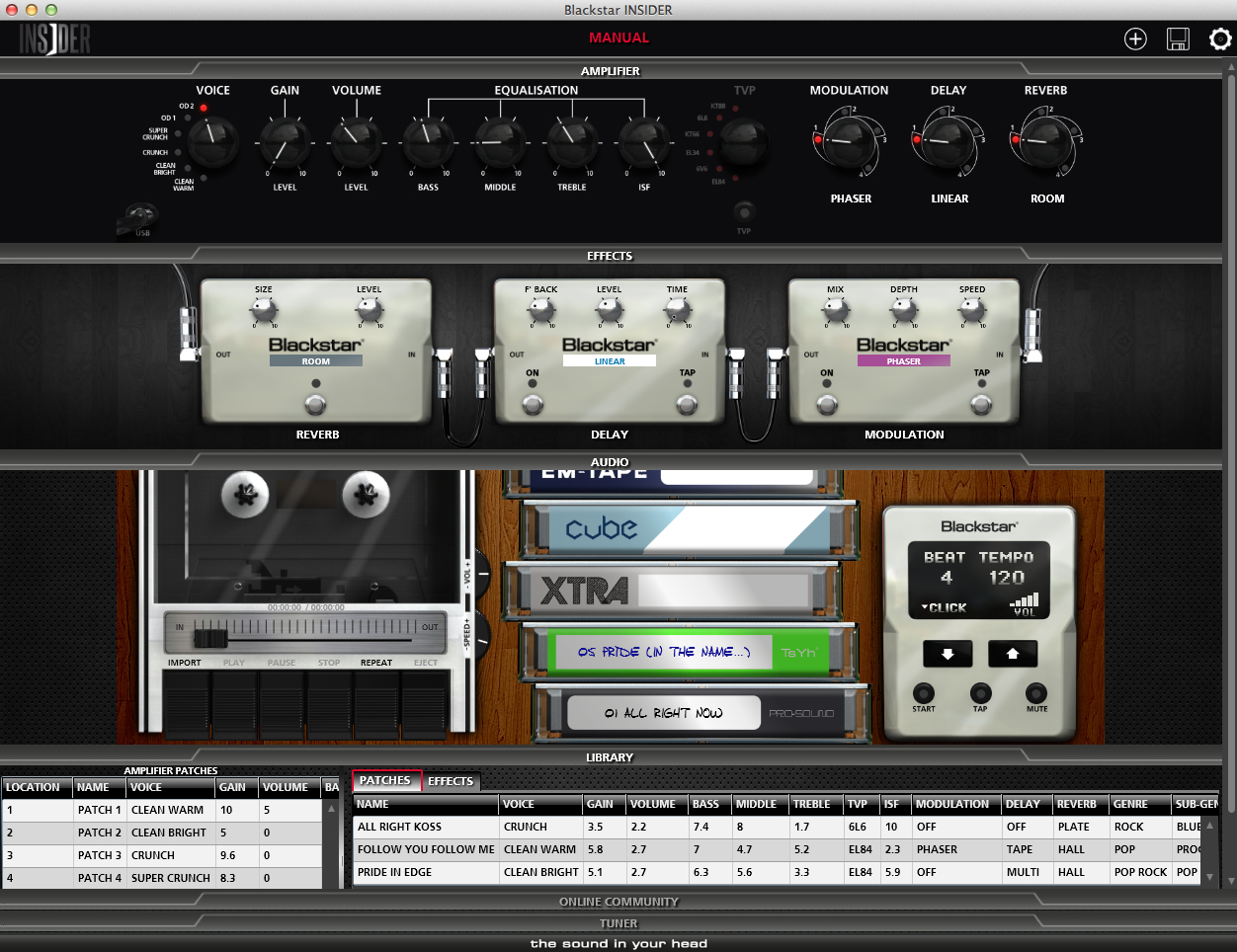
By downloading Blackstar’s Insider-software you get access to additional features of the ID:Core combo via its mini-USB-port (Hey, Blackstar: Why isn’t a USB-cable included with the amp?):
The most crucial of the additional functions, in terms of the combo’s tone, is the access to its internal three-band EQ. The combo only offers you a physical knob for the ISF-setting, which lets you change the amp’s character from bright-ish ”American” (ISF = 0) to chunkier ”British” (ISF = 10). The Insider-programme also lets you fine-tune each preset’s Bass, Middle and Treble EQ-settings.
Insider also allows you to create you own ID:Core-presets, save as many as you like, and send them to your combo for use. But note that each preset is always tied to the Voice-channel used as its basic ingredient. This means that an ID:Core combo will always offer six different Voice-channels – you cannot load six different Warm Clean patches, or six OD1 Metal sounds, into the combo’s six Voice-channels.
If you want, you can set up an Insider-account, which enables you to share your own patches with other ID:Core users around the globe.
The Blackstar Insider software also includes some tools for practicing. There’s a simple rhythm box, as well as a music player (looking like an old cassette recorder), which even allows you to change a music file’s tempo and/or loop a certain part.
Insider’s tuning section gives you an on-screen, graphically-enhanced version of the combo’s internal tuner.
Thanks to its USB-connectivity you can also use the ID:Core combos as an external sound-card for direct recording to your audio sequencer. You can even configure the combo for re-amping (using the Insider-software), but I wasn’t quite satisfied with the way the ID:Core performed as a sound-card (at least with the tested firmware version). I’d like to see an even shorter audio latency, as well as a hotter audio signal, before I would seriously consider using the ID:Core for direct recording.
****
Blackstar’s advertisements are placing quite a lot of emphasis on the ID:Core series’ Superwide Stereo function. With Superwide Stereo turned on (factory default, you can also switch it off via Insider) especially the delays and reverbs sound impressively lush. You feel enveloped in a cloud of sound, with some of it seeming to even come from behind you.
Actually, the ID:Core’s effects aren’t really stereophonic at all – you shouldn’t expect ping-pong delays, or anything of that sort. In reality, these Blackstar combos have a signal path that is completely monophonic, up to the point the signal reaches the power amp section (and headphone amp). It is only at this point that a stereo signal is created from the mono by splitting the mono signal in two, and by changing the phase of one of the signals. The result is a lush, broad, and fairly natural ”stereo” sound.
This method of creating ”fake stereo” has long been used in analogue modulation effects. There’s nothing ”wrong” or ”deceitful” in doing things this way, and Blackstar’s Superwide Stereo sure sounds impressive, but I’m not sure I’d want to trumpet this amp series’ ”stereo-ness” so loudly.
But now to the most important aspect of an amp – it’s tone:
I could sum it all up by saying that the amps sound great! Regardless of the fact that we’re talking about very pocket-friendly practice amps here, the sounds and dynamic response Blackstar’s excellent ID-modelling technology dishes out will leave you with a big grin on your face. Six well-chosen Voices and 12 quality effect types shouldn’t leave anybody wanting.
The ID:Core 40, naturally, sounds noticeably ”bigger”, compared to the ID:Core 20, with its smaller speakers and cabinet. Nonetheless, you get the feeling that both combos make the most of their respective wattage. Miked up both combos sound virtually the same.
The following sound clips have been recorded with the Blackstar ID:Core 40, using the factory presets as a basis, which I then fine-tuned to my liking. I played these clips on my Kasuga (a Japanese ES-335 copy from the Seventies), recording the sound with two dynamic Shure microphones.
Clean Warm:
Clean Bright:
Crunch:
Super Crunch:
OD1:
OD2:
****
Blackstar have successfully managed to transfer the great sounds of their ”grown-up” ID Series amps to the ID:Core practice combos. Together with Blackstar’s Insider-software, the ID:Core 20 and ID:Core 40 combos are fully-spec’ed and inspiring tools for practice, home recording, teaching and warm-up. You get genuine Blackstar tone in a handy package!


















 Kitarablogi.com – Finland's premier Guitar and Bass blog