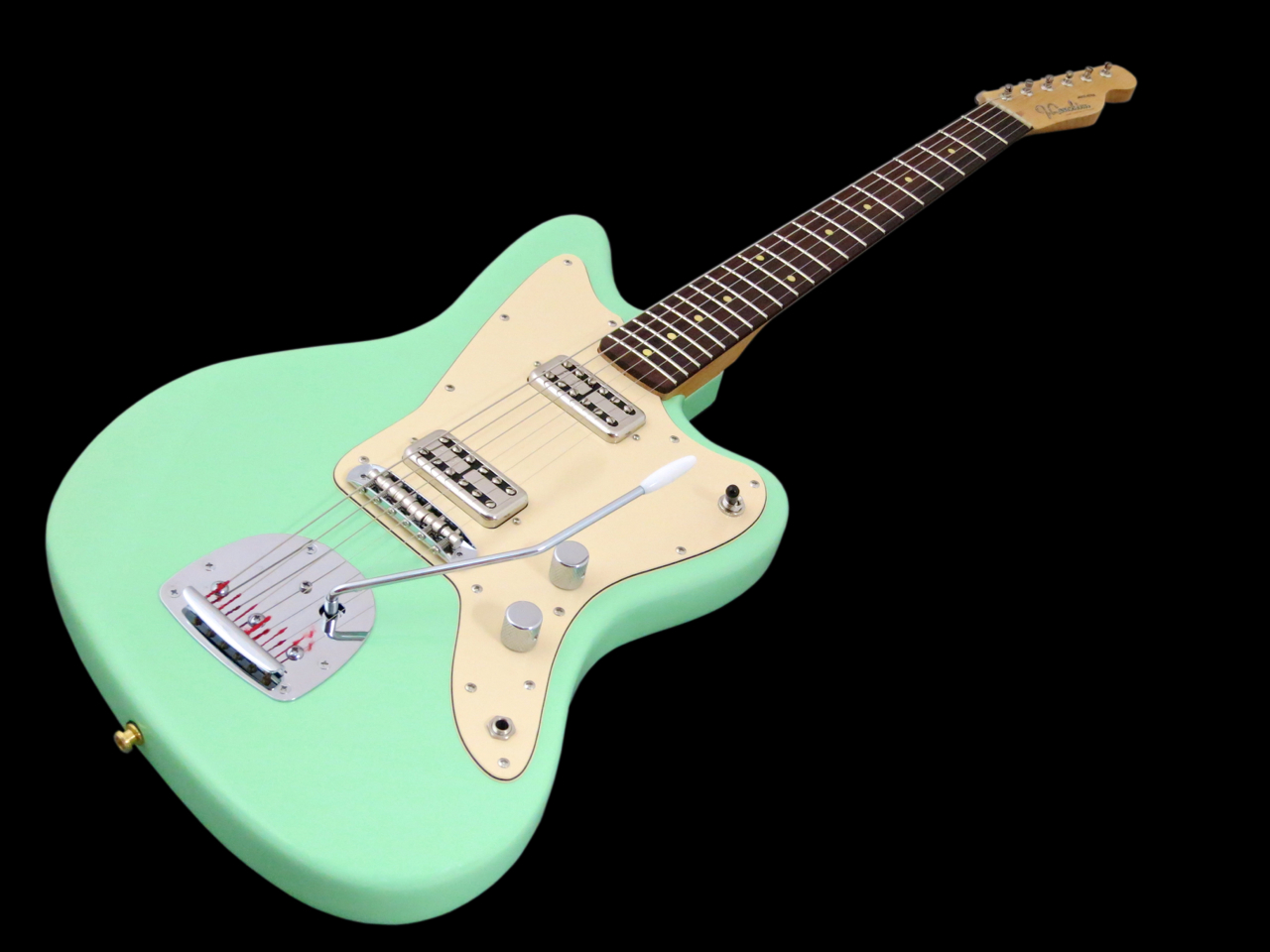
Review: J. Leachim Guitars Jazzcaster

JLeachim 2

J Leachim Jazzcaster – beauty shot – black

You could call J. Leachim Guitars Finland’s answer to Nash Guitars. Just like the American maker, JLG, too, don’t make their guitars from scratch, from the raw wood. Instead, J. Leachim assembles guitars from bought in unfinished necks and bodies, as well as parts and hardware sourced from a number of reputable sources. J. Leachim Guitars’ forte lies in their finish work, and the relicing of guitars.

J. Leachim’s main man, Jan Merivirta, supplied Kitarablogi.com with an example of his Jazzcaster model, which sports a pristine, “NOS” nitro finish.

****
J Leachim Jazzcaster – full front – final med

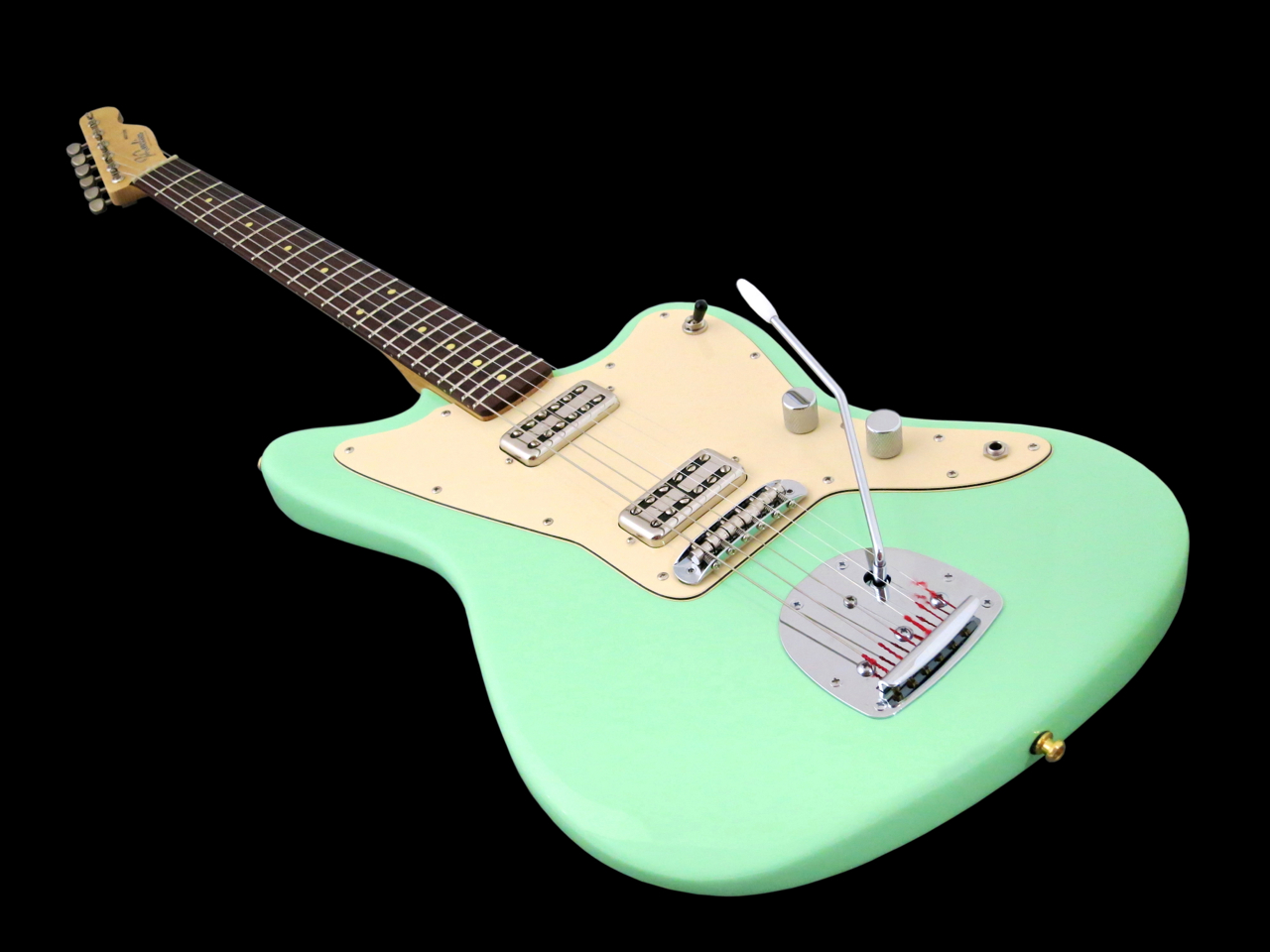
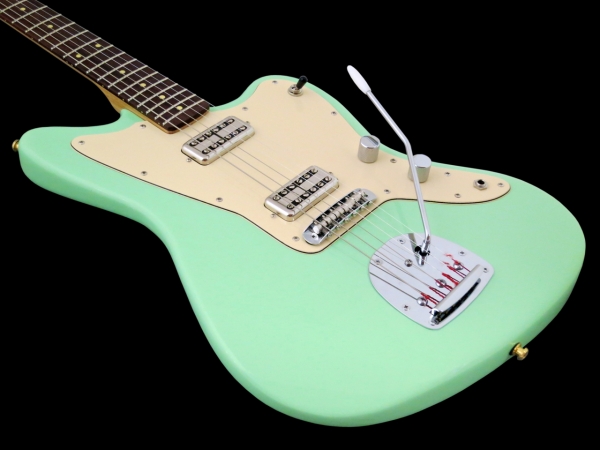
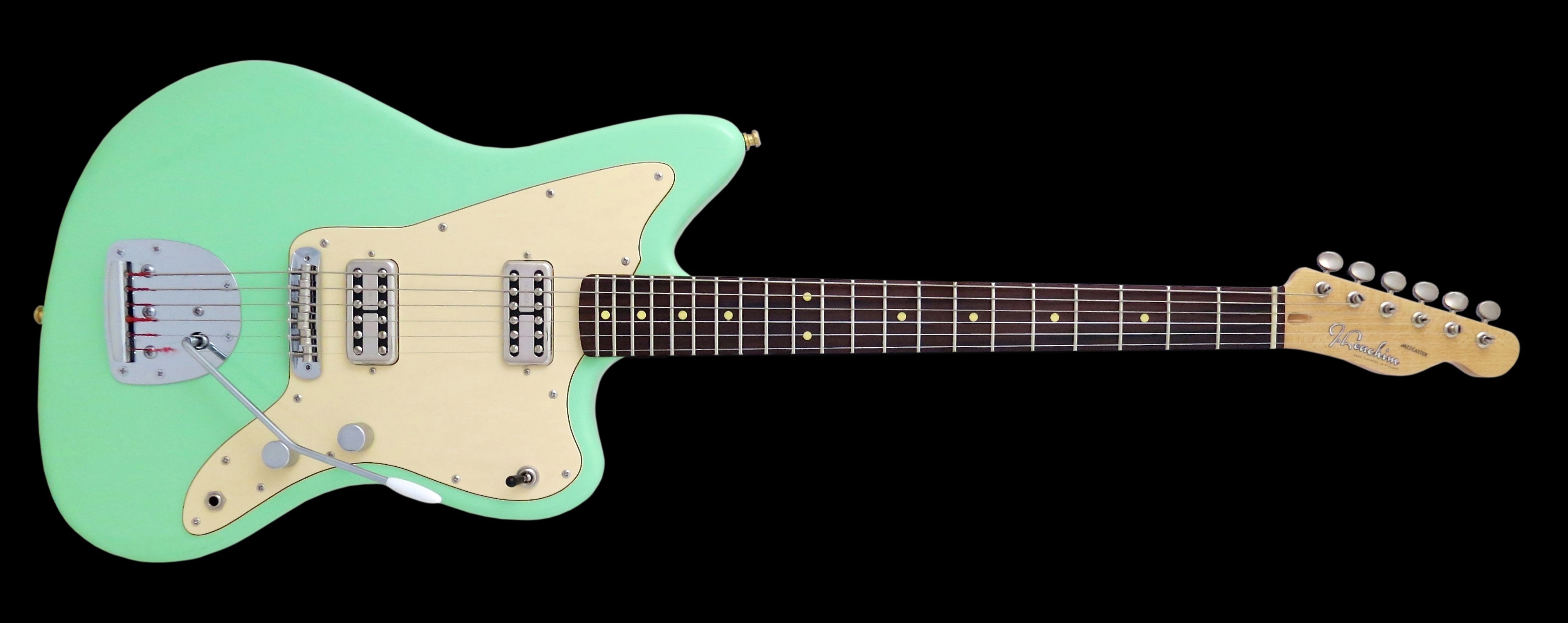
The J. Leachim Guitars Jazzcaster (prices start from approx. 1,300 €; hard case incl.) is a very enticing mix of different classic guitars:

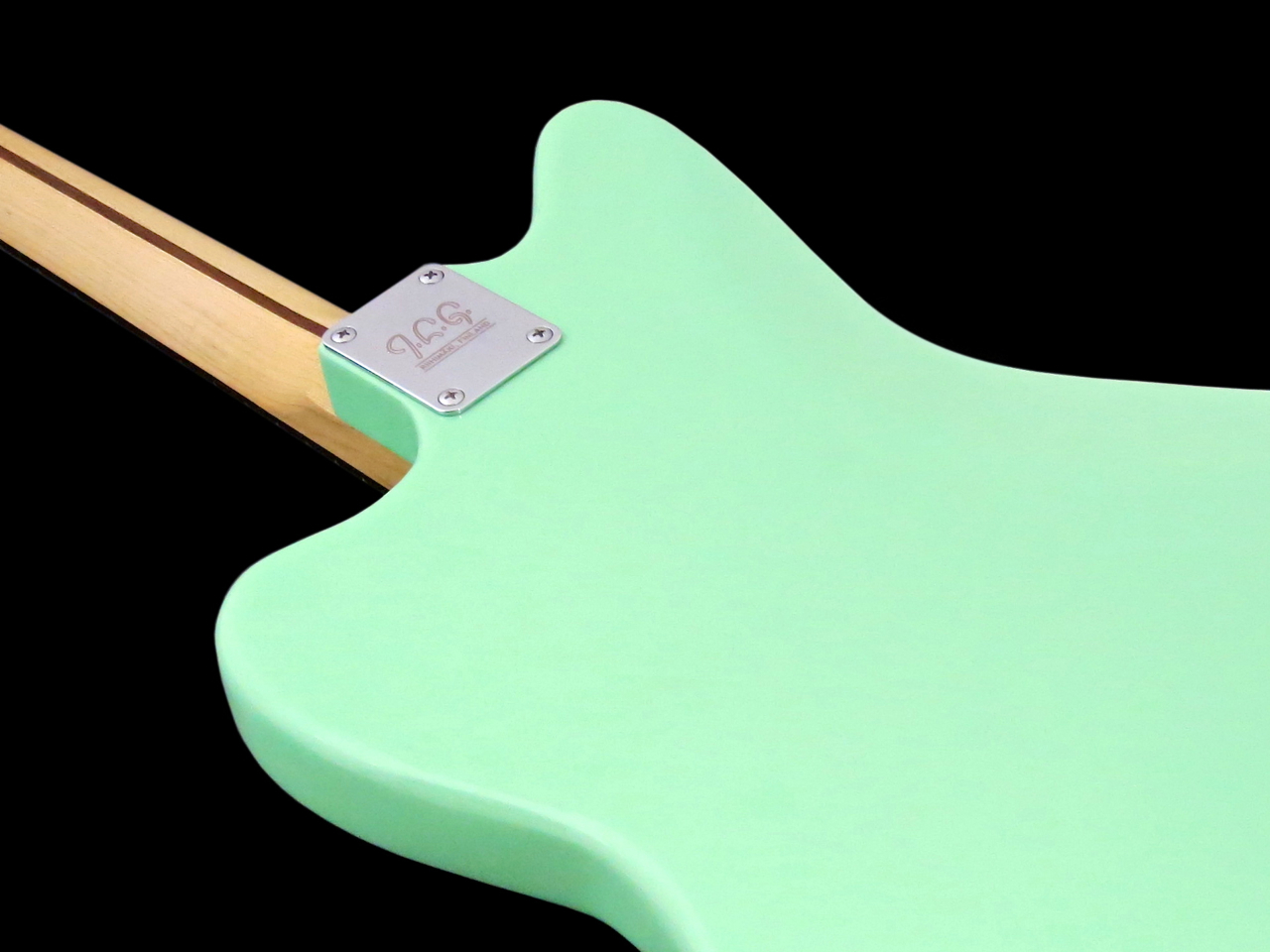
The Jazzcaster’s maple neck has been sourced from Northwest Guitars. It’s a Tele-style neck sporting jumbo frets, as well as a modern fretboard radius of 9.5 inches.

The Guitarbuild body has been crafted from very lightweight swamp ash. Filtertron-sized pickup routs have been added at the J. Leachim workshop.
J Leachim Jazzcaster – neck joint

J. Leachim Guitars clearly know how to use nitro lacquer properly:

The body has received an exquisite, thinly applied gloss finish in Surf Green, while the neck has been finished with a thin satin clear coat.

J Leachim Jazzcaster – headstock

The fretwork on the Jazzcaster is great. The rosewood fingerboard comes with 21 jumbo-sized frets.

The top nut has been carved from a piece of genuine bovine bone. Some may find the nut’s shaping a tad angular, but I don’t mind; it’s only cosmetics, after all.
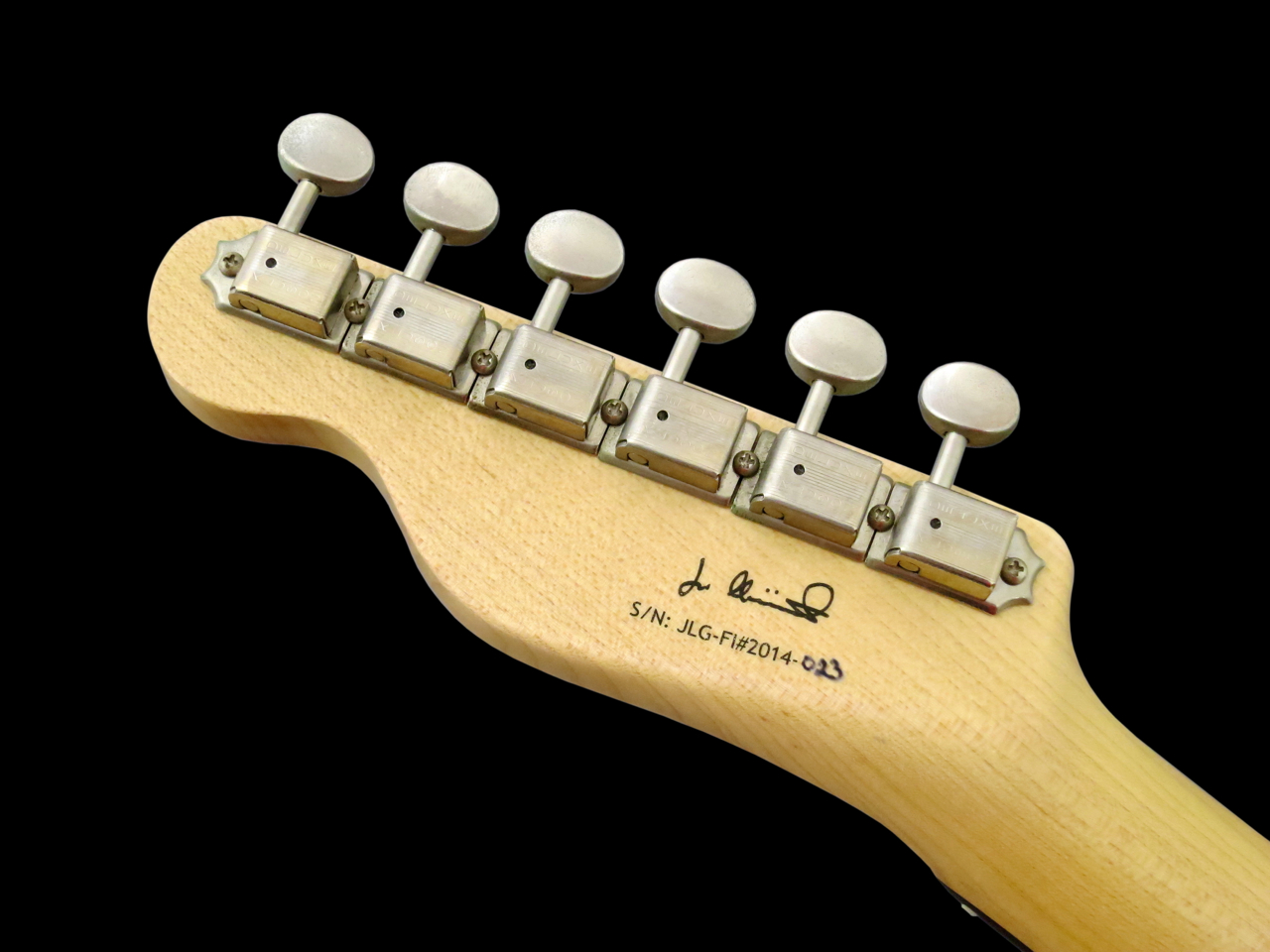
J Leachim Jazzcaster – tuners

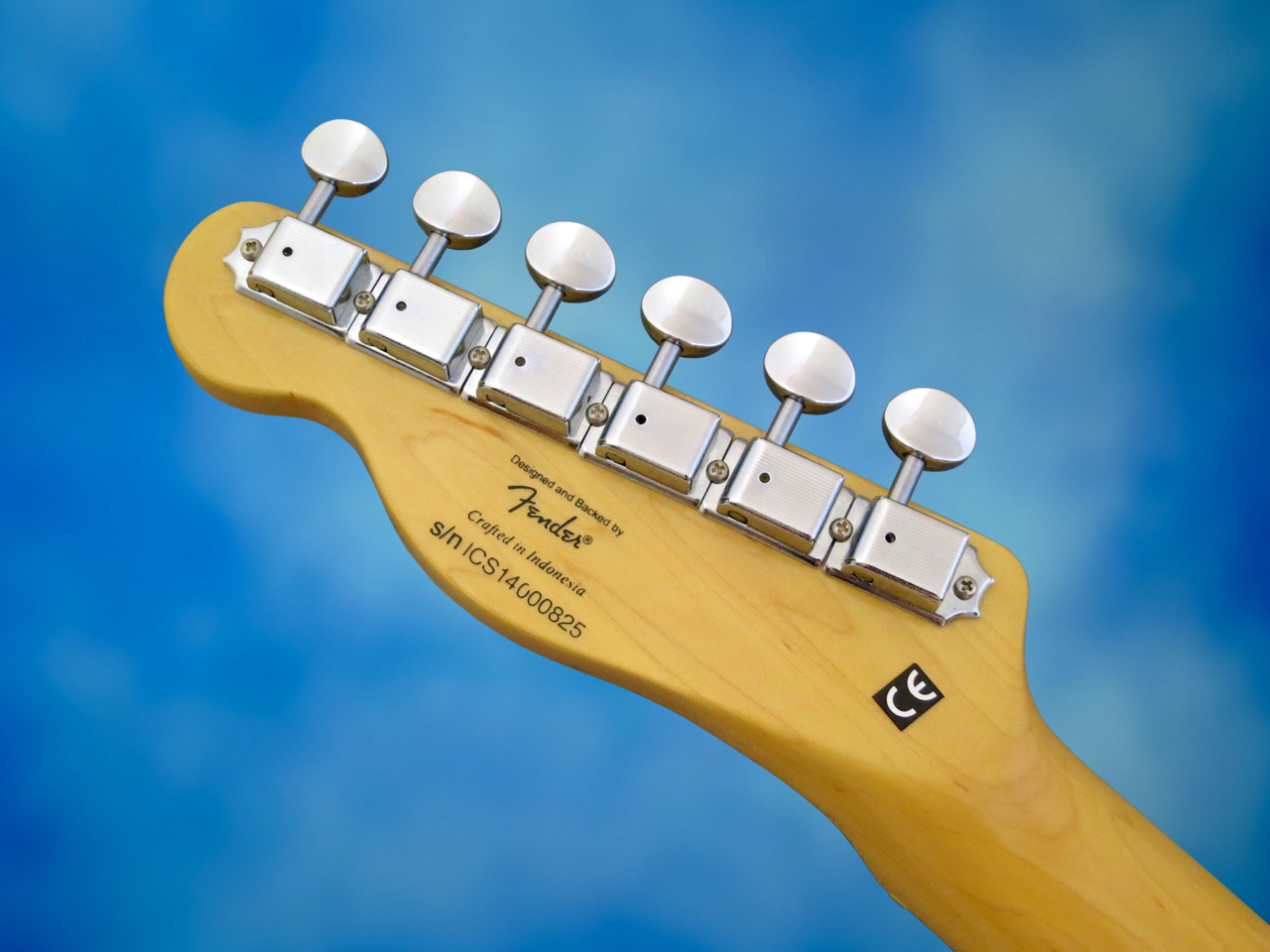
A nice set of lightly-aged Klusons takes care of tuning duties on this J. Leachim model.
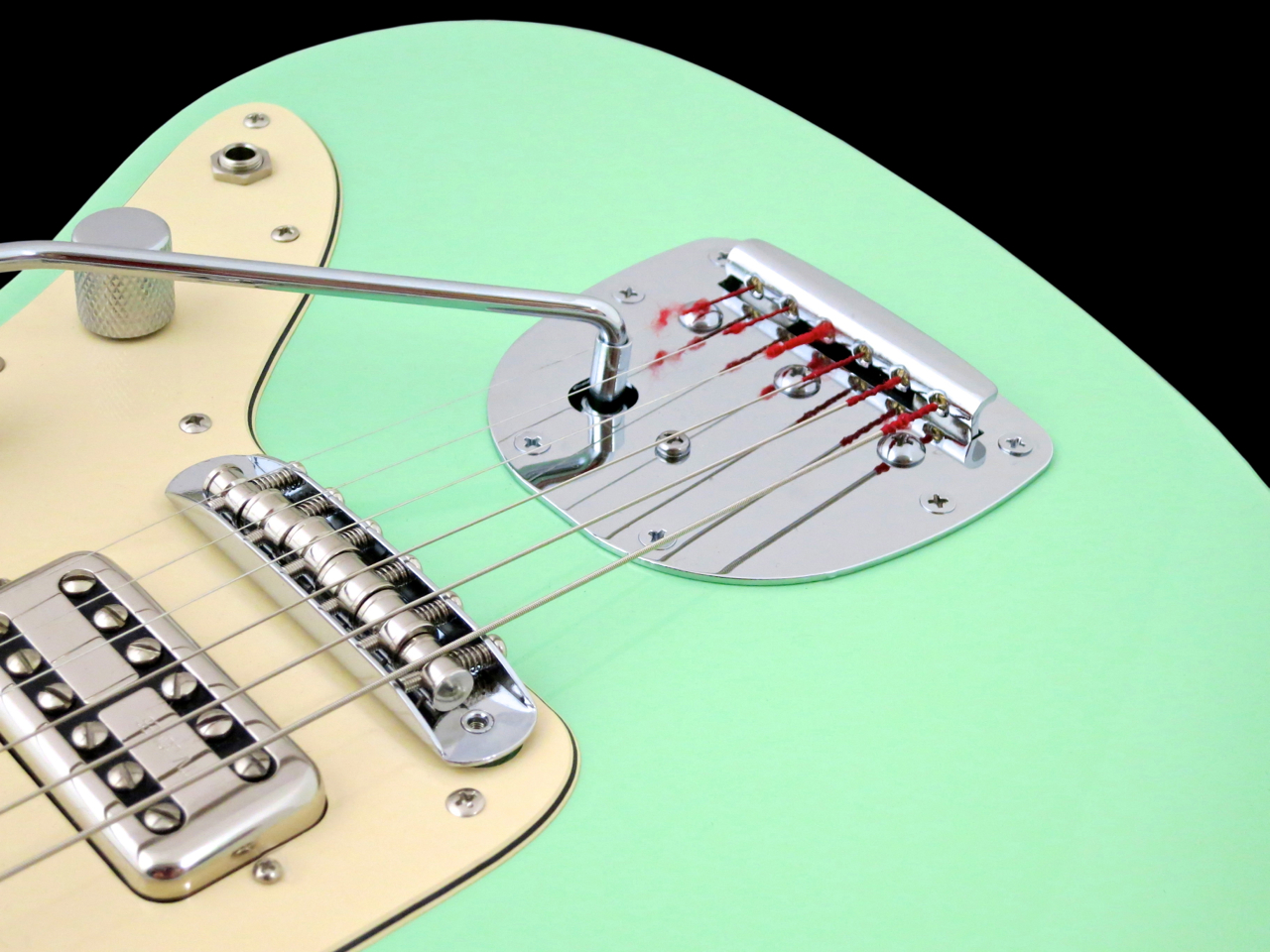
J Leachim Jazzcaster – bridge

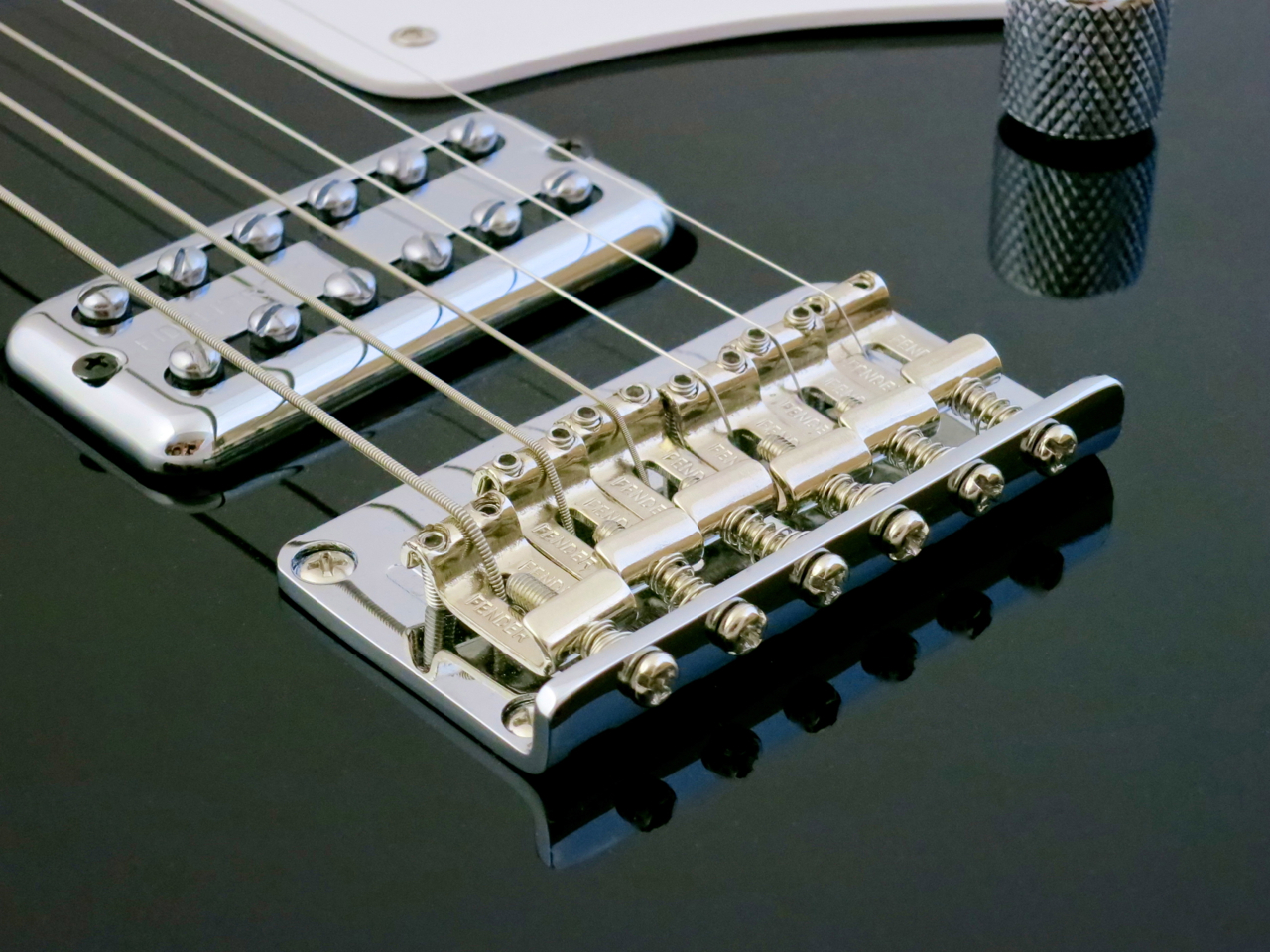
The Jazzcaster’s bridge and vibrato tailpiece have both been sourced from WD Music:

The vibrato is a version of the Fender Jazzmaster/Jaguar-vibrato, albeit without the original’s lock-off mechanism. The original locking mechanism is notoriously difficult to set up properly, so leaving it off is actually a good thing (in the view of most guitarists).

Many guitarists today dislike the original Jazzmaster-bridge, too, because the individual height-adjustment screws on the bridge saddles tend to work themselves loose with modern (light gauge) strings. Originally, this bridge – as well as the vibrato – has been designed to work with the stiffer string sets of the late 1950s (mostly 012 or 013 sets). With a set of 010s or 009s the Jazzmaster-bridge’s adjustment screws tend to rattle a lot.

Many modern makers – like J. Leachim Guitars – substitute the Jazzmaster-bridge with a Fender Mustang-bridge for this very reason. The Mustang-bridge is a direct replacement, and it uses differently sized bridge saddles to preset the fretboard radius permanently, so nothing can work itself loose and rattle.
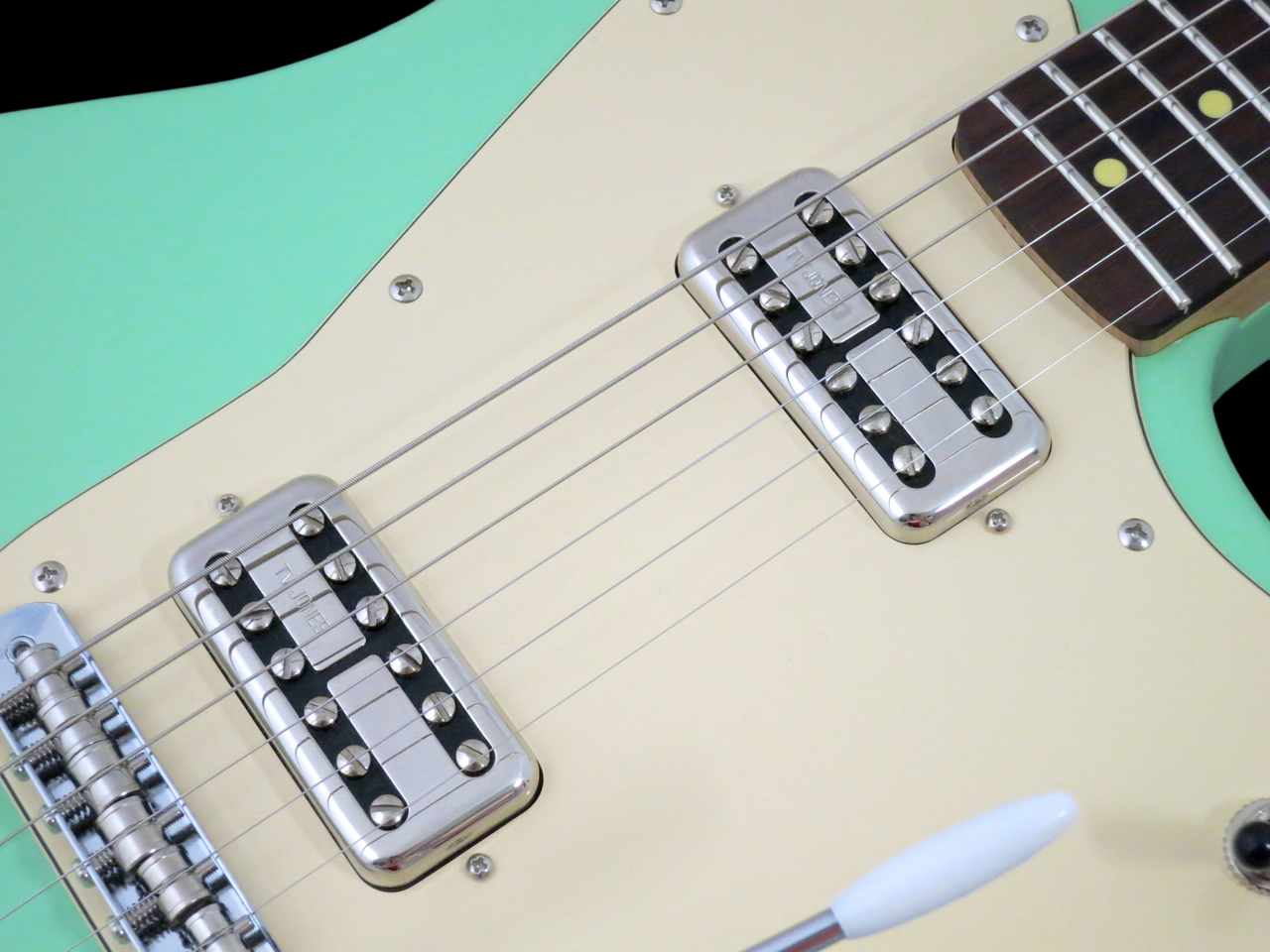
J Leachim Jazzcaster – pickups

Gretsch Filtertron-style pickups are the ”in” thing at the moment.

J. Leachim’s Jazzcaster comes with a pair of TV Jones-pickups – there’s a vintage-type TV Classic in the neck position, and a more powerful Powertron model placed near the bridge.

J Leachim Jazzcaster – controls

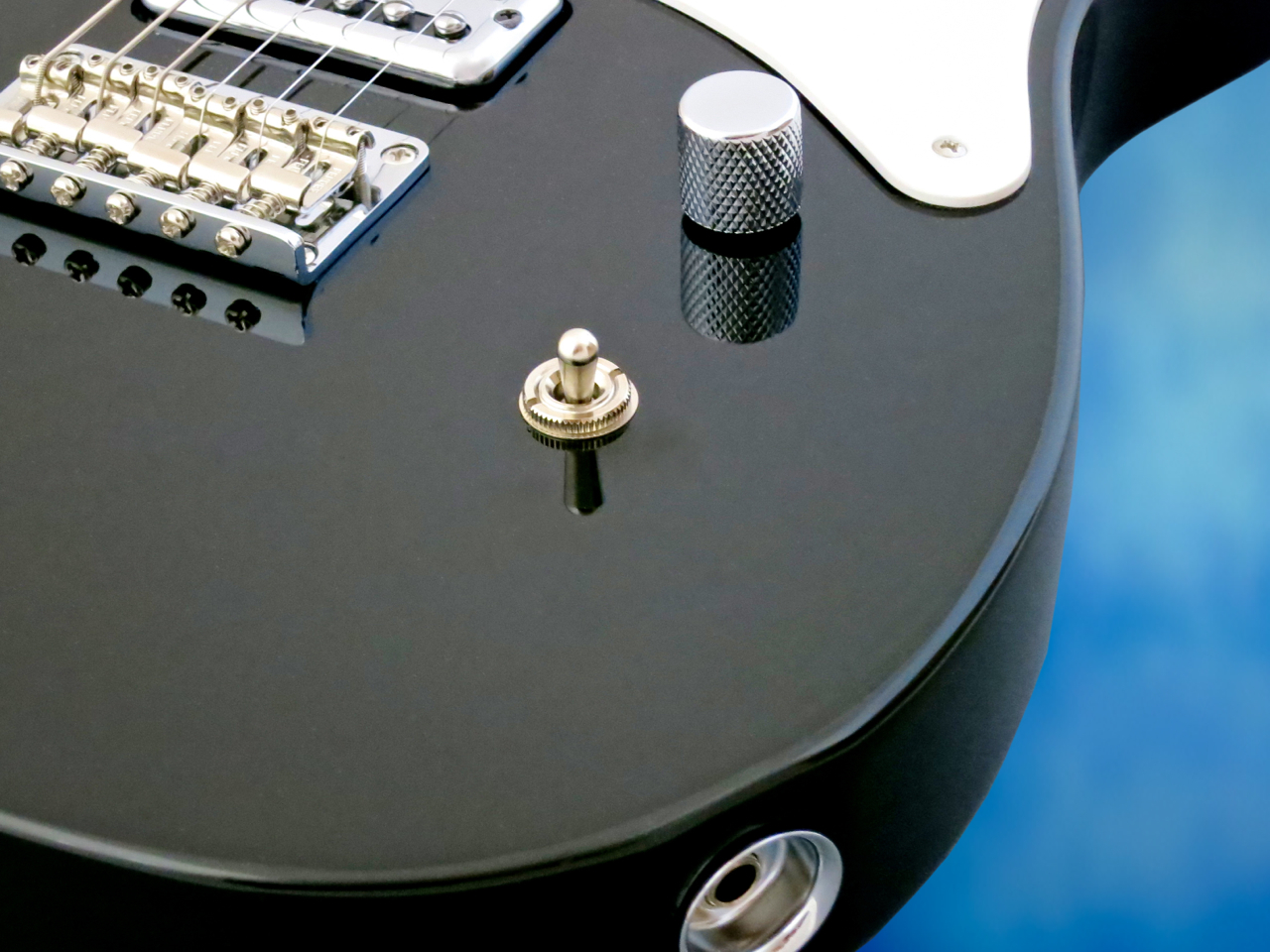
The customer who ordered this particular Jazzcaster specified a reverse tone control (working clockwise), so this is what can be found on this instrument.

J. Leachim Guitars use a stereo phone jack, which keeps a firmer grip on the guitar lead’s plug, as well as making sure you always have a good connection to ground.

****
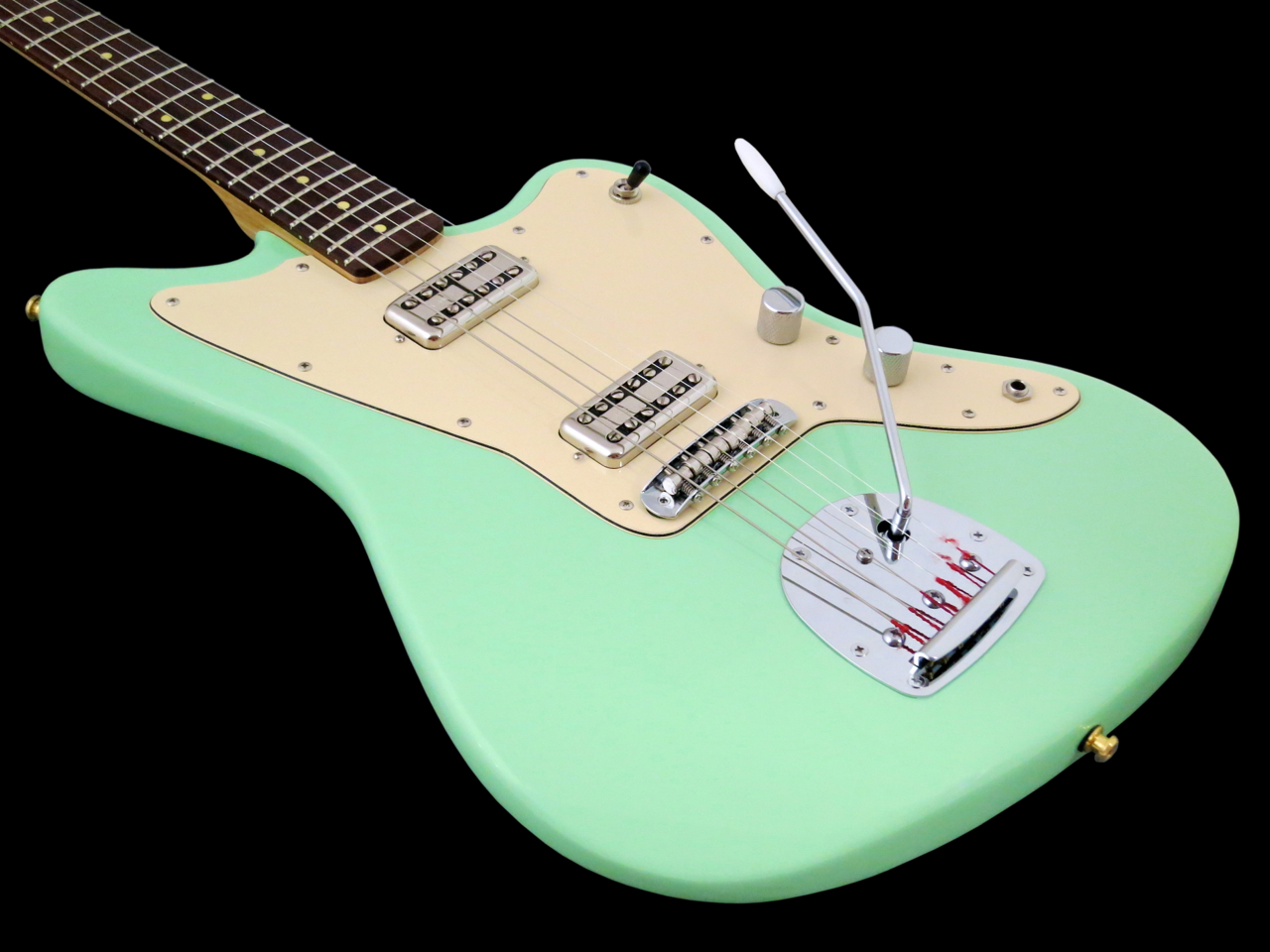
J Leachim Jazzcaster – body beauty 2

In my view, the J. Leachim Jazzcaster very successfully blends the ergonomics of the Jazzmaster body with a Gretschy tone. Thanks to its very smooth Jazzmaster-vibrato, the JLG Jazzcaster has a more open sound than, for example, a Cabronita Telecaster.

The Jazzcaster plays like a dream, as long as you’re willing to live with the typical, well-known compromises of the Jazzmaster/Jaguar-vibrato.

With modern, slinky strings, big bends – especially, when played higher up the neck – can quite easily make the high e-string jump out of its bridge groove. In a way this isn’t so much a fault, but more of a feature of this vibrato system, because the strings cross the bridge at a relatively shallow angle. With the stiff string sets of the late Fifties the system works fine, but for huge Blues bends with a contemporary 010-gauge set you should maybe invest in an additional bridge roller.

I would like to see a smoother taper on the tone control, though. On the review instrument the treble roll-off was more a matter of on or off, with everything happening right at the end of of the knob’s travel.

The Jazzcaster has a beautiful acoustic tone, with a bell-like ring and an open, yet firm body.

TV Jones’ acclaimed Filtertron-style pickups seem like a perfect fit for this model, adding a good deal of chime and twang, without sounding too bright or biting. Being humbuckers, the TV Jones pickups are also immune against hum and buzz, unlike a traditional Jazzmaster’s singlecoil units, which are not a million miles removed from a Gibson P-90.

This clip gives you an idea of the J. Leachim Jazzcaster’s clean sounds (starting with the neck pickup):

When plugged into an overdriven channel, the Jazzcaster wins you over with a chunky, aggressive and compact voice, which is just the ticket for Seventies-style Rock or Punk. Famous Filtertron-users in the Rock genre include AC/DC’s original rhythm guitarist Malcom Young, and the Who’s Pete Townshend, who frequently used Gretsch guitars as his ”secret weapon” in the studio.

Here’s the track from the Youtube-video – ”Seabird Flavour (Homage to Peter Green)”:

There are three rhythm parts – left channel (neck pickup), centre (neck pickup), and right channel (both pickups) – as well as the lead part, which uses both pickups (and the vibrato tailpiece).

J Leachim Jazzcaster – body beauty

****

J Leachim Jazzcaster – beauty shot 2

In my view, J. Leachim’s Jazzcaster is a beautiful, and very well-made, Fender-inspired guitar, with a sound that’s all its own. You could think the Jazzcaster was only for Jazz or Country, but in reality this fine guitar covers a much wider area of musical styles.

In any case, J. Leachim Guitars is yet another Finnish guitar brand worth keeping on your radar.

****

J. Leachim Guitars Jazzcaster

Price approx. 1,300 € (incl. hard case)

Contact: J. Leachim Music

****

Pros:

+ workmanship

+ finish

+ playability

+ smooth vibrato action

+ sound

Cons:

shallow string angle across bridge (read the review)

tone control could work smoother

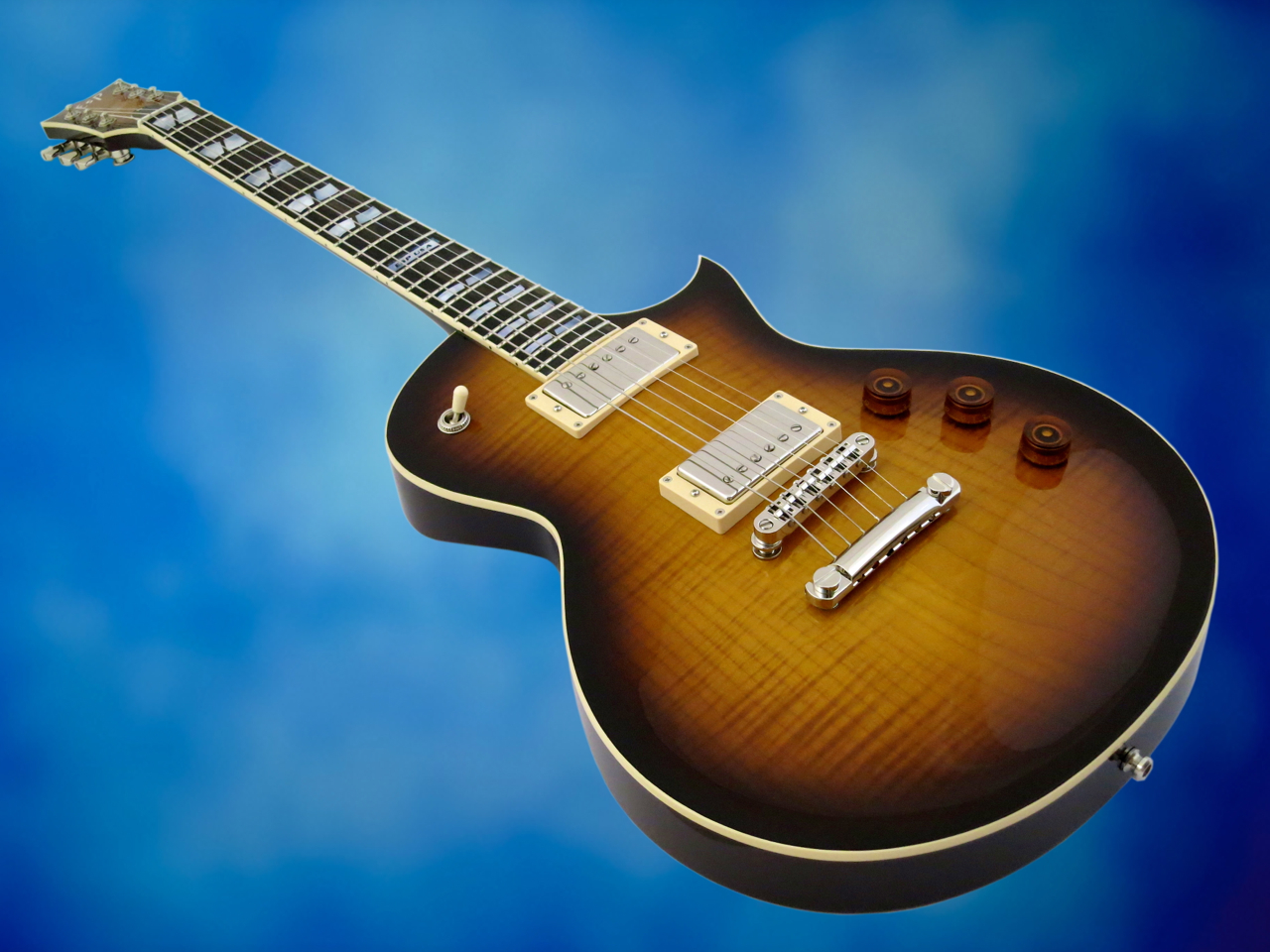
Review: ESP USA Eclipse

ESP USA Eclipse – case

This time we have something very special to feast your eyes on!

Many people may not know this, but ESP Guitars also runs its own, small West Coast workshop in California. The ESP USA factory produces limited numbers of its most popular shapes (currently three models), and its primary goal is to produce the best quality instruments for its customers.

Kitarablogi.com has been lucky to get to take one of these guitars for a spin – the ESP USA Eclipse.

****

ESP USA Eclipse – full front

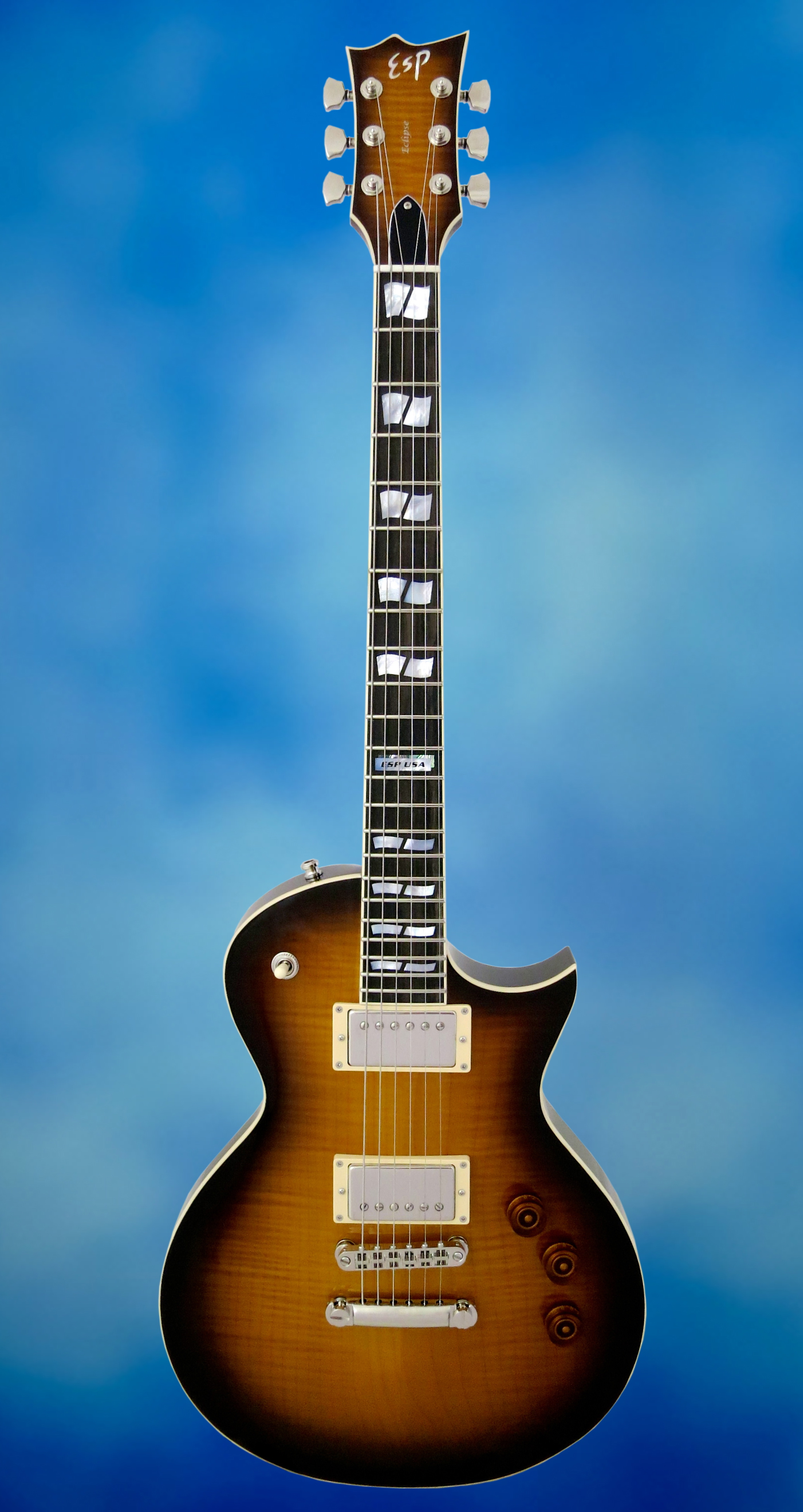
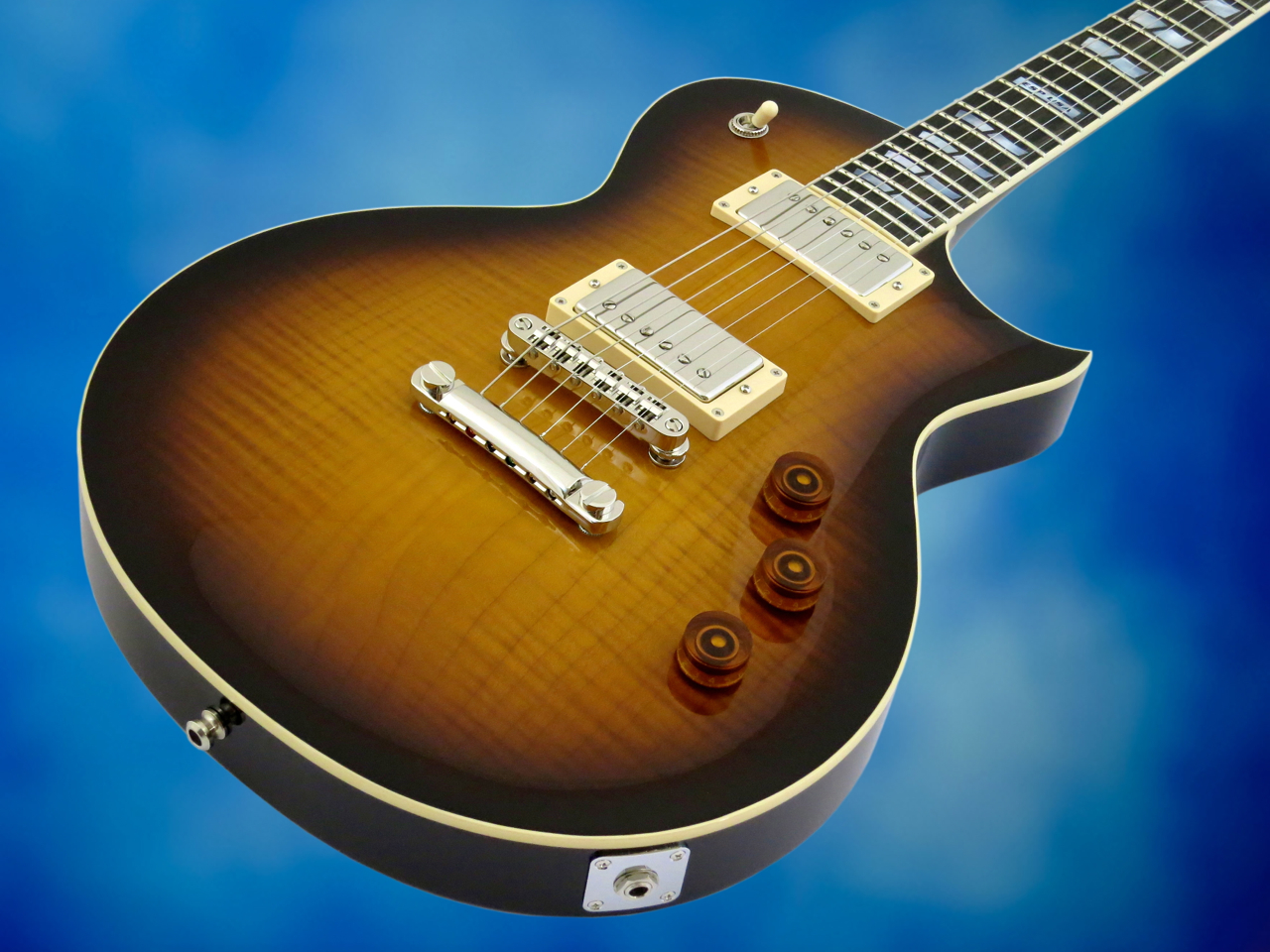
The ESP USA Eclipse (current price in Finland: 3.939 €) is the company’s ultimate version of their popular Eclipse model, using only the best materials and production methods.

ESP USA Eclipse – neck joint

One of the USA Eclipse’s special features is the ESP Set-Thru-Neck, which aims to combine the best attributes of a traditional set neck with the playability advantages of a through-neck.

ESP’s Set-Through-Neck is basically a set neck with a significantly larger tenon (both wider & deeper), which greatly improves the strength of the neck joint. Most set-neck guitars have a tenon which is somewhat narrow and shallow. In the ESP USA’s case, the width of the tenon is as large as the end of fingerboard and is almost as tall as the body. This allows the neck joint to be sculpted like a through-neck with no loss of structural integrity.

The result is a stronger neck joint, which is good for sustain, and it also makes it possible to do away with the traditional neck heel of a standard set-neck, resulting in a very comfortable playing experience.

ESP USA Eclipse – back beauty

The Eclipse’s mahogany body sports a rib cage chamfer for comfort.

ESP USA Eclipse – tuners

The guitar’s tuning is kept rock steady by a set of Sperzel USA locking machine heads.

ESP USA Eclipse – headstock

The bound headstock of the USA Eclipse features a flamed mahogany overlay, finished in the same Tobacco Sunburst finish as the body’s carved maple top.

The top nut has been made from genuine bone.

ESP USA Eclipse – fretboard

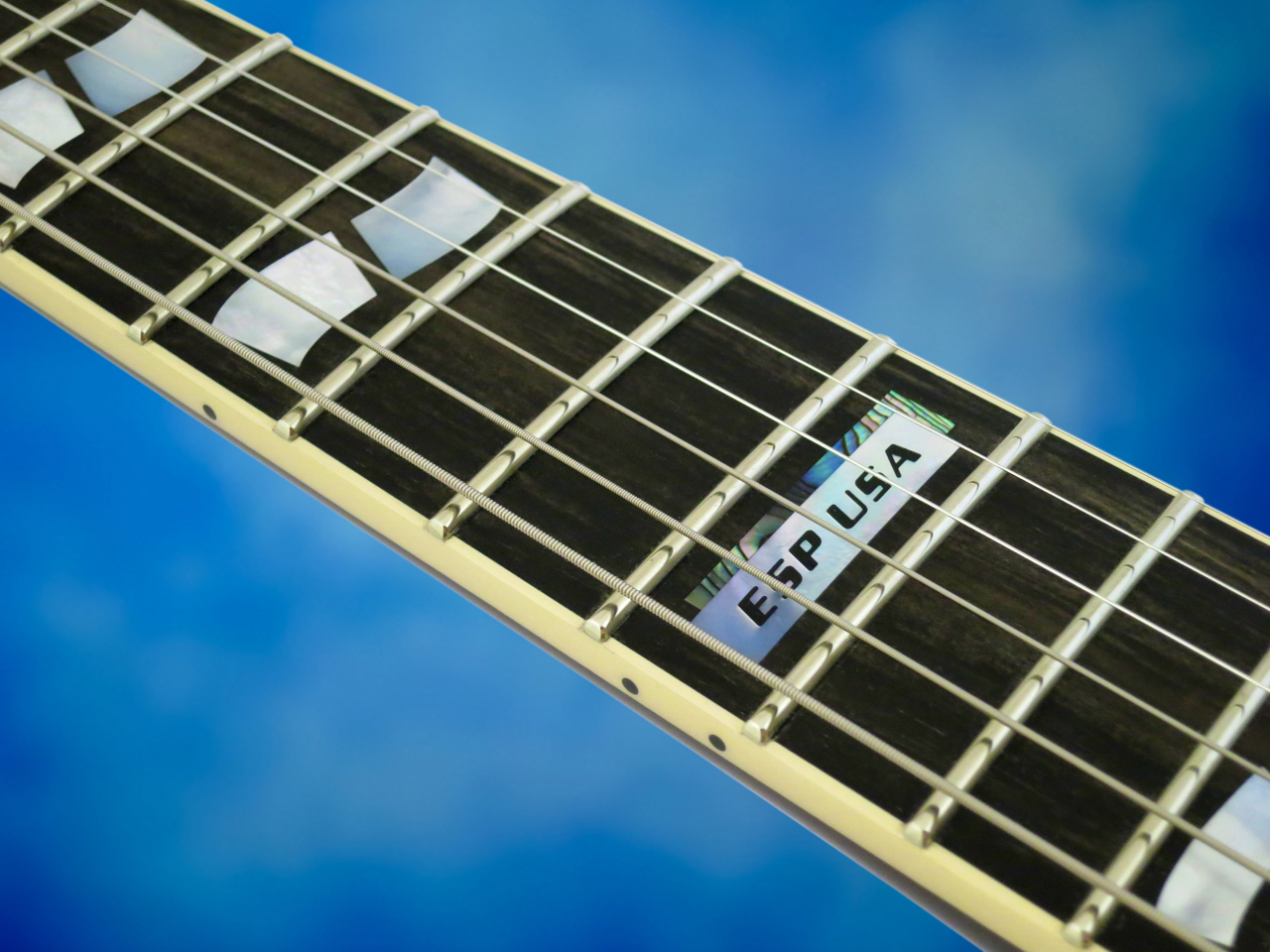
We find a bound ebony fretboard with 22 jumbo frets, adorned with beautiful pearl and abalone inlays.

The fingerboard radius is a flattish 12 inches (305 mm).

ESP USA Eclipse – TonePros bridge

The locking Sperzels are paired at the body end with a rock solid TonePros TOM-bridge and stopbar combo.

ESP USA Eclipse – pickups

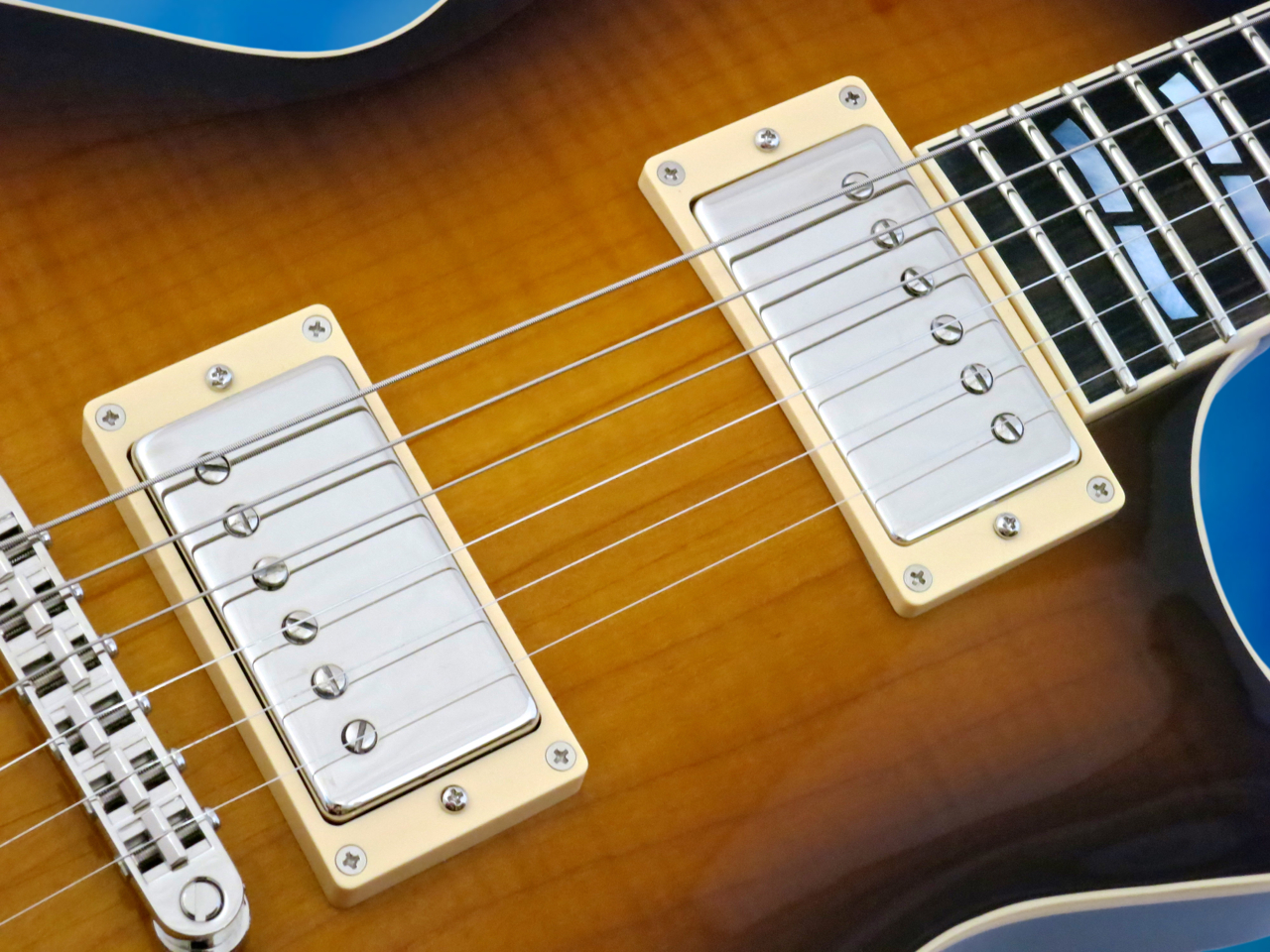
It’s quality all the way in the electronics department, too:

ESP’s USA Eclipse comes equipped with a pair of Seymour Duncan Alnico II Pro humbuckers (APH-1), which are vintage-voiced, warm-sounding pickups with moderate output levels (Slash’s favourites).

ESP USA Eclipse – controls

The control layout on this model has the bridge volume closest to the bridge pickup (for easy volume swells), while the middle knob is the neck volume.

The master tone control features a push/pull-switch splitting the humbuckers in the ”up” position.

ESP USA Eclipse – control cavity

The control cavity has received a layer of shielding paint, as well as a cover lined with aluminium foil.

ESP USA Eclipse – body beauty 2

****

ESP USA Eclipse – beauty shot

This guitar really is a fantastic instrument! The ESP USA Eclipse is top quality incarnate, leaving nothing to be desired.

For a full-depth, Les Paul-inspired guitar the USA Eclipse is refreshingly light.

I don’t quite understand, why ESP insist on calling this neck profile a ”Thin U”. I agree, this neck doesn’t feel like a fat, clumsy baseball bat, but neither is it one of the notorious ”speed necks” of the Eighties. I would call the Eclipse’s rounded D-profile ”extremely comfortable”, and be done with it…

The USA Eclipse offers first-rate playability – light to the touch, offering just the right amount of resistance – across the whole fingerboard.

The vintage-voiced Seymour Duncan Alnico II Pro humbuckers are a perfect fit for this guitar, not least because of their versatility. You can have great-sounding, authentic Jazz tones, if you want, and then rock out without having to change guitars. The split humbucker sounds are very good, too, offering a brighter tonality and lower output levels. The ESP USA Eclipse covers a very wide range of different sounds and musical genres.

Here’s a short clip showing you the split humbucker sounds (starting with the neck pickup):

Next up, a similar clip with the full humbuckers:

In the demo track I have used split settings for the rhythm parts (left channel: both pickups; right channel: neck pickup), as well as the full bridge humbucker for the lead guitar:

ESP USA Eclipse – beauty shot 2

****

ESP USA Eclipse – body beauty

ESP’s USA Eclipse is a boutique grade guitar, backed by a large brand. Some manufacturers may ride on glories past, cashing in on their legendary brands. In contrast, ESP’s USA Eclipse really has the build quality, workmanship, and tone to justify its price tag.

In my view the ESP USA Eclipse is a gorgeous solidbody electric at a fair price.

****

ESP USA Eclipse

3.939 € (hard case included)

Finnish distributor: Musamaailma

****

Pros:

+ value for money

+ workmanship

+ Set-Thru-Neck construction

+ finish

+ splittable humbuckers

+ sound


Testipenkissä: Squier Vintage Modified Cabronita Telecaster

Squier Cabronita Telecaster – beauty shot 2

Kun Fenderin Custom Shop esitteli vuonna 2009 uuden La Cabronita Especial -mallin, kukaan ei olisi varmaan uskonnut, että tästä Telecasterin ja Gretschin ristisiitoksesta tulisi näin suuri hitti.

Mallin suosion ansiosta nähtiin viime vuosina myös edullisempia Fender Cabronitoja, sekä kaksi Squier-versiota (sekä Bigsby-vibralla että ilman).

****

Squier Cabronita Telecaster – full front

Squier Vintage Modified Cabronita Telecaster (hintaluokka noin 300 €) on perusrakenteeltaan melko lähellä perinteistä Telecasteria.

Squier Cabronita Telecaster – back beauty

Squier Cabronitalla on – useasta palasta kasattu – lehmusrunko, sekä klassinen, yhdestä vaahterapalasta veistetty vaahterakaula.

Squier Cabronita Telecaster – headstock

Kaulassa ei ole erillistä otelautaa, vaan soittimen 22 medium jumbo -kokoista nauhaa on asennettu suoraan kaulapuuhun.

Kaularautaan pääsee käsiksi suoraan lavan puolelta.

Squier Cabronita Telecaster – tuners

Squierin virittimiksi on valittu hyvin asiallisia Kluson-kopioita.

Squier Cabronita Telecaster – bridge

Cabronitassa käytetään perinteisen Tele-tallan sijaan kiinteää Stratocaster-tyylistä tallaa kuudella, vintage-tyylisellä peltipalalla.

Squierin edullisuus näkyy siitä, että testisoittimen talla oli asennettu aavistuksen verran vinoon tallamikkiin katsottuna.

Squier Cabronita Telecaster – pickups

Cabronita-konseptin keskiössä ovat Gretsch Filtertron -tyyliset mikrofonit. Squier valmistaa tätä kitaramallia varten omat Filtertron-versiot, nimellä Fideli’Tron.

Squier Cabronita Telecaster – controls

Suoraviivaisena hotrod-soittimena Squier Cabronita tarjoaa ainoastaan kolmiasentoisen mikrofonikytkimen, sekä master volume -säätimen.

Squier Cabronita Telecaster – control + switch

Tämän mallin edullisuus näkyy luonnollisesti sellaisissa yksityiskohdissa kuin esimerkiksi elektroniikan osissa:

Volume-potikka toimii testikitarassa moitteettomasti, mutta mikkivalitsimen vaihtaisin kernaasti luotettavampaan malliin.

****

Squier Cabronita Telecaster – body beauty

Squier Vintage Modified Cabronita Telecaster tarjoaa mielestäni todella reilusti vastinetta hintaansa.

Alle 500 euron sähkökitaroiden soitettavuudessa ja säädössä paljon riippuu aina myös maahantuojasta ja/tai soitinliikkeestä, koska näitä edullisia soittimia ei yleensä voi ripustaa suoraan paketista kitaraputiikin seinälle. Jostakin näiden edullisten hintojen täytyy tulla, ja usein säästetään setupista. Hyvin tavallisia ongelmia tämän hintaluokan kitaroissa ovat epätarkasti säädetty intonaatio, sekä liian iso kielten korkeus yläsatulan kohdalla. Suoraan paketista vedettynä tällainen kitara ei soi puhtaasti. Juuri siksi kannattaa ostaa edullinen soitin oikeasta musiikkiliikkeestä, jossa edullisetkin kitarat säädetään ennen myyntiä soittokuntoon.

DLX Musiikilta saadun testisoittimen kanssa ei ollut (luonnollisesti) tämäntyyppisiä ongelmia, vaan kitaran soittotatsi ja intonaatio olivat hyvin kohdillaan. Testattu Squier Cabronita on kevyt soitin, ja sillä on mukavantuntuinen, C-profiililla varustettu kaula. Kielten venytykset onnistuvat myös 010-satsilla mukavasti, Cabronitan vintagea paksumpien nauhojen, sekä nykyaikaisen otelautaradiuksen (9,5 tuumaa) ansiosta.

Squier Cabronita kuulosta akustisesti enemmän kiinteällä tallalla varustetulta Stratolta kuin perinne-Teleltä, mikä johtuu tämän mallin tallaratkaisusta. Fendereille tyypillinen tuoreus ja ryhti ovat vahvasti läsnä, mutta perinteinen, diskanttikielten Telecaster-twäng puuttuu tästä mallista lähes kokonaan.

Filtertron-mikrofonit ovat eräänlainen erikoistapaus – ne ovat kaksikelaisia humbuckereita, mutta niiltä lähtee hyvin tuore ja tarkka, hyvin singlecoil-tyylinen soundi. Selkeys ja kirkkaus ovat ne tärkeimmät avainsanat näiden mikkien kanssa.

Squierin omat Fideli’Tron-mikrofonit kuulostavat oikein hyviltä. Puhtaissa soundeissa kuuluu selvästi jokaisen nuotin atakki ja soinnuissakin kielet pysyvät hyvin eroteltavina (aloitetaan kaulamikrofonilla):

Särösoundeissa taas Fideli’Troneissa on aimo annos erittäin herkullista röyhkeyttä ja purevuutta:

Lopuksi vielä Youtube-video audioraita:

Squier Cabronita Telecaster – body beauty 2

****

Squier Cabronita Telecaster – beauty shot

Minun mielestäni Squier Cabronita Telecaster on oikein mainio edullinen versio Fenderin suositusta Custom Shop -mallista, ja minulle erittäin mielekäs uusi tuttavuus. Tämän Squierin perusasiat – kaiken edellä Cabronitan hyvä nauhatyö, sekä kitaran soundi – ovat kunnossa. Tämä malli tarjoaa edullisesti hauskan ja hieman ronskimman version perus-Telestä, josta jää todella hyvä jälkimaku.

****

Squier Vintage Modified Cabronita Telecaster

noin 300 €

Lisätiedot: Fender

Kiitos DLX Musiikille testisoittimen lainaamisesta!

****

Plussat:

+ hinta-laatu-suhde

+ nauhatyö

+ soitettavuus

+ soundi

Miinukset:

– talla asennettu hieman vinosti

– naksahteleva mikkikytkin

Testipenkissä: J. Leachim Guitars Jazzcaster

JLeachim 2

J Leachim Jazzcaster – beauty shot – black

Riihimäkiläistä J. Leachim Guitarsia voisi kutsua Suomen vastineeksi amerikkalaiselle Nash Guitarsille. Samoin kuin Nash Guitarsissa myös JLG:ssäkään ei rakenneta soittimia suoraan raa’asta puusta, vaan firmassa keskitytään puolivalmiiden runkojen ja kaulojen viimeistelyyn, osien relikointiin (jos toivottu), sekä kitaroiden kokoamiseen.

Saimme J. Leachimin pomolta, Jan Merivirralta, juuri valmistuneen Jazzcaster-mallin, joka on yksi firman ei-relikoiduista soittimista.

****

J Leachim Jazzcaster – full front – final med

J. Leachim Guitarsin Jazzcaster (hintaluokka noin 1.300 €; kova laukku kuuluu hintaan) on mielenkiintoinen ja tutunoloinen yhteentörmäys eri klassikkokitaroiden aineksista:

Jazzcasterin kaula on Northwest Guitarsilta hankittu nykyaikainen Tele-kaula jumbonauhoilla, sekä (alkuperäistä hieman loivemmalla) 9,5-tuumaisella otelaudan radiuksella.

Erittäin kevyt suosaarnirunko tulee Guitarbuildin valikoimasta, ja siihen on lisätty J. Leachimin pajassa oikean mittaiset kolot Filtertron-tyypisille mikeille.

J Leachim Jazzcaster – neck joint

J. Leachimissä tiedetään ilmiselvästi miten nitrolakkaa käytetään oikein:

Rungon erittäin ohut, kiiltävä Surf Green -viimeistely on suorastaan herkullisen näköinen, kun taas kaulan satiinipinta tuntuu todella mukavalta.

J Leachim Jazzcaster – headstock

Jazzcasterin nauhatyö on kiitettävällä tasolla. Ruusupuiseen otelautaan on asennettu 21 jumbo-kokoista nauhaa.

Soittimen satula on aitoa naudanluuta. Satulan ulkoreunojen kulmikkuus on pelkästään kosmeettinen makuasia, joka ei ainakaan minua haittaa pätkäkään.

J Leachim Jazzcaster – tuners

Tässä J. Leachim soittimessa käytetään hienoja – ja kevyesti vanhoitettuja – Kluson-virittimiä.

J Leachim Jazzcaster – bridge

Jazzcasterin talla ja vibrato tulevat WD Musicilta:

Vibrato on firman versio Fenderin Jazzmaster/Jaguar-vibrasta. Tarkkasilmäinen lukija on varmaan jo huomannut, että tässä versiossa alkuperäinen lukitusnappi puuttuu. Monien mielestä tämä on kuitenkin hyvä asia, koska alkuperäisen Fender-vibran lukitusmekanismi on melko hankala säätää toimivaksi.

Nykykitaristeille alkuperäinen Jazzmaster-tallakin on usein harmaiden hiuksien aiheuttaja. Tallapalojen yksittäiset säätöruuvit toimivat nimittäin suhteellisen hyvin ainoastaan 1950-luvun paksuilla kielisatseilla. Kevyillä nykysatseilla pikkuruiset säätöruuvit alkavat usein löystyä omatoimisesti soiton aikana, ja räminä voi alkaa.

Helpoin lääke tähän ongelmaan on käyttää Jazzmaster-tallan sijaan Fender Mustang -kitaran tallaa – se on muuten samanlainen, mutta Mustang-tallassa otelaudan kaarevuutta kompensoidaan eripaksuisilla tallapaloilla.

J Leachim Jazzcaster – pickups

Gretsch Filtertron -tyyliset humbuckerit ovat tällä hetkellä erittäin ”in”.

J. Leachim Jazzcasteriin on asennettu kaksi TV Jones -mallia – vintage-tyylinen TV Classic on valittu kaulamikrofoniksi, kun taas tallamikrofonina toimii selvästi alkuperäistä tuhdimpi Powertron.

J Leachim Jazzcaster – controls

Tilaajan toiveesta tässä Jazzcasterissa on käänteisesti toimiva tone-potikkaa.

J. Leachim Guitarsin stereojakki pitää plugia tiukasti paikoillaan ja lisää maadoituksen toimintavarmuutta.

****

J Leachim Jazzcaster – body beauty 2

Tämä Jazzcaster-kitara yhdistää onnistuneesti Jazzmasterin ergonomiaa ja soitettavuutta Gretsch-maiseen soundiin. Sulavasti toimivan vibran ansiosta J. Leachim -kitaran soinnissa on kuitenkin hieman enemmän avoimuutta kuin sellaisissa risteyksissä kuin esimerkiksi Cabronita Teleissä.

Jazzcasterin soitettavuus on ensiluokkaista, kun vaan ottaa huomioon Jazzmaster- ja Jaguar-faneille tutut rajoitukset:
Nykyaikaisilla (lue: ohuilla) kielillä suuret Blues-venytykset (etenkin ylänauhoilla) nostavat usein korkean e-kielen ulos tallapalan uralta. Tämä on enemmän ominaisuus kuin vika, koska Jazzmaster-vibra – jossa kielet menevät tallan yli suhteellisen loivassa kulmassa – on suunniteltu 1950-luvun lopussa käytettäväksi hiotun 013-kielisatsin kanssa. Isot bendaukset 010-satsilla onnistuvat tällä vibratolla esimerkiksi asentamalla vibratoon kieliä alas vetävän lisärullan.

Ainoa pieni kritiikkikohta koskee tässä kitarassa tone-säätimen toimintaa, jossa diskantin vaimennus tapahtuu vasta ihan liikeradan lopussa.

Jazzcasterin kaunis akustinen ääni on kellomaisen helisevä ja hyvin avoin, muttei missään nimessä liian kevyt.

TV Jonesin Filtertron-tyyliset mikrofonit ovat mielestäni todella hyvä valinta tähän malliin, koska ne lisäävät soundiin oman twänginsä, joka on kuitenkin vähemmän pureva kuin esimerkiksi perinteinen Telecaster-tallamikki. Kaksikelaisina TV Jonesit ovat myös hyvin immuuneja ulkoisia häiriöitä vastaan, jotka voivat olla tavallisissa Jazzmaster-mikrofoneissa oikea riesa.

Tässä esimerkkejä J. Leachim Jazzcasterin puhtaista soundeista (alkaen kaulamikrofonista):

Särön kanssa Jazzcasterista lähtee loistavan ärhäkkä ja sopivan kompakti ääni, joka sopii mainiosti jopa 1970-luvun Rockiin ja Punkiin. Tunnetuin Filtertron-käyttäjä Rock-piireissä on ollut varmaan AC/DC:n Malcom Young. Myös Pete Townshend (The Who) käytti 70-luvulla usein Gretsch-kitaroita Filtertron-mikeillä ”salaisena aseena” studiossa, juuri niiden erikoisen särösoundin takia.

Viimeiseksi vielä videon ääniraita – ”Seabird Flavour (Homage to Peter Green)”:

Biisissä on kolme komppikitaraa – vasen kanava (kaulamikki), keskellä (kaulamikki) ja oikea kanava (molemmat yhdessä) – sekä molempia mikrofoneja (ja myös vibratallaa) käyttävä soolokitara.

J Leachim Jazzcaster – body beauty

****

J Leachim Jazzcaster – beauty shot 2

J. Leachim Jazzcaster on mielestäni hyvin kaunis ja laadukas Fender-henkinen kitara omalla soundilla ja virtaviivaistetulla elektroniikalla. Ensisilmäyksellä Jazzcasteria voisi ehkä lokeroida pelkäksi Jazz- ja Country-kitaraksi, mutta todellisuudessa kitaran soundilliset antimet kattavat huomattavasti laajemman kirjon musiikkityylejä.

J. Leachim Guitars on joka tapauksessa yksi suomalainen tekijä lisää, jota tästedes kannattaa pitää silmällä.

****

J. Leachim Guitars Jazzcaster

Hintaluokka 1.300 € (sis. kovan laukun)

Lisätiedot: J. Leachim Music

****

Plussat:

+ työnjälki

+ viimeistely

+ soitettavuus

+ pehmeästi toimiva vibrato

+ soundi

Miinukset:

– kielten loiva kulma tallan yli (katso teksti)

– tone-säätimen ”jyrkkyys”

Testipenkissä: ESP USA Eclipse

ESP USA Eclipse – case

Tällä kertaa on tarjolla todella harvinaista herkkua!

Vaikka moni kitaristi sitä ei tiedä, on ESP Guitarsilla myös pieni custom-paja USA:n länsirannikolla. ESP USA rakentaa ESP-artisteille tarkoitettujen custom-soittimien lisäksi myös muutamia kitaramalleja piensarjatuotannossa. Tällä hetkellä maailmalle lähtee alle 20 kitaraa kuukaudessa, ja testaajan suureksi iloksi yksi niistä saapui hiljattain Suomeen – ESP USA Eclipse.

****

ESP USA Eclipse – full front

ESP USA Eclipse (3.939 €) on firman ultimatiivinen versio Eclipse-mallista, jossa käytetään vain parhaita raaka-aineita, osia ja rakennusmenetelmiä.

ESP USA Eclipse – neck joint

Yksi USA Eclipsen erikoisuuksista on ESP:n Set-Thru-Neck-kaulaliitos, jossa yhdistetään liimaliitoksen ja kokonaan rungon läpi menevän kaulan parhaita ominaisuuksia.

Firman Set-Thru-liitoksessa on kyse erittäin syvästi ulottuvasta liimaliitoksesta. Kun perinteisissä liimaliitoksissa kaulan kieleke ulottuu kaulahumbuckerin alle, jatkuu USA Eclipsen tapauksessa kaulan mahonki vaahterakannen alla ihan tallaan saakka.

Tästä syntyy – ainakin teoriassa – lujempi kaulaliitos ja sen seurauksena pidempi sustain-vaihe. Samalla Set-Thru-liitos mahdollistaa myös erittäin sulavan liitoskohdan ilman kaulankorkoa.

ESP USA Eclipse – back beauty

Eclipsen mahonkirunkoon on lisätty oiva mukavuusviiste.

ESP USA Eclipse – tuners

Vireen suhteen ei jätetä mitään sattumaan varaan, kun lapaan on asennettu Sperzel-lukkovirittimiä.

ESP USA Eclipse – headstock

USA Eclipsen reunalistoitetun lavan etupuolen loimuvaahteravaneri on viimeistelty samaan Tobacco Sunburst -väritykseen kuin rungon vahvasti kaareva vaahterakansi.

Tämän kitaran satula on veistetty aidosta naudanluusta.

ESP USA Eclipse – fretboard

Reunalistoitettuun eebenpuuotelautaan on asennettu 22 jumbo-kokoista nauhaa, sekä upeat upotukset aidosta helmiäisestä.
Otelautaradius on suhteellisen loivat 12 tuumaa (305 mm).

ESP USA Eclipse – TonePros bridge

Rungon puolella on Sperzel-virittimien aisapariksi valittu Tone Prosin lukittava Tune-o-matic-talla ja palkkimainen kieltenpidin.

ESP USA Eclipse – pickups

Erittäin laadukas linja jatkuu myös mikrofonien suhteen:

ESP USA Eclipse on varustettu kahdella Seymour Duncan Alnico II Pro -humbuckereilla (APH-1), jotka ovat vintage-tyyliset, lämpimät mikrofonit (ja esimerkiksi Slashin lempimikit).

ESP USA Eclipse – controls

Tämän mallin volume-potikat toimivat niin, että tallan lähellä oleva potikka vaikuttaa tallamikrofoniin, ja keskimmäinen säädin on varattu kaulamikille.

Master tone -säätimeen on piilotettu nostokytkin, jolla voi puolittaa molemmat mikrofonit.

ESP USA Eclipse – control cavity

Kitaran laadukas, passiivinen elektroniikka on suojeltu ulkoisilta häiriöiltä grafiittipitoisella maalilla, sekä alumiinifoliolla vuoratulla kannella.

ESP USA Eclipse – body beauty 2

****

ESP USA Eclipse – beauty shot

Tämä kitara on kerrassaan mahtava soitin! ESP USA Eclipse suorastaan huokuu aitoa laatua, eikä todellakaan jätä minkäänlaista toivomiseen varaa.

Täyspaksuiseksi LP-tyyliseksi kitaraksi USA Eclipse on mukavan kevyt.

En ymmärrä miksi ESP kutsuu tämän soittimen erittäin mukavaa kaulaprofiilia ”Thin U:ksi”. On totta, että Eclipsen mukavan pyöreä D-profiili ei tunnu lainkaan paksulta pesäpallomailalta, mutta – onneksi – tämä kaula ei myöskään ole 1980-luvun ohuen ohut ”vauhtikaula”. Erittäin mukavaksi minä kutsuisin tätä kaulaa…

Jenkki-Eclipsen soitettavuus on mielestäni ensiluokkaista – kevyt, muttei löysä – ja kitara soi puhtaasti ja kauniisti koko otelaudassa.

Seymour Duncanin vintage-tyyliset Alnico II Pro -humbuckerit sopivat tähän soittimeen täydellisesti, juuri niiden monipuolisuuden ansiosta. Hyvin maltillista lähtötehoa omaavat humbuckerit toimivat yhtä loistavasti puhtaaseen perinne-Jazziin kuin rankkaan särökäyttöönkin. Myös puolitettujen mikrofonien sointi on erittäin käyttökelpoinen, minkä ansiosta USA Eclipse kattaa hyvin laajan alueen soundeja ja musiikkityylejä.

Ensimmäisessä klipissä kuullaan puolitettujen humbuckerien puhtaita soundeja (alkaen kaulamikistä):

Toisessa audioklipissä taas soivat täydet humbuckerit:

Demobiisissä vasemmalta tuleva komppikitara käyttää molempia puolitettua mikrofonia yhdessä, kun taas oikealta tulevissa wah-osuuksissa soi puolitettu kaulamikki yksin. Särökitara käyttää täyttä tallamikrofonia:

ESP USA Eclipse – beauty shot 2

****

ESP USA Eclipse – body beauty

ESP USA Eclipse on suuren valmistajan oma boutique-luokan huippusoitin. Toisin kuin joissakin perinnemerkeissä, USA Eclipsen tapauksessa hintalappu on suorassa yhteydessä tämän soittimen laatuun, eikä pelkästään brändi-imagoon.

ESP USA Eclipse on mielestäni loistosoitin, jossa hinta ja laatu ovat selvästi sopusuhteessa.

****

ESP USA Eclipse

3.939 € (kova laukku sisältyy hintaan)

Maahantuoja: Musamaailma

****

Plussat:

+ hinta-laatu-suhde

+ työnjälki

+ Set-Thru-Neck-kaula

+ viimeistely

+ mikrofonien puolitus

+ soundi

NAMM 2015 – Blackstar ID:Core Beam

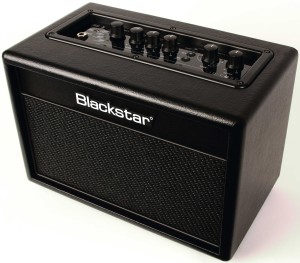
Blackstarin mielenkiintoisin uutuustuote on nimeltään Blackstar ID:Core Beam – se on Bluetooth-vahvistin efekteillä.

ID:Core Beamilla (arvioitu hinta noin 299 €) voi soittaa akustista kitaraa, sähkökitaraa tai bassoa, sekä kuunnella musiikkia langattomasti suoraan mobiililaitteesta tai tietokoneelta! Uudessa Blackstarissa on 12 eri vahvistinmallinnusta, 20-wattinen stereovahvistin, tyylikäs retro-ulkoasu, 12 efektiä, ISF-toiminto, 12 muistipaikkaa omille soundeille, viritysmittari, usb-lähtö, linjatulo, sekä lähtö kaiutinmallinnuksella. Blackstar Insider -softalla voi jakaa omia soundeja muiden käyttäjien kanssa.

Maahantuoja: Musamaailma

blackstar_id_core_beam_bluetooth_angle

Review: Boss Waza Craft BD-2W + SD-1W

bd-2w_angle_zoom_gal

sd-1w_side_zoom_gal

Boss’ Waza Craft pedals are the company’s brand-new all-analogue, top-of-the line compact effects. The Waza Craft range has been designed to give the quality-conscious guitarist the full boutique-pedal experience in the well-loved Boss format.

The Japanese word ”waza” can be translated as art, artistry or technology, and hints at the fact that the three new pedals (the overdrives reviewed here, plus the DM-2W delay) are a return to old-school, all-analogue circuitry, and that the effects are factory-modded for your convenience.

****

bd-2w_top_gal

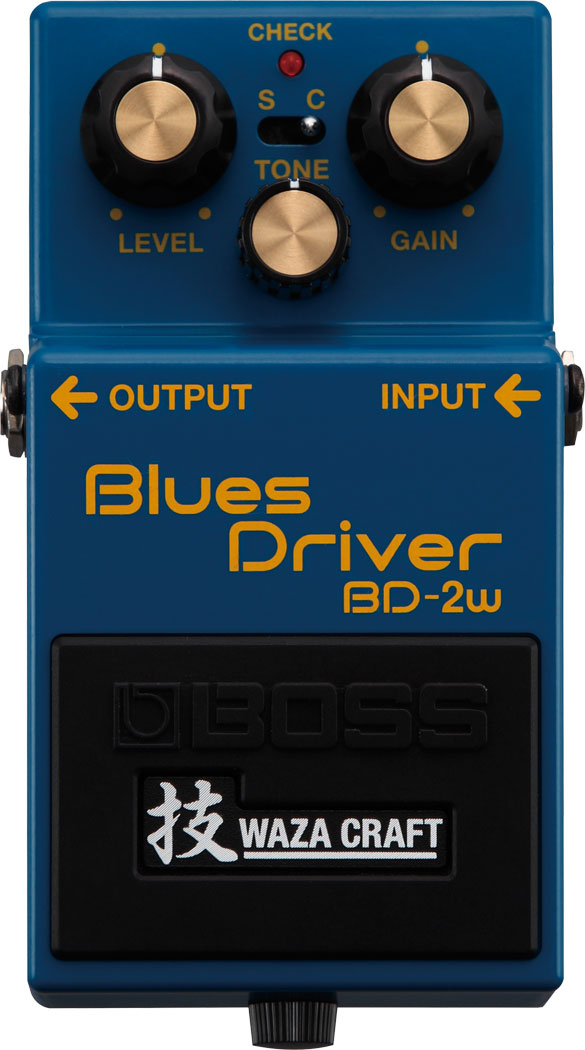
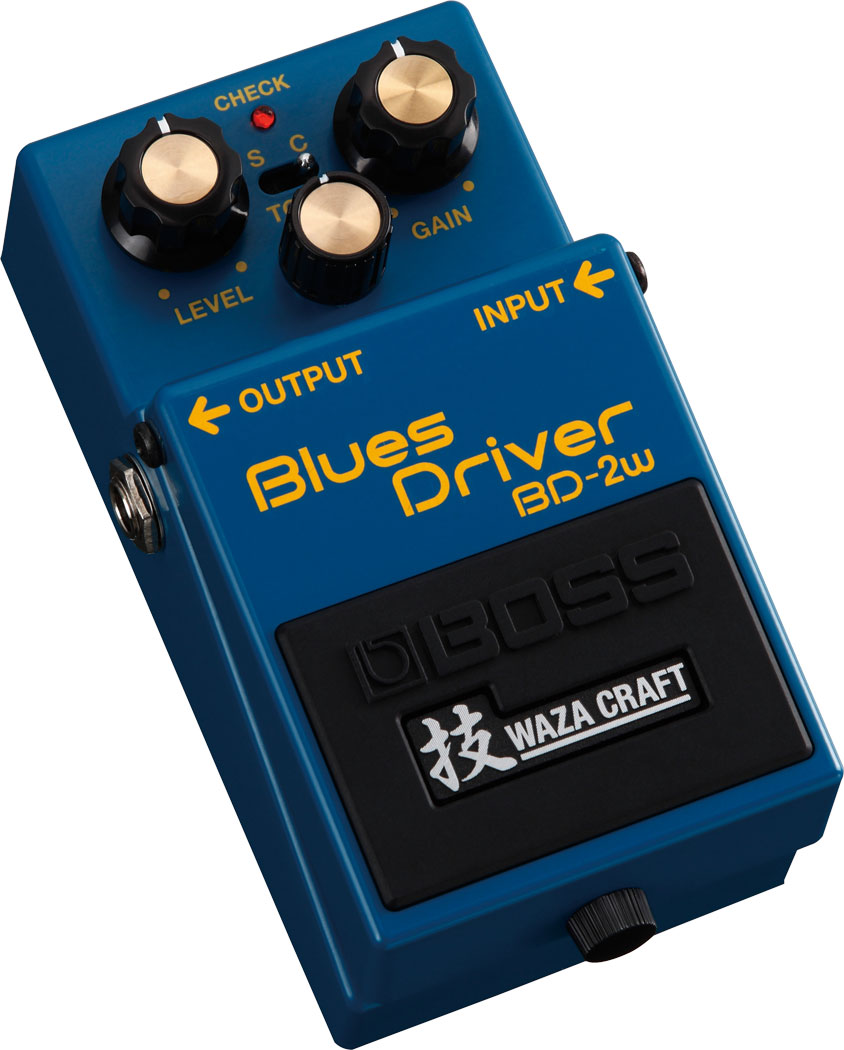
The Boss Blues Driver BD-2W Waza Craft (current price in Finland around 155 €) is a ”waza-treated” update of the popular Blues Driver overdrive.

In the late 1970s Boss came up with the now-legendary, compact guitar pedal format, which has since become an industry standard. The typical Boss pedal is made from a cast metal casing with the quick-access battery compartment tucked away beneath the pedal’s switch flap.

The BD-2W comes with the standard three controls for Gain, Tone and Level.

The Waza Craft range’s special feature lies in their twin mode set-up. You can use the mini-switch to toggle between Standard- and Custom-mode. Standard will give you a boutique version of the regular Boss Blues Driver experience, while Custom ups the ante by offering you a wider dynamic range, as well as a warmer tonality with added top-end sparkle.

The first clip gives you an idea of the BD-2W’s sound with the Gain control at 12 o’clock. The first half is played in Standard-mode, switching over to Custom-mode for the second half:

For the second clip I turned Gain up to full:

bd-2w_angle_gal

****

sd-1w_top_gal

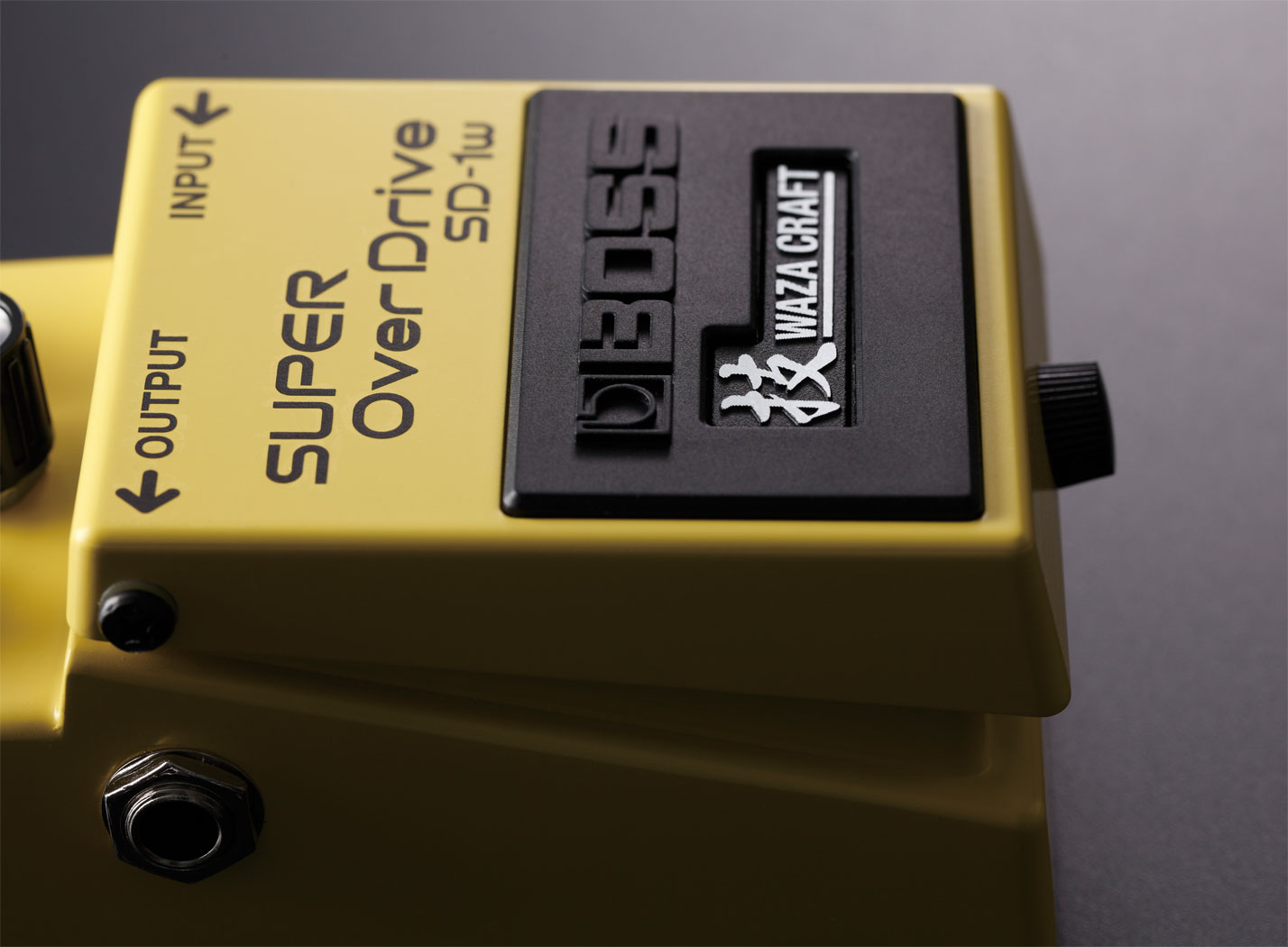
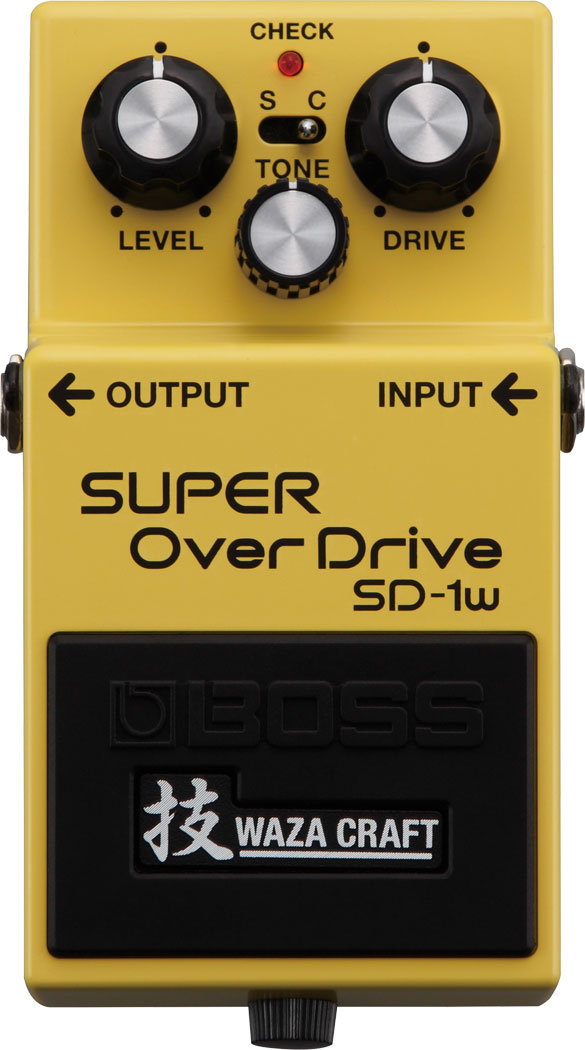
The Boss Super OverDrive SD-1W Waza Craft (current price in Finland around 155 €) is the top-of-the-line version of the company’s yellow-clad classic.

The name gives it away – we’re looking at an overdrive stompbox, so we should expect a dynamic performance with a dense mid-range. As a rule of thumb, distortion-type effects tend to have more bite and a creamier compression than an overdrive.

The Boss SD-1W, too, sports three controls – Drive, Tone and Level – and a mode switch. Standard-mode is meant to give you an upmarket counterpart of the regular SD-1 pedal, while Custom-mode promises a wider frequency range (especially handy for ultra-low tunings).

Here’s a clip of the SD-1W with Drive set to 12 o’clock. Standard-mode comes first, followed by Custom-mode:

And this will give you an idea of this pedal’s sound with Drive turned all the way up:

sd-1w_angle_gal

****

bd-2w_angle_2_gal

What do terms like ”boutique-pedal” and ”premium range” really mean?

In the case of the Waza Craft pedals the answer lies in both the sound and the ”feel” of these effects:

Both overdrive boxes sound even creamier than the standard versions, while also adding a small degree of clarity to proceedings. These premium versions also manage to keep hiss levels even lower than their ”ordinary” counterparts. Both the BD-2W and the SD-1W feel somewhat more organic and responsive, when compared to their (well-made) standard range brethren. The overdrive tones are very natural, and both effects react very nicely to changes in playing dynamics or guitar volume settings. You never get the feeling of the effect being pasted on, instead there’s a real interaction going on between the player, his guitar and the effect pedal.

In isolation Boss’ Waza Craft overdrives might even seem a little underwhelming, but when you A/B them with their standard series counterparts the differences become quite clear rather quickly. Don’t get me wrong, the standard versions are reliable industry standards with a more than decent sound, but for the ultimate Boss-experience you should take the path to Waza Craft.

sd-1w_angle_2_gal

****

Boss BD-2W + SD-1W Waza Craft

approx. 155 €

Finnish distribution: Roland Suomi

****

Pros:

+ classic format

+ all-analogue

+ two modes

+ sound

Review: JAM Pedals

JAM Pedals is a Greek maker of boutique effect pedals, whose products are now available in Finland, too (distributed by R-Jam Group).

JAM Pedals’ products are all-analogue, built by hand from first-rate components. Some models even rely on hard to come by NOS-chips and -transistors for their sound.

Most JAM-models can also be ordered in point-to-point versions, or with customised specifications and/or artwork.

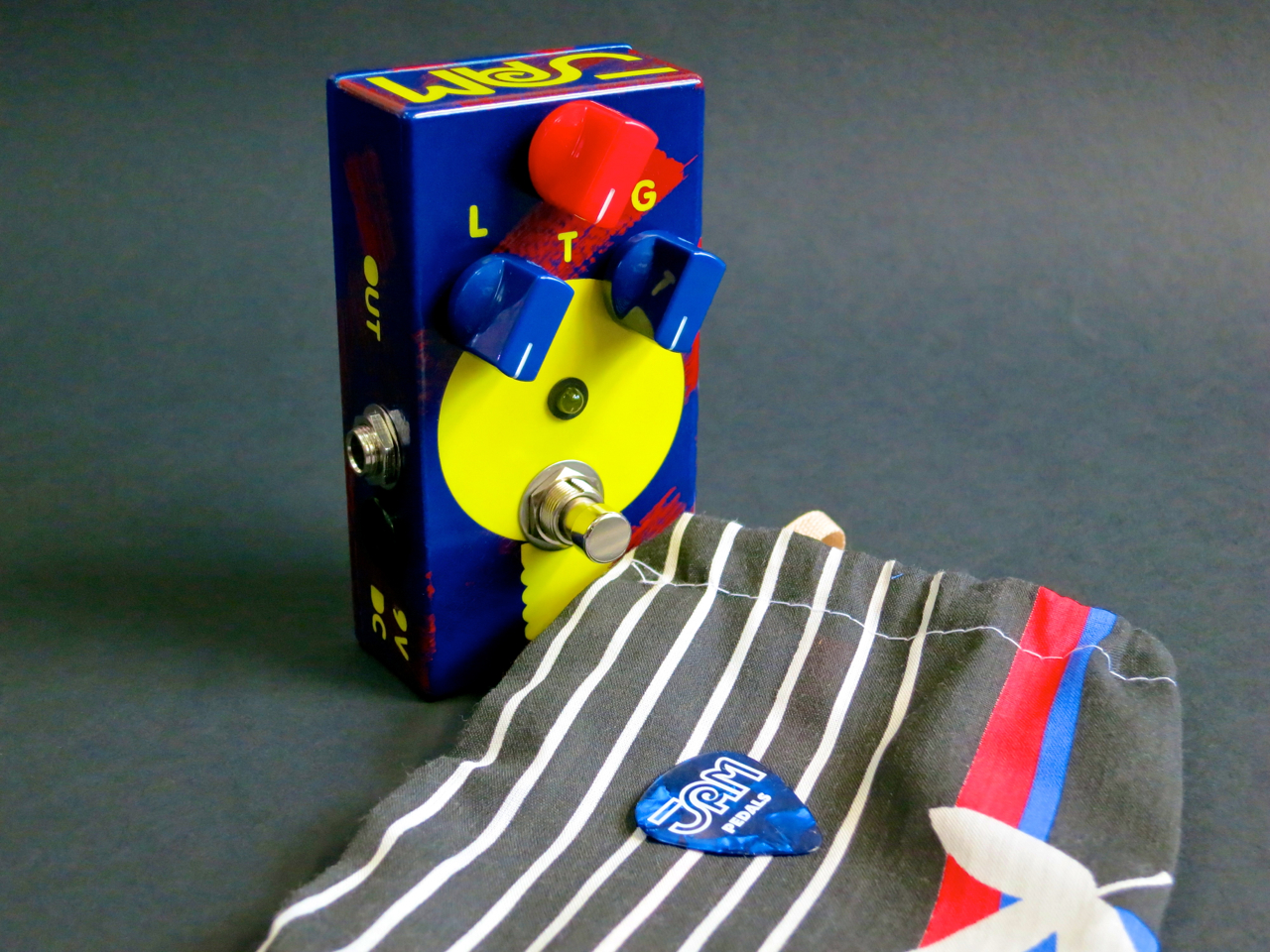
All JAM Pedals come in hand-painted, unique designs, and are delivered with a cloth sack for storage, as well as a JAM-logo’d plectrum.

All the effects tested in this review run on a nine volt battery or a (Boss-type) power supply (not included).

****

Jam pedals – Tube Dreamer 58 + bag

JAM Pedals offers four different versions of its Tube Dreamer overdrive pedal.

Their compact Tube Dreamer 58 is the company’s take on the ultimate Ibanez Tube Screamer 808 pedal. The circuit is built around an original JRC4558D-chip.

Jam pedals – Tube Dreamer 58 pic 1

The JAM Tube Dreamer 58 (current price in Finland: 185 €) wins you over with a healthy dose of that classic, creamy Tube Screamer mid-range. The TD58’s forte, though, is the vastly improved dynamic range of the JAM-model, and the more organic, amp-like overdrive structure, achieved by using three diodes for asymmetrical clipping.

This sound clip – like all the others in this review – has been recorded using a Fender Stratocaster and a Blackstar HT-1R valve combo:

Jam pedals – Tube Dreamer 58 pic 2

****

Jam pedals – Tube Dreamer+ and bag

The flagship model Tube Dreamer pedal is called the JAM Tube Dreamer+ (current price in Finland: 225 €), and is the deluxe version of the JAM Tube Dreamer 72, which is designed a ”secret chip”.

Jam pedals – Tube Dreamer+ pic 1

The Plus-version adds a high-gain-/boost-circuit (left footswitch) on top of the moderate-gain overdrive section (right footswitch).

The Tube Dreamer+ is shipped with the high-gain circuit adding only more gain to proceedings, but you can also adjust the high-gain circuit’s internal trimmer to deliver copious amounts of signal boost, whenever it is switched on.

In terms of its sound, the Tube Dreamer+ gives more than a passing nod to 1970s Blues Rock and Heavy Metal. Despite its high-gain boost, this JAM-model hasn’t been designed for contemporary Thrash Metal.

Jam pedals – Tube Dreamer+ pic 2

****

Jam pedals – Red Muck + bag

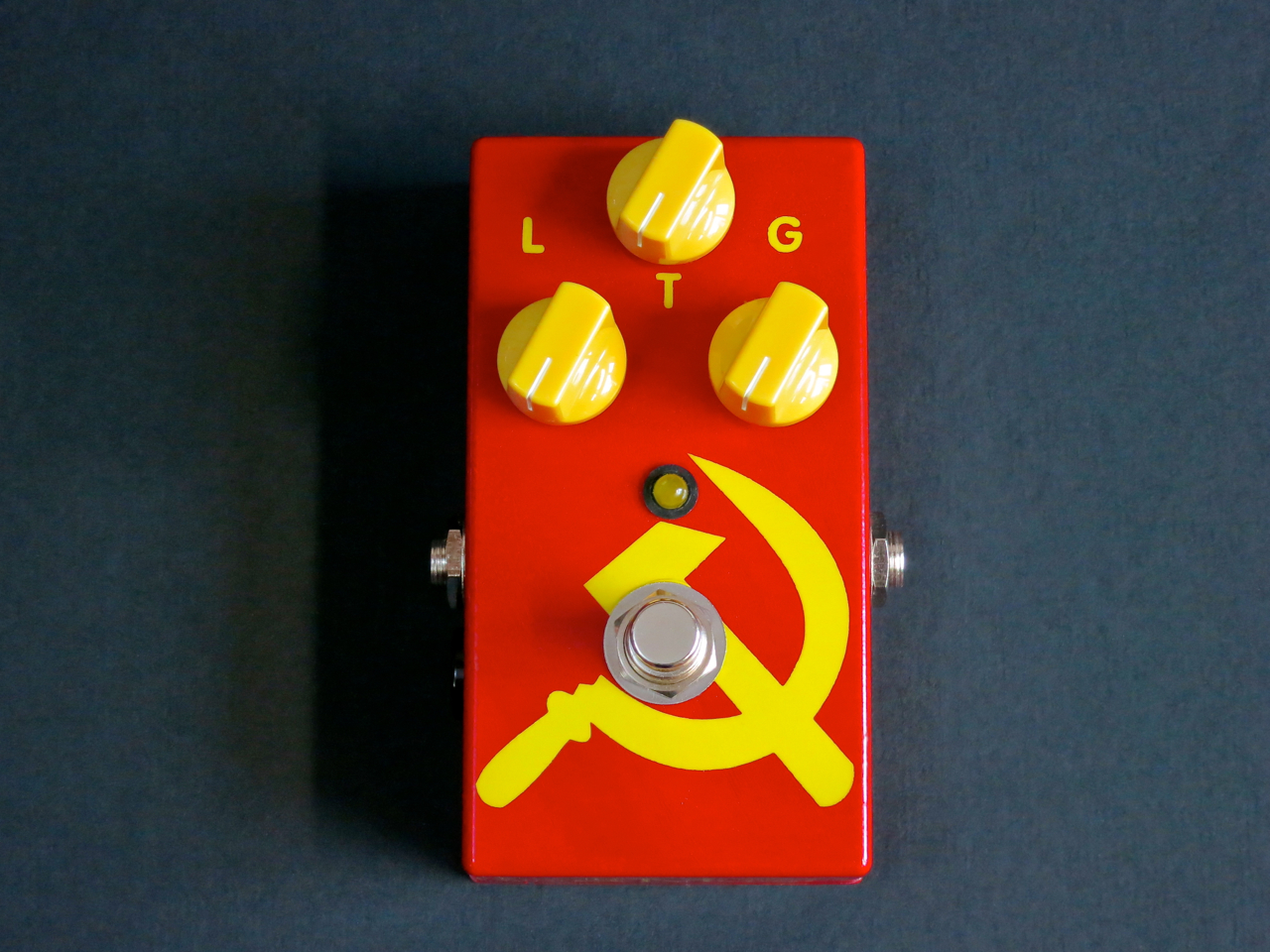
JAM Pedals’ stompbox fuzz is called Red Muck, and it comes in a Soviet-inspired colour scheme, complete with hammer and sickle graphics.

Jam pedals – Red Muck pic 1

The starting points for the Red Muck fuzz’ (current price in Finland: 209 €) tone were the classic, early Big Muff -sounds.

JAM has refined the original fuzz character to come up with a much more versatile pedal. JAM’s Red Muck reacts extremely well to changes in the guitar’s volume knob settings, while the overall delivery is noticeably fatter and creamier, when compared to many other fuzz-effects. This pedal also takes well to full chords, and doesn’t mush up so quickly.

I have to admit that JAM’s Red Muck has quickly become my favourite fuzz box.

Listen for the tonal changes, as I slowly raise the volume control at the beginning of this clip:

Jam pedals – Red Muck pic 2

****

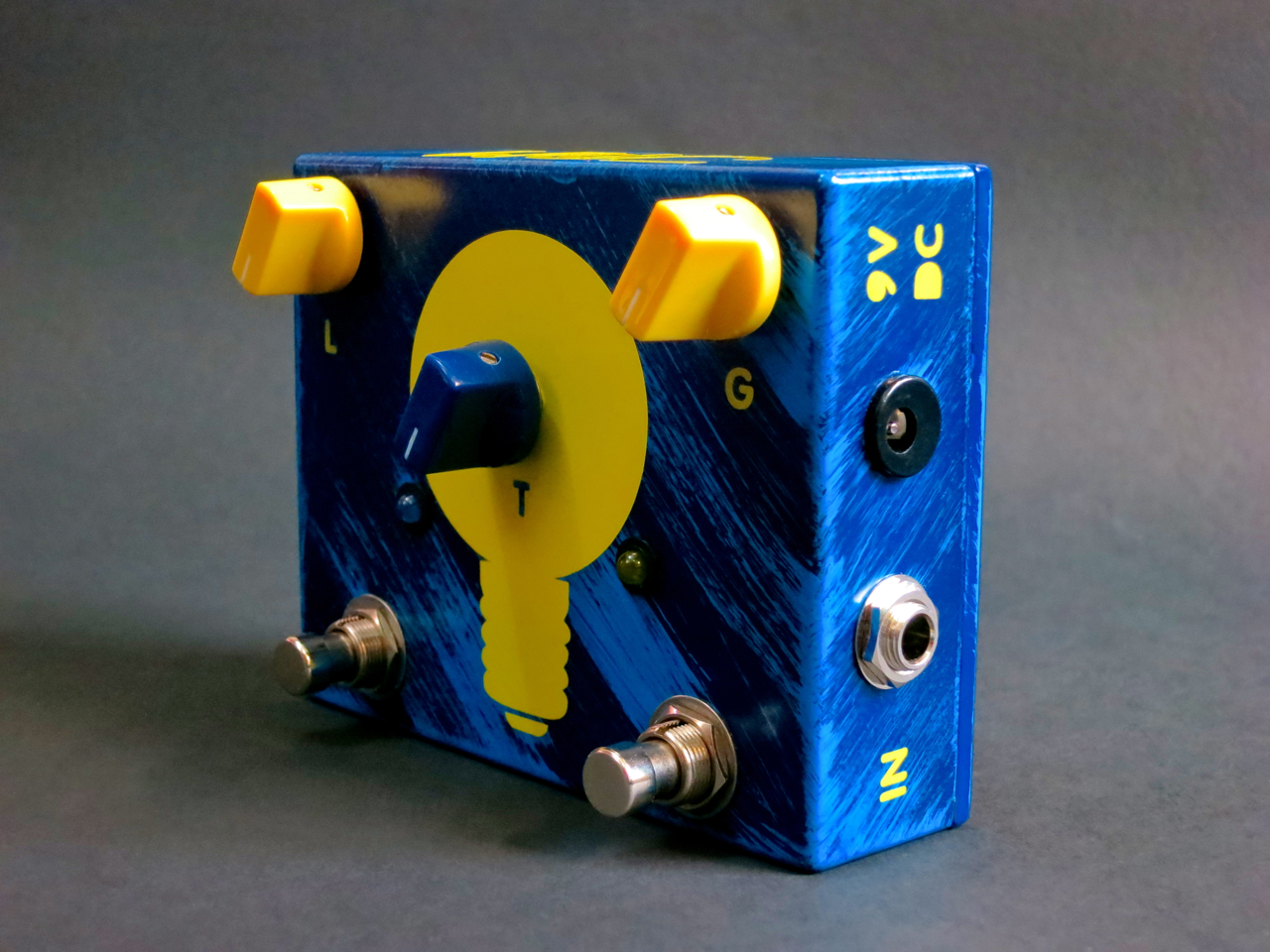
Jam pedals – Waterfall + bag

The JAM WaterFall (259 €) is a dual-function effect pedal, offering chorus and vibrato in one compact package.

Jam pedals – Waterfall pic 1

The two effects in the WaterFall have been designed around two legendary Panasonic-chips (the MN3101 and the MN3007), on which some of the earliest Boss modulation effects were also based.

The mini-switch on the right is for selecting the effect – chorus or vibrato (v) – while the switch on the opposite side lets you choose between a milder, vintage (-) version of the chosen effect, or its more drastic, modern counterpart.

The WaterFall’s chorus is simply superb, sounding very natural and musical:

Vibrato may not be the most-commonly used effect, but the WaterFall’s reading must surely be one of the sweetest-sounding there is:

Jam pedals – Waterfall pic 2

****

Jam pedals – Ripple + bag

JAM Pedals’ The Ripple (199 €) is an easy-to-use phaser. There’s only a single Speed-control for the effect, and that’s all.

Jam pedals – Ripple pic 1

This is one lush-sounding phaser – you can’t get more musical than this! The Ripple has a rich and organic tone, broadening your guitar sound, yet it never seems to usurp the show or hog the limelight.
Jam pedals – Ripple pic 2

****

Jam pedals – Delay Llama + bag

The Delay Llama?! The guys at JAM HQ sure do have a sense of humour!

JAM’s Delay Llama (265 €) is an analogue, lo-fi delay pedal in the spirit of the early Eighties.

Jam pedals – Delay Llama pic 1

The Delay Llama features a classic bucket-brigade circuit, which uses an updated version Panasonic’s legendary MN3205-chip. The maximum delay time offered is approximately 600 ms. An internal trim port allows you to adjust the maximum number of repeats available from the Repeats-control.

The Delay Llama will bring sonic fulfilment to fans of the BBD-sound – there’s plenty of grease on tap, and each new repeat degenerates noticeably from the one before. Factory settings even allow for the Repeat-control to cause infinite and distorting feedback loops, something for the fans of psychedelic and experimental music.

Jam pedals – Delay Llama pic 2

****

Jam pedals – teaser

In my opinion, these JAM Pedals offer the genuine boutique pedal experience at fair prices! They sound great, they look cool, their noise floor is low, and the pedals consume surprisingly little (battery) power. Give them a try!

****

JAM Pedals

effect pedals from Greece

Tube Dreamer 58 – 185 €

Tube Dreamer+ – 225 €

Red Muck – 209 €

WaterFall – 259 €

The Ripple – 199 €

Delay Llama – 265 €

****

Pros:

+ handmade

+ hand-painted

+ sound

+ low power consumption

Pidä blogia WordPress.comissa.

Ylös ↑