Review: Tokai Classic Series

Tokai Classic TE – headstock

Tokai Guitars has built its reputation on very well-crafted and vintage-correct copies of classic models. The original Japanese Tokai instruments from the Seventies and Eighties gave most US manufacturers a good run for their money, and in some respects Tokai’s – ahem – ”versions” were even better than some of the originals from that era.

Tokai’s top-of-the-line instruments are still made in Japan. The company’s Chinese output, though, makes it possible to own a genuine Tokai guitar (or bass), even on a tighter budget.

The idea behind the brand-new Tokai Classic series is to offer very reasonably priced guitars and basses, which combine a classic look with a few modern tweaks for easier playability.

****

Tokai Classic TE – full front

Tokai Classic TE – full back

Kitarablogi received these three Tokai Classics for review:

A Tokai Classic TE (current price in Finland: 249 €) in a 50s-style two-tone sunburst finish…

Tokai Classic ST – full front

Tokai Classic ST – full back

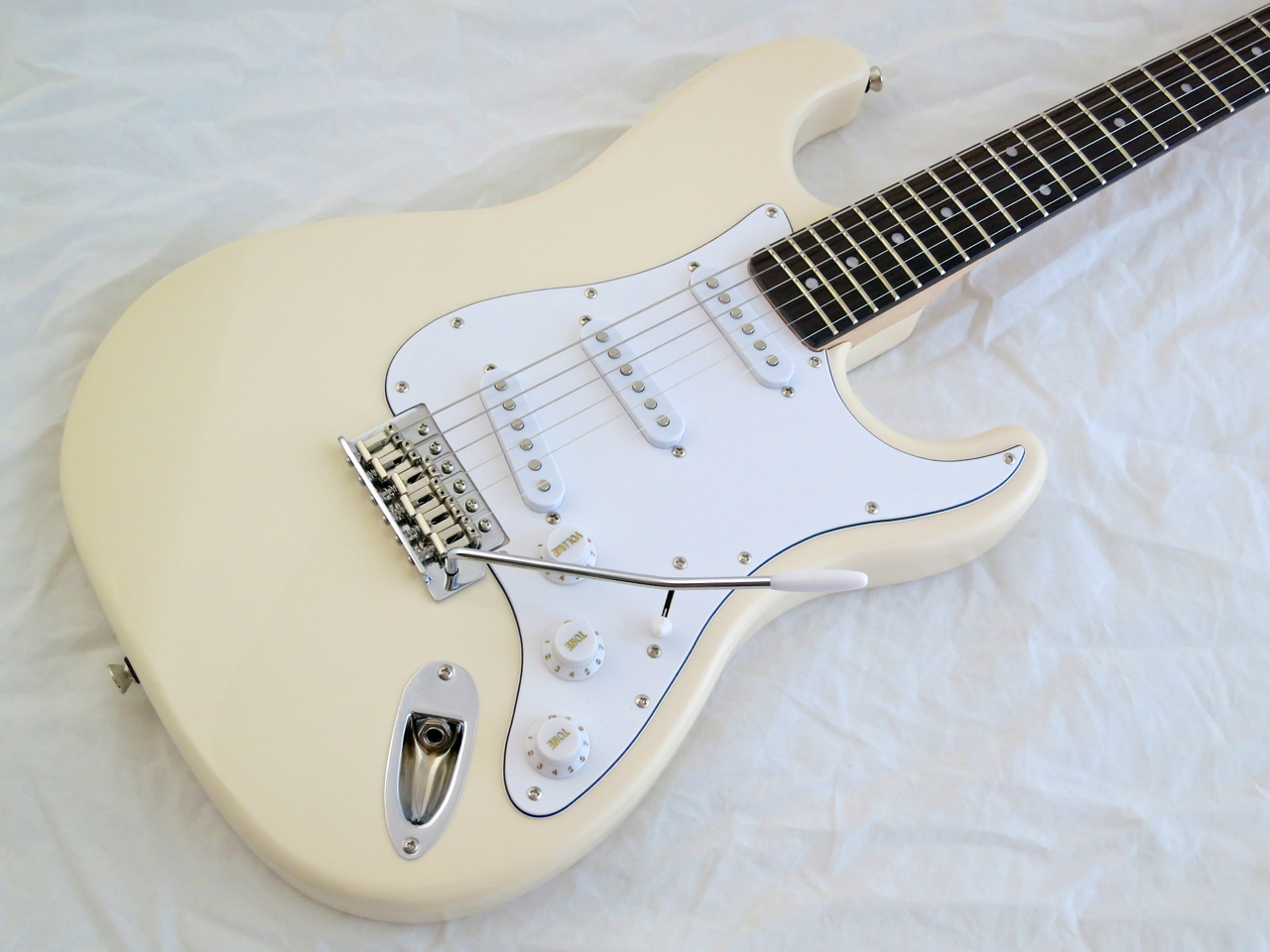
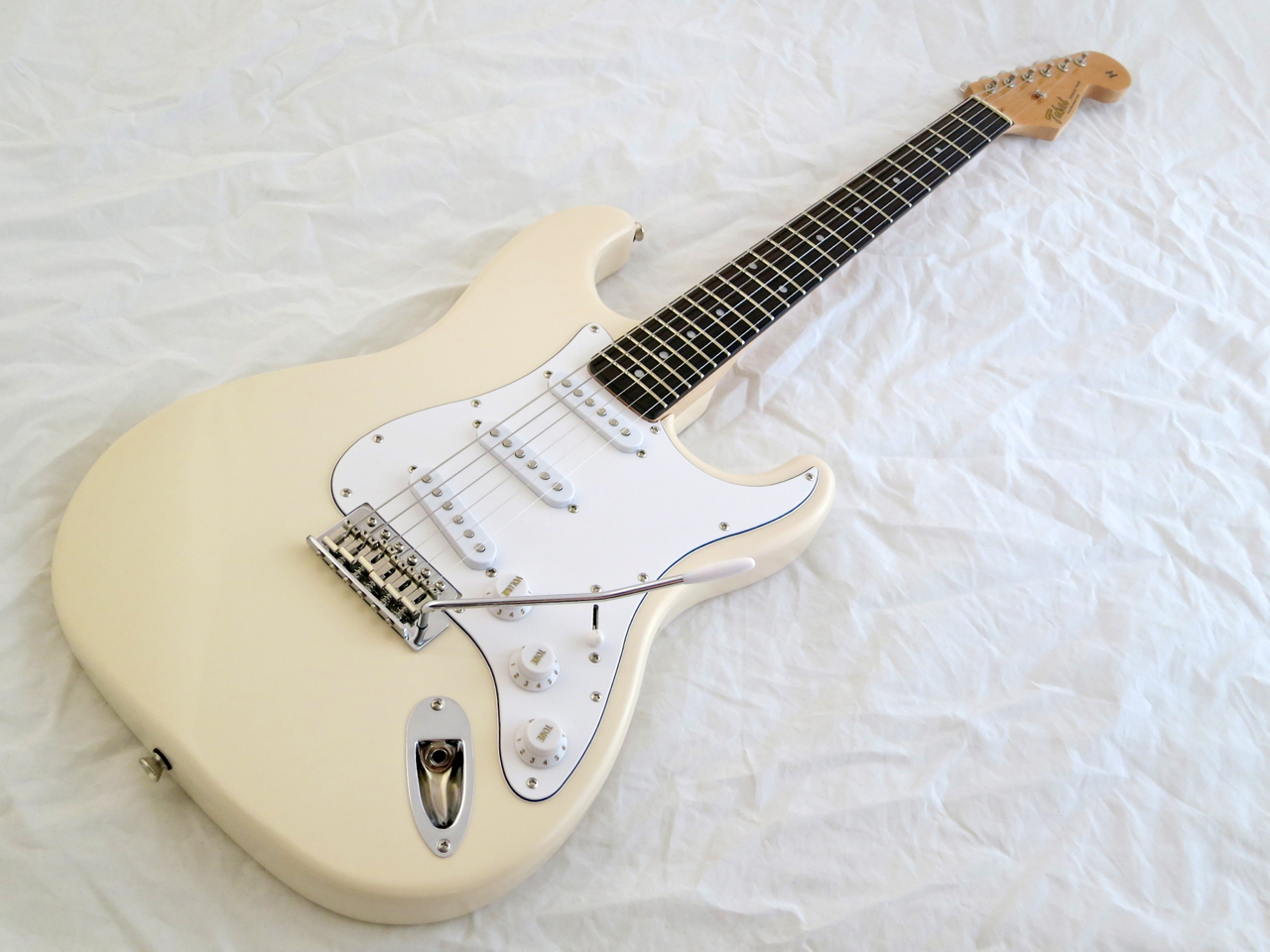
…a creamy white Tokai Classic ST (249 €)…
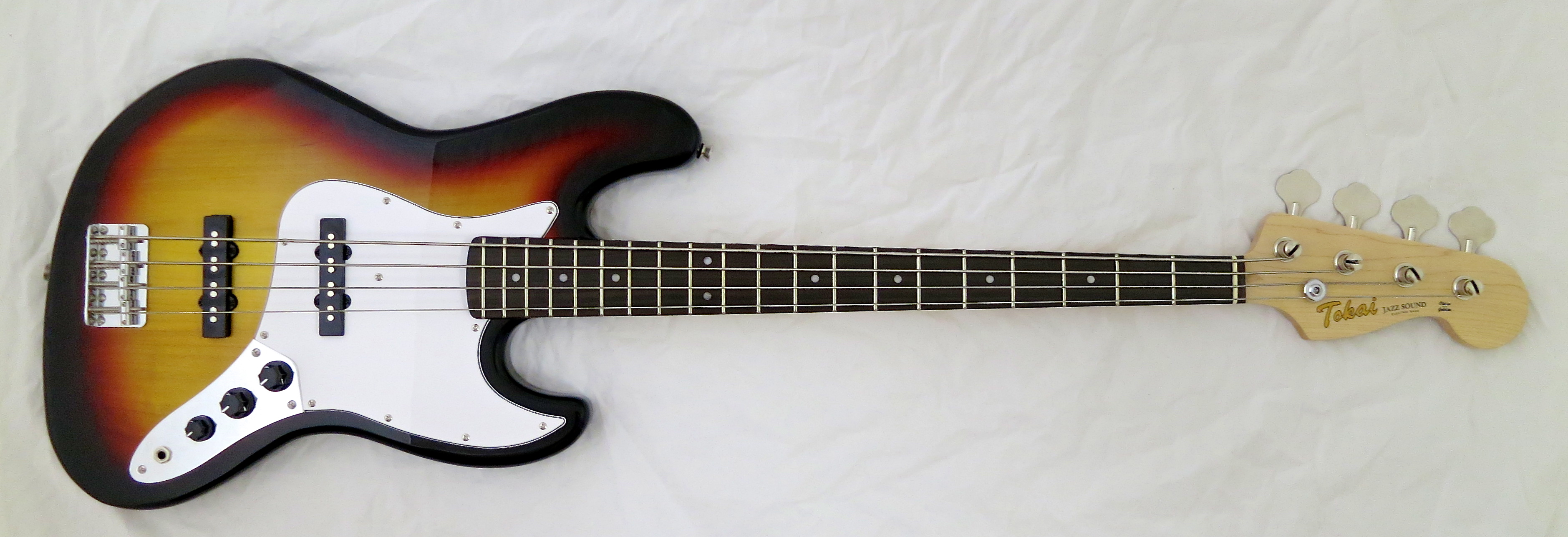
Tokai Classic JB – full front

Tokai Classic JB – full back

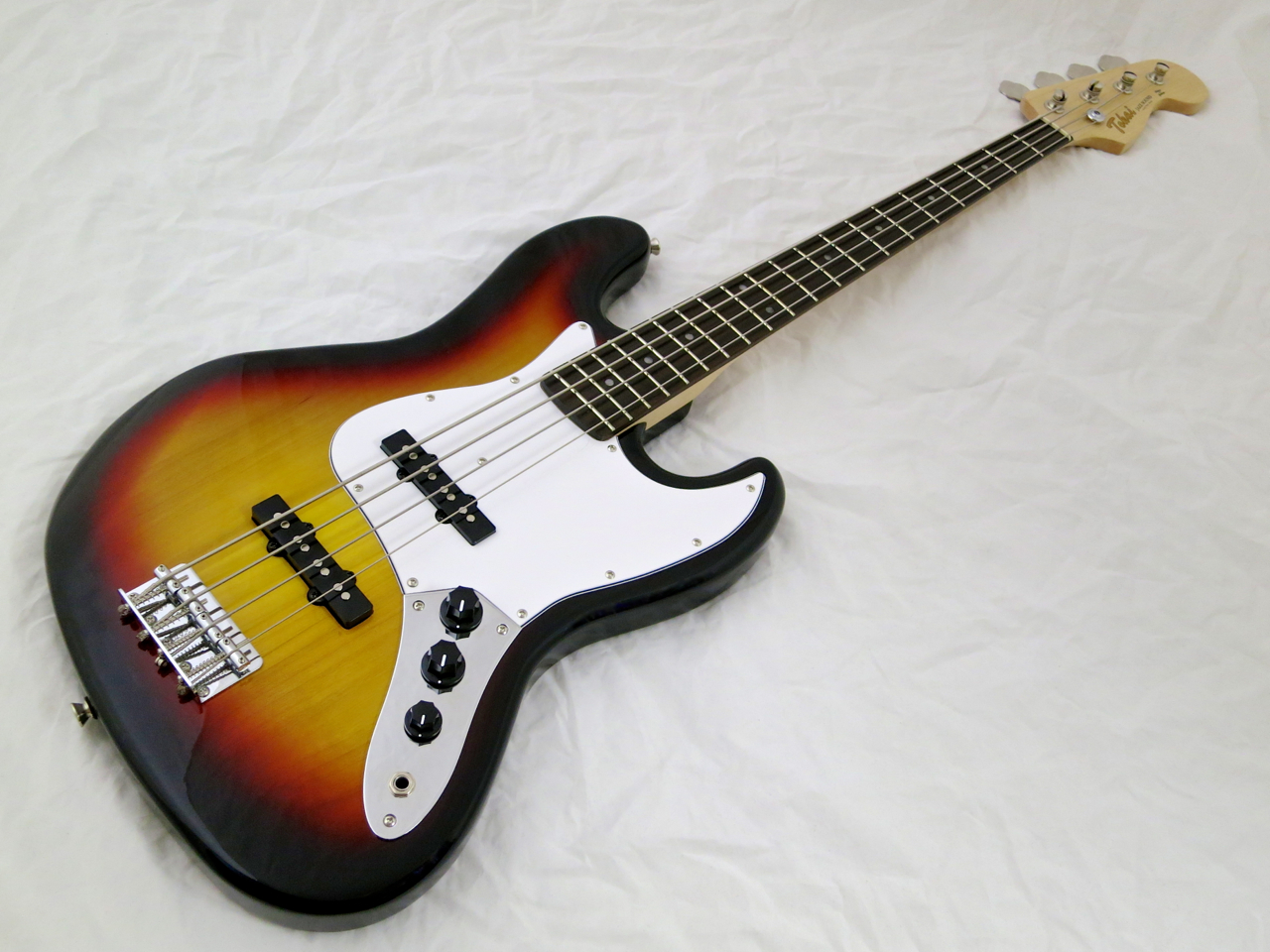
…as well as a Classic JB bass (299 €) in a fetching three-tone sunburst.

Tokai Classic ST – headstock

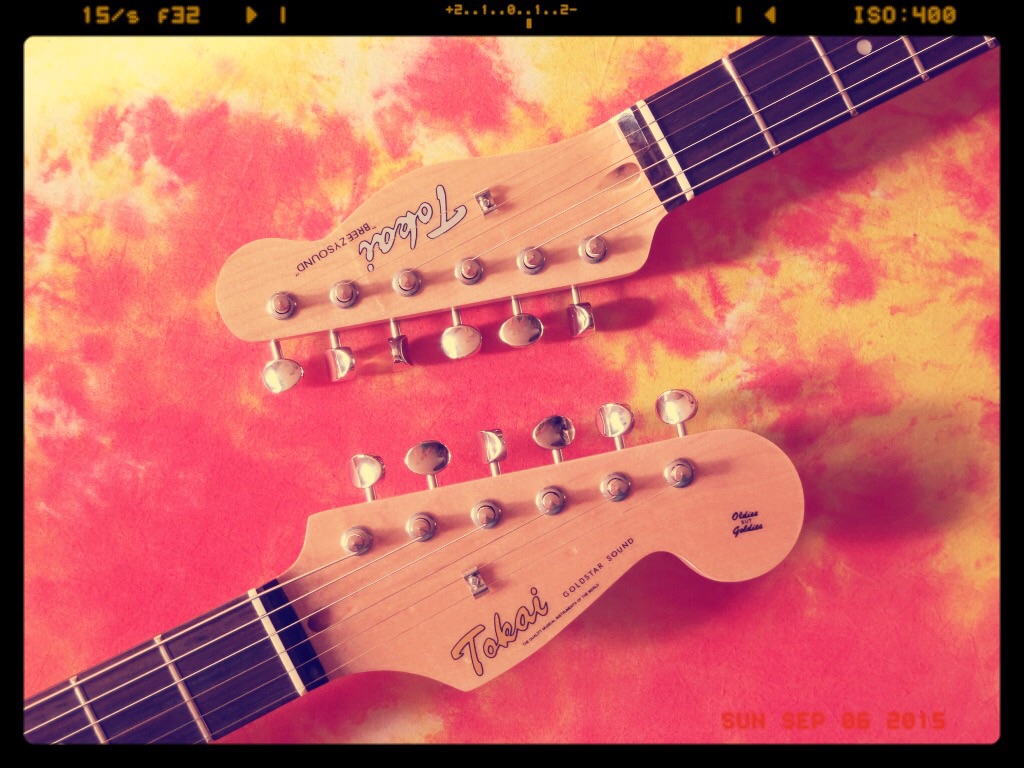
Tokai’s Classic series features bolt-on maple necks.

On the TE and ST models the face of the headstock sports a gloss finish.

Tokai Classic JB – headstock

The JB bass’ headstock front has received the same thin satin finish as the neck.

All Classic instruments offer easy access to the truss rod at the headstock, so you won’t have to take off the neck to make adjustments.

Tokai Classic TE – tuners

There’s a set of very decent Kluson-copies installed on the guitars.

Tokai Classic JB – tuners

The Classic JB comes with a set of Schaller-copies, which are less massive than vintage-style Klusons.

Tokai Classic guitars – fretboard

The Classic TE and ST come with a flatter-than-vintage fingerboard radius and chunkier frets, which makes the playing feel much more modern and bend-friendly.

Tokai Classic JB – fretboard

The same goes for the Tokai Classic bass.

Tokai Classic TE – back beauty 2

All Classic series bodies are made of basswood, a proven tonewood with a sound similar to alder.

Tokai Classic TE – neck plate

The black plastic cushion beneath the neck plate protects the finish.
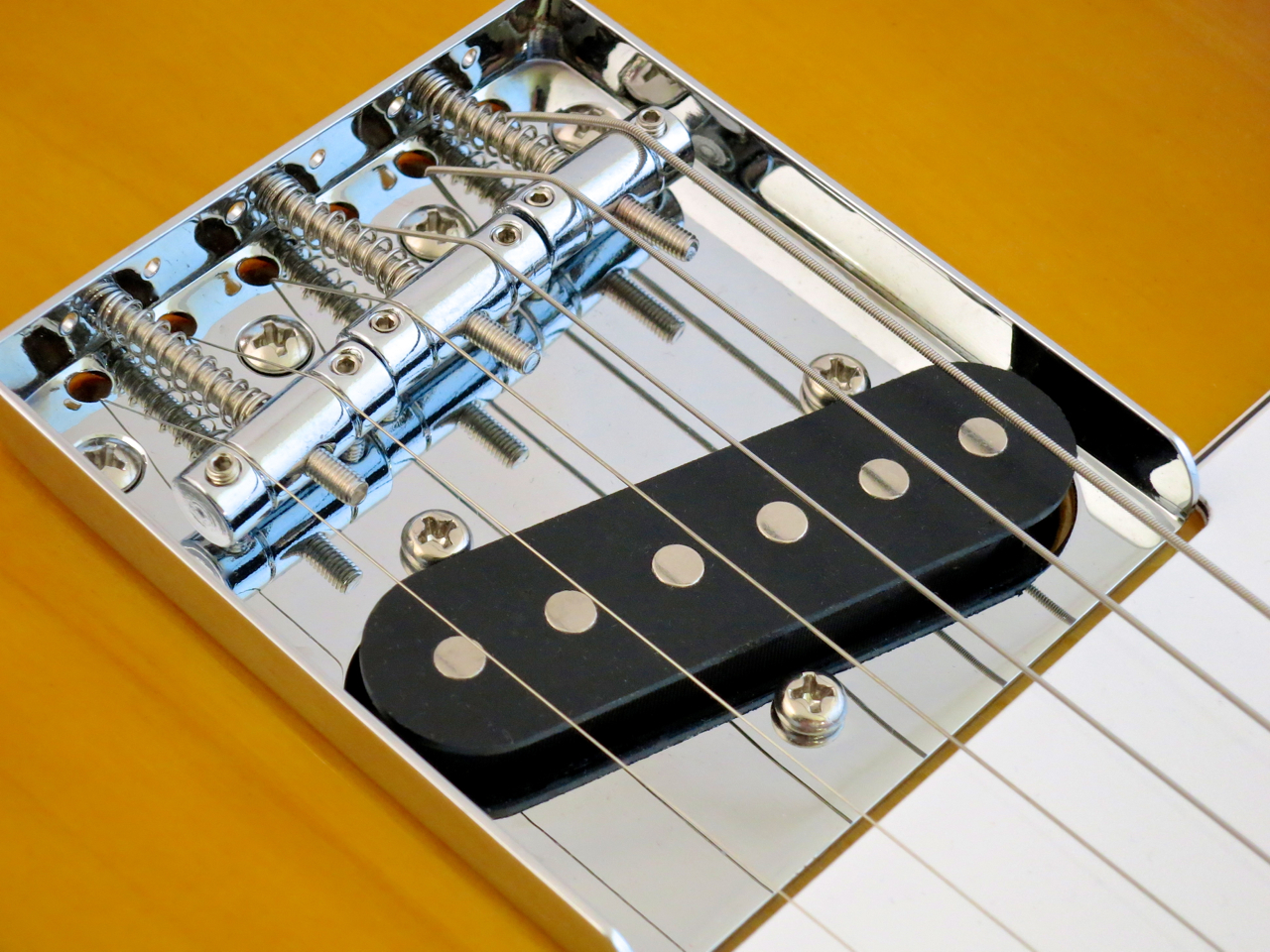
Tokai Classic TE – bridge

There are different versions of the three-saddle Tele-style bridge in circulation:

The Classic TE goes for the late-Sixties variety sporting three saddles with pre-set grooves for the strings.

Tokai Classic TE – back ferrules

The TE came strung the regular way, though the body, with the strings’ ball-ends anchored in ferrules. This setup is favoured by most Tele players.

Tokai Classic TE – additional bridge holes

Tokai’s Classic TE nevertheless offers an additional interesting feature:

It’s possible to string this guitar through the back of the bridge, too. This was a rare feature on original Fender Telecasters in 1958/59 that noticeably alters the feel and sound of the guitar.

Tokai Classic ST – bridge

At first glance, the bridge on Tokai’s Classic ST looks like a dead-on copy of a vintage Strat vibrato.

Tokai Classic ST – vibrato block

The vibrato block, though, isn’t as chunky as on the original. It’s about the same size as the block on a Floyd Rose vibrato.

Vintage-anoraks will sniff disapprovingly at the sight of such a block, claiming that it’s bad for the tone of the guitar. Let me tell you that the review guitar’s acoustic ring and sustain were actually quite healthy. So much for preconceptions…
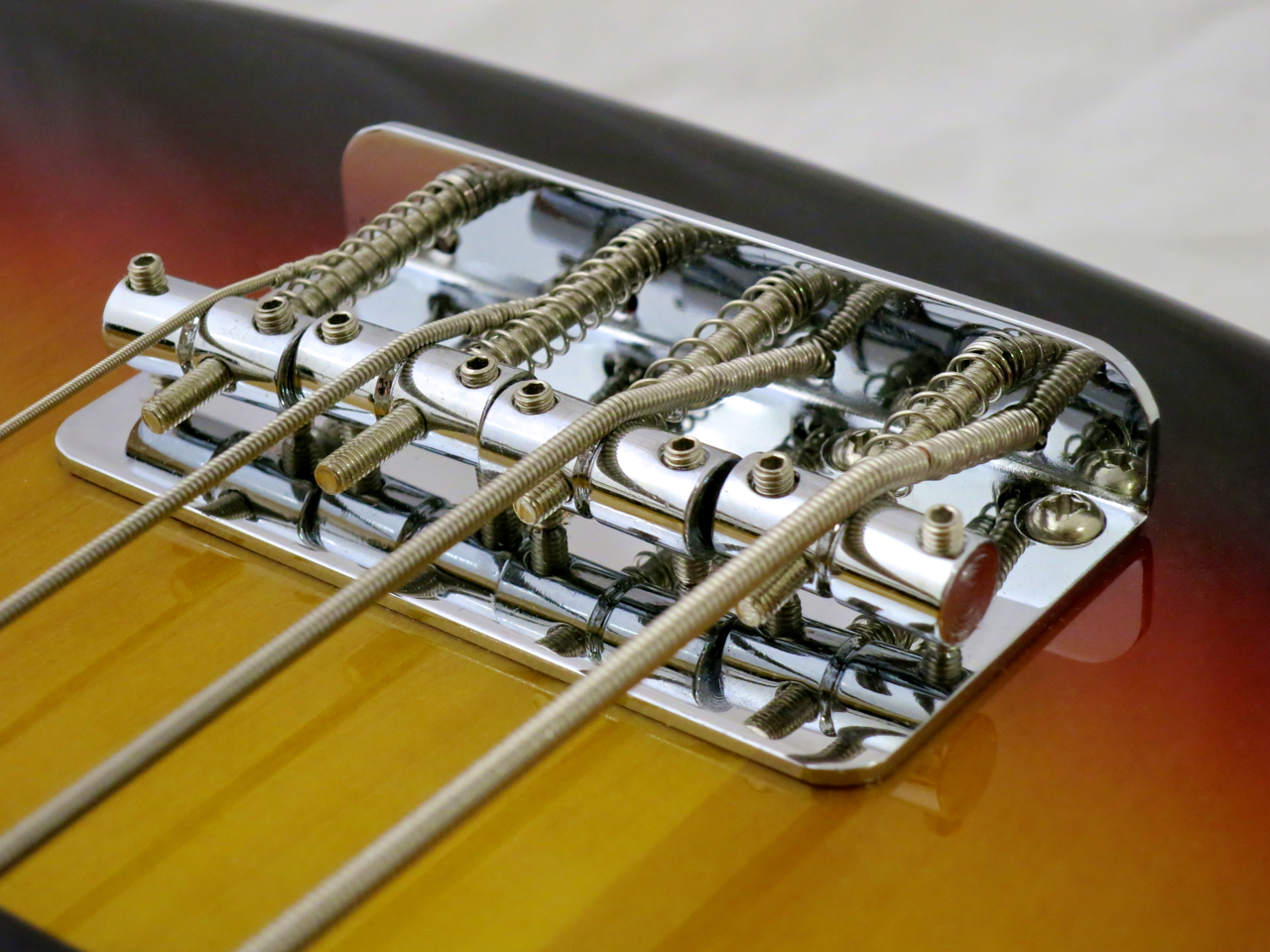
Tokai Classic JB – bridge

The Classic JB sports a nice copy of a 1970s Fender bass bridge.

Tokai Classic TE – pickups

Most self-appointed ”vintage-gurus” will tell you to steer clear at all times of ceramic Fender-style singlecoils.

Traditionally, a Fender-type singlecoil is constructed from six small, cylindrical magnets, which are tapped into vulcanised fibre plates. Around this magnet core a coil of thin copper wire is wound to complete the pickup. In traditional pickups the polepieces you see are actually the top ends of the alnico magnets.
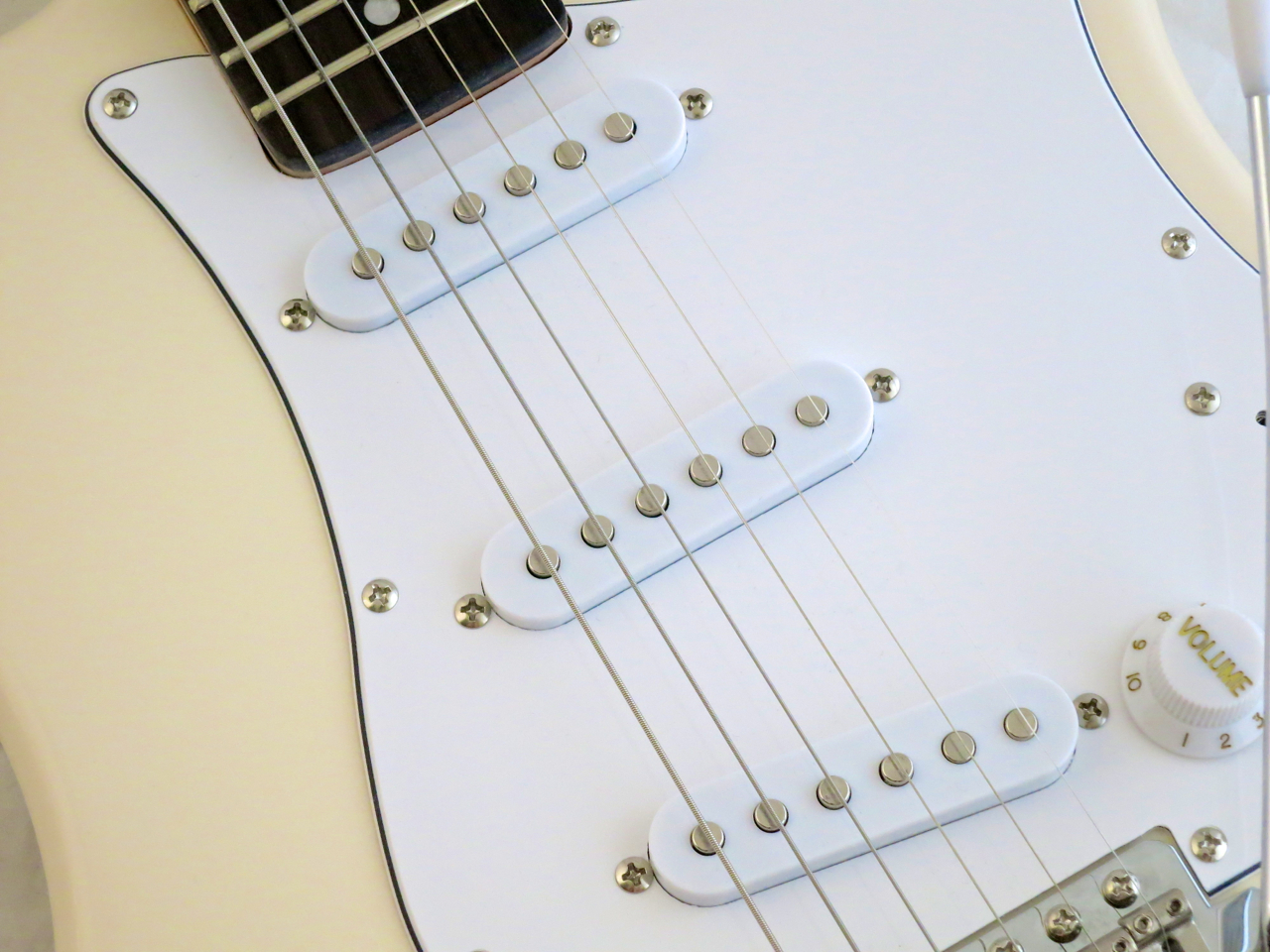
Tokai Classic ST – pickups

Tokai’s Classic series uses ceramic pickups, which are made a little differently. The polepieces aren’t magnets, but rather soft steel rods, which are in physical contact to a ceramic bar magnet (or sometimes two magnets) stuck to the bottom of each pickup.
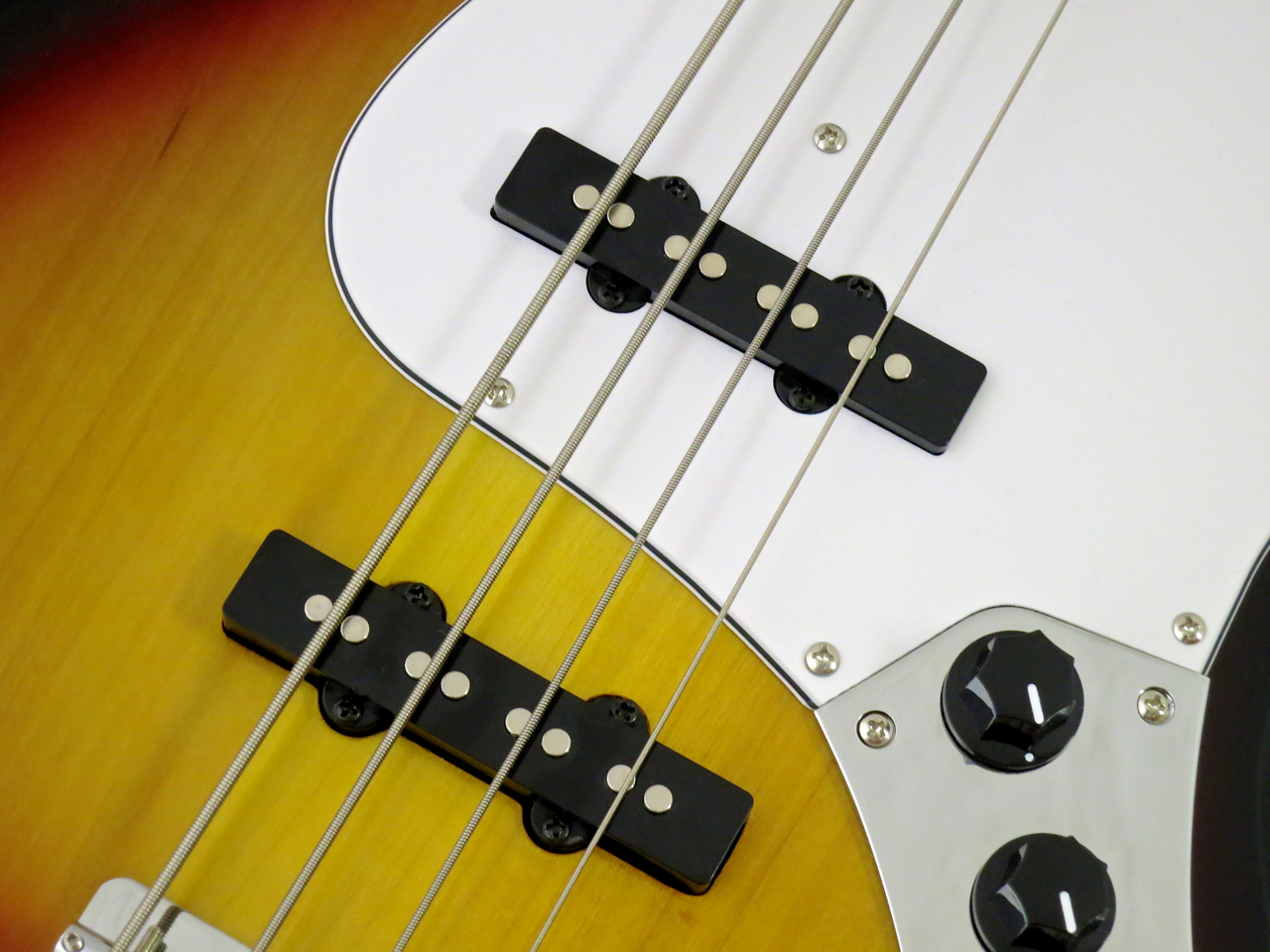
Tokai Classic JB – pickups 2

When ceramic pickups first appeared on budget guitars in the Nineties, their sound was admittedly often very spiky, brittle and sharp. This gave ceramic singlecoils a bad name, which wasn’t all that undeserved.

But that was then, and ceramic pickups have been improved drastically since. Despite this, there’s still quite a lot of prejudice against this type of guitar pickup.

In the case of these Tokai Classic instruments, I’d suggest you approach their pickups with an open heart and open ears – you might be in for a positive surprise!
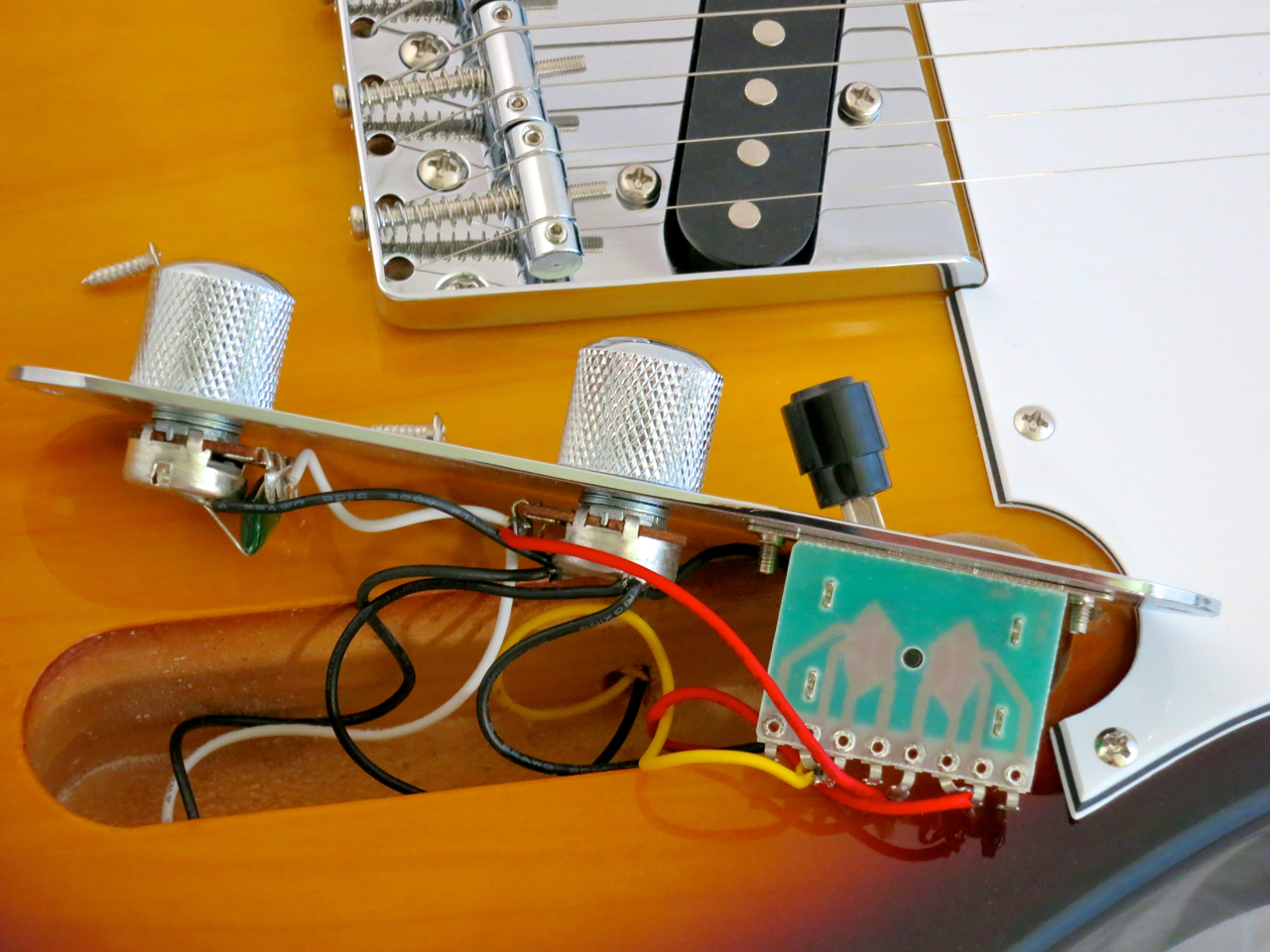
Tokai Classic TE – control cavity

The Classic series features electronic parts of inexpensive, but very decent quality. All the switches and controls work fine, and without any hiccups.

As you can easily see from this picture, the workmanship is very clean in the Classic TE.

Tokai Classic JB – control cavity

The rout for the Classic JB’s component cavity wasn’t quite as clean on our review sample. Luckily, this has no bearing whatsoever on the functionality of this bass guitar.

****
Tokai Classic TE – body beauty 1

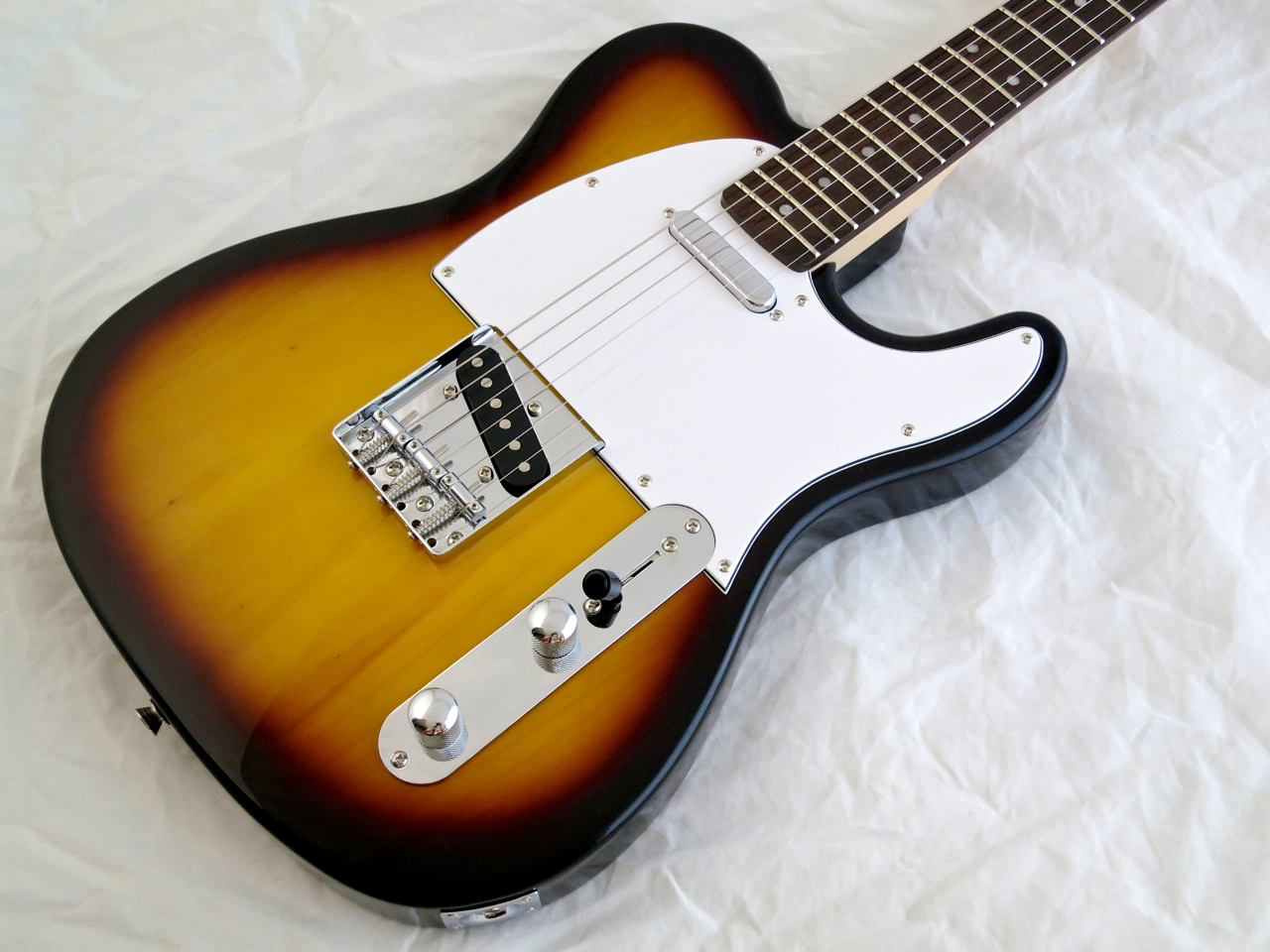
Tokai’s Classic TE is a very nice, well-playing Tele-style electric guitar.

Quite often, you will find uninspiring, flat and generic neck profiles on instruments in this price bracket.

The Classic TE is quite an exception, as it sports a comfortable, well-rounded and chunky neck, that still manages to stay on the right side of ”fat”. The fretwork is really great on our review sample. Combined with the bigger frets and flatter fretboard radius, this results in a slinky and bend-friendly playing feel.

Tokai’s Classic TE is no slouch in the sound department, either:

The neck pickup is warm and round, but never sounds boring or one-dimensional. The middle position of the switch will give you a cool, funky rhythm tone. The bridge pickup on its own offers enough twang for Country playing, and enough whack for the Classic Rock crowd.

Tokai Classic TE – body beauty 2

****

Tokai Classic ST – body beauty 1

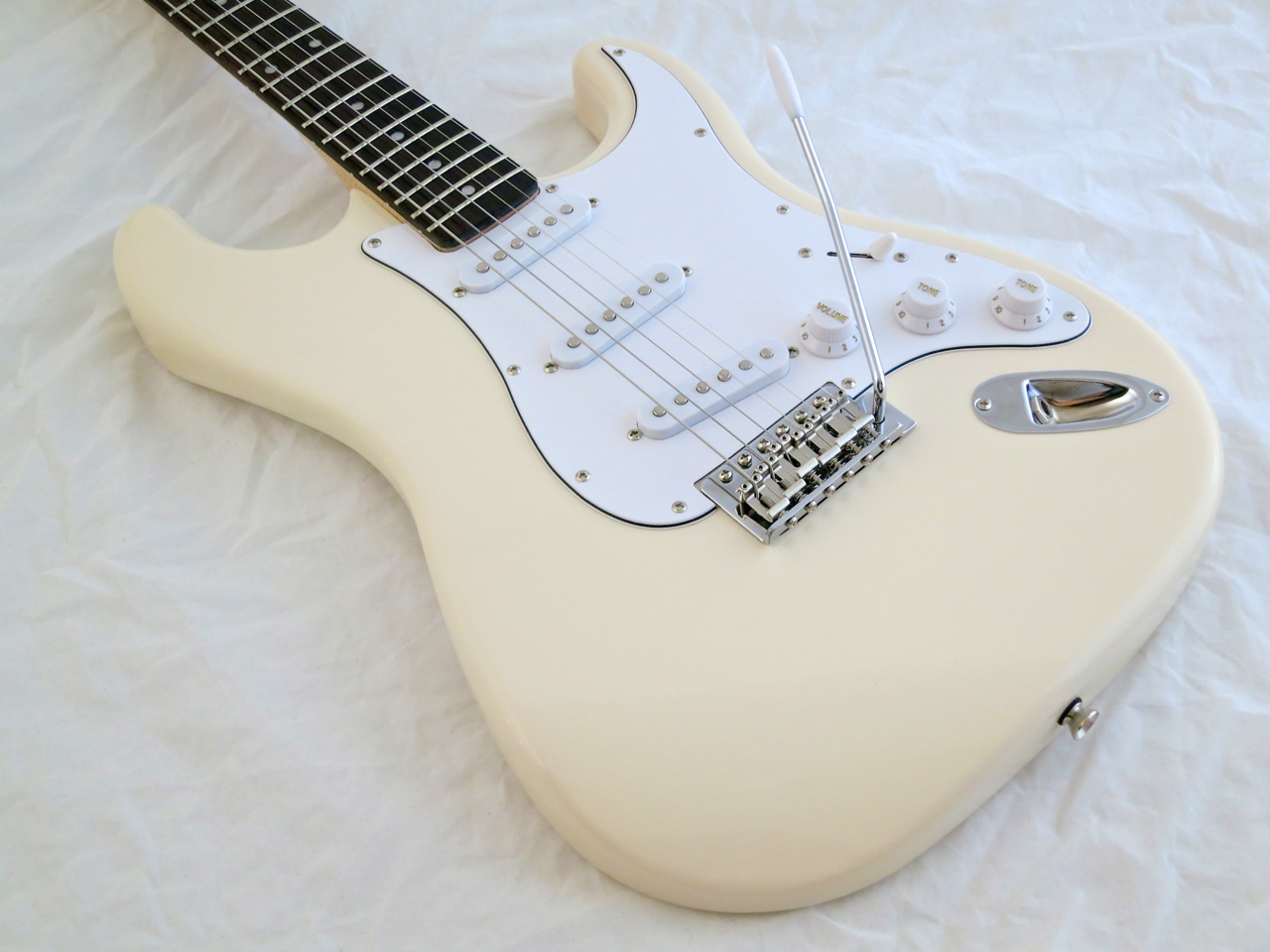
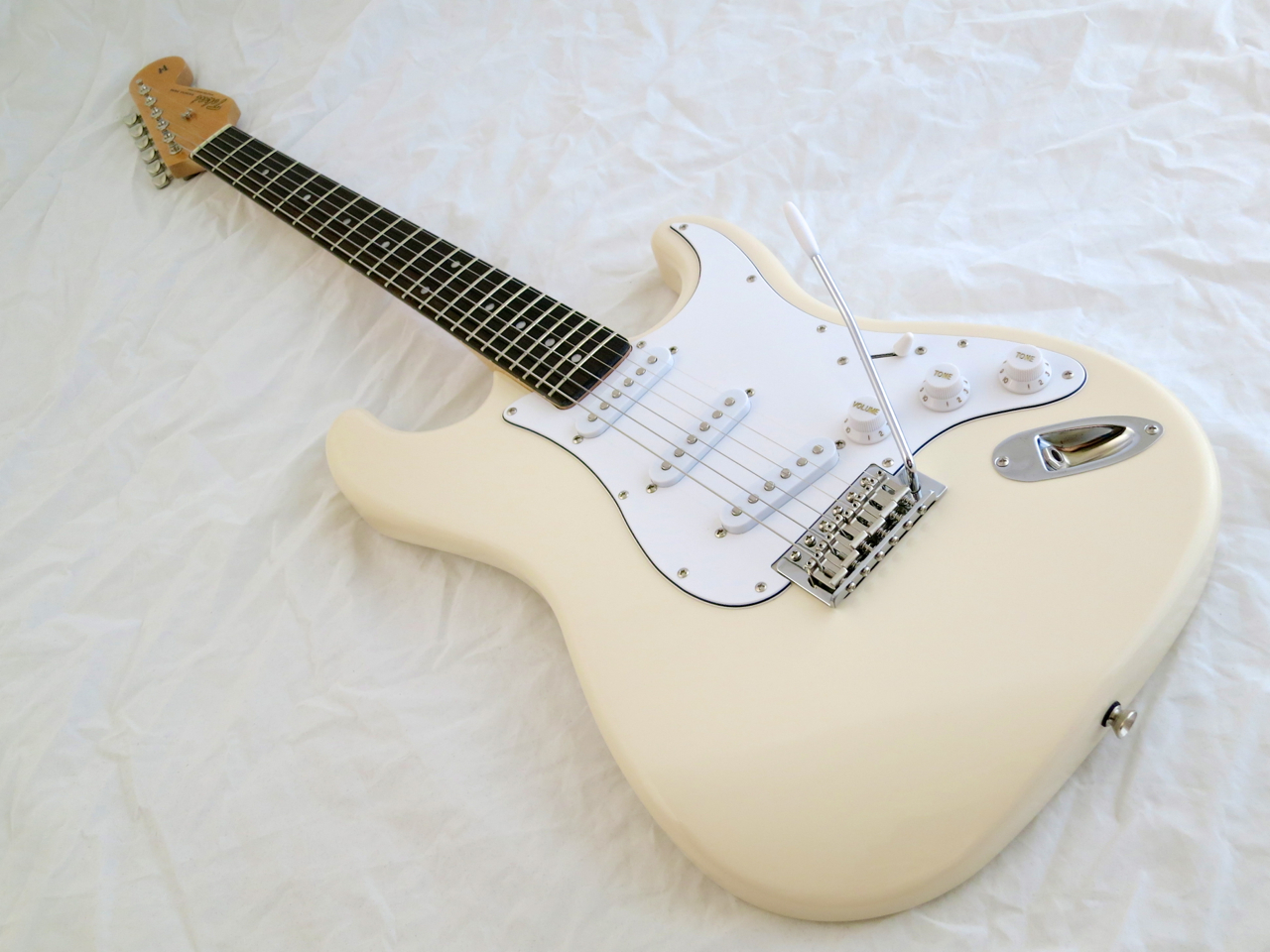
I’d never have thought an electric guitar costing only 249 € could be as utterly inspiring as this Tokai Classic ST!

The neck feels great with its oval C-profile. The fretwork and setup make this a real player’s guitar. The vibrato works well in a vintage-style way, and the ST’s acoustic tone is woody and dynamic.

The ceramic pickups on the Tokai Classic ST are a bit hotter than the alnicos on my 50s-style Fender Stratocaster reissue. They also have a bit more sizzle and bite, but in a good way, making this more of a ”Jimi Hendrix” than a ”Buddy Holly” guitar.
Tokai Classic ST – body beauty 2

****

Tokai Classic JB – body beauty 1

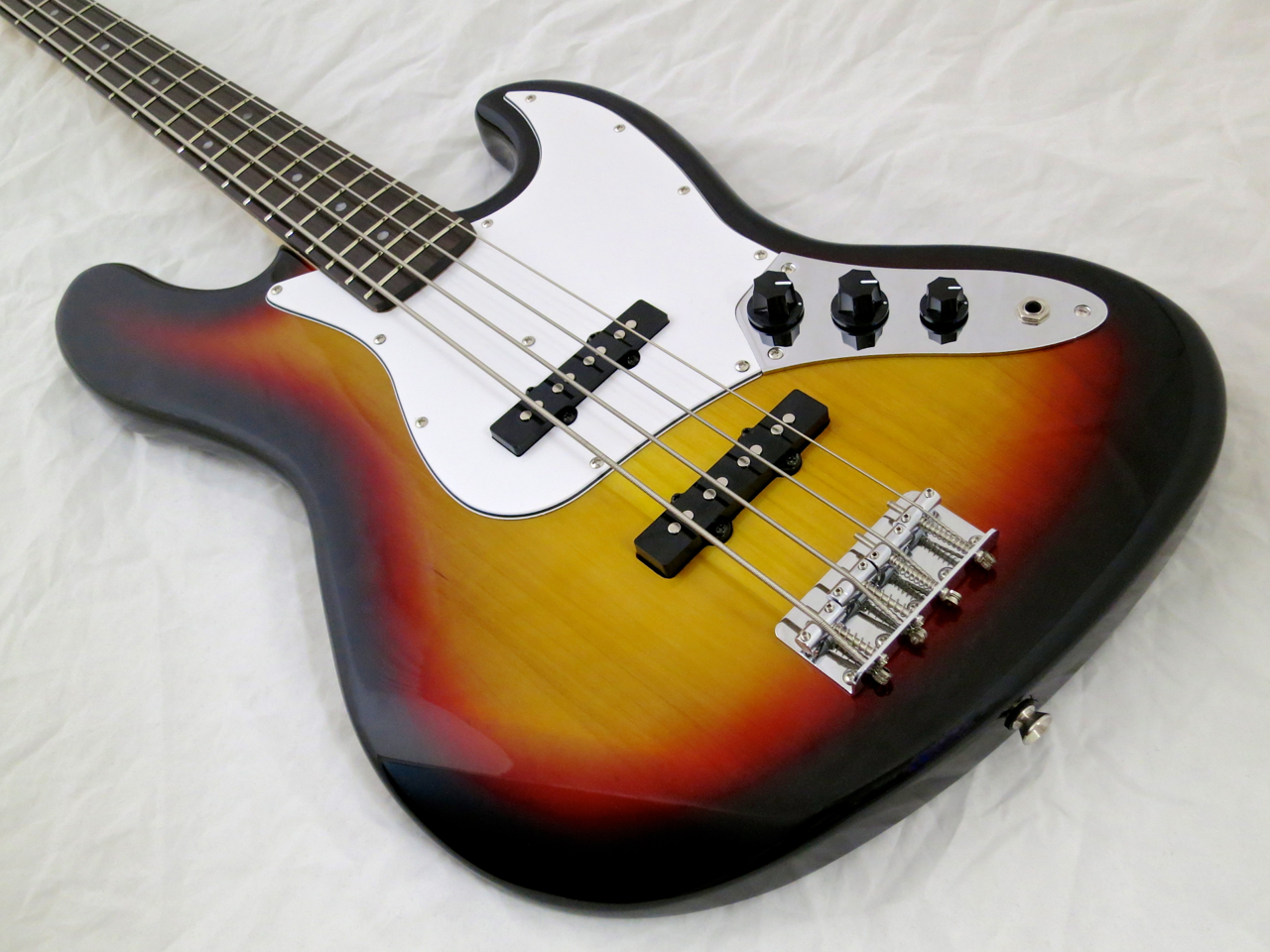
Tokai’s Classic JB truly offers a lot of bass in a very pocket-friendly package.

The Classic JB will give you all the features you’d look for in a Jazz Bass-type instrument:

There’s the slender, distinctly tapered neck profile, the comfortable balance, and the wide variety (for a passive bass) of different sounds.
Tokai Classic JB – body beauty 2

This last clip lets you listen to the video’s bass and guitar tracks in isolation. During the first half all guitar tracks are played on the Classic TE, in the second half the Classic ST takes over:

****

Tokai Classic TE – beauty shot 1

Tokai Classic ST – beauty shot 1

Tokai Classic JB – beauty shot 1

Tokai’s Classic Series may well prove to set a new standard for vintage-style instruments in this price range. The three reviewed guitars were well-made, well-playing instruments, and their sound was inspiring.

While the Classic series is aimed mainly at beginners, I wouldn’t be surprised if some of the instruments crept up on pub or club stages!

****

Tokai Classic Series

Tokai Classic TE – 249 €

Tokai Classic ST – 249 €

Tokai Classic JB – 299 €

Finnish distributor: Musamaailma

****

Pros:

+ value-for-money

+ playability

+ workmanship

+ sound
Tokai Classic ST – beauty shot 2

Testipenkissä: Tokai Classic Series

Tokai Classic TE – headstock

Tokai Guitarsin maine perustuu firman erittäin laadukkaisiin ja tarkkoihin kopiosoittimiin. Japanilaisen Tokain ”versiot” klassikkosoittimista olivat 1970- ja 80-luvulla monessa suhteessa jopa parempia kuin saman aikakauden kitarat USA:sta.

Tokain parhaimpia sarjoja valmistetaan yhä Japanissa, pitkälti käsityönä. Firman kiinalaiset sarjat tarjoavat kuitenkin oivan mahdollisuuden omistaa aidon Tokai-kitaran tai -basson myös pienemmällä budjetilla.

Upouuden Tokai Classic -sarjan idea on tarjota edullisia soittimia, joissa vintage ulkonäköön on yhdistetty nykyaikainen soitettavuus.

****

Tokai Classic TE – full front

Tokai Classic TE – full back

Kitarablogi sai kolme Tokai Classic -sarjalaista testiin:

Tokai Classic TE:n (249 €) Two Tone Sunburst -viimeistelyllä…

Tokai Classic ST – full front

Tokai Classic ST – full back

…kermanvalkoisen Tokai Classic ST:n (249 €)…

Tokai Classic JB – full front

Tokai Classic JB – full back

…sekä Classic JB -basson (299 €) kolmivärisellä sunburst-värityksellä.

Tokai Classic ST – headstock

Tokai Classic -sarjan kaulat veistetään vaahterasta.

TE- ja ST-mallissa viritinlavan etupuoli on viimeistelty kiiltävällä lakalla.

Tokai Classic JB – headstock

Bassomallissa koko kaulassa on ohut mattaviimeistely.

Kaularaudan säätäminen tapahtuu Classic-soittimissa lavan puolelta, ilman kaulan irrottamisen tarvetta.

Tokai Classic TE – tuners

Kitaroissa käytetään hyviltä tuntuvia Kluson-kopioita.

Tokai Classic JB – tuners

Classic JB:n lapaan on asennettu pienempiä Schaller-tyylisiä vintage virittimiä.

Tokai Classic guitars – fretboard

Classic TE:n ja ST:n otelautojen vintagea loivempi radius, sekä kitaroiden nykyaikaiset medium jumbo -nauhat, tekevät soittotuntumasta hyvin mukavan, etenkin kielten venytyksissä.

Tokai Classic JB – fretboard

Myös Tokai Classic -bassossa on sopivasti nykyaikainen soittotuntuma.

Tokai Classic TE – back beauty 2

Classic-sarjojen kokopuiset rungot valmistetaan lehmuksesta.

Tokai Classic TE – neck plate

Kaulalevyn alta löytyvä musta muovityyni suojaa soittimen viimeistelyä.

Tokai Classic TE – bridge

Tele-tyylisestä tallasta löytyy erilaisia versioita:

Classic TE:n tallassa on kolme tallapalaa, joissa on valmiiksi kieliuria.

Tokai Classic TE – back ferrules

TE:n kielet voi pujottaa rungon läpi, mikä on juuri se tapa, jota Tele-soittajat tavallisesti suosivat.

Tokai Classic TE – additional bridge holes

Tokai Classic TE:ssä on kuitenkin myös mahdollisuus kiinnittää kielet tallan takaseinään.

Se oli harvinainen ominaisuus vuoden 1958/59 Fender Teleissä, ja tämä kiinnitystapa muuttaa tuntuvasti kitaran soundia ja tatsia.

Tokai Classic ST – bridge

Tokai Classic ST:n talla näyttää edestä täydelliseltä vintage-vibran kopiolta.

Tokai Classic ST – vibrato block

Tallan metalliblokki on kuitenkin jonkin verran ohuempi kuin alkuperäisessä – se on hyvin samankaltainen kuin Floyd Rose -vibran blokki.

Vintage-hipsterit aloittaisivat blokin takia heti valittelun sen tuomasta ”huonosta” soundista, mutta ainakin testisoitimessa akustinen soundi ja kitaran sustain olivat hyvinkin kohdillaan.

Tokai Classic JB – bridge

Classic JB:n talla on hyvä kopio 1970-luvun Fender-tallasta.

Tokai Classic TE – pickups

Monet ”vintage-gurut” eivät koskaan koskisi sellaiseen Fender-tyyliseen soittimeen, jonka mikrofoneissa on alkuperäisestä poikkeava rakenne:

Perinteinen tapa rakentaa Fender-tyylinen mikrofoni on kiinnittää lieriömäisiä magneettipätkiä kahteen kuitulevyyn. Magneettirivin ympärille käämitään sitten mikin kela. Näissä perinteisissä mikrofoneissa näkyvät navat ovat mikrofonin magneetit.

Tokai Classic ST – pickups

Tokai Classic -sarjan soittimissa käytetään hieman edullisempia mikrofoneja, joissa on teräksisiä napapaloja, sekä mikkirungon alle liimattu keraaminen tankomagneetti (tai kaksi).

Tokai Classic JB – pickups 2

Kun nämä keraamiset mikrofonit ilmestyivät 1990-luvulla edullisissa soittimissa, niiden soundi oli eittämättä hirveän piikikäs ja korvia raastava. Mikkityyppi sai tästä (osittain oikeutetusti) huonon maineen.

Alkuajoista kehitys on kuitenkin mennyt hurjaa vauhtia eteenpäin, ja nykyisten edullisten keraamisten mikrofonien laatua on parannettu hyvin tuntuvasti.

Ainakin Tokai Classic -soittimien tapauksissa kannattaa lähestyä niiden mikrofoneja ennakkoluulottomasti.

Tokai Classic TE – control cavity

Classic-sarjan elektroniikka on laadultaan mukavasti asiallinen – kaikki säätimet ja kytkimet toimivat moitteettomasti.

Tokai Classic JB – control cavity

Testibasson elektroniikkakolossa työnjälki ei ollut ihan niin siisti kuin testikitaroissa. Tämä ei kuitenkaan vaikuta millään lailla soittimen toimivuuteen.

****

Tokai Classic TE – body beauty 1

Tokai Classic TE on erittäin mukavan tuntuinen Tele-tyylinen sähkökitara.

Tämän hintaluokan soittimissa törmää melko usein sellaisiin kaulaprofiileihin, jotka tuntuvat kulmikkailta tai liian ohuilta.

Classic TE on tässä ilahduttava poikkeus, kitaran mukavan pyöreän ja lihaksikkaan kaulan ansiosta, joka ei kuitenkaan ole liian paksu. Myös TE:n nauhatyö on kiitettävällä tasolla.

Testisoittimen paino ja soitettavuus olivat siis kohdillaan, samoin kuin TE:n soundi:

Etumikrofoni on lämmin ja pyöreä, mutta kuitenkin eloisa, kytkimen keskiasennosta taas saadaan loistava Funk-soundi, ja tallamikrofonissa sekä Country-twäng että Rock-asenne ovat kohdallaan.

Tokai Classic TE – body beauty 2

****

Tokai Classic ST – body beauty 1

Miten vain 249 euroa maksava sähkökitara voi ollakin niin inspiroiva kuin tämä Classic ST?

Kaula tuntuu erittäin mukavalta (C-profiili), soittotuntuma on kevyt ja vaivaton, vibratalla toimii hyvin (vintage-tyylisissä raameissa), ja akustisessa soinnissa on kiitettävästi dynamiikkaa ja ”puuta”.

Tokai Classic ST:n keraamisissa mikit ovat hieman kuumemmat kuin esimerkiksi vertailussa käytetyssä, vintage-tyylisessa Stratossa. Mikkien soundissa on myös hiukan enemmän preesensalueen purevuutta – soundi on siis enemmän ”Jimi Hendrix” kuin ”Buddy Holly”.

Tokai Classic ST – body beauty 2

****

Tokai Classic JB – body beauty 1

Classic JB -bassokin tarjoaa paljon soundia hyvin kohtuuhintaisessa paketissa.

Tokai Classic JB tarjoaa kaikki ne ominaisuudet, joita vanha Jazz-basso fani soittimeltaan kaipaa:

Kaulaprofiili on mukavan solakka, soittimen balanssi on kohdallaan, ja basson tarjoama soundikirjo on passiivibassoksi laaja.

Tokai Classic JB – body beauty 2

Viimeisessä klipissä soi videon biisin kitara- ja bassoraidat ilman muuta taustaa (ensimmäinen puolisko: TE; toinen: ST):

****

Tokai Classic TE – beauty shot 1

Tokai Classic ST – beauty shot 1

Tokai Classic JB – beauty shot 1

Tokai Classic -sarjasta voisi mielestäni helposti tulla uusi laatustandardi tämän hintaluokan soittimissa. Testisoittimissa laatu, soitettavuus ja soundi olivat enemmän kuin kohdillaan.

Vaikka Classic-soittimien kohderyhmä on selvästi aloittelijat, voi vanha kettukin saada paljon iloa näistä kitaroista ja bassoista!

****

Tokai Classic Series

Tokai Classic TE – 249 €

Tokai Classic ST – 249 €

Tokai Classic JB – 299 €

Maahantuoja: Musamaailma

****

Plussat:

+ hinta-laatu-suhde

+ soitettavuus

+ työnjälki

+ soundi

Tokai Classic ST – beauty shot 2

Review: J. Leachim Guitars Jazzcaster

JLeachim 2

J Leachim Jazzcaster – beauty shot – black

You could call J. Leachim Guitars Finland’s answer to Nash Guitars. Just like the American maker, JLG, too, don’t make their guitars from scratch, from the raw wood. Instead, J. Leachim assembles guitars from bought in unfinished necks and bodies, as well as parts and hardware sourced from a number of reputable sources. J. Leachim Guitars’ forte lies in their finish work, and the relicing of guitars.

J. Leachim’s main man, Jan Merivirta, supplied Kitarablogi.com with an example of his Jazzcaster model, which sports a pristine, “NOS” nitro finish.

****

J Leachim Jazzcaster – full front – final med

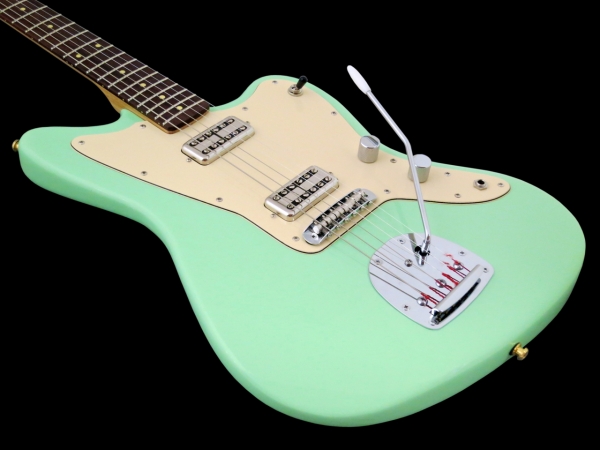
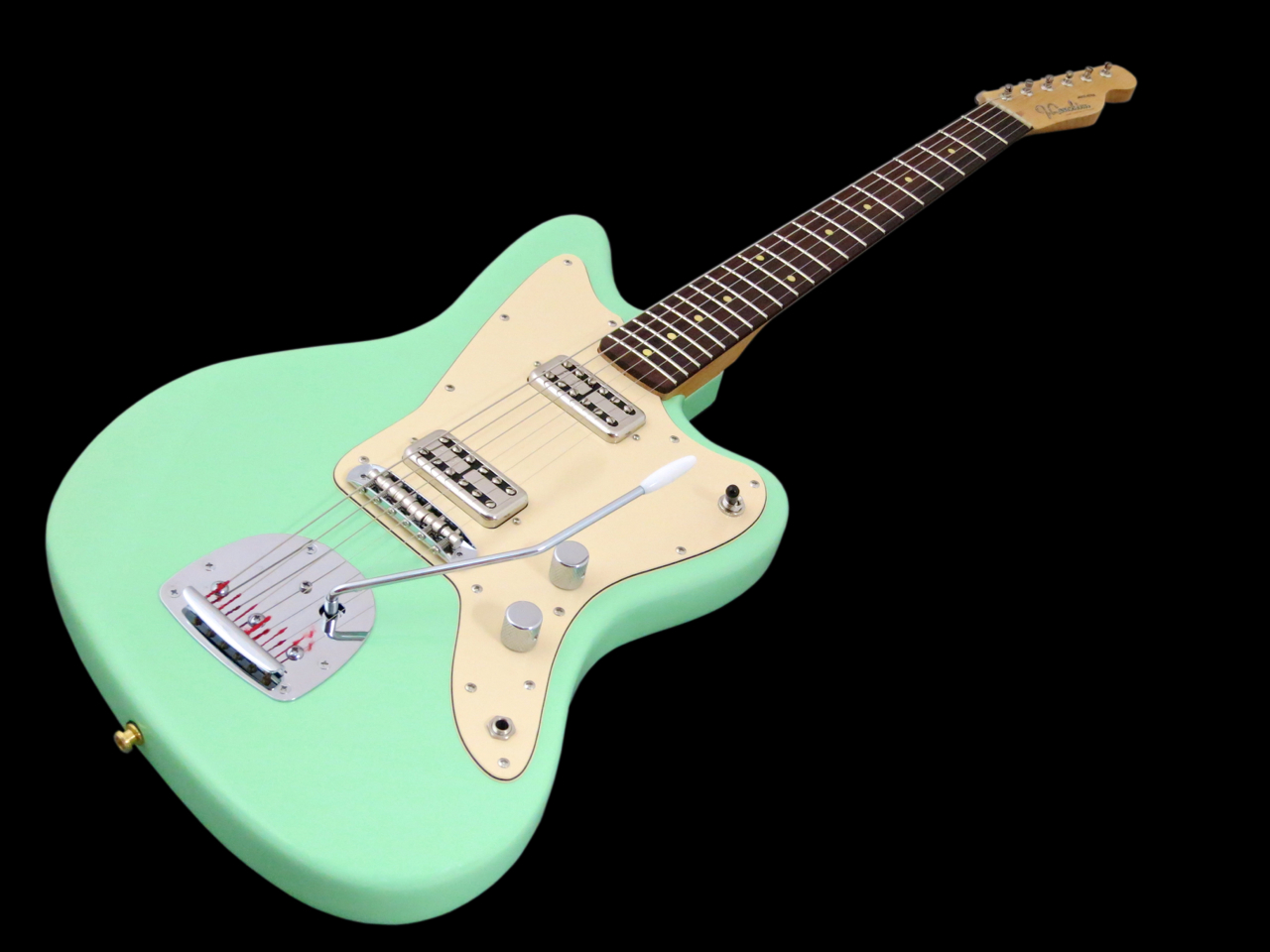
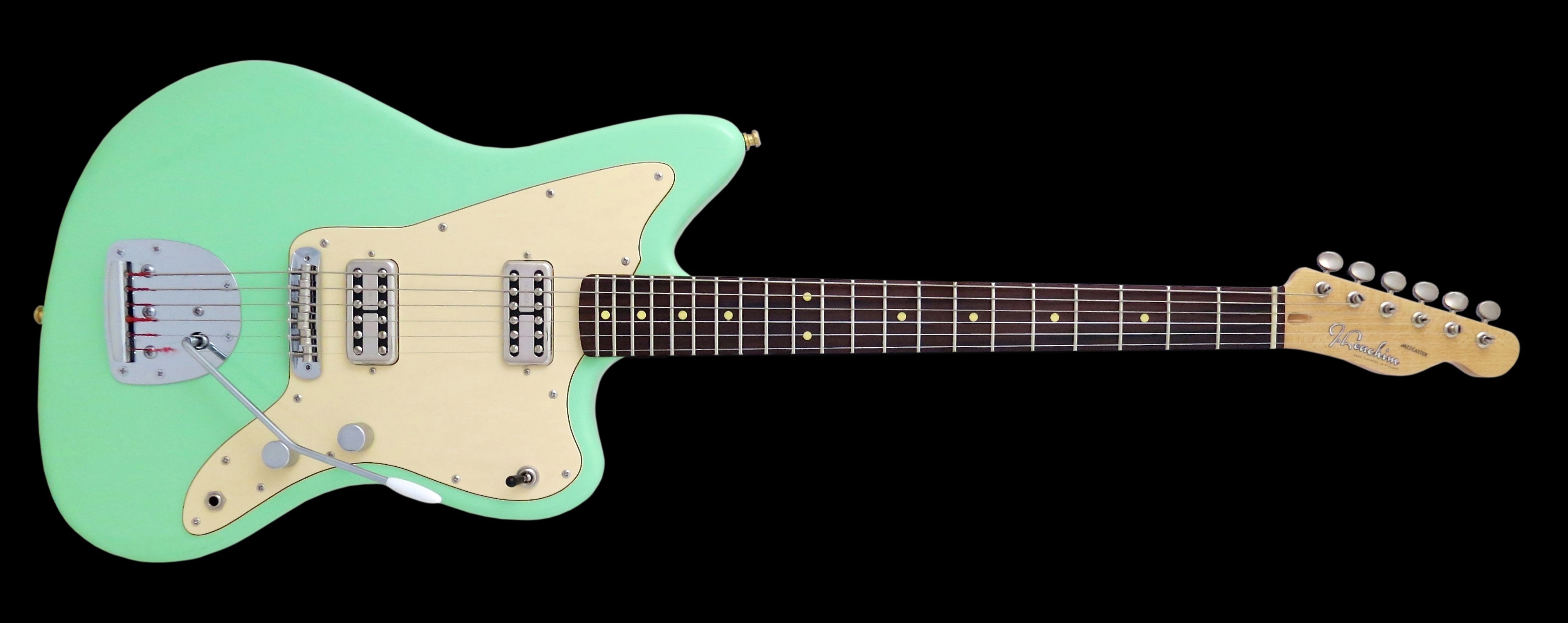
The J. Leachim Guitars Jazzcaster (prices start from approx. 1,300 €; hard case incl.) is a very enticing mix of different classic guitars:

The Jazzcaster’s maple neck has been sourced from Northwest Guitars. It’s a Tele-style neck sporting jumbo frets, as well as a modern fretboard radius of 9.5 inches.

The Guitarbuild body has been crafted from very lightweight swamp ash. Filtertron-sized pickup routs have been added at the J. Leachim workshop.

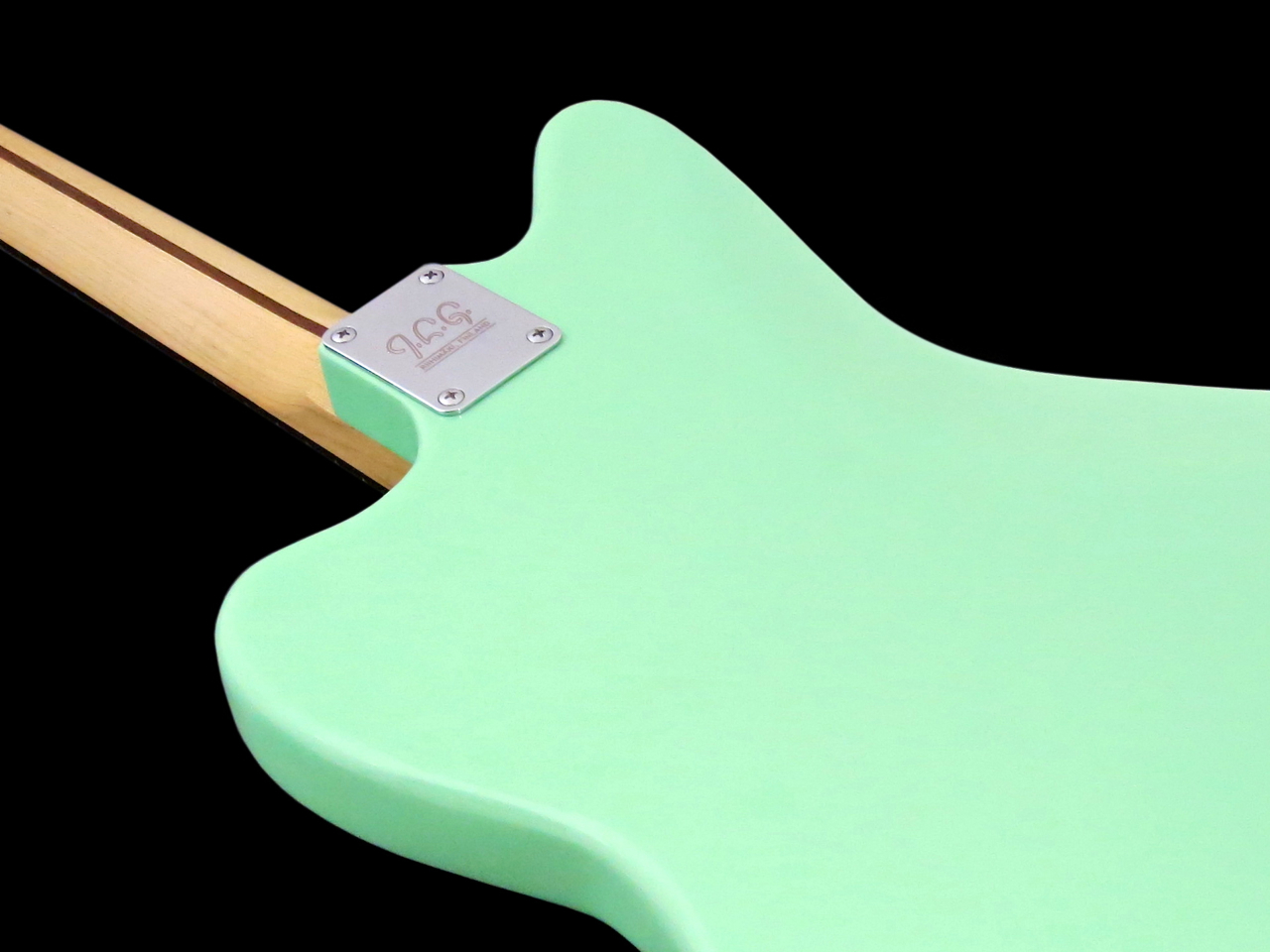
J Leachim Jazzcaster – neck joint

J. Leachim Guitars clearly know how to use nitro lacquer properly:

The body has received an exquisite, thinly applied gloss finish in Surf Green, while the neck has been finished with a thin satin clear coat.

J Leachim Jazzcaster – headstock

The fretwork on the Jazzcaster is great. The rosewood fingerboard comes with 21 jumbo-sized frets.

The top nut has been carved from a piece of genuine bovine bone. Some may find the nut’s shaping a tad angular, but I don’t mind; it’s only cosmetics, after all.

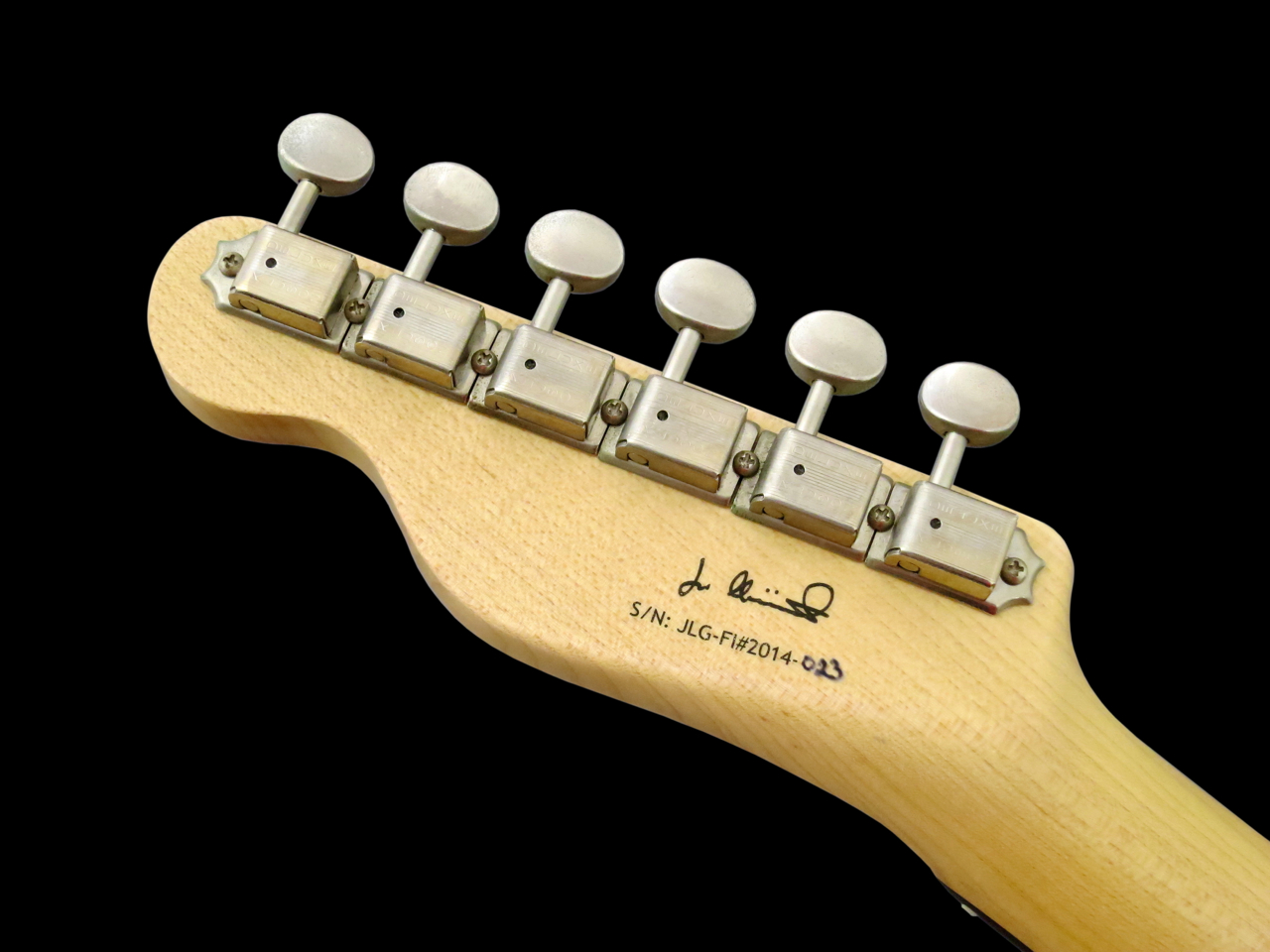
J Leachim Jazzcaster – tuners

A nice set of lightly-aged Klusons takes care of tuning duties on this J. Leachim model.

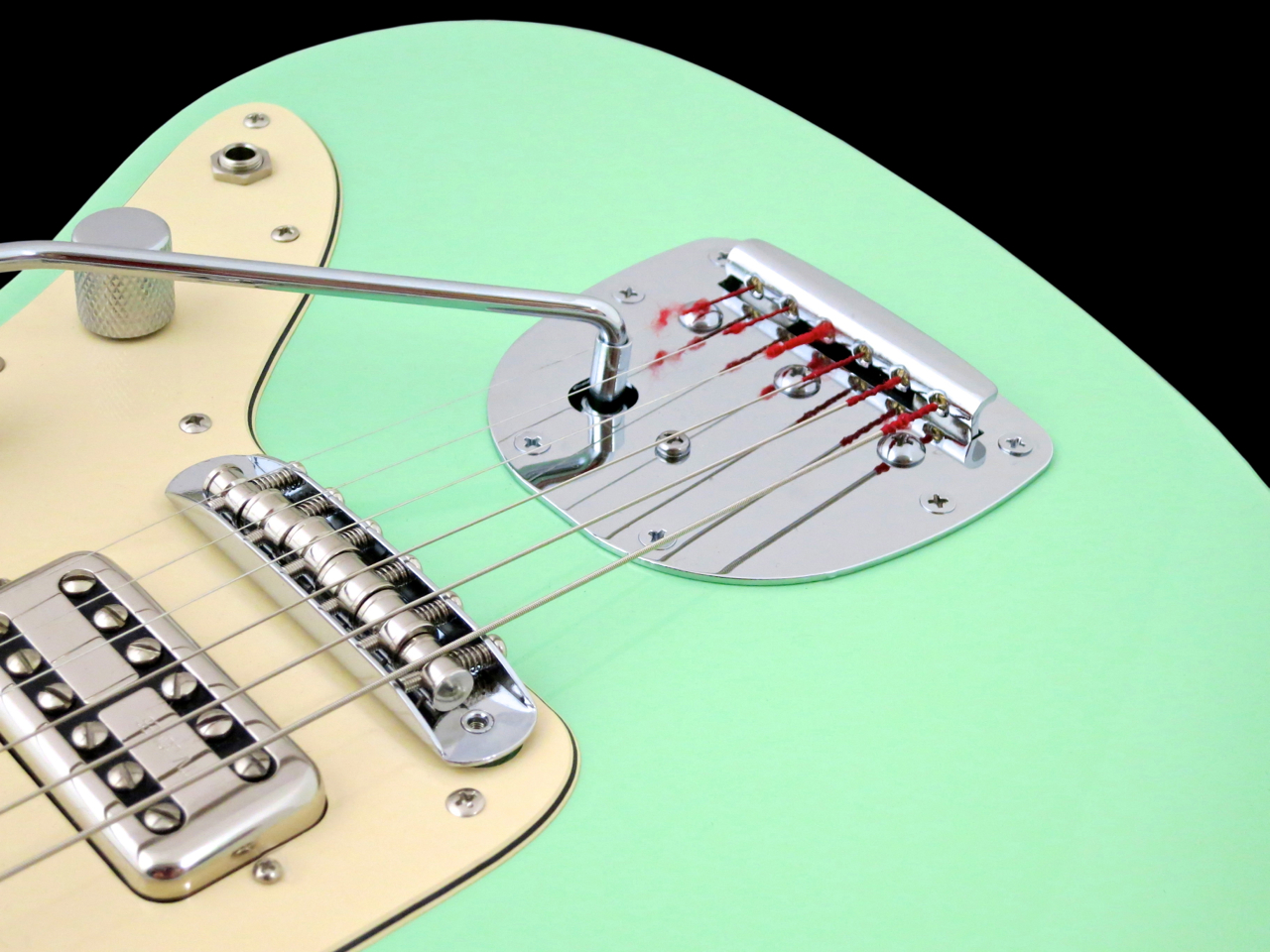
J Leachim Jazzcaster – bridge

The Jazzcaster’s bridge and vibrato tailpiece have both been sourced from WD Music:

The vibrato is a version of the Fender Jazzmaster/Jaguar-vibrato, albeit without the original’s lock-off mechanism. The original locking mechanism is notoriously difficult to set up properly, so leaving it off is actually a good thing (in the view of most guitarists).

Many guitarists today dislike the original Jazzmaster-bridge, too, because the individual height-adjustment screws on the bridge saddles tend to work themselves loose with modern (light gauge) strings. Originally, this bridge – as well as the vibrato – has been designed to work with the stiffer string sets of the late 1950s (mostly 012 or 013 sets). With a set of 010s or 009s the Jazzmaster-bridge’s adjustment screws tend to rattle a lot.

Many modern makers – like J. Leachim Guitars – substitute the Jazzmaster-bridge with a Fender Mustang-bridge for this very reason. The Mustang-bridge is a direct replacement, and it uses differently sized bridge saddles to preset the fretboard radius permanently, so nothing can work itself loose and rattle.

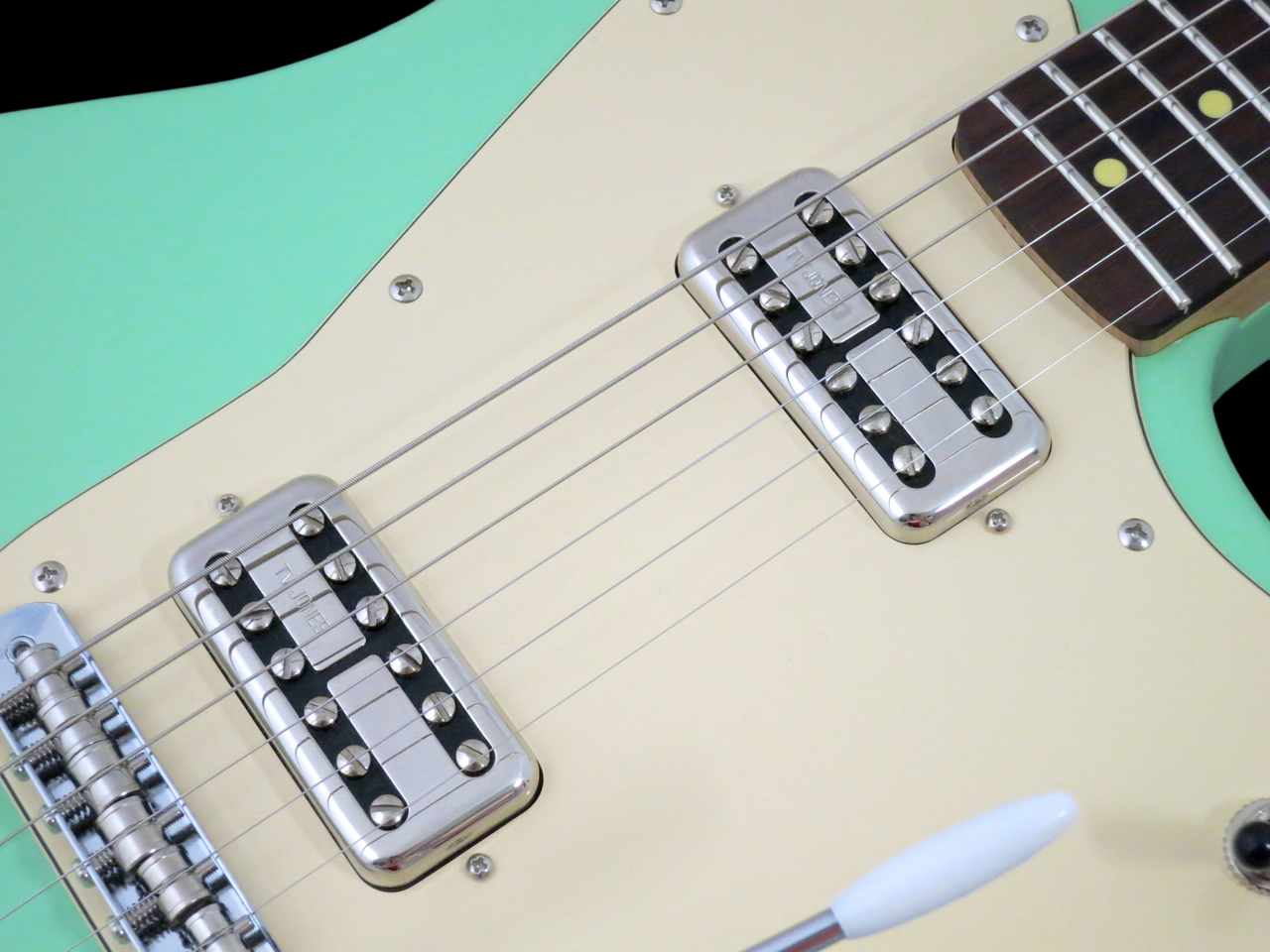
J Leachim Jazzcaster – pickups

Gretsch Filtertron-style pickups are the ”in” thing at the moment.

J. Leachim’s Jazzcaster comes with a pair of TV Jones-pickups – there’s a vintage-type TV Classic in the neck position, and a more powerful Powertron model placed near the bridge.

J Leachim Jazzcaster – controls

The customer who ordered this particular Jazzcaster specified a reverse tone control (working clockwise), so this is what can be found on this instrument.

J. Leachim Guitars use a stereo phone jack, which keeps a firmer grip on the guitar lead’s plug, as well as making sure you always have a good connection to ground.

****

J Leachim Jazzcaster – body beauty 2

In my view, the J. Leachim Jazzcaster very successfully blends the ergonomics of the Jazzmaster body with a Gretschy tone. Thanks to its very smooth Jazzmaster-vibrato, the JLG Jazzcaster has a more open sound than, for example, a Cabronita Telecaster.

The Jazzcaster plays like a dream, as long as you’re willing to live with the typical, well-known compromises of the Jazzmaster/Jaguar-vibrato.

With modern, slinky strings, big bends – especially, when played higher up the neck – can quite easily make the high e-string jump out of its bridge groove. In a way this isn’t so much a fault, but more of a feature of this vibrato system, because the strings cross the bridge at a relatively shallow angle. With the stiff string sets of the late Fifties the system works fine, but for huge Blues bends with a contemporary 010-gauge set you should maybe invest in an additional bridge roller.

I would like to see a smoother taper on the tone control, though. On the review instrument the treble roll-off was more a matter of on or off, with everything happening right at the end of of the knob’s travel.

The Jazzcaster has a beautiful acoustic tone, with a bell-like ring and an open, yet firm body.

TV Jones’ acclaimed Filtertron-style pickups seem like a perfect fit for this model, adding a good deal of chime and twang, without sounding too bright or biting. Being humbuckers, the TV Jones pickups are also immune against hum and buzz, unlike a traditional Jazzmaster’s singlecoil units, which are not a million miles removed from a Gibson P-90.

This clip gives you an idea of the J. Leachim Jazzcaster’s clean sounds (starting with the neck pickup):

When plugged into an overdriven channel, the Jazzcaster wins you over with a chunky, aggressive and compact voice, which is just the ticket for Seventies-style Rock or Punk. Famous Filtertron-users in the Rock genre include AC/DC’s original rhythm guitarist Malcom Young, and the Who’s Pete Townshend, who frequently used Gretsch guitars as his ”secret weapon” in the studio.

Here’s the track from the Youtube-video – ”Seabird Flavour (Homage to Peter Green)”:

There are three rhythm parts – left channel (neck pickup), centre (neck pickup), and right channel (both pickups) – as well as the lead part, which uses both pickups (and the vibrato tailpiece).

J Leachim Jazzcaster – body beauty

****

J Leachim Jazzcaster – beauty shot 2

In my view, J. Leachim’s Jazzcaster is a beautiful, and very well-made, Fender-inspired guitar, with a sound that’s all its own. You could think the Jazzcaster was only for Jazz or Country, but in reality this fine guitar covers a much wider area of musical styles.

In any case, J. Leachim Guitars is yet another Finnish guitar brand worth keeping on your radar.

****

J. Leachim Guitars Jazzcaster

Price approx. 1,300 € (incl. hard case)

Contact: J. Leachim Music

****

Pros:

+ workmanship

+ finish

+ playability

+ smooth vibrato action

+ sound

Cons:

shallow string angle across bridge (read the review)

tone control could work smoother

Testipenkissä: J. Leachim Guitars Jazzcaster

JLeachim 2

J Leachim Jazzcaster – beauty shot – black

Riihimäkiläistä J. Leachim Guitarsia voisi kutsua Suomen vastineeksi amerikkalaiselle Nash Guitarsille. Samoin kuin Nash Guitarsissa myös JLG:ssäkään ei rakenneta soittimia suoraan raa’asta puusta, vaan firmassa keskitytään puolivalmiiden runkojen ja kaulojen viimeistelyyn, osien relikointiin (jos toivottu), sekä kitaroiden kokoamiseen.

Saimme J. Leachimin pomolta, Jan Merivirralta, juuri valmistuneen Jazzcaster-mallin, joka on yksi firman ei-relikoiduista soittimista.

****

J Leachim Jazzcaster – full front – final med

J. Leachim Guitarsin Jazzcaster (hintaluokka noin 1.300 €; kova laukku kuuluu hintaan) on mielenkiintoinen ja tutunoloinen yhteentörmäys eri klassikkokitaroiden aineksista:

Jazzcasterin kaula on Northwest Guitarsilta hankittu nykyaikainen Tele-kaula jumbonauhoilla, sekä (alkuperäistä hieman loivemmalla) 9,5-tuumaisella otelaudan radiuksella.

Erittäin kevyt suosaarnirunko tulee Guitarbuildin valikoimasta, ja siihen on lisätty J. Leachimin pajassa oikean mittaiset kolot Filtertron-tyypisille mikeille.

J Leachim Jazzcaster – neck joint

J. Leachimissä tiedetään ilmiselvästi miten nitrolakkaa käytetään oikein:

Rungon erittäin ohut, kiiltävä Surf Green -viimeistely on suorastaan herkullisen näköinen, kun taas kaulan satiinipinta tuntuu todella mukavalta.

J Leachim Jazzcaster – headstock

Jazzcasterin nauhatyö on kiitettävällä tasolla. Ruusupuiseen otelautaan on asennettu 21 jumbo-kokoista nauhaa.

Soittimen satula on aitoa naudanluuta. Satulan ulkoreunojen kulmikkuus on pelkästään kosmeettinen makuasia, joka ei ainakaan minua haittaa pätkäkään.

J Leachim Jazzcaster – tuners

Tässä J. Leachim soittimessa käytetään hienoja – ja kevyesti vanhoitettuja – Kluson-virittimiä.

J Leachim Jazzcaster – bridge

Jazzcasterin talla ja vibrato tulevat WD Musicilta:

Vibrato on firman versio Fenderin Jazzmaster/Jaguar-vibrasta. Tarkkasilmäinen lukija on varmaan jo huomannut, että tässä versiossa alkuperäinen lukitusnappi puuttuu. Monien mielestä tämä on kuitenkin hyvä asia, koska alkuperäisen Fender-vibran lukitusmekanismi on melko hankala säätää toimivaksi.

Nykykitaristeille alkuperäinen Jazzmaster-tallakin on usein harmaiden hiuksien aiheuttaja. Tallapalojen yksittäiset säätöruuvit toimivat nimittäin suhteellisen hyvin ainoastaan 1950-luvun paksuilla kielisatseilla. Kevyillä nykysatseilla pikkuruiset säätöruuvit alkavat usein löystyä omatoimisesti soiton aikana, ja räminä voi alkaa.

Helpoin lääke tähän ongelmaan on käyttää Jazzmaster-tallan sijaan Fender Mustang -kitaran tallaa – se on muuten samanlainen, mutta Mustang-tallassa otelaudan kaarevuutta kompensoidaan eripaksuisilla tallapaloilla.

J Leachim Jazzcaster – pickups

Gretsch Filtertron -tyyliset humbuckerit ovat tällä hetkellä erittäin ”in”.

J. Leachim Jazzcasteriin on asennettu kaksi TV Jones -mallia – vintage-tyylinen TV Classic on valittu kaulamikrofoniksi, kun taas tallamikrofonina toimii selvästi alkuperäistä tuhdimpi Powertron.

J Leachim Jazzcaster – controls

Tilaajan toiveesta tässä Jazzcasterissa on käänteisesti toimiva tone-potikkaa.

J. Leachim Guitarsin stereojakki pitää plugia tiukasti paikoillaan ja lisää maadoituksen toimintavarmuutta.

****

J Leachim Jazzcaster – body beauty 2

Tämä Jazzcaster-kitara yhdistää onnistuneesti Jazzmasterin ergonomiaa ja soitettavuutta Gretsch-maiseen soundiin. Sulavasti toimivan vibran ansiosta J. Leachim -kitaran soinnissa on kuitenkin hieman enemmän avoimuutta kuin sellaisissa risteyksissä kuin esimerkiksi Cabronita Teleissä.

Jazzcasterin soitettavuus on ensiluokkaista, kun vaan ottaa huomioon Jazzmaster- ja Jaguar-faneille tutut rajoitukset:
Nykyaikaisilla (lue: ohuilla) kielillä suuret Blues-venytykset (etenkin ylänauhoilla) nostavat usein korkean e-kielen ulos tallapalan uralta. Tämä on enemmän ominaisuus kuin vika, koska Jazzmaster-vibra – jossa kielet menevät tallan yli suhteellisen loivassa kulmassa – on suunniteltu 1950-luvun lopussa käytettäväksi hiotun 013-kielisatsin kanssa. Isot bendaukset 010-satsilla onnistuvat tällä vibratolla esimerkiksi asentamalla vibratoon kieliä alas vetävän lisärullan.

Ainoa pieni kritiikkikohta koskee tässä kitarassa tone-säätimen toimintaa, jossa diskantin vaimennus tapahtuu vasta ihan liikeradan lopussa.

Jazzcasterin kaunis akustinen ääni on kellomaisen helisevä ja hyvin avoin, muttei missään nimessä liian kevyt.

TV Jonesin Filtertron-tyyliset mikrofonit ovat mielestäni todella hyvä valinta tähän malliin, koska ne lisäävät soundiin oman twänginsä, joka on kuitenkin vähemmän pureva kuin esimerkiksi perinteinen Telecaster-tallamikki. Kaksikelaisina TV Jonesit ovat myös hyvin immuuneja ulkoisia häiriöitä vastaan, jotka voivat olla tavallisissa Jazzmaster-mikrofoneissa oikea riesa.

Tässä esimerkkejä J. Leachim Jazzcasterin puhtaista soundeista (alkaen kaulamikrofonista):

Särön kanssa Jazzcasterista lähtee loistavan ärhäkkä ja sopivan kompakti ääni, joka sopii mainiosti jopa 1970-luvun Rockiin ja Punkiin. Tunnetuin Filtertron-käyttäjä Rock-piireissä on ollut varmaan AC/DC:n Malcom Young. Myös Pete Townshend (The Who) käytti 70-luvulla usein Gretsch-kitaroita Filtertron-mikeillä ”salaisena aseena” studiossa, juuri niiden erikoisen särösoundin takia.

Viimeiseksi vielä videon ääniraita – ”Seabird Flavour (Homage to Peter Green)”:

Biisissä on kolme komppikitaraa – vasen kanava (kaulamikki), keskellä (kaulamikki) ja oikea kanava (molemmat yhdessä) – sekä molempia mikrofoneja (ja myös vibratallaa) käyttävä soolokitara.

J Leachim Jazzcaster – body beauty

****

J Leachim Jazzcaster – beauty shot 2

J. Leachim Jazzcaster on mielestäni hyvin kaunis ja laadukas Fender-henkinen kitara omalla soundilla ja virtaviivaistetulla elektroniikalla. Ensisilmäyksellä Jazzcasteria voisi ehkä lokeroida pelkäksi Jazz- ja Country-kitaraksi, mutta todellisuudessa kitaran soundilliset antimet kattavat huomattavasti laajemman kirjon musiikkityylejä.

J. Leachim Guitars on joka tapauksessa yksi suomalainen tekijä lisää, jota tästedes kannattaa pitää silmällä.

****

J. Leachim Guitars Jazzcaster

Hintaluokka 1.300 € (sis. kovan laukun)

Lisätiedot: J. Leachim Music

****

Plussat:

+ työnjälki

+ viimeistely

+ soitettavuus

+ pehmeästi toimiva vibrato

+ soundi

Miinukset:

– kielten loiva kulma tallan yli (katso teksti)

– tone-säätimen ”jyrkkyys”

Review: Yamaha THR5A, THR10C and THR10X

****

Yamaha – New THR-amps

Yamaha’s popular series of THR practice amps has recently got three new members:

The brass-metallic coloured THR5A is a 5 Watts combo aimed specifically at electroacoustic guitars, and features digital microphone modelling, amongst other things.

The regular Yamaha THR10 has now gotten two sister models. The black THR10C concentrates on ”classic” and ”boutique” tones to satisfy the friends of classic Sixties and Seventies Rock and Blues. The army-green THR10X is aimed squarely at the connoisseurs of all things hard and heavy, concentrating on Hard Rock-, Metal- and Thrash-tones.

****

The main design concept is uniform across the THR-range:

Yamaha THR10X – side view

All combos have a sturdy metal chassis with plastic sides. The overall design clearly takes a lot of cues from today’s high-end tube Hi-Fi gear.

All THRs come equipped with a digital tuner.

Yamaha THR5A – back view

All of the small amps feature a built-in USB-soundcard, which can be utilised for recording purposes (Steinberg’s Cubase AI comes with each amp), as well as for using the amp as your personal stereo system.

With the help of Yamaha’s THR Editor software you can also programme your own amp settings via the USB-port. As an added bonus, the THR Editor gives you access to some hidden functions (like the noise gate, or in the THR5A’s case also additional effects) that cannot be accessed from the front panel.

Yamaha THR5A – battery compartment

The Yamahas can be run on AA-batteries, if necessary. The THR5A’s battery compartment has been placed on the combo’s back…

Yamaha THR10X – battery compartment

…while on all THR10-models it has been sunk into the amp’s base plate.

Naturally, a quality, laptop-type PSU is supplied with all models.

****

Yamaha THR5A – full front

Regardless of the fact that the Yamaha THR5A (current price in Finland: 199,99 €) is one of the world’s smallest acoustic amps, it is still packed chock-full with tasty features.

Yamaha THR5A – controls

The THR5A offers you four different virtual microphones to turn your piezo’s tone into the sound of a mic’ed up acoustic. Three settings are meant for steel-string acoustics, with the fourth being reserved for nylon-string electroacoustic guitars.

The last Mic Type selection reads ”EG Clean”, being a clean electric guitar amp model for your occasional Jazz Box meanderings.

The Blend-control lets you change the balance between the dry piezo signal and the modelled virtual mic.

Offering only a single master tone the THR5A’s EQ-section is rather spartan, but the effect section is far better endowed: The Effect knob gives you compression, chorus or a combination of both. Delay/Reverb delivers delay, reverb and a combination effect.

You can adjust delay times using the Tap Tempo button on the far left.

****

Yamaha THR10C – front

The vintage-inclined Yamaha THR10C (current price in Finland: 299,99 €) is larger than the THR5A, and it also offers more features.

Yamaha THR10C – controls

The THR10C comes loaded with five guitar amp models, whose names already give you a very good idea of their soundscape:.

In addition, there’s one bass amp model, as well as a setting for acoustic guitar. The neutral sounding Flat-selection is a good choice if you want to amplify a synth or digital piano.

The THR10C’s EQ-section is a three-band affair, while the effect department offers eight different effects. Turning the Effect-knob gives you access to a chorus, a flanger, a phaser and a tremolo effect. Delay/Reverb offers you tape echo, spring reverb, hall reverb, as well as a echo/reverb-combination setting.

All THR10-models sport five memory slots to store your favourite amp settings.

The Output-section offers you two volume controls, with one being the guitar section’s master volume and the other dealing with the signal coming in via USB (or the auxiliary input).

****

Yamaha THR10X – full front

It may be small, but it still is fierce – the Yamaha THR10X (current price in Finland: 299,99 €) is tailoured to all Rock and Metal.

Yamaha THR10X – controls

The THR10X’s Amp-department holds in store five high gain amp models, each with its own tonal footprint, with differences in areas such as bass punch and overall compression.

A Clean model is also supplied for the occasional ballad or two, along with a Bass amp and the Flat setting.

The THR10X features the same type of three-band EQ as it’s sister model.

The effect department is also nearly identical, save for the THR10X’s brighter Delay-effect.

****

Yamaha THR10C – running

I think it’s great that Yamaha have designed their entire THR-range as stereophonic combos, because this way the amps also have a clear appeal as ”lifestyle accessories”. As pure guitar amps, stereo brings out the depth in some effects, especially reverbs, but when used as a personal micro-Hi-Fi stereo is the only way to go.

Yamaha’s decades-long experience in the Hi-Fi-field really shows in the sound of these small combos. The sound is full, clear, punchy and dynamic. The tiny THR5A already sounds better than most built-in computer sound systems, even if the breadth of the stereo picture isn’t as wide, and the bass response as deep as in the larger combos. The THR10s really hit the sonic jackpot, and will blow many micro-Hi-Fis off the table, hands down. For a guitarist the THR-series is a stylish way to combine an mp3-boombox with a practice amp.

****

THR5A

I must admit that the THR5A’s raison d’être is not quite clear to me. At home you normally wouldn’t need to use and amp with an acoustic guitar, but on the other hand this tiny combo really doesn’t cut it at, say, a pub gig. Maybe the THR5A is meant mainly for busking.

On the other hand I can’t deny that this dwarf’s virtual microphones sound surprisingly realistic, so maybe this combo’s main function is to serve as a specialised soundcard in your home or project studio. The amp’s cool mic modelling really manages to turn those dry and upfront piezo tones into something organic and beautiful.

The effects also sound very good.

I have recorded these examples with a Zoom H1 recorder. I played a Taylor 110CE:

Yamaha THR5A – Condenser + Compressor + Hall

Yamaha THR5A – Dynamic + Compressor + Hall

Yamaha THR5A – Tube + Compressor + Hall

****

THR10C

Ooh, man, I really dig this combo! I wouldn’t change a single amp model on the Yamaha THR10C – each sounds great and has plenty of depth and character.

The effects also sound great, with the spring reverb coming over especially realistically.

These three examples have been recorded using a Les Paul -style guitar:

Yamaha THR10C – British Blues + Hall

Yamaha THR10C – Class A + Chorus + Tape Echo

Yamaha THR10C – Deluxe + Tremolo + Spring Reverb

****

THR10X

Some jokers occasionally quip that all Heavy and Metal guitar tones sound alike.

The truth is nevertheless that there are all sorts of different types of overdriven and distorted guitar tones to be found in Hard Rock, Metal and Thrash. The most distinct differences are usually found in the mid-range character and the bass response of saturated distortion tones.

To my knowledge, Yamaha’s THR10X is the world’s first and only practice amp devoted specifically to full-on Hard Rock and Metal. And what a great job it does!

These three examples have been recorded using a Les Paul -style guitar:

Yamaha THR10X – Brown II + Hall

Yamaha THR10X – Power II + Flanger + Delay

Yamaha THR10X – Southern Hi + Phaser + Delay

****

Yamaha THR10C – close-up

In my opinion these new THR-models are a great move by Yamaha. These specialised combos will satisfy those guitarists who have wished for more of their own genre in the same combo, while leaving the successful basic models – the THR5 and THR10 – untouched, and the overall concept of the THR-series intact.

****

Three new Yamaha THR -models

• THR5A – 199,99 €

• THR10C and THR10X – 299,99 €

Finnish distributor: F-Musiikki

****

Pros (all models):

+ sturdy chassis

+ USB-soundcard

+ quality of amp/mic models

+ quality of effects

+ great sound as micro-Hi-Fis

+ value-for-money

Testipenkissä: Yamaha THR5A, THR10C ja THR10X

****

Yamaha – New THR-amps

Yamahan suosittu THR-harjoitusvahvistimien perhe on hiljattain saanut kolme uutta jäsentä:

Messinginhohtoinen THR5A on viisiwattinen pikkukombo akustiselle kitaralle, joka on varustettu mm. mikrofonimallinnuksilla.

Yamaha THR10 on saanut kaksi rinnakaismallia, joista musta THR10C on tarkoitettu 1960- ja 70-luvun Rock- ja Blues-klasikkosoundien ystäville, kun taas armeijanvihreän THR10X:n erikoisalaa ovat Hard Rock-, Metal- ja Thrash-genrejä.

****

Koko THR-malliston pääpiirteet ovat yhteisiä:

Yamaha THR10X – side view

Komboilla on kestävä kotelo taitetusta metallista, sekä muovista. Vahvarien tyylitelty ulkonäkö on saanut selviä vaikutteita high end -audiolaitteista.

Kaikissa THR-komboissa on sisäinen viritysmittari.

Yamaha THR5A – back view

Kaikissa THR:eissä on sisäänrakennettu usb-äänikortti. Komboja voi käyttää sekä kitararaitojen tietokonepohjaiseen äänittämiseen (Steinberg Cubase AI kuuluu hintaan) että muusiikin kuunteluun.

Yamahan THR Editor -softalla pystyy usb:n kautta myös ohjelmoimaan oman THR-kombonsa. Softalla pääsee käsiksi myös muutamaan ”piilotettuun”, sisäiseen parametriin (esimerkiksi kohinaportin asetuksiin), sekä THR5A:n tapauksessa myös lisäefekteihin.

Yamaha THR5A – battery compartment

Yamaha-komboja voi käyttää myös AA-paristoilla. THR5A:ssa paristolokero sijaitsee laitteen takaseinässä…

Yamaha THR10X – battery compartment

…kun taas THR10-malleissa se on upotettu vahvistimen pohjaan.

Laadukas virtalähde kuuluu luonnollisesti kaikissa malleissa pakettiin.

****

Yamaha THR5A – full front

Vaikka Yamaha THR5A (199,99 €) on yksi maailman pienimmistä vahvistimista akustisille kitaroille, on kärpässarjalaiseen kuitenkin mahdutettu pitkä lista ominaisuuksia.

Yamaha THR5A – controls

THR5A tarjoaa neljä virtuaalimikrofonia pietsomikrofonilla varustetuille akustisille. Näistä kolme on tarkoitettu käytettäviksi teräskielisten kanssa, ja viimeinen on erikoistunut nailonkielisiin.

Mic Type -valitsimen viimeinen pykälä – EG Clean – on puhtaan kitarakombon vahvistinmallinnus, jonka voi valita silloin, kun haluaa soittaa THR5A:n kautta sähkökitaraa.

Blend-säätimellä voi asettaa pietsosignaalin ja mikkimallinnuksen keskenäistä suhdetta.

Pikku-Yamahan EQ-osasto on yhdellä Tone-säätimellä hyvin pelkistetty, sen sijaan kombo tarjoaa peräti kuutta efektiä. Effect-lohkosta saa joko kompressorin tai choruksen tai sitten yhdistelmän näistä kahdesta. Delay/Reverb-osasto tarjoaa nimensä mukaisesti viivettä, kaikua tai viiveen ja kaiun komboefektiä.

Viiveajan voi säätää kätevästi Tap Tempo -napilla.

****

Yamaha THR10C – front

Vintage-puoleen kallistuva Yamaha THR10C (299,99 €) on hieman THR5A:ta isompi värkki, ja isoveljellä on myös enemmän ominaisuuksia tarjottavana.

Yamaha THR10C – controls

THR10C:ssä on viisi vahvistinmallinnusta, joiden nimistä saa jo hyvän vihjeen, millaisia soundeja on odotettavissa.

Niiden lisäksi löytyy basistille myös kelpo bassovahvistinmalli, sekä yksi akustiselle kitaralle tarkoitettu asetus. Neutraali Flat-pykälä taas sopii hyvin esimerkiksi synan vahvistamiseen.

THR10C:n EQ-osasto on kolmialueinen, kun taas efektejä on tarjolla kahdeksan kappaletta. Effect-puolelta löytyy chorus, flanger, phaser ja tremolo, kun taas Delay/Reverb-lohkosta irtoavat nauhakaiun, jousikaiun ja hallikaiun vaihtoehtoja, kuten myös yksi viiveen ja kaiun yhdistelmä.

Kaikissa THR10-malleissa on viisi muistipaikkaa soittajan omia luomuksia varten.

Output-osasto tarjoaa peräti kaksi volume-säädintä – yksi kitarapuolelle ja toinen usb-väylältä (tai Aux-tulolta) tulevalle ulkoiselle signaalille.

****

Yamaha THR10X – full front

Pieni, mutta pippurinen Yamaha THR10X (299,99 €) on optimoitu metallimiehille (ja tietysti -naisillekin) sopivaksi.

Yamaha THR10X – controls

THR10X:n Amp-lohkosta löytyy peräti viisi erilaista high gain -särökanavaa, joista jokaisella on oma soundinsa, sekä erilaisia luonteita esimerkiksi basson tiukkuudessa tai kompressoinnissa.

Satunnaista heavy-balladihetkiä varten mukaan on mahdutettu myös yksi puhdas virtuaalivahvistin, sekä Bass- ja Flat-asetukset.

Myös THR10X:ssä on kolmialueinen taajuskorjain.

Efektiosastot ovat lähes samat kuin THR10C-kombossa, THR10X:n kirkkaampaa Delay-efektiä lukuunotamatta.

****

Yamaha THR10C – running

Mielestäni on erittäin hienoa, että Yamaha on suunnittellut koko THR-mallistonsa stereofoniseksi, koska nämä kombot toimivat tällä tavoin loistavasti myös lifestyle-lisälaitteina. Stereofonia tarjoaa kitarakäytössä etenkin laajempia kaikuja, mutta erittäin tärkeää se onkin musiikin toistossa.

Yamaha-konsernin pitkä kokemus laadukkaiden hifi-laitteiden valmistajana kuuluu selvästi. Soundi on mehevä, puhdas ja dynaaminen. Pieneltä THR5A-kombolta saa jo huomattavasti paremman musiikkinautinnon kuin tavallisista tietokonekaiuttimista, vaikka stereokuva ei ole niin leveä, eikä bassotoisto niin muhkea kuin THR10-sarjalaisilla. Isojen kombojen soundi taas on todella ällystättävä ja pyyhkii monet pikkustereot pöydältä. Kitaristille Yamahan THR-sarjalaiset korvaavat tyylikkästi mp3-soittimen vahvistinjärjestelmää, samalla kun toimivat laadukkaina kotivahvistimina.

****

THR5A

Pienen, elektroakustiselle tarkoitetun vahvistimen järkevyydestä voi toki olla montaa mieltä, kun kotona soitettaessa vahvistinta yleensä ei tarvita eikä haluta. Keikoissa taas Yamaha THR5A:n kokoinen laite on yleensä tehojensa vuoksi melko alakynnessä. Kombon olemassaolon tarkoitus on kenties katusoitossa.

Toisaalta täytyy myöntää, että pikku-Yamahan mikrofonimallinnukset toimivat yllättävän hienosti ja uskottavasti, joten on ehkä luontevinta käyttää THR5A-komboa elektroakustiselle erkoistuneena äänikorttina kotiäänityksissä tai projektistudiossa. Vahvarin mikrofonimallinnukset nimittäin onnistuvat kiitettävästi pietsosysteemin kuivuuden ja suorasukkaisuuden poistamisessa.

Myös pikkukombon efektiosasto toimii hyvin, ja tarjoaa akustiselle sopivimmat efektit.

Ääniesimerkit on äänitetty Zoom H1 -tallentimilla. Käytin Taylor Guitarsin 110CE-mallia:

Yamaha THR5A – Condenser + Compressor + Hall

Yamaha THR5A – Dynamic + Compressor + Hall

Yamaha THR5A – Tube + Compressor + Hall

****

THR10C

Mahtavaa meininkiä! En vaihtaisi Yamaha THR10C:n vahvistinmallinnuksista yhtäkään pois – jokainen vahvistintyyppi kuulostaa hyvältä ja vastaa ainakin omat odotukseni siihen.

Myös efektien laatu on hieno sekä modulaatioefektien kannalta että kaikujen ja viiveiden osilta. Jousikaiun mallinnuksessa on onnistettu mielestäni erittäin hyvin.

Kaikki kolme ääniesimerkkiä on soitettu Les Paul -tyylisellä kitaralla:

Yamaha THR10C – British Blues + Hall

Yamaha THR10C – Class A + Chorus + Tape Echo

Yamaha THR10C – Deluxe + Tremolo + Spring Reverb

****

THR10X

Pintapuoliset kriitikot väittävät, että kaikki Heavy- ja Metal-soundit kuulostavat samalta moottorisahalta.

Totuus on kuitenkin, että myös Hard Rockissa, Metal-genressä ja Thrashissa käytetään monia eri särösoundeja ja vivahteita. Etenkin keskialueen soinnissa ja basson tiukkuudessa on olemassa monta eri vaihtoehtoa.

Yamahan THR10X on tietääkseni maailman ainoa harjoitusvahvistin, joka on kokonaan omistettu raskaalle musiikille, ja se lunastaa kaikki lupauksensa avokätisesti!

Myös THR10X:n tapauksessa käytin LP-tyylistä kitaraa:

Yamaha THR10X – Brown II + Hall

Yamaha THR10X – Power II + Flanger + Delay

Yamaha THR10X – Southern Hi + Phaser + Delay

****

Yamaha THR10C – close-up

Uudet THR-mallit ovat mielestäni todella hyvä veto Yamahalta. Erikoismalleilla tyydytetään sellaisten kitaristien toiveita, jotka toivoivat tietyille genreille enemmän vaihtoehtoisia soundeja, kuin mihin yleishyödylliset perusmallit – THR5 ja THR10 – pystyvät, mutta ilman että THR-sarjan hyvin toimiva yleiskonsepti muuttuu.

****

Uudet Yamaha THR-mallit

• THR5A – 199,99 €

• THR10C ja THR10X – 299,99 €

Maahantuoja: F-Musiikki

****

Plussat (kaikki mallit):

+ vankka kotelo

+ usb-äänikortti

+ mallinnuksien laatu

+ efektien laatu

+ äänenlaatu musiikin toistossa

+ hinta-laatu-suhde

Pidä blogia WordPress.comissa.

Ylös ↑