James Hetfield on muusikko, joka ei varmastikaan enää kaipaa esittelyä. Mies on Metallican keulahahmo, vokalisti, lauluntekijä ja kitaristi, ja hän on vaikuttanut ratkaisevasti koko Metal-genren kehitykseen.
Metallica-bändin kitaristit – Hetfield ja hänen kolleegansa Kirk Hammet – ovat tehneet jo pitkään yhteistyötä ESP Guitarsin kanssa. LTD James Hetfield Snakebyte on tämän yhteistyön tuorein hedelmä.
****
James Hetfield soitti Metallican alkuaikoina Gibsonin Explorer-mallia, ja kitarasankari näköään pitää edelleen kyseisen kitaran kulmikkaista muodoista.
LTD James Hetfield Snakebyte (1.096 €) on perusteellisesti päivitetty nykyaikainen metallikitara, jolla on kuitenkin selkeitä Explorer-vaikutteita.
Kitaran runko ja sen liimaliitoksella runkoon kiinnitetty kaula ovat mahonkia, kun taas Snakebyten sysimusta otelauta on veistetty eebenpuusta.
Mukavuuden – ja kevyemmän painon – nimessä LTD:n runko on Gibson-klassikkoon verrattuna pienempi.
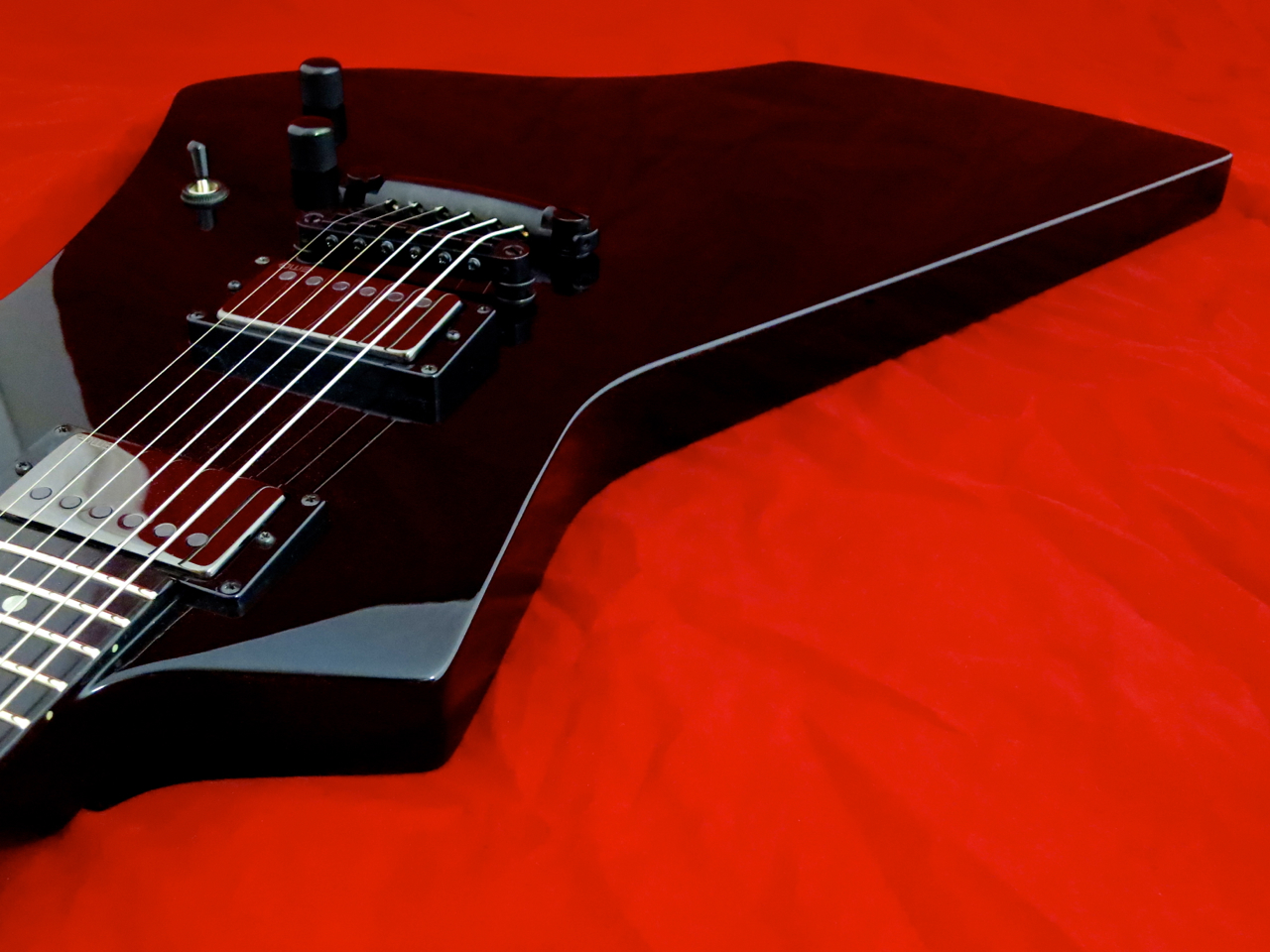
Rungon bassopuolen pitkä ja loiva viiste on vaikea vangita valokuvaan, mutta se on omiaan tekemään Hetfield-mallista mukavan.
Sperzel-lukkovirittimet on valittu Snakebyte-malliin niiden laadun ja toimintavarmuuden takia.
Tone Prosin talla ja kieltenpidin lukitaan säätämisen jälkeen vankasti paikoilleen kuusiokoloruuveilla. Näin kitaran säädöt pysyvät muuttumattomina myös rankassa lavashowssa.
LTD Snakebyteen on asennettu 22 jumbokokoista nauhaa. Testikitaran nauhatyö oli ensiluokkaista.
James Hetfield on ollut jo todella pitkään EMG:n aktiivimikkien käyttäjä. Muutama vuosi sitten hän sai myös oman EMG JH ”Het” -humbuckersetin, joka on tietenkin käytössä myös uudessa nimikko LTD:ssä.
JH-N-kaulamikrofoni on kehitelty käyttämään EMG 60 -mikrofonia lähtökohtana, mutta Hetfield-mikissä on yksittäisiä keraamisia magneetteja ja paksumpia keloja. EMG 81 taas on toiminut JH-B-tallamikrofonin ponnahduslautana, mutta tässä käytetään keraamisten tankomagneettien lisäksi vielä teräksisiä napapaloja.
Lopputulokseksi luvataan lämpimämpi perussoundi, entistäkin enemmän lähtötehoa, sekä selkeämpää atakkia.
Aha, kaksi säädintä ja kolmiasentoinen vipukytkin – asia selvä, eikö niin…
Ei niin nopeasti! Kytkin kyllä toimii perinteisellä tavalla, mutta potikat eivät ole master volume ja master tone, vaan kummankin mikin oma volume säädin.
James Hetfieldillä ei ole tarvetta sävynsäätimeen kitarassaan, koska hänen kitarateknikkonsa säätää kaikki tärkeät vahvistin- ja efektiasetukset omatoimisesti settilistan mukaan. Mestarille jää näin soittamisen ja laulamisen lisäksi lavalla vain oikean mikrofonin valinta.
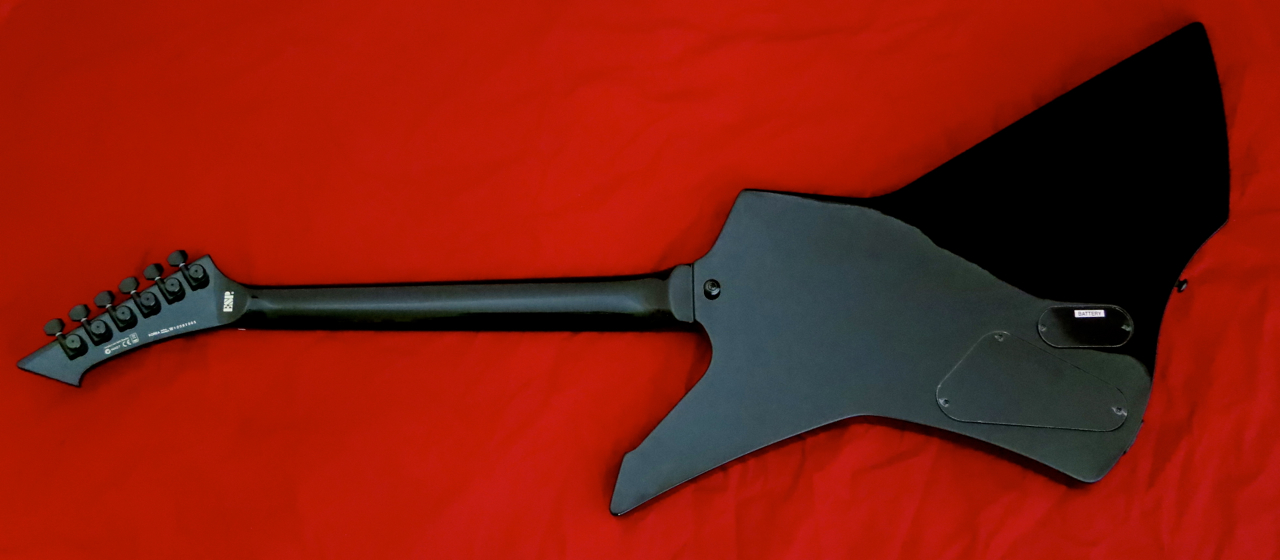
Paristolokeron kansi kiinnitetään asianmukaisesti koneruuveilla, mikä on puuruuveja huomattavasti kestävämpi ratkaisu.
****
On totta, että vuonna 1958 ilmestynyt Gibson Explorer oli melkoinen edelläkävijä uskaliaan muotoilunsa ansiosta. Mutta on myös totta, että suurikokoinen kitaraklassikko tuntuu hihnassa usein kuin mahan edessä roikkuvalta massiiviselta yöpöydältä.
Hetfieldin nimikkomalli on mielestäni onnistunut erittäin hyvin säilyttämään Explorerin metallimuusikolle niin tärkeää kulmikasta imagoa. LTD Snakebyte on kuitenkin huomattavasti kompaktimpi sähkökitara, joka on esikuvaansa nähden helpompi kantaa ja soittaa.
Hetfield Snakebyte soitettavuus on erittäin hyvällä mallilla, niin kuin pro-luokan soittimesta sopii odottaakin. Kaulaprofiiliksi on valittu mukavan täyteläinen ”C”. Tatsi on säädetty testiyksilössä mukavan kevyeksi. Kymppisatsilla kielten korkeus on 12. nauhan kohdalla 1,8 mm (matala E) ja 1,6 mm (korkea e-kieli), ja kielet soivat puhtaasti ja täysin rämisemättä koko otelaudan pituudella.
Testikitaran akustinen soundi löi minut ihanuudellaan täysin ällikällä. Äänessä on erittäin tarkka, pianomainen atakki, sekä avoin ja tasainen sustain-vaihe.
EMG:n aktiivinen ”Het” Set -parivaljakko on erittäin suuritehoinen, mutta mikrofonit tarjoavat kuitenkin hyvin kauniita ja avoimia clean-soundeja ilman häiritsevää keskialueen honottamista:
High Gain -kanavaan soitettuna LTD Snakebytestä irtoaa – yllätys, yllätys – James Hetfieldin legendaarinen Metal-soundi, josta löytyy rutkasti potkua ja preesensalueen purevuutta:
****
LTD James Hetfield Snakebyte on mielestäni selvästi pro-luokan täsmätyökalu laatutietoiselle metallimiehelle (ja -naiselle). Tämä ei ehkä ole maailman monipuolisin sähkökitara, mutta rankkojen tyylien kitaristeille se tarjoaa suorinta tie musiikilliseen nirvanaan.
Hagström Guitars’ new models, which had been announced at Frankfurt Musikmesse 2013, have finally arrived in Finland a few weeks ago!
Kitarablogi had the pleasure of receiving two of these guitars for testing:
The Viking P is a new version of Hagström’s very popular semi-acoustic, and it comes equipped with two Custom P-50 singlecoil pickups.
The Pat Smear Signature is a solid-body electric tailored to the Foo Fighters-guitarist’s needs.
****
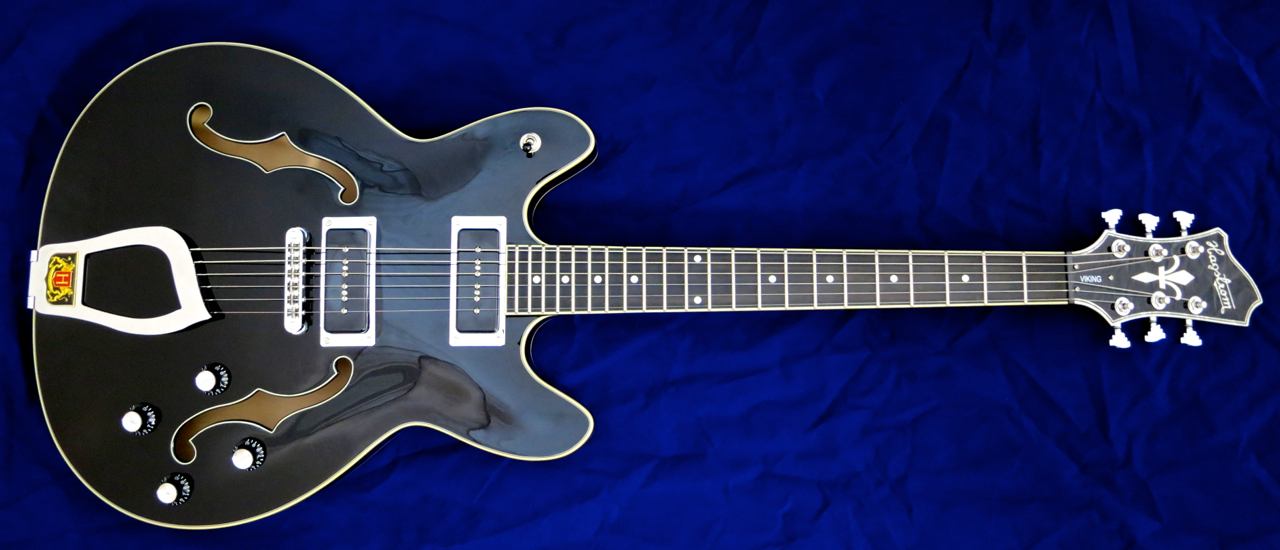
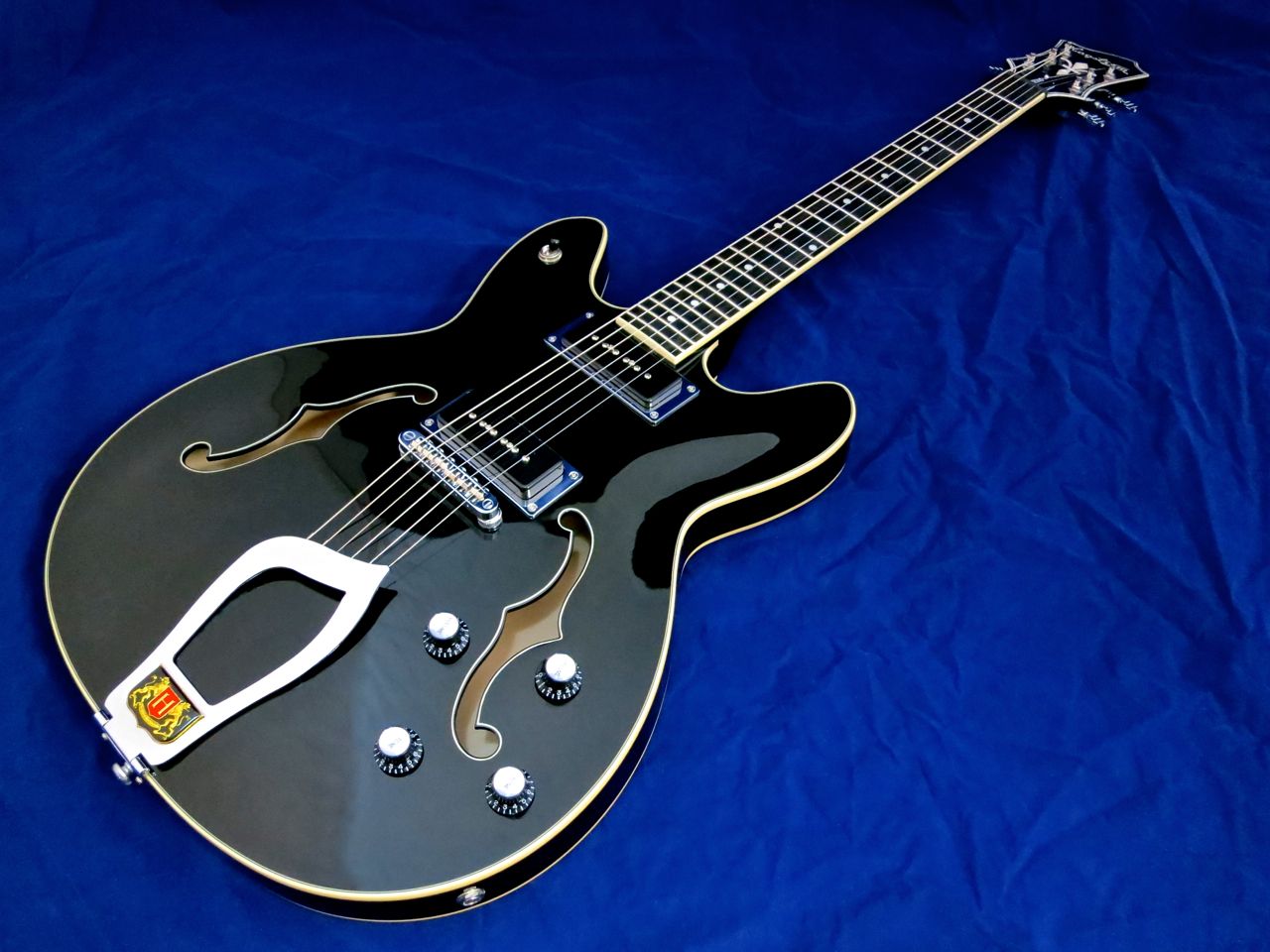
The Hagström Viking is probably the company’s best-known guitar model, not least because of Elvis Presley’s use of a Viking during his legendary ’68 Comeback Special TV show.
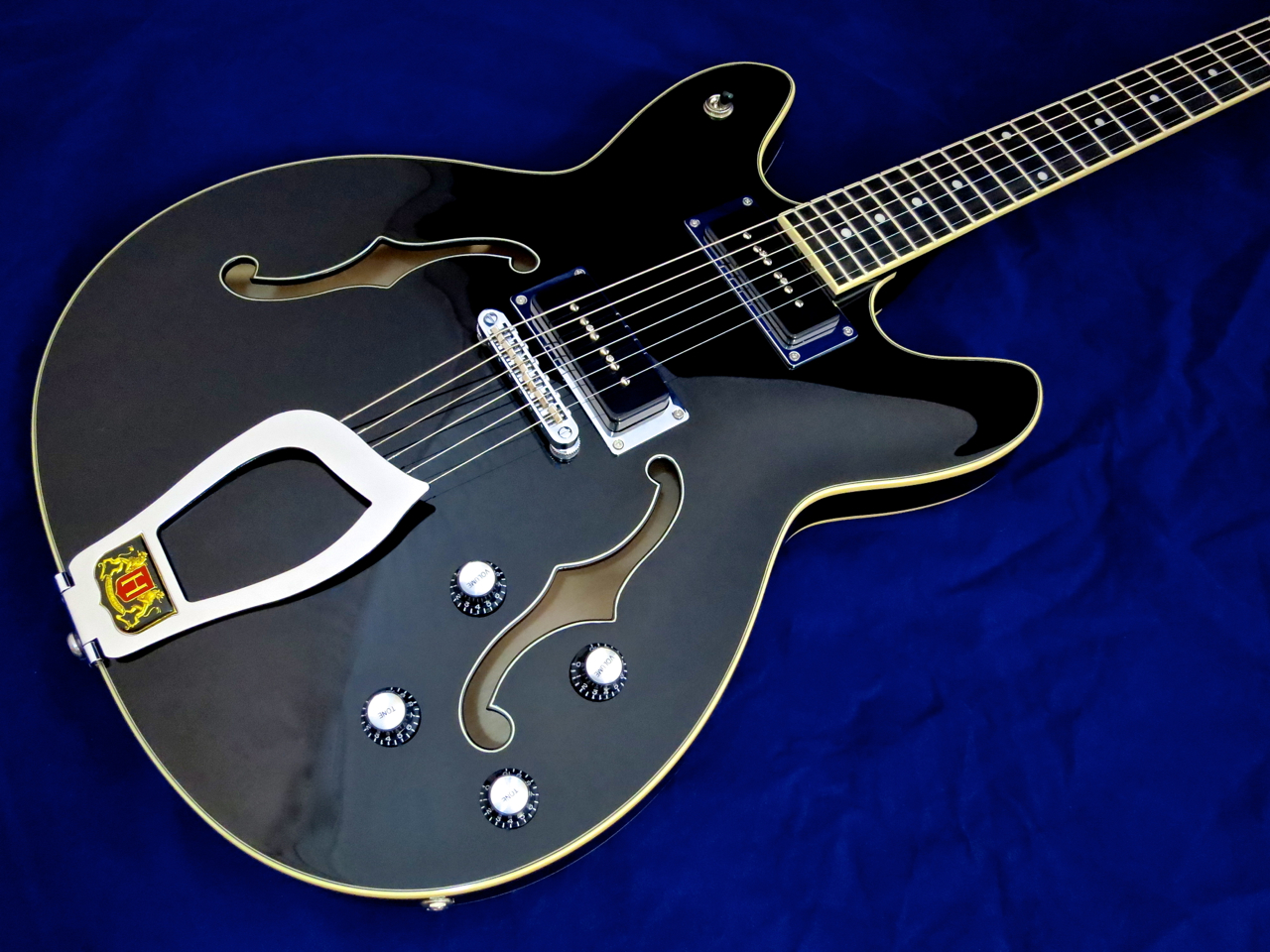
The brand-new Hagström Viking P (street price in Finland around 650 €) adds a pair of P-90-style singlecoils to the mix.
The Viking P’s maple neck is glued into the body, which is made in traditional style from form-pressed plywood maple.
A solid wood centre block – made of what looks like nato or meranti – runs the full length of this instrument.
”Beautiful”, ”classic” and ”timeless” are fitting adjectives to describe Hagström’s bound headstock.
Graph Tech’s self-lubricating Black Tusq-material has been chosen for the Viking P’s nut.
The Hagström-branded tuning machines are modern enclosed units that work very well.
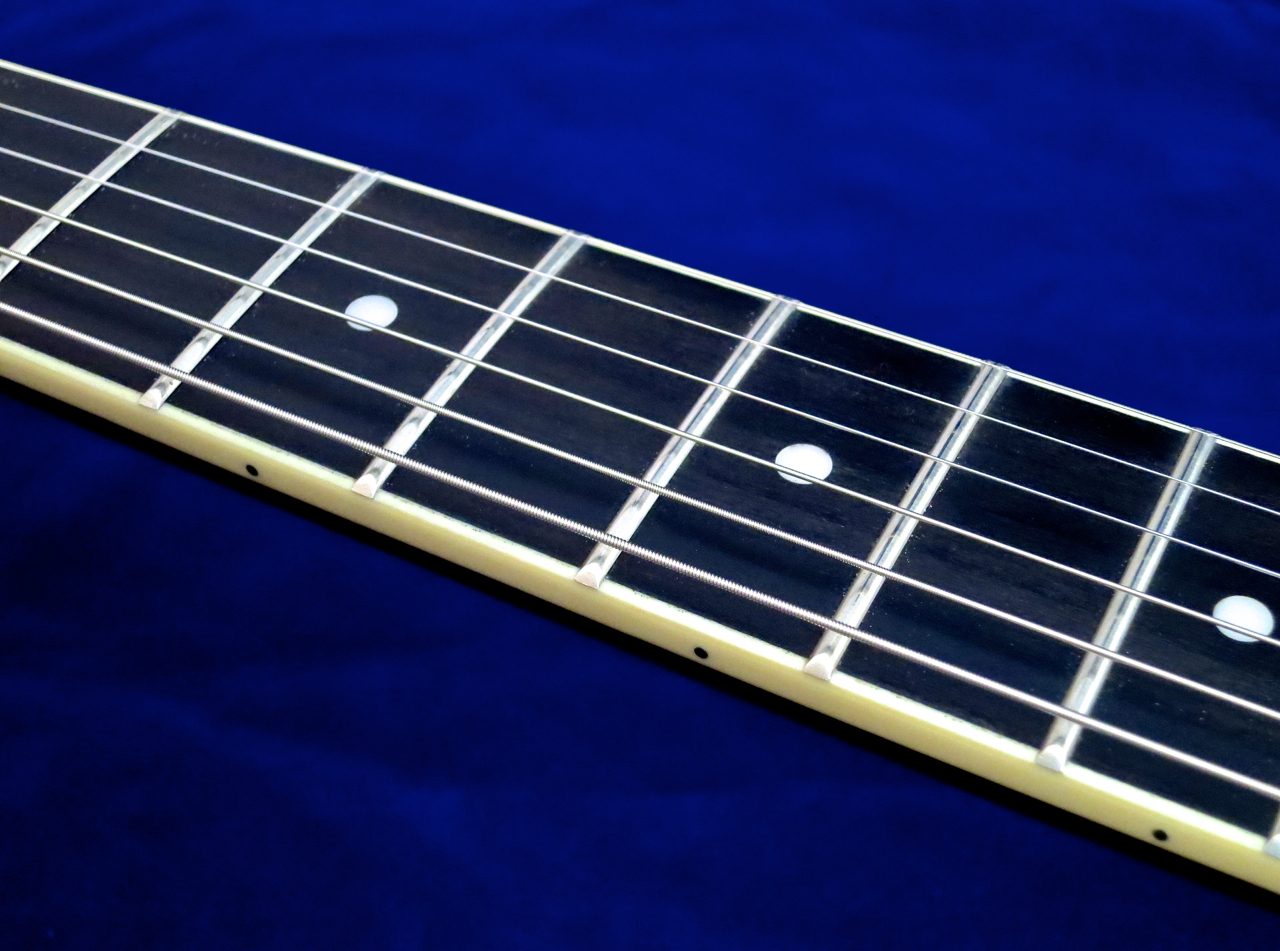
The deep black fingerboard of the Viking P has been crafted from Hagström’s proprietary Resinator-material, which is a composite of birch fibres and resin. Resinator aims to be a man-made alternative to ebony, offering similar properties in terms of stability, looks and sound.
The ’board sports 22 medium-sized frets, which have been installed cleanly and finished well.
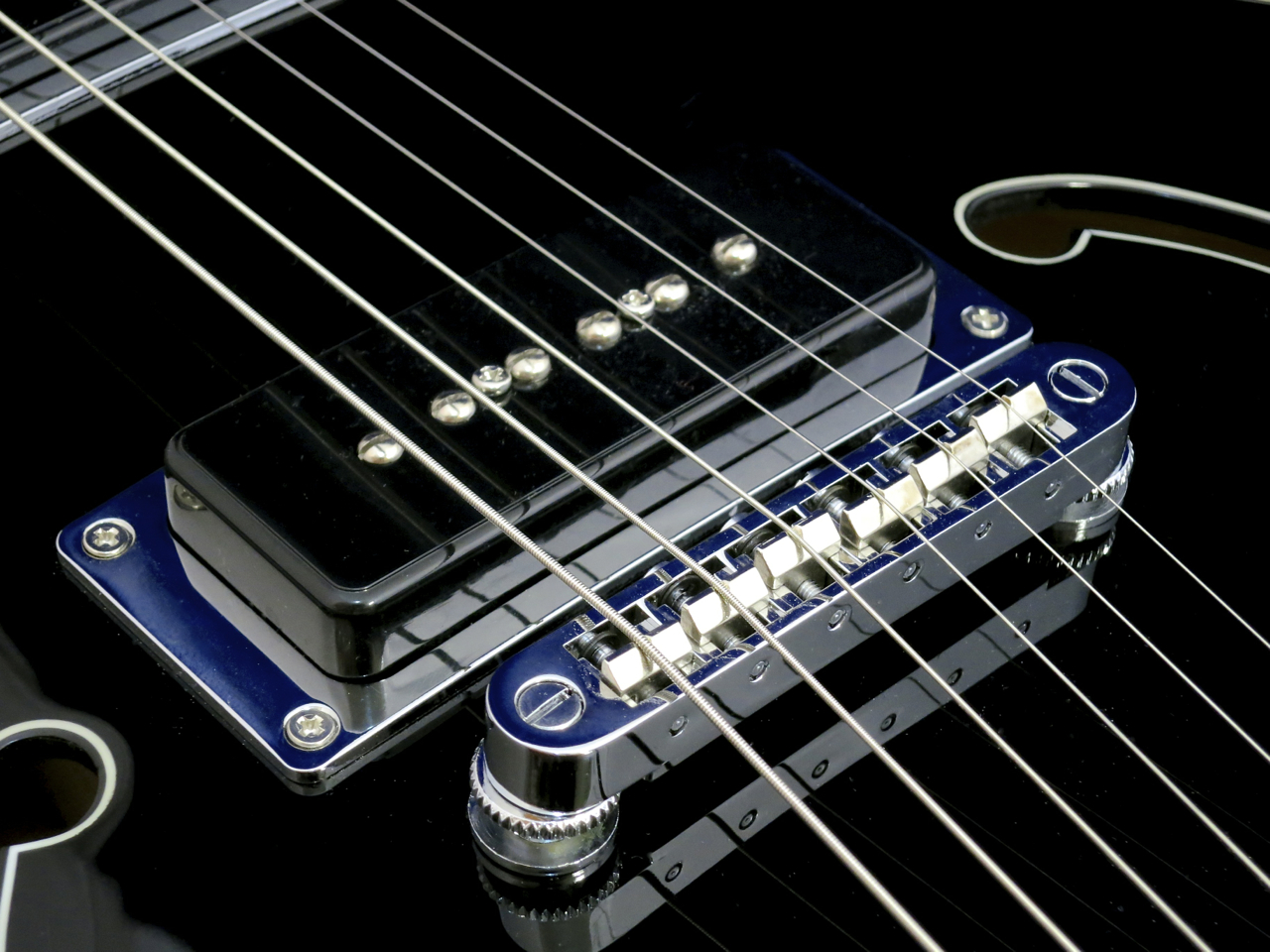
Hagström have chosen a stylish and practical way of installing their own Custom P-50 pickups on this semi:
Instead of opting for traditional, so-called dog ear covers, which are screwed to the guitar’s top, the Viking P comes with two black soap bar units. Originally developed for solid-body guitars, soap bar pickups offer the advantage of height adjustment via two Phillips-head screws placed between the adjustable pole pieces. With traditional dog ears the only means of adjusting pickup balance is by using the pole pieces – and often this leaves the bridge unit sounding a tad weaker than the neck pickup.
The three-way toggle switch has been placed on the Viking’s top horn.
The solid centre block cuts down feedback howl very effectively, and it also allows for the use of sturdy hardware.
The control setup is traditional, offering separate volume and tone pots for each pickup.
Pat liked the general shape of the F-200, but requested a thicker mahogany body with a bound maple top. In terms of thickness, we’re talking similar dimensions as on a PRS Guitars Custom 22, for example.
The Smear Signature features a set mahogany neck.
Any way you look at it – the Hagström headstock sure looks classy.
Pat Smear’s signature can be found on the back of the headstock.
It’s a Resinator fingerboard with 22 medium-sized frets on the Smear Signature also, but the position markers are large pearloid blocks here.
Mr Smear selected a pair of vintage-voiced Hagström Custom 58 -humbuckers for his signature model.
A special feature of this guitar is the toggle switch installation through a hole in the pickguard.
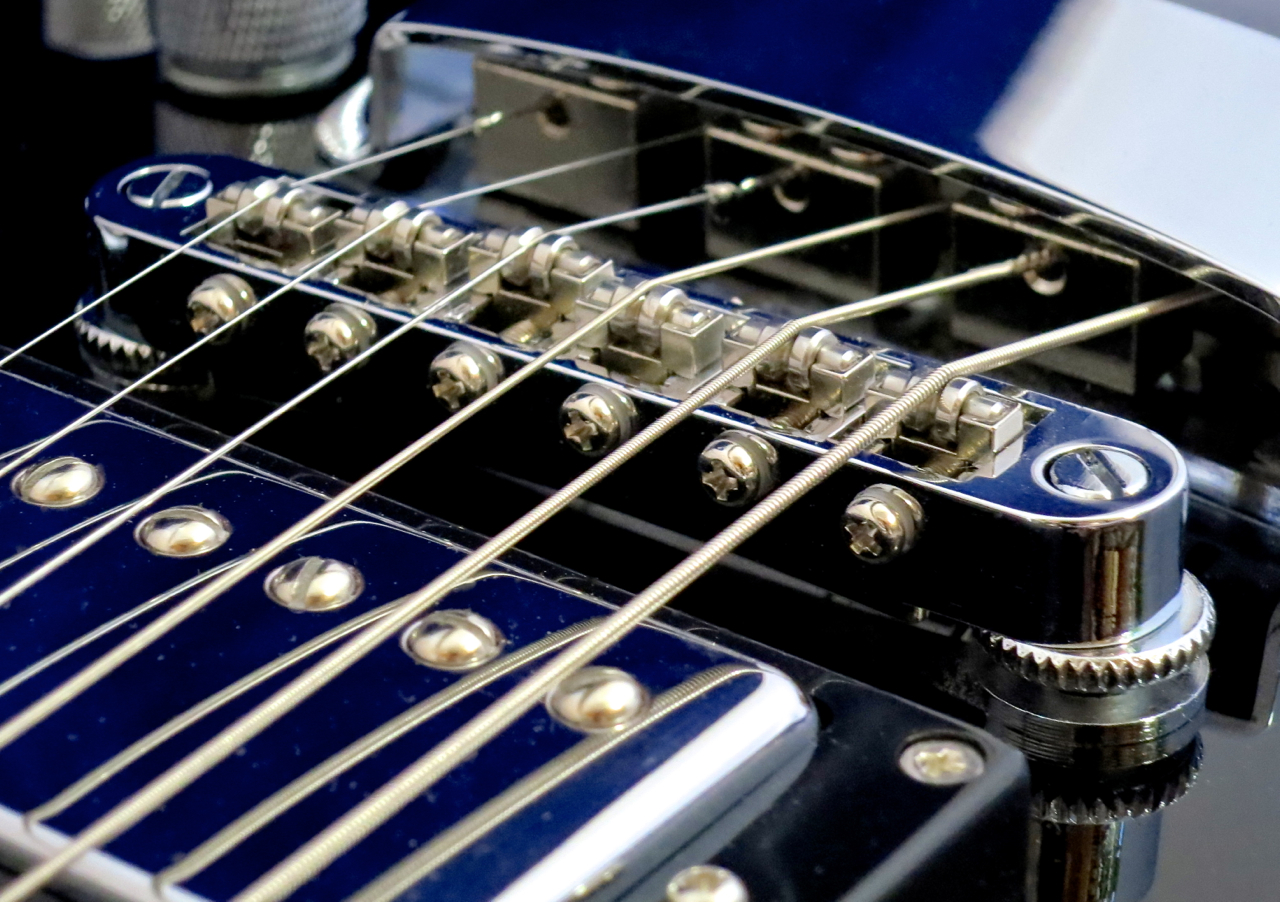
Even though the Pat Smear Signature isn’t equipped with a vibrato, the guitar comes with a roller bridge to ensure maximum tuning stability and string life.
Hagström’s idiosyncratic tailpiece is made up of six brass string retainers mounted onto a plexiglass plate.
There are four controls on the Smear-model, instead of the F-200’s single pair of master volume and master tone.
Both review guitars come with high-quality switches and pots.
****
Both review guitars suffered from a very slight bout of fretboard shrinkage due to dry weather conditions. It seems that Hagström’s Resinator composite doesn’t only look and feel like ebony, but also reacts to changes in air humidity in a similar fashion. Fretboard shrinkage isn’t a real ”fault” per se, but rather something that happens to a large proportion of new guitars. Luckily, your friendly guitar repair shop can take care of the sharpish fret ends easily and inexpensively.
The Hagström Viking P is of medium weight, and balances well in the lap or on a strap.
The neck profile is a flattish D, which feels great.
Straight out of the shipping-box the setup was spot-on. The Hagström Viking P comes factory-equipped with a 010-gauge string set. Thanks to the flat (15″) fingerboard radius and the low action (low E: 1.9 mm/high e: 1.6 mm) this Viking is a really comfortable player.
Due to its semi-acoustic build, the Viking P’s unamplified voice is quieter and closer to a solid-body than the acoustic performance of all-hollow thinlines, such as the Gibson ES-330 or the Epiphone Casino. Acoustically, the Viking P sounds clear and fresh.
Hagström’s fantastic Custom P-50 pickups add a nice shot of warmth and roundness to the mix, without clouding the Viking’s inherent clarity and dynamics.
There are great clean sounds on tap:
But the fun doesn’t end there, as the Viking P also delivers when it comes to the crunchy side of things, with its fat midrange and dynamic punch:
Due to the physical limitations inherent in single-coil pickups, high-gain sounds are always a somewhat tricky endeavour in P-90-equipped guitars. The sound is really great, but you have to decide for yourselves how much how much hum and buzz you can stomach:
****
Hagström’s Pat Smear Signature feels very comfortable, thanks to its rounded body shape and moderate weight.
This guitar’s neck is a slightly more rounded affair, when compared to the neck profile on Viking P, making it feel even better, in my opinion.
Again, the setup was great straight out of the box – a low action, such as the one on the Smear Signature (low E: 1.6 mm/high e: 1.4 mm), only works as well as it does here when the frets are level. This guitar plays like a dream.
Acoustically, this Hagström speaks with a strong and clear voice. The Smear-model features a healthy attack coupled with long and even sustain.
I really like Hagström’s vintage-voiced Custom 58-humbuckers, because their moderate output level leaves enough room for the guitar’s acoustic clarity and dynamics to shine through:
The crunchy tones of the Pat Smear Signature manage to combine clarity and Rock-muscle in a very appealing fashion:
****
These new Hagström-models are very welcome additions to the company’s range of models.
Of these two, the Viking P leans somewhat more in the vintage direction tonally, dishing out a delicious and rootsy P-90-fuelled alternative to Hagström’s regular Viking. The Pat Smear Signature is a signature model that can work for many friends of double-humbucker solid-bodies, even if you’re not familiar with the man’s oeuvre.
In any case, both Hagström-models are quality instruments at prices even the amateur can afford.
****
Hagström Viking P + Pat Smear Signature
Viking P – street price in Finland approx. 650 €
Pat Smear Signature – street price in Finland approx. 670 €
Hagström Guitarsin uutuusmallit tämänvuotiselta Frankfurtin Musikmesseltä ovat viimein rantautuneet Suomeen!
Kitarablogi on saanut kaksi mallia testiin:
Viking P on Custom P-50 -yksikelaisilla varustettu versio Hagströmin suositusta puoliakustisesta.
Pat Smear Signature -malli on Foo Fighters -yhtyeen kitaristin kovasti odotettu nimikkokitara.
****
Hagströmin Viking on ehkä firman tunnetuin malli, ja kiitos siitä kuuluu Elvis Presleylle, joka käytti kyseistä kitaraa hänen legendaarisesta ’68 Comeback Special -TV-ohjelmassa.
Upouusi Hagström Viking P (hintaluokka noin 650 €) lisää tutulle reseptille P-90-tyylisiä yksikelaisia mikrofoneja.
Viking P:n vaahterakaula on liimattu muottiin prässätystä vaahteravanerista valmistettuun runkoon.
Rungon täysipuinen keskipalkki näyttää olevan testisoittimessa natosta tai meranti-puusta veistetty.
Kaunis, klassinen, ajaton – sellainen on Hagströmin reunalistoitettu viritinlapa.
Musta satula on tehty Graph Techin itsevoitelevasta Black Tusq -materiaalista.
Hagström-virittimet ovat nykyaikaista kapseloitua sorttia, ja toimivat moitteettomasti.
Viking P:n musta otelauta on veistetty Hagströmin omasta Resinator-materiaalista, joka valmistetaan koivusta ja hartsista. Resinatorilla on pitkälti samat ominaisuudet kuin eebenpuulla.
Kitarassa on 22 keskikokoista nauhaa, joita on istutettu otelautaan hyvin huolellisesti.
Hagström on päätynyt tällaiseen tyylikkääseen ja käytännölliseen tapaan asentaa omat Custom P-50 -mikrofoninsa puoliakustiseen kitaraan:
Kansikiinnityksen vaativan, perinteisen dog ear -vaihtoehdon sijaan Viking P:ssä käytetään alunperin lankkukitaroille kehitettyä saippuapala-tyyppiä. Soapbar-mikrofonin etu on, että sen korkeutta voi säätää naparuuvien välisillä ruuveilla. Dog eareissä taas vain naparuuveja voi säätää, minkä takia tallamikrofonin signaaliteho voi pysyä joissakin kitaroissa kaulamikrofonia heikompana.
Kolmiasentoinen vipukytkin sijaitsee kaikissa Viking-malleissa rungon yläsarvessa.
Kaikukopan keskipalkin ansiosta feedback-ulinan kanssa tulee vain harvemmin ongelmia, ja lisäksi palkki mahdollistaa kiinteän tallan asentamista.
Tuttuun tapaan on tarjolla neljä säädintä – kummallekin mikrofonille oma tone- ja volume-säädin.
Pat tykkäsi F-200:n ulkomuodosta, mutta toivoi selvästi paksumpaa runkoa, jossa mahonkisen takaosaan päälle on reunalistoitettu vaahterakansi. Smear-mallin runko on samaa paksuusluokkaa kuin esimerkiksi PRS Guitarsin Custom 22 -malli.
Smear Signaturen mahonkikaula on liimattu runkoon.
Hagström-lapa on kuvankaunis myös tästä kulmasta katsottuna.
Pat Smearin nimmari löytyy lavan kääntöpuolelta.
Myös nimikkomallissa on Resinator-otelautaan asennettu 22 medium-kokoista nauhaa, mutta otemerkit ovat tällä kertaa erittäin kauniita blokkeja.
Herra Smear valitsi nimikkokitaraansa Hagströmin vintage-tyyliset Custom 58 -humbuckerit.
Pleksin läpi asennettu vipukytkin on hyvin omaleimainen ja pikantti yksityiskohta tässä mallissa.
Vaikka Pat Smear Signaturessa ei ole vibratoa, artisti on valinnut tallaksi rullilla varustetun tune-o-matic-kopion.
Hagströmin perinteisessä kielipitimessä kielet kiinnitetään pleksilasialustan läpi runkoon kiinnitettyihin messinkipaloihin.
Kitarasankarin omasta toiveesta Smear-mallissa on neljä säädintä, kun taas F-200:ssa on vain master volume ja master tone.
Molemmissa kitaroissa käytetään laadukkaita kytkimiä ja potentiometrejä.
****
Molemmissa testisoittimissa otelauta on ilmeisesti kutistunut aavistuksen verran matkalla Kiinasta tänne Pohjolaan, minkä takia nauhojen päät tuntuvat hieman terävältä sormien alla. Ilmeisesti Resinator-materiaali ei ainoastaan näytä puulta, vaan se myös ”elää” puun lailla. Tässä ei ole kyse varsinaisesta viasta, vaan uusien kitaroiden yleisestä ongelmasta, joka on helposti (ja edullisesti) korjattavissa.
Hagström Viking P:llä on mukava keskivertopaino, ja se istuu tällä kitaralajille tyypillisellä tavalla erittäin hyvin sylissä tai hihnassa.
Kaulaprofiiliksi on valittu suhteellisen matala D, joka tuntuu oikein hyvältä.
Suoraan pakasta vedetyn testiyksilön säädöt olivat prikulleen kohdallaan. Hagström Viking P tulee tehtaalta 010-kielisatsilla, ja soittimen tatsi oli otelaudan loivan kaarevuuden (15 tuumaa) ja mukavan kielikorkeuden (matala E: 1,9 mm/korkea e: 1,6 mm) ansiosta erittäin kevyt.
Gibson ES-335-tyylisenä puoliakustisena soittimena Viking P:n akustinen ääni on hyvin tiukka ja paljon lankkukitara-maisempi kuin esimerkiksi samankokoisissa, mutta täysin ontoissa ES-330 tai Epiphone Casino -kitaroissa. Viking P kuulostaa raikkaalta ja selkeältä.
Hagströmin loistavat Custom P-50 -mikrofonit lisäävät soppaan hieman pyöreyttä ja lämpöä, ilman että Vikingin selkeys ja dynamiikka kärsisivät.
Lopputulos on puhtaan vahvistimen läpi soitettuna erittäin kaunis:
Myös säröllä Viking P:n soundi pistää suun messingille, koska sointi on tiivis ja erotteleva, muttei piikikäs:
Liidisoundeissa yksikelaisten mikkien – fysiikasta johtuva – häiriöherkkyys voi tulla suurilla gain-määrillä vasten. Jokaisen on itse selvitettävä, miten paljon hurinaa omassa kitarasignaalissa saa olla. Hagström Viking P:n soundi sinänsä on nimittäin erittäin hyvä:
****
Hagströmin Pat Smear -malli tuntuu mukavalta sekä seisten että istuen, myös maltillisen painonsa ansiosta.
Tämän kitaran kaula on aavistuksen verran pyöreämpi tapaus, kuin Vikingissä, ja se istuu minun käteeni ehkä vieläkin paremmin kuin puoliakustisen Hagströmin vastine.
Niin ikäänkin suoraan pakasta vedetyn Smear Signaturen säädöt olivat myös erittäin hyvässä kuosissa – näin matalan kieltenkorkeuden (E: 1,6 mm/e: 1,4 mm) saa toimimaan kunnolla vain silloin, kun nauhatyö on suoritettu kiitettävästi. Testiyksilön soitettavuus on erittäin vaivatonta.
Akustisesti tämä Hagström soi vahvalla ja selkeällä äänellä. Smear-mallilla on tarkka atakki sekä pitkä ja tasainen sustain-vaihe.
Hagströmin erinomaiset Custom 58 -humbuckerit ovat maltillisella tehollaan hyvin onnistunut valinta näin dynaamisesti ja avoimesti soivalle lankkukitaralle:
Myös särösoundeissa Pat Smearin nimikkomalli kuulostaa samalla selkeältä ja lihaksikkaalta:
****
Nämä uudet Hagström-mallit ovat erittäin tervetulleita variaatioita firman tutuista, omista malleista.
Viking P nojaa näistä kahdesta ehkä aavistuksen verran enemmän vintagen suuntaan, ja tarjoaa P-90-tyylisillä mikeillä hieman juurevamman vaihtoehdon perus-viikingille. Pat Smear Signature on yleishyödyllinen nimikkomalli, joka toimii myös erittäin hyvin, vaikka herran tuotanto tai musiikkityyli eivät miellytä.
Kyse on joka tapauksessa laadukkaista soittimista, joiden rahkeet selvästi riittävät myös ammattimuusikon käyttöön.
American guitar guru Grover Jackson is a genuine living legend. When Jackson bought Wayne Charvel’s small shop (in 1978) nobody would have guessed that this man would single-handedly define two new types of electric guitars.
The – mostly bolt-on necked – Charvel guitars from the Eighties kicked off the Superstrat-phenomenon in earnest.
The original Jackson-branded instruments became famous as hiogh-octane Metal-guitars, which combined first class playability with bold graphic finishes. The most legendary Jacks model is surely the Concorde/RR, which Grover Jackson developed for Randy Rhoads.
Grover Jackson left Charvel/Jackson at the end of the 80s, and he went on to design instruments for a number of different brands, like Washburn for example. The Charvel and Jackson brands are nowadays part of the huge Fender conglomerate.
Grover Jackson has recently launched a new guitar-making outfit, together with (ex-Fender man) Jon Gold. GJ2 Guitars is a small Californian outfit which concentrates on small-run high-end guitar making.
Kitarablogi.com takes the first five instruments to arrive in Finland for a spin.
****
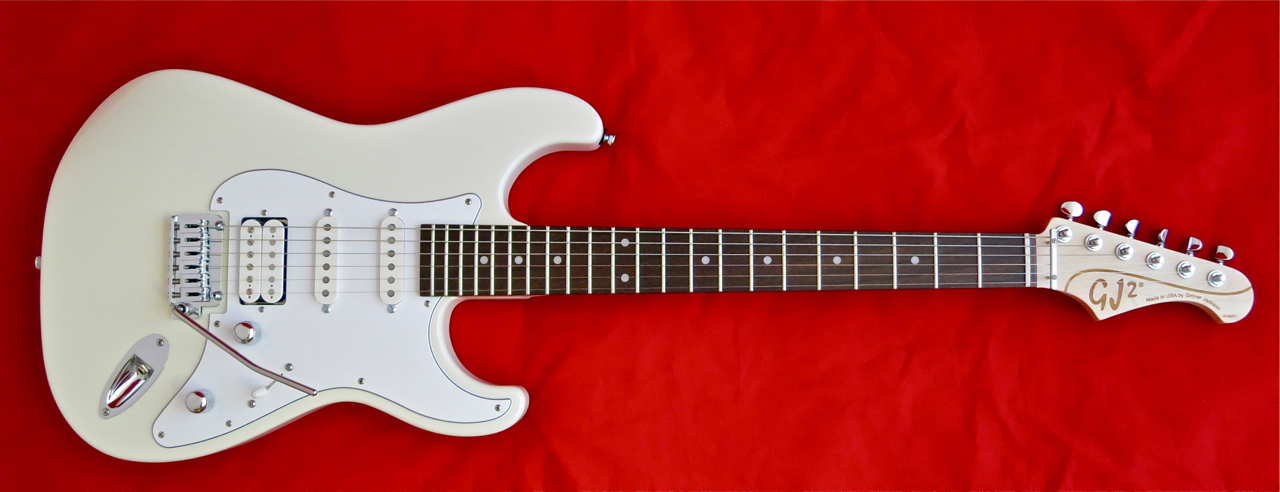
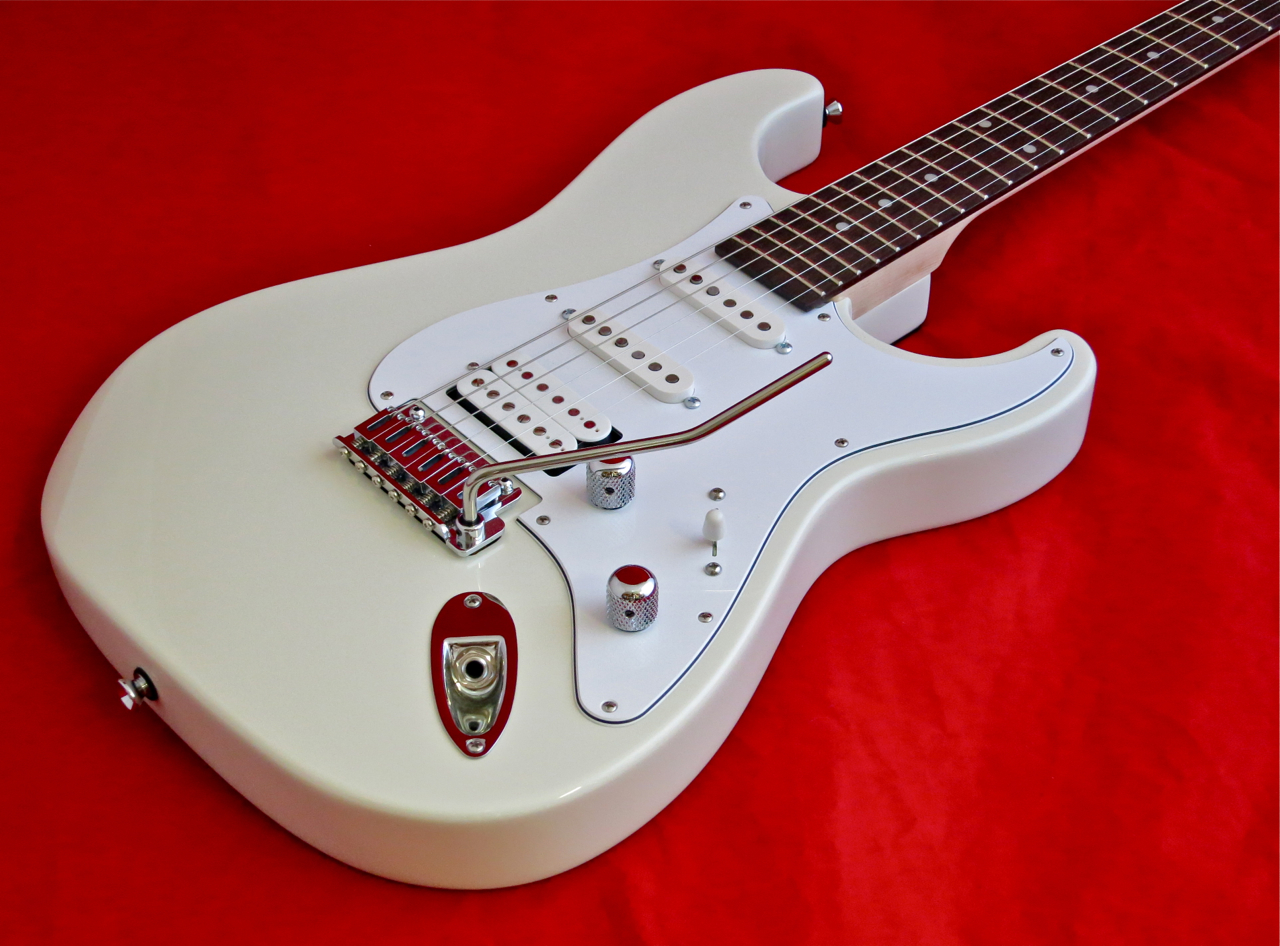
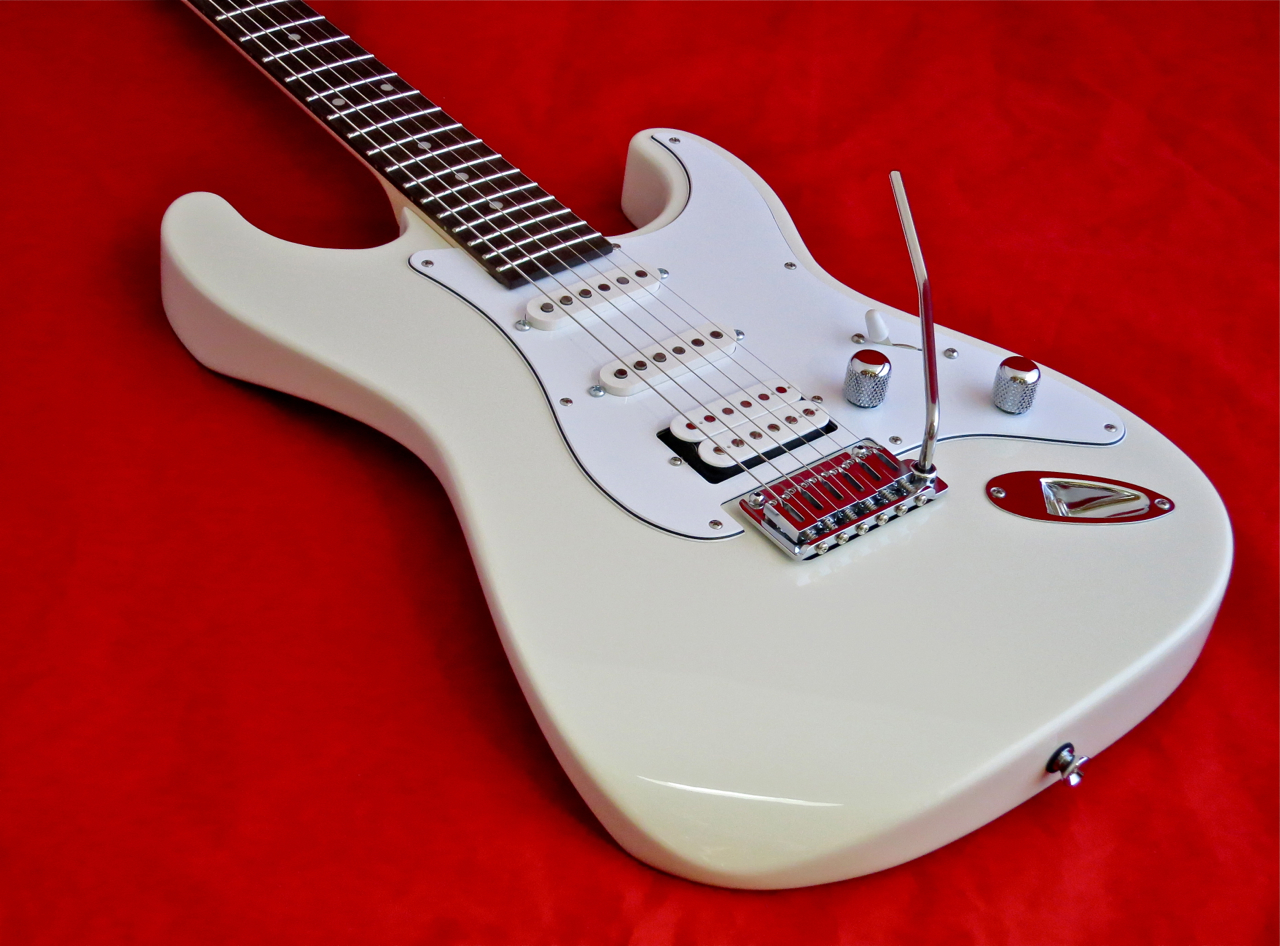
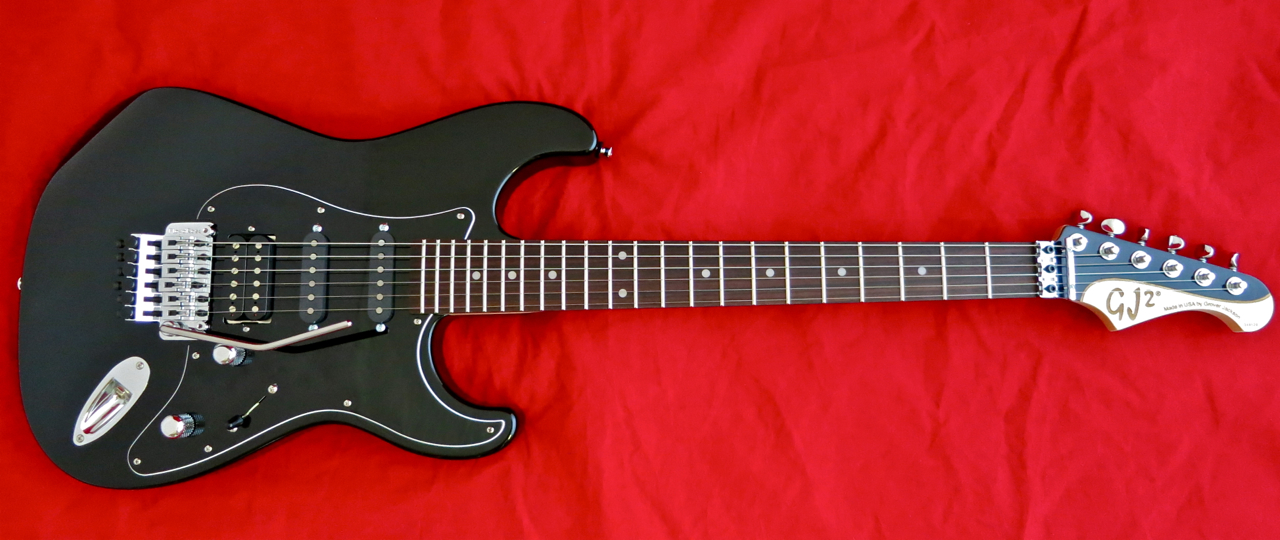
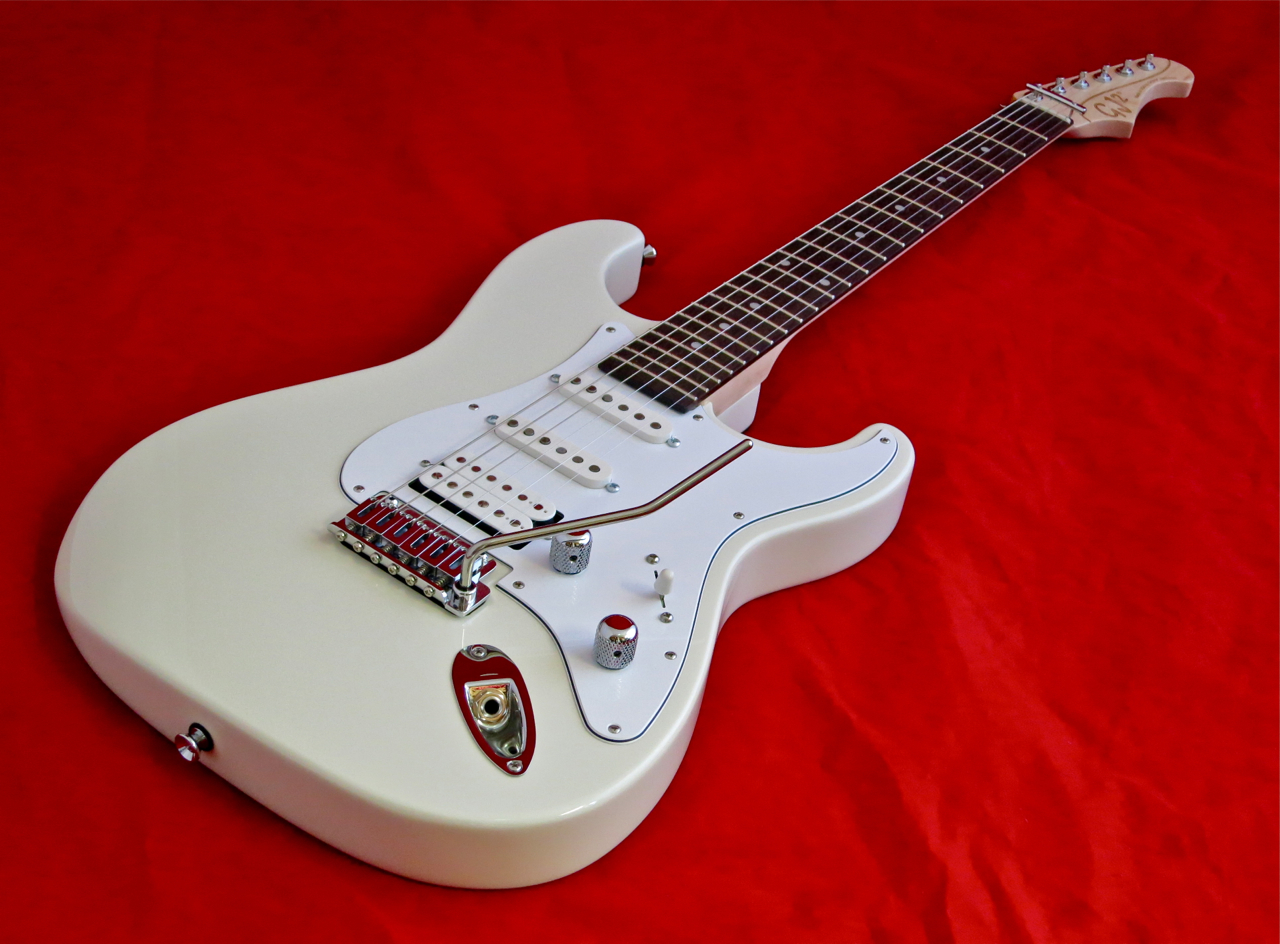
The GJ2 Glendora NLT (this version 1,717 €, incl. gigbag) is the most traditional guitar of our group of five.
The review sample’s body has been crafted from light ash (custom option) and finished in gloss Antique White. The basic version of the Glendora comes with a body made from either basswood, alder or poplar.
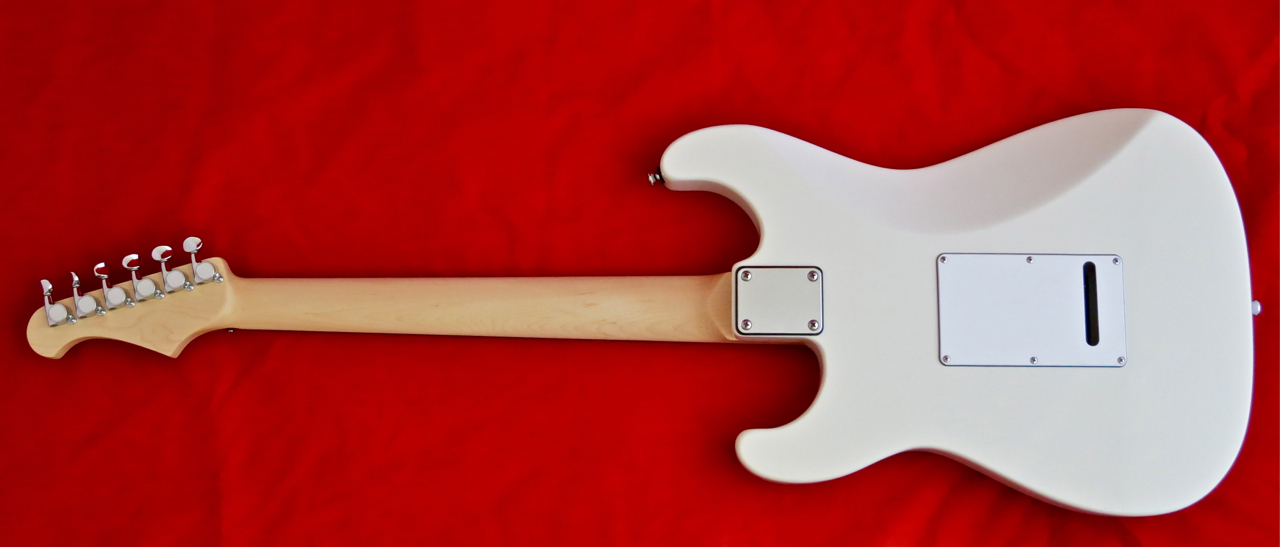
The satin-finished maple neck joins the body in traditional fashion.
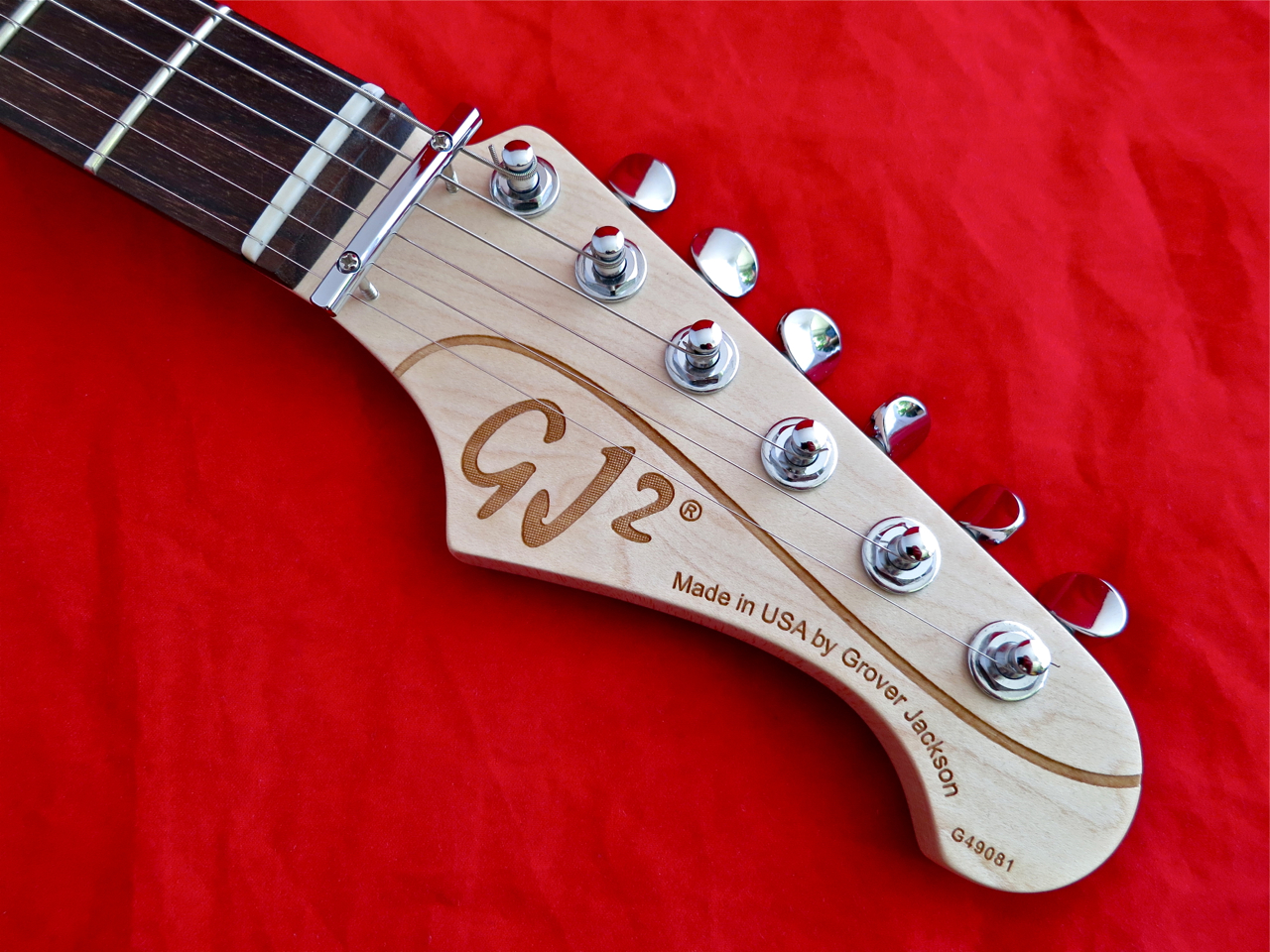
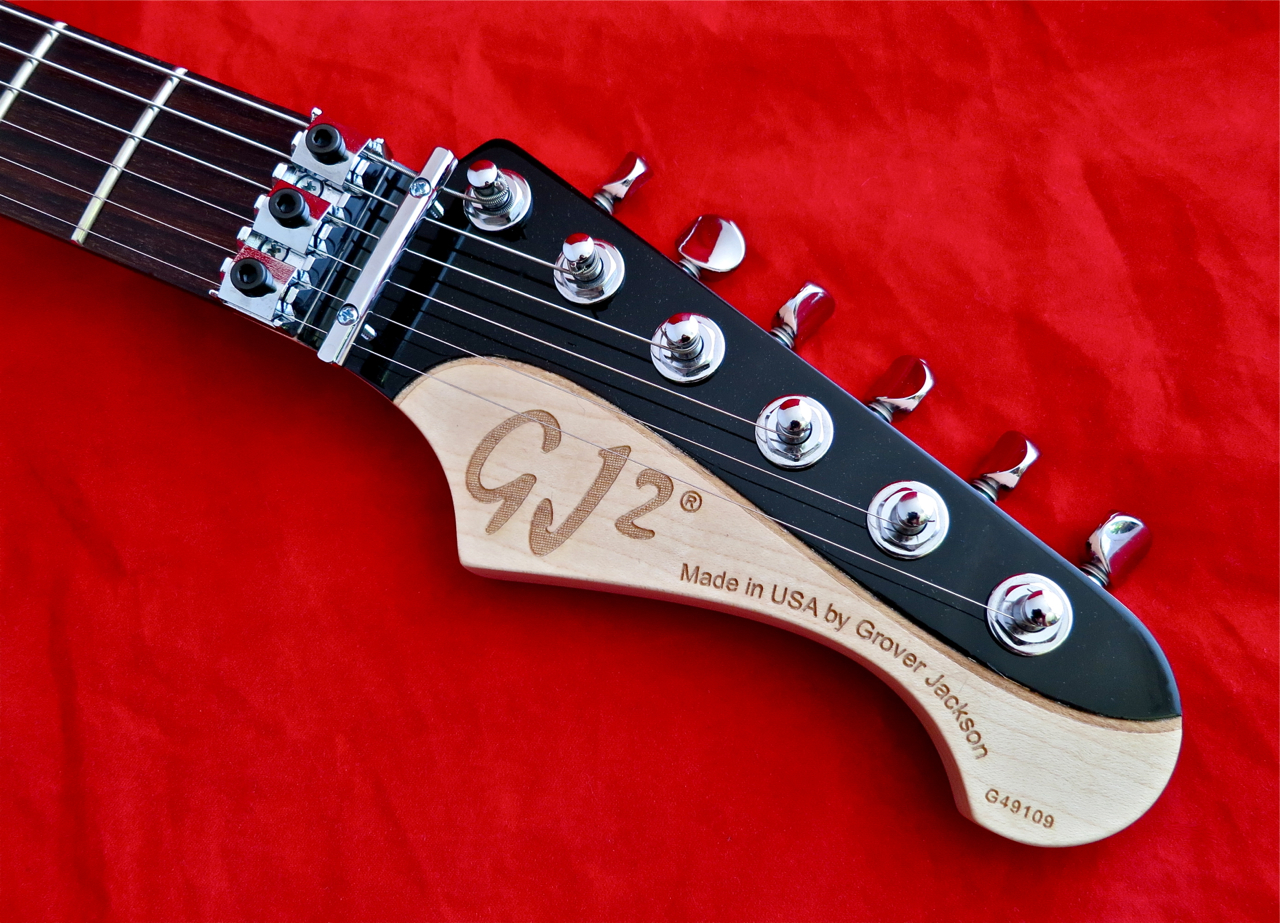
The Glendora’s headstock is a stylish variation on the classic six-in-a-row design.
The tuning machines are quality units from Gotoh.
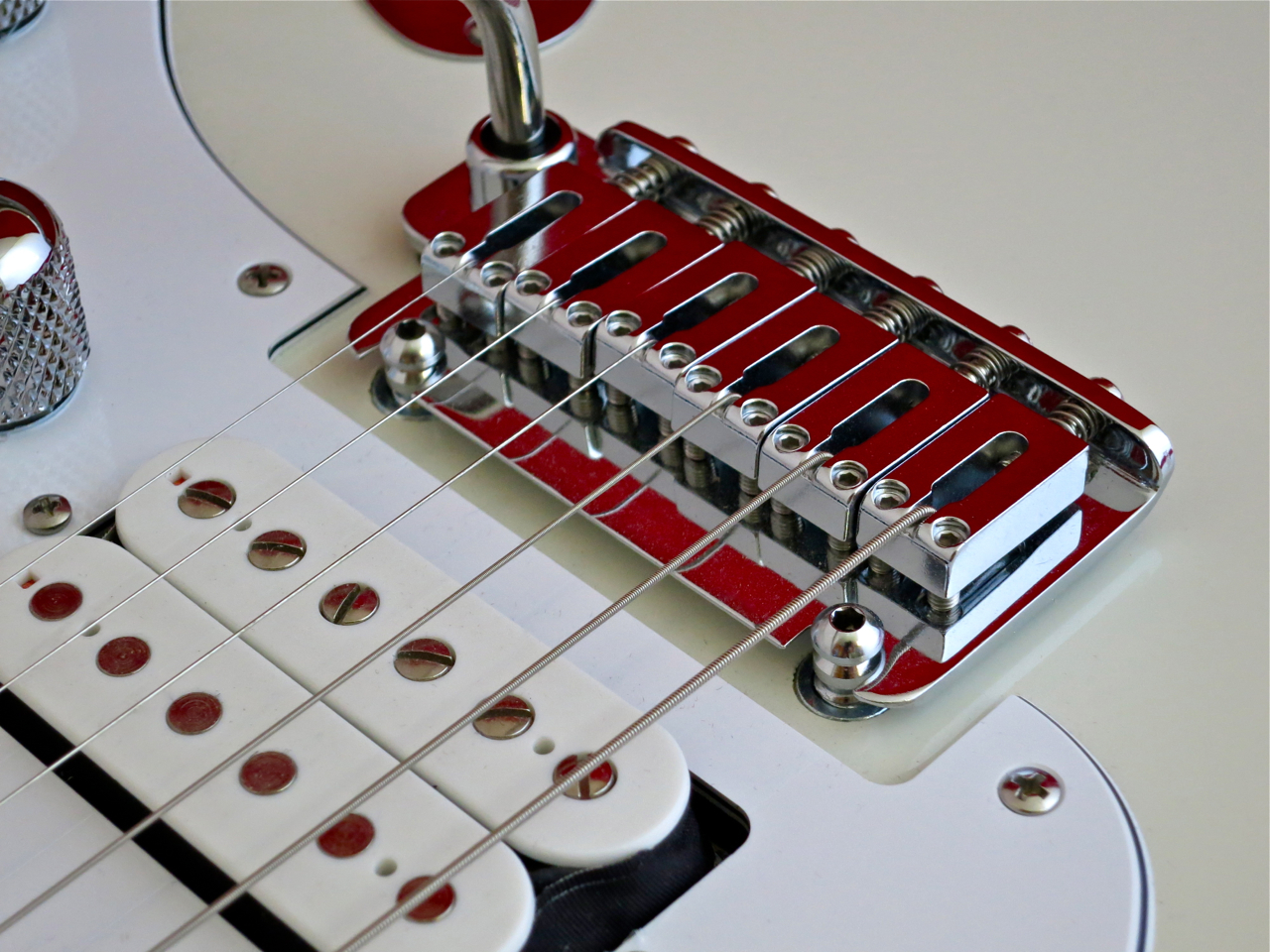
The contemporary two-post vibrato bridge is also a Gotoh design. The bar is simply pushed into the block and kept in place by an adjustable nylon collar.
The rosewood fingerboad sports 22 gleaming jumbo-sized frets.
For his new GJ2 guitars Grover Jackson has perfected a new method of applying a compound radius to the fretboard. A compund radius means that the frets have a steeper curve near the nut and get shallower further up towards the body. This gives you the best of both worlds with easy open position chording and effortless string bending higher up the neck without string choking.
GJ2 Guitars use their own Habanero pickups as standard. Our review sample comes equipped with an HSS-setup, but you can order your Glendora with several different pickup combinations, like the vintage-style SSS or two humbuckers.
The controls comprise a five-way switch, as well as master volume and tone controls.
****
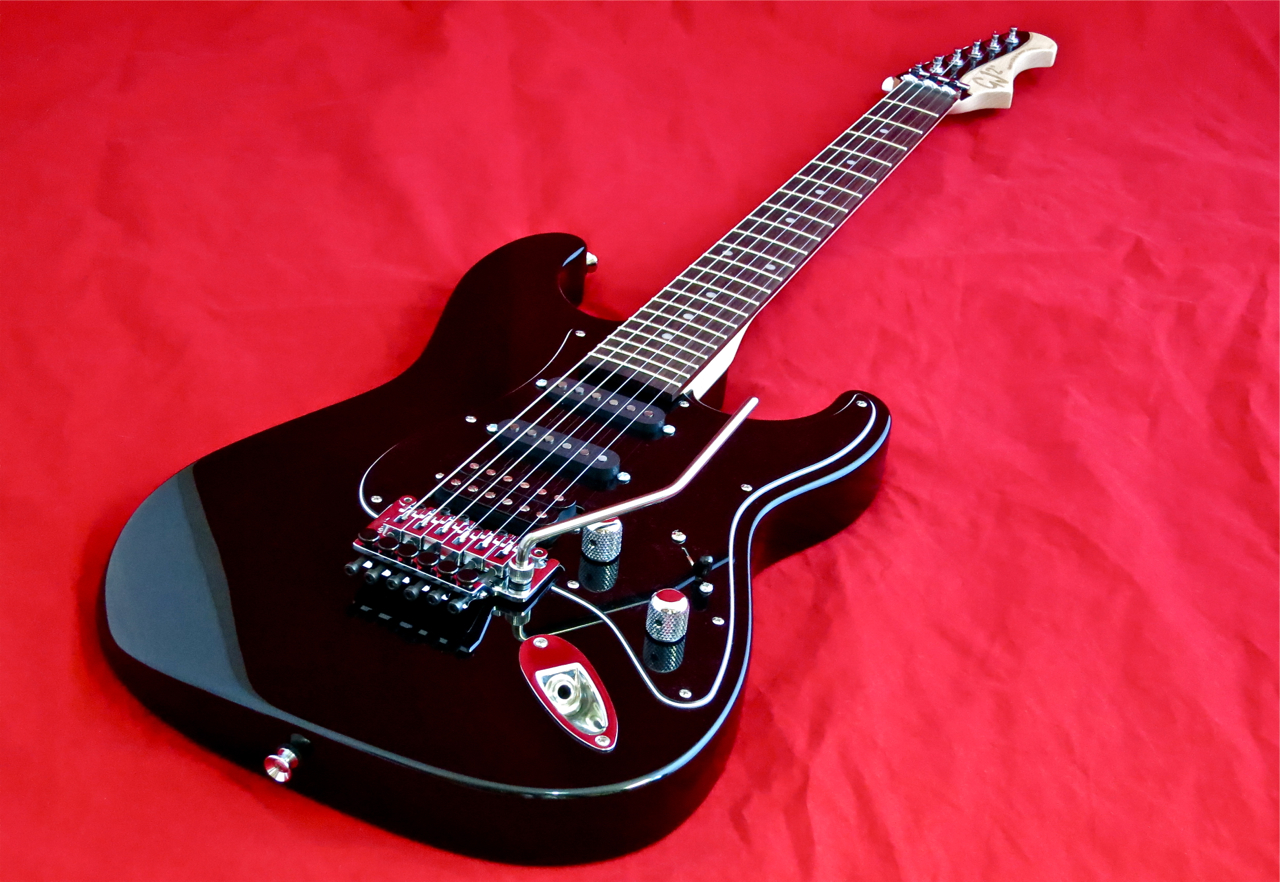
The Glendora FR (this version 1,930 €, incl. lightweight case) is the Floyd Rose-equipped version of the Glendora.
Our review instrument comes with a standard body (basswood, alder or poplar), but apart from that the basic build is the same as on the Glendora NLT.
One of the custom options available for a surcharge in the Glendora-range is a matching headcap, just like on this guitar.
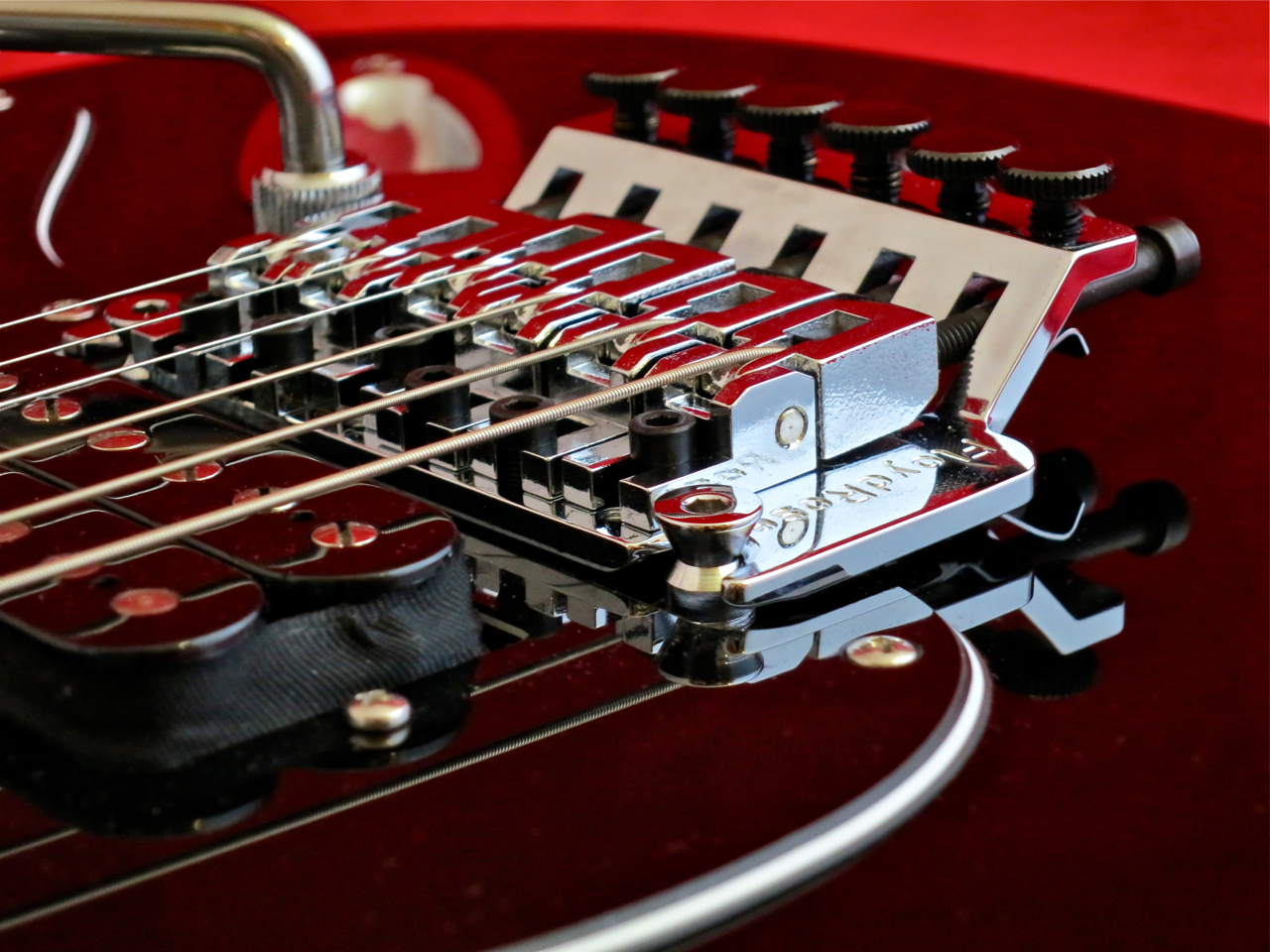
GJ2 Guitars use only top-drawer quality parts, like the Schaller-made steel Floyd Rose bridge on the Glendora FR.
It’s a Habanero-set of two single-coils and one humbucker for this guitar.
****
The GJ2 Arete is one of Grover Jackson’s new designs based on a through-neck. There are three different basic versions of the Arete available, called 3-Star, 4-Star and 5-Star.
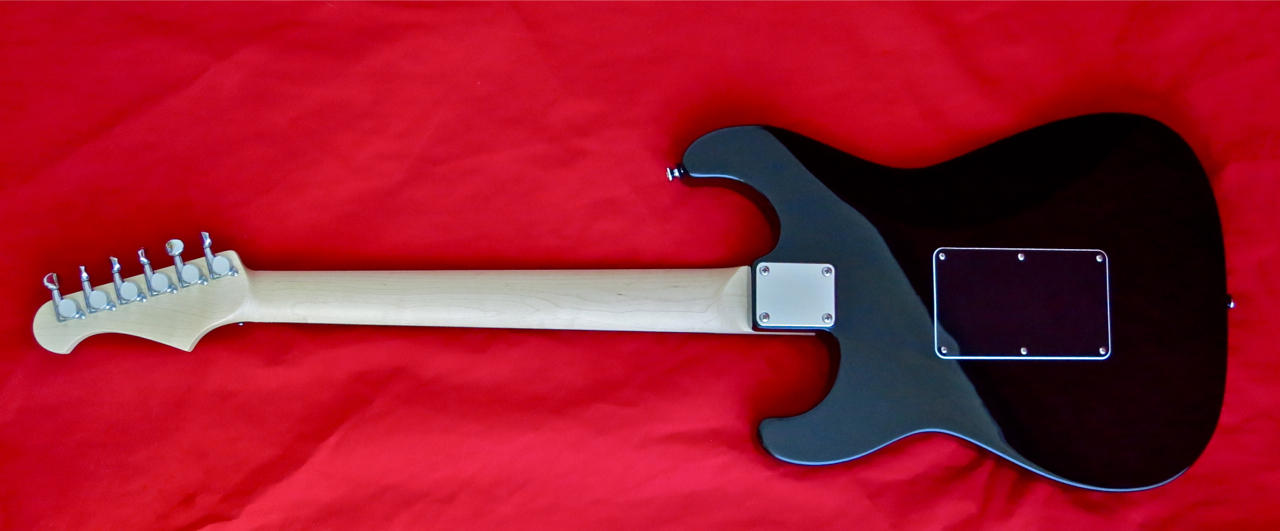
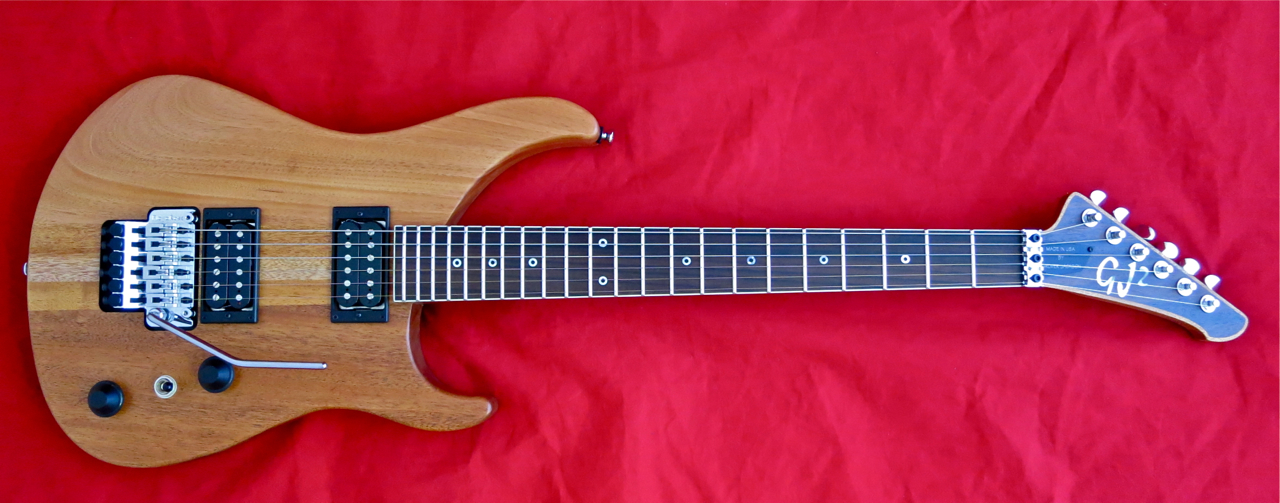
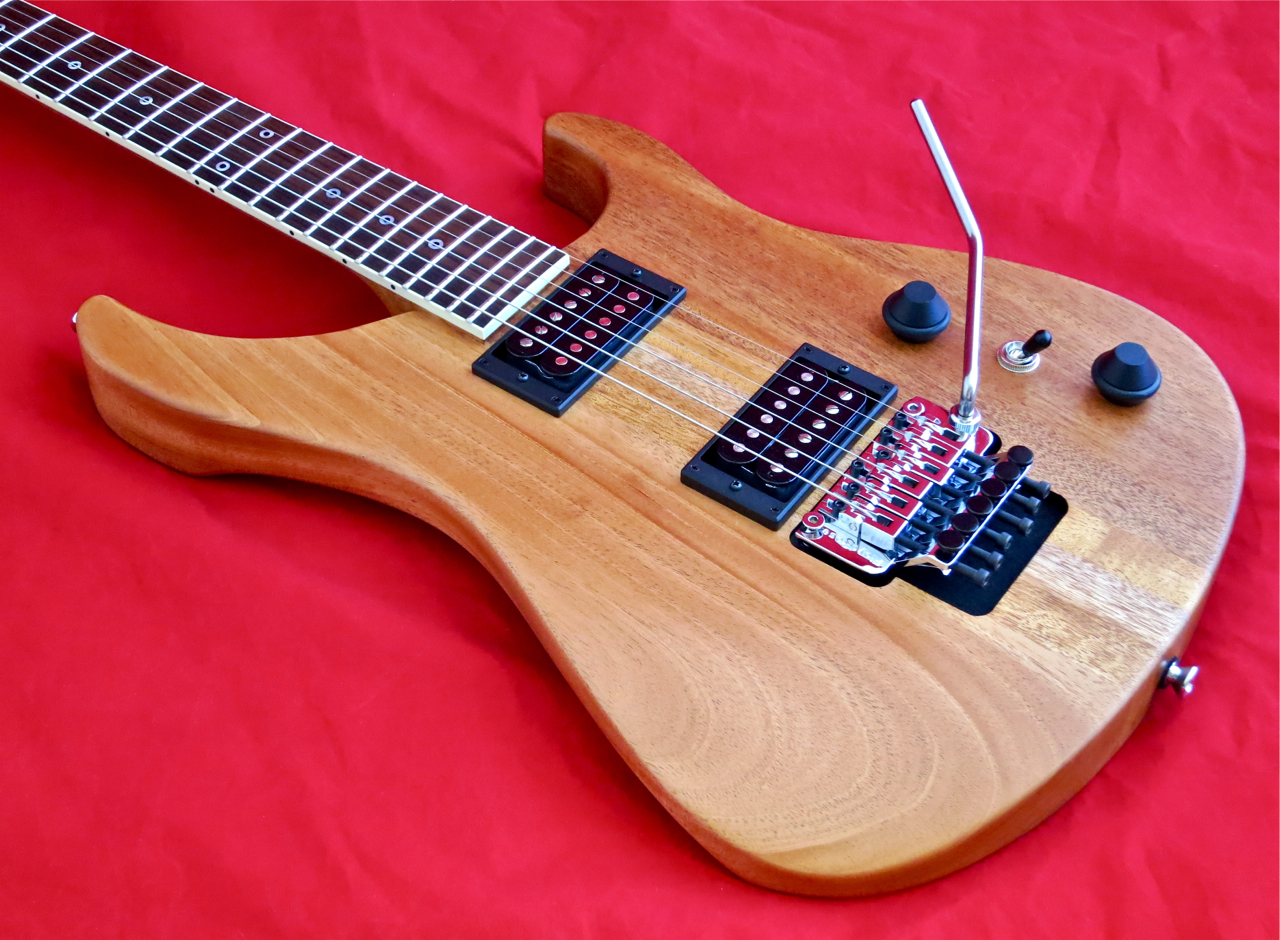
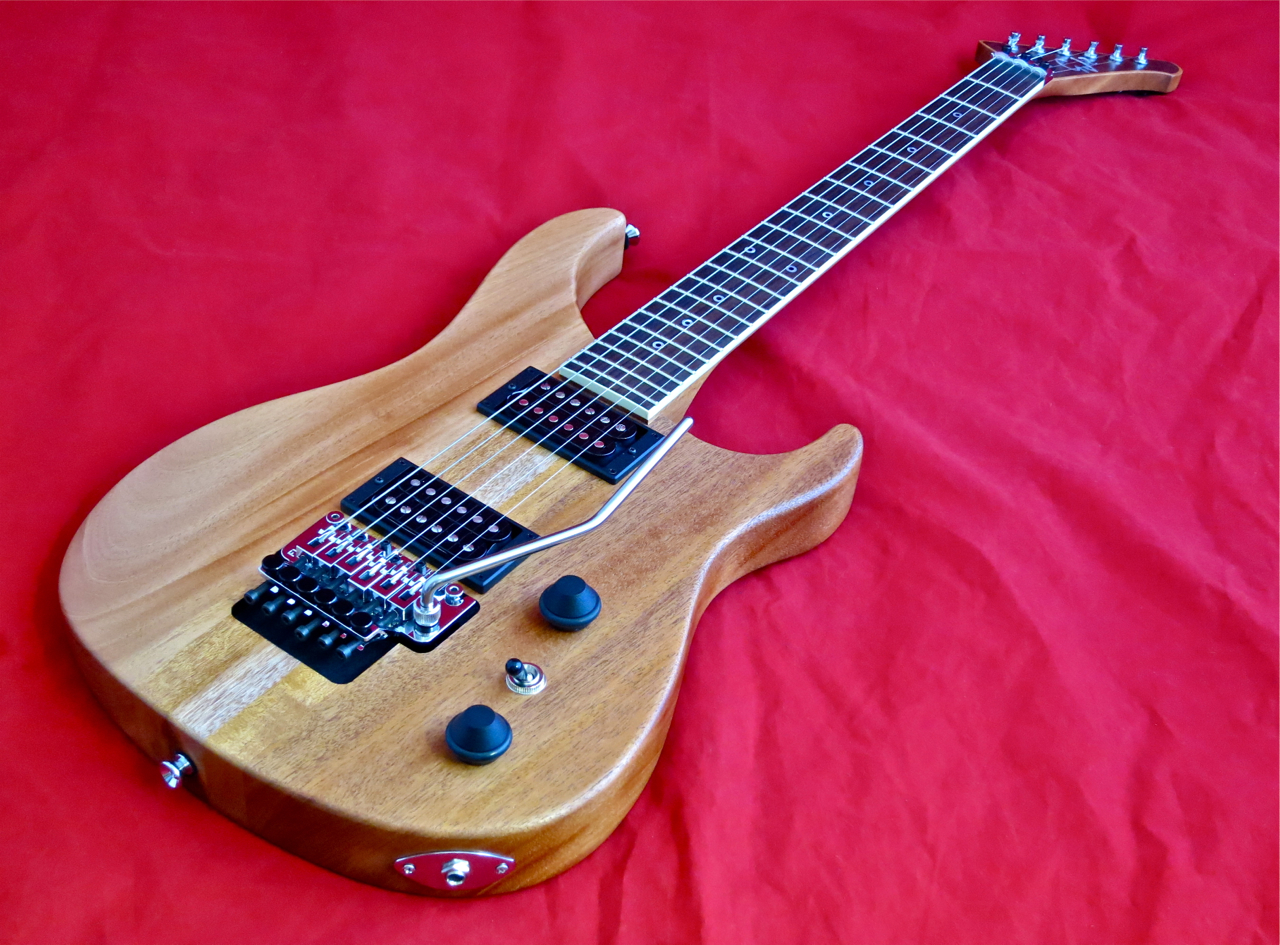
The Arete 4-Star (this version 2,231 €, incl. lightweight case) is the middle model, which is crafted almost completely from South-American mahogany. The neck uses three long strips side-by-side for added stiffness.
Two mahogany wings make up the streamlined body. The more affordable Arete 3-Star is made from sapele, while the more expensive 5-Star counterpart gives you several different body woods to choose from.
The Arete 4-Star comes in a hand-rubbed oil finish. The cover plates are made from aluminium.
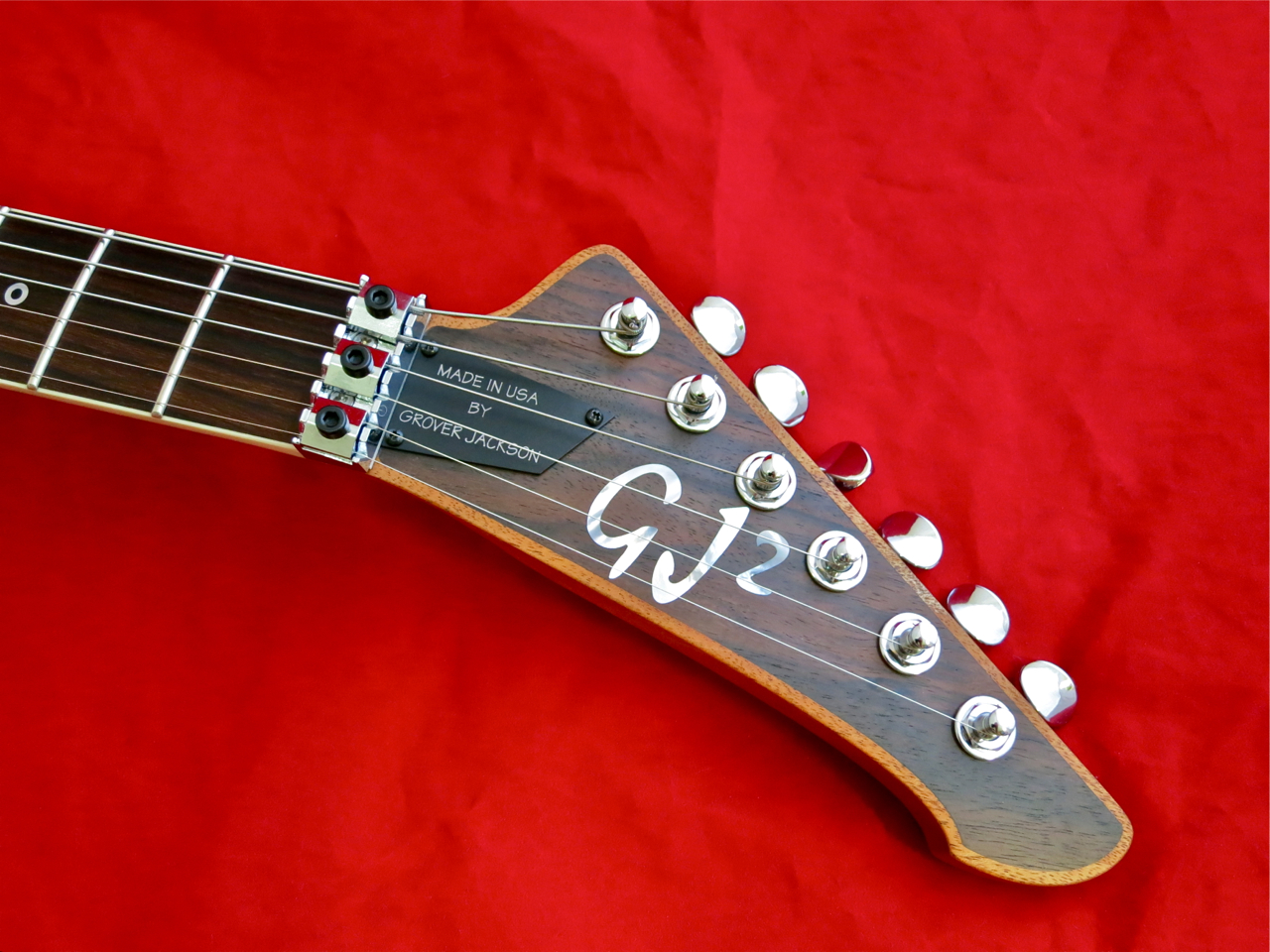
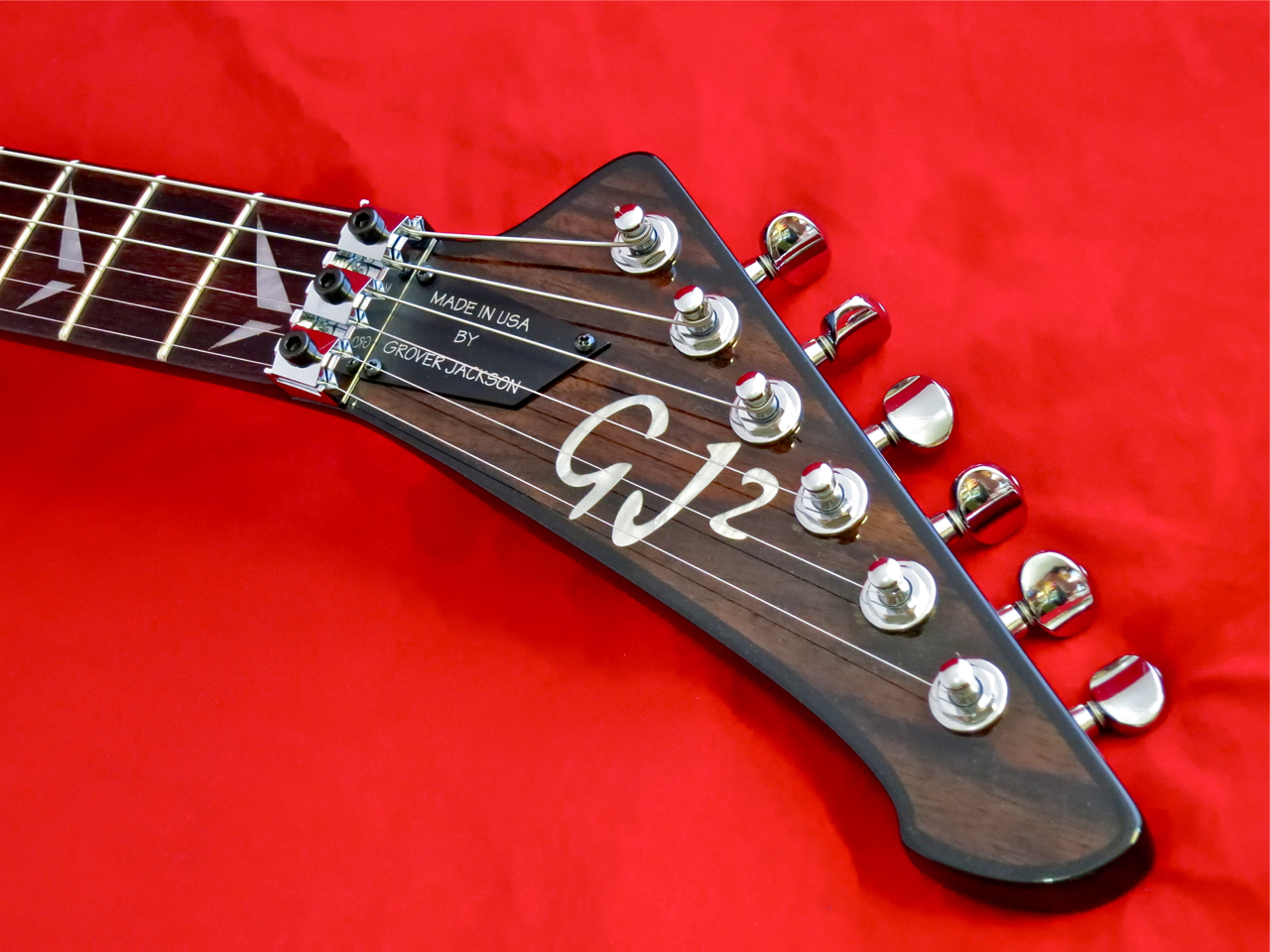
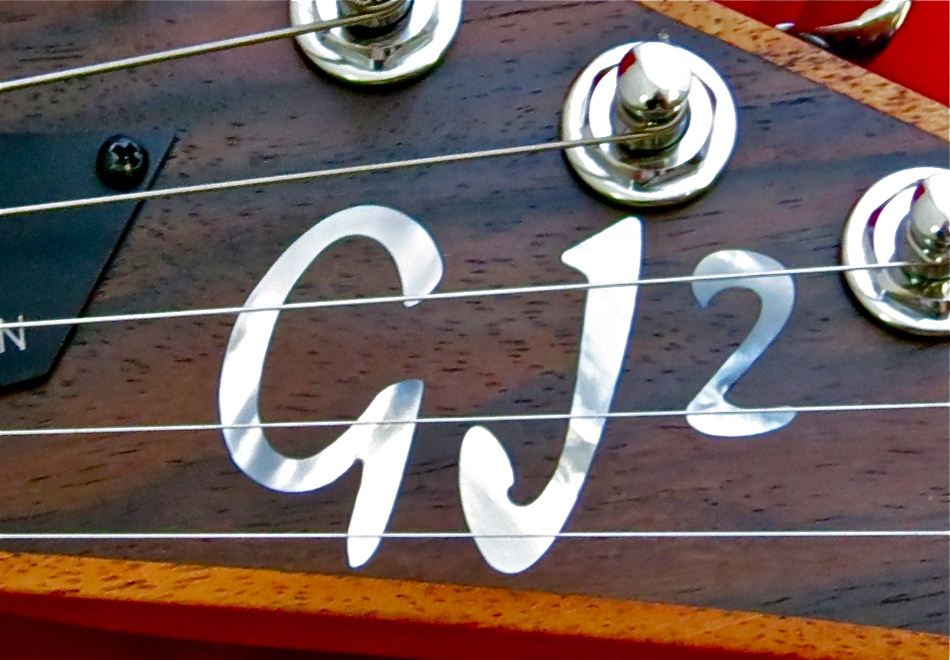
The headstock sports one of GJ2 Guitars’ special features – the Invisible Binding. This is achieved by routing out a shallow ”pool” on the headstock’s face, into which a large rosewood plate is then inlaid.
All Arete 4-Star guitars are vibrato-equipped – they come either with the same knife-edge bridge as on the Glendora NTL, or with a steel Floyd Rose as on our review instrument.
The black pickup bezels feature a structured surface.
The bound rosewood fingerboard sports Mini Bull’s Eye inlays, as well as 22 jumbo frets.
The basic version of the Arete 4-Star is equipped with two Habanero humbuckers, but you can also order HSS- or HSH-configurations, should you so desire.
The three-way toggle is mounted between the master volume and tone controls. GJ2 Guitars’ cool Flying Saucer-knobs not only look great, but are also easy to adjust.
****
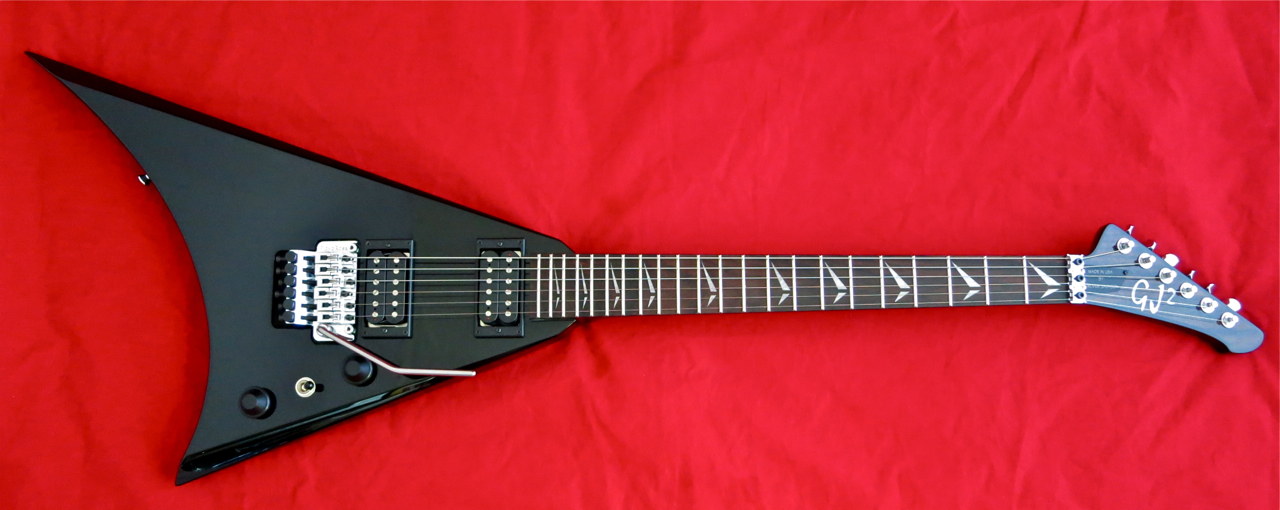
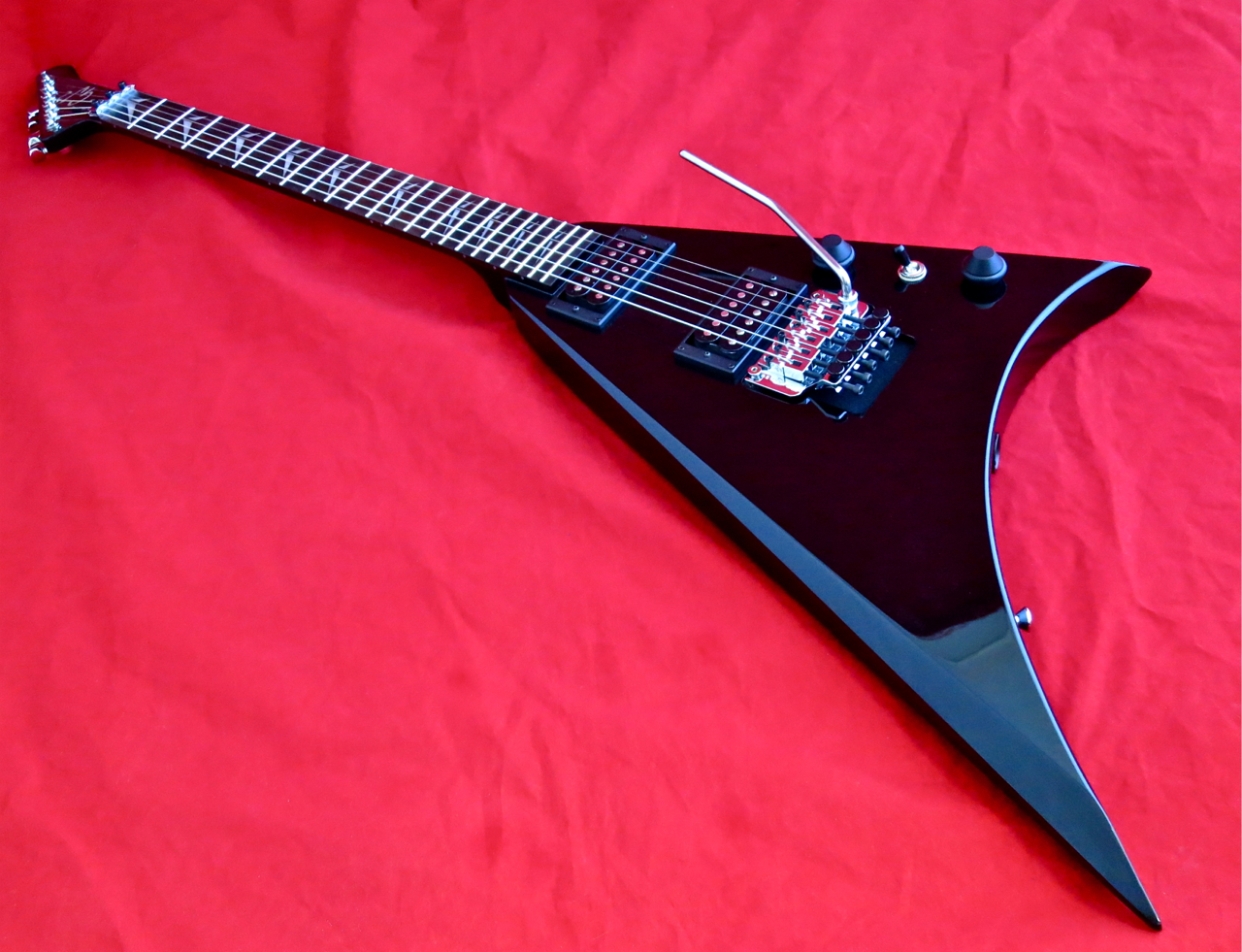
A through-neck crafted from three side-by-side strips of maple flanked by basswood wings – this is the basic recipe behind the GJ2 Concorde 4-Star (this version 2,768 €, including hard case).
All Concorde-models feature a full-length, 64.8 cm (25.5-inch) scale.
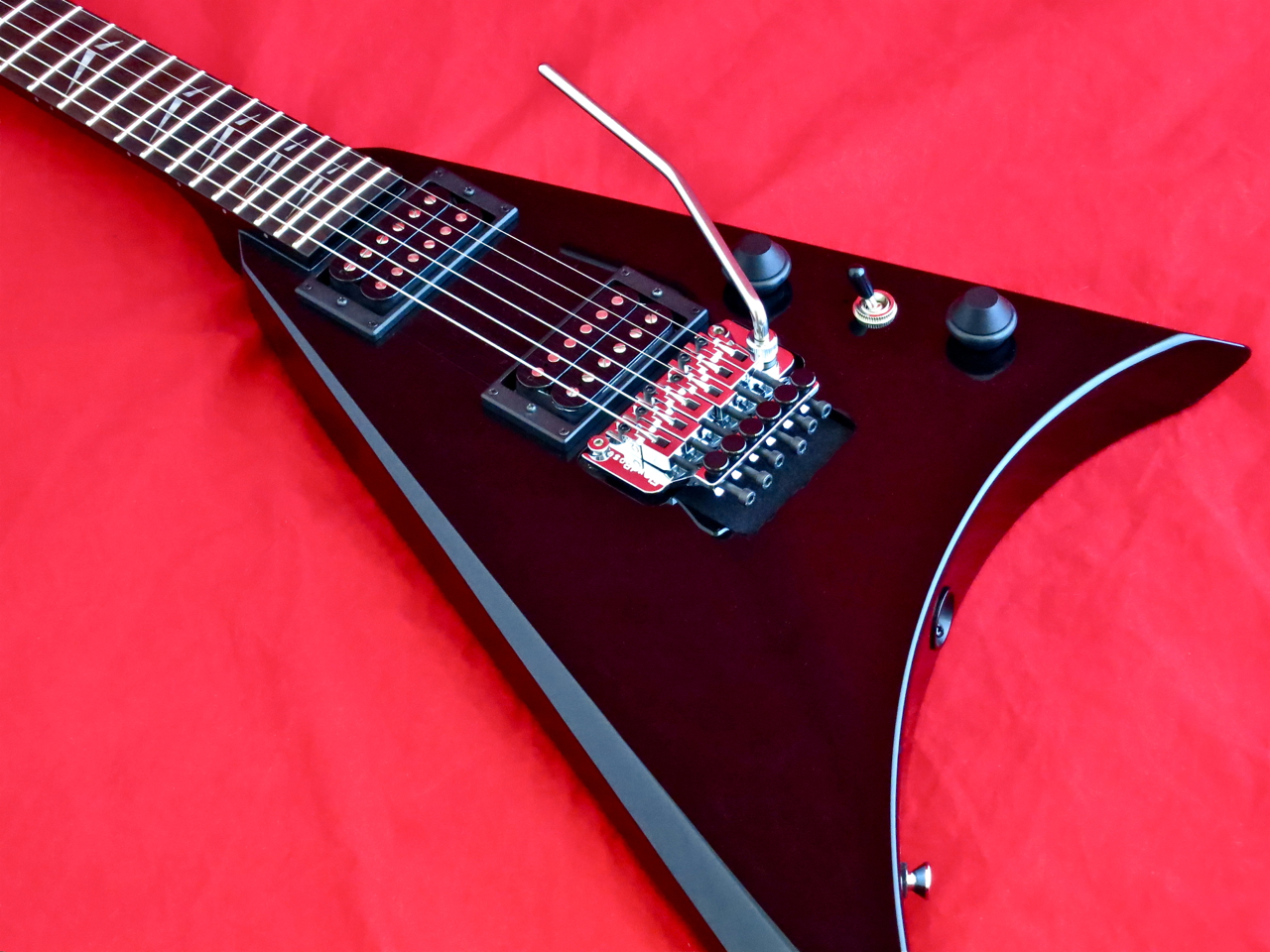
The Concorde 4-Star is available in five gloss finishes – Jet Black, Stark White, Antique White, Sports Car Red and GJ Blue – and either a Floyd Rose vibrato (as on the review sample) or a Gotoh hardtail bridge.
The hardware on a Concorde 4-Star is chrome-plated.
The fretboard is equipped with 22 jumbo frets and pearloid inlays.
The volume knob is easy to reach with your pinkie.
Two Hanbanero humbuckers, one master volume, one master tone control and a three-way toggle – what more does a Rock God need?
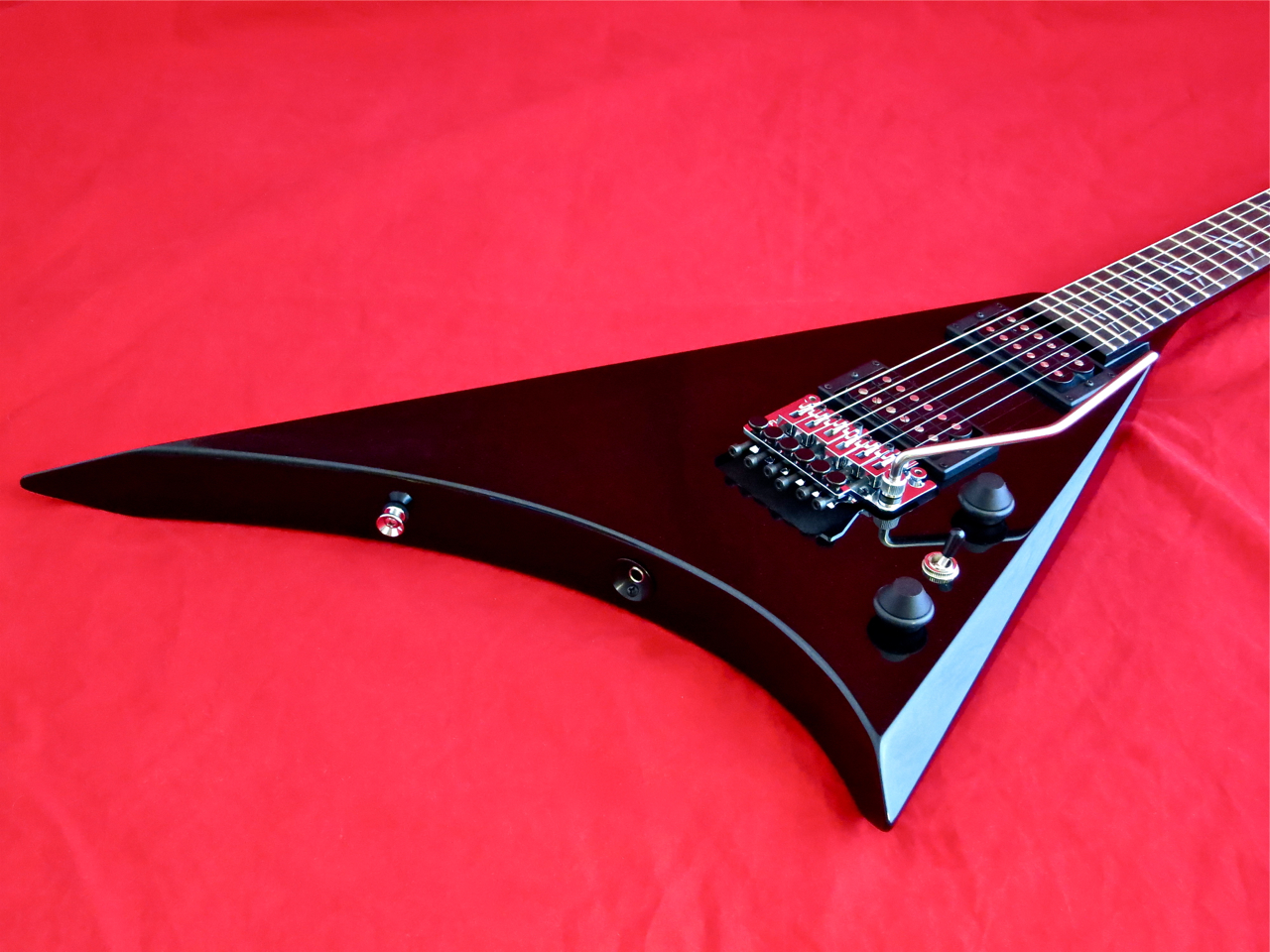
The placement of the output jack is a nifty little feature.
****
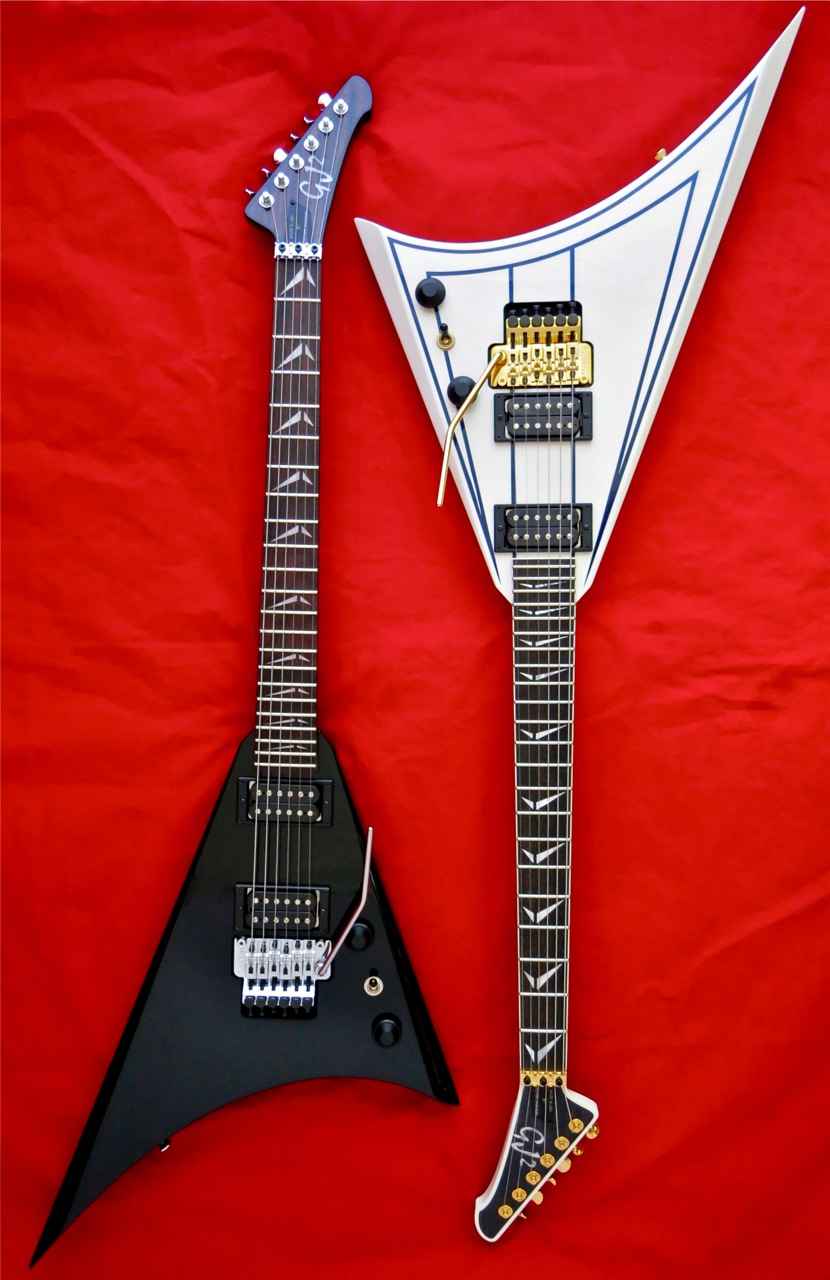
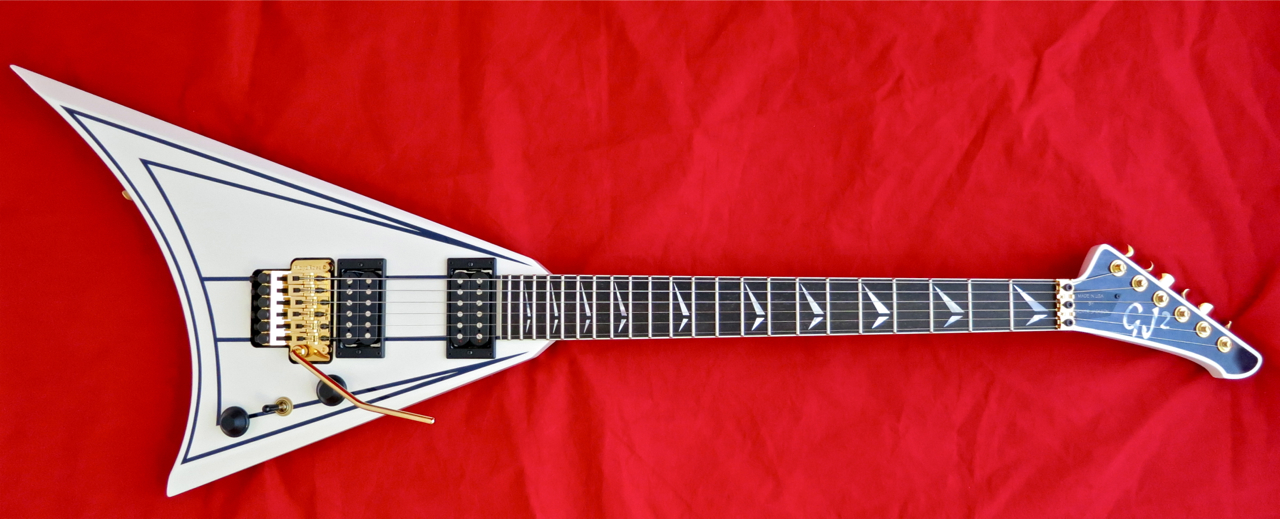
This is GJ2 Guitars’ ultimate Heavy Dream Machine:
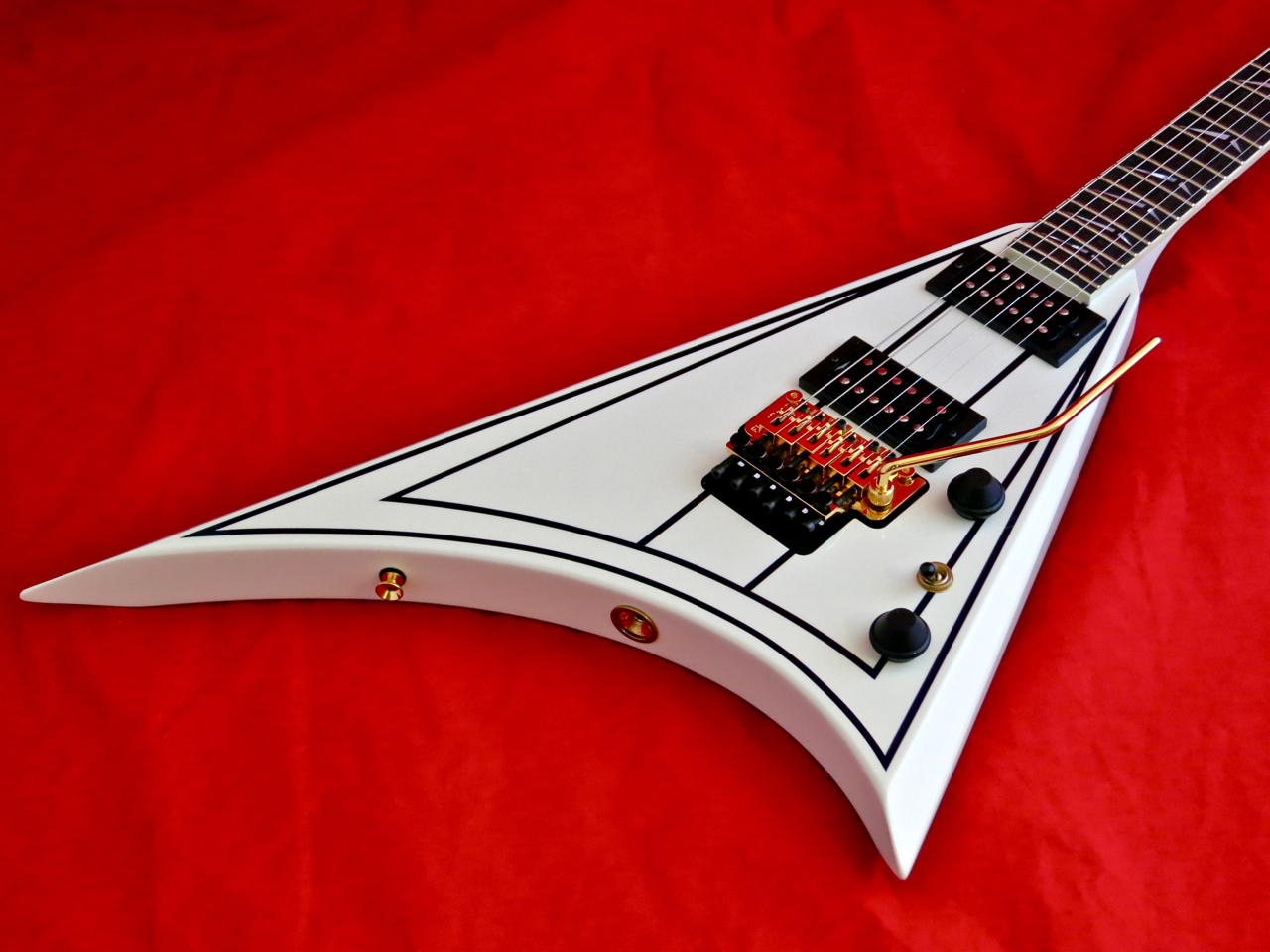
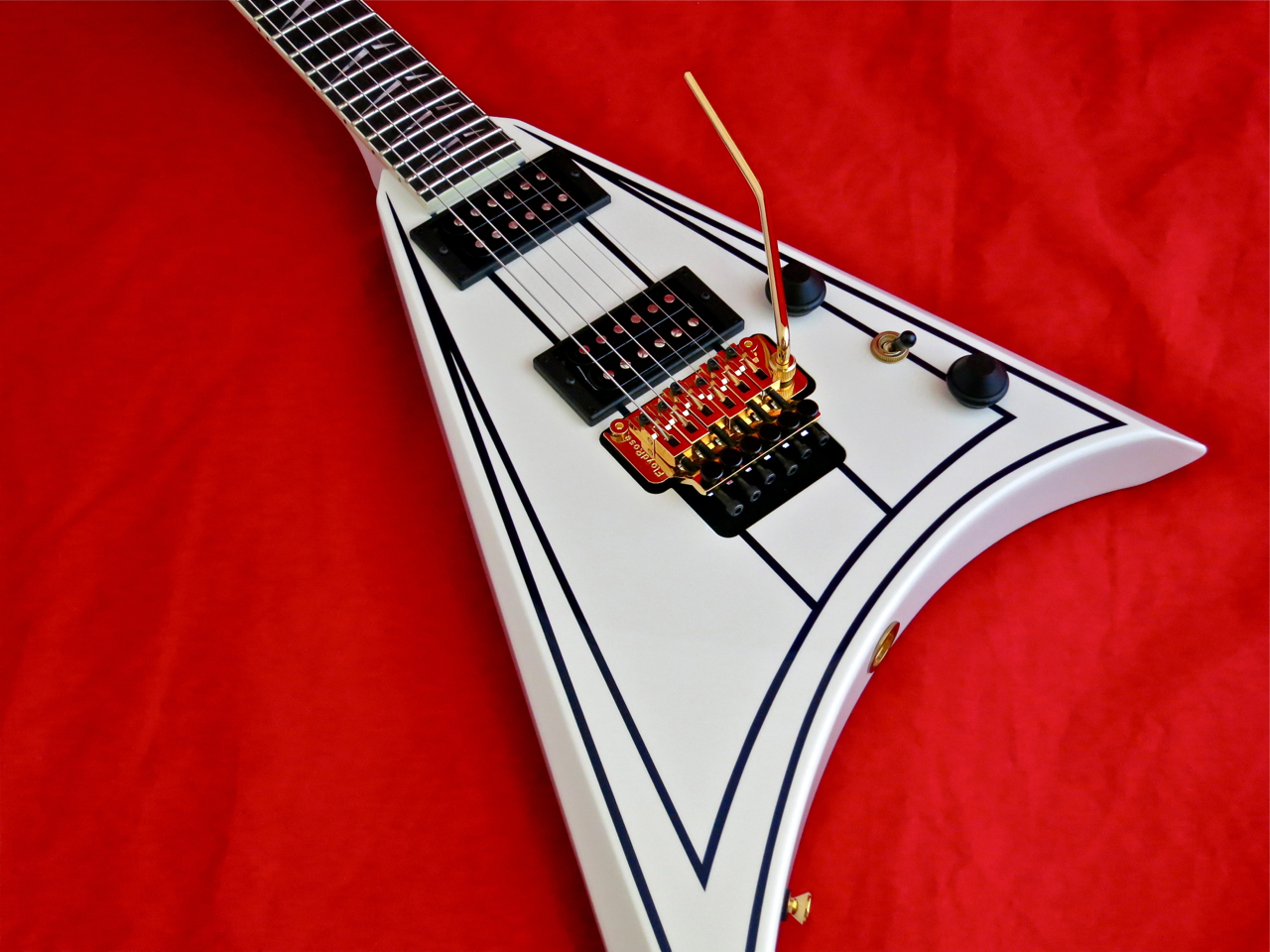
The Concorde 5-Star (this version 4,103 €, incl. hard case) can be had – for an additional charge – finished in a custom finish, such as the Randy Rhoads-style pinstripe graphics on this guitar.
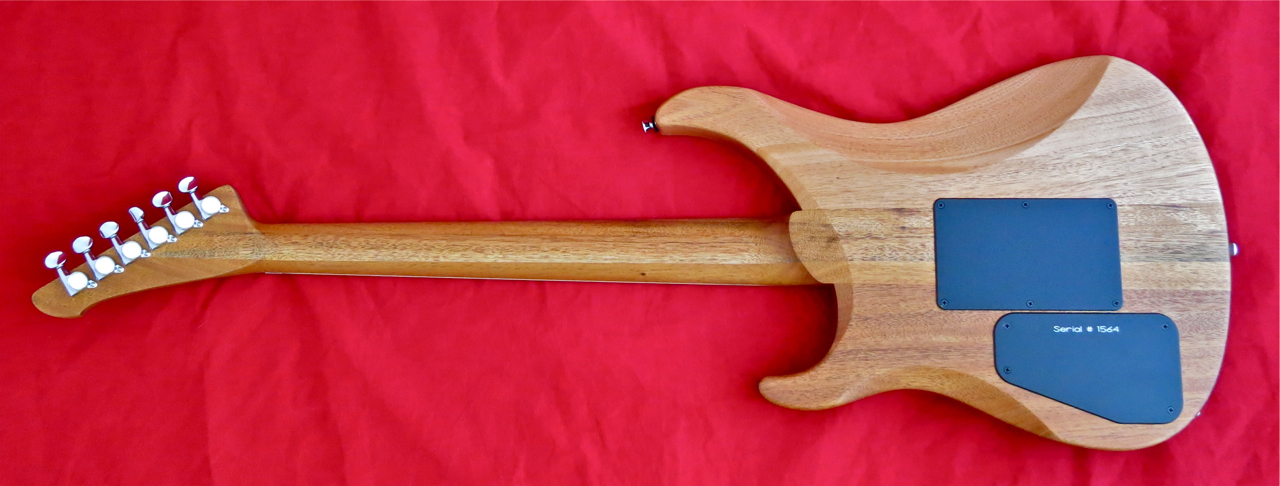
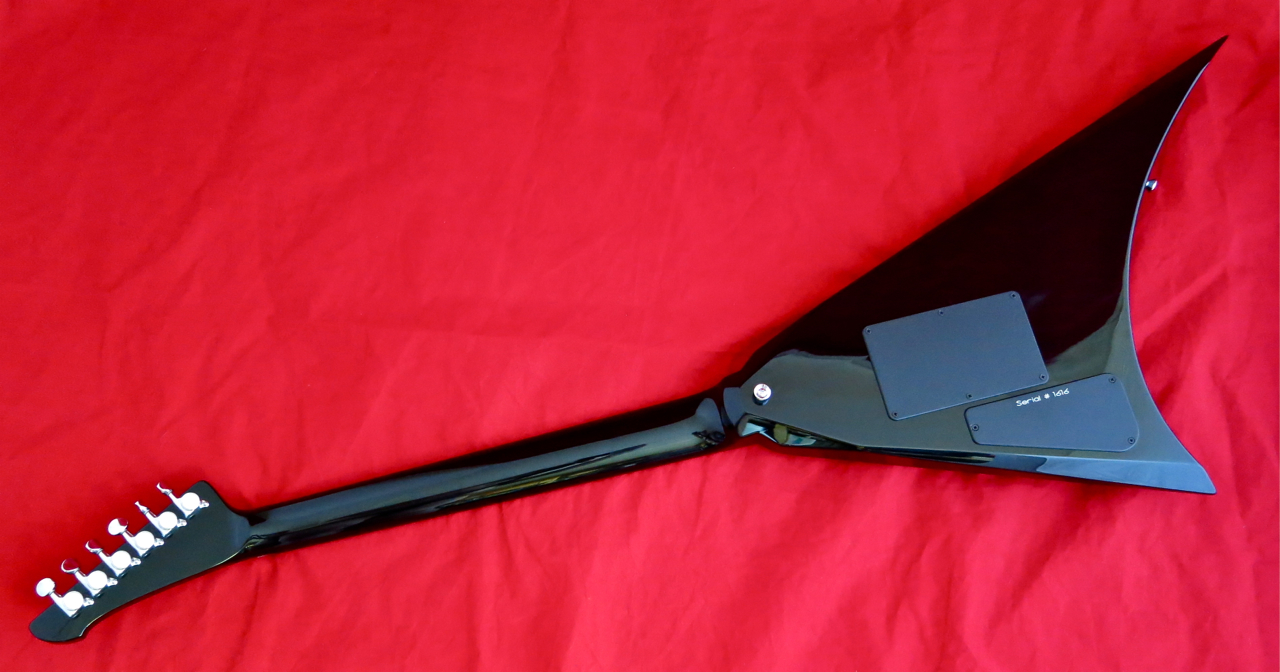
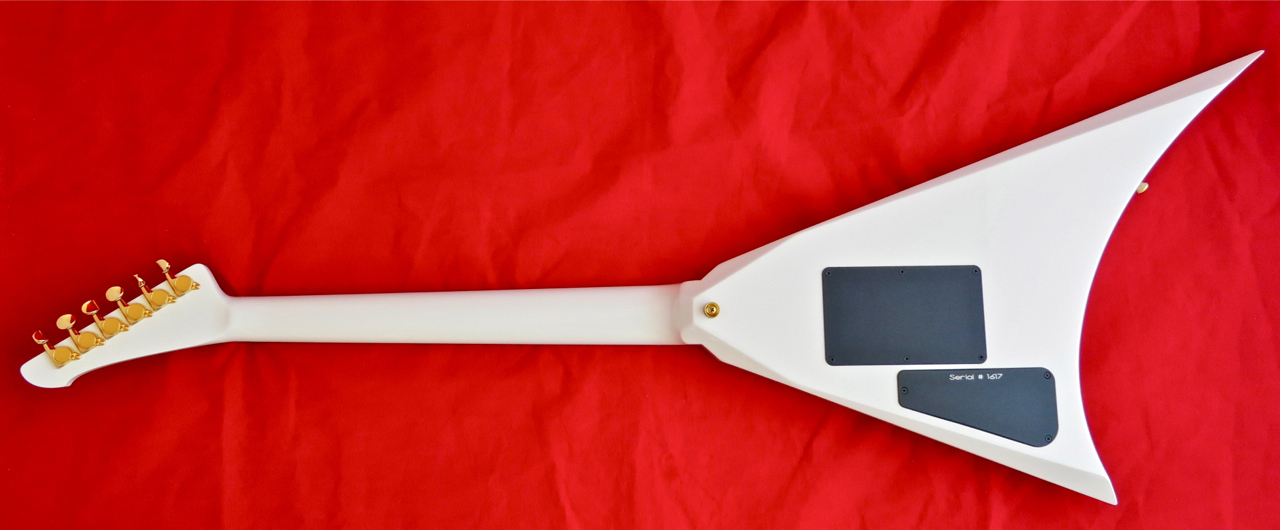
The back plates of the Concorde-models are made of aluminium.
The Concorde 5-Star sports gold-coloured hardware. Our review sample had optional, locking Gotoh-tuners installed.
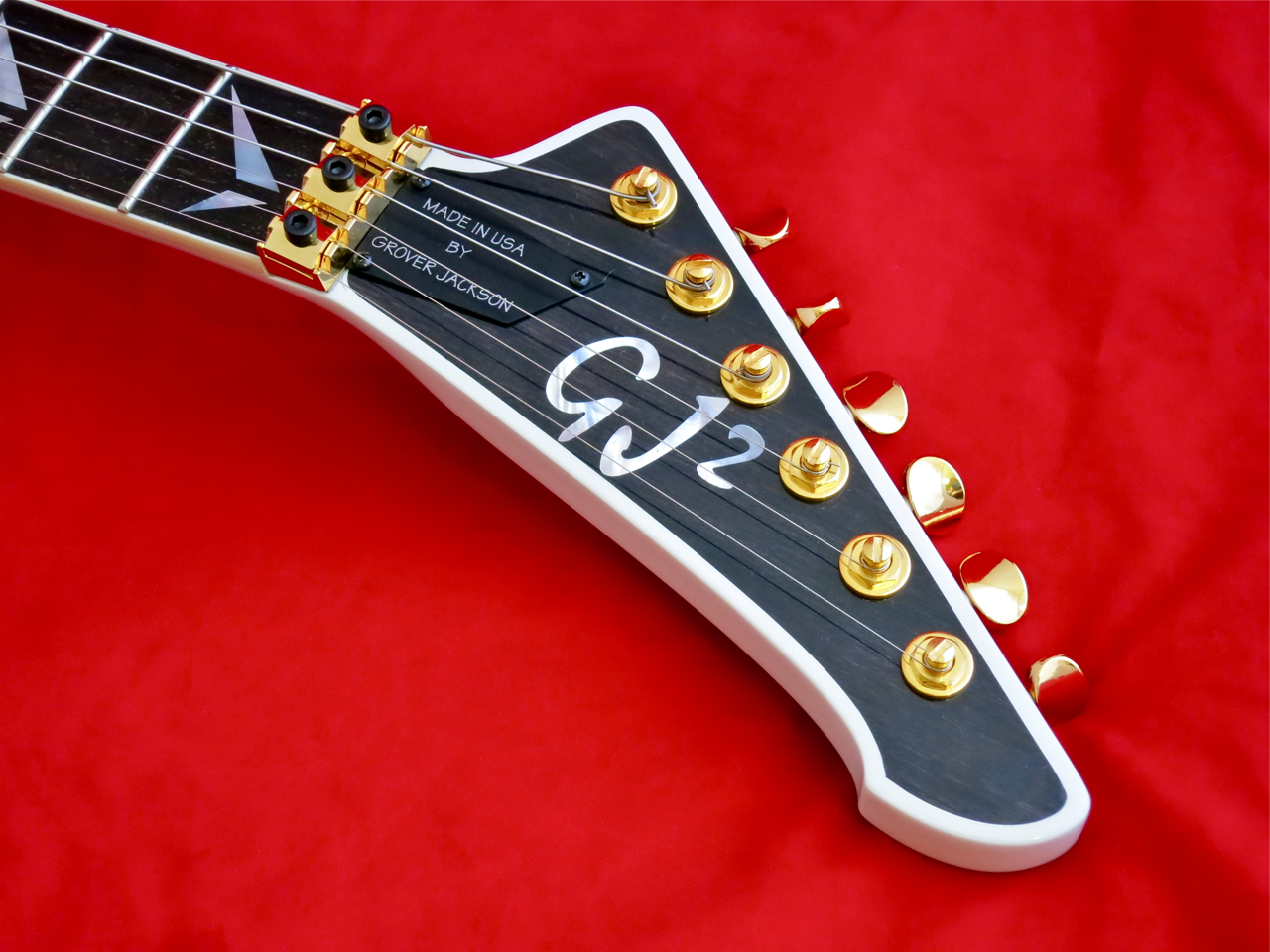
Ebony is the material of choice for the bound fretboard, as well as the headstock inlay.
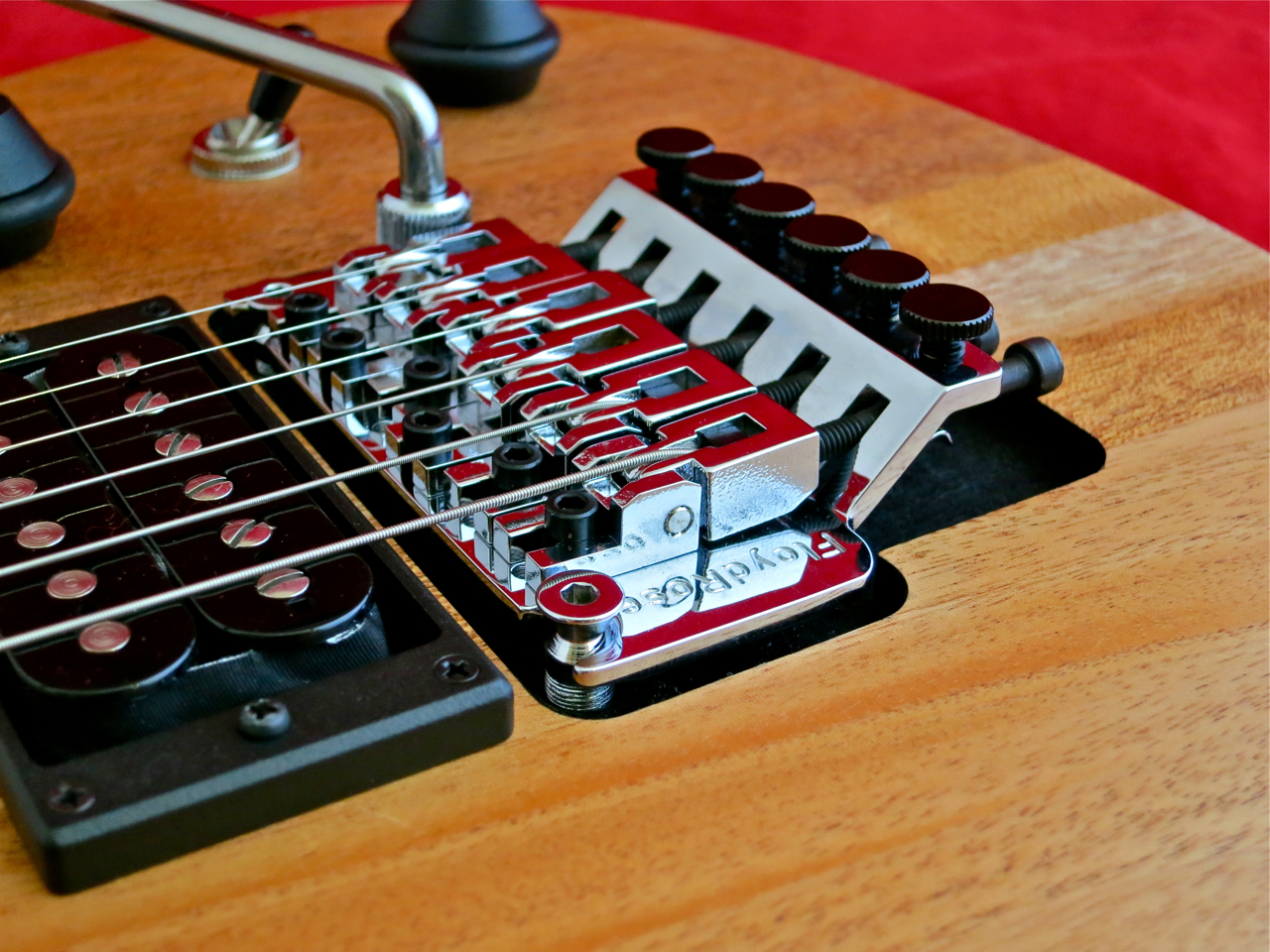
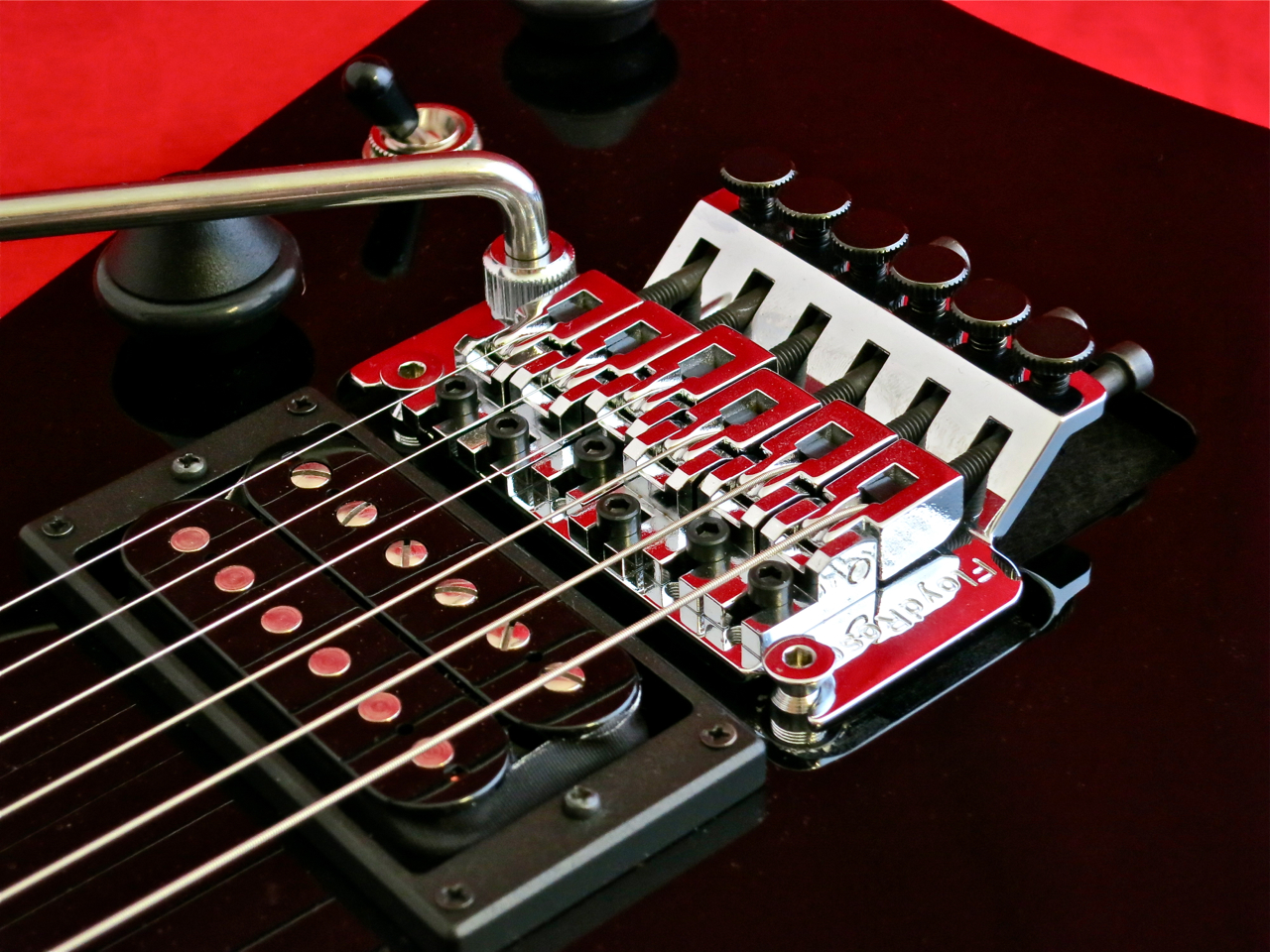
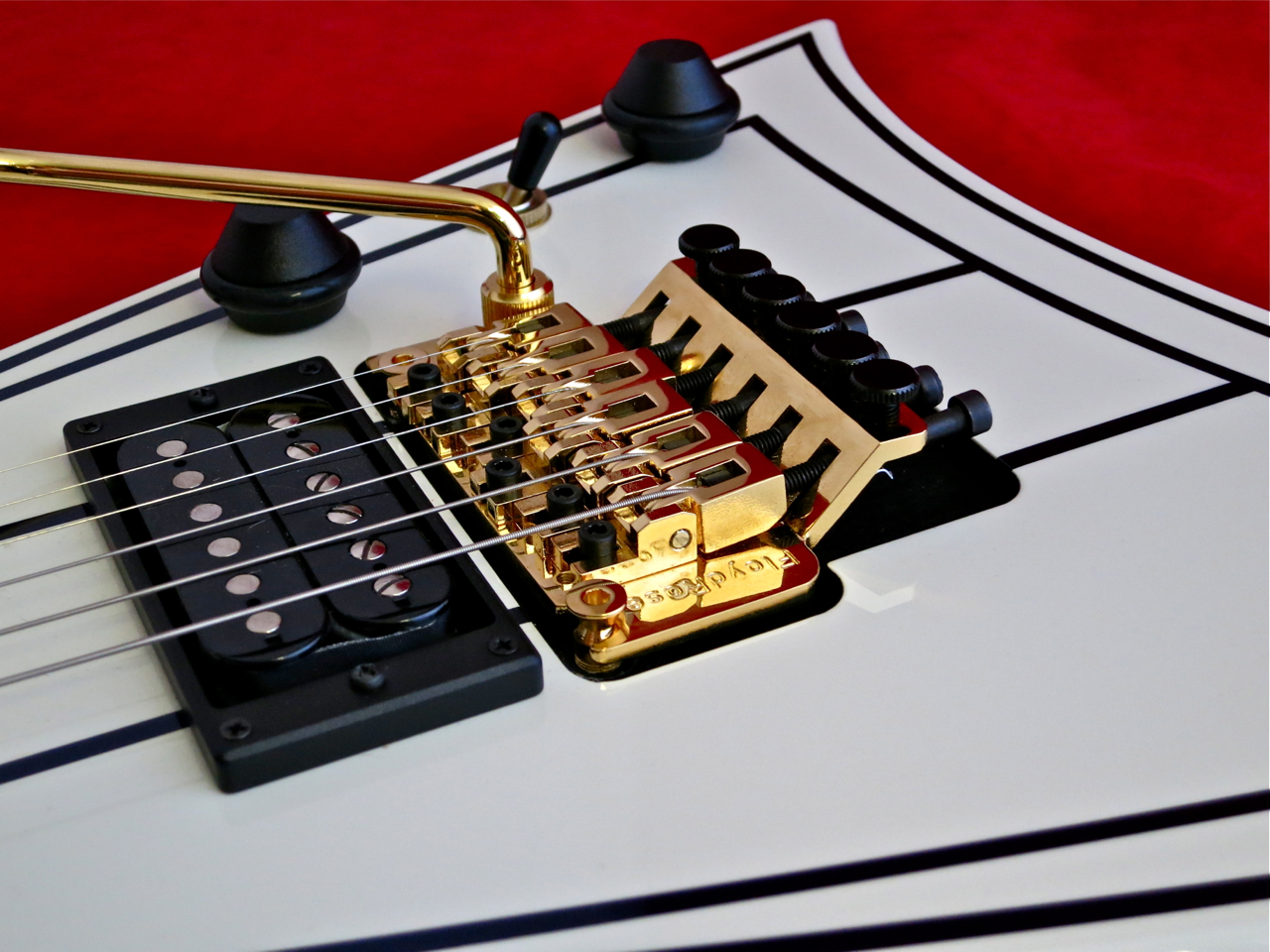
Here’s a closer look at the golden Floyd Rose bridge.
The inlays on the Concorde 5-Star are genuine pearl.
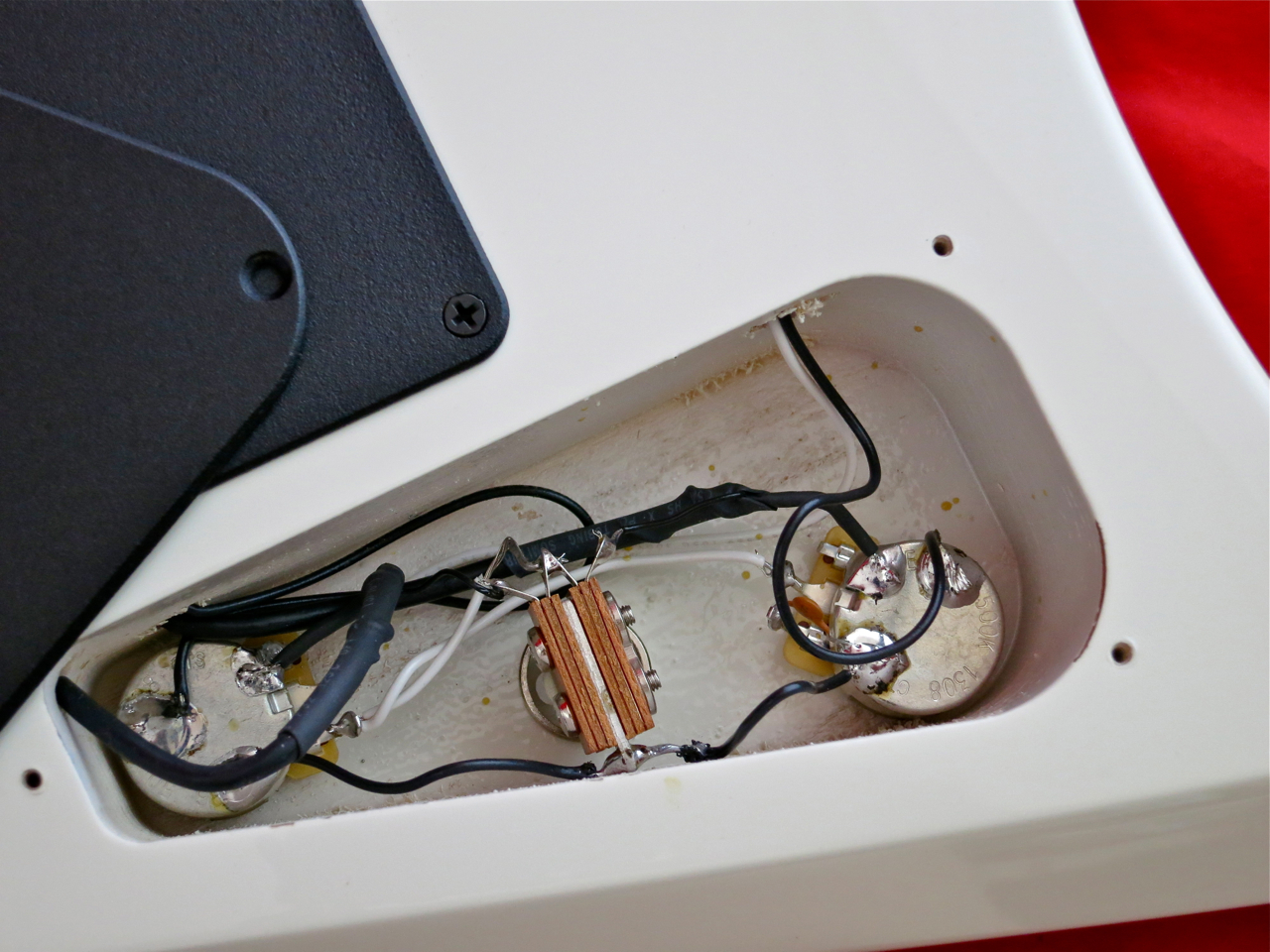
…and here’s a little peek into the very clean control cavity.
****
The feather-light ash-bodied GJ2 Glendora NLT is a fantastic S-style guitar for the connoisseur!
The Glendora’s playability is first-rate, and the guitar’s satin-finished neck, with its oval C-profile feels like an old friend.
Played acoustically there’s a hefty dose of woody dryness and sparkling top end, no doubt thanks to the ash body. The Glendora NLT’s displays an open voice with a nicely clucking attack.
I have only good things to say about GJ2’s Habanero pickups – they sound great, they are dynamically rich and the whole set is well balanced in terms of tone and output level.
Here’s a short clip played using the neck pickup:
The workmanship, feel and playability of the Glendora FR is the same as in the NLT-version – simply fantastic!
Acoustically there’s maybe a tad more roundness in the mid-range and a slightly fatter bass on display in the Glendora FR, which is probably a result of its standard body. On the other hand, the steel Floyd Rose adds its own sprinkling of presence bite into the mix.
Because the bridge humbucker isn’t overpowering the guitar’s single-coils, there’s plenty of fun to be had using the second switch position (bridge and middle):
The lightweight GJ2 Arete 4-Star is a very comfortable guitar to hold and play.
Thanks to its hand-rubbed oil finish the Arete feels very organic. If you’re a fan of nice wood, then this is the guitar for you.
The neck profile has a nice bit of shoulders to its slightly flattened D-section, and fills out your hand rather nicely.
The Arete’s acoustic voice is warm and open.
GJ2’s Habanera humbuckers clearly follow the boutique-vintage route, which puts tone and dynamics front and centre, instead of sheer brute force. Thanks to this it is very easy to coax a whole trainload of different tasty humbucker-tones from the Arete 4-Star, which will satisfy both the traditionalist, as well as modern Rock- and Fusion-guitarists.
The Flying Saucer knobs have a very positive grip, allowing you to adjust the guitar’s controls precisely.
Here’s a clip I recorded using the bridge humbucker:
It may come as a surprise to a newbie, but the Concorde 4-Star actually feels extremely comfortable hanging suspended from a guitar strap. Sure, the visuals are very angular, but the feel isn’t.
On the other hand I should stress that the Concorde most probably isn’t the right choice as a couch guitar, because it won’t really stay in your lap. And one more thing – beware of the sharp top horn! But as long as you know this guitar’s boundaries, your in for a fun ride with a light and well-balanced studio- and stage-guitar.
The neck has a chunky D-profile, which is good news for tone and sustain.
The Concorde’s long scale, its maple through-neck, as well as the Floyd Rose system give this guitar a clearer, more precise – and in a positive way – more neutral acoustic tone, when compared, say, to a Gibson Flying V.
The guitar’s Habanero humbuckers do a fantastic job in getting the Concorde 4-Star’s precise attack and growling mid-range across.
The neck ’bucker displays a fluid, flute-like timbre, without any sign of muddiness:
In terms of playablity and ergonomics there’s not much to divide the Concorden 5-Star from its 4-Star sibling.
But there are some clear differences in tone, most probably due to the posher 5-Star-version’s ebony ’board. The Concorde 5-Star has some added presence bite and a tad more twang in its attack, resulting in an even livelier tone.
Here’s a clip played using the bridge humbucker:
****
What a great thing that Grover Jackson isn’t content with resting on his (considerable) laurels. These new instruments build upon Mr Jackson’s rich past and vast knowledge, while managing to stay foward-facing and fresh.
The sum of this knowledge and experience, coupled with new building techniques and GJ2 Guitars’ obvious attention to detail, result in a range of instruments I would call the best guitars Grover Jackson has ever made.
This type of quality naturally comes at a price. But in light of GJ2’s comparatively small production runs and the sheer quality on offer here, you truly get what you paid for – boutique quality, made in the USA.
Amerikkalainen kitaraguru Grover Jackson on aito elävä legenda. Kun Jackson osti Wayne Charvelin pikkupajan (vuonna 1978), kukaan ei olisi uskonut, että miehen soittimet tulisivat luomaan vankan perustan heti kahdelle uudelle soitintyypille.
Usein ruuvikaulalla varustetut Charvel-soittimet olivat 1980-luvun Superstrato-ilmiön alkulähde.
Jackson-nimellä varustetut kitarat taas olivat korkeaoktaanisia Metal-kitaroita, joissa erinomainen soitettavuus meni usein käsi kädessä rohkean graafisen viimeistelyn kanssa. Legendaarisin Jackson on ehkä Randy Rhoadsin kanssa kehitelty Concorde/RR-malli.
Grover Jackson lähti 80-uvun loppupuolella uusiin haasteisiin ja suunnitteli kitaroita esimerkiksi Washburnille. Charvel- ja Jackson-brändit kuuluvat nykyään Fender-konsernille.
Nyt mies on palannut omille juurilleen: Grover Jackson on hiljattain perustanut uuden custompajan nimeltä GJ2 Guitars, joka keskittyy pienimuotoiseen sarjatuotantoon Kaliforniassa.
Nyt Kitarablogilla on suuri kunnia testata ensimmäiset Suomeen saapuneet GJ2-mallit!
****
GJ2 Glendora NLT (tämä versio 1.717 €, sis. gigbag) on tämän viisikon perinteisin, S-tyylinen malli.
Testiyksilön runko on erittäin kevyestä saarnista (maksullinen optio), ja se on saanut ylleen kiiltävän Antique White -viimeistelyn. Glendoran perusversio valmistetaan kevyellä lehmus-, leppä- tai poppelirungolla.
Ohuesti mattalakattu vaahterakaula on liitetty runkoon perinteisellä tavalla.
Glendoralla on perinnetietoinen, mutta samalla hyvin tyylikäs uusi tulkinta klassisesta viritinlavasta.
Kitaran laadukkaat virittimet tulevat Gotohilta.
Nykyaikainen vibratalla tulee myös Gotohilta. Vibrakampea ei tarvitse ruuvata blokkiin, vaan se pysyy paikallaan kuusiokoloavaimella säädettävän kauluksen ansiosta.
Palisanteriotelautaan on istutettu 22 jumbo-kokoista nauhaa.
Grover Jackson on kehittellyt GJ2-kitaroita varten uuden menetelmän saada pituussuunnalla muuttuvan kaarevuuden (engl. compound radius) otelautaan. Muuttuva kaarevuus auttaa parantamaan entisestään kitaran soitettavuutta, ja se estää isoissa venytyksissä ns. string choking -ilmiön, jossa seuraava nauha dempaa ei-toivotusti kielten värähtelyä.
GJ2 Guitars -malleissa käytetään tavallisesti omia Habanero-mikrofoneja. Testiyksilöön oli asennettu HSS-satsi, mutta Glendorat saa myös muilla yhdistelmillä, kuten esimerkiksi perinteisesti kokonaan yksikelaisilla tai vaikkapa kahdella humbuckerilla varustettuna.
Säädinosasto koostuu viisipykäläisestä kytkimestä, sekä master volumella ja tonella.
****
Glendora FR (tämä versio 1.930 €, sis. lightweight case) on Floyd Rosella varustettu versio Glendora-teemasta.
Testikitarassa käytetään sarjan perusrunkoa (lehmus, leppä tai poppeli), mutta muuten perusrakenne on sama kuin NLT-mallissa.
Lisäoptiona on Glendora-sarjassa tarjolla rungon värillä viimeistelty lavan yläpuoli.
GJ2 luottaa vain huippulaatuun – Floyd Rose -systeemi on Schallerin valmistama teräsversio.
Mikrofonit ovat GJ2:n Habanerot: kaksi yksikelaista, sekä tallahumbuckeri.
****
GJ2 Arete on Grover Jacksonin uusin luomus – kaula-läpi-rungon periaatteella rakennettu soitin. Arete-sarjan kitaroita on saatavilla kolmena eri perusversioina – 3-Star, 4-Star ja 5-Star.
Arete 4-Star (tämä versio 2.231 €, sis. lightweight case) on sarjan keskimmäinen malli, joka veistetään kokonaan etelä-amerikalaisesta mahongista. Kaula on koottu kolmestä vieräkkäisestä palasta, mikä lisää siihen lujuutta.
Sulavalinjainen runko koostuu kahdesta mahonkipalasta. Edullisemmassa Arete 3-Starissa käytetään sapele-puuta perusaineena, kun taas 5-Star-versio tarjoaa laajemman valikoiman runkopuuksi käytettäviä puulajeja.
Kitaralla on öljyviimeistely. Soittimen takalevyt ovat alumiinista.
Viritinlavassa on käytetty GJ2 Guitarsin ”näkymätön reunalistoitus”, jossa iso palisanterilevy on upotettu erittäin siististi kitaran mahonkilapaan.
Arete 4-Star -mallissa on aina vibrato mukana – joko sama Gotoh-talla kuin Glendora NTL:ssä tai teräksinen Floikka.
Mustilla mikrofonikehyksillä on strukturoitu pinta.
Reunalistoitettuun palisanteriotelautaan on upotettu Mini Bull’s Eye -nimisiä pyöreitä otemerkkejä ja 22 jumbo-kokoista nauhaa.
Arete 4-Star -mallissa on perusversiossa kaksi Habanero-humbuckeria, mutta optiona tarjotaan myös HSS- ja HSH-varustuksia.
Kolmiasentoinen vipukytkin istuu master volumen ja tone-säätimen välissä. GJ2 kutsuu säätimien nuppeja flying saucer -nupeiksi (= lentävä lautanen).
****
Rungon läpi menevä kaula kolmesta vierekkäisestä vaahterapalasta ja lehmussiivekkeet – tällaiset ovat GJ2 Concorde 4-Starin (tämä versio 2.768 €, sis. kova laukku) perusainekset.
Kaikissa Concorde-malleissa on täyspitkä 64,8 cm (25,5 tuumaa) mensuuri.
Concorde 4-Star on saatavilla viidessä eri värissä – Jet Black, Stark White, Antique White, Sports Car Red, sekä GJ Blue – ja kaikissa on joko kiinteä Gotoh-talla tai Floyd Rose -systeemi.
Metalliosat ovat 4-Starissa aina kromattuja.
Palisanteriotelauta tarjoaa 22 jumbo-kokoista nauhaa. Otemerkit ovat helmiäisjäljitemästä.
Volume-säätimen ufo-nuppi on juuri oikeassa paikassa plektrakäden pikkurilliä varten.
Kaksi Habanero-humbuckeria, master volume, master tone, sekä kolmiasentoinen vipukytkin – mitä muuta Rock-jumala tarvitsee?
Lähtöjakki on Concordessa erittäin kätevässä paikassa rungon alareunalla.
****
Tässä on GJ2 Guitarsin ultimatiivinen Heavy-kitara:
Concorde 5-Star (tämä versio 4.103 €, sis. kova laukku) on saatavilla – lisämaksua vasten – myös erikoisviimeisteltynä, Randy Rhoadsilta tuttulla liituraita-kuviolla.
Myös Concorde-mallien vibran ja elektroniikkalokeron kannet on tehty alumiinista.
5-Starissa metalliosien väri on kultainen. Testikitarassa on asennettu lukittavat Gotoh-virittimet (lisäoptio).
Reunalistoitettu otelauta, sekä viritinlavan koriste ovat eebenpuuta.
Tällaiseltä näyttää kultainen Schaller-Floikka läheltä katsottuna.
Concorde 5-Star tarjoaa 22 jumbo-kokoista nauhaa.
Otemerkit ovat aitoa helmiäistä.
…ja tässä vielä pieni vilkaisu elektroniikkalokeroon.
Glendoran soitettavuus on ensiluokkaista, ja satiinipintaisen kaulan keskivahva, ovaali C-profiili tuntuu vanhalta ystävältä.
Akustisessa klangissa on mukana aimo annos saarnirungon tuomaa ”puuta” ja brilianttia diskanttia. Glendora NLT tukee dynaamista soittoa avoimella äänellään ja maiskuvalla atakillaan.
Myös GJ2:n Habanero-mikrofoneista voin vain hehkuttaa, niiden tarjoaman loistavan soundin ja mikrofonien täydellisen keskenäisen balanssin ansiosta.
Tässä yksi pätkä kaulamikrofonilla soitettuna:
Painossa, työnjäljessä tai soitettavuudessa en löytänyt minkäänlaista eroa Glendora-mallien välillä – yksi sana riittää kuvailuun: loistava!
Akustisessa soinnissa on Glendora FR:ssa havaittavissa tietynlaista, varmasti perusrungosta johtuvaa keskialueen pyöreyttä, sekä aavistuksen verran muhkeampi basso. Toisaalta teräs-Floikka lisää sekoitukseen vielä oman ripauksen preesensalueen tuoreutta.
Koska tallamikrofoni ei ole liian tehokas yksikelaisten suhteen, keskimikrofonin ja tallahumbuckerin yhteiseltä soundilta löytyy hyvin viehättäviä vivahteita:
Sulavarunkoinen ja kevyt Arete 4-Star on erittäin mukava soittaa sekä sylissä että hihnassa.
Öljyviimeistelyn ansiosta kitara tuntuu hyvin orgaaniselta. Tämä on kitara kauniin puun ystäville.
Kaulaprofiiliksi on valittu positiivisella tavalla harteikas ja hieman laakea D-poikkileikkaus, joka tuntuu mukavan tilaavalta otekädessä.
Areten akustinen soundi on lämmin ja avoin.
GJ2:n Habanera-humbuckerit edustavat selvästi boutique-vintage-osastoa, jossa hyvä soundi ja laaja dynamiikka menevät raa’an voiman edelle. Tämän ansiosta tarjoaa Arete 4-Star laajan valikoiman humbuckersoundeja, jotka sopivat sekä perinnetietoiselle että uudemman musiikin ystäville.
Firman UFO-nupit näyttävät ehkä hieman hassuilta, mutta ne ovat mielestäni käytössä erittäin käyttäjäystävällisiä ja tarkkoja.
Tässä on tallamikrofonilla soitettu esimerkki:
Ensikertalaiselle voi tulla yllätyksenä kuinka mukavasti Concorde 4-Star tuntuu soittimena hihnassa. Vaikka kitara näyttää kulmikkaalta, se ei tunnu siltä.
On kuitenkin myös totta, että Concorde ei ole ehkä luontevin valinta sohvakitaraksi, koska se ei oikein istu sylissä. Ja lavashowssa täyttyy varoa rungon yläkärjen terävyyttä. Mutta kun tietää nämä käyttörajoitteet, jää käteen kuitenkin erinomainen, kevyt ja hyvässä tasapainossa oleva live- ja studiokitara.
Täyteläinen D-profiili antaa otekädelle reilusti tukea ja soittimelle reilusti sustainea.
Concorden pitkä mensuuri, sen rungon läpi jatkuva vaahterakaula, sekä kitaran lukittava vibrasysteemi antavat tälle soittimelle selvästi täsmällisemmän – ja positiivisella tavalla neutraalimman – akustisen soinnin, jos vertaa esimerkiksi Gibson Flying V:hen.
Tällä alustalla loistavat Habanero-mikit onnistuvat täysin välittämään eteenpäin Concorden täsmällistä atakkia ja mureaa keskialuetta.
Kaulamikrofonista kuulee huilumaisia vivahteita, ilman minkäänlaista soundin puuroutumista:
Ergonomialtaan ja soitettavuudeltaan Concorden 5-Star-painos on miltei samanlainen kuin 4-Star-vaihtoehto.
Soundeissa löytyy kuitenkin selviä eroja, jotka johtuvat hyvin todennäköisesti kalliimman 5-Star-mallin eebenpuisesta otelaudasta. Tässä Concordessa löytyy vielä enemmän purevuutta preesensalueella ja lisäannos twängia atakissa, lisätuloksena syntyy vielä eloisampi sointi.
Tässä lyhyt näyte tallahumbuckerin soundista:
****
On ihan selvää, ettei Grover Jackson jaksa levätä vanhoilla laakereillaan. Uusi mallisto on syntynyt miehen pitkästä kokemuksesta sähkökitara-alalla, mutta Jacksonin katse kohdistuu eteenpäin, eikä taakse.
Uudet rakennusmenetelmät ja malliston monet detaljiparannukset ovat kokemuksen lisäksi tärkeä syy siihen, miksi GJ2 Guitarsin uudet kitarat ovat mielestäni parasta, mitä Grover Jackson on ikinä luonut.
Tällaisella laadulla on tietenkin hintansa, mutta pidän GJ2-kitaroiden hintoja pienen firman tuotantokapasiteettiin – ja tietysti kitaroiden ylivoimaiseen laatuun – nähden reiluna. GJ2 Guitars edustaa putiikkilaatua parhaimmillaan.
Upouusi PRS P22 Trem on vibratallalla varustettu versio P22-hybridimallista.
P22 Trem -kitarassa on passiivinen elektroniikka PRS:n omia 57/07-humbuckereita varten, sekä aktiivinen L R Baggs -piezosysteemi. Magneettiselle ja piezosignaalille on kummallakin oma lähtöjakki, mutta Blend-säätimen ansiosta piezosignaalia voi myös lisätä humbuckersignaaliin.
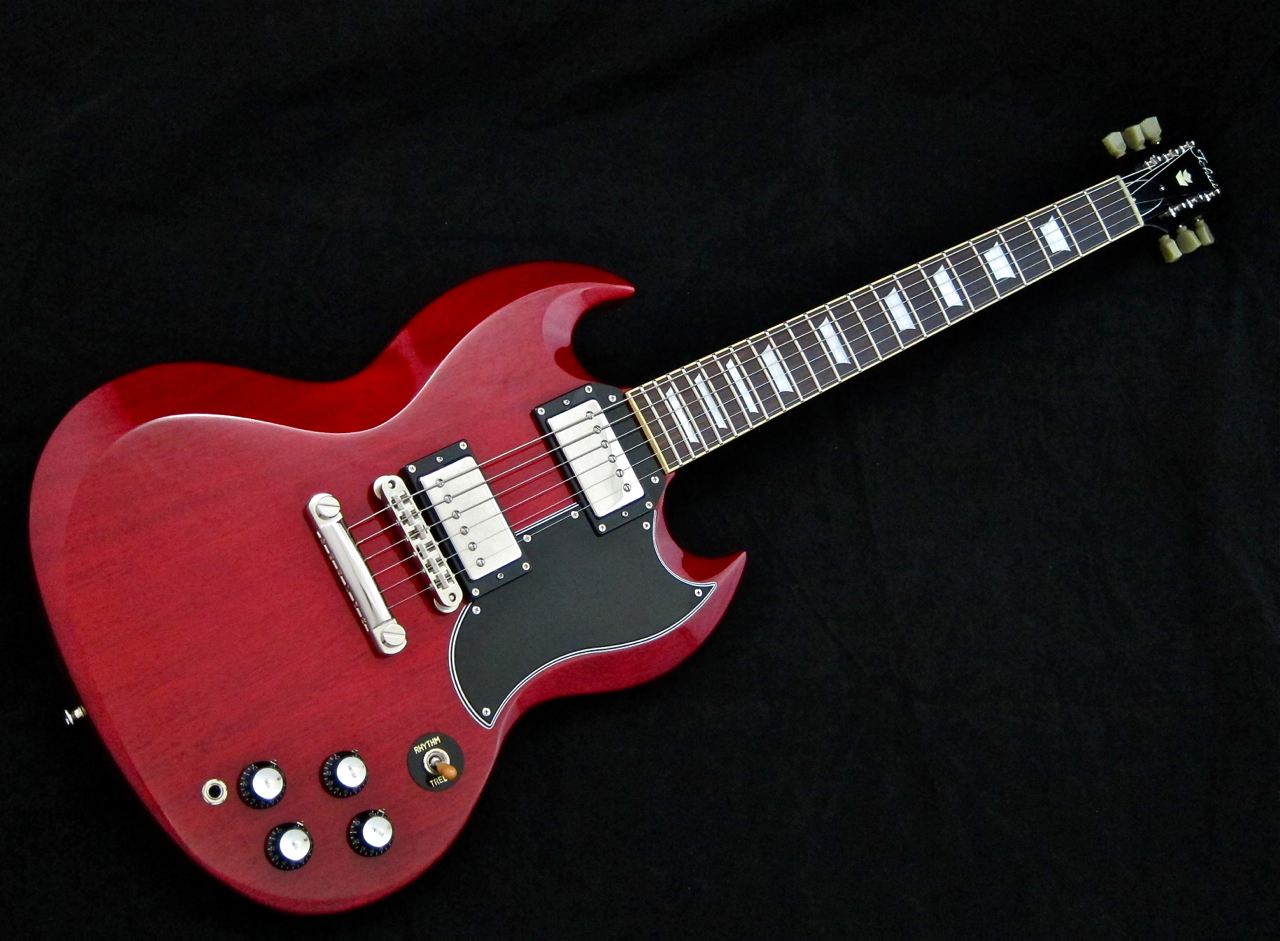
Tokai Guitars’ SG-75 is the company’s top model in their line of Gibson SG copies – a carefully crafted, Japanese version of the American original from the 1960s.
****
The Tokai SG-75 (current price in Finland:928 €) is based on the first version of the Gibson SG, which was introduced in 1961 as the new Les Paul Standard guitar. At that time the original Les Paul -range started showing seriously flagging sales figures, so Ted McCarty instigated a complete rethink of Gibson’s main solidbody model. The idea was to create a sleeker and lighter guitar.
Mr Paul wasn’t pleased with the result and didn’t renew his endorsement deal, which is why the new model was renamed the Gibson SG (= Solid Guitar) in 1963.
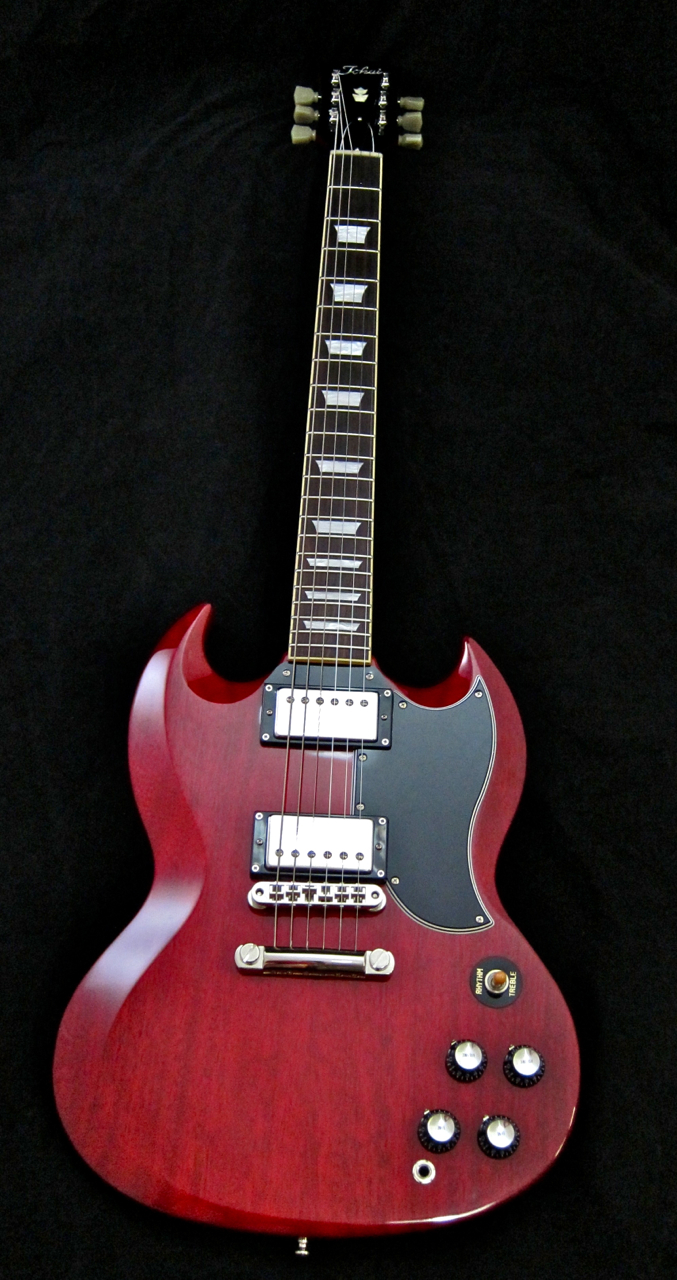
Tokai’s SG-75 is a great recreation of the classic model, and stays very faithful to the original design, displaying exemplary attention to detail in the process.
Take the body, for example: Its two pieces of fine mahogany have been matched so well it took a magnifying glass to make out the glue line at all! The well-applied red dye and the expertly executed thin finish really show off the guitar’s curves, as well as the nice grain of the wood.
Vintage-style tuners are a tasteful choice for the SG-75 model.
The rosewood fretboard is bound in single-ply cream plastic, and sports the traditional ”crown” inlays associated with guitars of this type. The workmanship on the frets can only be called exemplary.
The neck joint on the Tokai SG-75 sits – as tradition dictates – at the last fret (22nd). This arrangement gives you unhampered access to the uppermost frets, but the trade-off is a slightly weaker neck joint in comparison to, say, LP-style guitars. Buying a secure guitar stand and a quality hard case for this type of guitar is a very good idea.
In terms of its pickups, controls and hardware the Tokai SG-75 is a typical Gibson-type guitar.
The bridge is a modern update of the venerable Tune-o-Matic-bridge: The intonation adjustment screws are properly secured to the bridge’s base. On 1960s originals only a flimsy retaining wire keeps the saddles from falling off mid-song, should you break a string.
The pickups on most SG-type guitars are placed differently, compared to LP-style double-humbucker guitars:
The neck pickup has been moved a good two centimetres away from the end of the fretboard to add a little strength to the neck joint. In order to keep the tonal difference between the neck ’bucker and the bridge unit as wide as possible, the bridge humbucker has also been moved a few millimetres closer to the bridge.
The control set-up is also pure SG, with the three-way toggle, the four controls (two volumes, two tones) and the output jack all crammed together in the lower bout.
Using an angled plug is a very good idea on SG-type guitars, as it reduces weight-induced stress – and thus breakages – on the rather thin area of mahogany routed out around the jack.
One word says it all – quality!
****
Vintage 1960s examples of Gibson SGs all feature rather thin necks, many (from about 1966/67 onwards) of which also have a narrower nut width. Some guitarists – like Angus Young – actually prefer these necks, but for many others this type of neck profile is simply too insubstantial.
Luckily, Tokai have decided not to paint themselves into a corner here: The neck profile of the SG-75 is a nice, not-too-chunky D, which is a tad more muscular than Gibson’s current 60s-profile.
In addition to the improvement in playability there’s also an improvement in tone and sustain to be had from slightly bigger necks on SG-style guitars. More wood means added stiffness and less damping due to vibrational absorption in the long, unsupported neck.
The extremely lightweight Tokai SG-75 is a fine example of how an SG-style guitar differs from a LP-type in its acoustic and electric tones. The acoustic tone is a good deal more open, and it displays a lovely vocal mid-range timbre, as well as a slightly lighter bass response. The SG-75 feels very alive and is brimful of dynamic nuances.
Tokai’s fine PAF-Vintage Mk3 -humbuckers work exceedingly well in this context, because these vintage-type, moderately-powered pickups have an open and dynamic sound, and don’t clog up the guitar’s mid-range frequencies.
The more ”trebly” pickup placement does its bit to underscore the SG-75’s clear and crisp acoustic tone. The bane of LP-type guitars – the muddy neck humbucker sound – is, thankfully, completely absent here, and the bright and airy top end of the bridge pickup will make you think twice about an SG’s suitability for traditional Country music.
Here’s a clean clip:
Here’s the Tokai through an overdriven channel:
And here’s the music from the video:
The Tokai SG-75 is the best SG-type guitar I’ve played so far. The Tokai offers fine workmanship, great playability and tasty tones in a surprisingly affordable package.
























 Kitarablogi.com – Finland's premier Guitar and Bass blog