Testipenkissä: Hotone Audio Skyline -pedaalit

****

Hotone Skyline – spread

Yksi todellinen valopilkku tämänvuotisessa Frankfurt Musikmessessä oli Hotone Audion mallisto mikrokokoisia efektipedaaleja ja vahvistinnuppeja.

Hotone Skyline – row angle 2

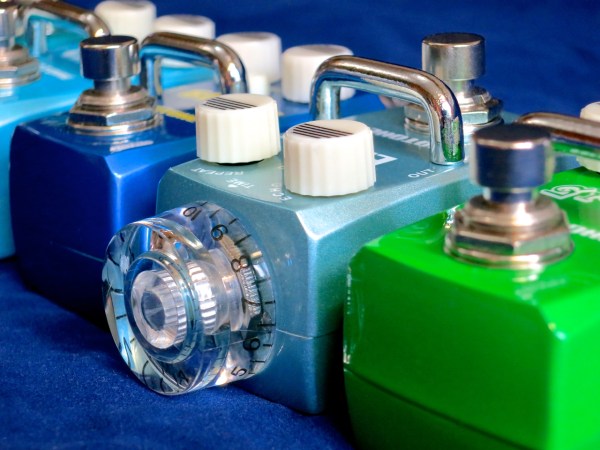
Skyline-sarjan pikkupedaalien visuaalinen juju piilee niiden isokokoisissa, Gibson-tyylisissä säätimissä kotelon etupuolella.

Hotone Skyline – front LEDs

Nupin takana on upotettu kaksi värillistä LEDiä.

Tällaisiin pikkulootiin ei luonnollisesti mahdu paristoja sisään, minkä takia Hotone Skyline -efektit toimivat Boss-standardia noutavalla virtalähteellä (9 V, miinus keskellä – ei kuulu hintaan).

****

Hotone Skyline – Blues top

Sininen Hotone Blues (65 €) on Blues-säröihin erikoistunut säröpedaali, joka saa kermaiset soundinsa kaksivaiheisesta overdrive-piiristä.

Hotone Skyline – Blues right

Isolla nupilla säädetään efektin gain-määrää, kun taas pienet valkoiset säätimet toimivat tonena ja master volumena.

Hotone Skyline – Blues left

Fat-kytkimellä saadaan lisää tuhtia alakertaa menoihin.

Tässä on Hotonen oma Blues-pedaalin demo:

****

Hotone Skyline – Choir top

Vaaleansininen Hotone Choir (65 €) on Skyline-sarjan analoginen choruspedaali, ja se perustuu Panasonic BBD MN3207 -”ämpäriketjuun”.

Hotone Skyline – Choir right

Gibson-nupilla määrätään vatkauksen nopeutta, kun taas pikkusäätimillä säädetään efektoidun signaalin voimakkuutta ja efektin syvyyttä.

Hotone Skyline – Choir left

Deep-kytkintä painamalla saa efektistä vielä syvemmän.

****

Hotone Skyline – Eko top

Hotone Eko (65 €) on firman analogimallinnuksella varustettu digitaalinen viive.

Hotone Skyline – Eko right

Ekon maksimaalinen viiveaika on noin 500 ms, mikä kattaa hyvin tyypilliset Rautalanka-, Pop- ja Rock-musiikin tarpeet.

Hotone Skyline – Eko left

Mod-kytkimellä voi lisätä viive-efektiin nauhakaiku-tyylistä huojuntaa ja modulaatiota.

****

Hotone Skyline – Grass top

Skyline-sarjan vintage-tyylinen overdrive-särö on nimeltään Hotone Grass (65 €).

Hotone Skyline – Grass right

Pedaalissa on säätimet gainea, äänensävyä ja lähtötasoa varten.

Hotone Skyline – Grass left

BRT-kytkimellä saa esiin lisää purevuutta.

****

Hotone Skyline – Octa top

Hotonen uusin pedaali – Octa (80 €) – on oktaaveri, joka tarjoaa sekä ala- (OCT1) että yläoktaavin (OCT2), ja sillä on sen lisäksi vielä kaksi eri toimintamoodia.

Hotone Skyline – Octa right

Puhtaassa ja polyfonisessa perusmoodissa on mahdollista soittaa jopa sointuja.

Hotone Skyline – Octa left

Dirty-moodissa pedaali muuttuu monofoniseksi, ja efektin soundista tulee – vanhan analogioktaaverin tavoin – herkullisen likainen.

Hotone Octa -pedaalia voi muuten käyttää myös basson kanssa!

****
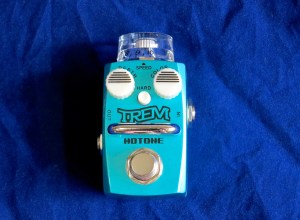
Hotone Skyline – Trem top

Hotone Trem (65 €) on optotremolo erittäin kompaktissa koossa.

Hotone Skyline – Trem right

Tremoloefektin nopeuden ja syvyyden lisäksi pystyy Trem-pedaalissa säätämään myös efektin soundia.

Hotone Skyline – Trem left

Painamalla Hard-kytkimen sisään tremoloefekti muuttuu pehmeästä siniaalto-kaltaisesta soundista, enemmän on/off-tyyppiseen soundiin.

****

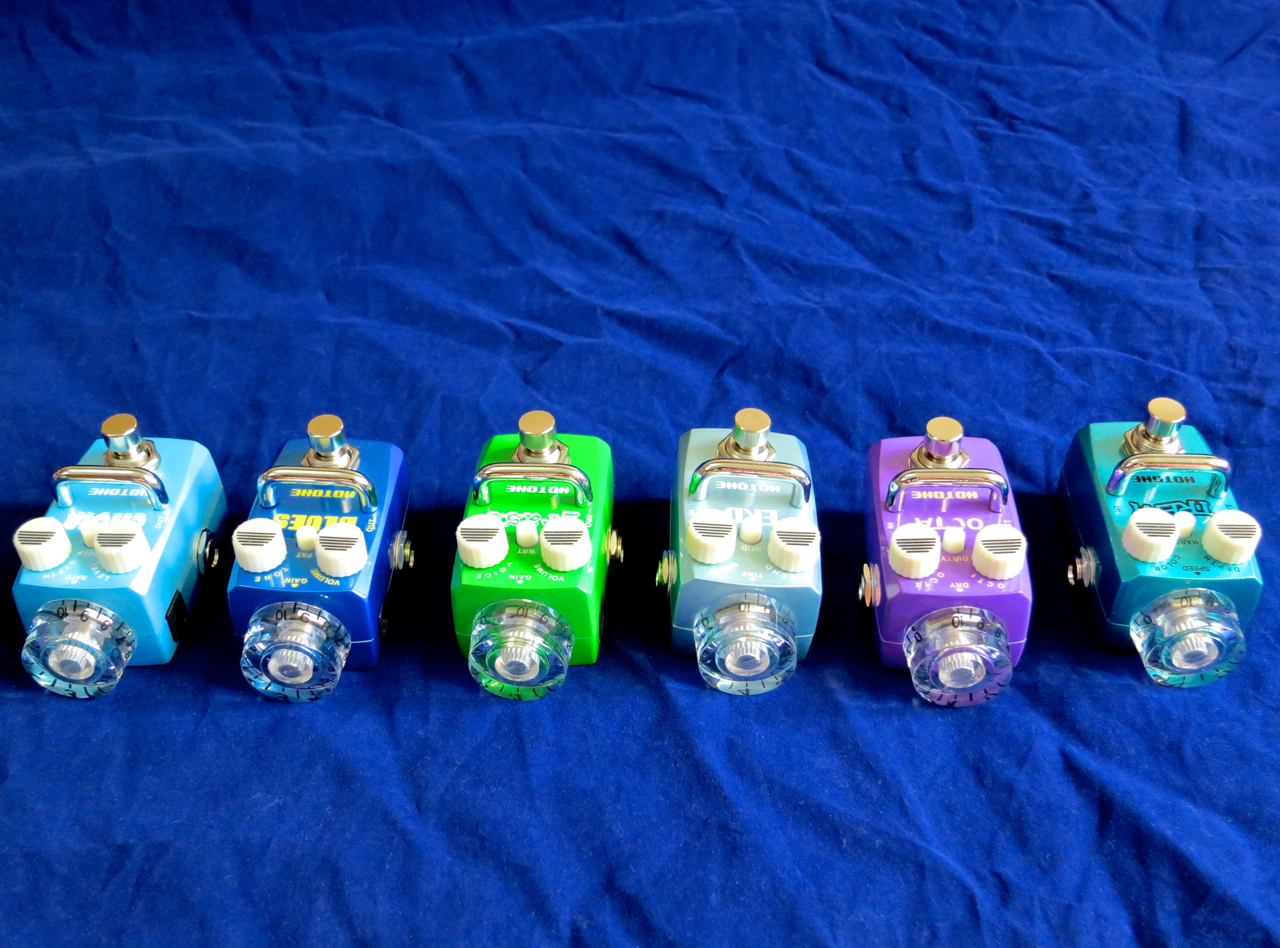
Hotone Skyline – six in a row

Pienuudesta ja hauskasta ulkonäöstä huolimatta Hotonen Skyline -sarjan pedaalit eivät ole leluja, vaan ihan oikeita kitaraefektejä.

Sinkistä valettu kotelo tuntuu hyvin kestävältä, ja jalkakytkimen yläpuolelle asennettu metallikaari suojaa pieniä säätimiä tehokkaasti polkaisujen voimalta. Jokaisen pedaalin mukaan tulee sekä paksu kumimainen pohja että tarranauhapohja – käyttäjä voi liimata sopivimman pohjan käyttötarkoituksen mukaan efektipedaalin pohjaan.

Kotelon etupuoleen sijoitettu säädin ei ole vain visuaalinen kikka, vaan se helpottaa myös tuntuvasti kolmen säätimien (ja yhden kytkimen) käyttöä näin pienikokoisessa paketissa.

Soundillisesti Hotonen Skyline-sarja on suoraviivainen ja mutkaton sanojen parhaassa merkityksessä. Jokainen kokeilemani pedaali teki juuri sitä mitä siltä odotin, ja pedaalimallisto vakuutti minut hyvillä soundeillaan. Tarjolla ei ehkä ole esoterista putiikkilaatua – ja olisi hullua odottaa sellaista näin edullisista efekteistä – mutta jokainen testaamani Hotone Skyline -pedaali on hyvin käyttökelpoinen ja inspiroiva ”jokapäivän efekti”.

Äänitin seuraavan demobiisin kaikki kitararaidat Hotone-pikkupedaaleilla:

• komppiraidat: Hotone Choir (vasemmalla), Hotone Trem (keskellä) ja Hotone Eko (oikealla)

• liidit: 1. Hotone Blues, 2. Hotone Octa ja 3. Hotone Grass

Käytin kaikissa raidoissa Gibson SG Melody Maker -kitarani, sekä Blackstar HT-1R -putkikombon:

Hotone Skyline – row angle 1

****

Hotone Audio Skyline Series

Hinnat: 65-80 €

Maahantuoja: R-Jam Group

****

Plussat:

+ koko

+ hinta-laatu-suhde

+ soundi
Hotone Skyline – all knobs

Review: Warwick LWA 1000

****

Warwick LWA 1000 – opener

German maker Warwick is offering a wide range of different bass amplifiers alongside their famous basses.

One of their newest products is the Warwick LWA 1000 – an ultra-compact, yet very powerful amp head.

****

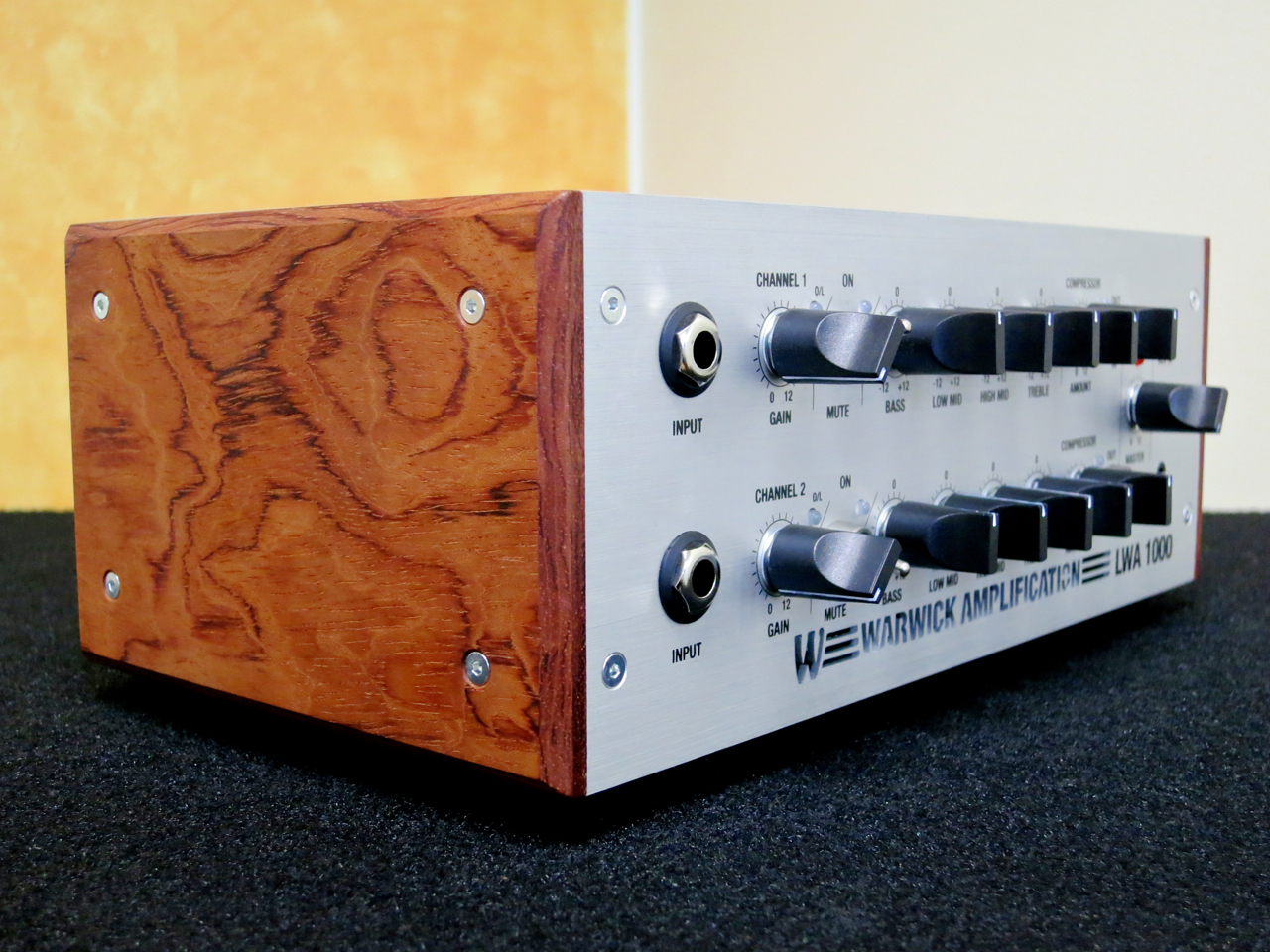
Warwick LWA 1000 – front

The Warwick LWA 1000 (current price in Finland: 789 €) is small and lightweight enough (2.75 kg) to fit into many gig bags. Optionally, you can also get a rack installation kit or a padded shoulder bag for this head.

As hinted at by its name, the LWA 1000 offers you up to 1,000 Watts of power (into a 4 Ohm cabinet, 500 W into 8 Ohms). Warwick have managed to squeeze this all into a compact package by using a Class D power amplifier.

Warwick LWA 1000 – front panel inputs

Warwick’s two-channel preamp has been transplanted from their Hellborg-series, and promises to offer audiophile sound quality from its low-noise Class A circuits.

The two channels of the LWA 1000 are identical, and they can either be used to amplify two different instruments (each plugged into their own input) or to offer two different sounds for use with a single bass (a footswitch comes included with the amp).

Warwick LWA 1000 – front panel EQs

There’s a four-band EQ section in each channel, offering up to 12 dBs of cut/boost per band.

Warwick LWA 1000 – front panel comp + master

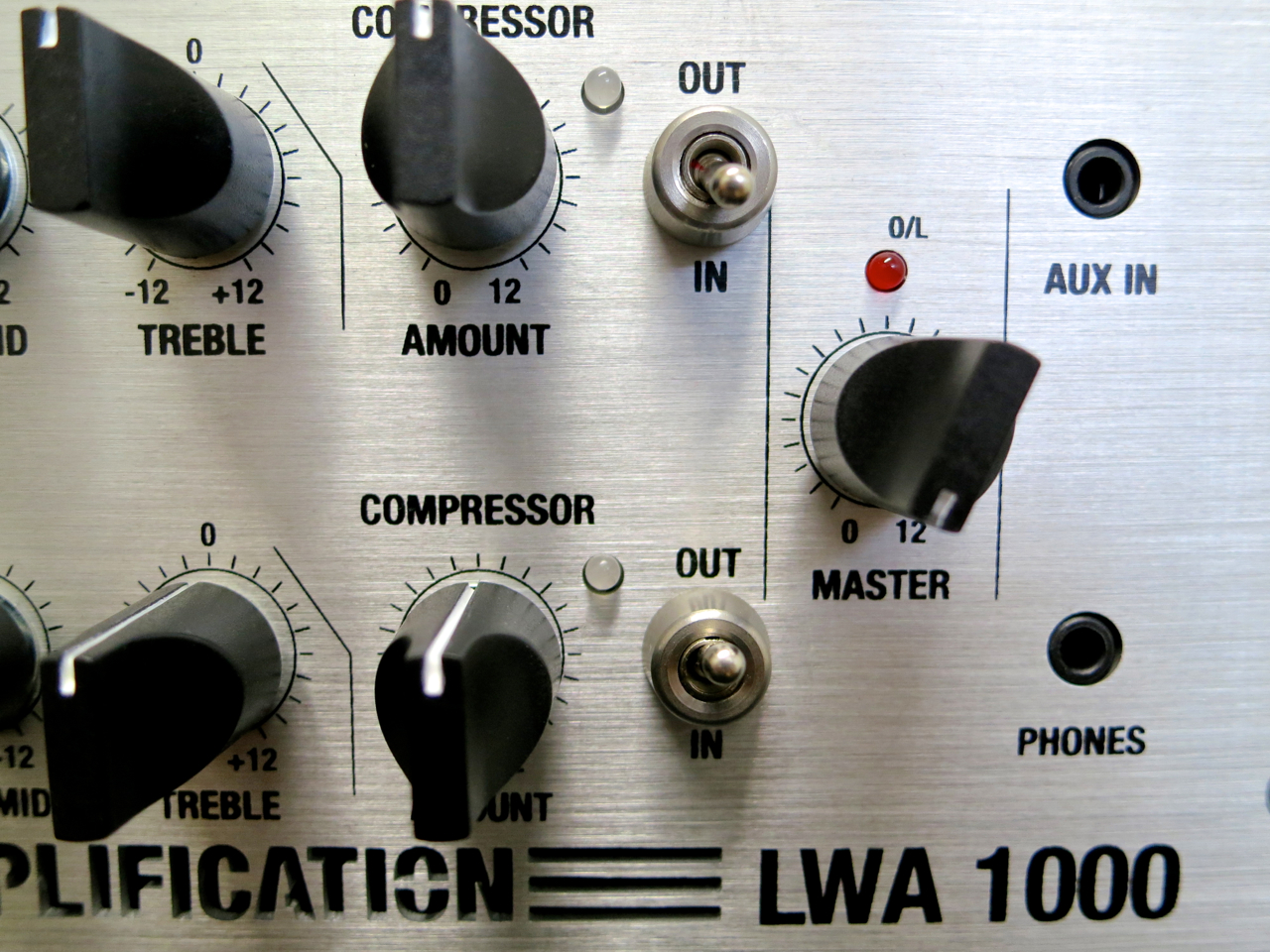
The last link in the preamps’ signal chain is Warwick’s easy-to-use compressor.

The master section offers an auxiliary input to feed your mp3-player into, as well as a headphones output for silent practice.

Warwick LWA 1000 – angle 2

The stylishly understated look of the Warwick LWA 1000 calls to mind high-end HiFi-equipment. You can get the amp head in two finishes – brushed aluminium and matte black.

Warwick LWA 1000 – back

”Lightweight and compact” doesn’t equal ”stripped-down” in the LWA’s case – this is a fully featured bass amplifier:

Of the four jacks on the back panel one is the tuner output, two are used for the effects loop, and the last one is an unbalanced, line level output. This Warwick head also sports a built-in DI-box with its dedicated Pre/Post-switch, as well as a ground lift switch for safe earth loop breaking.

Warwick LWA 1000 – angle

In addition to the amp head itself (and its power cord), the package includes a footswitch and a long, pro-quality TRS-lead (aka a stereo cable).

Warwick LWA 1000 – footswitch

You use your regular instrument lead to connect your bass to the footswitch, and the TRS-cable goes between the footswitch and either one of the LWA 1000’s channel inputs. The TRS tip carries the bass signal, while the ring connection is used to switch between amp channels.

Warwick LWA 1000 + WAC 410

I tested the Warwick LWA 1000 through a Warwick WCA 410 cabinet.

The pro-quality WCA 410 (current price in Finland: 380 €) is a chunky bass-reflex cabinet, equipped with four ten-inch speakers and a four-inch treble horn.

****

Warwick LWA 1000 – glowing

Warwick’s LWA 1000 offers truckloads of ultra-clean, quality bass tone in a very compact format. In contrast to many other bass amplifiers the LWA adds only very little unwanted colouration to your instrument’s tone.

Some bassists rely on certain sonic artifacts from their amp for their own signature sound (like tube saturation or distortion, or a non-linear frequency curve), and this is as valid an approach as others (rock on, guys!). Others – myself included – get their kicks from just the type of clean and linear amplification the Warwick LWA 1000 head provides.

The channel EQs work like a dream and the built-in compressors are musical and intuitive to use.

In the studio you will appreciate this head’s processor controlled ventilator, which works very quietly, and only springs into action when needed.

The sound clips I have recorded will give you a good idea of the sheer power this Warwick provides. If you listen closely, you can hear the metal grilles of the studio’s air conditioning system rattle along with the playing in places:

****

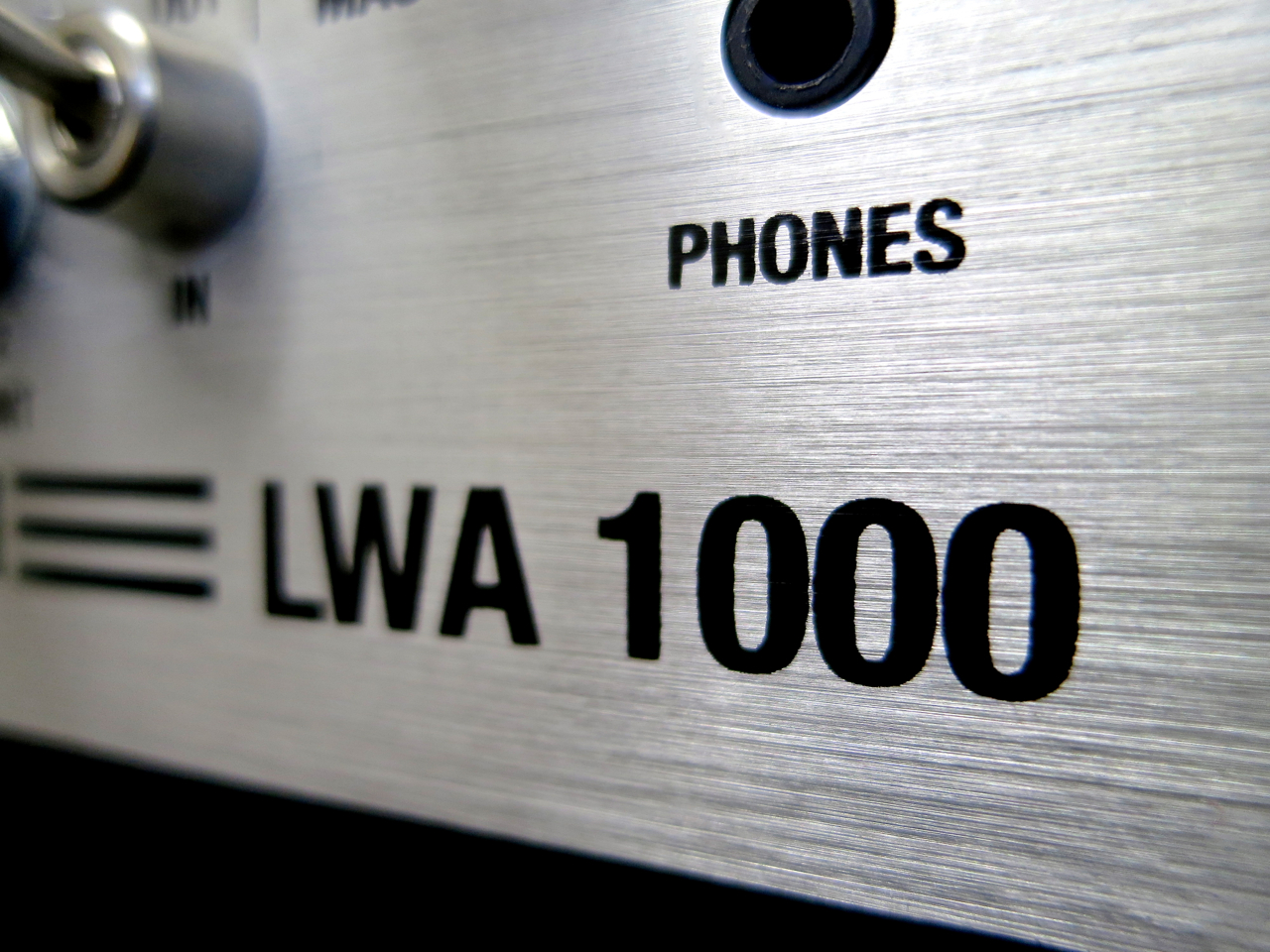
Warwick LWA 1000 – logo

Warwick’s LWA 1000 is just my kind of bass amplifier. The sound is very clear and dynamic, and there’s enough power on tap to shut up your guitarist.

****

Warwick LWA 1000

789 €

Finnish distributor: Musamaailma

****

Pros:

+ power

+ size

+ lightweight

+ ultra-clean tone

+ footswitch included

Review: Duesenberg D-Bass

****

Duesenberg D-Bass – D-badge

German maker Duesenberg is known for its high-quality guitars and basses, that combine seamlessly Art Deco-chic and ingenious improvements in many details, such as the hardware and electronics departments.

The Duesenberg D-Bass is a good example of this, promising both P- and J-style tones from a passive, one-pickup instrument.

****

Duesenberg D-Bass – full front 2

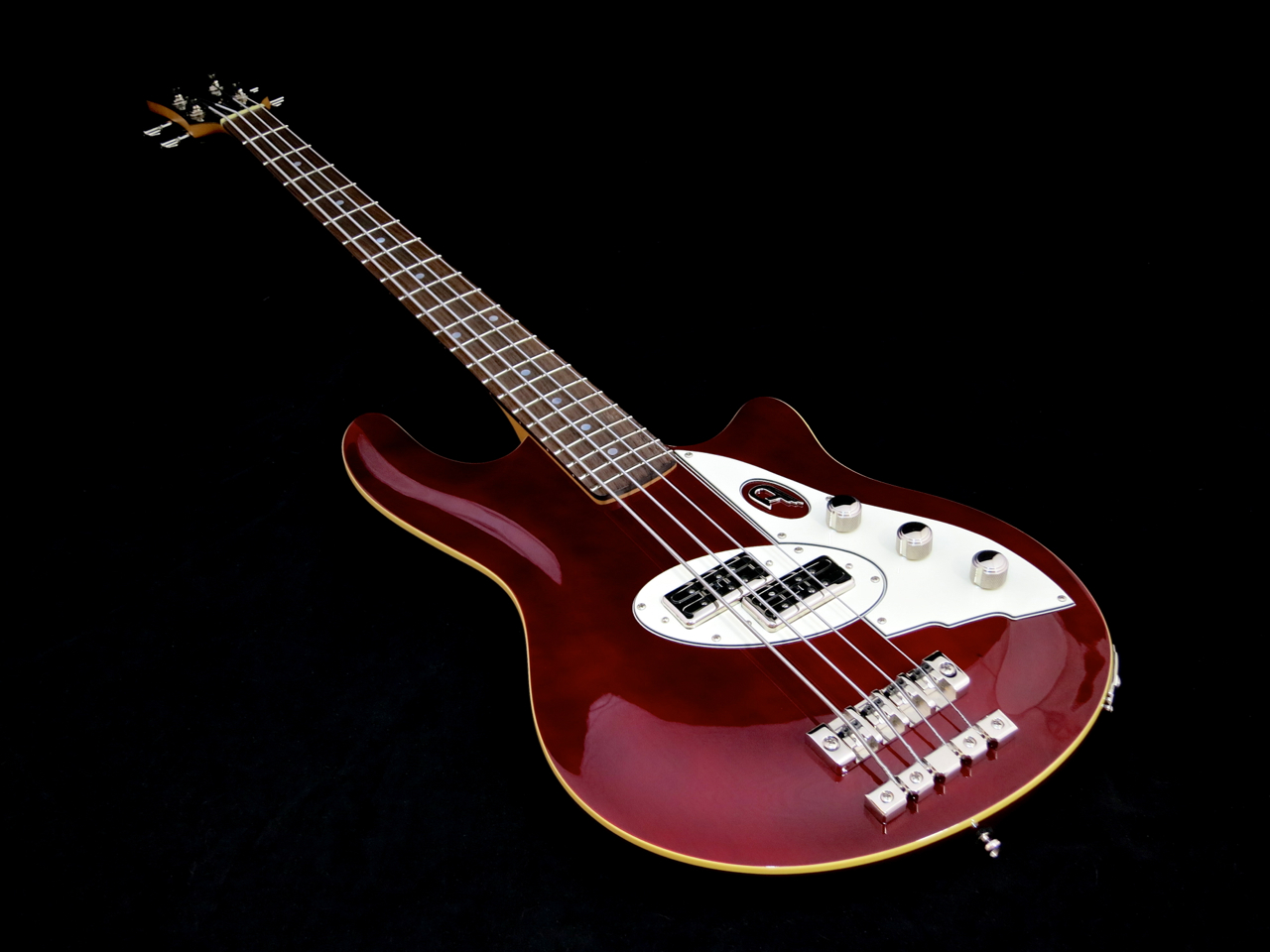
The Duesenberg D-Bass (current price in Finland: 1.729,90 €) proves that you can build a bass from classic tonewoods without having to resort to copying others.

This is a four-string, passive bass, built using a bolt-on maple neck with a rosewood fretboard mated to a bound alder body. The top of the body sports elegant carving.

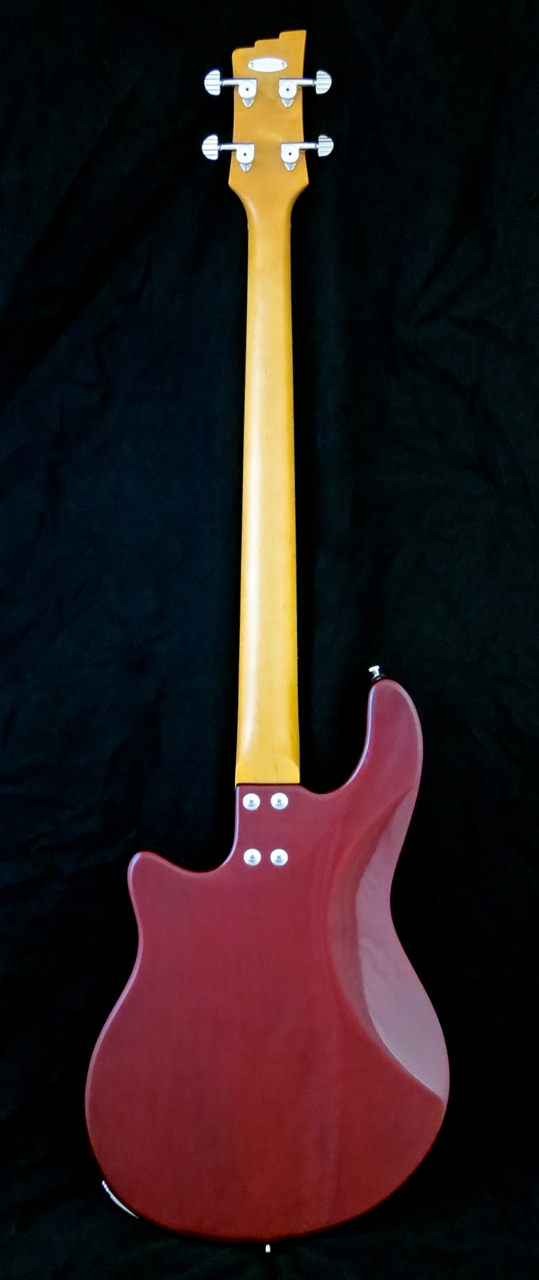
Duesenberg D-Bass – full back 2

The generous rib cage bevel adds a great deal of comfort to the D-Bass.

The body comes in a fetching gloss finish, while the neck has received a thin, vintage-tinted satin finish.

Duesenberg D-Bass – headstock

I feel that Duesenberg’s three step headstock looks even better in its bass guise than the smaller guitar version.

Duesenberg D-Bass – tuners

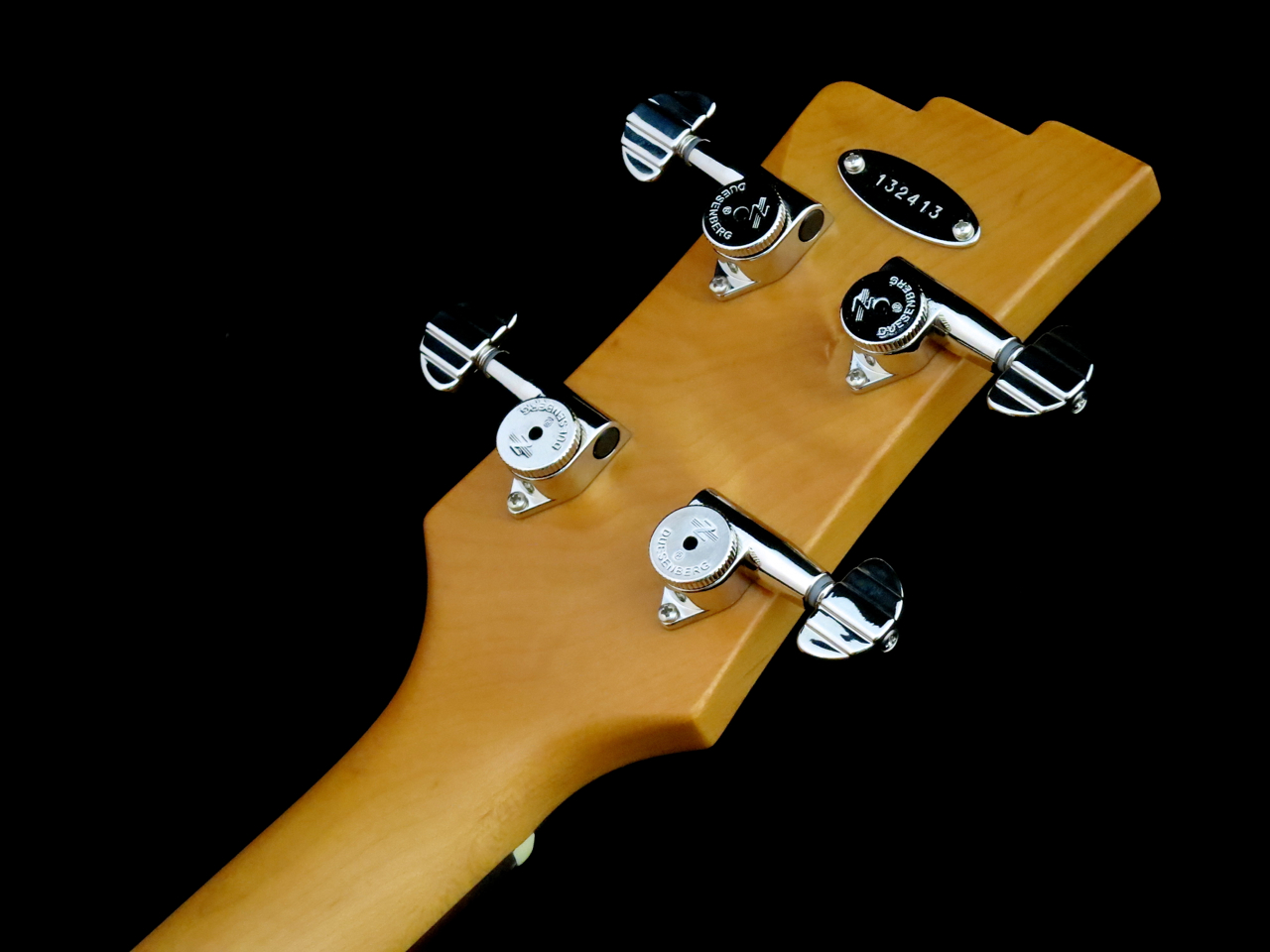
Duesenberg use their own locking Z-Tuners on the D-Bass. The string is first fed into a well in the tuning post until it comes out of a small hole in the tuning machine’s back. You cut off the surplus length of string, pull back the string by a couple of millimetres, lock it in place and tune up. Voila, a clean and uncluttered solution that leaves no sharp string ends.

Duesenberg D-Bass – fretboard

Duesenberg employ a PLEK-robot to give all their instruments a perfect fret job and set-up.

Duesenberg D-Bass – neck joint

Thanks to the angled neck joint an excursion to the dusty end of the fretboard is fast and easy on the D-Bass.

Duesenberg D-Bass – bridge

Duesenberg’s bridge and tailpiece combo are made of chunky bits of milled brass.

In addition to action and intonation the bridge also offers the adjustment of string-to-string distance. After adjustment you can lock everything in place with allen grub screws.

Duesenberg D-Bass – pickup

The D-Bass’ two-part pickup is situated on its own, oval pickguard.

Duesenberg’s Toaster-pickup may resemble a Fender Precision-pickup, but it really has its own thing going on in terms of construction. While the venerable P-Bass is equipped with two singlecoil pickups (one for each pair of strings), which are hooked up to form a humbucking unit, Duesenberg’s design uses two small humbuckers with open covers.

Duesenberg D-Bass – controls

The passive controls are found on the bass’ larger pickguard and comprise a master volume, the Mid-Shift control and a master tone.

Duesenberg D-Bass – control cavity

The Mid-Shift control uses a nifty bit of wiring voodoo:

When Mid-Shift is fully turned up, both coils of each pickup are used fully, but some of the top end signal is filtered by a capacitor. This is how the D-Bass achieves a P-style sound.

Turning the potentiometer counterclockwise fades out the signal of one of each humbucker’s coils, while lessening the capacitor’s effect on the signal. Fully counterclockwise, this gives you a brighter and more focussed, J-type tone.

You can find a similar wiring trick on Seymour Duncan’s web page, showing you how to wire up a humbucker in such a way that you can use a control pot for going from humbucking to singlecoil by feeding one of the pickup coils to earth.

Duesenberg D-Bass – reverse angle

Duesenberg D-Bass – case

The Duesenberg D-Bass comes in its own quality hard case.

****

Duesenberg D-Bass – beauty shot 2

Duesenberg’s bass is a beautiful instrument with a nice, medium weight and a great balance, both in you lap or hanging on a strap.

The neck profile is a Precision-style wide ”D”, but combined with the D-Bass’ larger fingerboard radius and its jumbo frets the playing feel is decidedly more modern and slinky than vintage.

My only small gripe is a strictly cosmetic one: I would like to see one or two screws added to the larger control scratchplate, as the current layout doesn’t make the plate fit snugly on top of the body’s top contour, leaving a few edges standing proud of the body surface.

This Duesenberg has a very healthy acoustic ring, completely devoid of any of the quirks often associated with vintage basses (like an over-enthusiastic low G or a dead spot around the high c).

Amped up you’re in for a real treat, as long as you’re not after that type of extreme EQ, only achievable with active preamps. Duesenberg’s Mid-Shift control is a really ingenious addition to the D-Bass, resulting in a much more organic palette of sounds than a mere coil-split could provide. The volume drop going from the P- to the J-variant is negligible, which is another positive effect of not using a straight coil-split.

I always play the same motif twice in each sound clip – first with Mid-Shift full on (P), then with Mid-Shift turned down fully (J).

Duesenberg D-Bass – body beauty 1

****

Duesenberg D-Bass – full front   Duesenberg D-Bass – full back

I must say, I liked the Duesenberg D-Bass very much. It is a great instrument for connoisseurs of passive bass tones. The Mid-Shift control isn’t ”in your face”, but still manages to provide you with an ingenious way of tailoring the bass’ sound to your needs.

****

Duesenberg D-Bass

1.729,90 €

Finnish distributor: F-Musiikki

****

Pros:

+ workmanship

+ Mid-Shift control

+ playability

+ design

+ sound

Cons:

– pickguard fit (read the review)

****

Duesenberg D-Bass – body beauty 2

Testipenkissä: Warwick LWA 1000

****

Warwick LWA 1000 – opener

Saksalainen Warwick tarjoaa sähköbassojensa lisäksi myös laajan valikoiman erilaisia bassovahvistimia.

Valmistajan uusin aluevaltaus on erittäin kompaktien ja ultrakevyeiden bassonuppien lajityyppi, josta Warwick LWA 1000 on firman ensimmäinen.

****

Warwick LWA 1000 – front

Warwick LWA 1000 (789 €) on niin pieni ja kevyt (2,75 kg), että se mahtuu tarvittaessa jopa moneen gigbägin etutaskuun. Lisävarusteena on toki saatavilla myös räkkirautoja tai nupille sopiva topattu olkalaukku.

Nimensä mukaisesti LWA 1000 -nuppi tarjoaa jopa 1.000 wattia tehoa neljään ohmiin tai 500 kahdeksan ohmiseen kaappiin. Näin suurta tehoa on saatu pieneen pakkaukseen käyttämällä D-luokan päätevahvistinta.

Warwick LWA 1000 – front panel inputs

Warwickin kaksikanavainen etuvahvistin taas on toteutettu mahdollisimman vähäsäröiseksi käyttämällä Hellborg-sarjasta lainattua A-luokan vahvistinpiiriä.

LWA 1000:n kanavat ovat täysin identtisiä ja niitä voi käyttää joko kahdella eri soittimella (kumpikin soitin menee silloin oman tulojakin kautta omalle kanavalle) tai sitten yhdellä bassolla pakettiin kuuluvalla jalkakytkimellä.

Warwick LWA 1000 – front panel EQs

Kummallekin kanavalle on oma nelialueinen taajuuskorjainten osasto, joka tarjoaa 12 desibeliä vahvistusta tai vaimennusta per taajuuskaista.

Warwick LWA 1000 – front panel comp + master

Helppokäyttöinen kompressori on signaaliketjun viimeinen lenkki, ennen kun bassosignaali lähetetään päätevahvistimelle.

Aux In -tuloon voi liittää esimerkiksi mp3-soittimen harjoittamista varten. Kuulokelähdöllä pystyy harjoittelemaan myös hiljaisesti, ilman kaappia.

Warwick LWA 1000 – angle 2

Warwick LWA 1000:n tyylikäs, pelkistetty ulkonäkö tuo mieleen high-end hifi-laitteitta. Nuppi on saatavilla sekä alumiinin hopeana että mustalla viimeistelyllä.

Warwick LWA 1000 – back

Pieni koko ei LWA:n tapauksessa tarkoita ”riisuttua versiota”, vaan takapaneelista löytyy kaikki tarvittava:

Neljästä jakkiliitimestä yksi on tarkoitettu viritysmittarille, kaksi on varattu ulkoista efektilenkkiä varten ja viimeinen on balansoimaton linjatasoinen lähtö. Warwick-nupilla on myös sisäänrakennettu DI-boksi Pre/Post-kytkimellä ja turvallisella maalenkin katkaisimella.

Warwick LWA 1000 – angle

Paketissa löytyy nupin (ja virtajohdon) lisäksi jalkakytkin ja erittäin laadukas, pitkä TRS-plugijohto (ns. stereojohto).

Warwick LWA 1000 – footswitch

Jalkakytkimen tuloon kytketään soittimesta tuleva johto, kun taas kytkimen lähdön ja LWA 1000:n tulon väliin laitetaan paketista löytyvä TRS-johto. Stereojohdon voi kytkeä kumpaan kanavaan vaan, nupin tulojakit tunnistavat mihin kanavaan signaali on menossa ja kytkevät kyseisen kanavan päälle.

Warwick LWA 1000 + WAC 410

Testasin Warwick LWA 1000 -vahvistinta saman valmistajan laadukkaan WCA 410 -kaapin kautta.

WCA 410 (436 €) on erittäin tuhti bassorefleksikaappi, joka on varustettu neljällä kymppituumaisella kaiuttimella, sekä neljätuumaisella diskanttitorvella.

****

Warwick LWA 1000 – glowing

Warwickin LWA 1000 tarjoaa valtavasti puhdasta voimaa erittäin kompaktissa formaatissa. Toisin kuin joidenkin muiden valmistajien bassovahvistimet, LWA välittää sähköbasson omaa soundia käytännössä täysin vääristämättä eteenpäin.

Jotkut basistit tykkäävät omia mausteita (särön tai omanlaisen taajuuskäyrän muodossa) lisäävistä vahvistimista, ja miksipä ei? Minä taas haen bassostyrkkarista juuri tällaista puhtautta, jota Warwick LWA 1000 -nuppi tarjoaa.

Kanavien EQ:t toimivat tehokkaasti ja sisäiset kompressorit toimivat mukavan musikaalisella tavalla.

Studiokäytössä arvostetaan varmasti myös tämän nupin prosessoriohjattua tuuletinta, joka toimii hiljaisesti, ja vain silloin, kun sitä tarvitaan.

Hyvän kuvan Warwickin voimasta saa, kun kuuntelee näitä ääninäytteitä läpi: taustalla treenikämpän kattovalaisimien ritilät sirisevät nimittäin mukana, vaikka LWA:n master-volyymi ei ole avattu edes puoleksi:

****

Warwick LWA 1000 – logo

Warwick LWA 1000 on bassovahvistin minun makuun. Soundi on puhdas ja dynaaminen, ja äänenpainetta riittää vaikkapa muillekin jaettavaksi.

****

Warwick LWA 1000

789 €

Maahantuoja: Musamaailma

****

Plussat:

+ teho

+ koko

+ paino

+ puhdas soundi

+ jalkakytkin kuuluu hintaan

Review: Zoom H6

Zoom H6 – perspective 1

Zoom have released their new handy recorder flagship:

The Zoom H6 is a six-track mobile recorder with exchangeable microphone modules.

****

Zoom H6 – package and case

Zoom’s H6 (rrp in Finland: 398 €) comes in its own carrying case.

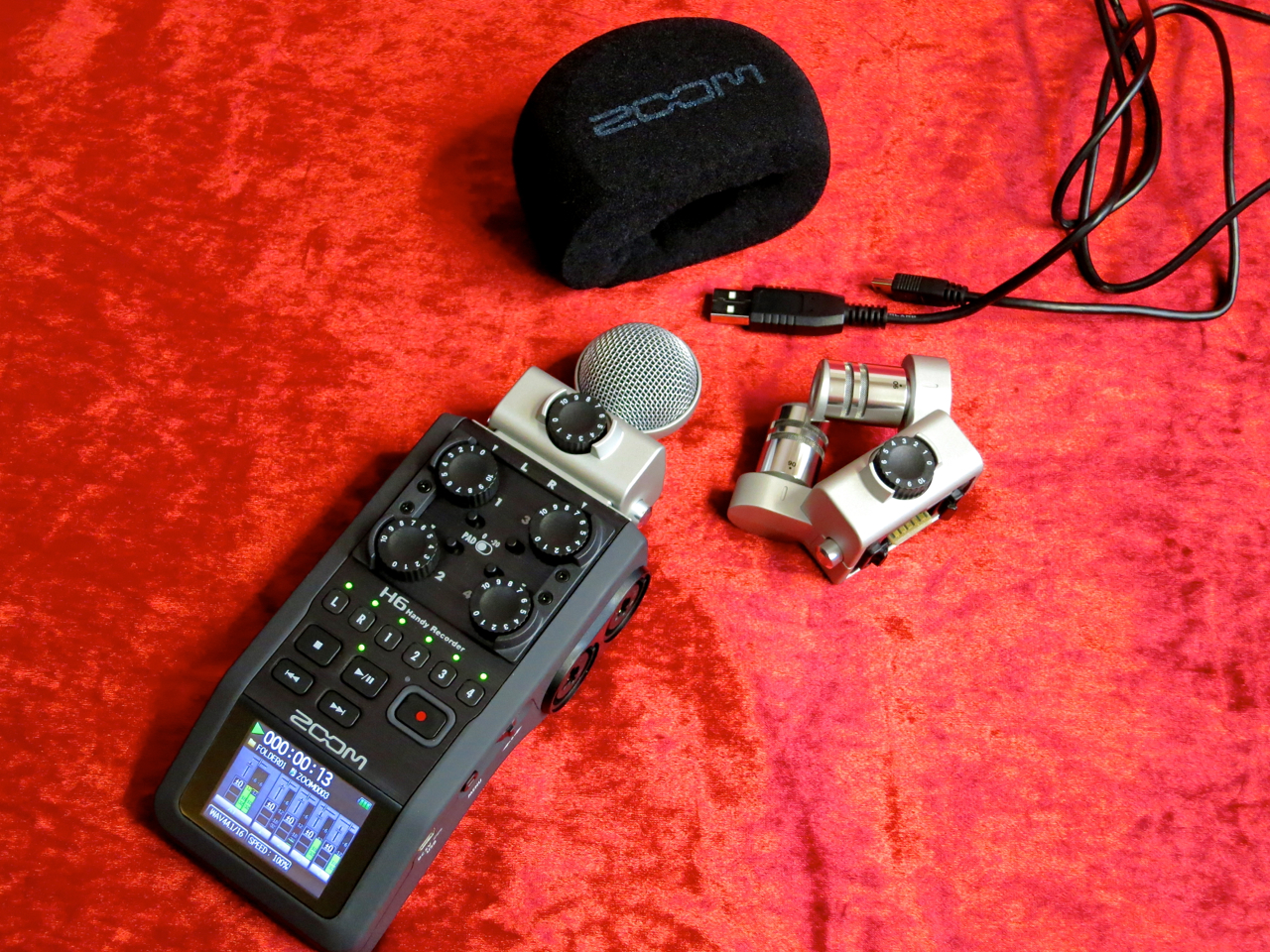
Zoom H6 – the set

The package includes the H6 itself, two mic modules – the XYH-6 offering XY-stereo and the MSH-6 with an MS-stereo capsule – a foam windscreen, a USB-cable, four AA-size batteries and a 2 GB SD-card.

Also included is Steinberg’s Cubase LE audio-sequencer software.

h6n

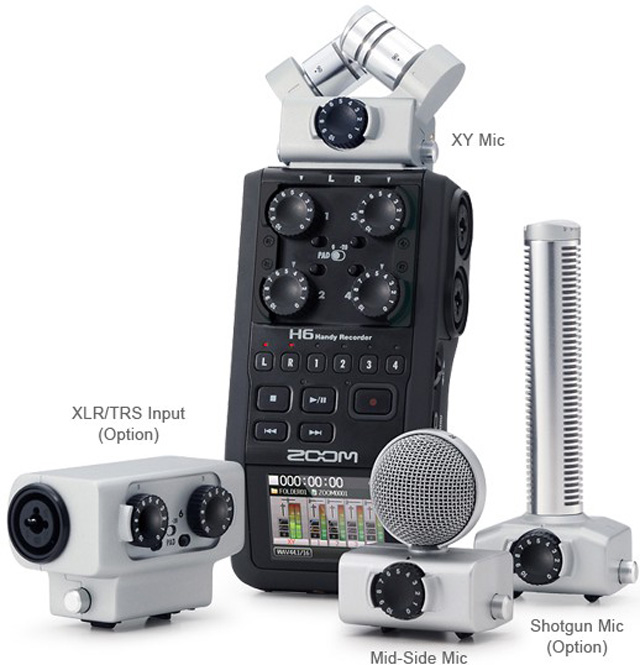
At the moment the H6 is the only field recorder offering you different exchangeable mic and preamp modules.

In addition to the supplied XY- and MS-modules you can also buy Zoom’s shotgun module (SGH-6) or a module with an additional pair of XLR-/TRS-inputs (EXH-6).

Zoom H6 – accessory pack

For this review we were also supplied with Zoom’s accessory pack for the H6 (APH-6), which contains a furry windshield for outdoor recording, as well a USB-power supply and a remote control.

****

Zoom H6 – XY-module

Except for its control panel the Zoom H6 is entirely covered in a non-slip rubbery coating, which also cuts down on handling noise during recording.

Zoom H6 – XY 90 deg

A typical Zoom-feature has been carried over into the recorder’s XY-module:

You can switch the stereo width of the XY-setup by turning the capsules. The options are the slightly narrower 90 degrees angle…

Zoom H6 – XY 120 deg

…and the wider pickup pattern of 120 degrees.

Zoom H6 – left side view

The combined XLR/TRS-connectors have been placed on both sides of the H6. The Zoom offers switchable phantom power for condenser mics.

On the left side you’ll find the access to the SD-card, as well as the headphones output and the volume control.

Zoom H6 – right side view

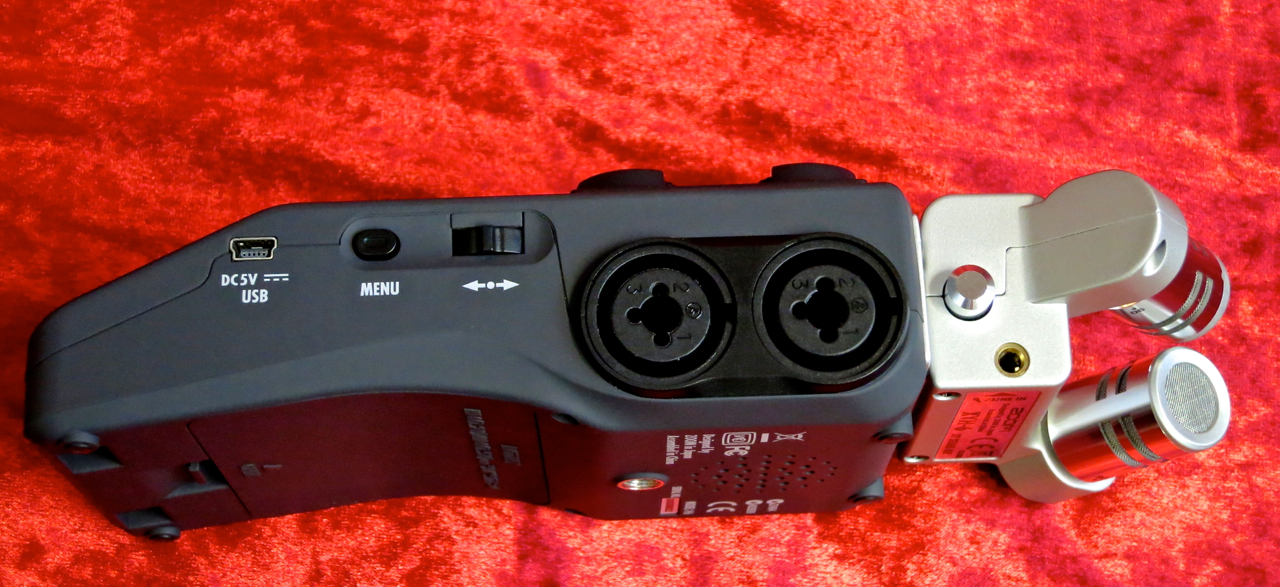
In addition to the recorder’s mini-USB-port the right side is home to the Menu-button and the device’s nifty navigation toggle.

Zoom H6 – back view

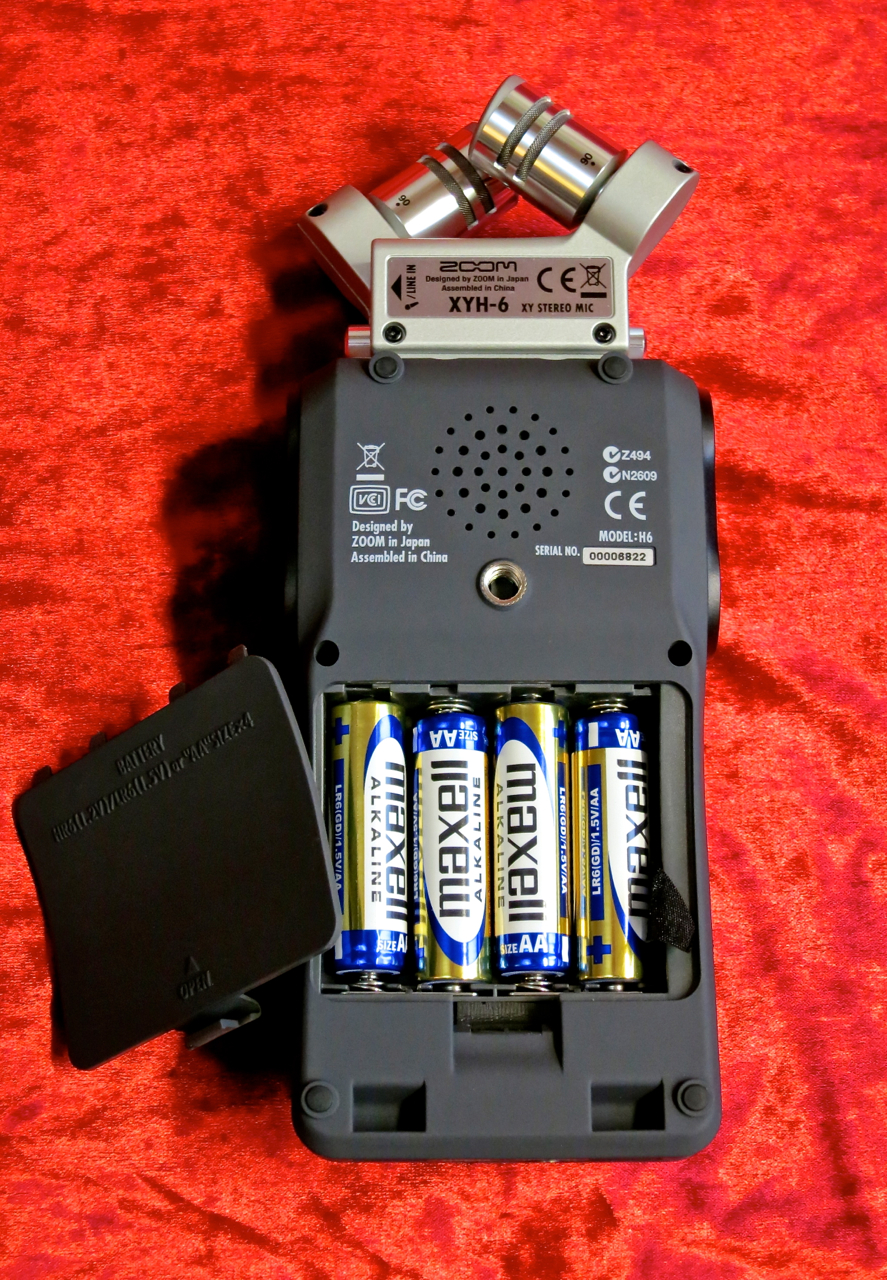
This recorder runs on four AA-size batteries, and will run for approximately 20 hours on a fresh set of alkalines.

You can place the Zoom on most camera tripods, thanks to its standardised thread. There’s also the HS-1 hot shoe adapter available, which makes it possible to mount the recorder straight onto a camera.

The small monitor speaker isn’t particularly Hi-Fi, but it’s good to have it for quick checks.

Zoom H6 – line + remote

The unit’s line level output, as well as the connector for the optional remote control, has been placed on the bottom rim of the Zoom.

****

The Zoom H6 can handle two audio formats:

Linear WAV-files offer you sample rates of 44.1, 48 or 96 kHz with 16 or 24 bits of resolution. When you choose WAV as your recording format the H6 works as a multitrack recorder, which makes it possible to do overdubs, and which allows you to mix the recorded tracks afterwards. You can do your mixdown internally, using the Zoom’s own Project Mixer, or by exporting the separate tracks to an audio-sequencer.

Another function that only works when you’ve chosen WAV as your recording format is called Backup Record. This nifty function records the input signal from the exchangeable module twice – one set of tracks uses your input gain settings and is routed to the L/R-track, as usual, while the second set is recorded with 12 dB of attenuation as the so-called Backup-track. The Backup-track is your safety in case your own settings were too hot.

The big advantage of using the H6 in MP3-mode is, of course, this mode’s greatly extended recording time, made possible by data reduction. The recorder lets you choose from many different recording quality settings between 48 and 320 kbps. When in MP3-mode you use the Zoom’s Monitor Mixer to mix all of the six inputs into one stereo file, which is the recorded. This means that, when recording using the MP3-format, the end result is always a single stereo file, instead of the separate tracks you get when running in WAV-mode.

Zoom H6 – MS-module

When you’re using the MS-module you can adjust the side-mic level, either before recording (WAV and MP3) or afterwards if you’ve recorded the module’s input signal using the Zoom’s MS-Raw-mode (WAV only).

More information on MS-stereo can be found HERE.

****

Zoom H6 – level knobs

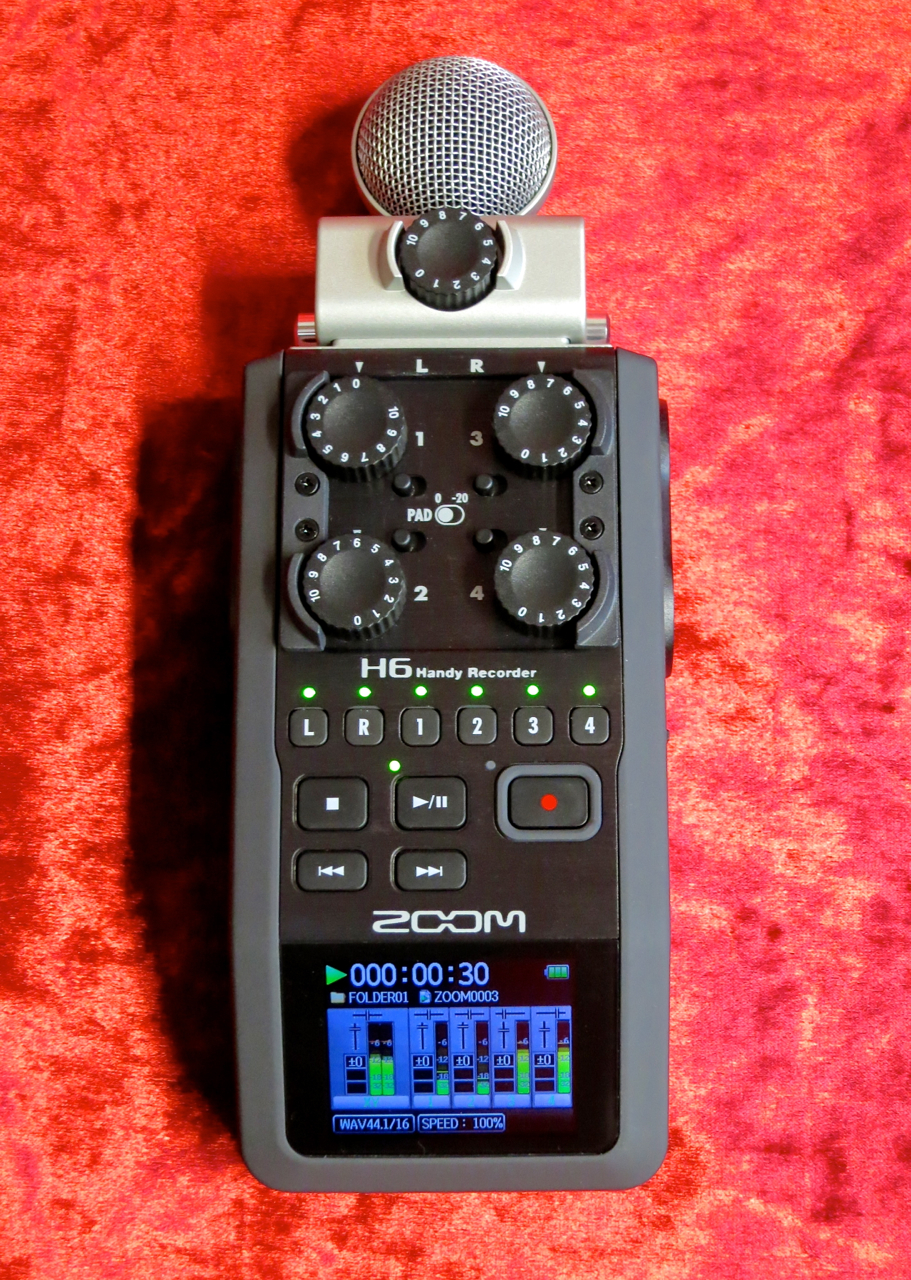
The Zoom H6 is very easy to use, because the signal routing is fixed:

The module’s output always goes to the L/R-track (stereo), while inputs one to four are routed to their corresponding mono tracks (1-4).

Zoom H6 – display

Beneath the Gain-controls there’s a row of track status buttons, as well as the recorder’s ”transport” buttons.

Zoom H6 – monitor mixer

The Zoom’s Monitor Mixer is where you adjust the signal levels and pan positions of all the signals for monitoring.

The Monitor Mixer window also shows you the status of each channel’s bass cut, compressor/limiter and phantom power.

Zoom H6 – menu view

This is what the Menu-view looks like.

Zoom H6 – project mixer

To mix down recorded tracks you use a different internal mixer, called the Project Mixer.

The Project Mixer allows you to adjust each track’s volume and pan position, as well as the playback pitch for each track (without changing the playback speed).

****

Zoom H6 – top view

In my opinion Zoom’s H6 hits the bull’s eye:

The exchangeable mic modules give you an enormous amount of flexibility to tailor the recorder quickly to the recording situation you find yourself in. The H6 is easy to use, and the recorder’s sound quality is very, very good. Thanks to the built-in metronome and chromatic tuner it’s easy to make sure you play in time and in tune. I’ve also enjoyed the Zoom’s nice compressors and limiters, which work very musically.

To demonstrate the H6’s performance and sound I recorded a short song using the recorder’s overdub function. I used the X/Y-module (at 90 deg) to record the steel-string acoustic, and recorded two mandolin tracks and two vocals with my trusty Shure SM57.

First, I mixed the song using the Zoom’s internal mixer, after which I exported the stereo file to Garageband, where I cut off the count-in and added a little bit of reverb:

I also tried taking the other route by exporting all the separate files from the H6 into Garageband, where I remixed the song using the original tracks:

****

I used a series of sine-wave sweeps to give you an idea of the effect the side-mic level has on the stereo-width of the recorded material. The lower the side-mic level is, the narrower your stereo image gets.

Side-mic +6dB:

Side-mic -2 dB:

Side-mic -9 dB:

Side-mic -22 dB:

Side-mic off:

****

Zoom H6 – perspective 2

I think Zoom’s H6 is a great field recorder and portable multi-track studio. The H6 works great to capture your song ideas or to for quality recordings of your band rehearsals or live gigs. The Zoom makes pro-quality recording on the road possible.

****

Zoom H6

Finnish distributor: Studiotec

Zoom H6 – 398 €

APH-6 – 48 €

EXH-6 – 58 €

SGH-6 – 118 €

****

Pros:

+ exchangeable L/R-modules

+ rugged build

+ colour display

+ Overdub-, Pre Record- ja Backup Record -functions

+ quality compressor/limiter-section

****

Testipenkissä: Duesenberg D-Bass

****

Duesenberg D-Bass – D-badge

Saksalainen Duesenberg on valmistaja, joka on tunnettu laadukkaista kielisoittimista, joissa vintage-mainen tyylikkyys yhdistyy saumattomasti uusiin, kekseliäisiin ratkaisuihin yksityiskohdissa.

Duesenberg D-Bass on juuri tällainen soitin, sillä valmistajan mukaan bassosta saa irti sekä Presari- että Jazz-maisia soundeja firman passiivisella Mid-Shift-säätimellä.

****

Duesenberg D-Bass – full front 2

Duesenberg D-Bass (1.729,90 €) on hyvä osoitus siitä, että hyväksi havaittuja perusaineksia voi yhdistellä tyylikkäästi kopioimatta muita soittimia.

Soitin on passiivinen nelikielinen basso, jolla on ruuvikaula vaahterasta ruusupuisella otelaudalla, sekä reunalistoitettu leppärunko kaarevalla etupuolella.

Duesenberg D-Bass – full back 2

Rungon syvä viiste lisää D-Basson mukavuutta.

Soittimen runko viimeistellään kiiltävällä lakkauksella, kun taas kaulassa on ohut mattapintainen viimeistely.

Duesenberg D-Bass – headstock

Minun mielestäni Duesenbergin kolmiaskelmainen viritinlapa näyttää isona bassoversiona vielä paremmalta kuin firman kitaroissa.

Duesenberg D-Bass – tuners

D-Bassossa käytetään Duesenbergin omia, lukittavia Z-Tuner-virittimiä, joissa kieli ensin pujotetaan virittimen akselissa olevaan käytävään, ennen kuin kieli lukitaan paikoilleen.

Duesenberg D-Bass – fretboard

Duesenbergin erittäin siisti nauhatyö viimeistellään PLEK-robotilla.

Duesenberg D-Bass – neck joint

D-Basson 22. nauhaan pääsee vaivattomasti sulavan kaulaliitoksen ansiosta.

Duesenberg D-Bass – bridge

Duesenbergin messinkinen talla on erittäin lujaa tekoa.

Kielten korkeuden ja intonaation lisäksi voi säätää vapaasti myös kielten väliset etäisyydet. Säätämisen jälkeen tallapalat lukitaan paikoilleen kuusiokoloruuveilla.

Duesenberg D-Bass – pickup

D-Basson kaksiosainen mikrofoni on asennettu omaa ovaaliin pleksiin.

Duesenbergin Toaster-bassomikrofonin juju piilee siinä, että jokaisessa puoliskossa on kaksi kelaa. Tässä mallissa kytketään siis kaksi humbuckeria yhteen, kun taas vanhassa Presarissa käytetään kaksi yksikelaista puoliskoa, jotka vasta yhdessä muodostavat häiriöitä torjuvan yhdistelmän.

Duesenberg D-Bass – controls

Duesenbergin passiivinen elektroniikka löytyy basson isommasta plektrasuojasta – master volume, Mid-Shift-säädin ja master tone.

Duesenberg D-Bass – control cavity

Tässä Mid-Shiftin toimintaperiaate paljastuu:

Silloin kun Mid-Shift-säädin on täysin avattu, kummankin puoliskon molempia keloja käytetään soundin tuottamisessa, mutta signaalin diskanttia suodatetaan hieman kondesaattorilla. Tästä syntyy D-Basson Presari-tyylinen soundi.

Mitä enemmän säädintä käännetään vastapäivään, sitä enemmän kummankin mikrofonipuoliskon toisen kelan signaalista vaimennetaan potentiometrin omalla vastuksella, mutta samalla kondensaattorin vaikutus vähenee. Säätimen toisessa ääripäässä syntyy siis hieman kirkkaampi ja ohuempi J-tyylinen soundi.

Seymour Duncanin sivuilla löytyy samankaltainen kytkentä, jolla kitaran humbuckeria muutetaan portaattomasti humbuckerista yksikelaiseen kytkemällä toinen kela säätimen kautta maahan.

Duesenberg D-Bass – reverse angle

Duesenberg D-Bass – case

Duesenberg D-Bassoa myydään omassa kovassa laukussaan.

****

Duesenberg D-Bass – beauty shot 2

Duesenberg-basso on kaunis soitin mukavalla keskivertopainolla ja erinomaisella tasapainolla, sekä sylissä että hihnasta roikkuen.

Kaulaprofiiliksi on valittu hyvin Presari-mainen matala, mutta leveä ”D”. Soittotuntuma on kuitenkin hyvin nopea ja nykyaikainen, koska D-Basson palisanteriotelaudan kaarevuus on melko loiva, ja myös koska käytössä ovat jumbo-kokoiset nauhat.

Ainoa huomautukseni on kosmeettisesta seikasta: Näkisin kernaasti yksi tai kaksi ruuvia lisää säätimiä kantavassa pleksissä, jotta kolmikerroksinen muovi istuisi tiukemmin D-Basson kaarevaa runkoa vasten.

Duesenbergin akustinen soundi on erinomainen, eikä soittimesta löydy lainkaan monista vintage-bassoista tuttuja soundillisia ongelmakohtia (esimerkiksi ”yli-innokas” matala G tai nopeasti ”kuoleva” korkea c).

Vahvistettu soundi on loistava, jos ei haeta aktiivisoittimista tuttua äärimmäistä muokattavuutta. Mid-Shift-säädin toimii kiitettävästi, ja sen vaikutus on paljon orgaanisempi kuin raju päälle/pois-tyypistä kelojen kytkemistä. Koska kytkentä ainoastaan filtteroi ja vaimentaa osan signaalista, Mid-Shift-säätimen ääriasentojen välillä ei myöskään synny huomattavia eroja signaalitasossa, vaan ainoastaan äänen karakteri muuttuu hieman savuisemmasta P-basson soundista vähän kirkkaampaan J-tyyliseen sointiin.

Esimerkkipätkissä soitan aina saman kuvion kahdesti – ensin Mid-Shiftiä täysin avattuna (P) ja sen jälkeen säätimellä toisessa ääriasennossa (J).

Duesenberg D-Bass – body beauty 1

****

Duesenberg D-Bass – full front   Duesenberg D-Bass – full back

Duesenberg D-Bass on mielestäni upea sähköbasso laadukasta passivisoundia etsiville. Soittimen Mid-Shift-toiminto on hienovarainen, mutta silti erittäin toimiva tapa räätälöidä Duesenbergin soundia itselleen sopivaksi.

****

Duesenberg D-Bass

1.729,90 €

Maahantuoja: F-Musiikki

****

Plussat:

+ työnjälki

+ Mid-Shift-säädin

+ soitettavuus

+ ulkonäkö

+ soundi

Miinukset:

– plektrasuojan kiinnitys (katso teksti)

****

Duesenberg D-Bass – body beauty 2

Pidä blogia WordPress.comissa.

Ylös ↑