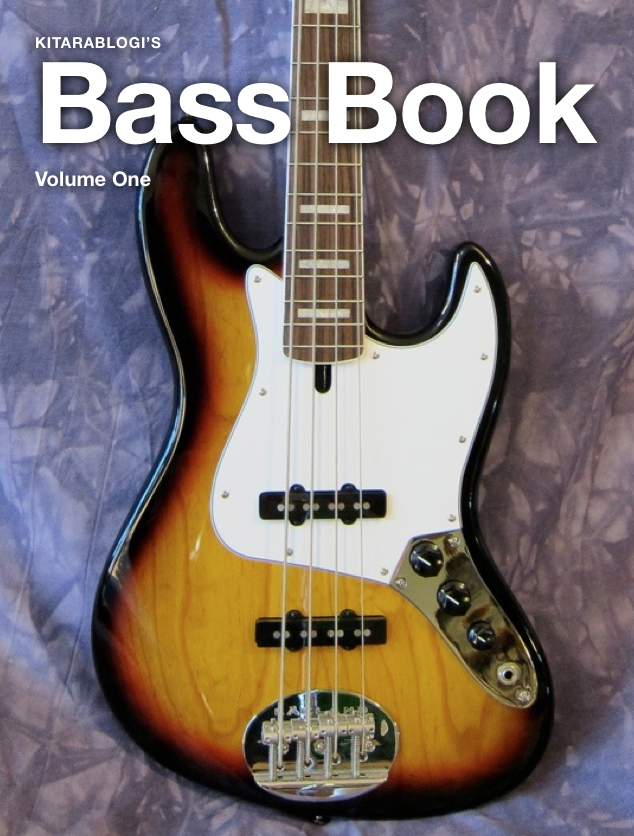
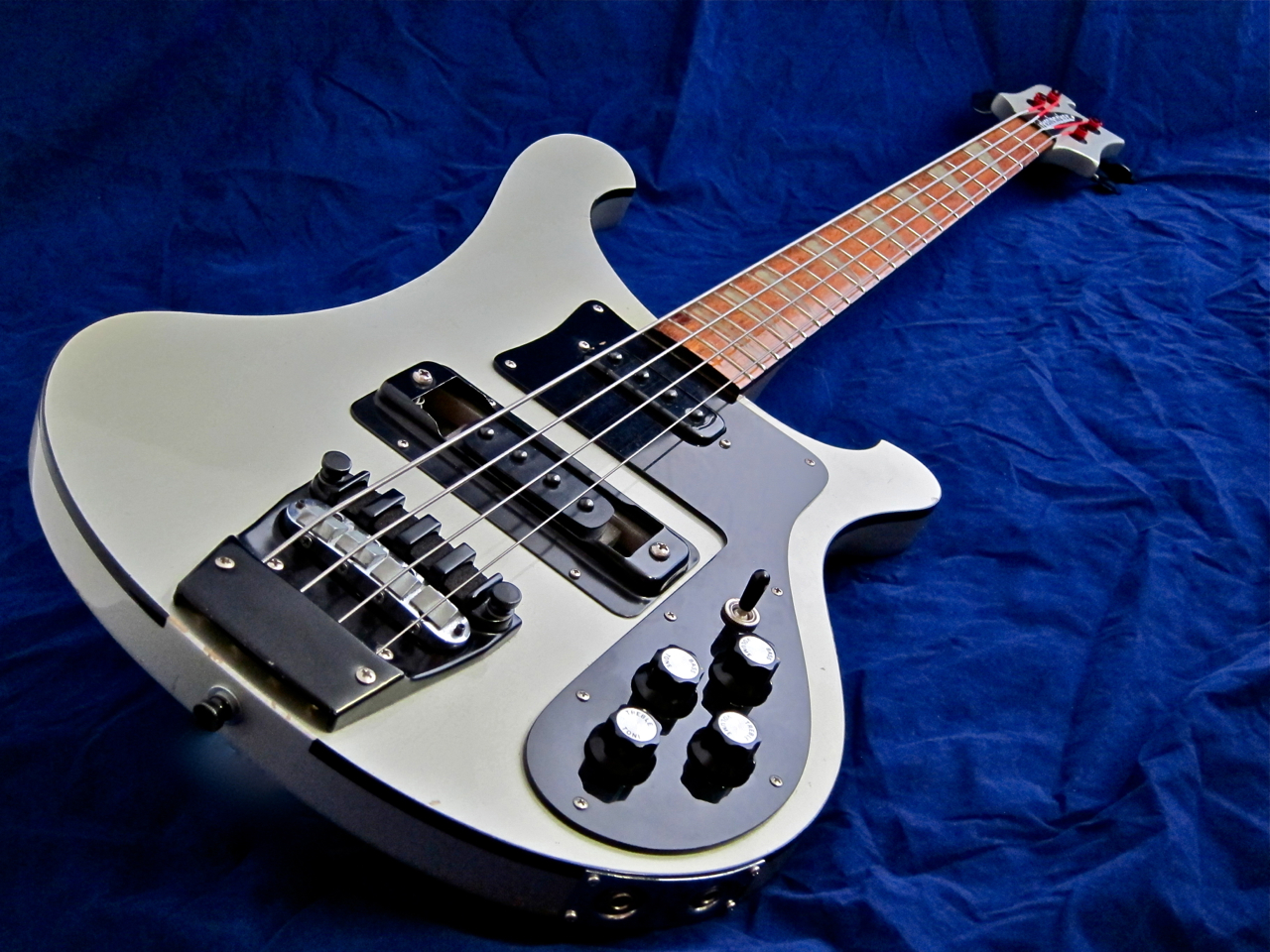
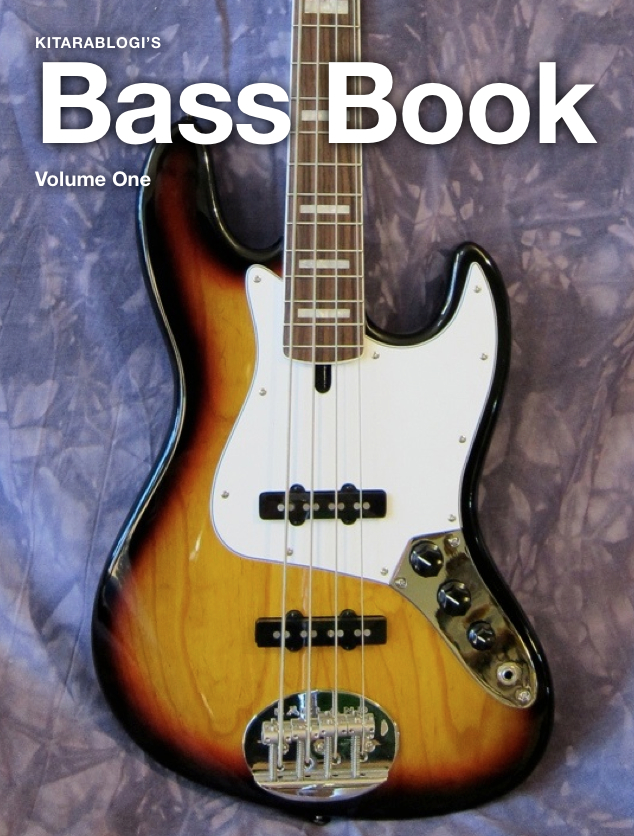
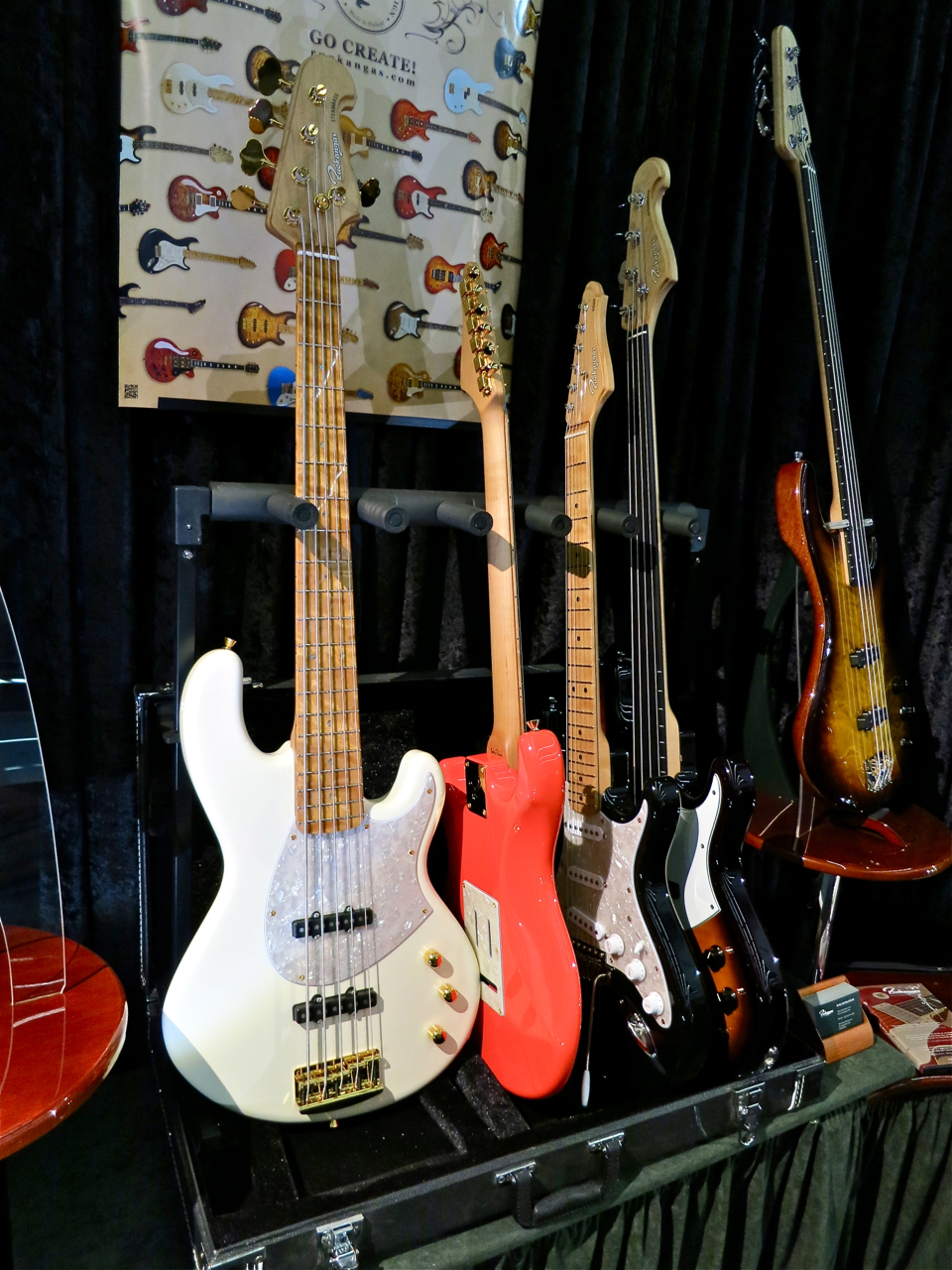
Bass Bookissa esitellään yhdeksän eri bassoa kuvilla ja soundeilla. Soittimien kirjo ulottuu suomalaisesta Kataja Custom Shopista Laklandiin, Mannedesignista Rickenbackeriin, ja Schecterista Spectorin kautta Tokai-bassoon.
Lataa kirja tästä LINKISTÄ tai suoraan iBookstorelta.
Zoom’s A3 is the company’s brand-new, next-generation modelling effects unit for acoustic guitar.
The Zoom A3’s user interface is very similar to the one used in their MS-50G-pedal for electric guitar, but in terms of its features the A3 offers a whole plethora of stuff developed specially for use with acoustic guitars.
****
Zoom have managed to pack an unbelievable amount of processing prowess into its new compact contender (current street price in Finland approx. 170 €), yet the A3 is still easy to use. The most vital functions have been given their own knobs and pushbuttons, which makes the A3 easy to use and cuts back on unnecessary menu-jumping at the same time.
The Zoom’s main sections are the quality dual preamp with its three-band EQ, the pedal’s versatile guitar-modelling department, as well as the A3’s large assortment of effects.
Additionally, the pedal offers a switchable solo boost (up to 12 dB) with its own tone control, an automatic feedback remover (that can defeat up to three different frequencies simultaneously) and a digital tuner.
The Zoom A3 is a programmable unit, which can store up to 20 patches. The patches can also be lined up in an A/B-list, which enables you to select patches for on-the-fly switching.
The effect pedal comes with its own power supply unit, but it can also be run on four AA-size batteries.
The A3’s microphone input – which can run phantom power (+24V or +48V) for condenser mics – and the unit’s balanced XLR-output (with a dedicated ground lift switch) have been placed on the front panel.
Your guitar’s output goes into the Zoom’s pickup input on the unit’s right hand side. A three-way slider lets you select two pre-EQ curves – magnetic or piezo – as well as a linear option (flat).
The stereo outputs have been placed on the opposite side, next to the USB-port for (firmware updates).
****
Each of the A3’s patches can run up to three different effects simultaneously, so you could use the first slot for one of the Zoom’s 28 virtual guitars, the second slot for one of three virtual microphones (SM57, C414, U87) and the third for something like a reverb.
On the other hand, you can also use the A3 as a ”pure” multieffect, by not using any digital guitar-modelling and creating patches with three effects in them. You can choose from 40 different effect types – from compression and chorus all the way to pitch-shifting and reverb. The sound quality is very good, and each effect offers plenty of leeway for precise adjustment.
Still, I think the A3’s biggest selling point is its excellent modelling section, which makes it possible to achieve astonishingly realistic results with only a few clicks of a button.
To work properly the modelling section needs a clean guitar signal, so the first thing is to make sure you’ve got the input gain settings for your straight guitar output and/or the mic put in front of your guitar just right.
Once the levels are OK, miraculously changing the character of your guitar is quick and easy: First, use the rotary switch above the Zoom’s display to select the body type corresponding best to the guitar you’re using – for example, choose ”Mold Body” if you’re playing an Ovation or ”YMH” if your guitar is a Yamaha LL-series instrument.
Next, you select a virtual guitar of your liking for the first effect slot in the chosen patch. You can access all of the A3’s 28 virtual guitars by using the Type-buttons. The guitars are displayed using their model names – like J-45, LG-2 or F-55 – as well as by an icon in the display.
If you’re using only a direct piezo signal as a starting point, you can add a good dose of authenticity by selecting a virtual microphone for the second effect slot of the patch. Each of the three virtual mics lets you choose between close- and ambient-miking, and whether the mic has been placed in front of the virtual sound-hole or near the virtual guitar’s bridge.
I have recorded three audio examples to give you an idea of the modelling technology’s sound:
The first clip features a Godin Acousticaster with an LR Baggs piezo system. First you’ll hear the straight piezo signal, followed by the these virtual guitars: A D-28, an OM-28, a 00-18 and an SJ-200. I’ve used Zoom’s virtual version of an AKG C414, and a touch of reverb:
The second clip has been recorded with me playing my Takamine N-20 -jumbo into a real condenser mic (an AKG C3000). The sequence of virtual guitar models is the same as above:
In the third clip I play my Tanglewood TW28-CSN -dreadnought, with the physical microphone and the sequence of virtual guitars staying the same:
****
In my opinion the Zoom A3 is a very serious contender for the title of ”Best compact multieffect for acoustic guitar”. It is a fantastic little tool for both live use and in the studio, where it can act as your own production centre for acoustic guitars. The Zoom is very easy to use and it sounds great. The on-board anti-feedback circuitry works very nicely and the solo boost is a handy tool to have in a unit such as this.
The best bit is, nonetheless, the A3’s surprisingly organic-sounding modelling section. The Zoom’s biggest advantage, when compared to other similar effect units, lies in its versatility and the wide range of different virtual guitars on offer. It is very easy to find a good body-style match for your physical guitar’s input signal, and the amount of different virtual guitar models makes it almost hard to choose. The option to creatively misuse the Zoom A3 – by selecting the ”wrong” body-type for your input signal – is also fun, and yields some nice new flavours.
But, don’t listen to me, go out and give it a try yourselves.
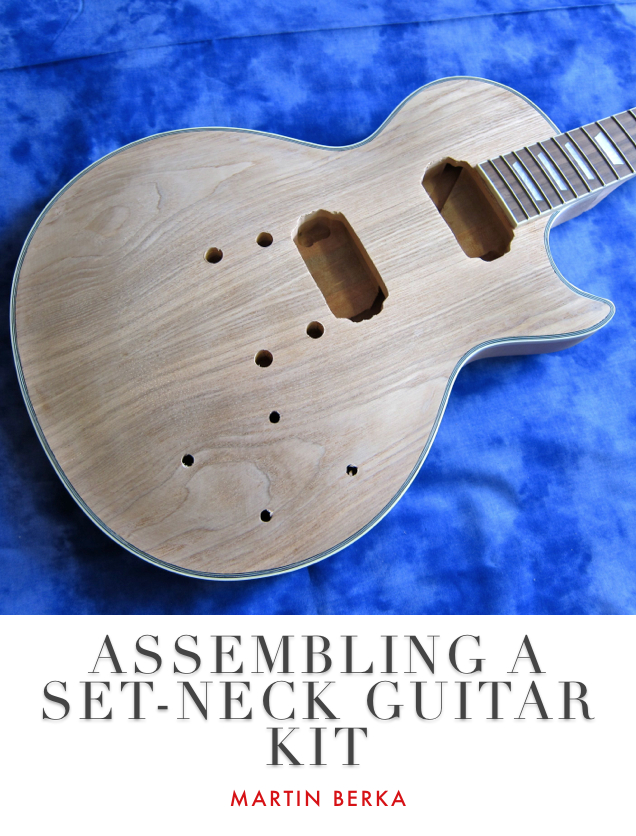
The brand-new eBook from ”Mr Kitarablogi” – Martin Berka – takes you through the process of assembling a guitar kit from the viewpoint of a novice.
”Assembling a Set-Neck Guitar Kit” is not meant as an all-encompassing encyclopedia of guitar-building knowledge, but rather as a description of how this affordable kit was transformed from a heap of components into a working electric guitar.
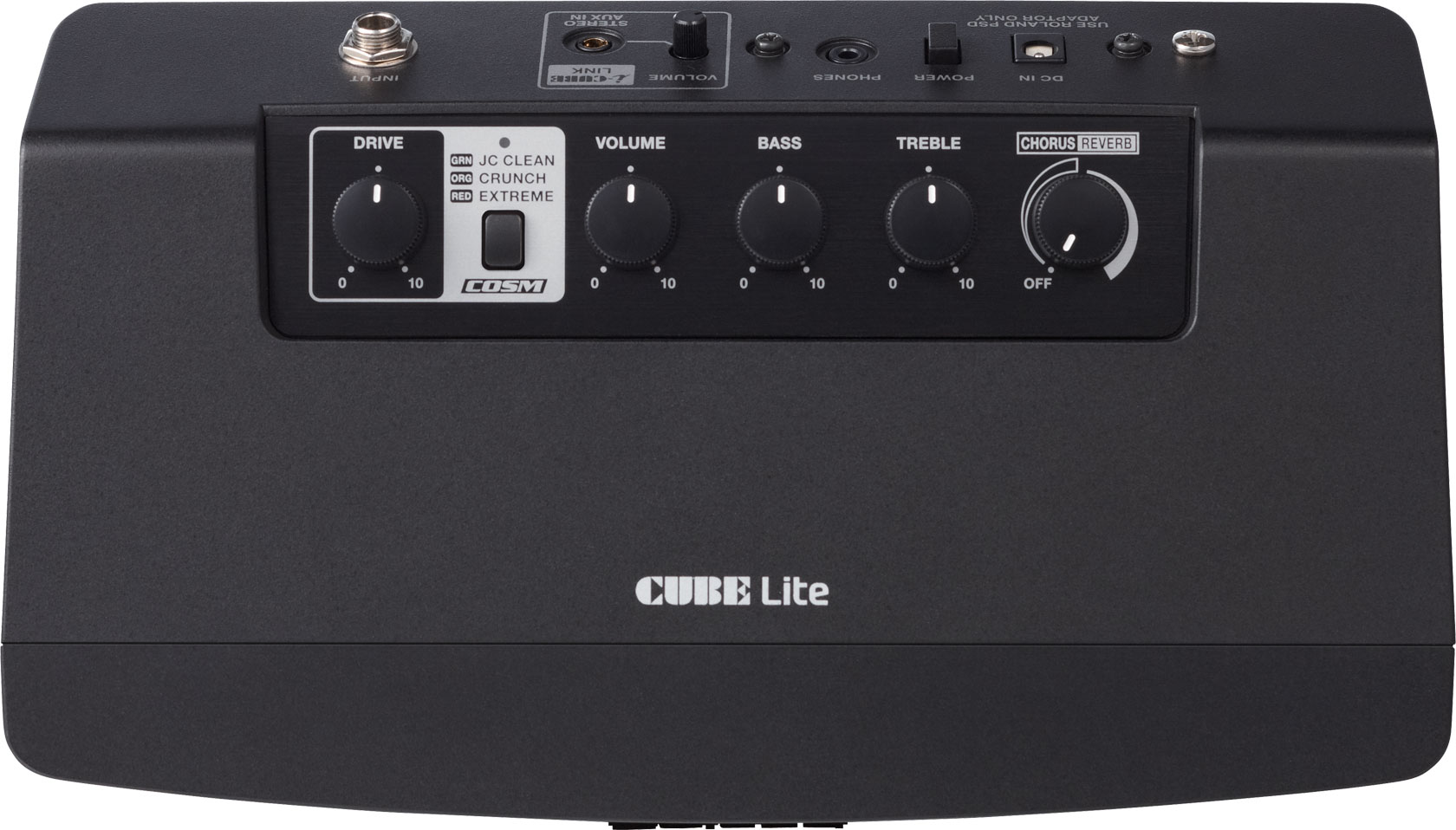
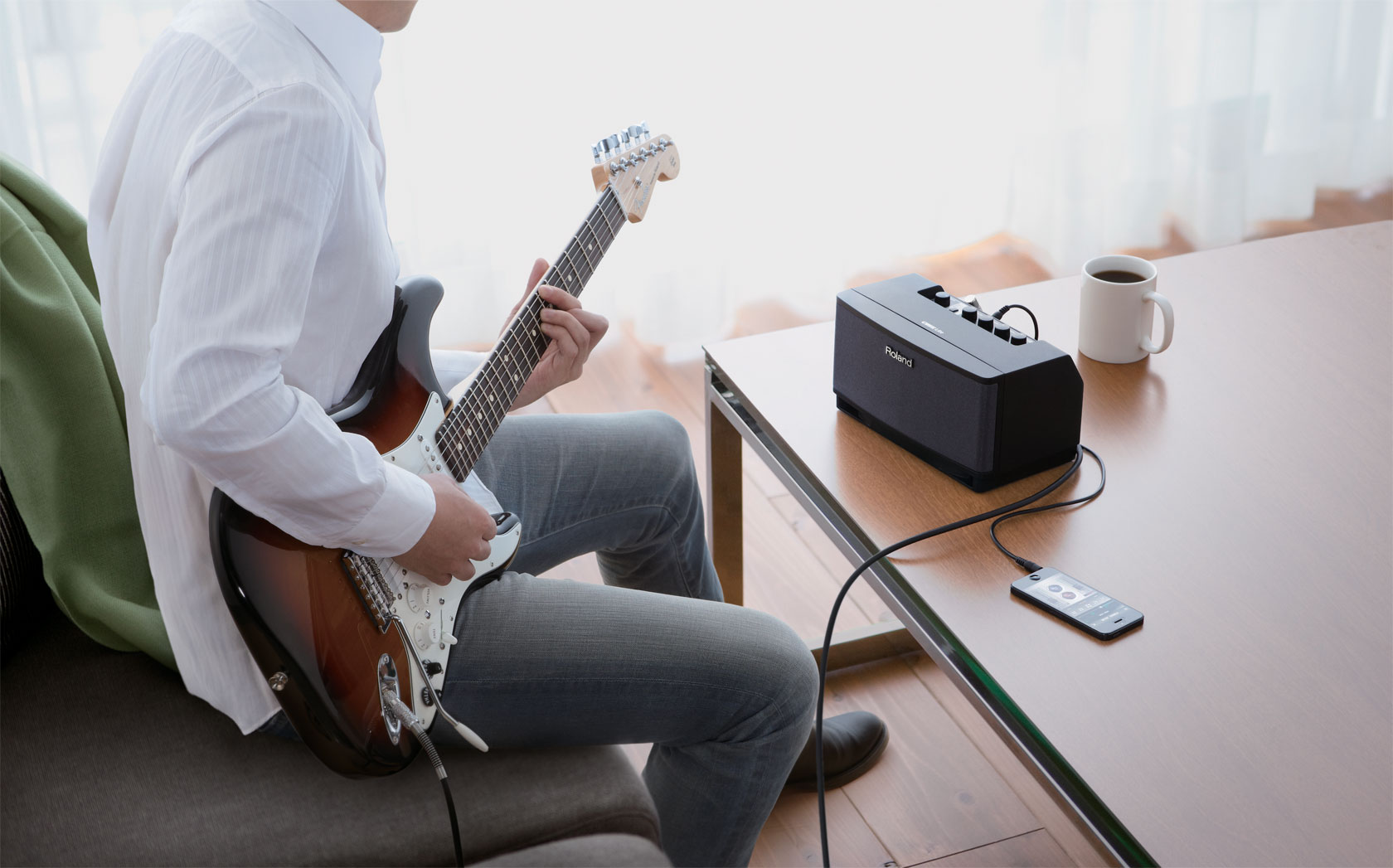
The brand-new Roland Cube Lite (current price in Finland: 155 €) is the latest model in Roland’s successful Cube-range, and the mega-selling Micro Cube’s little sibling.
Contrary to its name the Cube Lite isn’t square-shaped, but rather a stylish stereophonic (2.1) practice amp that looks more like the company’s acoustic combos. Due to its very compact size there wasn’t enough space left for batteries – the Cube Lite runs exclusively on its PSU, which is included in the package.
The Cube Lite offers you three different COSM-modelled amplifier choices, called JC Clean, Crunch and Extreme. Apart from the Drive- and Volume-controls you’ll also find a two-band EQ-section.
The combo’s effect selection has been simmered down to a chorus and a reverb.
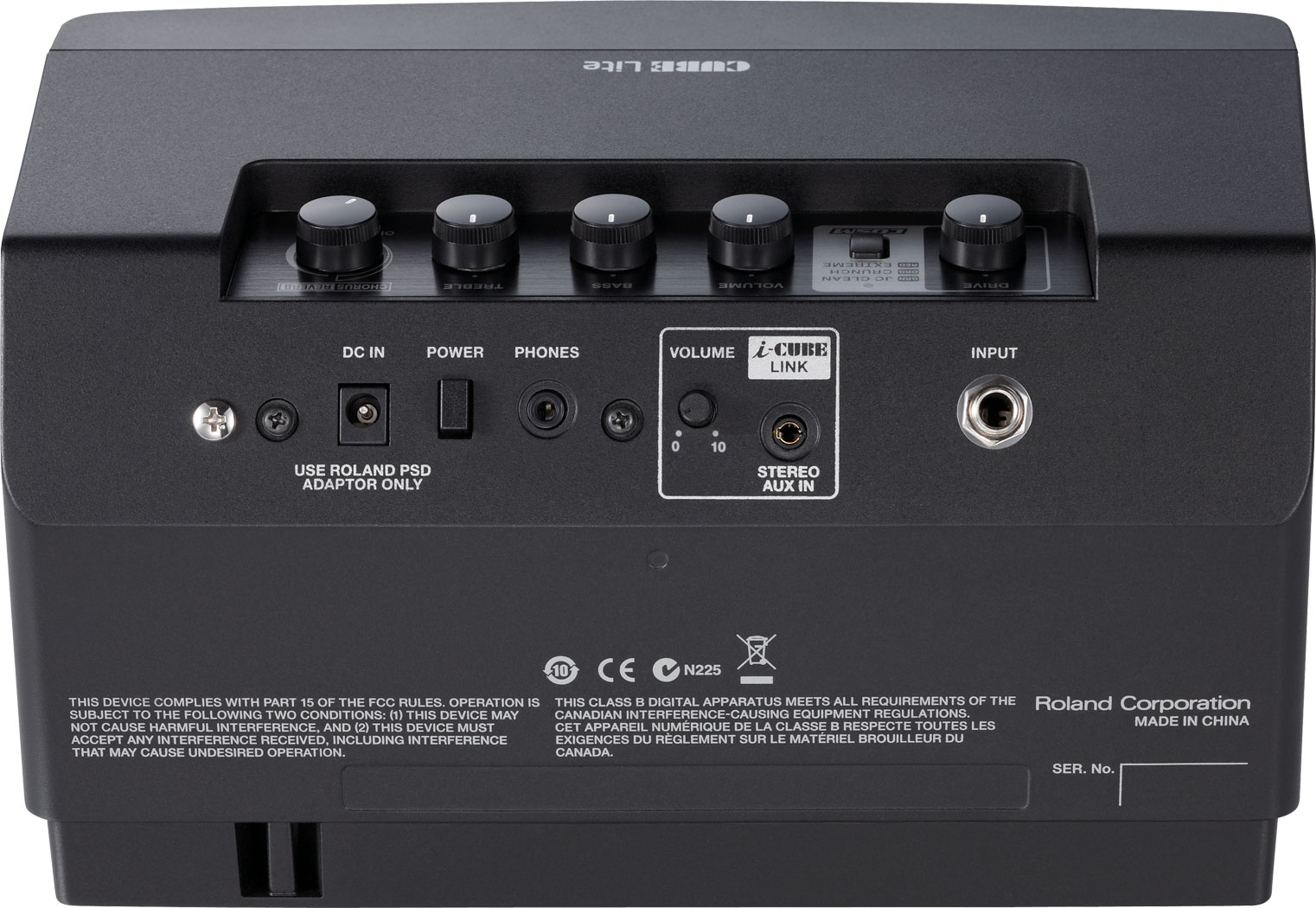
All of the Roland’s inputs and outputs are found on the combo’s back panel: In addition to the regular guitar input and the mini-jack for the headphones, you’ll find an input labelled ”i-Cube Link” with its own small volume control next to it.
Thanks to the i-Cube Link Roland’s Cube Lite is able to communicate directly with your Apple iPhone, iPad or iPod Touch. When hooked up with the special lead found in the box, the combo becomes your iWhatsit’s sound card.
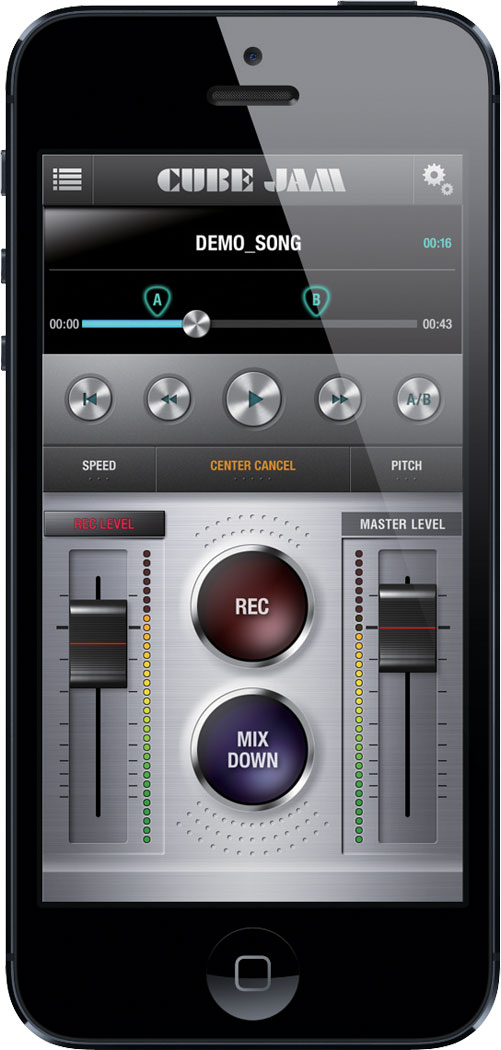
Roland offers you their Cube Jam-app – which turns your iPhone/iPad into your own guitar practicing and recording machine – for free download.
The Cube Lite will also work as your personal stereo, when using a standard stereo cable with mini-plugs connected to the i-Cube Link input.
****
Roland’s Cube Lite is a refreshingly compact and lightweight piece of gear. Granted, its plastic chassis may not be as trustworthy as the Micro Cube’s sturdier exterior, but on the other hand the Cube Lite will look much nicer in your living room.
I was blown away by the surprisingly full-bodied sound coming off the combo’s speakers – thanks in no small part, I’d reckon, to the 2.1-system’s subwoofer. The sound quality is definitely on a par with most personal hi-fi systems, except maybe in terms of the Cube Lite’s slightly narrower stereo spread.
The combo’s three COSM-models cover virtually all bases of electric guitardom. I don’t think anyone will leave their gig rig at home in favour of the Cube Lite, but this dwarf is well up for inspiring training sessions and on-the-spot song demoing. I kind of missed a delay as an additional effect option, but you can’t have everything, now, can you?
While this little Roland already works fine as a stand-alone practice amp, the cool Cube Jam-app adds a lot of fun and value to the whole package.
Cube Jam can use your iPhone’s/iPad’s whole music library as backing track material (except for copy-protected files). The app allows you to change playback speed and transpose your backing track, as well as to run a loop using the A/B-function. Center Cancel does what it says on the tin – you can dial out parts like the main vocal or lead guitar on-the-fly.
My favourite Cube Jam-features are Record and Mixdown, which allow you to play along to the backing track and record the whole thing. The app automatically stores each pass as a separate take, which makes it possible to select the best take for eventual mixdown, using the two virtual faders. Pressing the Mixdown-button creates a new WAV-file (44.1 kHz/16-bit) and stores it in your iThingy’s memory.
You can even overdub by selecting the latest mix as your new backing track and adding a new guitar track on top. The only drawback here is that the newly recorded track is always panned to centre, but that’s a compromise I could live with, as this app is meant mainly for practice and not for multitrack recording purposes.
I had prepared a backing track for this review using my iMac’s Garageband-software. I exported the backing track onto my iPad, and then recorded a guitar solo, playing my Epiphone Casino through the Roland Cube Lite (on Crunch), while recording it all onto Cube Jam.
Here’s what the Cube Jam-mix sounds like:
And here’s the guitar track on its own:
****
Here are two examples of the JC Clean- and Extreme-models played with a Stratocaster, and recorded with a Zoom H1:
****
In my opinion the Roland Cube Lite is a fine little practicing amp. You’ll get the most fun out of it if you’re already an Apple iPhone or iPad user, but the Cube Lite also works nicely as a stand-alone combo.
Uusi Zoom A3 on firman uusimman sukupolven mallintava etuvahvistin ja efektipedaali akustisille kitaroille.
Zoom A3:n käyttölogiikka on pitkälti samanlainen kuin firman sähkökitaralle tarkoitetussa MS-50G-pedaalissa, mutta ominaisuuksiltaan uutuus tarjoaa monia uusia ominaisuuksia, joita on kehitetty varta vasten akustiselle kitaralle.
****
Uutuuspedaali (katuhinta noin 170 €) tarjoaa uskomattoman paljon pienessä koossa, mutta samalla käyttäjälle ystävällisellä tavalla. Kaikilla tärkeimmillä toiminnoilla on omat säätimensä ja/tai napinsa, minkä ansiosta valikkojen välinen hyppäily on pidetty A3:ssa minimissä.
Zoomin kolme pääpilaria on sen erittäin laadukas, kaksikanavainen etuvahvistin kolmialueisella EQ:lla, laitteen monipuolinen digitaalinen kitaramallinnus, sekä sen runsas efektiosasto.
Tämän lisäksi on tarjolla vielä tehokas (12 dB) boosteri omalla EQ:lla, sekä kierronpoistaja, jolla voi vaimentaa jopa kolme eri feedbacktaajuutta samanaikaisesti. Myös digitaalinen viritysmittari on mahdutettu mukaan.
Zoom A3 on ohjelmoitava laite, ja se tarjoaa 20 muistipaikkaa omille patcheille. Patcheja voi myös ketjuttaa A/B-List-tilassa niin, että omassa setissä käytettäviä patcheja voi vaihtaa lennossa kytkinpolkaisulla.
Efektipedaali toimii joko pakettiin kuuluvalla yhdeksän voltin virtalähteellä, tai sitten vaihtoehtoisesti neljällä AA-paristolla.
A3:n etupuolelta löytyy laitteen mikrofonitulo – johon voi kytkeä phantomvirran (+24V tai +48V) kondensaattorimikrofoneja varten – balansoitu XLR-lähtö (maadoituskytkimellä), sekä liitin virtalähteelle.
Soittimen sisäiselle mikrofonille on omistettu oma tulo Zoomin oikeassa kyljessä. Kolmiasentoisella kytkimellä voi kytkeä päälle etuvahvistimen esisuodatusta piezo- tai magneettiselle mikrofonille, tai päästää muokkaamaton signaali eteenpäin (Flat).
Zoomin toisesta laidasta löytyy stereofoniset jakkilähdöt (vasempaan jakkiin voi kytkeä suoraan myös kuulokkeet), sekä USB-portti firmwarepäivityksiä varten.
****
Jokaiseen Zoom A3:n efektipatchiin kuuluu maksimissaan kolme yksittäistä efektiä, joista ensimmäinen voisi olla esimerkiksi yksi laitteen 28:sta digitaalisista kitaramalleista, toinen yksi kolmesta mikrofonimallinnuksista (SM57, C414, U87) ja kolmas vaikkapa kaiku.
Zoomia voi toki käyttää myös ”pelkkänä” efektilaitteena, ilman kitara- ja mikkimallinnuksia, jolloin patchin kaikki kolme palikkaa vapautuvat puhtaaseen efektikäyttöön. Tarjolla on 40 eri efektityyppiä laidasta laitaan – kompressorista chorukseen ja pitch shifteristä kaikuun. Jokaista efektityyppiä voi räätälöidä omien tarpeiden mukaan, ja efektien laatu on kauttaaltaan hyvin korkea.
Veikkaisin kuitenkin, että monien käyttäjien näkökulmasta mielenkiintoisin ominaisuus Zoom A3:ssa on juuri sen digitaalinen kitaramallinnus. Ja syystäkin, sillä mallinnusosastoa on helppo käyttää, ja sen tuottama soundi useimmissa tapauksissa jopa ällistyttävän autenttinen.
Mallinnusosaston toimivuuden kannalta on tietysti hyvin tärkeää, että soitetun kitaran tulosignaali on mahdollisen laadukas, ja kitaran piezomikrofonin ja/tai kitaran eteen laitetun mikrofonin tasot on säädetty sopiviksi.
Tämän jälkeen fyysisen kitaran soinnin muuttaminen toisen kitaratyypin soundiksi on hyvin helppoa: Ensin valitaan 16-pykäläisestä kiertokytkimestä sen koppatyypin, joka vastaa eniten käytettyä fyysistä kitaraa – esimerkiksi ”Mold Body”, jos käytössä on Ovation-malli, tai vaikkapa ”YMH”, kun soitetaan yhden Yamahan LL-malleista.
Tämän jälkeen valitaan patchin ensimmäiselle efektilohkolle Type-napeilla sen Zoomin tarjoamista 28 kitaramallista – esimerkiksi J-45, LG-2 tai F-55 – joksi halutaan tulosignaalia muuttaa.
Jos fyysiseltä kitaralta tulee pelkästään piezosignaali A3:een, voi lisätä lopputulokseen vielä aimo annoksen autenttisuutta käytämällä patchia toisessa lohkossa yhden Zoomin kolmesta virtuaalimikrofoneista. Virtuaalimikrofonin kohdalla pystyy säätämään, onko kitara läheltä mikitetty vai ei, ja onko virtuaalimikki laitettu virtuaalisen kaikuaukon eteen vai suunnattu virtuaalikitaran tallaa kohti.
Tässä ovat kolme esimerkkipätkää Zoom A3:n mallinnuksista:
Ensimmäiseksi äänitin sähkökitaraa muistuttavaa Godin Acousticasteria, jossa on LR Baggs -mikrofonijärjestelmä. Virtuaalikitaramallien järjestys – efektoimattoman osion jälkeen – on D-28, OM-28, 00-18 ja SJ-200. Virtuaalimikrofoniksi valitsin Zoomin versiota C414-studiomikrofonista:
Toinen esimerkki on äänitetty Takamine N-20 -jumbolla ja fyysisellä AKG C3000 -mikillä. Myös tämä pätkä alkaa muokkaamattomalla osiolla, minkä jälkeen seuraa samat virtuaalikitarat samassa järjestyksessä kuin yllä:
Kolmas – ja viimeinen – esimerkki on äänitetty C3000:n kautta Tanglewood TW28-CSN -kitaralla. Virtuaalikitarat ovat jälleen samat (ja samassa järjestyksessä) kuin muissa pätkissä:
****
Mielestäni uusi Zoom A3 kuuluu selvästi pienten, akustisille kitaroille tarkoitettujen, multiefektien aatelistoon. A3 on erinomainen työkalu sekä livekäytössä lavalla että akustisten raitojen tuotantokeskukseksi studiossa. Zoomia on helppo käyttää, ja sen efektit kuulostavat erittäin terveeltä. Kierronpoistaja toimii tehokkaasti, ja sooloboosteri omalla tone-asetuksella on todella tervetullut lisäys tällaiselle multiefektille.
Parasta A3:ssa on omasta mielestäni kuitenkin sen kitaramallinnusosasto. Mallinnuksen luonnollisuus ja autenttisuus on erittäin hyvällä mallilla. Moniin muihin systeemiin verrattuna Zoomin suurin etu on sen monipuolisuudessa ja mallien runsaudessa. On hyvin vaivatonta löytää omalle kitaralle sopiva koppa-asetus, ja virtuaalikitaroiden määrä luo jo lähes liikkaakin valinnanvaraa. Myös tahallisesta väärinkäyttämisestä – valitsemalla tulopuolella väärää koppatyyppiä – voi saada monta käyttökelpoista soundia aikaiseksi.