
• Based on a Fender Music Master
• 10-12 W of all-valve power
• 1 x 12AX7; 2 x 6V6GT
• Volume, Tone, Low Cut-switch, and three-stage OPC rotary switch
• 1 x 10″ Warehouse Guitar Speakers model G10C/S
Kitarablogi.com – Finland's premier Guitar and Bass blog
Juttuja kitaroista ja bassoista
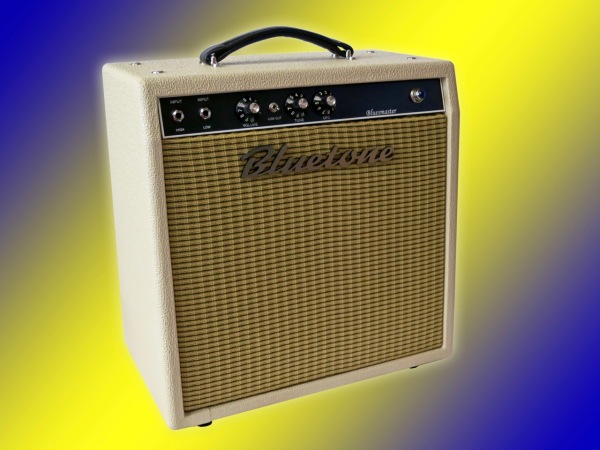
• Based on a Fender Music Master
• 10-12 W of all-valve power
• 1 x 12AX7; 2 x 6V6GT
• Volume, Tone, Low Cut-switch, and three-stage OPC rotary switch
• 1 x 10″ Warehouse Guitar Speakers model G10C/S


Here’s a short cover of Wilton Felder’s classic bassline on the Jackson 5 track ”I Want You Back”.
The bass was recorded straight via a Focusrite Saffire 6 USB sound card.
****
SIRE Marcus Miller V5 Alder-4 (2nd generation)
• alder body
• heat-treated maple neck with maple fingerboard
• 20-fret, bound fingerboard with rolled edges
• two Sire Vintage J Revolution pickups
• passive electronics – volume, volue, tone
• Sire Premium open tuners
• Sire Marcus Miller Vintage bridge (can also be strung through-body)
• front pickup cover supplied with the bass (not installed)
More info: Soundtools
Here’s a short cover of Wilton Felder’s classic bassline on the Jackson 5 track ”I Want You Back”.
The Vintage takes the first turn, with the Yamaha going second.
****
• Vintage (by JHS) VJ74
– Swamp ash body
– Maple neck with maple fingerboard
– Black block markers
– Two Wilkinson J-type singlecoil pickups
– Wilkinson vintage-type tuners
– Wilkinson vintage-type bridge with brass saddles
More info: aronsoitin.fi/
****
• Yamaha BB234
– Alder body
– Maple neck with rosewood fingerboard
– Dot markers
– One P-type pickup; one J-type pickup
– Yamaha vintage-type tuners
– Yamaha vintage-type bridge
More info: f-musiikki.fi/
****
Both basses were recorded direct via a Focusrite Saffire 6 USB interface.
Here’s a short cover of Wilton Felder’s classic bassline on the Jackson 5 track ”I Want You Back”.
The Vintage takes the first turn, with the Yamaha going second.
****
• Vintage (by JHS) VJ74
– Swamp ash body
– Maple neck with maple fingerboard
– Black block markers
– Two Wilkinson J-type singlecoil pickups
– Wilkinson vintage-type tuners
– Wilkinson vintage-type bridge with brass saddles
More info: aronsoitin.fi/
****
• Yamaha BB234
– Alder body
– Maple neck with rosewood fingerboard
– Dot markers
– One P-type pickup; one J-type pickup
– Yamaha vintage-type tuners
– Yamaha vintage-type bridge
More info: f-musiikki.fi/
****
Both basses were recorded direct via a Focusrite Saffire 6 USB interface.
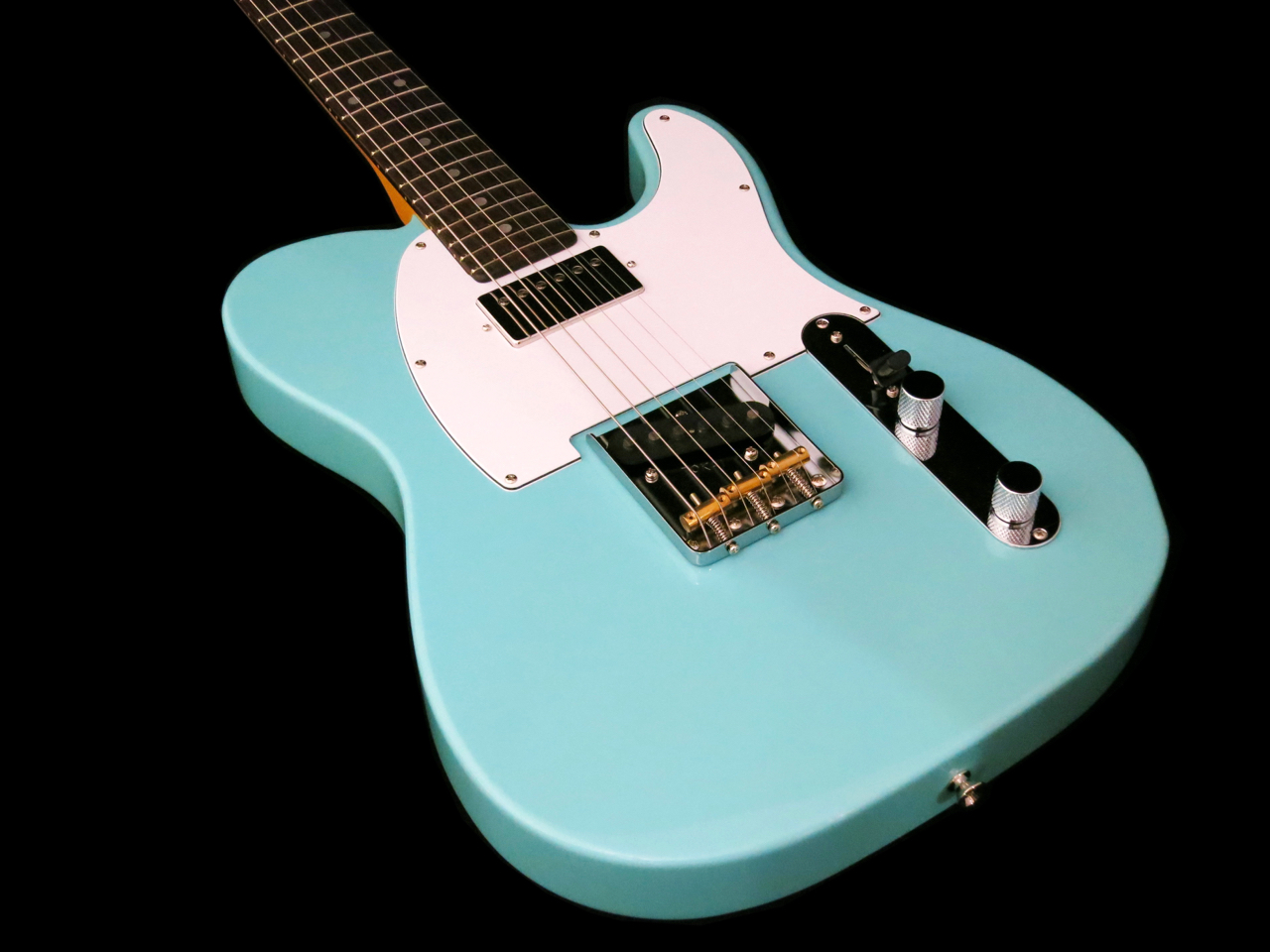
DiMavery ST-312 Satin Black
• solid ash body
• maple neck, bolt-on
• rosewood fretboard with red dot markers
• 22 medium frets
• black chrome hardware: vintage vibrato bridge & sealed tuners
• bridge humbucker plus neck and middle singlecoil pickups
• master volume and two tone controls
• gig bag included
****
Demo Song
This is a short cover of ”Wonderful Land” (Jerry Lordan) inspired by Mike Oldfield’s version.
All guitar tracks played on the DiMavery ST-312 through a Mad Professor Simble Overdrive and a Bluetone Shadows Jr. tube combo.
Finnish distributor: Discoland
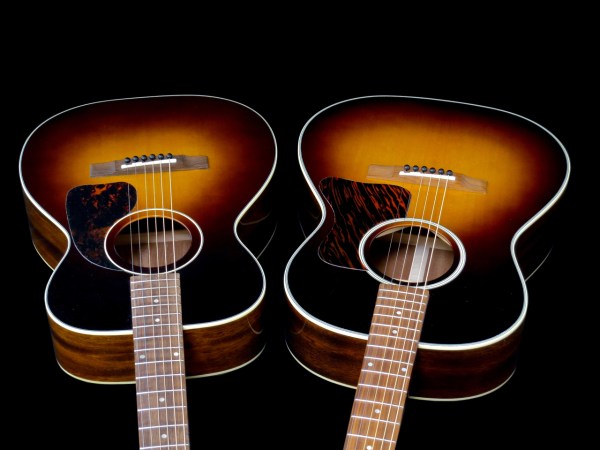

The world of steel-string guitars is dominated by Dreadnoughts. This is no wonder, as D-sized guitars are great all-rounders that can be used in almost all genres of music. The size that’s one size smaller – usually called an OM-, 000- or Grand Auditorium-guitar – as well as larger Jumbos are also widely available in most price segments.
Guitars with smaller bodies than Martin Guitars’ Size 000 are far harder to find in the lower and middle price ranges, because most brands see them as marginal products for a few specialist players.
This is where Farida Guitars’ brand-new Old Town series steps up to the plate. True, there are a couple of Gibson-ish round-shoulder Dreads among the models, too, but the main focus of the Old Town series is on small-bodies steel-string acoustics, in the style of classics from the 1930s and 40s. The good news for left-handers is that several models are available for southpaws, too, without an extra charge.

We received two models for this review – a Martin Size 0-sized Farida OT-12 (423 €) …

… and a Gibson LG-2-style Farida OT-25 (738 €). Both guitars come in a deep and rich sunburst finish.
****
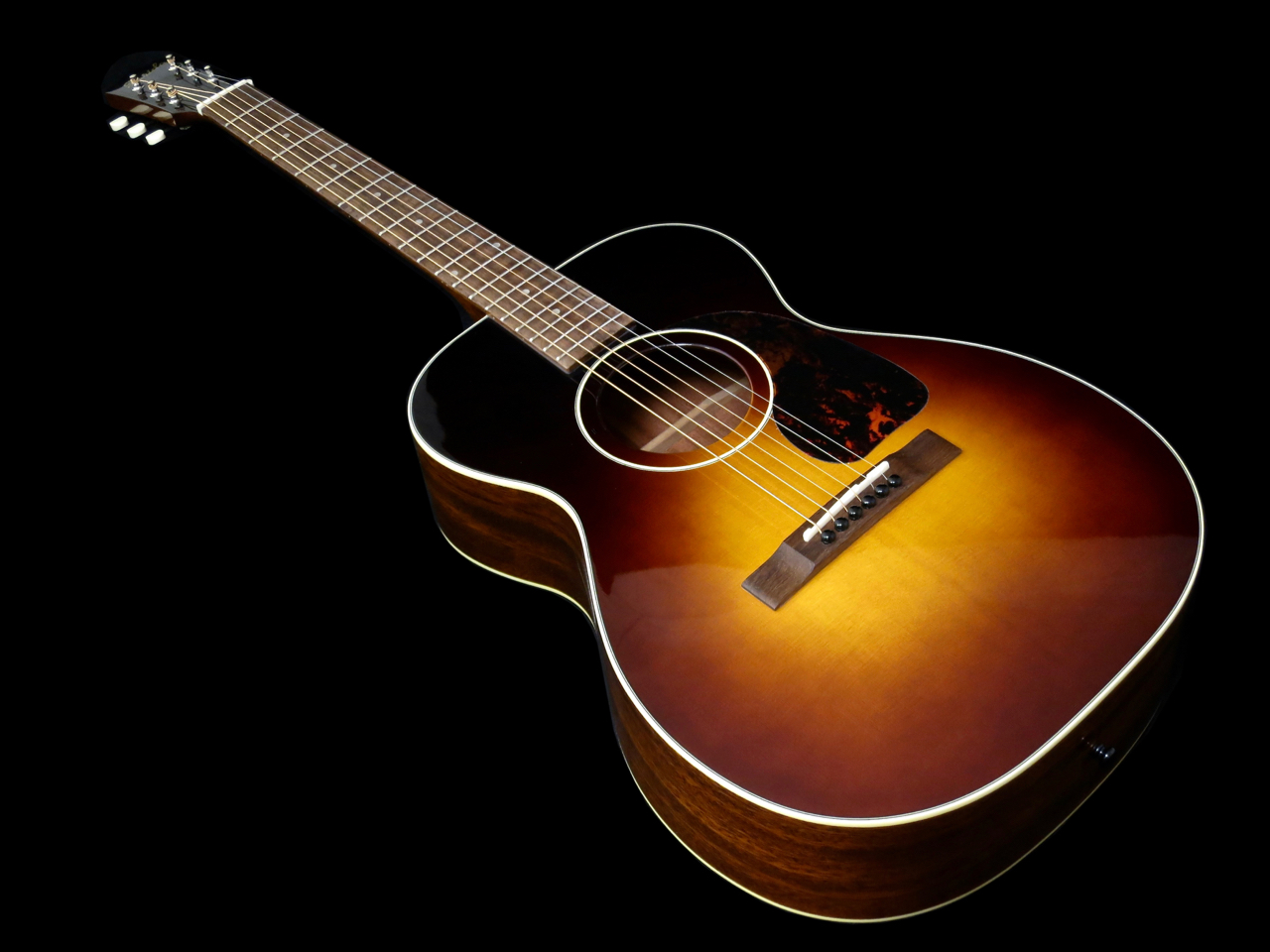
Farida’s OT-12 is an affordable Old Town-version of Martin’s classic Size 0 guitar. The set neck joins the body at the 14th fret. The body is 46 cm long, with its maximal breadth measuring on 34.3 cm, and a maximal depth of 10.8 cm. This means the OT-12 is larger than a genuine parlour guitar, but a small guitar nonetheless.
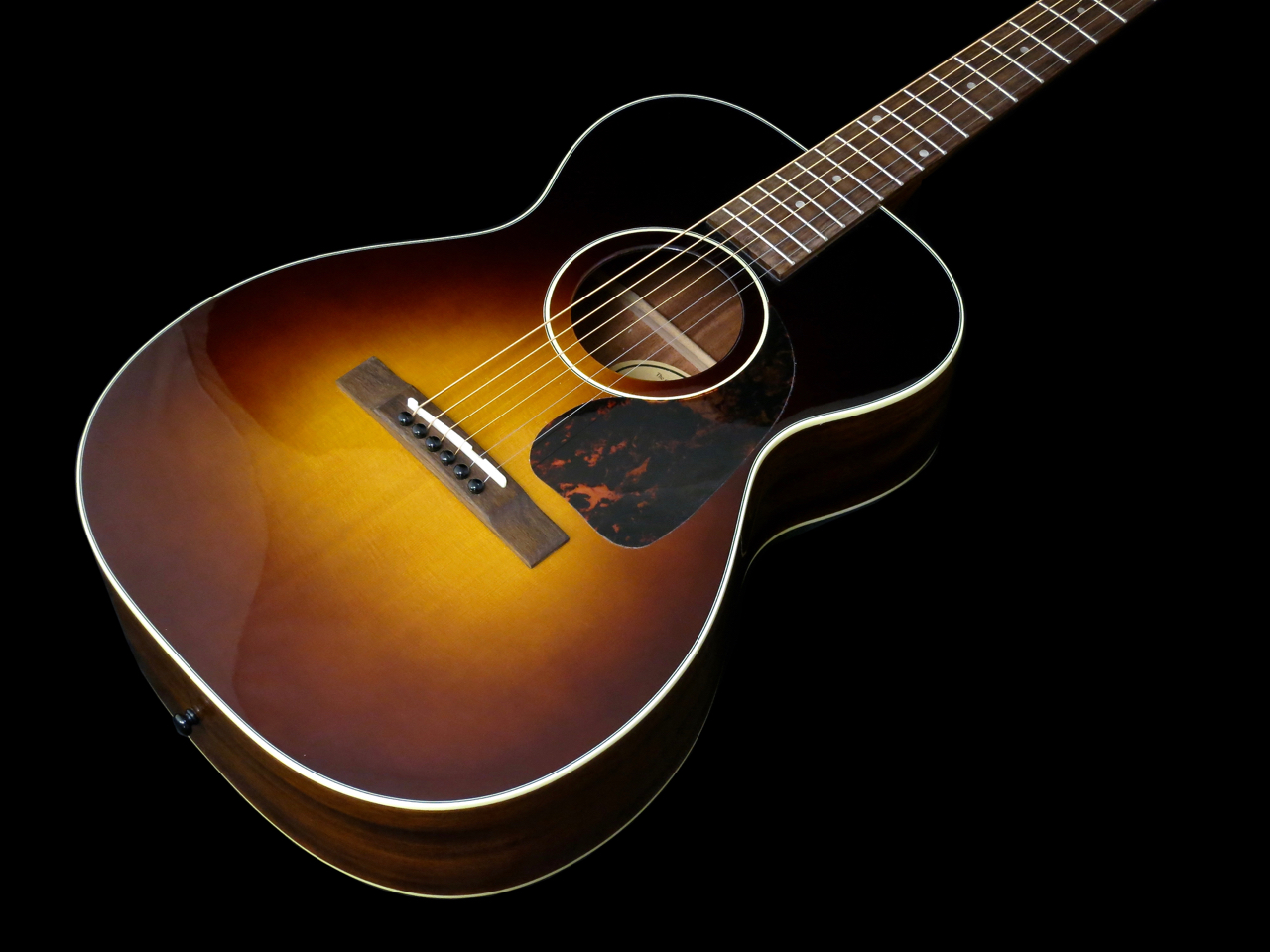
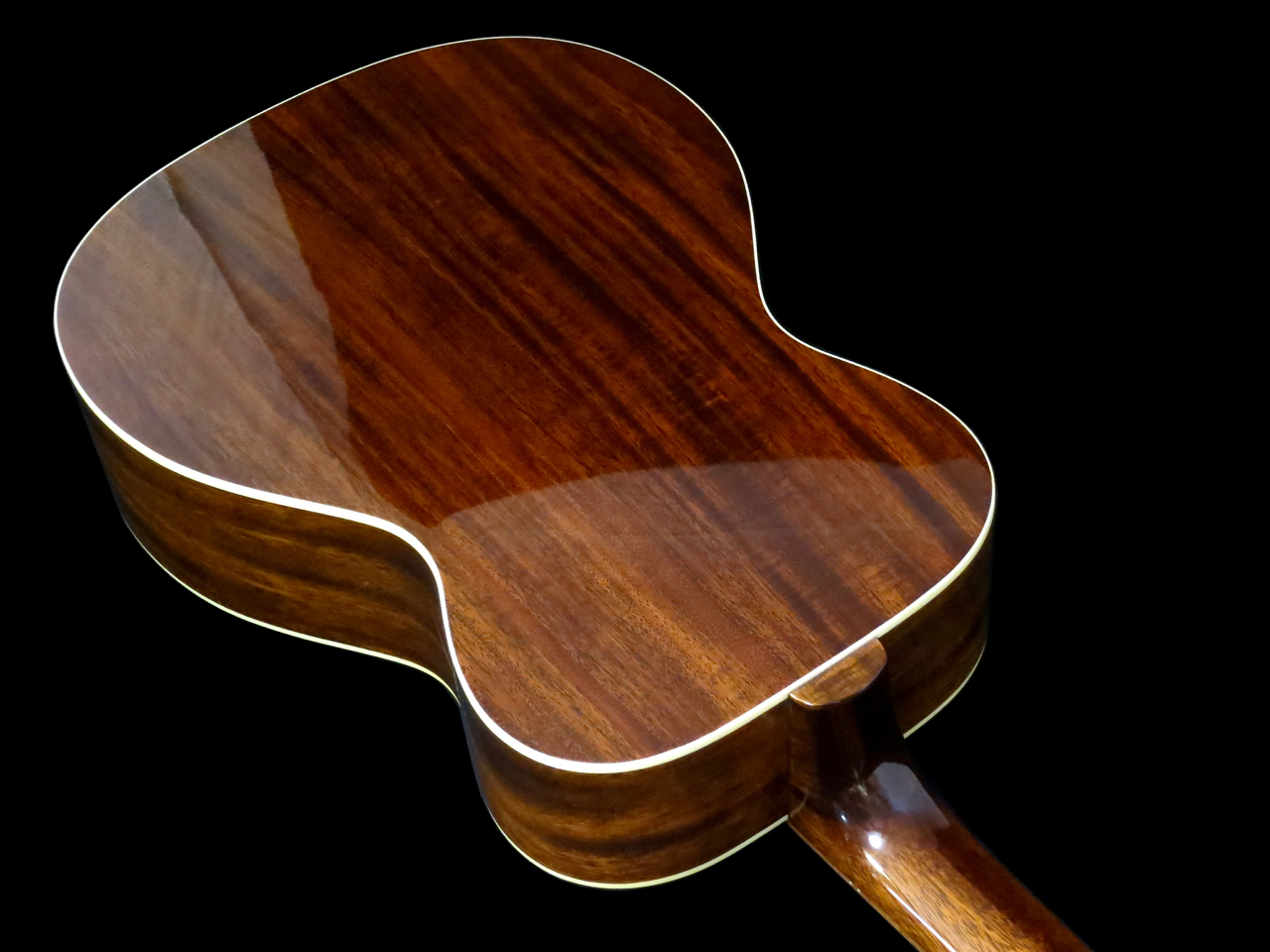
The guitar sports an X-braced solid spruce top, as well as a back and sides made from laminated mahogany. There’s a nato neck with an unbound acacia fretboard. The scale length is – as per original – a little shorter than on a typical D-sized guitar (24.7”/62.4 cm). There are 19 well-seated and nicely polished medium-sized frets on the fretboard.
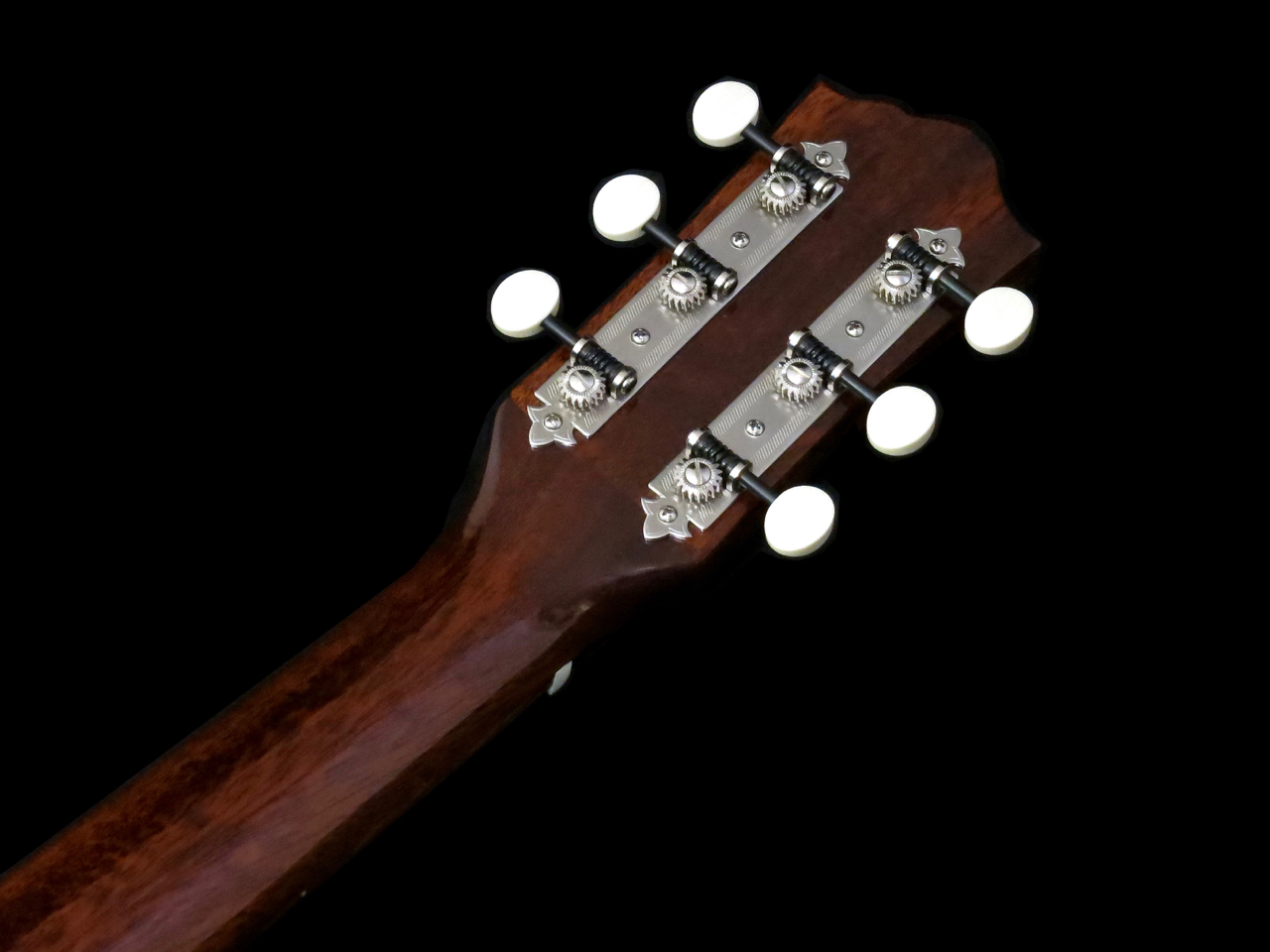
The machine heads on the OT-12 are vintage-style, open three-on-a-plate tuners with faux ivory knobs. The top nut has been carved from genuine bovine bone, and it measures 44 millimetres breadth.
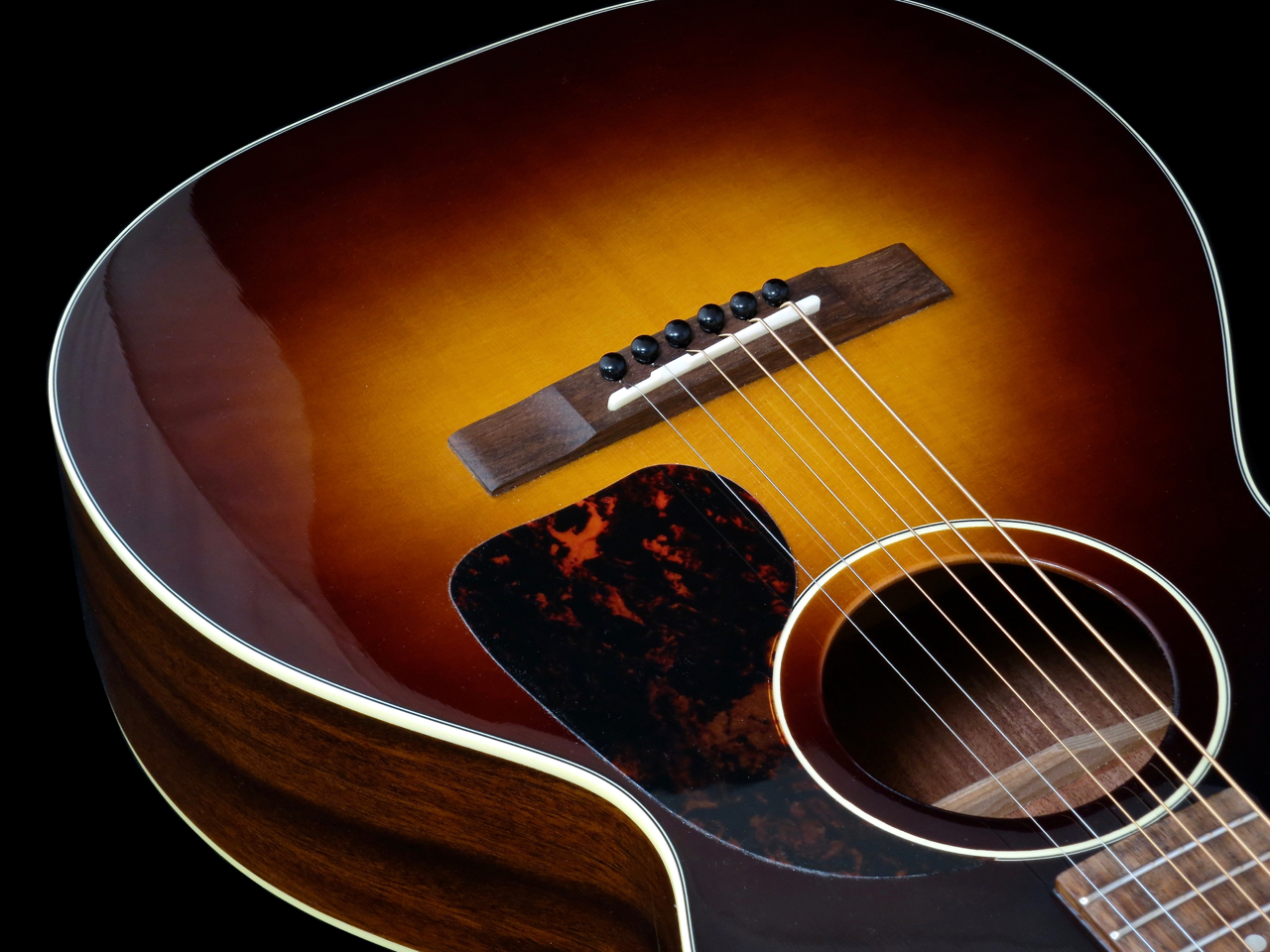
The bridge, too, has been crafted from solid acacia, and it comes equipped with a compensated bone saddle, which is an authentic choice. The factory strings are a high-quality D’Addario EJ-16-set (012-053).
****
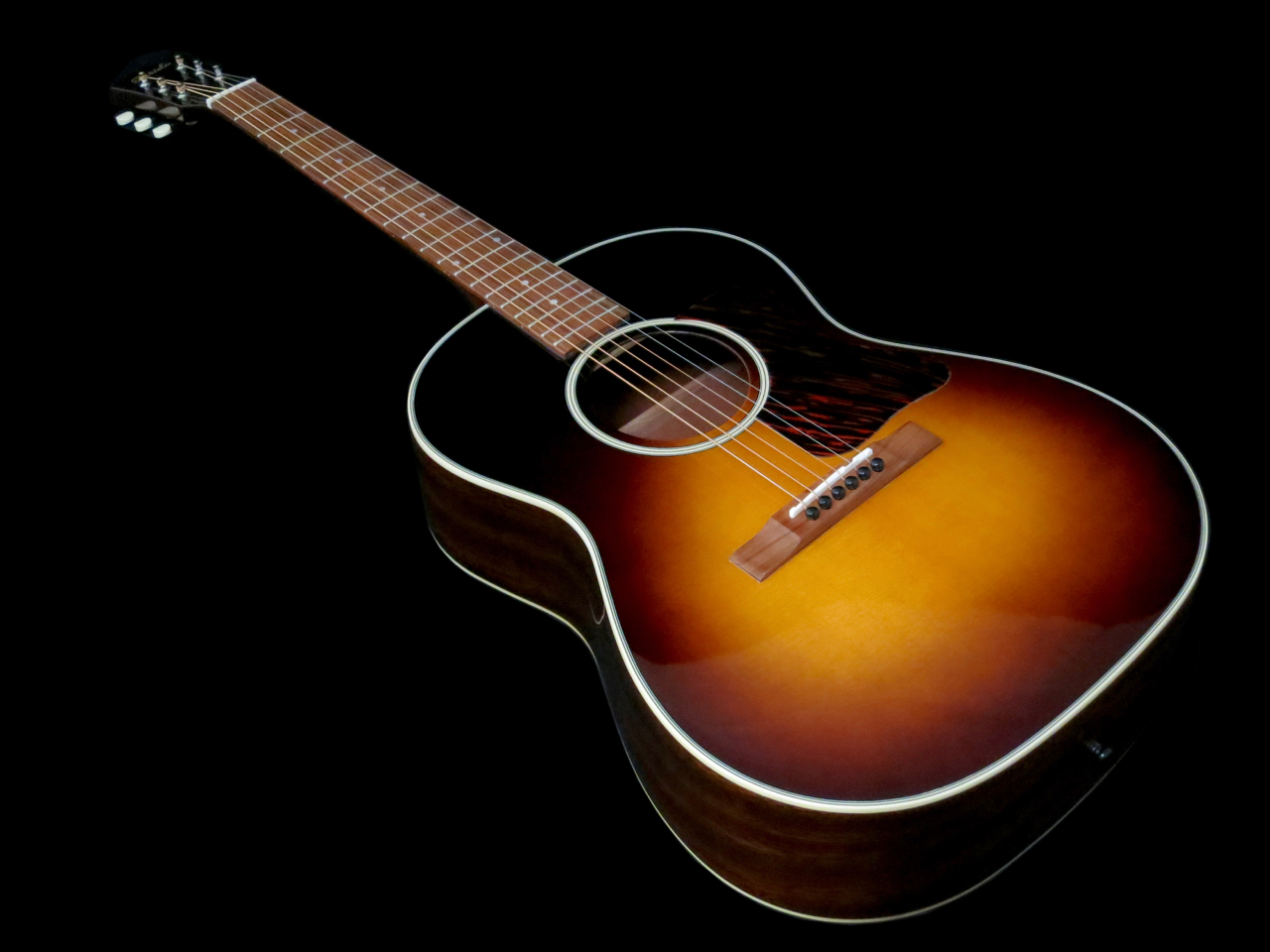
There is one Gibson steel-string model that was extremely successful in decades past, but which nobody seems to talk about anymore. I’m talking about the Gibson LG-2, that was renamed the Gibson B-25 in 1961. The same US-made model was also sold in the Sixties as the Epiphone FT-45 Cortez. T. Rex’ Marc Bolen was often seen playing this very model in the early Seventies.
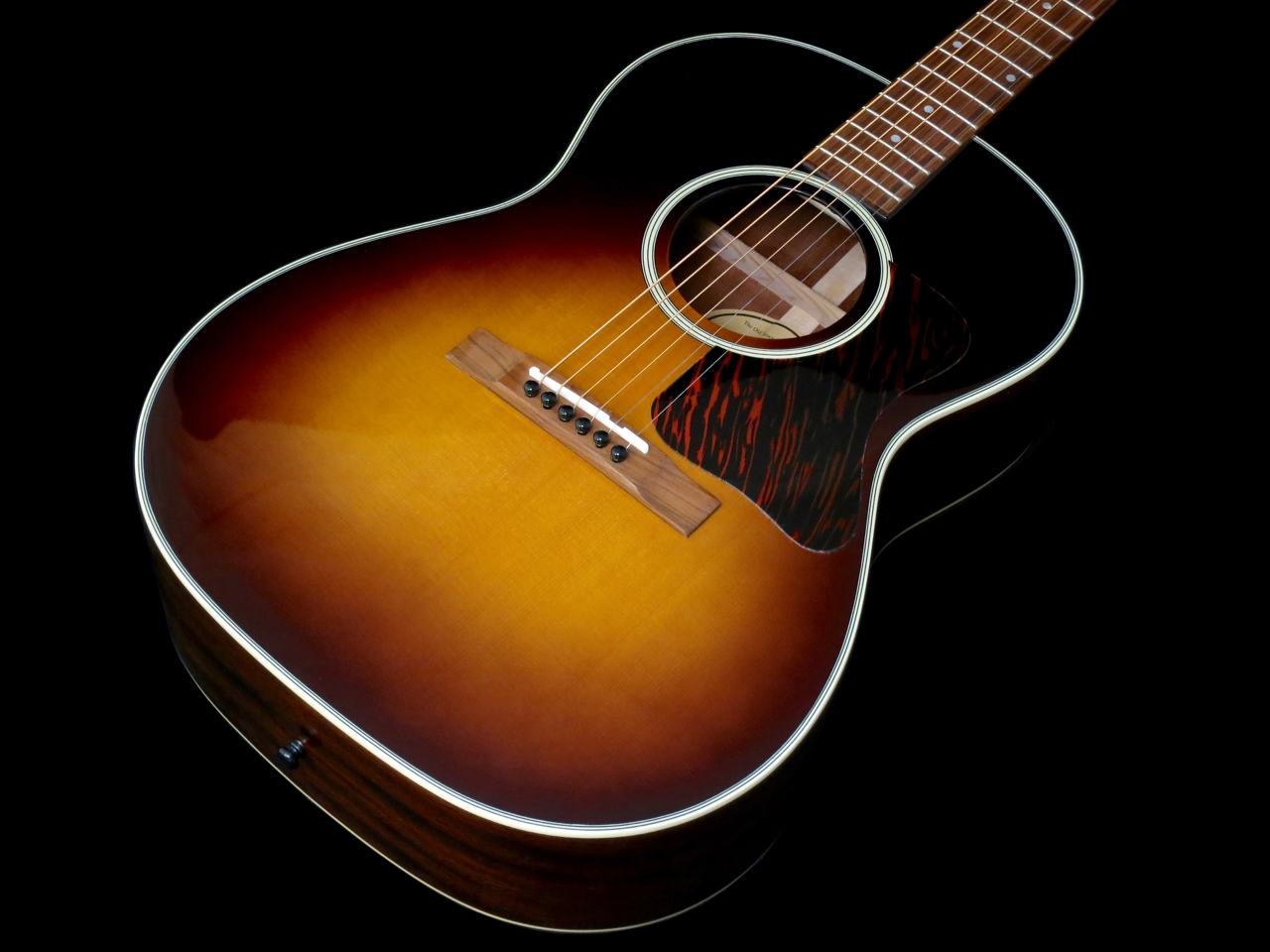

Farida’s version of the LG-2 – the Farida OT-25 – is an all-solid instrument with an X-braced spruce top and solid mahogany back and sides. The OT-25’s cubic capacity is very similar to a Martin Size 00 body, but the geometry is different. Instead of the wide shoulders and high waist of the 00, the OT-25 is shaped more like a figure eight, with its waist moved more towards the body’s middle lengthwise. The body’s length is 48 cm, its largest width 36 cm, and its largest depth measures 11.2 cm.
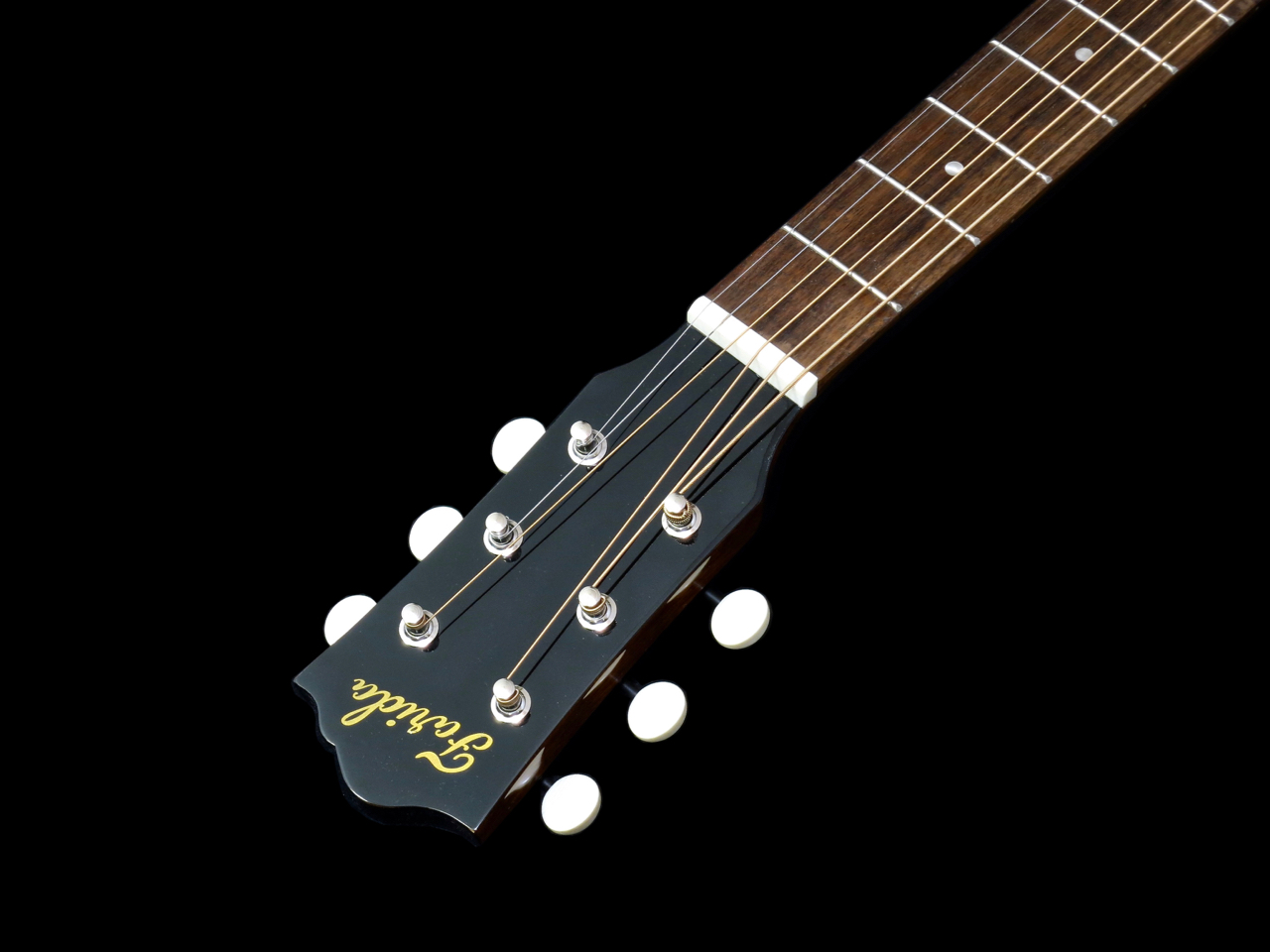
This guitar also sports a nato neck, but here the fingerboard has been made from South-American pau ferro. The scale length, number of frets, fret size and quality of the fretwork on the Farida OT-25 is identical to the OT-12.
The headstock shape, type of tuning heads and the top nut also correspond with the OT-12.

The bridge on this Farida has been carved from pau ferro, and it features a compensated bridge saddle made from genuine bone. The factory strings are a high-quality D’Addario EJ-16-set.
****
I must say that I’m very impressed by the workmanship and quality displayed on the review samples of Farida’s Old Town series. It would be easy to mistake both of these guitars for much more expensive instruments.
I received both guitars straight from Vantaan Musiiki’s warehouse, still factory packed. I’m amazed by the high level of quality control at Farida’s factory – there were no sharp frets or other issues. I tuned the guitars up to pitch, and the action on both models came to rest at exactly what the quality control card read (low-E: 2.6 mm; treble-e: 2.1 mm), and the action stayed this way over the whole time I spent with the guitars.
Both Faridas feature a full and rounded C-profile neck. Playability is top notch, as both guitars offer plenty of scope to really dig in and make the most of each instrument’s dynamic range. Still, should you require a lower action, there’s more than enough height left in the bridge saddles to accommodate you easily.
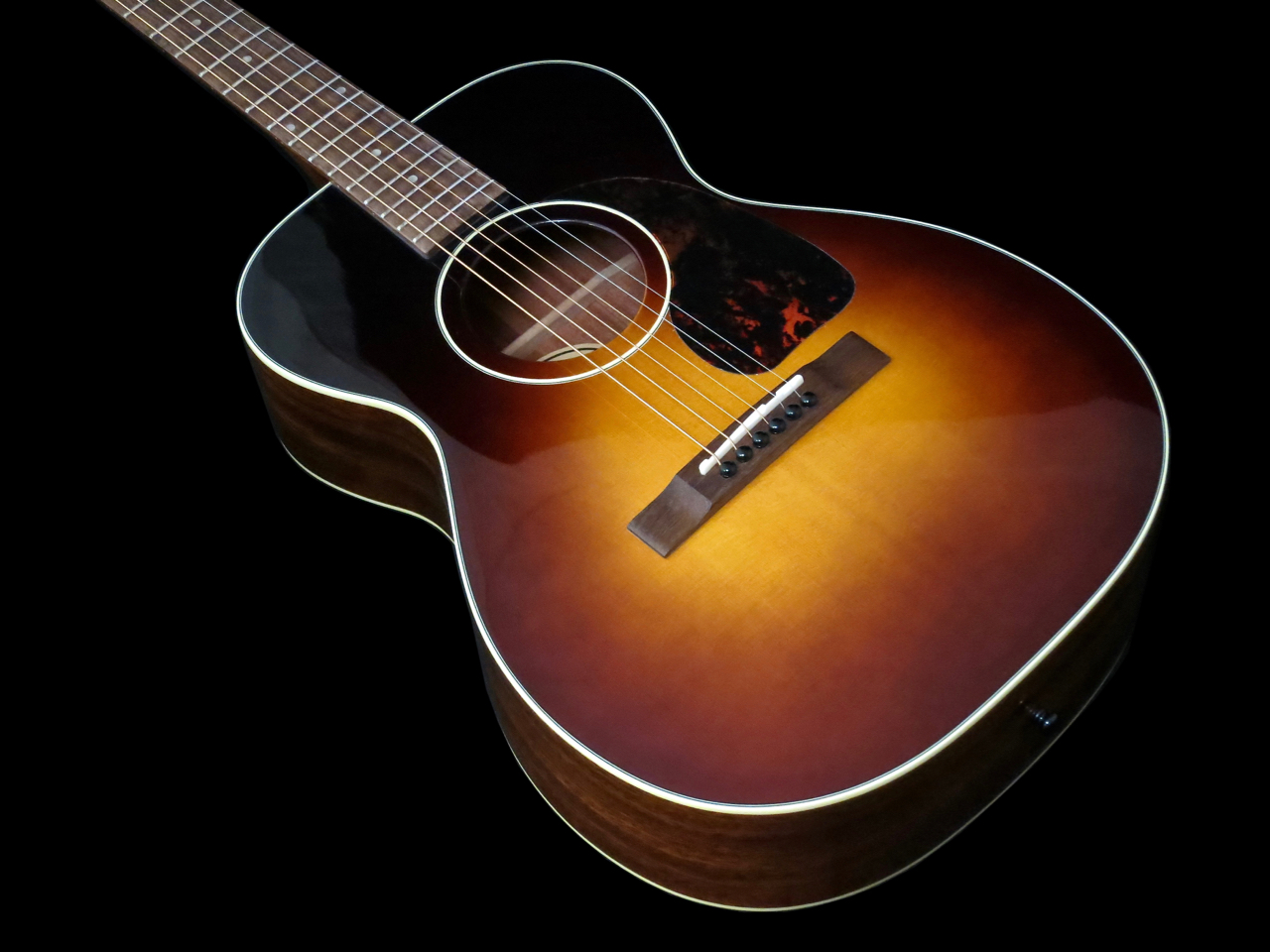
The Farida OT-12 sits a little bit more ”into” the player’s body, due to its shorter scale and higher waist, than the OT-25.
The OT-12’s sound is clearly bigger than that of a parlour guitar with a nice amount of ”kick”. Naturally, there’s a great deal less bass frequency content here than in a Dreadnought-size guitar. Feisty use of a pick might even turn out a little harsh at times, but fingerstyle playing greatly benefits from the greater clarity – and tighter bass – of small guitars. The OT-12 never gets wooly or boomy, which is also a definite plus in the studio.
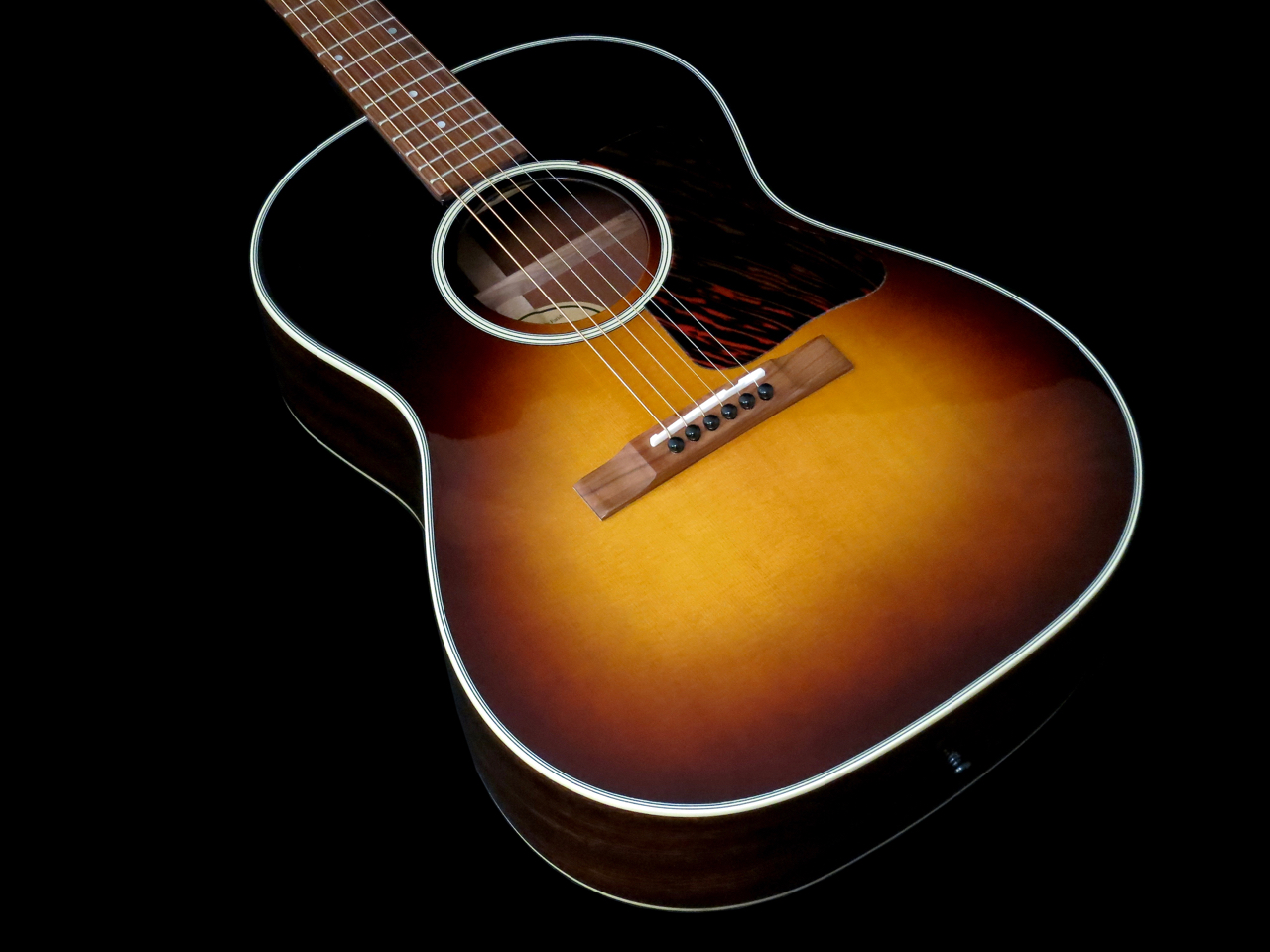
The sound of the Farida OT-25 is probably a bit more versatile, compared to the OT-12, because there is little bit more going on in terms of its low mids and bottom end. The sound is still punchy and tight, but there’s additional texture and complexity here. In my view, the OT-25 would be an outstanding choice as the trusty workhorse of a singer-songwriter, as well as a go-to instrument in the studio. This guitar has a beautiful tone, whether you use a plectrum or your fingers.
****
Farida Old Town
Finnish distributor: Musiikki Silfverberg
Pros:
+ workmanship
+ finish
+ playability
+ sound


 Kitarablogi.com – Finland's premier Guitar and Bass blog