Review: Flaxwood MTQ Hybrid, Liekki 290-T Classic & 57HM-H Master

Flaxwood MTQ Hybrid – headstock

This spring is bringing exciting news from Flaxwood Guitars – the Finnish maker has given its model line-up a thorough overhaul.

One important change sees Flaxwood rearranging their models into three distinct series:

Flaxwood MTQ Hybrid – flying

The (newly-expanded) Hybrid Series encompasses Fender-inspired electric guitars, which combine Flaxwood’s famous injection-moulded WFC-necks (Wood Fibre Composite) with wooden bodies.

Flaxwood Liekki 290-T Classic – flying

Flaxwood’s bona fide classics – such as the Äijä, Laine or Rautia models – have now been grouped into the aptly-named Classic Series.

Flaxwood 57HM-H Master – flying

The brand-new Master Series is offering the guitarist ”factory customised” Flaxwood guitars. These models have received special finishes and/or hardware, in addition to pickup choices that differ from similar Classic Series instruments.

For this review we received one guitar from each series – the MTQ Hybrid (current RRP in Finland: 1.750 €), the Liekki 290-T Classic (current RRP in Finland: 2.054 €) and the 57HM-H Master (current RRP in Finland: 2.707 €).

****

Flaxwood MTQ Hybrid – beauty shot 1

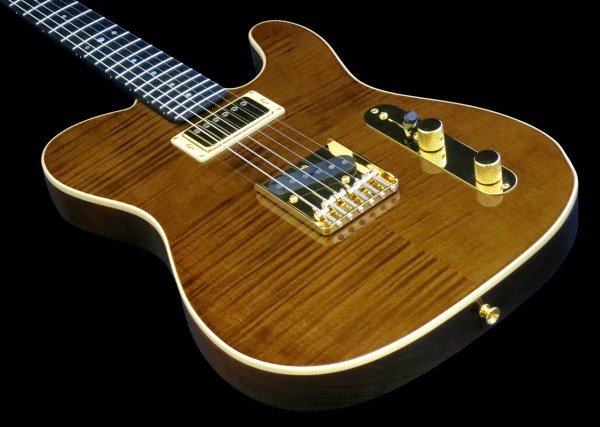
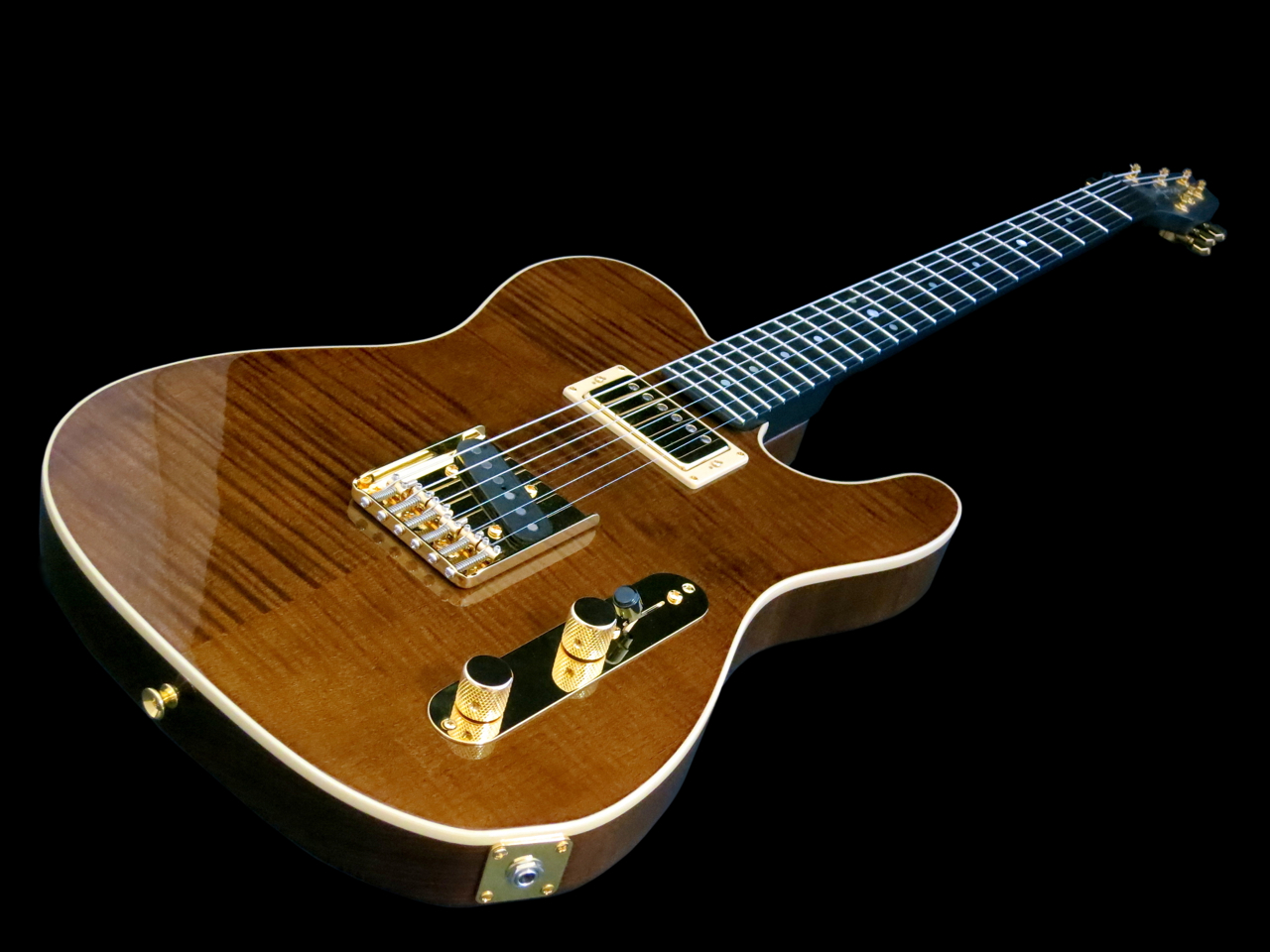
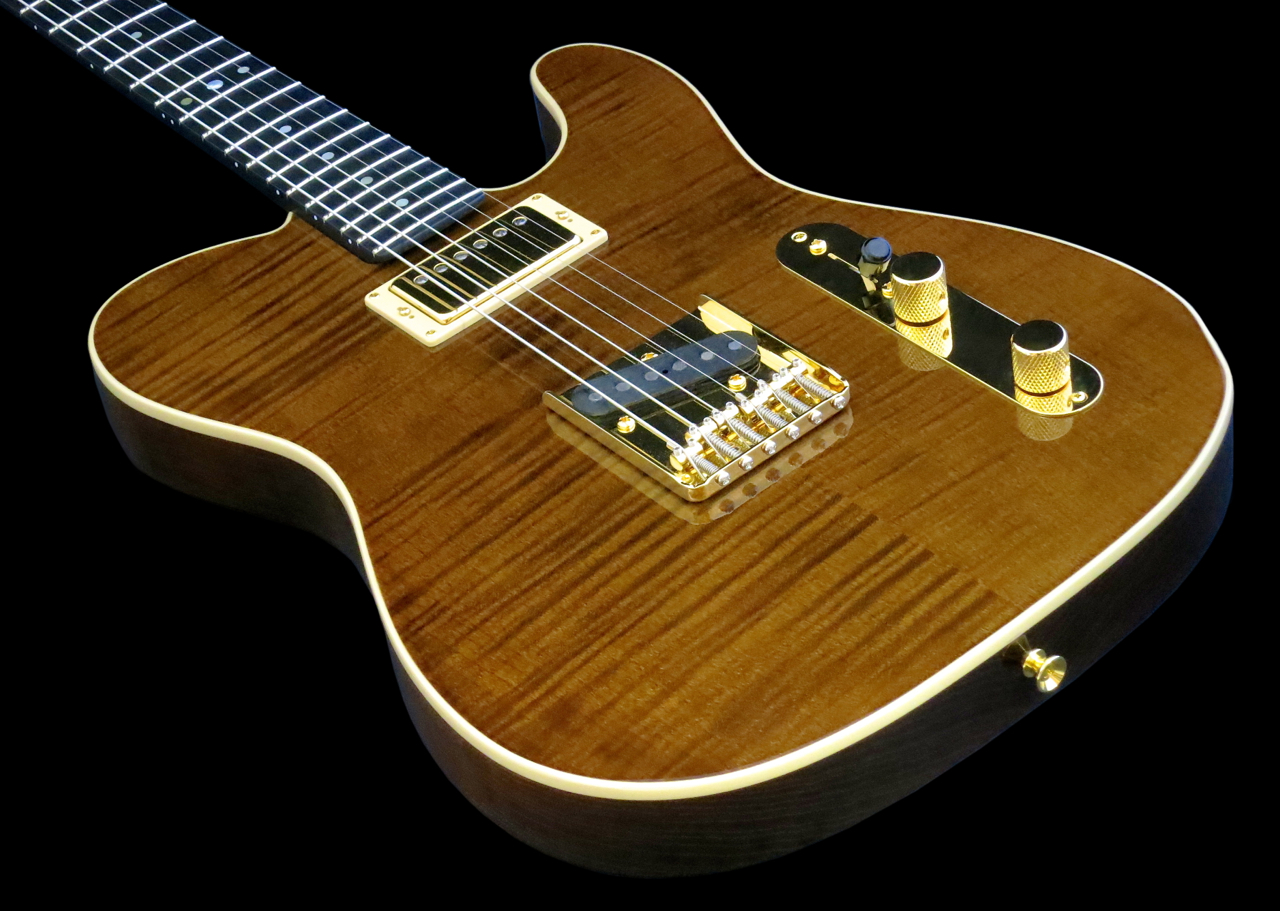
The Flaxwood MTQ Hybrid is the company’s beautiful take on the Telecaster Custom theme, with its wood-composite Flaxwood-neck and a swamp ash body with a bound flame maple top.

Flaxwood MTQ Hybrid – back beauty

The MTQ’s gorgeous Honeyburst finish shows off some luscious wood grain.

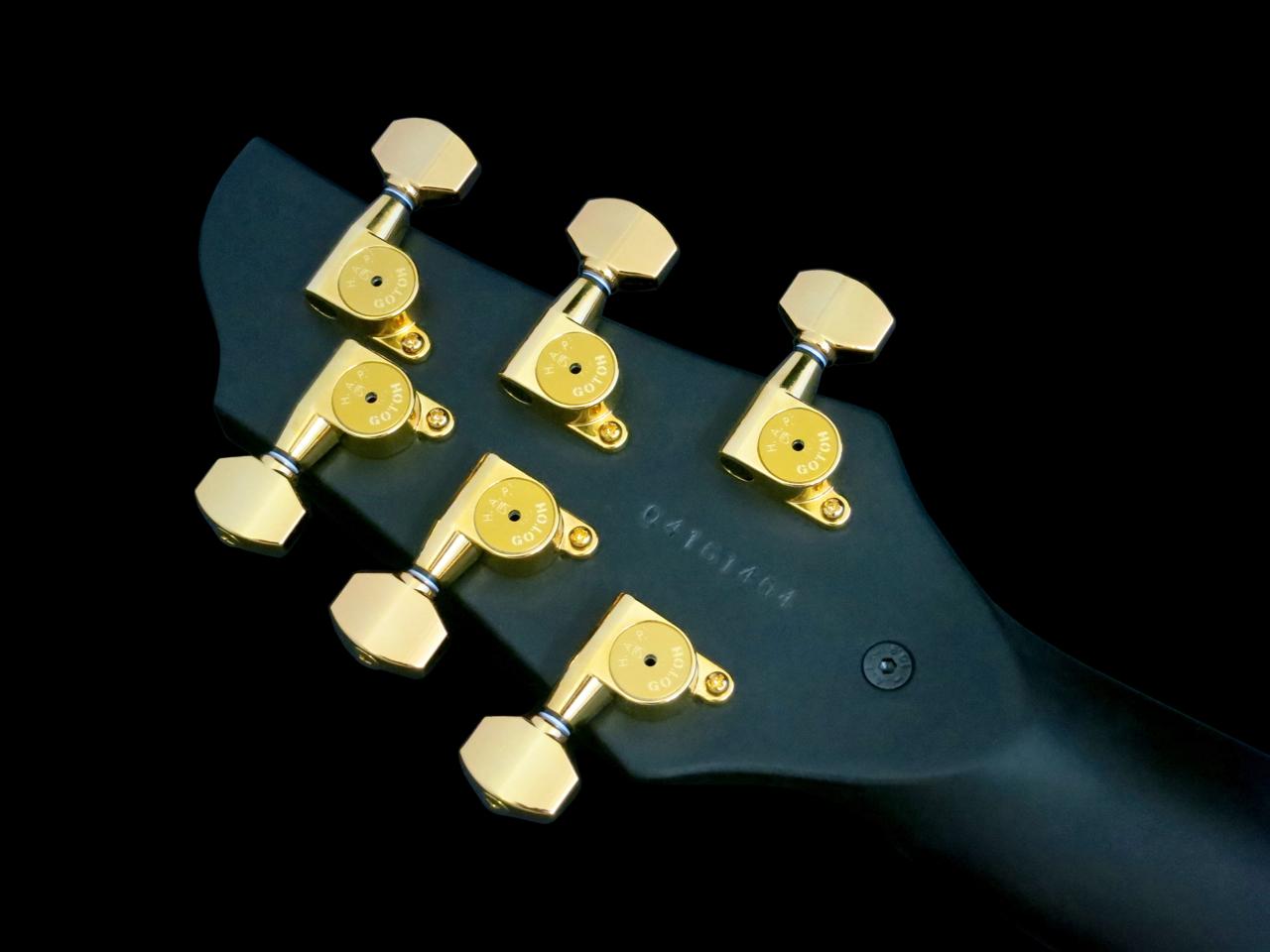
Flaxwood MTQ Hybrid – Gotoh HAP tuners

The golden machine heads on the MTQ Hybrid are locking Gotoh H.A.P. units with height-adjustable tuning posts.

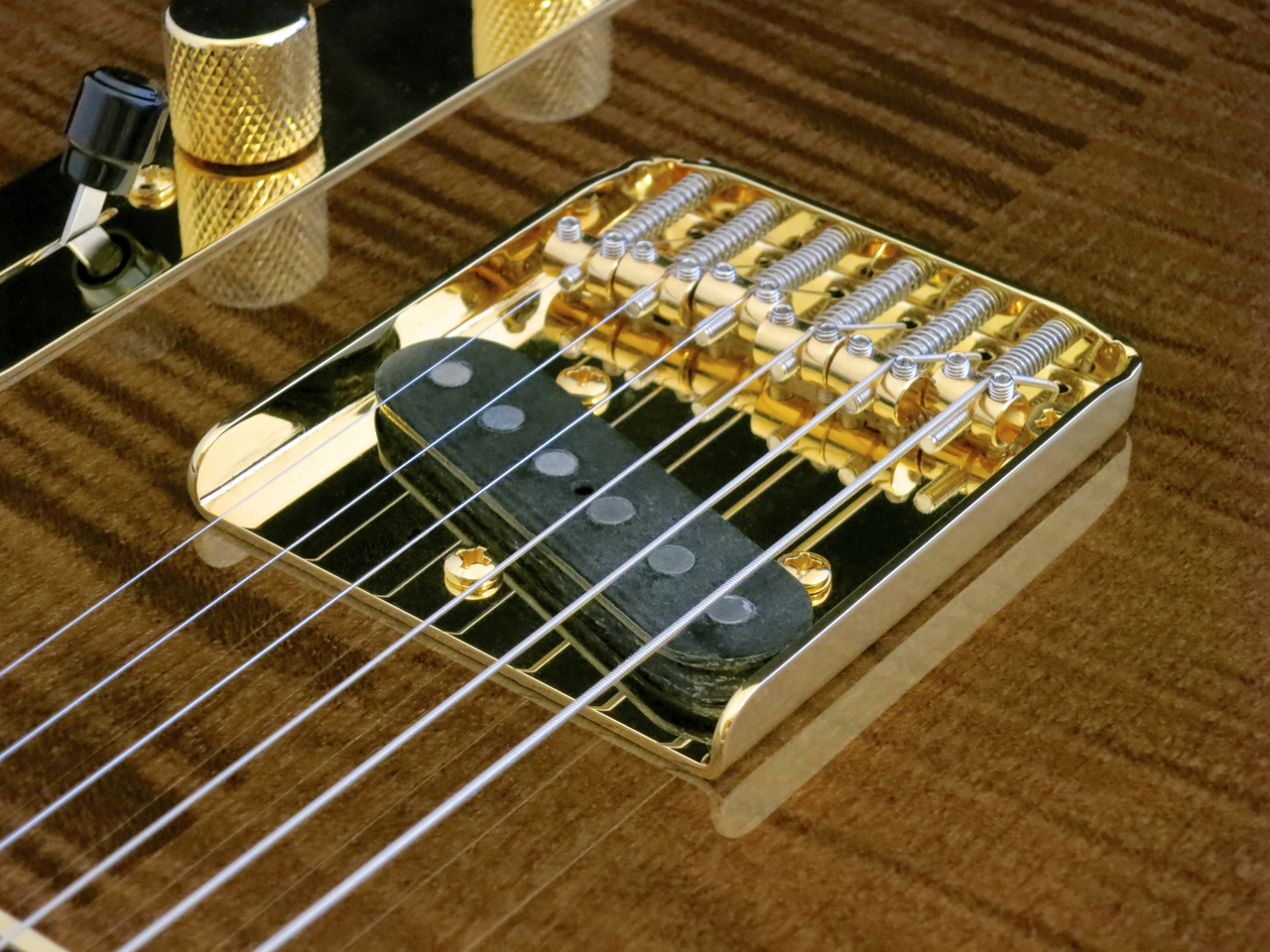
Flaxwood MTQ Hybrid – bridge

The bridge is a traditional Tele-ashtray design, but it comes updated with six bridge saddles for perfect intonation and action adjustment.

Flaxwood MTQ Hybrid – pickups

The MTQ’s pickups are made by Seymour Duncan:

The neck unit is a (PAF-style) Antiquity Humbucker, while the bridge single coil is a chunky STL-1B.

****

Flaxwood Liekki 290-T Classic – beauty shot 1

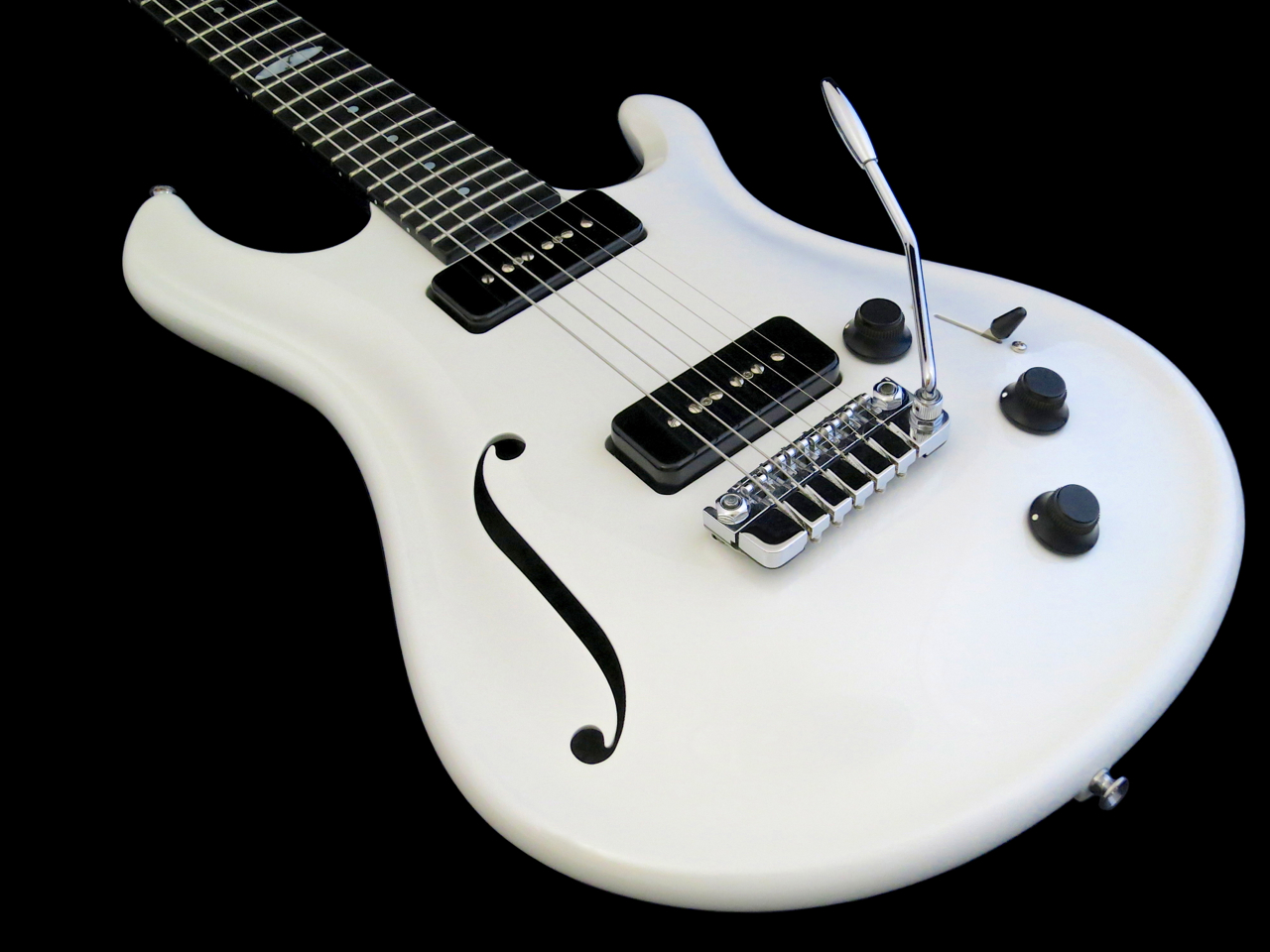
The Flaxwood Liekki 290-T Classic (liekki means flame in Finnish) is without doubt one of the best-known guitars from this Finnish maker. This slender and gracious f-holed beauty is offered in several cool finishes.

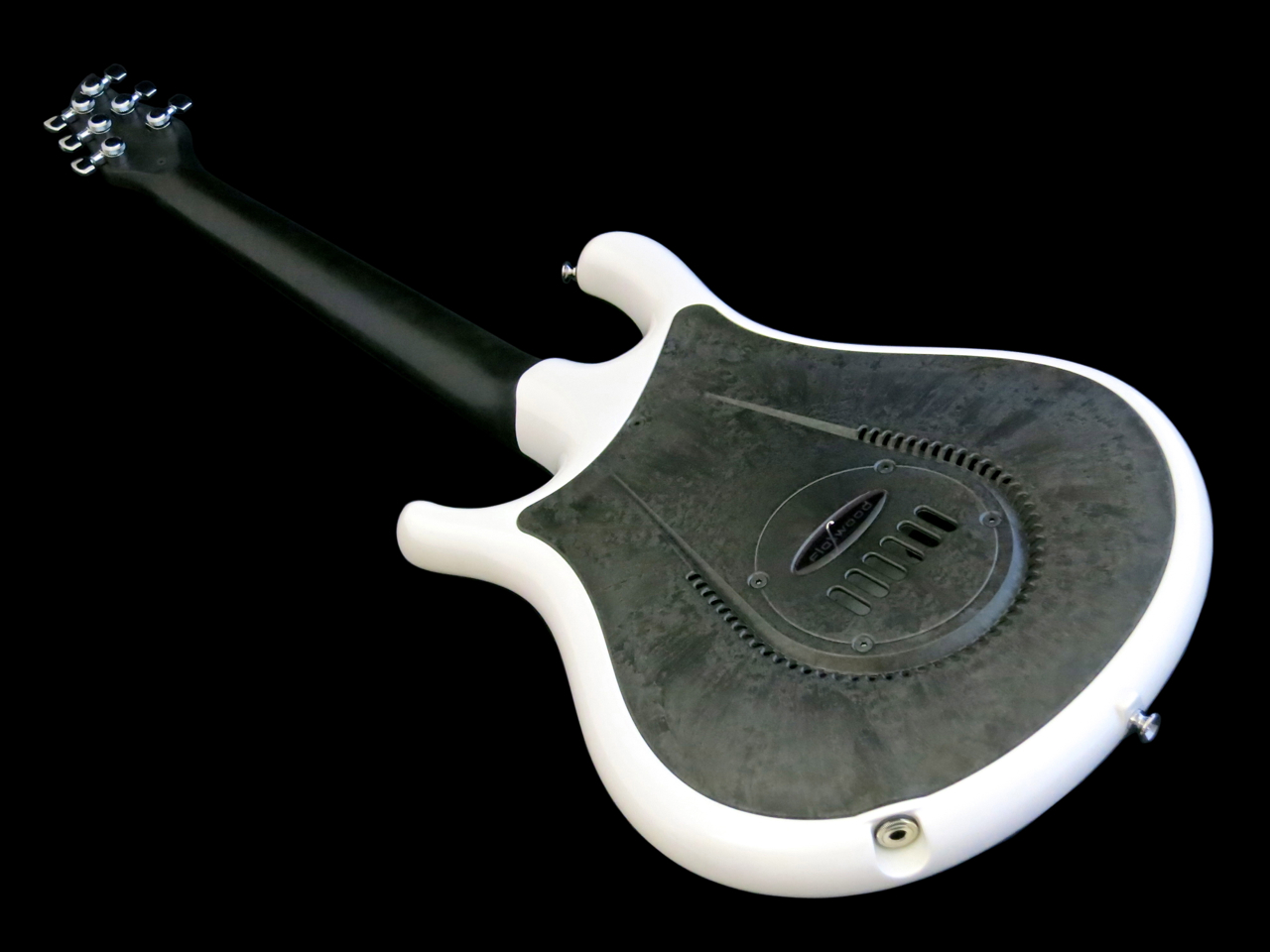
Flaxwood Liekki 290-T Classic – back beauty

The Liekki 290-T Classic is an all Flaxwood-WFC instrument. This injection-moulded material – which was developed in co-operation with the University of Eastern Finland – is eco-friendly and fully recyclable.

The Flaxwood body is partially hollow, and capped from the back with a resonating back plate.

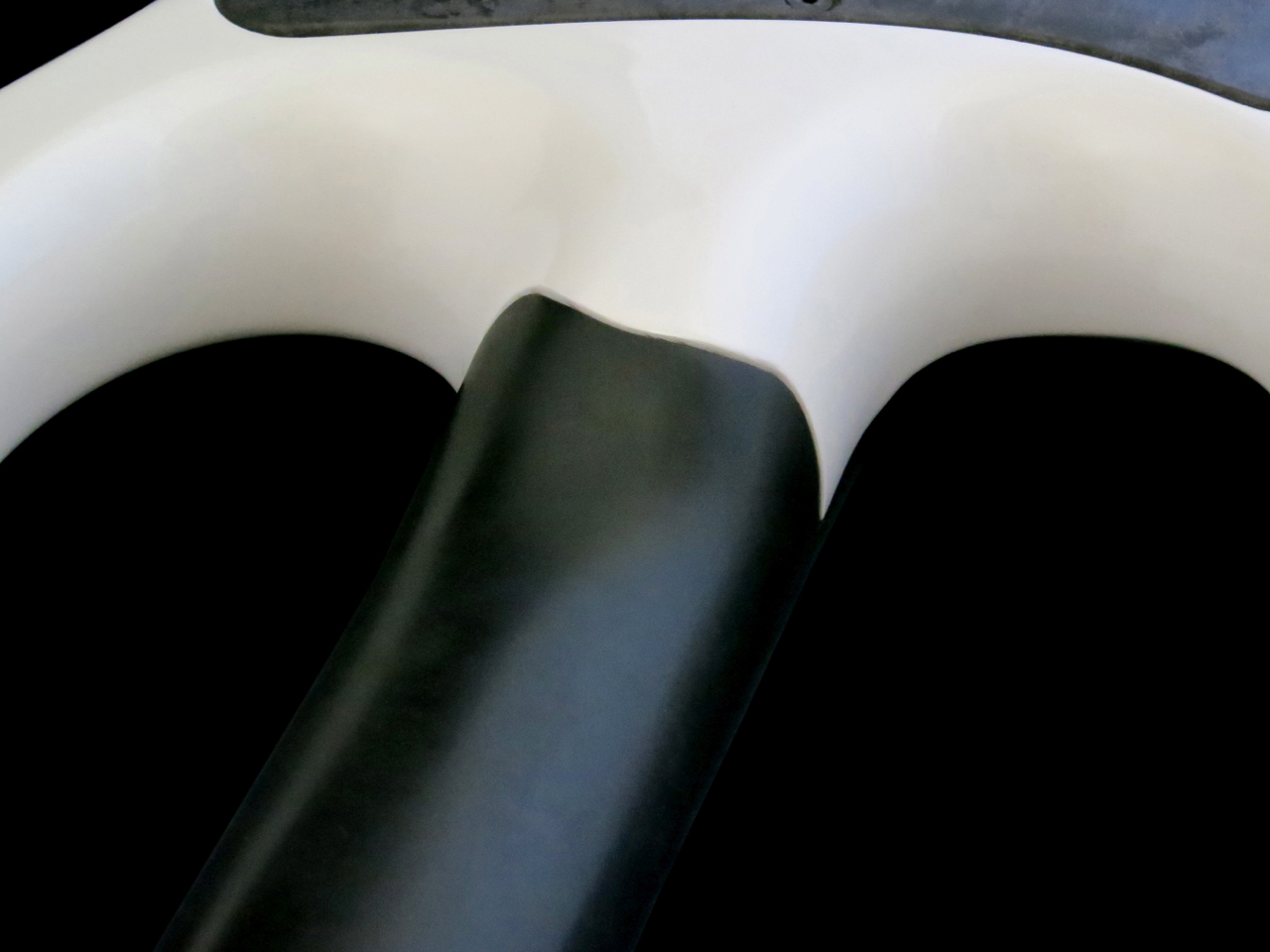
Flaxwood Liekki 290-T Classic – neck joint

Flaxwood Guitars’ proprietary 3D neck joint is very smooth.

As you can see from this picture, newer Flaxwood instruments now sport a matte black neck, instead of the original, structured look of the early Flaxwood necks.

Flaxwood Liekki 290-T Classic – headstock

The company uses it’s own compensated X-Tune Nut on all Classic and Master Series models. The X-Tune Nut will make open chords ring out much more in tune than most traditional guitars.

Flaxwood Liekki 290-T Classic – vibrato

The Liekki’s 290-T-version comes equipped with Schaller’s ingenious LP Tremolo vibrato bridge.

Flaxwood Liekki 290-T Classic – pickups

Two Seymour Duncan P-90-type pickups (SP90-1 Vintage Soapbar) have been installed on the Liekki Classic.

****

Flaxwood 57HM-H Master – beauty shot 2

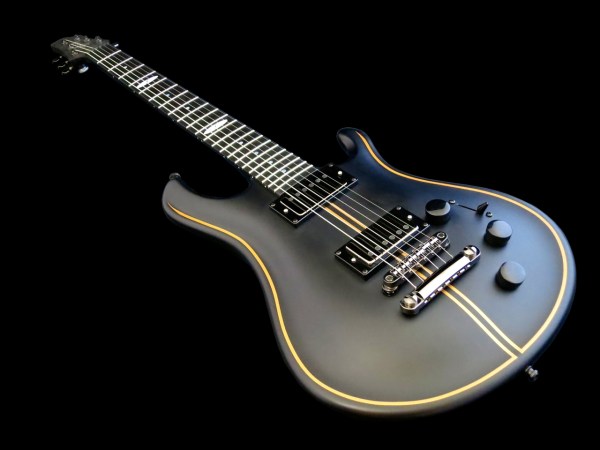
Flaxwood’s brand-new 57HM-H Master is a Metal guitarist’s dream machine.

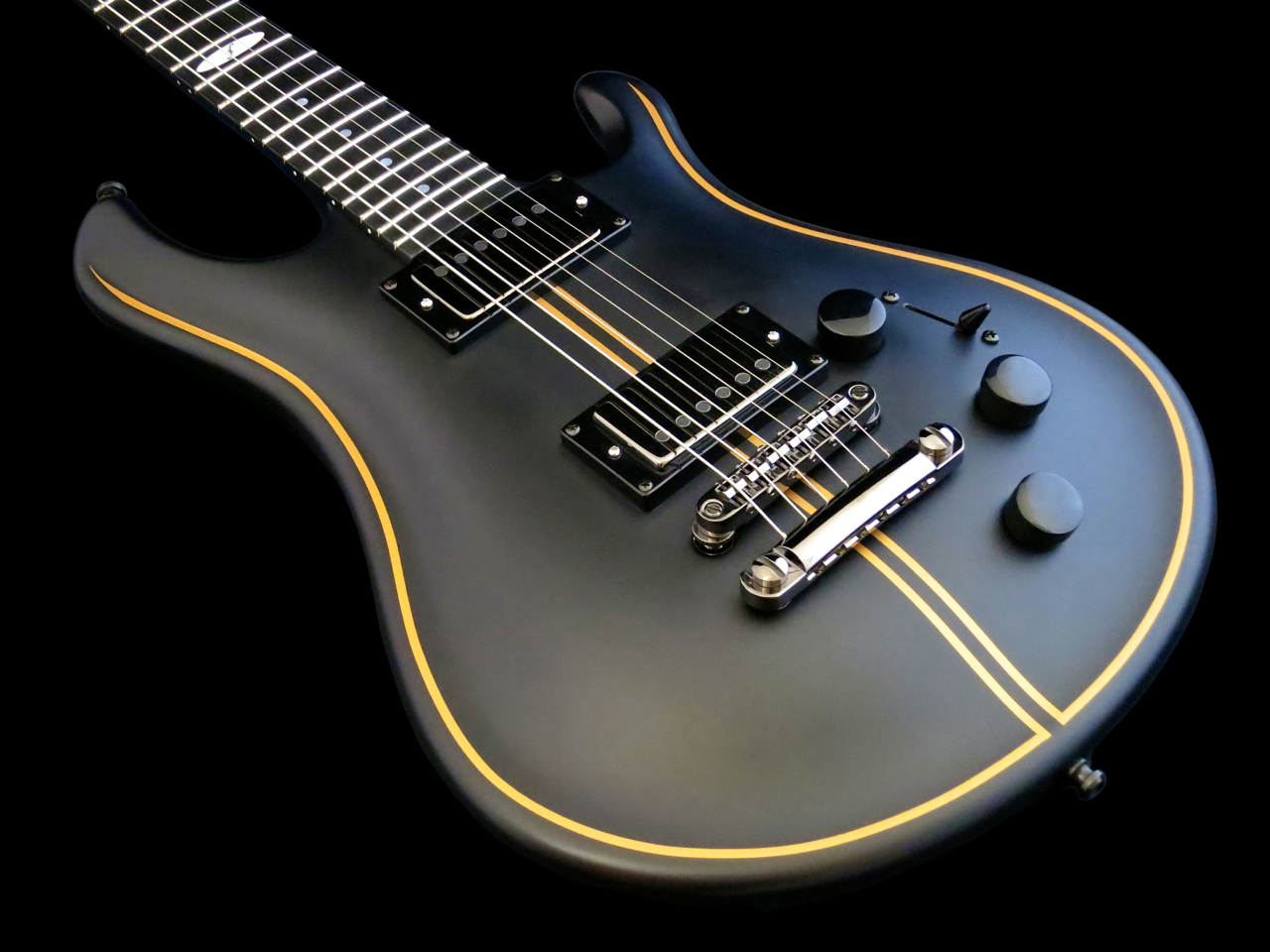
The 57HM-H comes with a suitably moody matte black finish with golden pinstripes, Schaller Security Locks, and a pair of active EMG pickups.

Flaxwood 57HM-H Master – back beauty

Flaxwood 57HM-H Master – body cavity

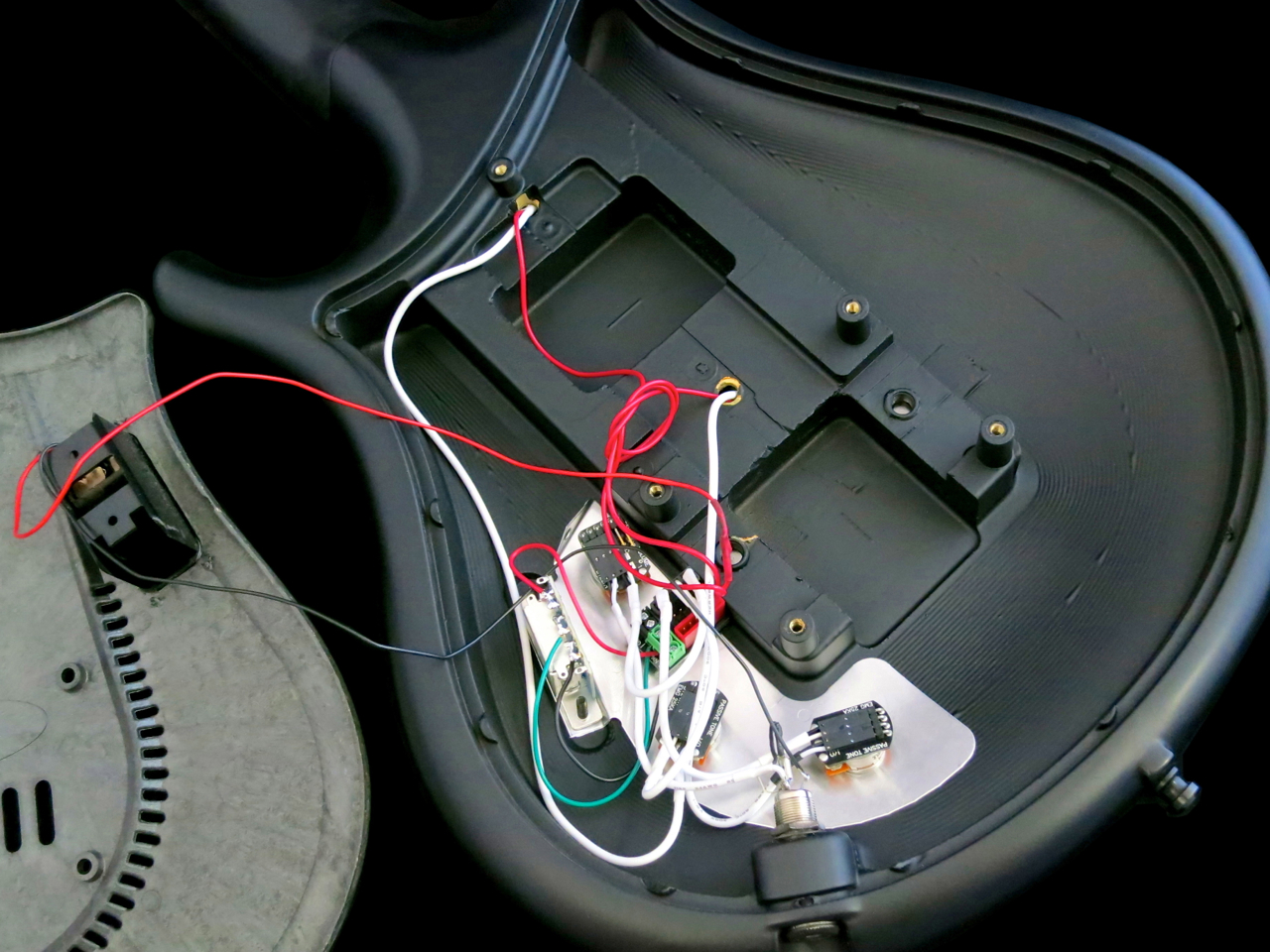
The 57HM-H Master’s battery compartment has been installed into the instrument’s back plate.

Flaxwood 57HM-H Master – headstock

Flaxwood 57HM-H Master – bridge

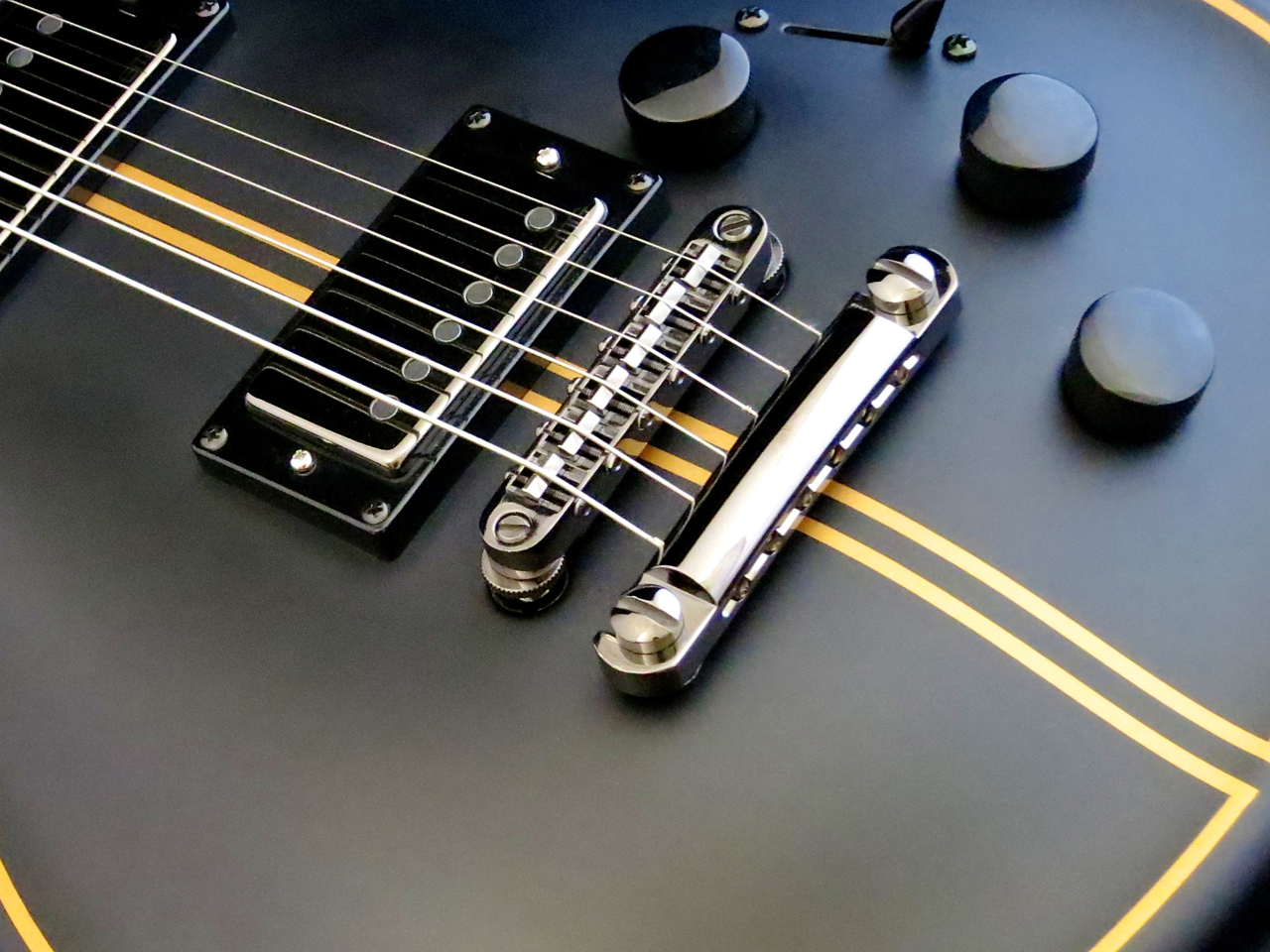
The Gotoh hardware – locking tuners and a tune-o-matic bridge plus stopbar – has been finished in black chrome.

Flaxwood 57HM-H Master – pickups

EMG’s 57/66-set comprises a pair of alnico-loaded humbuckers, and promises to deliver an intriguing combination of vintage warmth with active punch and clarity.

****

Even though Flaxwood Guitars’ brand philosophy is based on the ultra-modern use of injection-moulded WFC-composite material, there is still a surprising amount of traditional handicraft that goes into the making of each and every Flaxwood model. There isn’t a machine in existence that will churn out finished instruments from raw materials, you do still need lots of guitar-making skills to build a top notch instrument.

You can see and feel the touch of a craftsman when you pick up a Flaxwood guitar. Our review trio displayed excellent workmanship, and all guitars came with a top grade set-up.

Flaxwood MTQ Hybrid – body beauty 2

Any old Telecaster lover will feel right at home with the Flaxwood MTQ Hybrid, because the most important design elements – like the vintage bridge or the control positioning – have been carried over from the classic to this new model.

The neck profile is slim and slightly oval, with a mere whiff of a V-neck’s spine along its back. The playing feel is fast, effortless and precise.

The tone of the Flaxwood MTQ doesn’t come as a surprise – this model offers an array of very tasty Tele-style sounds!

Flaxwood MTQ Hybrid – body beauty 1

****

Flaxwood Liekki 290-T Classic – body beauty 2

Flaxwood’s Liekki 290-T Classic is a lightweight and compact instrument that balances perfectly on a strap.

In addition to the three-way pickup switch, most Flaxwood models traditionally feature a single master volume control and two tone controls (one per pickup).

I can’t understand why Schaller’s excellent LP Tremolo isn’t used on more guitars as a standard feature. I can only applaud Flaxwood for featuring the LP Tremolo on several of their models!

The Seymour Duncan P-90s give you a wide range of different tones on the Liekki, from jazzy warmth all the way to gritty Rock.

Flaxwood Liekki 290-T Classic – body beauty 1

****

Flaxwood 57HM-H Master – body beauty 1

The Flaxwood 57HM-H is a fantastic addition to the company’s line-up in my opinion:

The playing feel of the 57HM-H is quite similar to the Liekki model, but the fatter frets and stable, non-trem bridge will be just the ticket for fans of detuned high-gain riffage.

The EMG 57/66-set is a great update on the US-maker’s original active humbucker recipe. There’s more than enough power and punch on tap, but you could never call these active humbuckers cold, clinical or sterile!

Flaxwood 57HM-H Master – body beauty 1

****

Flaxwood MTQ Hybrid – beauty shot 2

Flaxwood Liekki 290-T Classic – beauty shot 2

It’s really great to see Flaxwood Guitars expanding their line-up further!

In my view the new three-tiered model range makes a lot of sense, making it easier to find the right Flaxwood for any player.

The Liekki 290-T Classic has become a genuine classic over the years, while the brand-new MTQ Hybrid and 57HM-H models further widen Flaxwood’s appeal to include both traditional and modern guitarists. A test drive is highly recommended!

Flaxwood 57HM-H Master – beauty shot 1

****
Flaxwood Guitars

MTQ Hybrid – 1.750 € (comes with a gig bag)

Liekki 290-T Classic – 2.045 € (comes with a case)

57HM-H Master – 2.707 € (comes with a case)

Pros:

+ made in Finland

+ workmanship

+ quality parts and pickups

+ playability

+ sound

Review: Vox AV15

Vox AV15 – logo

Vox Amplification’s new AV-series comprises three affordable guitar combos. The Vox AV15, AV30 and AV60 – named according to their power amp wattage – are modelling valve hybrid amplifiers that combine the best elements of solid state and tube technology.

****

****

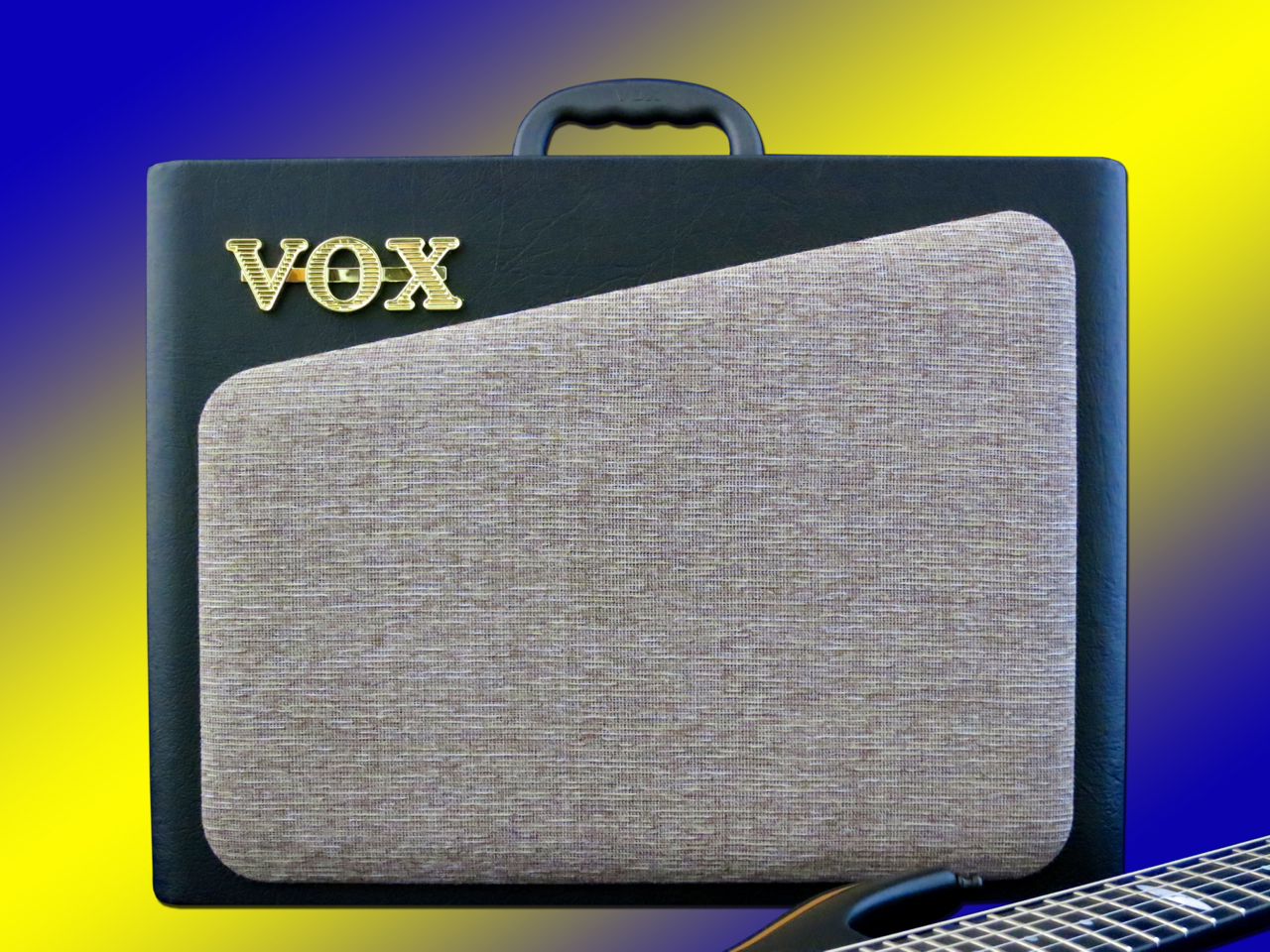
Vox AV15 – front view new

KitarablogiDotCom took the smallest of the trio, the Vox AV15 (street price in Finland approx. 269 €) for a spin.

The AV15 is a compact little combo (height: 37 cm, width: 45 cm, depth: 23 cm), weighing in at just below eight kilos.

AV15 cabinet construction

The combo’s cabinet has taken a big leaf out of the book of hi-fi speaker construction. Normally a guitar cab is meant to add its own bit of tonal modification into the mix, but when dealing with a modelling amplifier meant to imitate a number of different amp and speaker configurations, the more linear frequency response of a bass reflex cabinet is highly desirable.

Vox AV15 – back angle

Vox AV15 – back panel

The only thing you’ll find on the Vox AV15’s back panel is the connector for the amp’s external power supply unit (12 VDC, included).

****

Vox AV15 – control panel 2 LRG

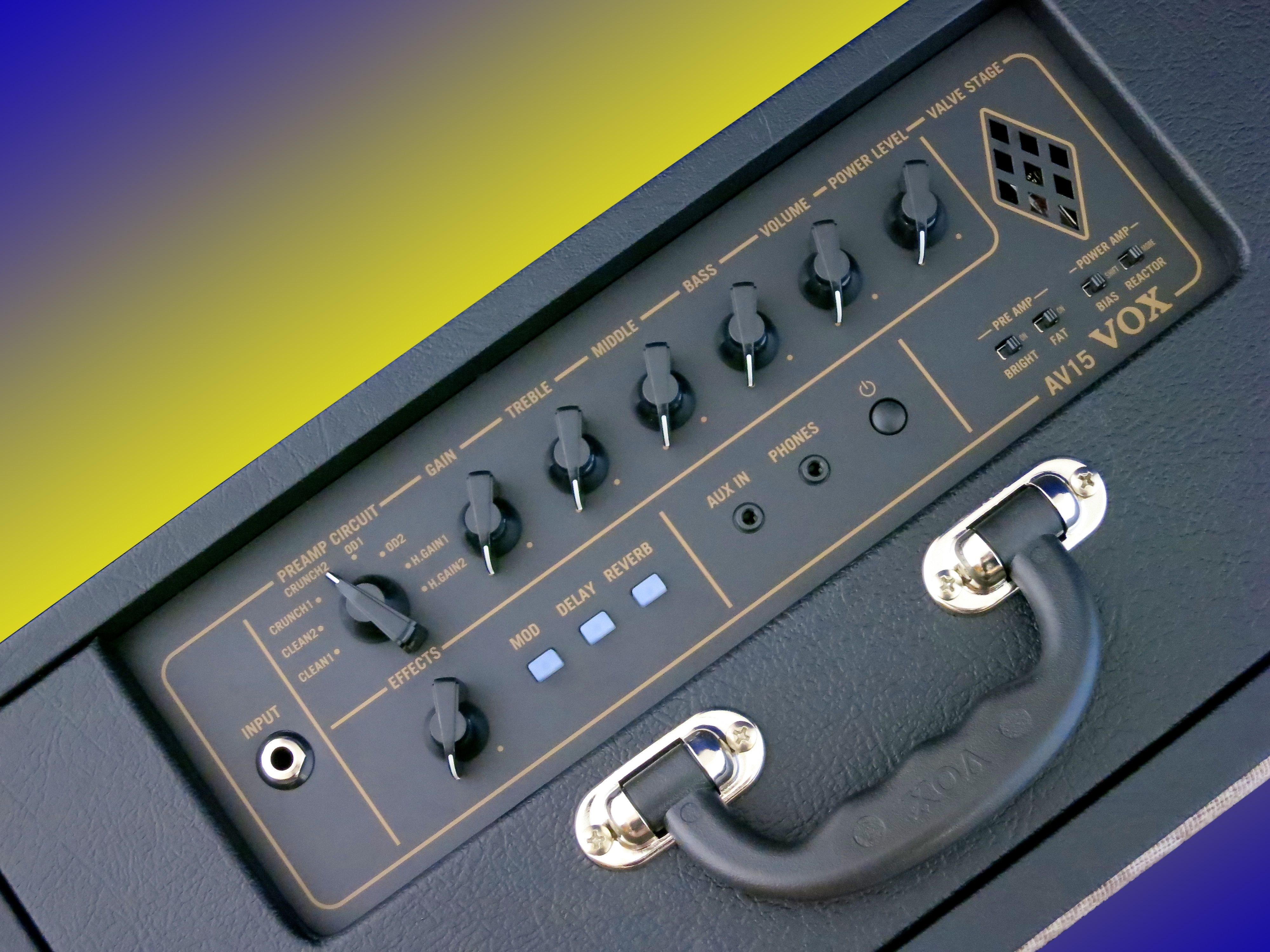
The Preamp Circuit-switch lets you select one of the eight amp models offered by the Vox. The selection takes you from Fender Twin-style cleans, and Vox- and Marshall-type crunch, all the way to Rectifier-like high gain tones.

You can fine-tune your tone using the three-band EQ section. The AV15 also comes equipped with an effects section made up of three different effects – reverb, delay and chorus (called modulation on the front panel). You are free to choose any or all of the effects. Each effect allows you to control a second parameter (in addition to the effect level) by keeping the respective effect’s effect button depressed while turning the Effects-control. You can change the modulation speed of the chorus, the delay time for the delay effect, and the length of the reverb tail of the reverb effect. The effects are the only digital bits in the AV-combo’s architecture, the rest of the Vox’ signal path – including the amp modelling – is kept all-analogue.

Here are three short clips illustrating the AV15’s effects (Gibson Les Paul Junior, Shure SM57):

CHORUS (with a little added reverb)

DELAY

REVERB

It may seem a bit unusual, but the AV15 features three different ”volume controls”, which all have a different bearing on the combo’s sound:

The Gain-knob sets the signal level before the signal is sent to the preamp’s valve stage. Low Gain settings result in a clean sound, while higher Gain settings will lead to preamp break-up and (depending on the chosen amp model) distortion. The Volume-control adjusts the signal level right in front of the power amp’s tube stage. Lower Volume settings will give you a clean and dynamic signal, while higher settings will bring in some power amp compression and saturation (= distortion). The last volume knob – called Power Level on the Vox AV15 – determines the final volume level in your room (or in your headphones).

Vox AV15 – tube and switches LRG

While its bigger siblings – the AV30 and the AV60 – feature two valves in their architecture (one for the preamp, one for the power amp), the smaller Vox AV15 makes do with just a single tube for both pre- and power amp duties. This is made possible by the way the good-old 12AX7-valve is constructed, offering you two triodes in one single tube. This means, you can split this valve type to perform two jobs simultaneously.

This Vox’ Valve Stage-section features four small slider switches that you can use to modify the way the two valve stages react and sound:

The Pre Amp side of things sports a Bright-switch for adding sparkle to your top end, as well as a Fat-switch that will boost the bass response.

The switches labelled ”Power Amp” really do make a significant difference to this combo’s ”feel”. The Bias- and Reactor-switches let you select how much the power amp’s tube section is ”pushed” and how much power amp compression will be audible.

Listen to these two sound clips – clean and crunch – to get an idea of how the Valve Stage switches change the combo’s sound (Gibson Les Paul Junior, Shure SM57). Both clips start with all the switches in the left position. Then I put one switch after the other to its right position (starting with the Bright-switch, and continuing left to right):

Vox AV15 – front angle 2

****

Vox AV15 – front angle 3

Snobbism seems to be the fashion of the day – we’ve got cork sniffers, we’ve got vinyl snobs, and we’ve got valve amp anoraks.

But in our heart of hearts, most of us ”old farts” would have been more than happy, if we would have had such a great-sounding and versatile amp as the Vox AV15 when we started playing in the 1970s and 80s! The AV15 really wins you over with its array of inspiring tones and its affordable price tag.

The Vox AV15 is a real amp, not a plastic toy sucking all of the sheer joy of playing out of an eager novice. Vox AV-series hybrid combos can also serve more advanced players as fun living room amps, they can be used for backstage warm-up, and they also make a good figure as home studio amps (as you can hear in the demo songs).

BLUES demo

Rhythm guitars: Fender Telecaster (left channel) & Epiphone Casino (right channel)

Lead guitar: Fender Stratocaster

ROCK demo

Rhythm guitars: Fender Telecaster (left channel) & Gibson Les Paul Junior (right channel)

Lead guitar: Gibson Melody Maker SG

METAL demo

Rhythm guitars: Gibson Melody Maker SG (left channel) & Fender Stratocaster (right channel)

Lead guitar: Hamer USA Studio Custom

****

Vox AV15 – front angle 4

In my opinion Vox Amplification’s new AV15 is a fine choice as a practice amp, for guitar teachers, or for school bands. The affordable Vox AV15 is easy to use and sounds great.

****

Vox AV15

Finnish street price approx. 269 €

Finnish distributor: EM Nordic

A big ”thank you” goes to DLX Music Helsinki for the loan of the review amp!

Pros:

+ compact

+ lightweight

+ versatile

+ Valve Stage-section

+ sound

+ value-for-money

Save

Testipenkissä: Flaxwood MTQ Hybrid, Liekki 290-T Classic & 57HM-H Master

Flaxwood MTQ Hybrid – headstock

Tämä kevät on Flaxwood Guitarsille tärkeää aikaa, koska joensuulainen valmistaja on perusteellisesti uudistanut soitinmallistonsa.

Tästedes Flaxwood-kitaroita tarjotaan kolmessa eri sarjassa:

Flaxwood MTQ Hybrid – flying

Laajentunut Hybrid-sarja koostuu Fender-tyylisistä soittimista, joissa Flaxwood-komposiitista tehdyt kaulat on liitetty ruuvaamalla puurunkoihin.

Flaxwood Liekki 290-T Classic – flying

Meillä kaikille tutut Flaxwood-mallit – kuten Äijä, Laine tai Rautia – on nyt koottu uuteen Classic-sarjaan kevyesti päivitetyillä spekseillä.

Flaxwood 57HM-H Master – flying

Täysin uudesta Master-sarjasta löytyy ikään kuin ”valmiiksi kustomoituja” Flaxwoodeja, joilla on Classic-sarjasta poikkeavat mikrofonit, viimeistely ja/tai metallitavara.

Saimme testiin jokaisesta sarjasta yhden kitaran – MTQ Hybrid (suositushinta: 1.750 €), Liekki 290-T Classic (suositushinta: 2.054 €) ja 57HM-H Master (suositushinta: 2.707 €).

****

Flaxwood MTQ Hybrid – beauty shot 1

Flaxwood MTQ Hybrid on firman todella kaunis tulkinta Telecaster Custom -teemasta, jolla on puukomposiitista valmistettu Flaxwood-kaula, sekä suosaarnirunko reunalistoitetulla loimuvaahterakannella.

Flaxwood MTQ Hybrid – back beauty

Puiden syykuviot näyttävät hienoilta MTQ:n Honeyburst-viimeistelyn läpi.

Flaxwood MTQ Hybrid – Gotoh HAP tuners

MTQ Hybridissä käytetään kullanvärisiä lukkovirittimiä korkeussäädettävillä viritystapeilla (Gotoh H.A.P.).

Flaxwood MTQ Hybrid – bridge

Tallan perusrakenne on vintage-tyylinen, mutta koska tämä Tele-talla on päivitetty kuudella tallapalalla kitaran hienovirettä pystyy säätämään tarkasti ja ilman kompromisseja.

Flaxwood MTQ Hybrid – pickups

MTQ-mallin mikrofonit tulevat Seymour Duncanin valikoimasta. Kaulamikrofoniksi on valittu PAF-tyylinen Antiquity Humbucker, kun taas tallamikrofonina toimii Duncanin lihaksikas STL-1B.

****

Flaxwood Liekki 290-T Classic – beauty shot 1

Liekki 290-T Classic on varmasti yksi Flaxwoodin tunnetuimmista kitaroista – erittäin sulavalinjainen, f-aukolla varustettu kaunotar, joka on saatava useilla eri viimeistelyvaihtoehdoilla.

Flaxwood Liekki 290-T Classic – back beauty

Liekki 290-T Classicissa puu on korvattu kokonaan kuitukomposiitilla. Kitaran runko on osittain ontto, ja sillä on Flaxwoodin tyypillinen resonoiva takakansi.

Flaxwood Liekki 290-T Classic – neck joint

Flaxwood Guitarsin 3D-liimaliitos on erittäin sulava.

Kuten tässä kuvassa näkyy, käytetään uusissa Flaxwoodeissa alkuperäisen, strukturoidun näköisen Flaxwood-materiaalin sijaan kauloissa nykyään mattamustaksi värjättyä vastinetta.

Flaxwood Liekki 290-T Classic – headstock

Classic- ja Master-sarjojen soittimissa käytetään firman omaa kompensoitua X-Tune-satulaa, joka parantaa tuntuvasti alanauhoissa soitettujen nuottien virettä.

Flaxwood Liekki 290-T Classic – vibrato

290-T-versiossa käytetään Schallerin mainiota LP Tremolo -nimistä tallan ja vibraton yhdistelmää.

Flaxwood Liekki 290-T Classic – pickups

Liekki Classicin mikrofonivarustus koostuu kahdesta P-90-tyylisistä Seymour Duncan -mikrofoneista (SP90-1 Vintage Soapbar).

****

Flaxwood 57HM-H Master – beauty shot 2

Flaxwood 57HM-H on Master-sarjan upouusi metallimiehen unelmakone, jolla on mattamusta viimeistely (kultaisilla vauhtiviivoilla), Schaller-hihnalukot, sekä aktiiviset EMG-mikrofonit.

Flaxwood 57HM-H Master – back beauty

Flaxwood 57HM-H Master – body cavity

57HM-H Masterin paristolokero on upotettu kitaran takakanteen.

Flaxwood 57HM-H Master – headstock

Flaxwood 57HM-H Master – bridge

Sekä lukkovirittimet että mallin tune-o-matic-talla (ja sen kielten pidin) tulevat Gotohilta, ja ne on päällystetty mustalla kromilla.

Flaxwood 57HM-H Master – pickups

EMG:n 57/66 -setti koostuu kahdesta alnico-magneeteilla varustetuista humbuckereista, ja lupaa vintage-tyylistä lämpöä yhdistettynä aktiivimikrofonien voimaan ja selkeyteen.

****

Vaikka Flaxwood Guitarsin filosofia pohjautuu juuri nykyaikaiseen WFC-komposiitin käyttöön (ja ruiskupuristukseen), käytetään jokaisen Flaxwood-mallin valmistukseen myös hyvin paljon perinteistä soitinrakennusosaamista. Ei ole nimittäin vieläkin keksitty sellaista konetta josta pulpahtaisi esiin valmis laatusoitin, vaan käsityötä tarvitaan edelleen.

Soitinrakentajien kädenjälki näkyy ja tuntuu jokaisessa Flaxwood-soittimessa selvästi. Testikolmikon jokaisessa kitarassa työnjälki on erinomainen, ja soittimet saapuivat testiin loistotrimmissä.

Flaxwood MTQ Hybrid – body beauty 2

Vanha Tele-fani on heti kuin kotonaan Flaxwood MTQ Hybrid -mallissa, koska kaikki tärkeät elementit ovat tässäkin soittimessa paikoillaan, niin kuin esimerkiksi laatikkomainen talla, sekä perinteinen säädinosasto metallilevyllä.

Solakan kaulan profiili on mukavan ovaali, ja kaulan selkään on jätetty pieni aavistus V-profiilin ”selkärangasta”. Soittotuntuma on tarkka ja nopea.

Flaxwood MTQ ei sinänsä tarjoa varsinaisia yllätyksiä, vaan vakuuttaa täydellisesti Tele-maisilla laatusoundeillaan!

Flaxwood MTQ Hybrid – body beauty 1

****

Flaxwood Liekki 290-T Classic – body beauty 2

Flaxwood Liekki 290-T Classic on mukavan kevyt ja kompakti ilmestys erinomaisella tasapainolla.

Kolmiasentoisen kytkimen lisäksi löytyy Flaxwood-kitaroissa perinteisesti yksi master volume -säädin, sekä kummallekin mikrofonille oma tone-potikka.

Minun mielestäni on ihme, että todella laadukas Schaller LP Tremolo -järjestelmä löytyy niin harvassa kitarassa. Useisssa Flaxwoodeissa LP Tremolo on kuitenkin tehdasvaruste, ja erittäin toimiva sellainen!

Seymour Duncanin P-90-mikrofoneista saa hyvin monipuolisen soundikirjon lämpimistä jazzsoundeista purevaan rokkiin.

Flaxwood Liekki 290-T Classic – body beauty 1

****

Flaxwood 57HM-H Master – body beauty 1

Flaxwood 57HM-H on mielestäni myös täysosuma:

57HM-H:n soittotuntuma on periaatteessa sama kuin Liekki-mallissa, mutta tämän kitaran tune-o-matic-tallan ansiosta matalat viritykset on selvästi helpompi toteuttaa kuin vibratolla varustetuissa kitaroissa.

EMG 57/66 -setti on amerikkalaisvalmistajan erittäin toimiva päivitys alkuperäiseen aktiivimikkikonseptiin – voimaa ja potkua löytyy vaikka muille jakaa, mutta näitä EMG-malleja ei todellakaan vaivaa lämmön puute tai liiallinen kliinisyys!

Flaxwood 57HM-H Master – body beauty 1

****

Flaxwood MTQ Hybrid – beauty shot 2

Flaxwood Liekki 290-T Classic – beauty shot 2

Todella ilahduttavaa nähdä, että Flaxwood Guitars on edelleen voimissaan!

Mielestäni malliston uusi kolmijako on looginen ja hyvin perusteltu toimenpide, joka selkeyttää Flaxwoodin kitaratarjontaa.

Liekki 290-T Classicista on tullut vuosien mittaan jo aito klassikko, kun taas MTQ Hybrid ja 57HM-H ovat mielestäni loistavia lisäyksiä suomalaisvalmistajan laadukkaaseen soitinmallistoon. Suosittelen lämpimästi Flaxwood-kitaroiden koeajoa!

Flaxwood 57HM-H Master – beauty shot 1

****
Flaxwood Guitars

MTQ Hybrid – 1.750 € (topattu pussi kuuluu hintaan)

Liekki 290-T Classic – 2.045 € (kova laukku kuuluu hintaan)

57HM-H Master – 2.707 € (kova laukku kuuluu hintaan)

Plussat:

+ valmistettu Suomessa

+ työnjälki

+ laadukkaat mikrofonit ja osat

+ soitettavuus

+ soundi

Testipenkissä: Bogner Goldfinger 54 Phi

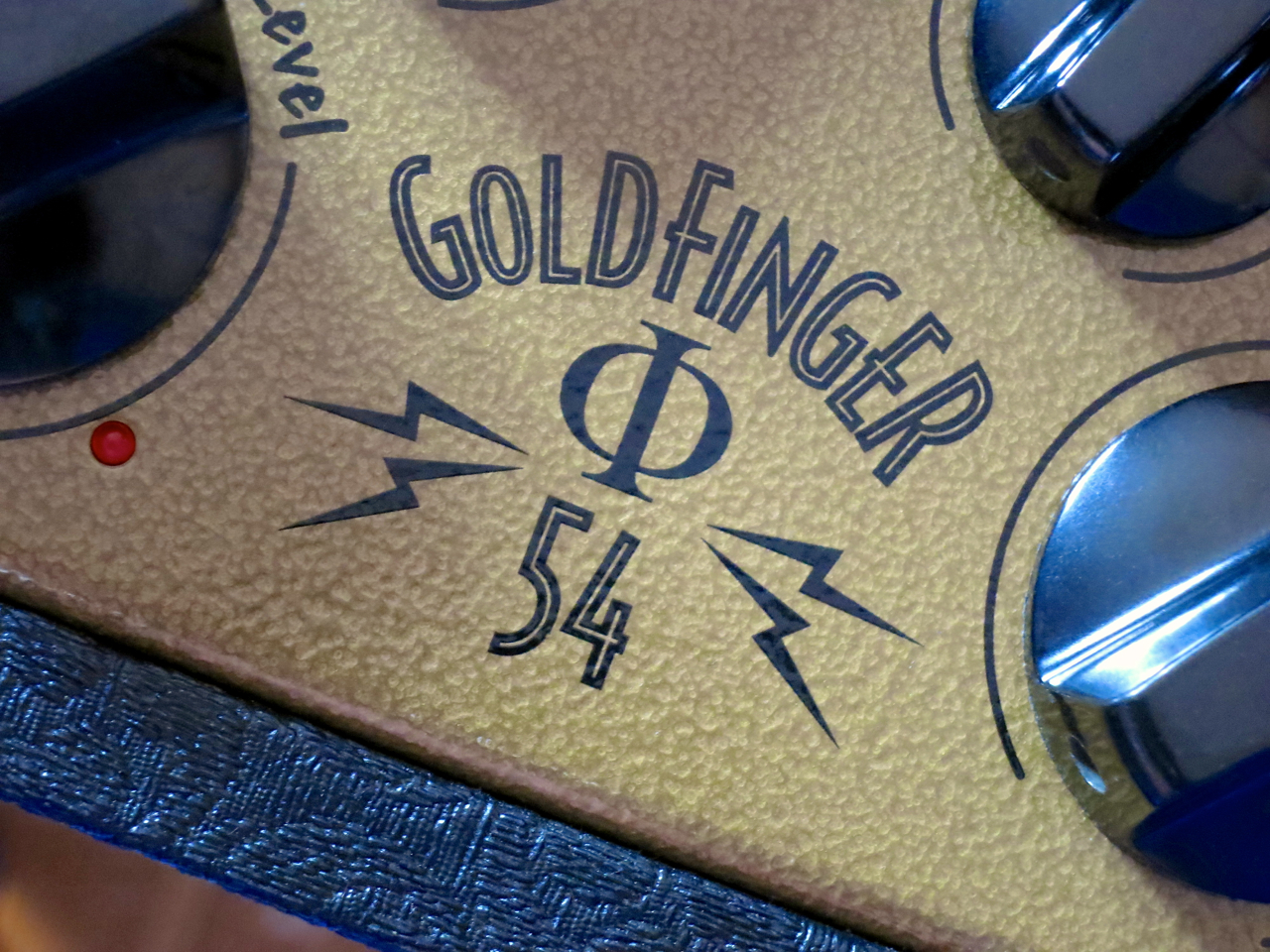
Bogner Goldfinger Phi 54 – control panel logo

Bogner Amplificationin Goldfinger-vahvistinperhe on hiljattain kasvanut. Kaksikanavaisen Goldfinger 45 -vahvistimen lisäksi on nyt saatavilla yksikanavainen herkkupala nimeltään Goldfinger 54 Phi.

****

Bogner Goldfinger Phi 54 – full front

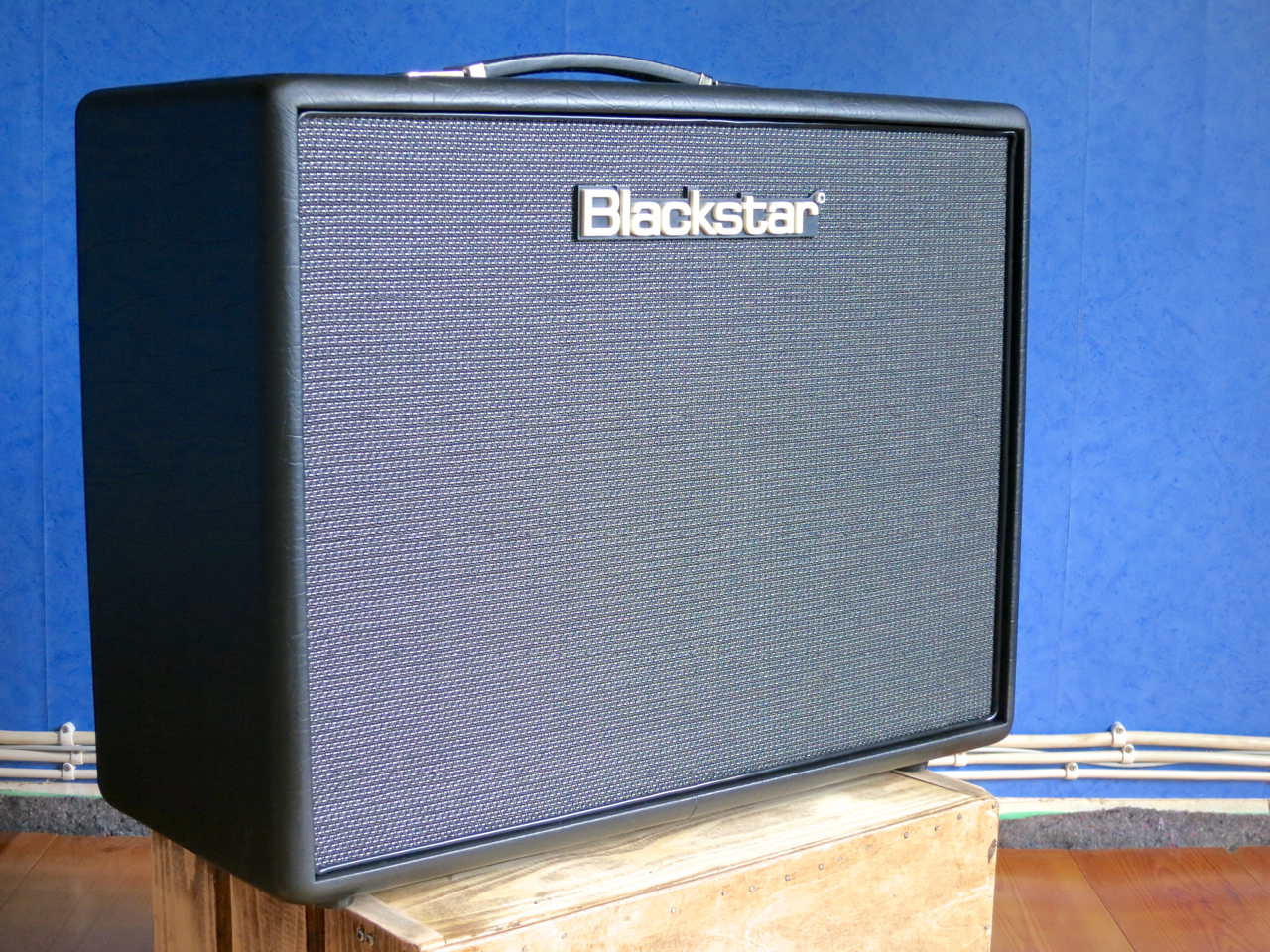
Bogner Goldfinger 54 Phi -kombon (3.091 €) idea on ollut kehittää mahdollisimman monipuolinen yksikanavainen putkivahvistin.

54 Phi:n lähtökohtana on toiminut Goldfinger 45:n puhdas Alpha-kanava. Uutuusmallin pääpaino on juuri puhtaissa soundeissa, sillä 54 Phi on tarkoitettu paljon efektipedaaleja käyttävän kitaristin unelmakoneeksi.

Bogner Goldfinger Phi 54 – full back

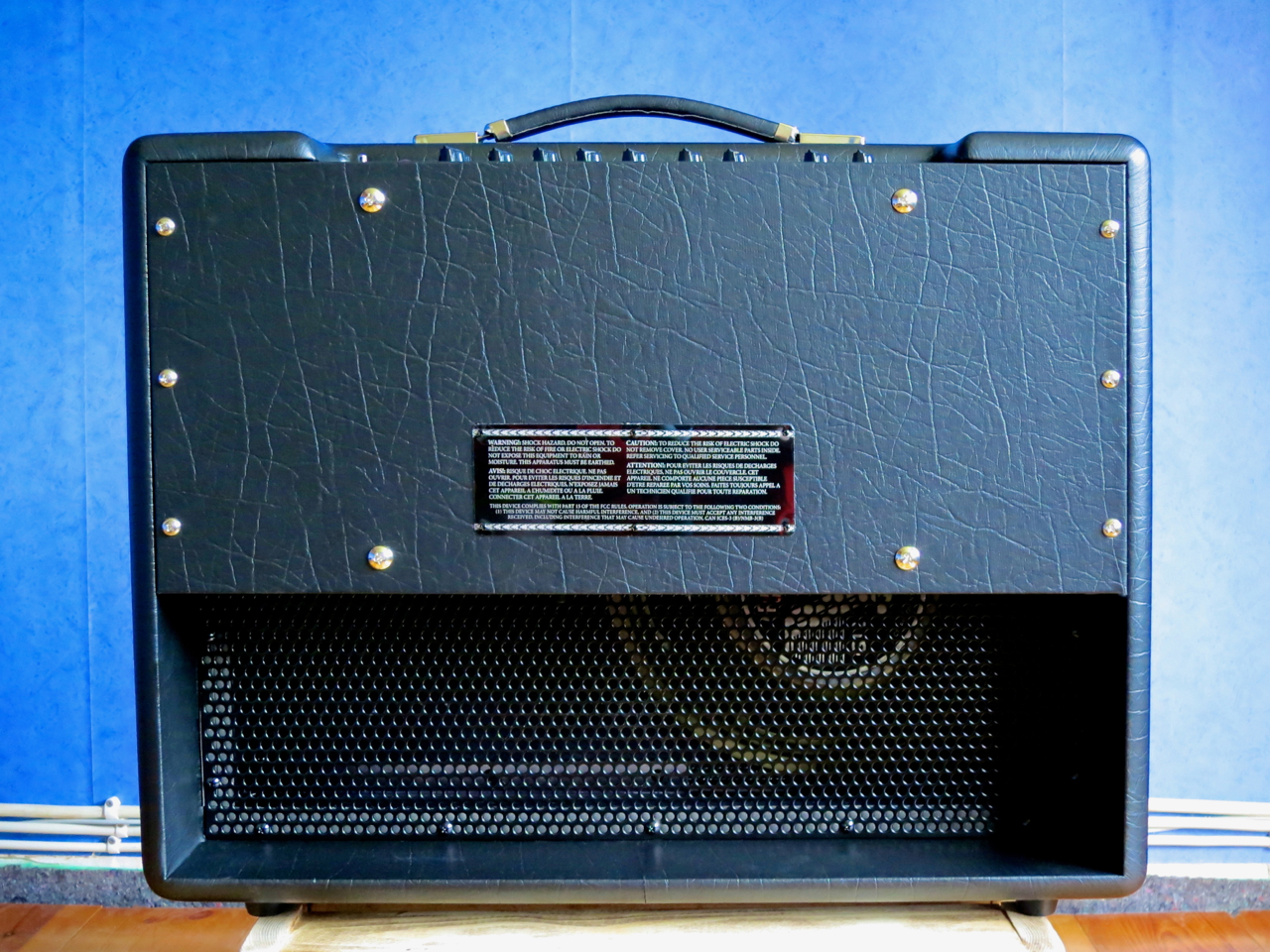
Goldfinger 54:n komboversio (54 Phi on saatavilla myös nuppina) painaa noin 26 kiloa.

Vahvistimen kotelo valmistetaan mäntyvanerista ja sen takaseinä on avoin.

Bogner Goldfinger Phi 54 – Celestion G12

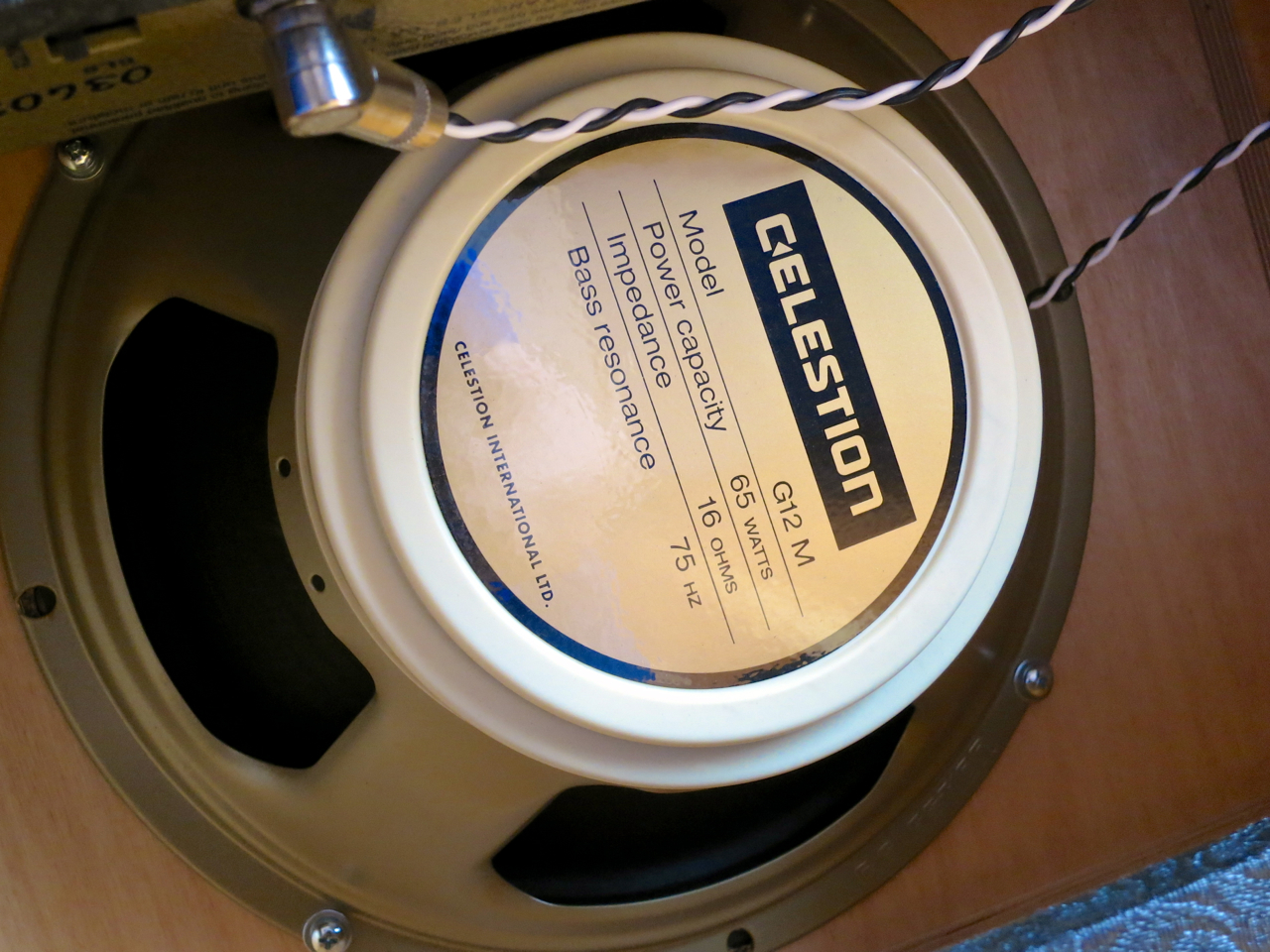
Uuden kultasormen kaiuttimiksi on valittu Celestionin G12M-65 Creamback -malli, jossa nykyaikainen tehonkesto yhdistyy klassiseen Greenback-soundiin.

Bogner Goldfinger Phi 54 – footswitch

GF 54 Phi:n mukana tuleva kytkinlauta, jossa on neljä kytkintä, antaa jo ensimmäisen vihjeen uutuus-Bognerin ominaisuuksista.

****

Bogner Goldfinger Phi 54 – control panel

Goldfinger Phi pyrkii siihen, että jokainen kitaristi löytää kombosta juuri sen haluamansa soundin tarjoamalla runsaasti mahdollisuuksia muokkaukseen. Kombon monipuolisuuden vuoksi kannattaa tutustua 54:n ominaisuuksiin perusteellisesti ja rauhassa.

Oikeasti soundien maistamista pitäisi aloittaa tässä Bognerissa takapaneelista! GF 54 Phi:ssä on nimittäin hieman epätavallinen päätevahvistin, jossa toimii kahdet, kytkettävissä olevat putkiparit – 6V6 ja 6L6. Etupaneelista taas löytyy Hi/Low-kytkin, jolla päätevahvistimen tehoa voi puolittaa kytkemällä toisen kummankin putkiparin putkista pois päältä. Näin vahvistimen tehoa voi muokata kuudessa askeleessa yhdeksänwattisesta (6V6, Low) 66-wattiseksi (6L6+6V6, Hi).

Pääteputkien valinnat eivät kuitenkaan ulota ainoastaan Goldfingerin päätetehoon, vaan koko kombon käyttäytyminen muuttuu, etenkin puhtaan headroomin ja päätevahvistimen kompression (engl. sag) suhteen. Tämän perustan päälle rakennetaan sitten oma soundimaailma etupaneelissa olevien säätimien ja kytkimien avulla.

Gain-säädin on etuvahvistusta varten ja Loudness on Bognerin nimi master-volyymille. Säädettävä Boost-vahvistus ja kiinteä Solo-buusteri toimivat molemmat etuvahvistimessa, mutta niiden tarkka sijainti signaaliketjussa on eri. Boost vaikuttaa signaaliin jopa ennen Gain-säädintä, mikä tarkoittaa että sillä voi myös saada tarvittaessa särösoundeja aikaiseksi, kun taas Solo sijaitsee etuvahvistimen loppupuolella.

GF 54 Phi:ssa on tarjolla peräti kaksi eri EQ-vaihtoehtoa – Bognerin nykyaikaisen tone-stäkin sijaan voi nimittäin myös valita hieman erikoisen Baxandall EQ:n. Se oli alun perin taajuuskorjain Hifi-laitteille, joka oli kuitenkin käytössä myös joissain 1950- ja 60-luvun vahvistimissa. Bax EQ:n valinta laskee toimintaperiaatteensa vuoksi hieman etuvahvistimen signaalitasoa.

EQ-osastoa täydentävät erillinen Presence-säädin, sekä kaksi Expand-kytkintä, joista yksi lisää signaaliin diskanttia ja toinen bassoa.

Joillekin putkipuristeille tulee varmaan yllätykseksi, että Reinhold Bogner on päättänyt käyttää 54 Phi:ssä digikaikua. Mies on kuitenkin sitä mieltä, että hänen käyttämä kaikumoduuli kuulostaa selvästi paremmalta kuin GF:een menevä jousikaikutankki. 54-kombon kaikusoundissa on lisämausteena kevyt chorus-tyylinen huojunta, joka pitää lopputuloksen mukavasti elävänä.

Bogner Goldfinger Phi 54 – back panel

Olen sanonut sen ennenkin, mutta pidän takapaneelin sijaintia Bogner-komboissa hieman epäkäytännöllisenä. Lattiaa kohti osoittavien kytkimien ja liittimien takia kitaristin täytyy maata selällään, jos haluaa nähdä mitä hän juuri tekee.

Takapaneelinkin tarjoamat ominaisuudet kielivät joka tapauksessa siitä, että Bogner Goldfinger 54 Phi on aito pro-luokan putkikombo.

****

Bogner Goldfinger Phi 54 – teaser 2

Uutuus-Bogner kävi testissä vain viikonlopun yli, minkä takia audiodemojen tekoon käytettävissä oleva aika oli tällä kertaa hyvin rajallinen. Ehdin kuitenkin äänittää kaksi, tyyliltään hyvin erilaisia demobiisiä.

Ensimmäisessä biisissä 54 Phi -kombo oli 9 Watts -moodissa, jolloin Goldfingeria sai humbuckereilla säröön vielä olohuone-volyymillä. Soolokitarana toimii Gibson Les Paul Junior (kitaran tone-potikka oli säädetty hieman alas), kun taas takaperin soivat kitaralinjat on soitettu Gibson Melody Maker SG -mallilla sisään (molemmissa biiseissä kitaramikkinä toimii Shure SM57):

Toisessa demobiisissä Bogner oli ns. täysillä (66 W) ja sen eteen oli kytketty Boss SD-1 -särö ja Joyo JF-37 -chorus. Kaikki kitararaidat on soitettu Flaxwood MTQ Hybrid -kitaralla, joka on kaulahumbuckerilla varustettu Tele-tyylinen soitin (testi tulossa):

****

Bogner Goldfinger Phi 54 – front angle

Bognerin Goldfinger 54 Phi todistaa hyvinkin vakuuttavasti, kuinka monipuolinen ja moniulotteinen erittäin laadukkaasti toteutettu yksikanavainen putkikombo voi olla.

Tällä soundiesteetikon unelmakoneella voi luoda omalle kitarasoundille vankan perustan, riippumatta siitä tuleeko se oma soundi pelkästään sormilta vai onko käytössä hyvin varustettu pedaalilauta.

Bogner Goldfinger Phi 54 – logo

****

Bogner Goldfinger Phi 54

3.091 €

Lisätiedot: Musamaailma

Plussat:

+ työnjälki

+ monipuolinen etuvahvistin

+ säädettävä pääteteho

+ soundi

Testipenkissä: Vox AV15

Vox AV15 – logo

Vox Amplificationin upouusi AV-sarja koostuu kolmesta edullisesta kombovahvistimesta kitaralle. Lähtötehonsa mukaan nimetyt Vox AV15-, AV30- ja AV60 -vahvistimet ovat mallintavia putkihybridejä, jotka yhdistävät puolijohde- ja putkielektroniikan parhaimpia puolia.

****

****

Vox AV15 – front view new

Kitarablogi sai testiin Vox AV15 -kombon (arvioitu katuhinta noin 269 €), joka on AV-perheen kuopus.

AV15 on mukavan kompakti kokonaisuus (korkeus: 37 cm, leveys: 45 cm, syvyys: 23 cm), ja se painaa vain hieman alle kahdeksan kiloa.

AV15 cabinet construction

Vahvistinkotelon (= kaiutinkaapin) rakenne on selvästi ottanut inspiraatiota hifi-kaapeista. Tavallisesti kitarakaappi antaa oman lisämausteensa lopulliselle kitarasoundille, mutta AV-sarjan kaltaisissa mallintavissa vahvistimissa refleksikaapin lineaarisempi taajuusvaste auttaa useiden eri soundien jäljittämisessä.

Vox AV15 – back angle

Vox AV15 – back panel

Vox AV15:n takaseinästä löytyy ainoastaan virtaliitin kombon mukana tulevalle ulkoiselle virtalähteelle (12 V DC).

****

Vox AV15 – control panel 2 LRG

Preamp Circuit -kytkimellä saa valittua yhden Vox-kombon kahdeksasta vahvistinmallista. Tarjolla on riittävästi vaihtoehtoja Fender Twin -tyylisestä cleanista, sekä Vox- ja Marshall-mallinnuksien kautta jopa Rectifier-tyyliseen High Gain -meininkiin.

Vahvistinsoundien maustamiseksi tämä Voxi tarjoaa kolmikaistaisen EQ-osaston, sekä kolme efektiä (chorus, viive, kaiku). Kaikkia kolmea efektiä voi käyttää samanaikaisesti. Jokaisessa efektissä pystyy säätämään efektitason lisäksi vielä toisen parametrin (pitämällä efektinappia alas painettuna, samalla kun kääntää Effects-säädintä) – vatkaamisnopeutta choruksessa, viiveaikaa delayssä, sekä kaiun pituutta reverbissä. AV-kombon efektit ovat muuten vahvistimen ainoat digitaalisesti toteutetut osat, Voxin muu signaalitie – mallinnusta myöten – on täysin analoginen.

Tässä kolme lyhyttä pätkää efektiosaston soundeista (Gibson Les Paul Junior, Shure SM57):

CHORUS (ja pieni annos kaikua)

DELAY

REVERB

Hieman epätavallisesti löytyy AV15-kombosta jopa kolme eri ”volyymi-säädintä”, joiden toiminta vaikuttaa soundiin eri lailla:

Gain-säätimellä säädetään tulosignaalin tasoa, ennen kun signaali menee etuvahvistimen putkiasteelle. Pienillä Gain-asetuksilla soundi pysyy puhtaana, kun taas isommat Gain-asetukset tuovat signaaliin rosoisuutta ja/tai (vahvistinmallista riippuen) selkeätä etuastesäröä. Kombon Volume-säätimen rooli taas on säätää etuvahvistimesta tulevan signaalin tasoa juuri ennen päätevahvistimen putkiastetta. Pienillä Volume-asetuksilla signaali pysyy puhtaampana ja dynaamisempana, kun taas isot Volume-asetukset lisäävät signaaliin hieman kompressiota ja päätevahvistimen saturaatiota (= säröä). Power Level -nupilla sitten säädetään kuinka kovalla kitarasoittosi kuuluu kaiuttimen (tai kuulokkeiden) kautta.

Vox AV15 – tube and switches LRG

Vaikka AV30:ssä ja AV60:ssä on kahdet putket – yksi etu- ja toinen päätevahvistimelle – Vox AV15 tulee toimeen vain yhdellä putkella, joka toimii sekä etu- että päätevahvistimessa. Tämän mahdollistaa perinteikkään 12AX7-putken nerokas rakenne, joka tarjoaa kaksi erillistä triodia samassa kuoressa, minkä ansiosta tätä putkityyppiä voi ja saa splitata.

Valve Stage -osio tarjoaa neljä liukukytkintä, joilla voi vaikuttaa suoraan putkiasteiden toimintaan ja soundiin:

Etuvahvistimelle (Pre Amp) löytyy sekä Bright-kytkin diskantin lisäämiseksi että Fat-kytkin, jolla bassontoistoa saadaan muhkeammaksi.

Päätevahvistimen (Power Amp) kytkimillä on vielä suurempi vaikutus vahvistimen soundiin ja ”tuntumaan”. Bias- ja Reactor-kytkimillä valitaan kuinka ”kuumana” päätevahvistimen putkipuolikas toimii ja miten dynaamisesti päätevahvistin reagoi etuvahvistimesta tulevaan signaaliin.

Tässä kaksi ääniesimerkkiä – clean ja crunch – joissa aloitetaan kaikilla kytkimillä vasemmassa asennossa, ja jossa laitan sitten kytkimet peräkkäin (aloitan Bright-kytkimestä) oikeaan asentoon (Gibson Les Paul Junior, Shure SM57):

Vox AV15 – front angle 2

****

Vox AV15 – front angle 3

Snobismi näyttää olevan tällä hetkellä muodissa – on viinisnobismi, on vinyylisnobismi, on putkisnobismi.

Mutta kun ollaan ihan rehellisiä olen ihan varma, että moni meistä ”vanhoista pieruista” olisi ollut enemmän kuin onnellinen, jos hänellä olisi ollut aloittelijana 1970-/80-luvun taitteessa ollut näin hieno vekotin kuin Vox AV15! AV15 on nimittäin hyvin monipuolinen – ja todella hyvällä soundillaan vakuuttava – hybridikombo erittäin soittajaystävällisellä hinnalla.

Vox AV15 on kunnon vahvistin kunnon soundilla, eikä muovinen lelu, joka lannistaisi kitarauntuvikon heti alkumetreillä. Varttuneellekin soittajalle AV-sarjalaiset voivat olla järkevä hankinta olohuonekomboksi tai backstage-lämmittelyyn, ja myös kotistudiossa AV15-kombosta on paljon iloa (kuten demobiiseissä kuulee).

BLUES-demo

Komppikitarat: Fender Telecaster (vasen kanava) ja Epiphone Casino (oikea kanava)

Soolokitara: Fender Stratocaster

ROCK-demo

Komppikitarat: Fender Telecaster (vasen kanava) ja Gibson Les Paul Junior (oikea kanava)

Soolokitara: Gibson Melody Maker SG

METAL-demo

Komppikitarat: Gibson Melody Maker SG (vasen kanava) ja Fender Stratocaster (oikea kanava)

Soolokitara: Hamer USA Studio Custom

****

Vox AV15 – front angle 4

Minun mielestäni Vox Amplificationin AV-uutuussarja on oiva valinta esimerkiksi omaksi harjoitusvahvistimeksi, opetuskäyttöön tai vaikkapa bändikerholaisille. Edullinen Vox AV15 on helppo käyttää ja se kuulostaa mielestäni todella hyvältä.

****

Vox AV15

Arvioitu katuhinta noin 269 €

Maahantuoja: EM Nordic

Suuri kiitos DLX Musiikille testikombon lainaamisesta!

Plussat:

+ kompakti

+ kevyt

+ monipuolinen

+ Valve Stage -osio

+ soundi

+ hinta-laatu-suhde

Review: Tanglewood Sundance Historic TW40O-AN-E + TW40D-AN-E

Tanglewood TW40O + TW40D – ad

This review could also carry the headline: ”Tanglewood brings vintage to the masses”. Tanglewood’s Sundance Historic guitars have been designed to give you plenty of that ”pre-war” charm at very player-friendly prices. Take the two models on review, for example, which have price tags well below 700 Euros, despite even coming with on-board Fishman pickups and preamps!

The TW40O-AN-E and the TW40D-AN-E are both quite reminiscent of certain legendary Martin-models from the 1930s and 40s.

****

Tanglewood TW40O-AN-E – full front

The Tanglewood TW40O–AN-E (current price in Finland 673 €) is the Sundance Historic series’ version of a Martin OM-18 model – the first Martin steel-string acoustic to feature a neck joint at the 14th fret when it was introduced in the Thirties.

Tanglewood TW40D-AN-E – full front

Tanglewood’s TW40D-AN-E (673 €) is a tip of the hat to Martin’s D-18, which is the most copied, most referenced steel-string of all time. Even Gibson went out and bought a Martin in 1960, so they could use it to reverse engineer their own Hummingbird and Dove models.

Both of these models can also be had without the pickup system for 598 Euros each.

Tanglewood TW40O-AN-E – back beauty

The necks of the TW40O and the TW40D have been built in the traditional fashion employed on classical guitars:

The neck is a one-piece mahogany affair – headstock and all – save for a separate, glued-on neck heel.

Tanglewood TW40D-AN-E – body beauty 2

The bodies are crafted using solid spruce tops and laminated mahogany rims and backs.

The ”AN” in the model designation hints at the beautiful Antique Natural finish of these Historic Series instruments.

Tanglewood TW40D-AN-E – headstock

The nut is genuine bovine bone.

Tanglewood TW40O-AN-E – tuners

The machine heads are very decent copies of 1930s open-geared Grovers. They do a great job of keeping the tuning stable, but their action is a little bit stiffer than what you’re used to with modern die-cast tuners.

Tanglewood TW40O-AN-E – fretboard

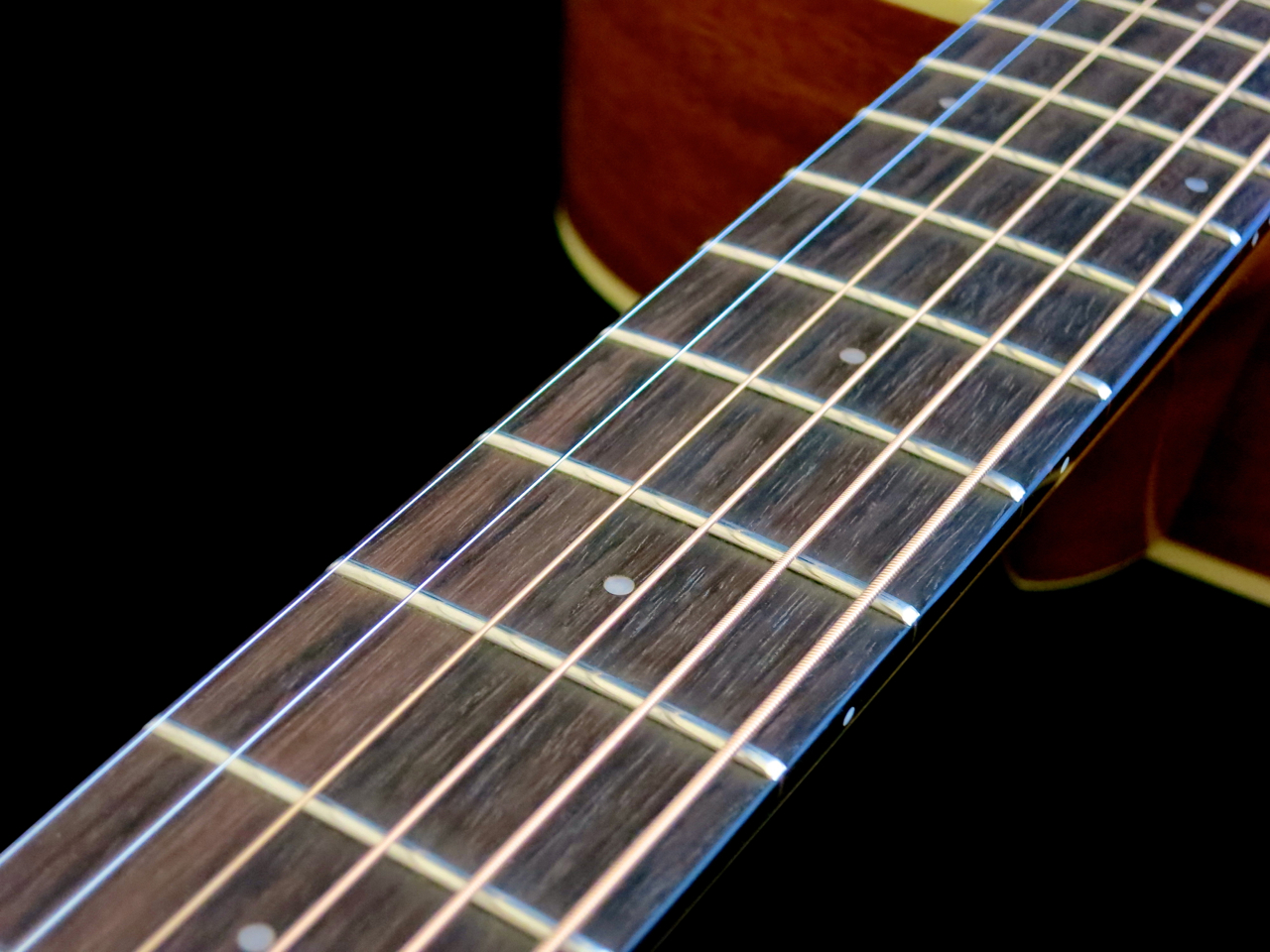
The slender and small frets fit the vintage brief of the TW40O and TW40D to a tee.

Tanglewood TW40O-AN-E – bridge

Here’s a good example of how different two pieces of rosewood can look:

The reviewed TW40O-AN-E’s bridge is a nicely-grained light example…

Tanglewood TW40D-AN-E – bridge

…while the dreadnought carries a much darker counterpart.

The compensated bridge saddle is genuine bone on both instruments.

Tanglewood TW40O-AN-E – Fishman Sonitone

Both Sundance Historics have been equipped with a Fishman Sonitone pickup and preamp.

The piezo transducer sits beneath the bridge saddle and feeds its signal to the preamp – featuring master volume and master tone controls – that has been glued to the underside of the soundhole’s bass side edge. The Sonitone is powered by a 9 V battery, which is stowed away in its own pouch that is velcro’d to the neck block. The downside is that changing the battery is a much more involved affair than with a quick change battery compartment, but the advantage of this Fishman system is that it doesn’t spoil the guitar’s looks.

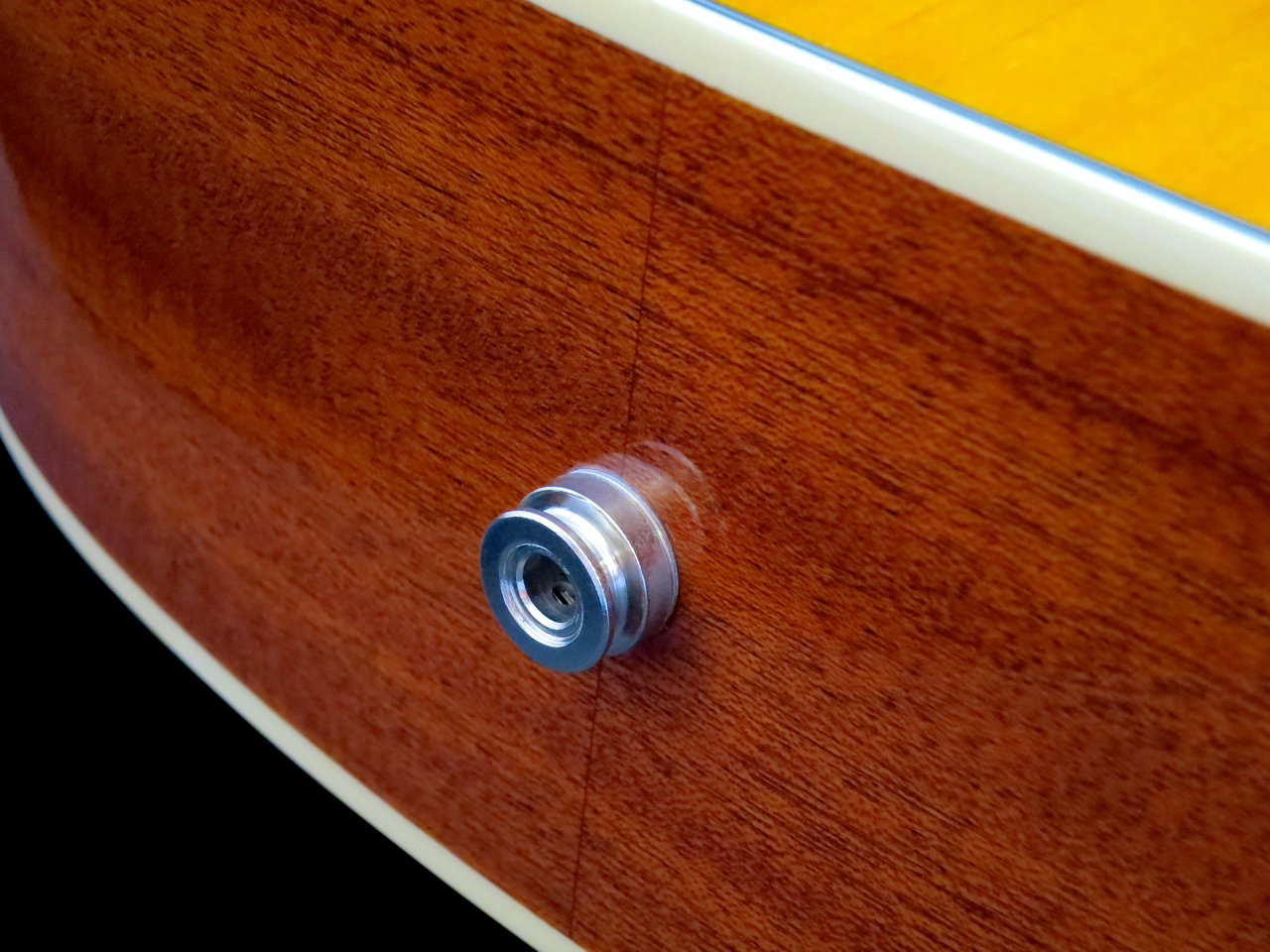
Tanglewood TW40O-AN-E – output

Both Tanglewoods sport an end pin output jack.

****

Tanglewood TW40O-AN-E – body beauty 2

The care that has quite obviously gone into building these two Tanglewood Sundance Historic guitars really puts a smile on your face. The workmanship is clean and precise, and both instruments look more expensive than they really are.

Even though both guitars are from the 500-800 Euro price bracket, Tanglewood have gone the extra mile to match the wood grain on the sides of both guitars. The tops of the shoulders look bookmatched.

The vintage brief extends to more than simple cosmetics on the TW40O-AN-E:

Vintage OM-guitars (OM stands for Orchestra Model) are known for their slightly wider necks with soft V-profiles. You will also often find a slightly wider string spacing at the bridge, which makes fingerstyle playing much easier.

Tanglewood has used these vintage specifications for their Sundance Historic OM:

The neck has a very nice, soft V-profile, with a width at the top nut of 46 mm. The low E to top e spacing at the bridge is a very comfy 58 mm, which is good news for fingerpickers, working equally well with a plectrum.

The TW40O plays like a dream with a nice set-up on our review sample (string height at the 12th fret: bass-E – 2.1 mm/treble-e – 1.9 mm).

There a lot of debate about the pros and cons of solid backs in acoustic guitars. Some claim that a solid back is almost as important as a solid top in a steel-string acoustic, while others point to the use of laminated backs in the legendary Selmer-Maccaferri guitars (and newer exponents of the Gypsy Jazz genre) or to the great sound of arched-back vintage Guilds.

My own position in this debate is that most (but not all) guitars with laminated backs a bit quieter and drier-sounding than their all-solid brethren. Nevertheless, I feel that a solid top and an overall well-crafted instrument are much more important to the sound as a whole.

An OM-sized steel-string will have a ”sweeter”, less bass-heavy tone than a Dreadnought of similar build, which is due in large part to its smaller and differently-shaped body.

Tanglewood’s TW40O has the trademark OM-sound – the guitar’s voice is open and well-balanced, with a projection akin to that of a Dreadnought, and it is very easy to record and place in a mix.

These two clips have been recorded with a pair of Shure SM57 microphones:

Fishman’s Sonitone system is a decent and easy-to-use choice to amplify your guitar on stage with the least amount of hassle:

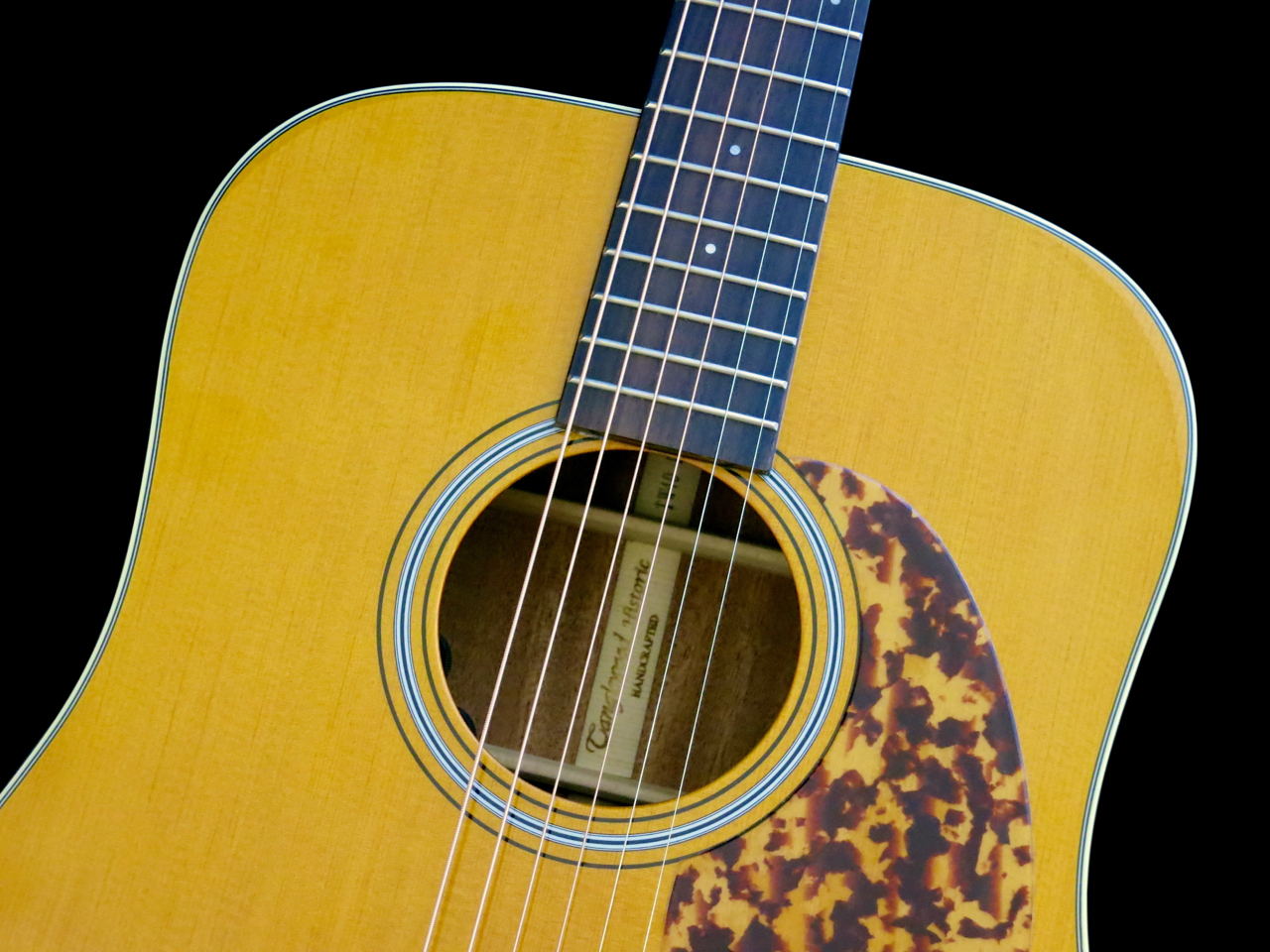
Tanglewood TW40O-AN-E – soundhole rosette

****

Tanglewood TW40D-AN-E – body beauty 1

The original aims in designing the Dreadnought were the need for more volume and a fatter bass register. At first Martin’s D-models were aimed squarely at the ”singing cowboys”, which were so popular in the US in the 1930s and 40s. These musicians, such as Gene Autry or Hank Williams, needed loud guitars that would build a strong foundation for their vocals. This is what started the phenomenal success of the D-model, making it fairly ubiquitous in most genres of music.

Tanglewood’s TW40D-AN-E is a well-made homage to a 1930s-style D-18, both in terms of looks and sound.

The TW40D’s neck is virtually identical to the one on the TW40O – a nice soft-V affair, which is slightly wider and bigger than the neck on many contemporary steel-strings.

The craftsmanship displayed on this D is of the same high standard as on the reviewed OM, really leaving nothing to be desired in terms of the TW40D’s playability and set-up (bass-E: 2.2 mm/top-e: 1.7 mm).

We all know how a Dreadnought should sound: a big bottom end, coupled with a warm mid-range and chiming treble.

The Tanglewood TW40D doesn’t disappoint:

Fishman’s Sonitone system also works very well in the context of the TW40D-AN-E-model:

Tanglewood TW40D-AN-E – soundhole rosette 2

****

Tanglewood TW40O-AN-E – beauty shot 1

In my opinion Tanglewood’s TW40O-AN-E and TW40D-AN-E really do offer something special in their price range:

Here we have a pair of steel-string acoustics at player-friendly prices, which take the terms ”vintage” and ”historic” above and beyond mere cosmetics. Thanks to the ”vintage correct” neck dimensions and neck profiles of these two instruments, and the wider string spacing, genuinely vintage-feeling guitars become available without custom shop price tags.

These are well-made, great-sounding guitars. Too bad I have to give them back…

Tanglewood TW40D-AN-E – beauty shot 1

****

Tanglewood Sundance Historic

TW40O-AN-E – 673 €

TW40D-AN-E – 673 €

Finnish distributor: Musamaailma

****
Pros:

+ value-for-money

+ workmanship

+ authentic neck profile

+ playability

+ Fishman pickup and preamp

+ sound

Testipenkissä: Tanglewood Sundance Historic TW40O-AN-E + TW40D-AN-E

Tanglewood TW40O + TW40D – ad

Tämän jutun otsikko voisi myös olla: ”Tanglewood tuo vintagea kaikkien soittajien ulottuville”. Sundance Historic -kitaroissa on nimittäin paljon vanhan ajan hohtoa, vaikka niiden hinnat pysyvät – jopa mikitettyinä – selvästi alle 700 euroa!

Kitarablogi sai testiin kaksi soitinta – TW40O-AN-E ja TW40D-AN-E – jotka muistuttavat erehdyttävästi kahta legendaarista Martin-mallia.

****

Tanglewood TW40O-AN-E – full front

Tanglewood TW40O–AN-E (673 €) on Sundance Historic -sarjan kunnianosoitus Martin OM-18 -kitaralle, joka oli 1930-luvulla ensimmäinen teräskielinen, jolla oli kaulaliitos 14. nauhan kohdalla.

Tanglewood TW40D-AN-E – full front

Tanglewood TW40D-AN-E (673 €) on saman sarjan versio Martin D-18 -mallista, joka on kopioiduin teräskielinen akustinen kautta aikojen – jopa Gibsonin Hummingbird- ja Dove-mallit kopioitiin suoraan musiikkiliikkeestä ostetulta Martin-kitaralta!

Molemmat Tanglewoodit saa myös ilman mikitystä 598 eurolla.

Tanglewood TW40O-AN-E – back beauty

TW40O:ssa ja TW40D:ssä on espanjalaisessa tyylissä rakennettu kaula, mikä tarkoittaa että kaula ja viritinlapa ovat yhdestä mahonkipalasta veistettyjä, vaan kaulakorko on lisätty jälkikäteen.

Tanglewood TW40D-AN-E – body beauty 2

Kaikukoppa taas on tehty kokopuisesta kuusikannesta ja mahonkivanerisista sivuista ja pohjasta.

Mallitunnuksen kirjainyhdistelmä ”AN” viitaa Historic-mallien kauniiseen, kellertävään ja kiiltävään viimeistelyyn (Antique Natural).

Tanglewood TW40D-AN-E – headstock

Näissä Tanglewoodeissa yläsatula on aitoa luuta.

Tanglewood TW40O-AN-E – tuners

Virittimet ovat 1930-luvun Grover-koneistojen kopioita, jotka pitävät vireen todella hyvin, mutta ovat käytössä hieman nykyaikaisia virittimiä jäykempiä.

Tanglewood TW40O-AN-E – fretboard

Myös TW40O:n ja TW40D:n sirot nauhat sopivat näiden soittimien vintage-tunnelmaan täydellisesti.

Tanglewood TW40O-AN-E – bridge

Hyvä esimerkki ruusupuun ulkonäön vaihtelevuudesta:

Tässä testissä käyneen TW40O-AN-E:n vaaleampi talla…

Tanglewood TW40D-AN-E – bridge

…ja tässä D-mallin tummempi vastine.

Molemmissa kompensoitu tallaluu on aitoa luuta.

Tanglewood TW40O-AN-E – Fishman Sonitone

Testatuissa Sundance Historic -soittimissa on helppokäyttöinen Fishman Sonitone -mikitys.

Pietsomikki on sijoitettu tallaluun alle, kun taas etuvahvistin säätimineen (volume ja tone) on liimattu ääniaukon yläreunan alle. Yhdeksän voltin paristo istuu omassa kotelossa, joka on kiinnitetty kaulablokkiin. Pariston vaihtaminen ääniaukon kautta on hieman hankalampi kuin kopan reunan läpi kiinnitetyissä paristolokeroissa, mutta isona etuna tässä on koko systeemin näkymättömyys.

Tanglewood TW40O-AN-E – output

Lähtöjakki on molemmissa malleissa yhdistetty hihnatappiin.

****

Tanglewood TW40O-AN-E – body beauty 2

On todella ilahduttavaa nähdä kuinka huolellisesti nämä kaksi Tanglewood Sundance Historic -kitaraa on tehty. Työnjälki on erittäin siisti ja viimeistely laadukas ja kaunis.

Vaikka näissä kahdessa soittimessa on kyse 500-800 euron hintaluokan teräskielisistä Tanglewoodeista, on molemmissa testikitaroissa sivujen syykuviot sovitettu yhteen, että sivujen ”hartiat” näyttävät bookmatch-peilikuvilta!

Vintage-motto ulottuu TW40O-AN-E:ssä huomattavasti pidemmälle kuin pelkästään kosmetiikkaan:

Vanhat OM-kitarat (Orchestra Model) tunnetaan siitä, että niissä on aavistuksen leveämpi, pehmeästi V-muotoinen kaulaprofiili. Myös kielten keskeinen etäisyys tallan kohdalla on usein pikkuisen isompi kuin monissa nykyaikaisissa soittimissa, mikä tekee sormisoitosta mukavamman.

Tanglewood on käyttänyt tähän Sundance Historic -malliin juuri näitä ”oikeita” vanhoja mittoja. Kaulaprofiili on pehmeä V, ja kaulan leveys on satulan kohdalla 46 mm. E-kielten etäisyys tallassa taas on ilmavat 58 milliä – kitara siis tarjoaa mukavasti tilaa sormisoitolle, mutta myös plektran käyttö onnistuu ongelmitta.

TW40O:n soitettavuus on ensiluokkaista, ja kitara saapui testiin loistavassa trimmissä (kielten korkeus 12. nauhan kohdalla: basso-E – 2,1 mm/diskantti-e – 1,9 mm).

Kitarapiireissä keskustelu täyspuisen pohjan tärkeydestä teräskielisen kitaran sointiin käy edelleen kuumana. Joidenkin mielestä kokopuinen pohja on lähes yhtä tärkeä kuin täyspuinen kansi, toiset taas viittaavat erittäin laadukkaisiin Selmer-Maccaferri-kitaroihin (Gypsy Jazz -kitarat) tai vanhoihin Guild-soittimiin, joissa on vaneripohja.

Oma näkemykseni tähän kiistakysymykseen on, että vanerista tehty pohja on usein (mutta ei aina) aavistuksen verran hiljaisempi ja soundiltaan hivenen verran kuivempi kuin kokopuinen vastine. Pidän kuitenkin teräskielisen kitaran yleissoundin kannalta huomattavasti tärkeämpänä, että kansi on täyspuinen ja että soittimen koko rakenne on laadukas ja terve.

OM-kokoisen teräskielisen pääerot dreadnoughtiin nähden ovat sen pienempi koppa ja OM-kitaran siistimpi bassorekisteri, joka tekee soittimesta erittäin helpon äänittää.

Tanglewood TW40O:lla on malliesimerkki OM-soundista – kitaran ääni on avoin, sen projektio lähes D-mallin luokkaa, ja se istuu äänitettynä erittäin nätisti miksauksissa.

Nämä kaksi esimerkkiä on äänitetty Shure SM57 -mikrofoneilla:

Fishman Sonitone -pietsojärjestelmä on hyvä ja helppokäyttöinen valinta, josta lähtee hyvin terve pietsosoundi livekäyttöä varten:

Tanglewood TW40O-AN-E – soundhole rosette

****

Tanglewood TW40D-AN-E – body beauty 1

Alkuperäisen dreadnought-kitaran lähtökohdat olivat volyymi ja reilunkokoinen bassorekisteri. Alkuperäinen kohderyhmä olivat 1930- ja 40-luvulla Yhdysvalloissa hyvin suositut ”laulavat lehmipojat”, kuten Gene Autry tai Hank Williams, jotka tarvitsivat live-esiintymisiään varten kitaroita, joissa oli potkua plektrasoitossa. Tästä alkoi D-mallien voittokulku joka kasvoi yhä vain voimakkaammaksi, kun Folk-laulajatkin löysivät tiehensä tähän isompaan vaihtoehtoon.

Tanglewoodin TW40D-AN-E on laadukas kunniaosoitus 1930-luvun D-18:lle, sekä ulkonäön että soitettavuuden kannalta.

TW40D:n kaula on käytännössä täysin identtinen TW40O:n kaulaan – kaulaprofiili on erittäin mukava pehmeä V, ja koko kaula on hieman leveämpi kuin monissa nykykitaroissa.

Testikitaran työnjälki on samalla korkealla tasolla kuin Historic-sarjan OM-mallissakin, eikä TW40D:n soitettavuudessa todellakaan löydy mitään moitittavaa (matala-E: 2,2 mm/diskantti-e: 1,7 mm).

Dreadnought-kitaran soundi on varmaan kaikille tuttu: iso basso, lämmin keskirekisteri ja helisevä diskantti – ja kaikki hyvällä potkulla höystettynä.
TW40D on todella hyvä esimerkki tästä soundista:

Fishmanin Sonitone -mikkisysteemi toimii sulavassa yhteistyössä myös TW40D-AN-E-mallissa:

Tanglewood TW40D-AN-E – soundhole rosette 2

****

Tanglewood TW40O-AN-E – beauty shot 1

TW40O-AN-E:n ja TW40D-AN-E:n myötä Tanglewood tarjoaa tässä hintasegmentissä todella harvinaista herkkua:

Tässä ovat kaksi teräskielistä akustista kitaraa soittajaystävällisillä hinnoilla, joissa käsitteet ”vintage” ja ”historic” ulottuvat todellakin pintaa syvemmälle. Erittäin mukavan kaulaprofiilin ja leveämmän kieltenvälisen etäisyyden ansiosta, myös meillä rivisoittajilla on nyt varaa kokea aidon vintagen-soittotuntuma.

Tärkein on kuitenkin näiden soittimien soundi, joka vakuutti ainakin minut täysin.

Tanglewood TW40D-AN-E – beauty shot 1

****

Tanglewood Sundance Historic -kitarat

TW40O-AN-E – 673 €

TW40D-AN-E – 673 €

Maahantuoja: Musamaailma

****
Plussat:

+ hinta-laatu-suhde

+ työnjälki

+ autenttinen kaulaprofiili

+ soitettavuus

+ Fishman-mikkisysteemi

+ soundi

Review: Gretsch Streamliner G2420T Hollow Body

Gretsch Streamliner G2420T – label

Gretsch Guitars’ brand new Streamliner series offers access to the legendary brand name at a very affordable price point.

At the moment, the new range includes three different guitar models:

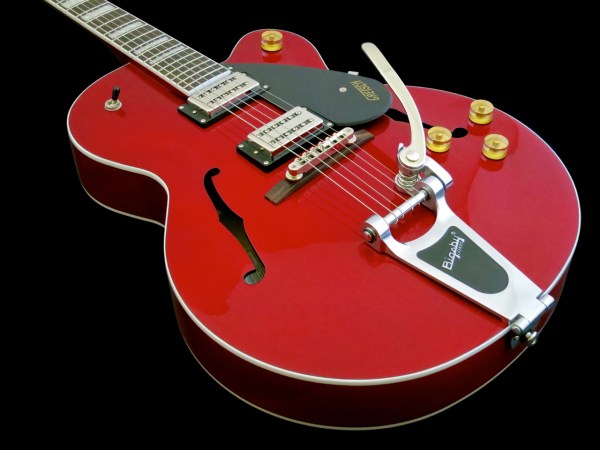
The G2622 Streamliner Center Block (also available left handed) is a centre block-equipped version of a Sixties double cutaway Country Gentleman, while the G2655 Streamliner Center Block offers you similar looks in a more compact package. The G2420 Streamliner Hollow Body, for its part, is a full-blown, big-bodied archtop guitar in a similar vein to Gretsch’s legendary 6120.

All three guitars are also available as T-versions with a Bigsby Lightning Series vibrato. The Streamliner Series is handmade in Indonesia.

****

Gretsch Streamliner G2420T – full front from PS LRG

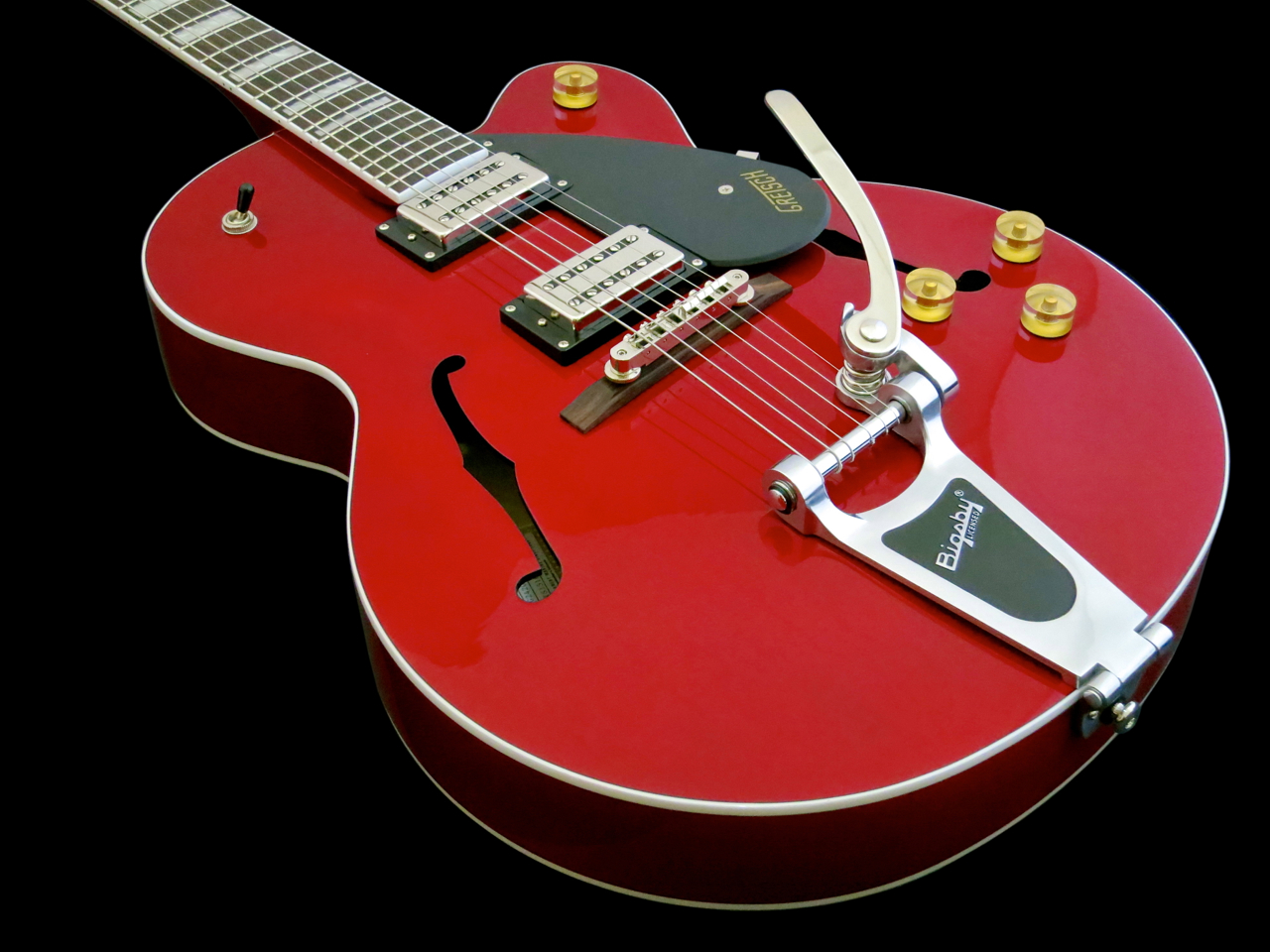
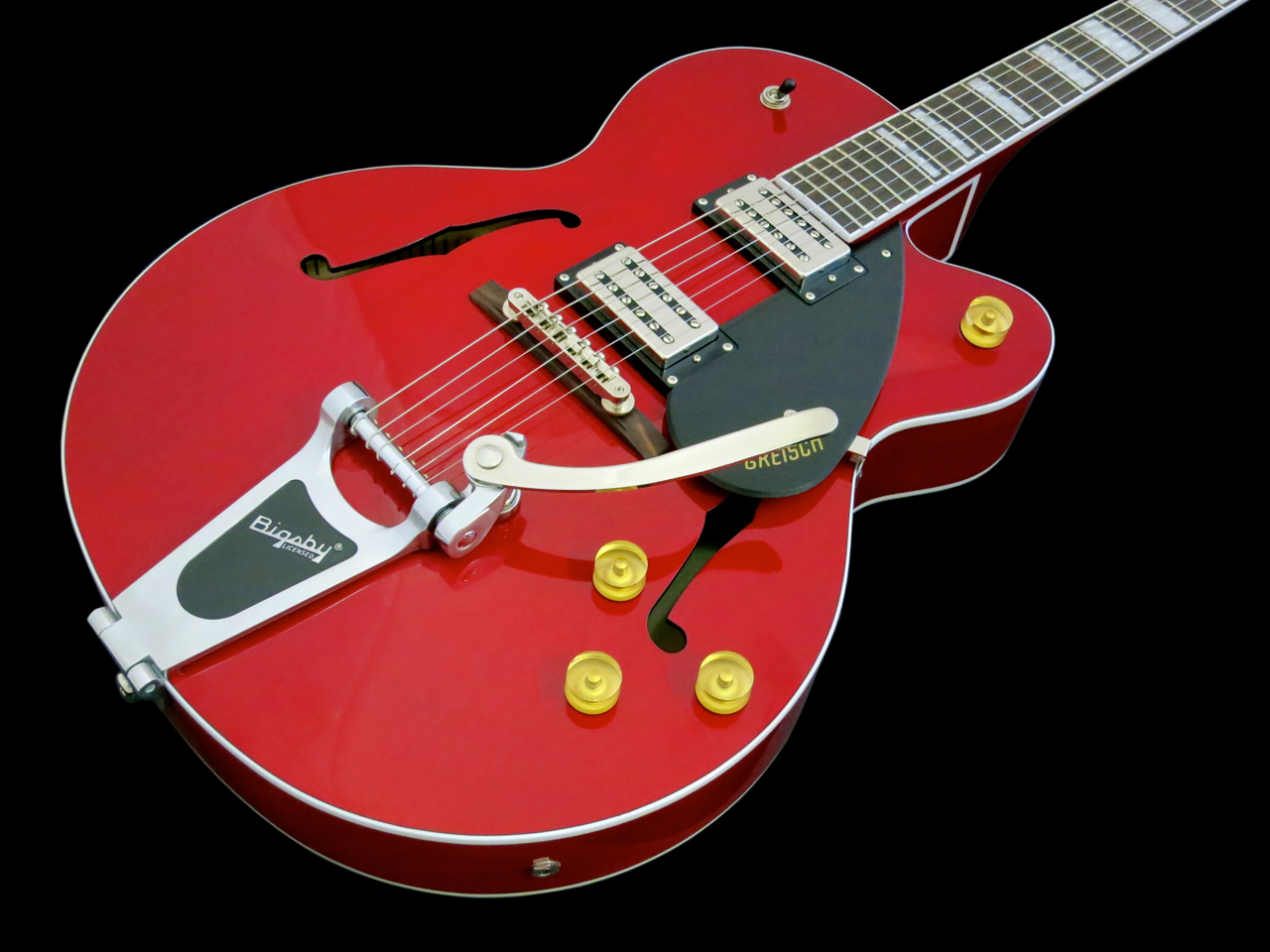
The Gretsch Streamliner G2420T Hollow Body (street price in Finland approx. 560 €) is a very foxy looking guitar, despite its quite affordable pedigree.

The G2420T can be had in see-though red or gold metallic, while the standard model (equipped with a lyre-style tailpiece) comes in brown sunburst only.

Gretsch Streamliner G2420T – back beauty

The G2420T’s full-depth body is made from steam-pressed laminated maple. The top is stiffened by Gretsch’s traditional parallel bracing.

The nato (an Asian wood species somewhat similar to mahogany) neck is glued into the body.

Gretsch Streamliner G2420T – headstock

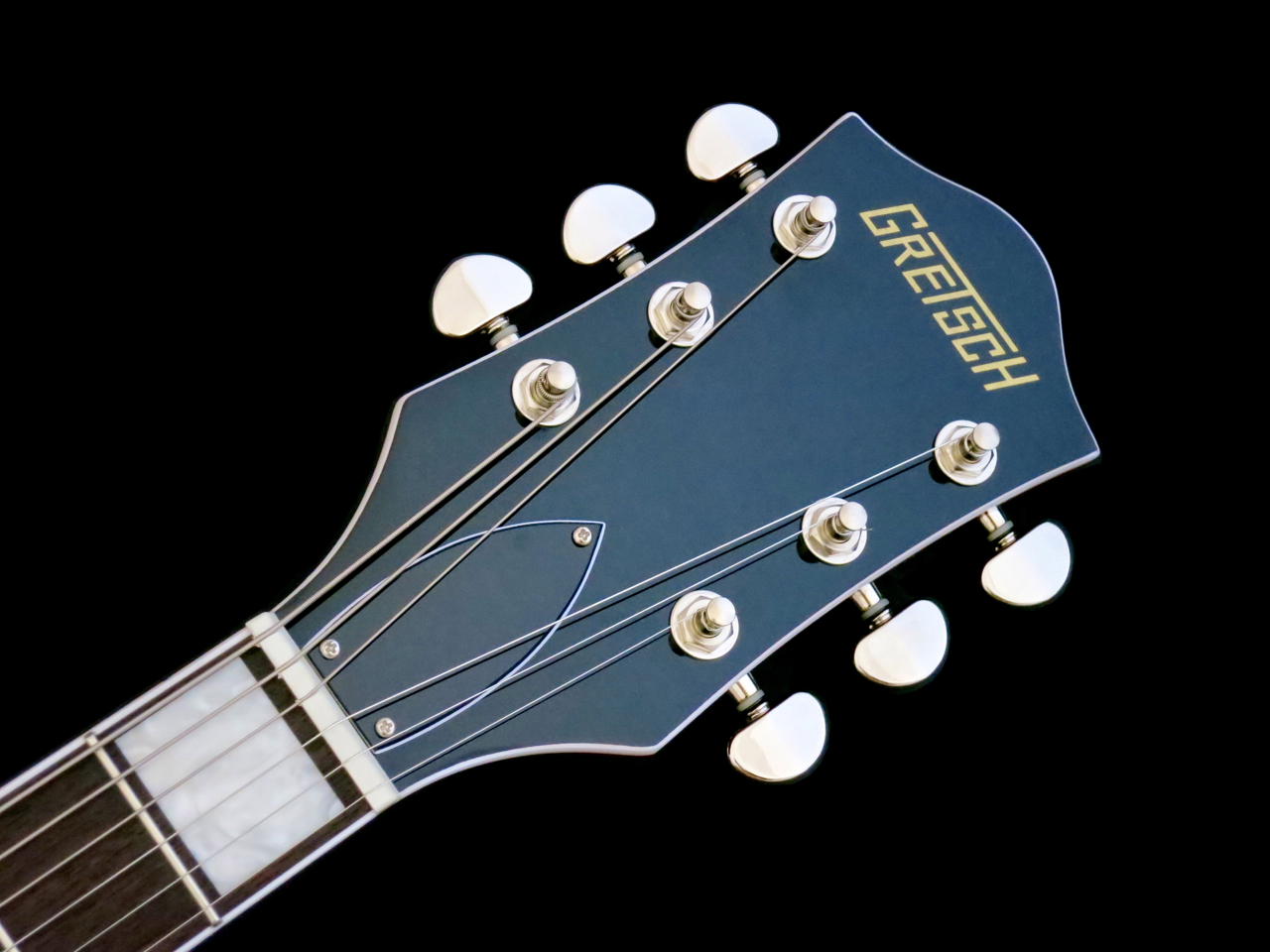
There’s plenty of binding on the Streamliner Hollow Body – in addition to the multiple binding on the body the guitar also sports a bound fretboard and even a bound headstock.

Gretsch Streamliner G2420T – tuners

This Gretsch comes equipped with a very decent set of sealed tuning machines.

Gretsch Streamliner G2420T – fretboard

The vintage-sized frets have been neatly seated. The G2420T features large rectangular position markers made from pearloid.

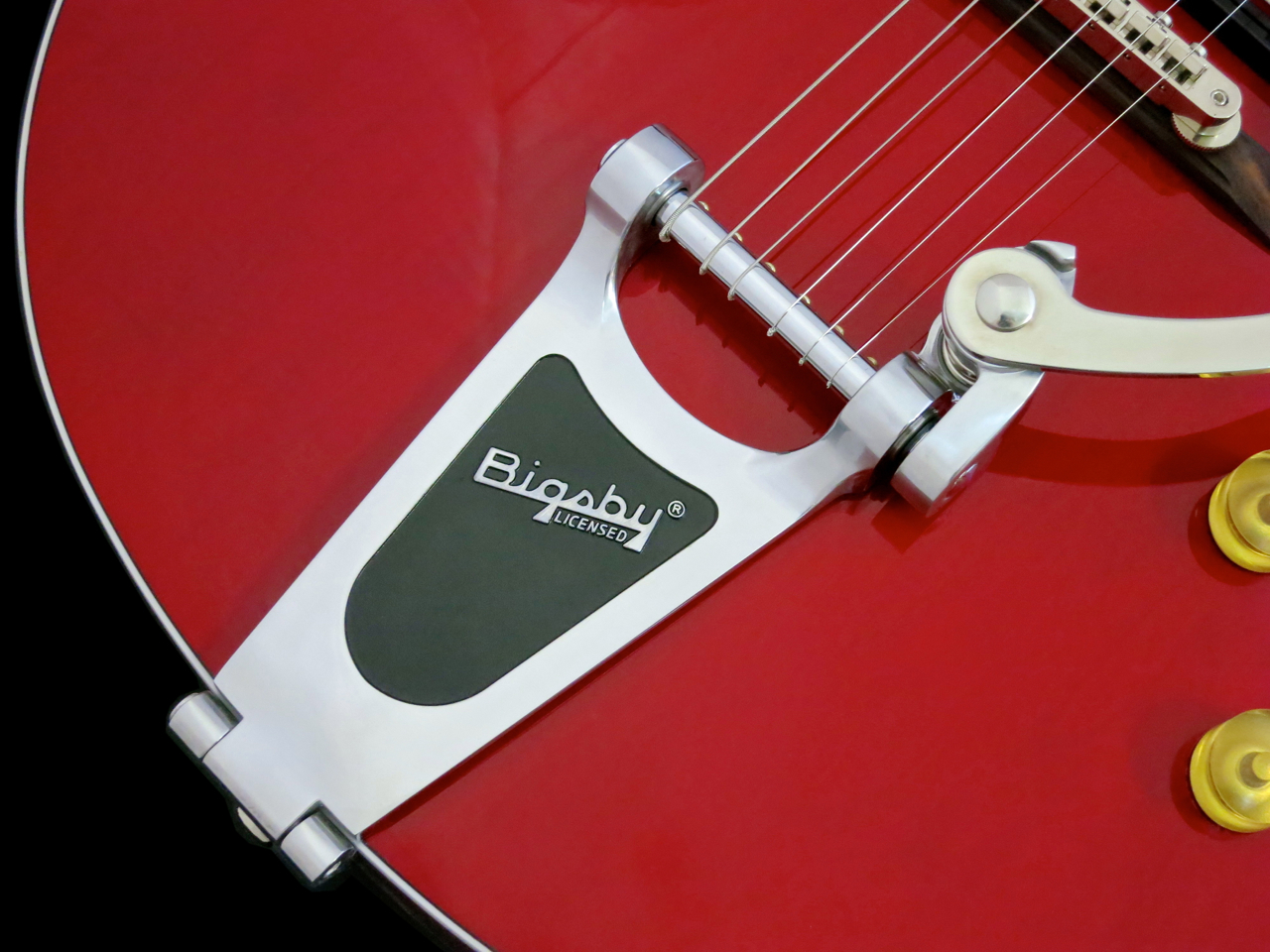
Gretsch Streamliner G2420T – Bigsby B60

Bigsby’s mid-priced Lightning Series vibratos are produced in the Far East to exacting standards. The Bigsby B60 has been specifically designed for use with large-bodied archtops, such as the Gretsch G2420T.

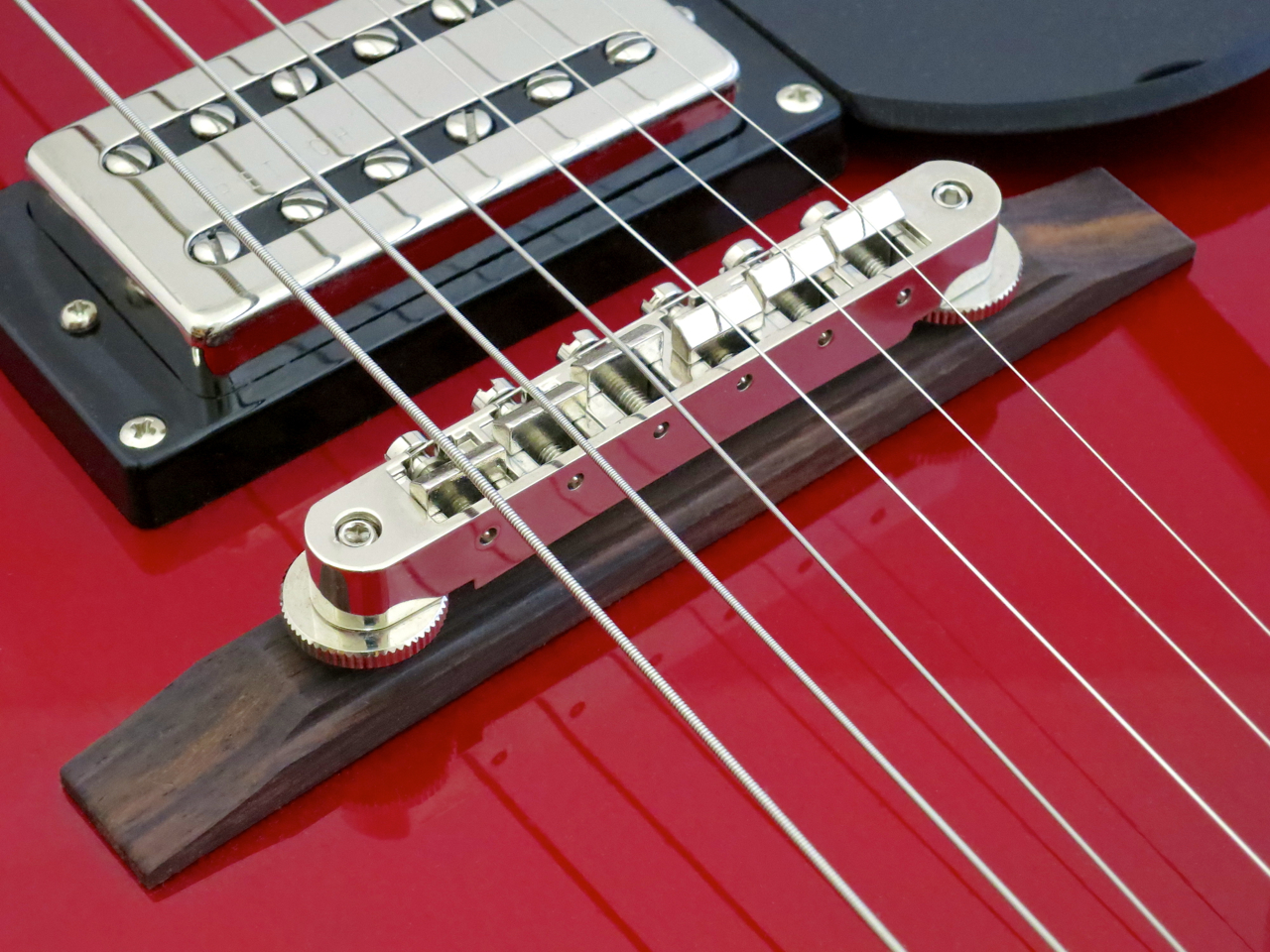
Gretsch Streamliner G2420T – Adjustomatic bridge

This Streamliner’s Adjusto-matic bridge may seem to be held in place simply by string pressure, but there’s more to the bridge than meets the eye. The rosewood base is ”secured”, which means reverse pinned. The bridge posts continue all the way through the rosewood base and into two holes in the guitar’s top, which keeps the whole bridge in the correct place.

Gretsch Streamliner G2420T – Broad'Tron pickups

The biggest difference between the Streamliner G2420T and similar models in Gretsch’s Electromatic- and Pro-ranges can be found in the new guitar’s pickups:

Depending on the ”era”, or an artists wishes, a Pro Series Model G6120 will either come with a pair of DeArmond single coils, Gretsch’s own Filter’Tron humbuckers or similar TV Jones pickups. Recent Electromatic G5420’s are now equipped with Gretsch’s new Black Top Filter’Trons, which are licensed Far Eastern copies of the original pickups.

All new Streamliners sport a pair of Broad’Tron pickups. Broad’Trons are full-sized humbuckers designed to offer a tone somewhere in-between the twang and bite of Filter’Trons and the lush warmth of PAF-style ’buckers.

Gretsch Streamliner G2420T – controls

The controls on the G2420T are pure Gretsch:

Below the f-hole you will find separate volume knobs for each pickup, as well as a joint master tone control. An additional master volume control is placed next to the cutaway.

****

Gretsch Streamliner G2420T – body beauty 2

Let me start this section by stressing how well-made this budget-Gretsch really is! The review sample wasn’t a ”review instrument”, breathed on by distributors Fender Scandinavia, instead I took the guitar straight off the wall at a local music shop (DLX Music).

The Gretsch G2420T Streamliner Hollow Body is a very cleanly put together archtop electric, and I genuinely couldn’t find anything to criticise (especially when considering the instruments pocket-friendly price). The very nice fretwork on the Streamliner is a definite plus when it comes to this guitar’s comfortable playability.

Officially Gretsch call this neck profile a ”Thin U”, but I would describe it as a very comfy D shape with a slightly flattened back.

The Bigsby B60 is buttery and doesn’t throw the Hollow Body out of tune too much, if used sensibly (a word of advice: if you’re very sensitive when it comes tuning stability, a Bigsby probably isn’t right for you). Because a Bigsby B6/B60 makes do without the additional roller of other Bigsby models, this vibrato is more sensitive and immediate in use (which is a good thing in my view). You get the all the Bigsby shine and shimmer with less ”work”.

Played acoustically, the Streamliner Hollow Body sounds just like the laminated-body archtop it is – open and dry with a strong focus on mid-range frequencies.

I feel that Gretsch’s plan of taking its new Streamliners closer towards the mainstream really seems to hit the mark. The Broad’Trons may not give you the traditional clucky, chicken picking, bright and sparkly sound of a set of Filter’Trons, but there’s still enough presence and treble left in the new pickups’ tone for a gretsch-y sound.

Thanks to the new pickups’ broader tone the Gretsch G2420T also works well for Jazz, apart from the usual Country and Rock (-abilly) genres. This clip starts with the neck pickup:

The Streamliner Hollow Body also sounds great with a light amount of crunch. There’s a nice balance between the low end and the treble in the G2420T’s sound, coupled with the dry delivery so typical of big box archtops.

You should be aware, though, that high gain settings and/or very high volume levels will result in howling feedback sooner or later. This isn’t really a fault, but rather a normal feature of this type of instrument, and the Streamliner Hollow Body isn’t any more ”problematic” than other guitars of this type.

This sound clip, too, has been recorded with Blackstar HT-1R valve combo:

Here’s the demo track off the Youtube video, whose guitar tracks were recorded using Apple Garageband’s own amp plug-ins. The lead guitar uses the bridge pickup, while the rhythm parts have been recorded using both pickups (left channel) and the neck pickup (right channel), respectively:

Gretsch Streamliner G2420T – body beauty 1c

****

Gretsch Streamliner G2420T – beauty shot

In my opinion the Gretsch Streamliner G2420T Hollow Body is one of the best full-size archtops in this price range – possibly even the best! This is a surprisingly well-made instrument that punches far above its ”weight”.

If you’re looking for the ”genuine Gretsch Sound”, warts-and-all, I would point you to the (much pricier) Electromatic Series and its Filter’Tron pickups.

One of the Streamliner Series’ main objectives, though, is to broaden and widen the appeal of these guitars, and take the Gretsch name closer to the mainstream. I feel Gretsch have succeeded very well in this endeavour!

****

Gretsch Streamliner G2420T Hollow Body

street price 560 €

Contact: Gretsch Guitars

A very warm ”thank you” to the guys at DLX Music Helsinki for supplying the review guitar!

Pros:

+ value for money

+ workmanship

+ fretwork

+ secured bridge

+ Bigsby works great

+ sound

Testipenkissä: Gretsch Streamliner G2420T Hollow Body

Gretsch Streamliner G2420T – label

Gretsch Guitarsin Streamliner-uutuussarja tuo legendaarisen valmistajan kitaroita uuteen, edullisempaan hintaluokkaan.

Tällä hetkellä uuteen sarjaan kuuluvat kolme mallia:

G2622 Streamliner Center Block (saatavilla myös vasenkätisenä) on keskipalkilla varustettu versio 1960-luvun Country Gentleman -kitarasta, ja G2655 Streamliner Center Block on nykyaikainen malli pienemmällä puoliakustisella rungolla. G2420 Streamliner Hollow Body taas on legendaarisen Gretsch 6120:n edullinen painos, ja juuri sellaisen Kitarablogi sai testiin.

Kaikki kolme mallia on saatavilla myös T-versiona Lightning-sarjan Bigsby-vibratolla varustettuina. Streamliner-sarja rakennetaan käsityönä Indonesiassa.

****

Gretsch Streamliner G2420T – full front from PS LRG

Gretsch Streamliner G2420T Hollow Body -malli (katuhinta noin 560 €) on edullisesta hinnastaan huolimatta todella komea ilmestys.

G2420:n T-versiota saa punaisena tai kultaisena, kun taas lyyra-muotoisella kieltenpitimellä varustettua perusmallia tarjotaan ruskealla liukuvärityksellä.

Gretsch Streamliner G2420T – back beauty

G2420T:n täysikokoinen runko valmistetaan kokonaan muotoon prässätystä vaahteravanerista. Kannen alta löytyy – Gretschin tapaan – kaksi pitkittäissuunnassa kulkevaa rimaa.

Nato-puusta veistetty kaula on liitetty runkoon liimaamalla.

Gretsch Streamliner G2420T – headstock

Rungon ja otelaudan lisäksi myös Streamliner Hollow Bodyn tyylikäs viritinlapa on reunalistoitettu.

Gretsch Streamliner G2420T – tuners

Uutuus-Gretschin virittimet ovat sulavasti toimivaa nykyaikaista sorttia.

Gretsch Streamliner G2420T – fretboard

G2420T:n vintage-tyyliset nauhat on asennettu hyvin siististi soittimen palisanteriotelautaan. Isot suorakulmiot helmiäismuovista toimivat otemerkkeinä.

Gretsch Streamliner G2420T – Bigsby B60

Bigsbyn laadukkaat Lightning-sarjan vibratot valmistetaan kauko-idässä. Bigsby B60 on tarkoitettu nimenomaan tällaiseen isokoppaiseen orkesterikitaraan kuin Gretsch G2420T:hen.

Gretsch Streamliner G2420T – Adjustomatic bridge

Streamlinerin Adjusto-matic-talla näyttää vapaasti seisovalta, mutta se on ylhäältä päin varmistettu luistamista vastaan. Tallan kahdet kierretangot jatkavat tallan ruusupuujalan läpi, ja nämä ”tapit” sitten istuvat niille tarkoitetuissa pienissä rei’issä kannessa.

Gretsch Streamliner G2420T – Broad'Tron pickups

Suurin ero Streamliner G2420T:n ja muiden vastaavien mallien Gretschin Electromatic- ja Pro-sarjojen välillä löytyy mikrofonivarustuksesta:

Pro-sarjan G6120-kitaroissa käytetään – aikakauden tai artistin toiveiden mukaisesti – joko DeArmond-yksikelaisia, Gretschin omia Filter’Tron-humbuckereita tai TV Jonesin vastaavia mikkejä. Electromatic G5420 -malleihin asennetaan nykyään Gretschin uudet Black Top Filter’Tronit, jotka ovat kauko-idässä tehtyjä lisenssikopioita firman alkuperäisistä mikrofoneista.

Kaikissa Streamliner-soittimissa taas käytetään Broad’Tron-nimisiä, täysikokoisia humbuckereita. Broad’Troneille luvataan sellaista soundia, joka on perinteisen Filter’Tron-purevuuden ja -twangin ja PAF-tyylisten humbuckerien täyteläisyyden välimaastossa.

Gretsch Streamliner G2420T – controls

G2420T:n kytkentä on ehtaa Gretschiä:

F-aukon läheltä löytyy kummallekin mikrofonille oma volyymisäädin, sekä yhteinen master tone, kun taas soololoven vierestä löytyy vielä erillinen master volume.

****

Gretsch Streamliner G2420T – body beauty 2

Heti aluksi minun täytyy korostaa kuinka korkealla tasolla tämän testikitaran työnjälki on, eikä tässä ole kyse Fender Scandinavian lähettämästä ”tuunatusta testikitarasta”, vaan soitin on poimittu suoraan DLX Musiikin seinältä mukaan testiin!

Gretsch G2420T Streamliner Hollow Body on erittäin siististi rakennettu orkesterikitara, enkä ole löytänyt mitään mikä olisi pistänyt ikävästi silmään. Testikitaran laadukas nauhatyö saa tältä testaajalta vielä erityisen kiitoksen – kitaran soitettavuus on erinomainen, eikä mikään rämise.

Tämän Gretschin kaulaprofiili on mukava D-muoto aavistuksen verran laakealla selkäpuolella.

Bigsby B60 toimii mukavan jouhevasti ja vire säilyy ns. ”järkevässä” käytössä yllättävän hyvin (huom: Bigsby ei oikein sovi kultakorville). Koska B6/B60-vibratolla (samoin kuin lyhyemmällä B3/B30-mallilla) ei ole muiden Bigsby-mallien lisärulla, toimii tämä vibrato (hyvällä tavalla) herkemmin ja suoremmin. Bigsbyn hohtoa saa näin esiin vähemmällä ”työllä”.

Streamliner Hollow Body -mallin akustinen soundi on hyvä tyyppiesimerkki vanerikoppaisesta orkesterikitarasta – avoin, kuiva ja hieman keskialuevoittoinen.
Gretschin suunnitelma viedä Streamliner-mallit niiden Broad’Tron-mikrofonien avulla hieman lähemmäksi valtavirtaa on – ainakin minun omasta mielestäni – onnistunut varsin hyvin. On totta, ettei uusista mikeistä lähde läheskään niin kirkas, pureva ja naksahteleva soundi kuin perinteisistä Filter’Troneista, mutta Broad’Tron-humbuckereissa on kuitenkin onnistuttu säilyttämään riittävästi ylipäätä Gretsch-vivahteiseen soundiin.

Leveämmän perussoundinsa ansiosta Gretschin G2420T sopii Countryn ja varhaisen Rockin ohella myös todella hyvin Jazziin. Esimerkkipätkä alkaa kaulamikrofonista:

Myös kevyellä säröllä Streamliner Hollow Body kuulostaa mielestäni oikein mainiolta. G2420T:n soundissa bassot ja diskantit ovat hyvässä tasapainossa, ja kitara soi orkesterikitaran tavoin mukavan kuivalla äänellä.

Isoimmilla volyymeillä tällaisen kitaran kanssa alkaa tulla vastaan väistämättä feedback-ongelmia, etenkin särösoundeilla. Mutta tämä ei ole vika, vaan täysakustisen orkesterikitaran ominaisuus, eikä Streamliner Hollow Body ole siinä mielessä ”hankalampi” kuin muut.

Myös tämä pätkä on äänitetty Blackstar HT-1R putkikombolla:

Tässä vielä videon ääniraita, jossa kitararaidat on äänitetty Apple Garagebandin vahvistinplugareilla. Soolokitara käyttää tallamikrofonia, kun taas komppiraidat on soitettu sekä molemmilla mikrofoneilla (vasen kanava) että kaulamikrofonilla (oikea kanava):

Gretsch Streamliner G2420T – body beauty 1c

****

Gretsch Streamliner G2420T – beauty shot

Minun mielestäni Gretsch Streamliner G2420T Hollow Body on yksi parhaimmista orkesterikitaroista tässä hintaluokassa – ehkä jopa se paras. Tämä on yllättävän laadukas soitin, eikä mikään halpakitara.

Jos se ”aito Gretsch-soundi” on hakusessa, Electromatic-sarjan (huomattavasti kalliimpi) G5420T-malli on Filter’Tron-mikrofoniensa ansiosta varmasti se parempi valinta.

Streamliner-sarjan yksi tarkoitus on kuitenkin tarjota sellaisia Gretschejä, joilla on perinteistä laajempi vetovoima ja modernimpi soundi. Ja tässä aikeessa Gretsch on onnistunut erittäin hyvin!

****

Gretsch Streamliner G2420T Hollow Body

katuhinta noin 560 €

Lisätiedot: Gretsch Guitars

Iso kiitos DLX Musiikki Helsingille testikitaran lainaamisesta!

Plussat:

+ hinta-laatu-suhde

+ viimeistely

+ nauhatyö

+ varmistettu talla

+ Bigsbyn toiminta

+ soundi
Review: Fender Jimi Hendrix Stratocaster

Hendrix Ad

Jimi Hendrix’ simply doesn’t seem to wane, even though the genial guitar hero himself died in London in 1970 at 27 years of age. There’s still so much interest in Hendrix’ music that he continues to rank among the top ten of best-earning dead celebrities in Forbes magazine.

The Fender Stratocaster was the master’s favourite instrument, so it’s not really surprising that the man has been honoured with a signature model by Fender last year. This guitar is now also available in Finland.

The new Made-in-Mexico Fender Jimi Hendrix Stratocaster isn’t the first Hendrix model that Fender has released:

In 1980 a small, semiofficial run of Hendrix Strats was made, sporting a white body and a left-handed neck with a large headstock. Fender’s Custom Shop came out with 100 Monterey Stratocasters, which where close copies of the guitar instrument played and burned at the 1967 festival. It was a right-handed Stratocaster with a small headstock and a hand-painted body, set up for left-handed playing. Along with the guitar the Monterey Set also included a flight case and a leather gig bag. In the same year (1997) Fender USA started to produce the Jimi Hendrix Voodoo Strat. The Voodoo Strat was in fact a a left-handed (!) copy of Hendrix’ (right-handed) Woodstock Stratocaster, with the headstock decals turned into mirror images, so that you would look (a bit) like Hendrix, whenever you stepped in front of a mirror.   😀

****

Fender Jimi Hendrix Stratocaster – full front

The brand-new Fender Jimi Hendrix Stratocaster (approx. 950 € in Finland) also has some features resembling the guitar Hendrix used at the Woodstock festival:

The right-handed alder body is finished either in black or in white, while the neck is a large headstock-carrying, left-handed, all-maple affair.

Fender Jimi Hendrix Stratocaster – headstock

The headstock carries the so-called transition logo from the mid-Sixties, which was much larger than the Fifties’ spaghetti logo, but still gold coloured. By the end of the Sixties the logo was changed to black and the model name was written in large, bold lettering – that would be called the the CBS logo.

Modern improvements on the Hendrix Strat include truss rod access from the headstock side, as well as a flatter, more bend-friendly fretboard radius of 9.5 inches.

Fender Jimi Hendrix Stratocaster – tuners

The headstock’s flip side displays Hendrix’ signature, and a very decent set of Kluson copies.

Fender Jimi Hendrix Stratocaster – neck plate

The neck joint has been kept very traditional, but for the Authentic Hendrix-logo on the neck plate.

Fender Jimi Hendrix Stratocaster – pickups

The most important differences between the Hendrix model and a bog standard Strat can be found in the pickup department:

The Mexican signature guitar comes equipped with a pukka set of American Vintage ’65 Gray-Bottom Fender-pickups, which have been installed into this guitar, as if this were a left-handed model turned over. Both the neck and middle pickup have been flipped over by 180 degrees, while the bridge pickup has been flipped over first, before being installed at a reverse angle. Usually the bridge pickup is placed so that its bass side is closer to the neck with the treble side being closer to the bridge. On the Hendrix Strat the bridge pickup’s bass side is closer to the bridge and the treble side closer to the neck.

This reverse installation means that the magnet stagger is ”wrong”, changing slightly the balance between the strings in terms of output. Furthermore, the bridge pickup will give you a slightly changed range of overtones, due to its reverse angle.

We’ll find out in the listening test, whether these changes really make any discernible difference.

Fender Jimi Hendrix Stratocaster – controls

The controls follow the vintage recipe – master volume, neck tone, middle tone – while the pickup selector on the Hendrix model is a modern five-way unit.

The American Vintage ’65 pickup set is true to the original specs and does not feature a reverse-wound/reverse-polarity middle pickup for hum-cancelling in positions two and four, like many updated Strats!

Fender Jimi Hendrix Stratocaster – vibrato

Fender’s vintage vibrato bridge (the ”Sychronized Tremolo”) sports bent steel saddles.

****

Fender Jimi Hendrix Stratocaster – beauty shot 1

Fender Strats are well-known for their excellent ergonomic properties and the Hendrix signature model stays true to this heritage.

Our review instrument was of comfortable moderate weight. The neck’s mid-Sixties C-profile feels great, thanks to not being overly chunky.

The guitar arrived strung with a set of 010s and tuned to E-flat, but the setup wasn’t quite spot-on. The vibrato bridge was tipped a little too steeply, and the intonation was a bit off on the bass strings. But it only took me a couple of minutes (and the correct pair of screwdrivers) to get this Strat shipshape. The result was a great-playing and great-sounding guitar (string height at 12th fret: bottom-E: 2.2 mm/high-e: 1.7 mm).

The flatter-than-vintage fretboard radius really helps to make the Hendrix Strat a very bend-friendly guitar, while also minimising the possibility of fret choke during large-interval bends.

I must admit that I’m not quite sure, whether I really hear much of a difference in the amplified sound of the reversed pickups, though.

Jimi’s guitar tech and effects guru, Roger Mayer, has often stated that Hendrix was satisfied with the sound of his (right-handed) Strats right off the peg. According to Mayer, the only ”customisation” the pair ever did on newly bought guitars, was to take off the neck and remove all possible finish residue inside the neck pockets to improve the stability of the neck joints. Hendrix’ effects, on the other hand, were a regular target for fine-adjustment and electronic customisation.

Anyway, the new Fender Jimi Hendrix signature guitar sounds just like a great Strat should. Here’s a clean clip first:

Here’s an example of the Hendrix Strat’s distorted tone:

I was eager to start recording with the Fender Hendrix model. The first demo track puts the signature Strat into a slightly more contemporary context. The signal chain for this track was: Fender Hendrix Stratocaster –> Electro-Harmonix Germanium 4 Big Muff Pi –> Morley M2 Wah/Volume –> Blackstar HT-1R:

Next I recorded a demo track with a more Hendrix-like arrangement. The signal path was: Hendrix Stratocaster –> Morley M2 Wah/Volume –> Electro-Harmonix Nano Big Muff Pi –> Blackstar HT-1R. The Uni-Vibe style sound at the end of the track was achieved with a phaser plug-in during mixdown:

Fender Jimi Hendrix Stratocaster – back beauty

****

Fender Jimi Hendrix Stratocaster – body beauty 2

Hendrix’ Live Sound

Even though Jimi Hendrix was known for his avant-garde use of effects in the studio – buoyed by the creativity of his sound engineer Eddie Kramer – his signal chain on stage was surprisingly straightforward. Here’s a short and basic rundown of Hendrix’ live rig.

1. Marshall Model 1959 ”Plexi” stack
Jimi Hendrix used what we now call a vintage-type, non-master volume amplifier stack, which wasn’t especially high-gain by today’s standards. Usually Hendrix had two 100 Watt Marshall-stacks running in parallel, which meant things got very loud. His Strats would cause his amp to break up, but the type of distortion was closer to what we’d now call a 60s Blues sound than to 70s Metal, and far removed from the high-gain saturation of our time.

I simulated this type of amp response by turning my Blackstar HT-1R’s gain control up to get the clean channel to overdrive.

2. Dallas-Arbiter Fuzz Face

In my view, the fuzz pedal is the most important ingredient in Jimi’s sound, because it adds a lot of oomph, creamy compression, and aggression to proceedings.

A British importer of musical equipment, a man called Ivor Arbiter, came up with the Fuzz Face in 1966, because he wanted to have a fuzz pedal in his product range. He came up with a chunky package by having the Fuzz Face circuit built into the base of a 60s microphone stand. The round enclosure, coupled with the unit’s two controls and single footswitch, looked like a smiley face, which is where the pedal got its name from.

Fuzz Faces are built by the Jim Dunlop company these days. There are also cheap alternatives available, from companies such as Mooer or Rowin. I’m using an Electro-Harmonix Nano Big Muff Pi for the demo tracks:

3. Vox Wah-Wah

Hendrix generally used his Vox Wah in front of his Fuzz Face, but keeping it behind the fuzz will also result in some cool tones. Great wah-pedals can also be head from Boss, Mission Engineering or Jim Dunlop.

I’ve used my Morley M2 Wah/Volume pedal in front of the Big Muff Pi:

4. Octavia +Uni-Vibe

Roger Mayer’s Octavia-pedal was sometimes used as an additional ingredient in Jimi’s live sound. This strange-sounding effect combines distortion with an artificial upper octave and some slight ring-modulation. Hendrix also used a Uni-Vibe effect, which was one of the first pedals that tried to create a Leslie-like sound in a compact format. 

A genuine Octavia-pedal is only made by Roger Mayer, but Joyo’s inexpensive JF-12 Voodoo Octave stomp box sets you off in a very similar direction.

Korg has introduced the NuVibe, which is a pukka re-imagination of the original Uni-Vibe-pedal. Voodoo Lab’s Micro Vibe is a high-quality proposition at a fair price.

You can also simulate Uni-Vibe-style tones by using a suitable phaser. The Boss PH-3 is a modern and versatile phaser. If you want something even more affordable, you could check out Mooer’s range of effects.

This clip uses a combination of two phaser plug-ins in my audio sequencer:

Fender Jimi Hendrix Stratocaster – body beauty 1

****

Fender Jimi Hendrix Stratocaster – beauty shot 2

If you want to go all the way to ”become Hendrix”, you will need to buy a left-handed Stratocaster and turn it into a right-handed instrument. The result will be authentic, but also much less comfortable than a regular Strat, because the controls are all in the wrong place.

Fender’s new Jimi Hendrix Stratocaster will give you the (very slight) difference a reversed headstock brings to the playing feel, as well as the (very slight) tonal differences of the reversed pickups, while keeping all of the Stratocaster’s great ergonomics intact.

Fender’s Hendrix model is a fine Strat, which you can use for all types of music. Still, it’s the ”Hendrix-thing” this guitar does the best!

If I could only have the maestro’s long fingers and musical imagination…

****

Fender Jimi Hendrix Stratocaster

Price approx. 950 €

Contact: Fender

A big ”thank you” goes to DLX Music Helsinki for the kind loan of the review guitar!

Pros:

+ musician-friendly price tag

+ workmanship

+ American Vintage pickups

+ playability

+ sound

Cons:

– factory setup

Fender Jimi Hendrix Stratocaster – flying

Pidä blogia WordPress.comissa.

Ylös ↑