Tässä videossa ei ole käytetty efektipedaaleja.Alkuperäinen Musicmaster Bass 1970-luvulta oli bassolle tarkoitettu harjoitusvahvistin.
Fenderin alkuperäinen Musicmaster Bass -kombo oli mielenkiintoinen tapaus. Musicmasteria oli ajateltu alkavalle basistille sopivaksi harjoitusvahvistimeksi, ja sitä myytiin jopa paketissa samannimisen ”halpabasson” kanssa. Kombo oli kuitenkin jonkinasteinen pettymys, sillä sen soundi oli suhteellisen ponneton ja potkuton.
Viime vuosina jotkut kitaristit ovat kuitenkin alkaneet nähdä Musicmaster-komboa edulliseksi mahdollisuudeksi päästä käsiiksi aitoon Silverface-soundiin. Totta, tämä kombo on varsin riisuttu ilmestys, mutta se on kuitenkin täysputkikone. Lisäksi se ei ole keräilymalli, minkä ansiosta Musicmasterin modaaminen omaan tarpeisiin ei tunnu lainkaan pahalta ratkaisulta.
Tästä ilmiöstä meidän stoori alkaa:
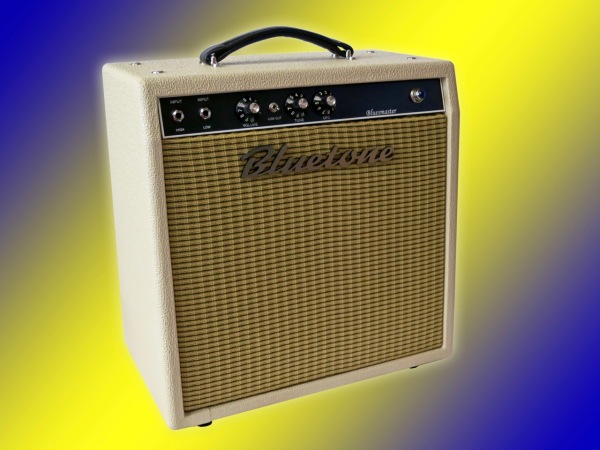
Suomalainen vahvistinpaja Bluetone on hiljattain alkanut valmistaa oman käsintehdyn ja parannetun version Fender Musicmasterista. Uutukainen on tarkoitettu nimenomaan kitaristille. Uuden kombon nimi on Bluetone Bluesmaster, ja sen hinta on – valituista optioista riippuen – jossain 960 ja 1.190 euron välillä.
Bluesmasterin signaalitie on periaatteessa sama kuin alkuperäisessä styrkkarissa, mutta muutamalla parannuksilla, kuten Low Cut -bassoleikkuri ja Bluetonen oma OPC-tehosäädin. Kolmiasentoisen OPC:n (Output Power Control) ansiosta Bluesmasterin lähtötehoa pystyy pudottamaan jopa vain kahteen wattiin, ilman että kombon soundi muuttuisi ratkaisevasti.
Koska alkuperäinen Musicmaster oli tarkoitettu halpavehkeeksi, Fenderin insinöörit poistivat kaikki ylimääräiset komponentit, jotka eivät olleet välttämättömiä saada bassosignaalia vahvistetuksi kaiuttimelle. Ehkä epätavallisin ratkaisu oli toteuttaa Musicmasterin vaiheenkääntäjää muuntajalla, kun se hoidetaan yleisesti putkella.
Niin kuin näkee kuvassa (yllä) Bluetone on käyttänyt samaa ratkaisua myös uudessa Bluesmasterissa. Putkien lisäksi – yksi 12AX7-putki (etuaste), sekä kaksi 6V6GT-putkia (pääte) – siellä näkyy kolme muuntajaa. Piennemmät niistä ovat vaiheenkääntäjä ja audiomuuntaja, kun taas se isompi musta kapistus on kombon sähkönsyöttöä varten.
Kitaristien suosituin modifikaatio vanhaan Musicmasteriin on alkuperäisen Fender-kaiuttimen vaihtaminen johonkin soundilta tukevampaan.
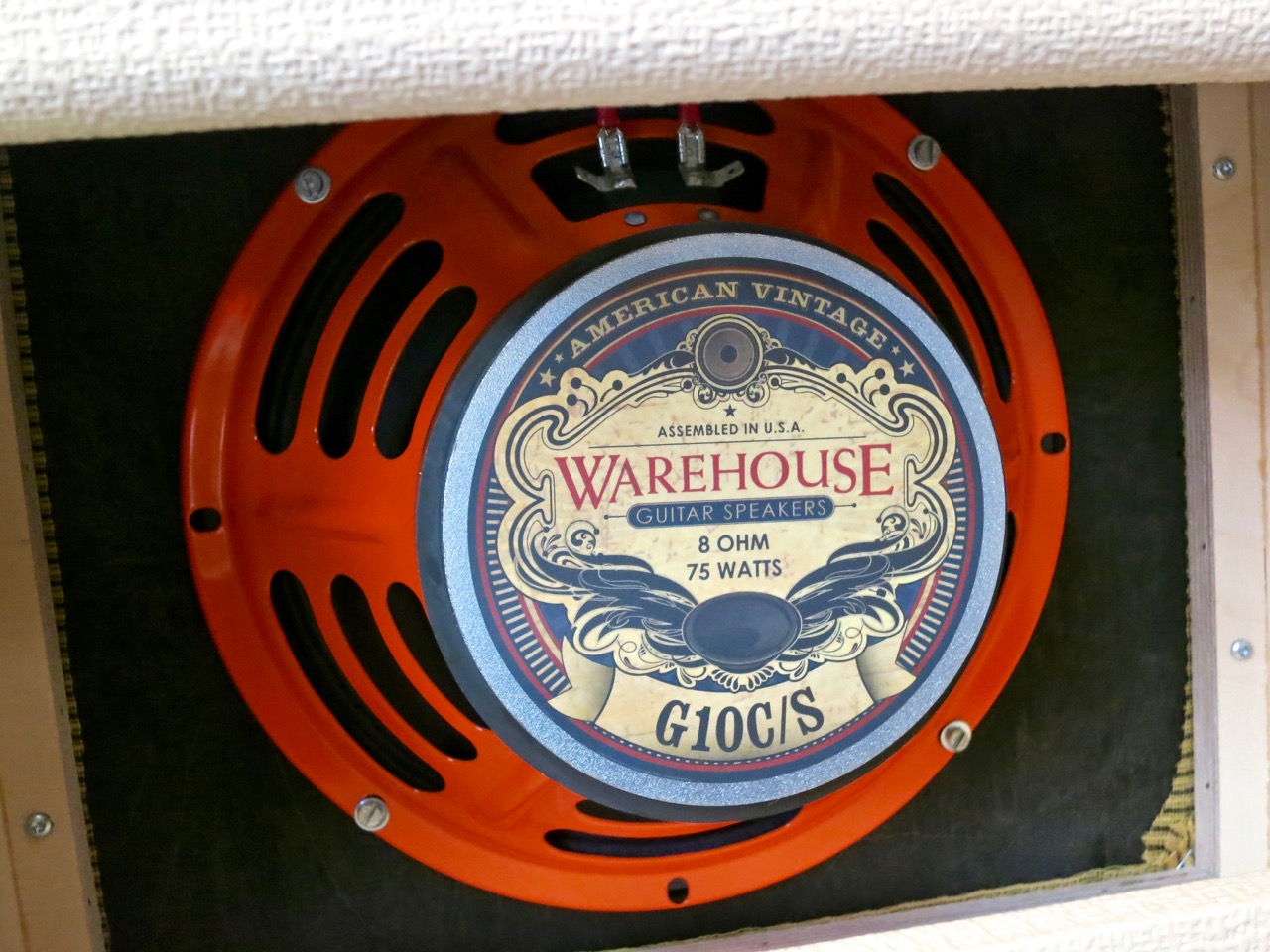
Bluetonen Bluesmasterissa on jo valmiiksi asennettu alkuperäistä laadukkaampi ämyri. Kymmenentuumainen Warehouse Guitar Speakerin G10C/S kuuluu WGS:n American Vintage -mallistoon, ja sitä tunnetaan sen selkeästä ja lämpimästä soundista. Tämä malli tykkää myös efektipedaaleista. Bluetone tarjoaa optiona myös toisentyypistä kaiutinta Bluesmasteriin (tsekkaa Bluetonen tuotesivulta).
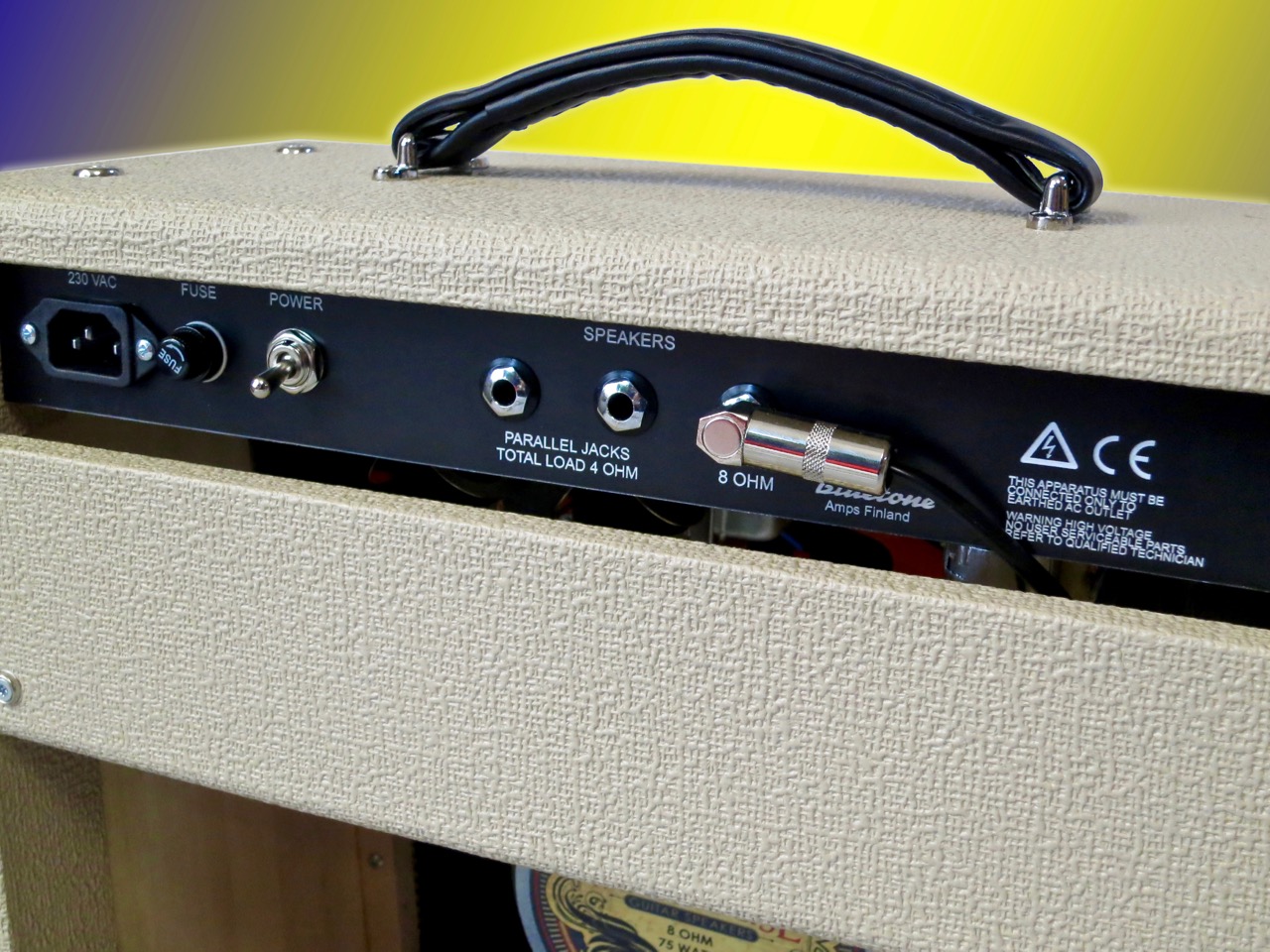
Takapaneeliin on asennettu virtakytkimen ja pääsulakkeen lisäksi ainoastaan kolme kaiutinlähtöä.
****
Vaikka Bluetone Bluesmaster -kombo voi vaikuttaa ensituntumalta hieman kuivakkaalta ja suorasukkaiselta, se lisää eittämättä jotain maagista lisämaustetta soundiin.
Vahvistin lisää nimittäin annoksen hienon musikaalista kompressiota jo puhtaaseen meininkiin. En puhu sellaisesta kompressiosta, joka puristaa nuottien atakkia kasaan, vaan tässä vahvistin ikäänkuin lisää nuotien häntäpäähän lisää eloa. Bluesmasterista saa näin enemmän sustainia vaikkapa puhtaaseen kantri- ja bluessoittoon, ilman että atakin napakkuus kärsisi tästä.
Koska Bluesmasterissa on kyse matalatehoisesta putkivahvarista ilman master volyymiä, kannattaa mielestäni ehdottomasti kokeilla rauhassa läpi minkätyypisiä soundeja saa aikaiseksi Volume-säätimellä, sekä vaihtamalla Low- ja High-tulojakkien välillä.
Bluetonen Bluesmaster-kombo ei tarjoa massivisiä määriä puhdasta headroomia, mutta sen sijaan siltä saa esillä todella herkullisia reunasärösoundeja, jotka reagoivat erinomaisesti soittajan dynamiikkaan ja kitaran volume-säätimeen. Kombo toimii hyvin myös efektipedaaleilla.
Volume-säätimen ”loppumetreillä” pikkukombosta lähtevät myös maukkaita särösoundeja. Huom: koska kyseessä on non-master volume kombo, Bluesmaster soi täydellä säröllä suhteellisen isolla äänellä, jopa kaksiwattisena, ja voi silloin olla liian äänekäs kerrostaloon.
• Komppikitarat: Gibson Les Paul Junior (vasen kanava), Fender Stratocaster (keskellä), Fender Telecaster (oikea kanava)
• Soolokitara: Hamer USA Studio Custom
****
Uusi Bluetone Bluesmaster lunastaa kaikken mitä se lupaa. Minun mielestäni tämä on erinomainen Silverface-tyylinen putkikone blueskitaristille. Bluesmaster on käsintehty laatuvahvistin, joka tarjoaa rutkasti parempaa työnjälkeä kuin esikuvansa, ja joka on valmiiksi modattu kitaristille sopivaksi. Bluesmasterin ”riisuttu” olemus myös tarkoittaa, että soittimesi soundi pysyy mallikkaasti ehjänä matkalla tulojakista kaiuttimeen.
No effect pedals were used on the guitar parts in this demo.The original Fender Musicmaster Amp is a practice bass amp from the 70s and early 80s.
Fender’s original Musicmaster Bass amplifier was an odd concoction. The Musicmaster Amp was meant as a practice amplifier for beginning bassists – and sometimes even sold in a pack with the starter bass guitar of the same name – but it fell strangely flat of expectaions. The amp was underpowered and sounded flabby and uninspiring as a bass amp.
More recently, though, guitarists on the hunt for good bargains have come to realise that the Musicmaster Amp is a relatively inexpensive way to buy a genuine ”silverface” Fender. It’s a stripped-down valve amp for sure, but it still deliveres a lot of character, when used with an electric guitar. And because it isn’t a collectable Fender model, people feel free to modify the original for their own purposes.
This is where it starts to get interesting:
Finnish boutique amp maker Bluetone has released its own handcrafted and improved version of the Fender Musicmaster a few weeks ago, meant expressly for guitarists. This new guitar combo is called the Bluetone Bluesmaster, and it will set you back between 960 to 1,190 euros, depending on your chosen options and finish.
The signal path closely follows that of the original, but the Bluetone Bluesmaster adds such handy features as a Low Cut switch and the company’s own three-way rotary OPC-switch. The OPC-circuit (Output Power Control) enables you to drop the Bluesmaster’s output power from its full 10-12 watts down to something like 2 watts, virtually without any negative impact on the amplifier’s tone.
The original Musicmaster amp had been designed to reflect its low price tag. Fender’s engineers got rid of any components that weren’t strictly necessary to get the audio signal from the input to the speaker. Their most interesting – and quite unique, as it turns out – decision was to use an audio transformer for phase inverter-duties, instead of the much more common option of using a valve.
As you can see in the photo above, Bluetone has used the same basic design for the new Bluesmaster combo. Next to the three tubes – a single 12AX7 for the preamp, and a pair of 6V6GTs for the power amp – there are three (!) transformers. Two small ones for phase inversion and signal output, respectively, as well as a larger toroidal transformer for the combo’s power requirements.
The favourite modification on old Musicmasters is swapping the weedy-sounding original Fender for a beefier speaker.
The Bluetone Bluesmaster does this for you and comes workshop-equipped with a 10-inch Warehouse Guitar Speaker G10C/S. The G10C/S is part of WGS’s American Vintage range and is known for its clear, but round top end, as well as for its pedal-friendliness and smooth breakup. Other speakers are available as an option, too (see Bluetone’s website).
Apart from the power switch, the back panel offers a trio of speaker outputs.
****
Although the Bluetone Bluesmaster seems very straightforward and upfront at the beginning, there really is some sort of magic tone thing going on with this all-valve combo.
The sound may seem a bit dryish at first, but you will quickly notice a very enticing dose of juicy compression, even on very clean tones. This compression isn’t the ducking type, well known from many master volume amps and distortion pedals, which ducks the note attack and squashes the whole signal. Here we have a Country- and clean Blues-friendly type of compression that seems to lift the sustain phase of each ringing note.
Because this is a relatively low-powered tube combo without separate gain and master volume controls, it really makes sense to experiment with the Bluesmaster’s High- and Low-inputs and the combo’s volume control, to get the full picture of what sounds you can glean from which combination of guitar and settings.
The Bluetone Bluesmaster doesn’t offer tons of clean headroom, instead it has that magic clean-but-breaking-up tone zone down to a tee. The combo also works well with effect pedals.
There are also some chunky overdrive and distortion voicings available in the higher reaches of the Bluesmaster’s Volume-control. You should be aware, though, that, this being a non-master volume combo, running this amp at full tilt even at only 2 watts of output might get you into trouble with your neighbours in a block of flats.
• Rhythm guitars: Gibson Les Paul Junior (left), Fender Stratocaster (middle), Fender Telecaster (right)
• Lead guitar: Hamer USA Studio Custom
****
The Bluetone Bluesmaster does what it says on the proverbial tin. In my opinion, this is a very nice and straightforward silverface-inspired Blues amp for guitar. The excellent build quality and very sensible modifications and improvements result in a quality tube combo that will surely give you a lifetime of aural pleasure.
• solid paulownia body
• maple neck; bolt on
• rosewood fretboard; 22 frets
• Guitar Tech (by JHS) hardware
• Guitar Tech (by JHS) pickups
Contact: Aron Soitin
****
The demo song is a short cover version of ”Wonderful Land” (Jerry Lordan) in the style of The Shadows.
• Encore Blaster E2 – rhythm guitars
• Encore Blaster E6 – lead guitar
All guitar tracks played on a Bluetone Shadows Jr valve combo and an Electro-Harmonix Memory Toy. Recorded to Garageband using a Shure SM57 and a Focusrite Saffire 6 USB.
Tokai Guitars’ Finnish distributor, Musamaailma, isn’t only selling the Japanese brand’s products, they are also involved in developing certain new products. The newest result of this joint development is a Tele-version of the TST-50 Modern, called the TTE-50 Modern (999 €).
****
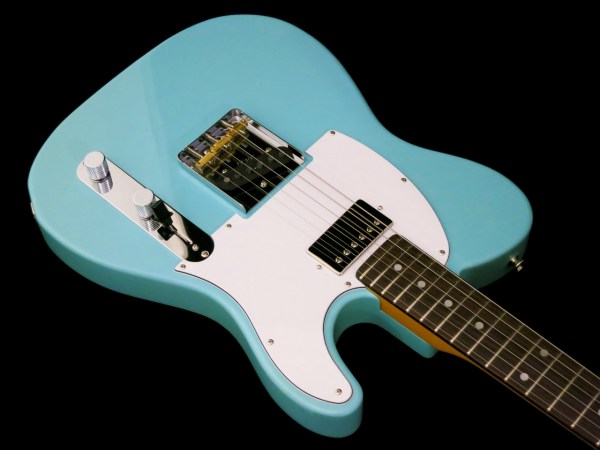
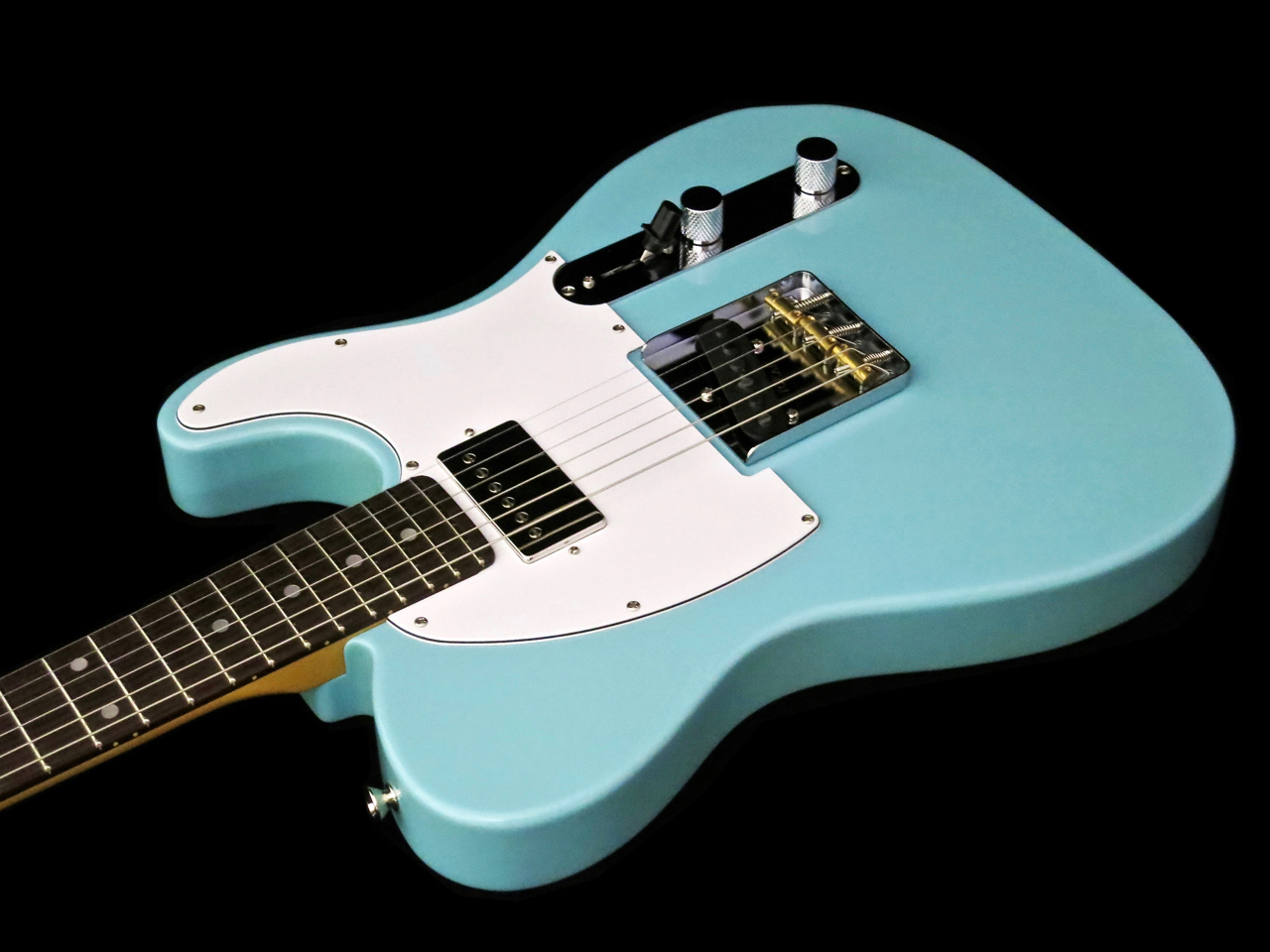
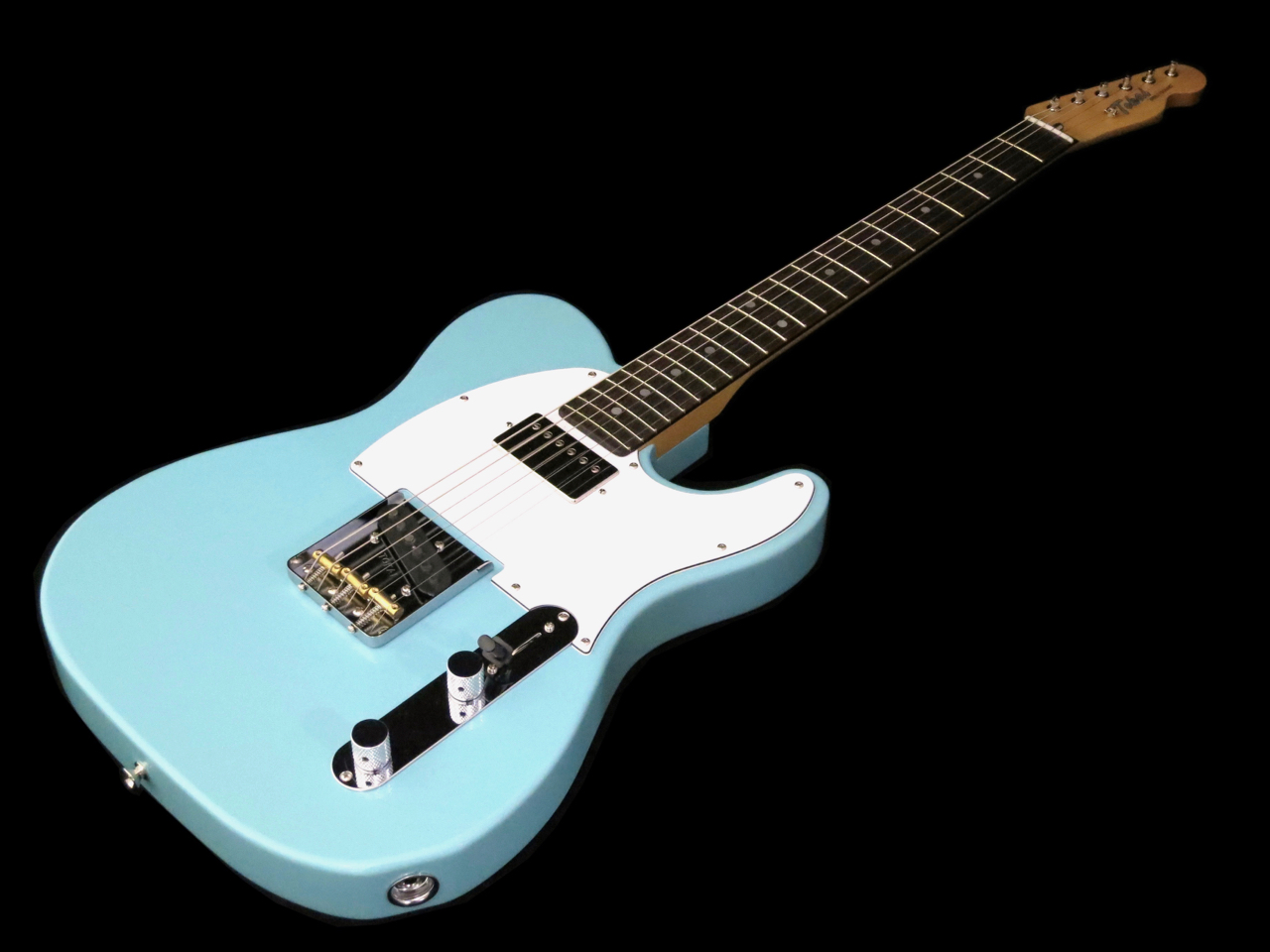
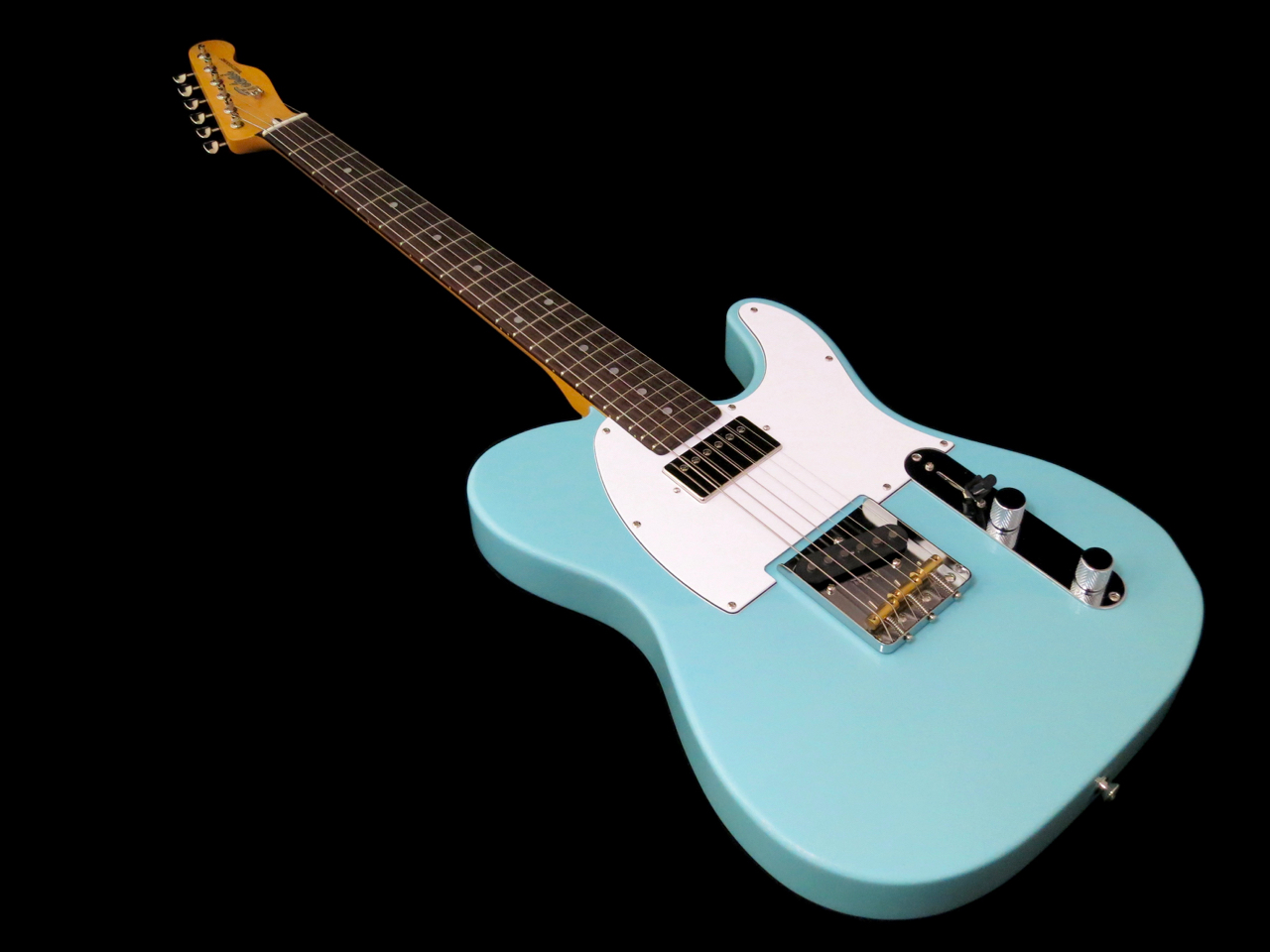
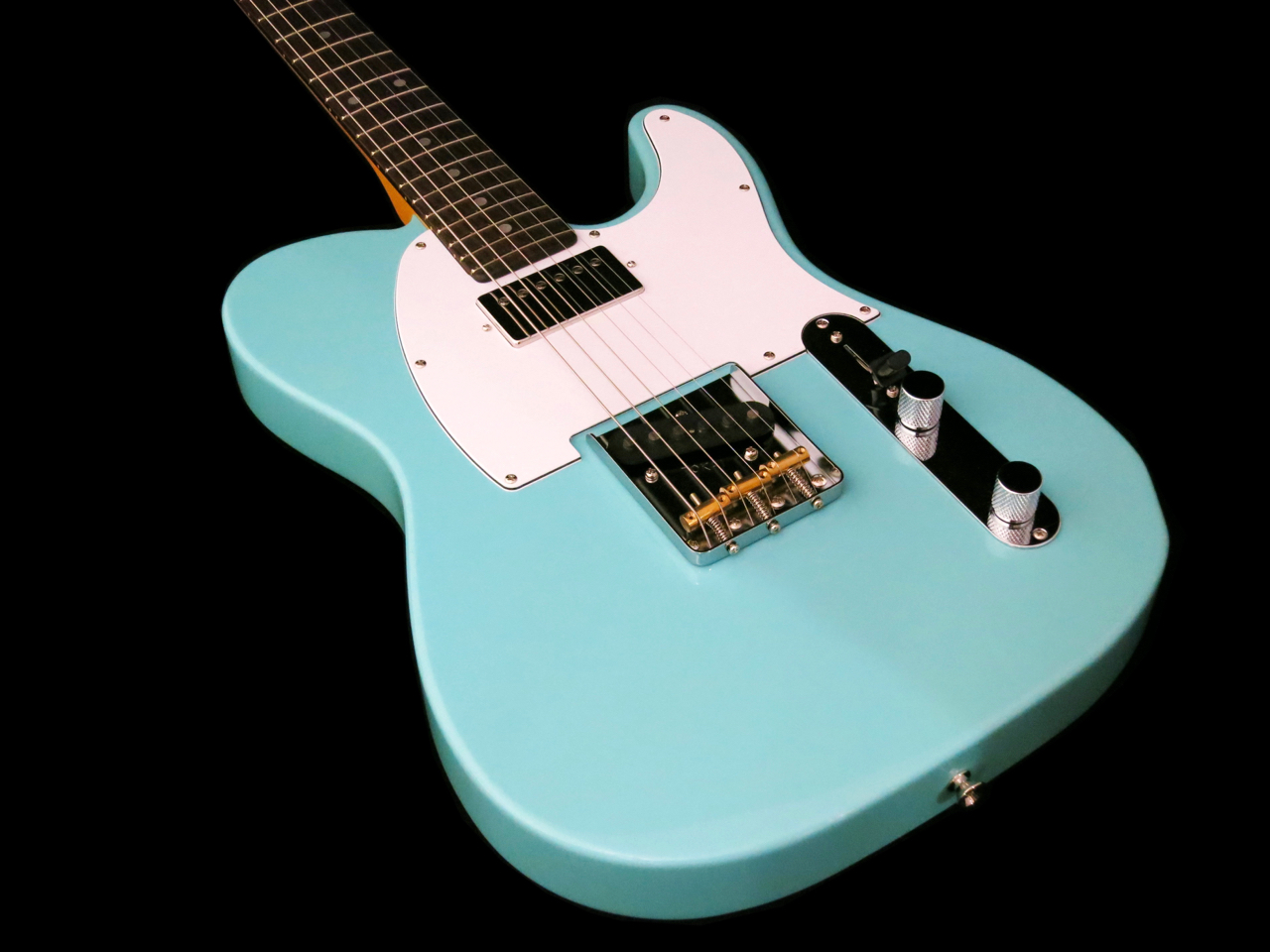
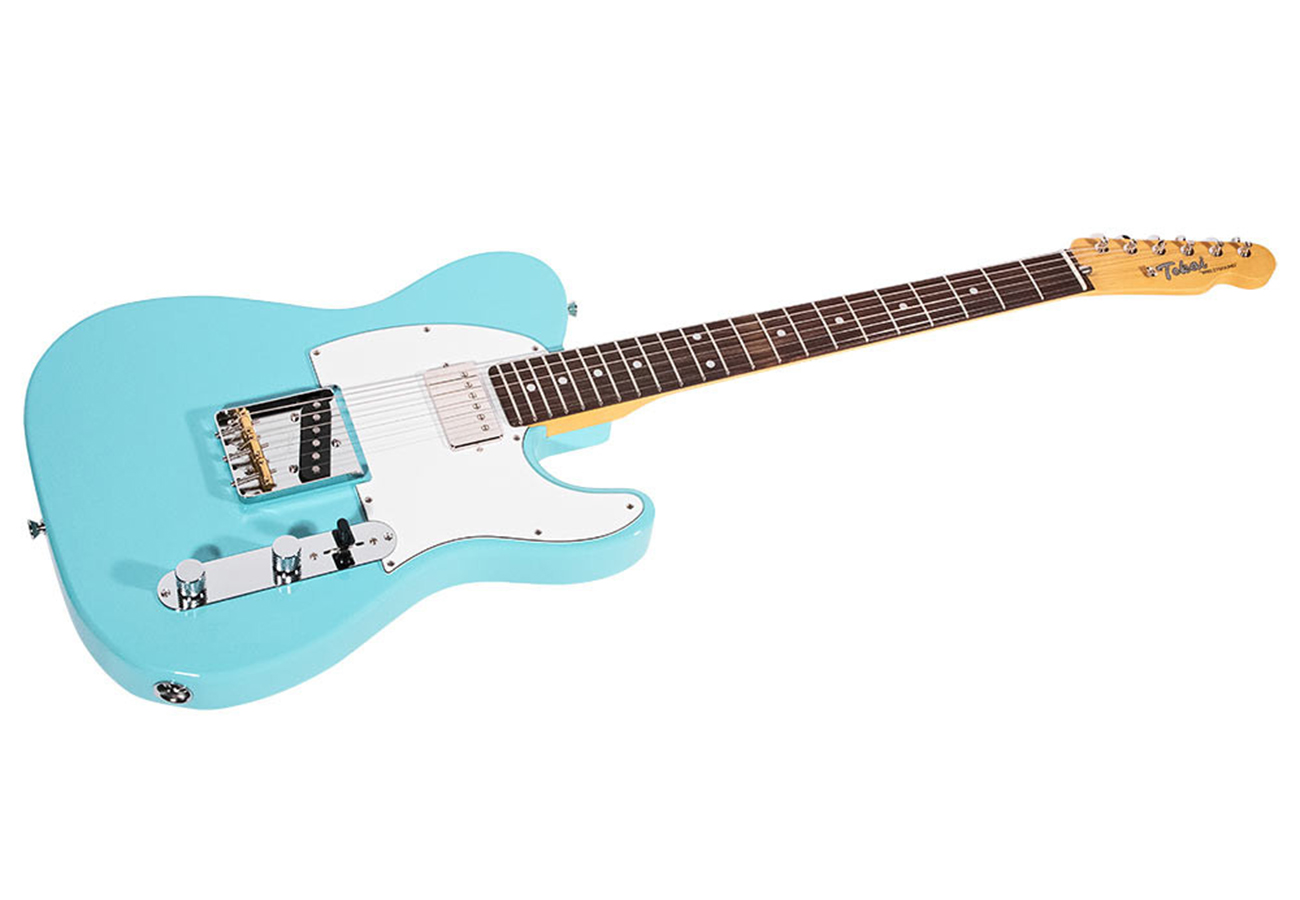
The Tokai TTE-50 Modern’s basic idea is to combine the most sought-after vintage features of Tokai’s TTE-models with the most requested modern features. You could say the TTE-50 Modern is a factory-modded special edition. The new guitar is available in three beautiful finishes – 3-Tone Sunburst, Olympic White and Sonic Blue.
The new Tokai comes with a two-piece premium alder body. On the sunburst version the glue line runs down the middle of the body, with the pieces’ grain nicely matched. The TTE-50 Modern combines a gloss-finished body with a satin-finished maple neck.
Despite the TTE-50 Modern sporting a rosewood fingerboard, there’s a walnut ”skunk stripe” running along the back of the neck. This is due to the inclusion of a bullet-type truss rod, which makes relief adjustment a doddle. The fretboard’s 9.5-inch radius sits in the middle of Fender’s vintage 7.25 inches and Gibson’s much flatter 12-inch radius. The TTE-50 Modern comes with 22 medium-jumbo frets (Dunlop 6105).
As most Tele fans love vintage-style hardware, the Tokai willingly obliges. You will find top-drawer Kluson-copies, made by Gotoh, as well as a vintage-style bridge with three brass saddles with string grooves.
The most obvious difference between a bog-standard Tele and the TTE-50 Modern lies in the pickup combination. The new Tokai combines a vintage-type bridge singlecoil with a PAF-type neck humbucker. This combination became very popular in the 1970s, with the most famous users including Keith Richards (The Rolling Stones), the late Albert Collins (aka The Iceman) and Andy Summers (The Police). Both pickups are made in Japan by Tokai.
We find the standard set of controls, comprising a three-way blade switch, a master volume, and a master tone control. Beneath the control plate you can see clean workmanship and quality parts. The volume control features a treble bleed circuit, which keeps the sound from getting wooly, whenever you turn the volume down.
The Tokai TTE-50 Modern comes in its own padded gigbag.
****
The TTE-50 Modern is a quality instrument. The workmanship and quality of finish are of a very high standard, and the guitar’s playability and sound are excellent.
The neck profile is a comfortable, not-too-thin, modern C, which is easy to play.
If you’re new to the pairing of neck humbucker and bridge singlecoil, the higher signal level of the neck pickup might feel slightly unintuitive at the beginning. But, I’m sure, you will quickly get to grips with this feature, especially as the Tokai’s controls work nicely to give you a full range of different sounds.
Here’s a clip of the TTE-50 Modern played straight into a Bluetone Shadows Jr. -combo (Shure SM57), starting with the bridge pickup:
And here’s the demo song – with and without the other instruments:
****
The Tokai TTE-50 Modern’s addition of a PAF-style neck humbucker turns the guitar into a very versatile instrument. From traditional Jazz to the ’60s British Invasion, from Blues to Rock, and from Country to Punk – this guitar can cover all the bases in style.
Tokai Guitarsin Suomen maahantuoja Musamaailma ei ainoastaan tuo japanilaisbrändin tuotteita maahan, vaan he ovat myös aktiivisesti mukana kehittämässä uusia tuotteita. Uusin yhteistyön hedelmä on Strato-tyylisen TST-50 Modern -mallin Tele-tyylinen sisarmalli, nimeltään TTE-50 Modern (999 €).
****
Tokai TTE-50 Modern -kitaran tarkoitus on yhdistää japanilaisten TTE-mallien parhaat vintage-tyyliset ominaisuudet paljon toivottuihin nykyaikaisiin detaljiratkaisuihin. TTE-50 Modern on ikään kuin Tokain pajassa valmiiksi modattu erikoisversio. Uusi kitara on saatavilla kolmessa eri värissä – 3-Tone Sunburst, Olympic White ja Sonic Blue.
Uutuus-Tokain runkoon on käytetty kahta leppäpalaa, jotka on sovitettu syykuvioiden suhteen erittäin tarkasti yhteen. Kiiltäväksi lakattuun runkoon on ruuvattu perinteisellä liitoksella mattalakattu vaahterakaula.
Vaikka TTE-50 Modernin kaulassa on ruusupuinen otelauta, kaulan keskiviivaa pitkin kulkee “skunk stripe” saksanpähkinästä, koska uutuusmallista löytyy kätevä Bullet-kaularauta, jolla kaulan säätö onnistuu lavasta päin. Otelaudan radius kulkee nykyaikaisella 9,5 tuuman kaarevuudella sopivasti Fenderin vintagemittojen (7,25 tuumaa) ja loivemman Gibson-standardin (12 tuumaa) välissä. Modern-kitaraan on asennettu 22 medium-jumbo nauhaa (Dunlop 6105).
Telecaster-fanit tykkäävät yleensä vintage-tyylisistä metalliosista, ja sellaisia löytyy myös Tokaista. Virittimet ovat Gotoh:n laadukkaat Kluson-kopiot. Tokain omassa vintage tallassa on kolme satulaa messingistä. Tallapaloihin on lisätty kieliuria.
Ehkä tärkein ero rivi-TTE-50:N ja Modern-version välillä löytyy uutuuskitaran mikityksestä, joka lisää perinteiselle yksikelaiselle tallamikrofonille työpariksi vintage-tyylisen humbuckerin. Tämä yhdistelmä on ollut suosittu aina 1970-luvulta lähtien, ja yhdistelmän tunnetuimmat käyttäjät ovat Keith Richards (The Rolling Stones), edesmennyt Albert Collins (aka The Iceman) ja Andy Summers (The Police). Tokai TTE-50 Modernissa kumpikin mikki on peräisin Tokain omasta mallistosta.
Kitaran säätimet tarjoavat kolmiasentoisen kytkimen, sekä master volume- ja tone-säätimet. Metallikannen alta paljastuvat laadukkaat osat – mm. pölysuojattu japanilainen kytkin. Volume-potikkaan on lisätty ns. treble bleed -kondensaattori, jonka ansiosta kitaran soundi pysyy sopivasti kirkkaana myös kun volumea pienennetään.
Tokain TTE-50 Modern myydään sen omassa laadukkaassa Tokai gigbagissa.
****
TTE-50:n Modern-versio on kyllä hyvin laadukas soitin. Työnjälki ja viimeistely ovat erinomaisen siistejä, ja myös kitaran soitettavuus ja soundi ovat silkkaa pro-tasoa.
Kaulaprofiiliksi on valittu moderni C-muotoinen läpileikkaus, joka sopii varmasti miltei jokaisen kitaristin käteen.
Jos ei ole tottunut tällaiseen humbucker-plus-yksikelainen-yhdistelmään, kaulamikrofonin suurempi lähtötaso voi aluksi tuntua jopa epäintuitiiviselta. Siihen kuitenkin tottuu hyvinkin nopeasti, etenkin kun Tokain laadukas ja hyvin suunniteltu elektroniikka mahdollistaa sen, että kummastakin säätimestä saa irti hyvin laajan skaalan erilaisia soundeja.
Ja tässä demobiisi – sekä koko sovitus että ainoastaan kitarat:
****
Tokai TTE-50 Modernin tapauksessa PAF-tyylisen humbuckerin lisääminen kaulamikrofoniksi tekee kitarasta erittäin monipuolisen. Perinnejazzista 1960-luvun Brittisoundiin, Bluesista Rockiin, sekä Countrysta Punkiin – kaikki onnistuu tyylikkäästi uutuus-Tokailla.
Here’s a short instrumental cover version of the Police classic ”Message in a Bottle”.
The Tokai TTE-50 Modern is an updated version of Tokai’s T-style guitar, featuring truss rod adjustment at the headstock, a 9.5″ fretboard radius, 22 medium jumbo frets, and a neck humbucker.
The signal chain for the guitar tracks was: Tokai TTE-50 Modern –> Ibanez FZ 850 Mini –> Joyo Analog Chorus –> Electro-Harmonix Memory Toy –> Bluetone Shadows Jr (Finnish boutique all-valve combo) –> Shure SM57 –> Focusrite Saffire 6 USB –> Apple Garageband






 Kitarablogi.com – Finland's premier Guitar and Bass blog