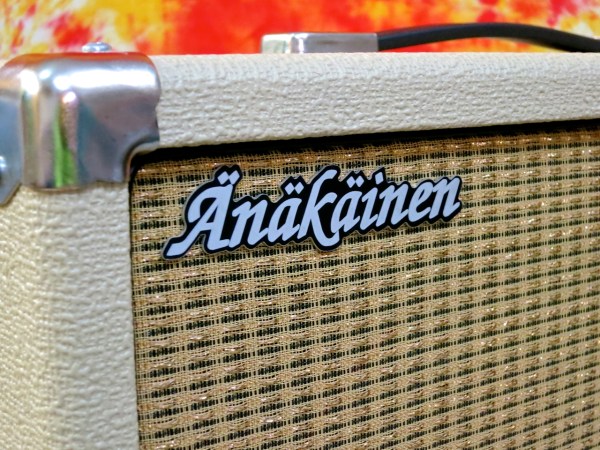
Review: Änäkäinen Rumble 1 x 12

Änäkäinen Rumble Cream – logo 2

Puuverstas Änäkäinen’s Rumble 1 x 12 -cabinet (prices in Finland start around 580 €) offers a few fresh ideas on how to come up with a cracking guitar tone.

The fathers of the Rumble-concept are cabinet maker Kari Änäkäinen (try saying: Curry ANNA-kay-nun), who is also gigging as a guitarist and bassist, and Kuusankoski’s very own tube amp guru, Triodipaja’s proprietor Lassi Ukkonen (LUSS-cee OO-cow-nun). The guys hit upon the basic idea for the Rumble cabinet, when Kari asked Lassi to calculate the correct cubic content for a lightweight bass cabinet he was building for himself. The bass cabinet turned out very well and set the duo on the path to coming up with the Rumble.

****

Änäkäinen Rumble Cream – angle right

When it comes to the cosmetics of his Rumble cabinets, Kari Änäkäinen is a dyed-in-the-wool vintage fan.
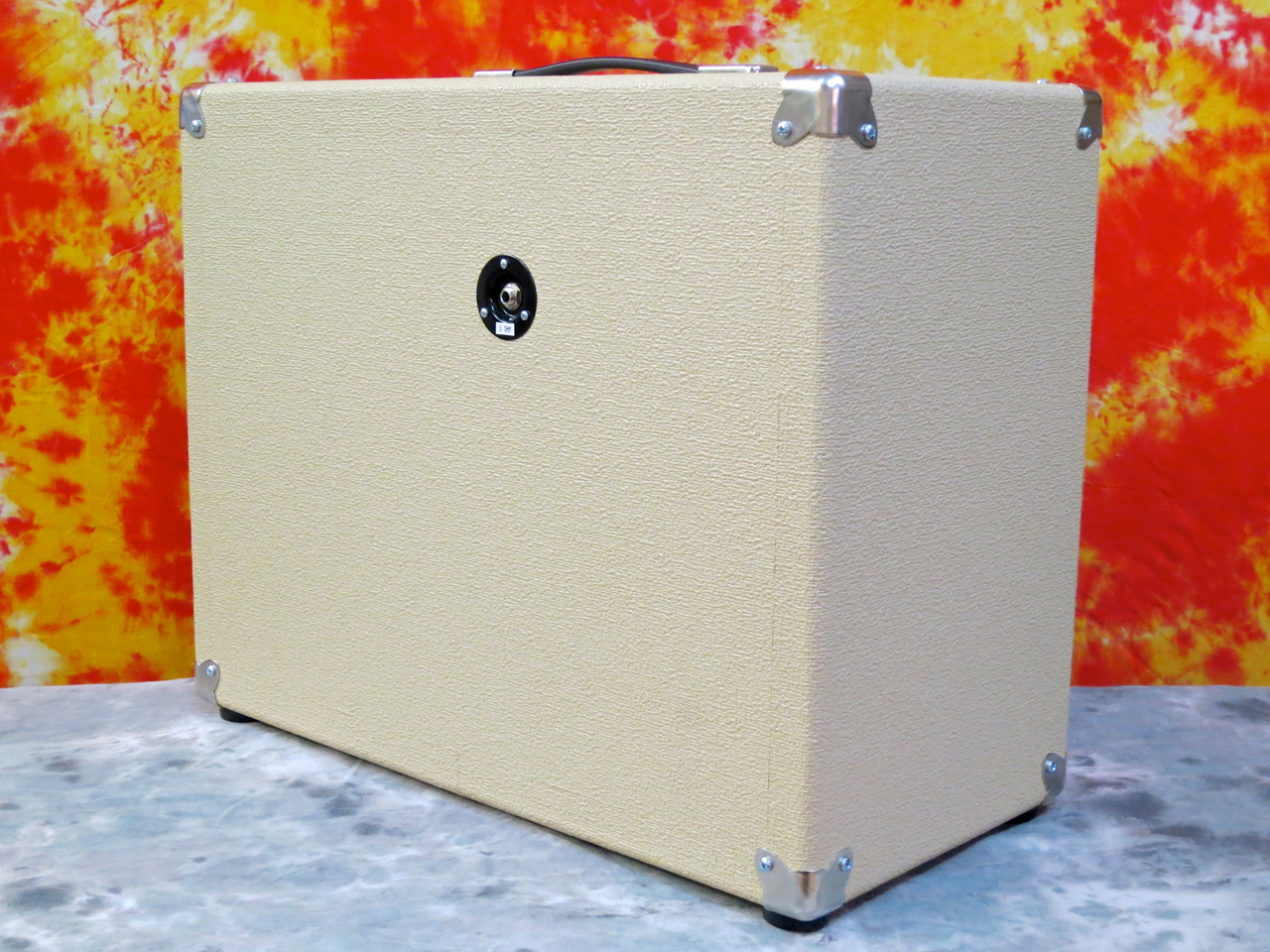
Änäkäinen Rumble Cream – back angle

We received two different Rumble 1 x 12 cabinets for this review – one comes in a fetching ”Fender Blonde” look…

Änäkäinen Rumble Black – front angle left

…while the other clearly points in the direction of moody Marshall-ness.

Änäkäinen Rumble Black – back angle

The Rumbles sport metal corner protectors.

Änäkäinen Rumble Black – input

Here you can see the impedance sticker affixed to the sturdy jack plate.
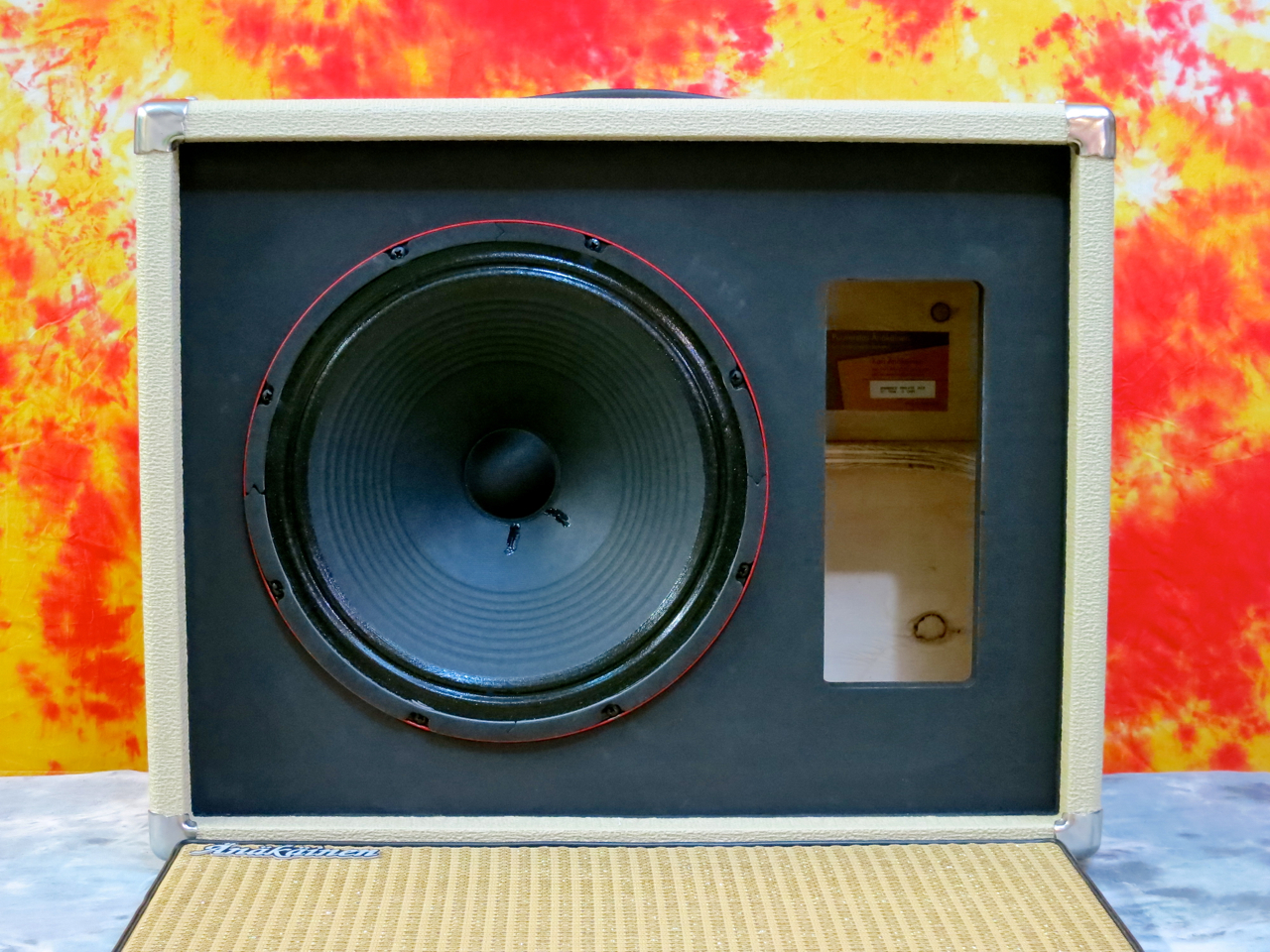
Änäkäinen Rumble Cream – front cloth off

Currently, Kari Änäkäinen gives you a choice of five different speaker models for your personal cabinet.

The cream-coloured Rumble came equipped with an Eminence Private Jack -speaker (50 W/8 Ω).

Änäkäinen Rumble Black – front cloth off

A WGS:n Reaper (30 W/8 Ω) was chosen for the black counterpart.

As you can see in these pictures, one of the special features of all Rumbles is the large rectangular port on one side of the cabinet. The basic idea has been borrowed from bass-reflex speaker, which are often used in Hifi- and bass (amp) cabinet designs. In the Rumble the opening is mainly used for sound dispersion, as the speaker doesn’t feature any internal reflectors, tunnels or a ”tuned” bass port.

Änäkäinen Rumble Cream – struts 1

The details of the cabinet build is also a little bit different to your run-of-the-mill guitar cab. The cabinet itself is crafted from Finnish conifer plywood with a thickness of 15 millimetres.

The advantages of conifer plywood are its quality, abundance and light weight. Most other cabinet makers will claim that this type of plywood is too soft and pliable for cabinet-making, but Kari has found his own solution to this problem: He uses internal struts and supports made from the same material.
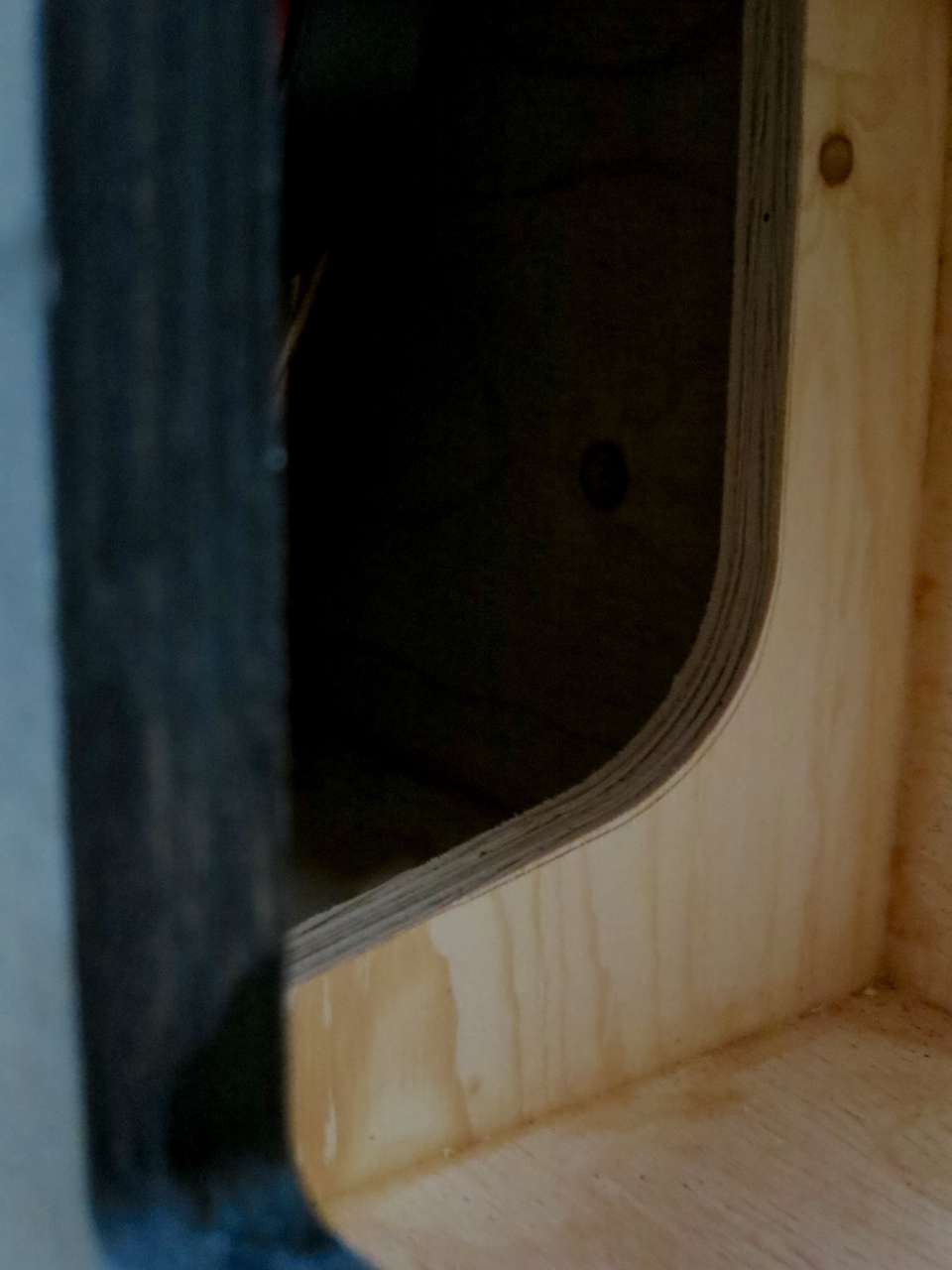
Änäkäinen Rumble Cream – struts 2

The speaker baffle, on the other hand, is made from very sturdy, 18 millimetre thick Finnish birch plywood.

The whole speaker cabinet is constructed using only glue joints and wood dowels. The only screws in an Änäkäinen Rumble are those keeping the speaker, the jack plate and the corner protectors in place.

Änäkäinen Rumble Cream – top handle

The Rumble’s low weight of approximately 12 kilos is easy to lift by the cab’s top handle.

****
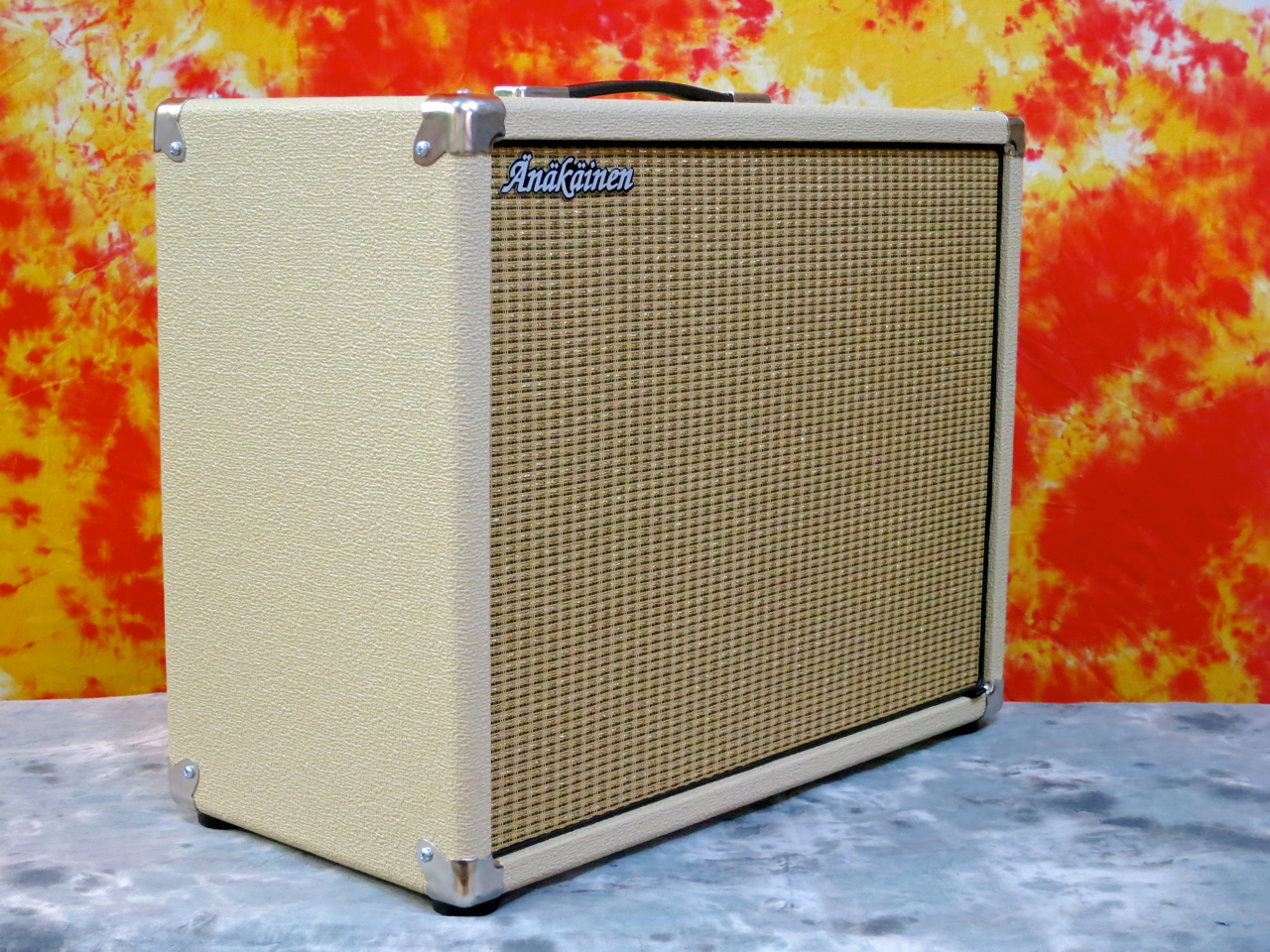
Änäkäinen Rumble Cream – front left

The first – completely subjective – impression I got from using the Rumble 1 x 12 was of a ”loud”, ”big” and ”musical” sounding cab. The Änäkäinen even made my tiny Blackstar HT-1R sound like a full-size tube amp.

The Rumble gets across a healthy shot of warmth and transparency – just like many other quality cabinets – but its special, front-ported construction adds an amazing amount of spread and directivity to the sound that is all its own. The sound dispersion is neither too narrowly focussed, nor is there any sound getting ”lost” behind the cab. Thanks to its front port, the Rumble delivers a larger-than-life, Cinemascope-style sound.

The Eminence-loaded blonde Rumble sings beautifully with a warm and creamy voice:

Änäkäinen Rumble Black – front angle right

Thanks to the WGS Reaper -speaker inside the black-clad Rumble 1 x 12, this cab has a somewhat more aggressive British accent. This added bite isn’t quite as pronounced when you stick to clean amp settings, but it will help your Rock riffs to cut through more easily:

****

Änäkäinen Rumble Black – logo 2

I must say I really like these Änäkäinen Rumbles a lot! They deliver excellent, boutique-class tones at a very fair price. If you need a relatively compact guitar cab with a big sound, you should really consider going for a Rumble!

****

Änäkäinen Rumble 1 x 12

Finnish prices starting around 580 €

Made by Puuverstas Änäkäinen

****

Pros:

+ workmanship

+ a functional, non-mainstream concept

+ wide, yet focussed sound

+ rich bottom end

+ different speaker options

Testipenkissä: JAM Pedals

JAM Pedals on kreikkalainen boutique-luokan efektipedaalien valmistaja, jonka tuotteet ovat hiljattain rantautuneet myös Suomeen (maahantuoja on espoolainen yritys R-Jam Group).

JAM Pedalsin kaikki kitara- ja bassoefektit ovat analogisia, ja valmistetaan käsityönä laadukkaista osista. Joissakin malleissa käytetään jopa harvinaisia vanhoja (ns. ”new old stock”) siruja ja transistoreita.

Erikoistilauksesta saa myös point-to-point versiot firman pedaaleista, sekä customoituja efektejä.

JAM-pedaalien ominaisuuksiin kuuluu aina myös käsin maalattu kotelo, kevyt kangaspussi ja firman logolla varustettu laadukas plektra.

Nyt testissä käyneet pedaalit toimivat kaikki sekä 9 voltin paristolla että Boss-standardin mukaisella 9 voltin virtalähteellä (ei kuulu hintaan).

****

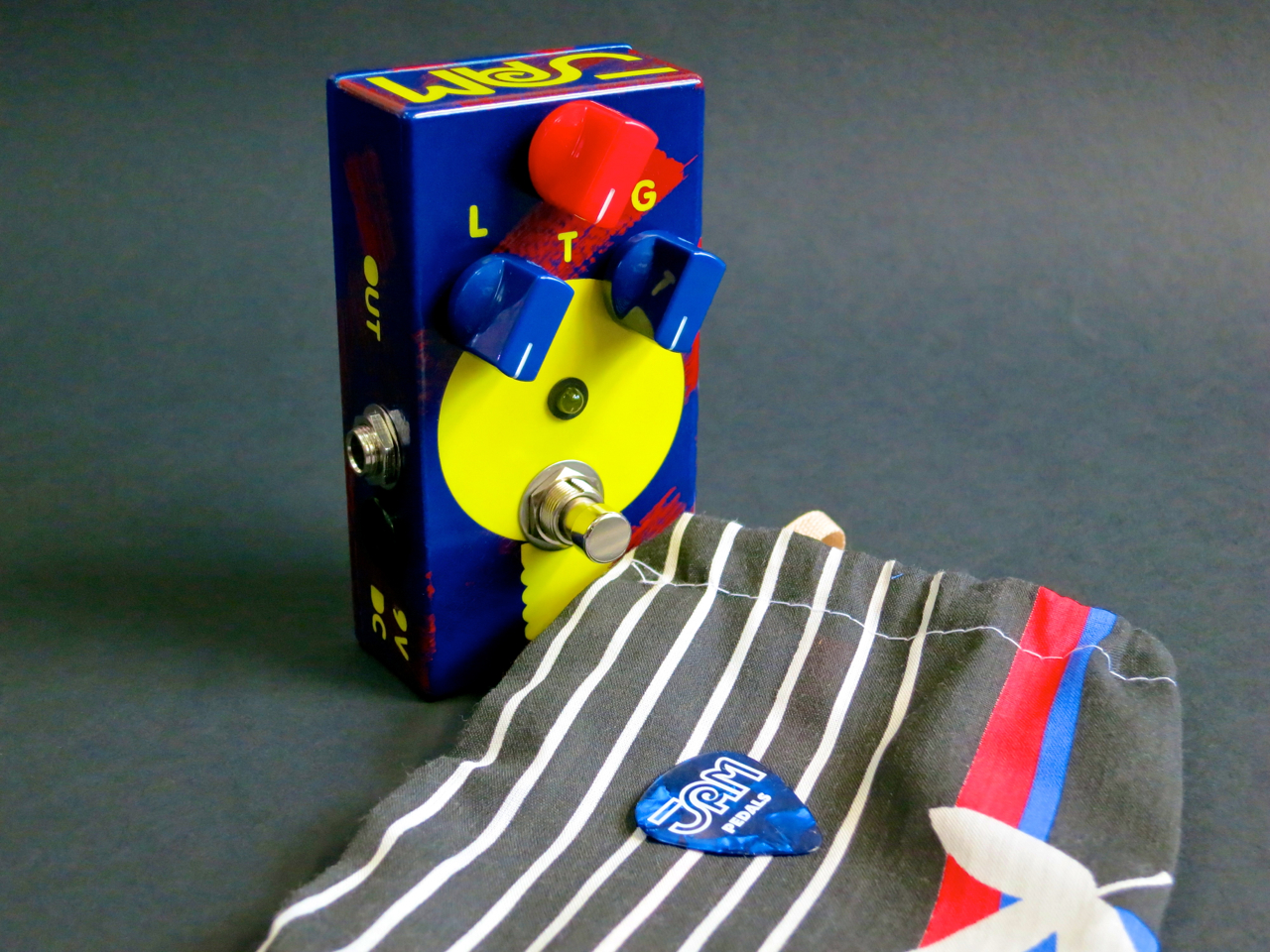
Jam pedals – Tube Dreamer 58 + bag

JAM Pedals tarjoaa neljä erilaista Tube Dreamer -säröpedaalia.

Kompakti Tube Dreamer 58 on firman edelleen jalostettu näkemys klassisesta Ibanez Tube Screamer 808 -pedaalista. Kytkennän perustana käytetään jopa alkuperäistä JRC4558D-sirua.

Jam pedals – Tube Dreamer 58 pic 1

JAM Tube Dreamer 58 säröön (185 €) on saatu mukaan tuhdin annoksen vanhasta Tube Screamerista tuttua kermaista keskialuetta. TD58:ssa on kuitenkin parannettu roimasti pedaalin dynamiikka ja särön putkivahvistin-tyylistä soundia käyttämällä kolmea diodia, jotka tuottavat harmonisesti rikkaan asymmetrisen klippauksen.

Tämä ääninäyte – kuten tämän jutun muutkin pätkät – on äänitetty Fender Stratocasterilla ja Blackstar HT-1R -putkikombolla:

Jam pedals – Tube Dreamer 58 pic 2

****

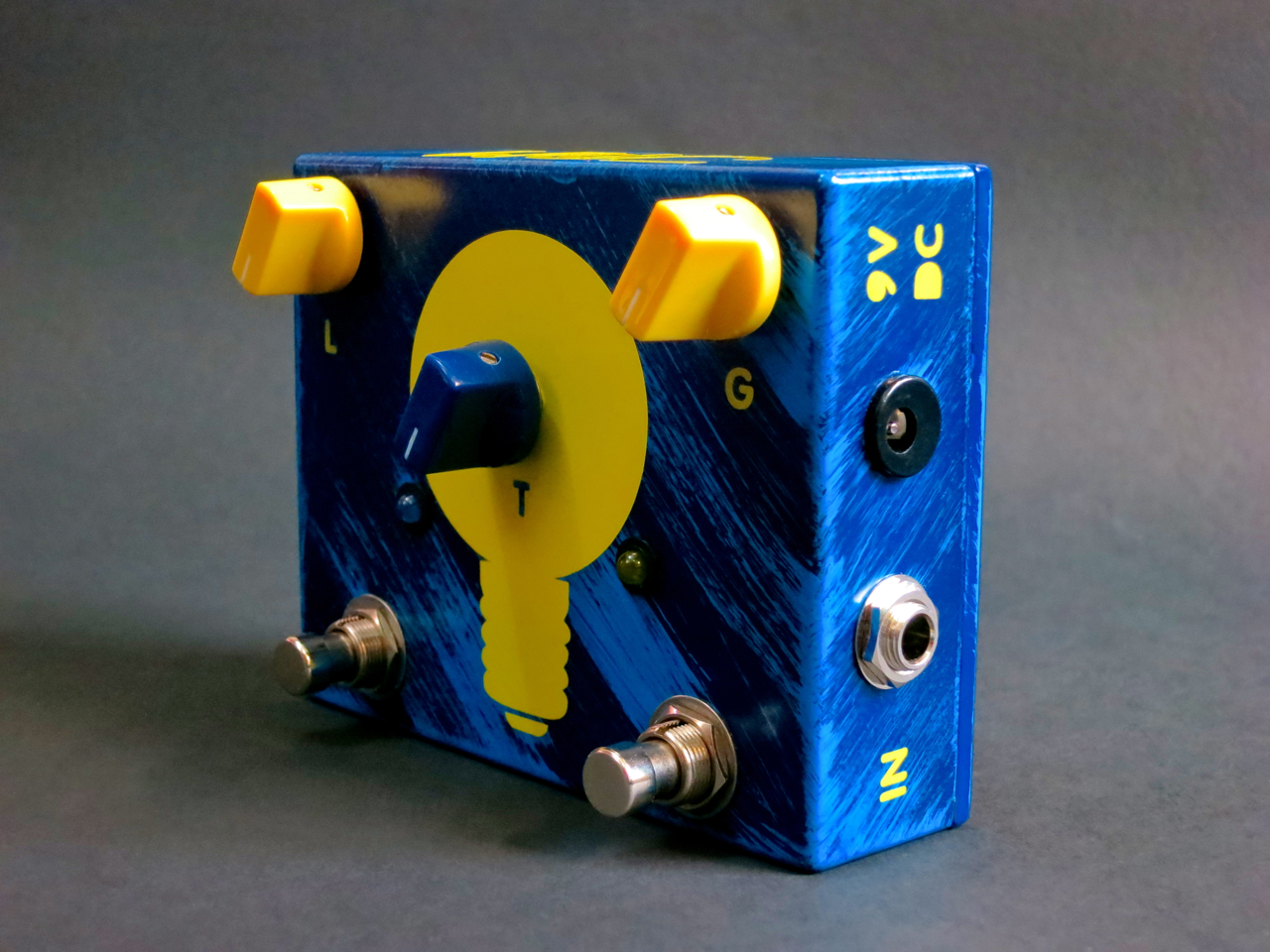
Jam pedals – Tube Dreamer+ and bag

JAM Tube Dreamer+ (225 €) on valmistajan lippulaivasärö, joka perustuu JAMin Tube Dreamer 72 -pedaaliin, jossa käytetään firman salaista sirua.

Jam pedals – Tube Dreamer+ pic 1

Plussaversio tarjoaa keskivahvan overdrive-särön lisäksi samassa kotelossa vielä yhden päälle polkaistavan high-gain-/boost-piirin (vasen jalkakytkin).

Tehdasasetuksissa high-gain puoli lisää signaaliin pelkästään säröä, mutta Tube Dreamer Plussan pienellä sisäisellä trimmerillä voi halutessa myös lisätä reilusti high-gain-särön volyymitasoa.

Soundiltaan Tube Dreamer+ nojaa vahvasti 1970-luvun mehukkaaseen Bluesrockin ja Heavy Metalin suuntaan. High-gain-puolestaan huolimatta tämä JAM-pedaali ei ole tarkoitettu nykypäivän Thrash Metal -soittajille.

Jam pedals – Tube Dreamer+ pic 2

****

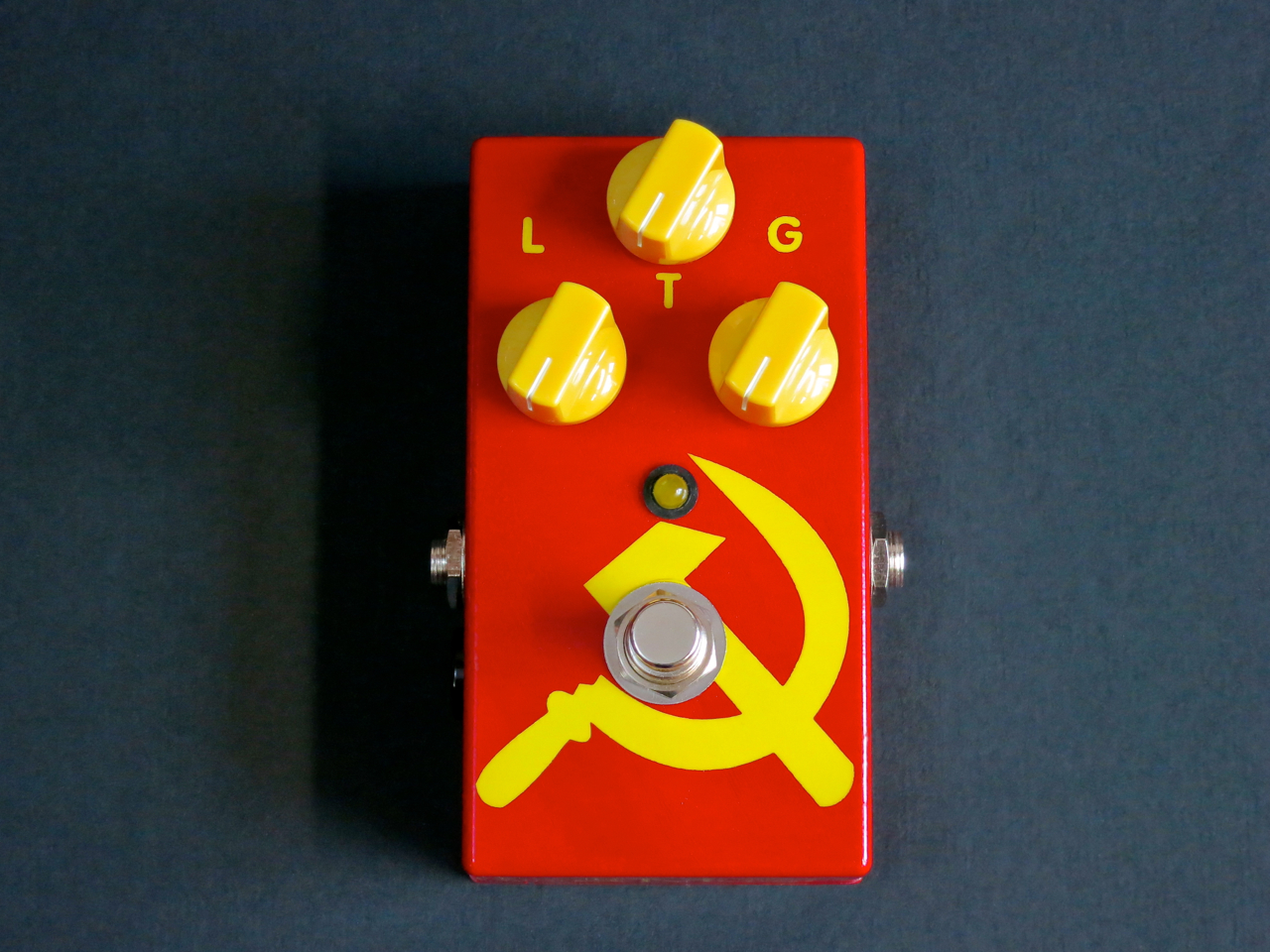
Jam pedals – Red Muck + bag

JAM Pedalsin fuzz-pedaalin nimi on Red Muck (punainen lika), vaikka se onkin hyvin siistin näköinen, neuvostoajan symboleilla leikkivä efektipedaali.

Jam pedals – Red Muck pic 1

Red Muck -fuzzin (209 €) lähtökohtana toimivat historian parhaat Big Muff -soundit.

JAM on kuitenkin jalostanut näistä alkuperäispedaaleja huomattavasti yleispätevämmän kokonaisuuden. JAM Red Muck reagoi esimerkillisesti kitaran volume-potikan kanssa, ja fuzz-efektin yleissoundi on täyteläisempi ja hieman kermaisempikin kuin monet muut fuzz-efektit. Tämä pedaali ei myöskään mene täysin tukkoon, silloin kun soittaa sointuja sen läpi.

Täytyy sanoa, että JAMin Red Muck on tämän testin perusteella noussut minun henkilökohtaiseksi suosikki-fuzziksi.

Tämän audiopätkän alussa avaan hitaasti kitaran volume-potikan:

Jam pedals – Red Muck pic 2

****

Jam pedals – Waterfall + bag

JAM WaterFall (259 €) on nyt testatun kuusikon monipuolisin efektipedaali, joka tarjoaa sekä chorus- että vibratoefektin samassa kuoressa.

Jam pedals – Waterfall pic 1

WaterFallin efektipiirit käyttävät varhaisista Boss-efekteistä tuttuja – nykyään legendaarisen maineen saaneita – alkuperäisiä Panasonic-siruja (MN3101 ja MN3007).

Pedaalin oikeanpuoleisella pikkukytkimellä vaihdetaan choruksen ja vibraton (V) välillä, kun taas vasemmanpuoleisella kytkimellä voi valita käyttääkö vahvemman nykytulkinnan tai miedomman vintage-tyylisen version (-) valitusta efektistä.

WaterFallin chorus on erittäin luonnollisen kuuloinen ja musikaalisella tavalla orgaaninen:

Vibratoefekti on ehkä hieman harvemmin käytetty efektityyppi, mutta WaterFall-pedaalin tulkinta on kuitenkin hyvin laadukas lajinsa edustaja:

Jam pedals – Waterfall pic 2

****

Jam pedals – Ripple + bag

JAM Pedals The Ripple (199 €) on erittäin helppokäyttöinen phaser-pedaali, koska sillä on ainoastaan yksi säädin efektin nopeussäätöä varten.

Jam pedals – Ripple pic 1

Samoin kuin WaterFall-choruksen kohdalla, voin myös The Ripple -phaserin tapauksessa vain todeta, että efekti toimii erittäin kiitettävästi hyvin musikaalisella tavalla. Phaser-efekti on täyteläinen ja soundia laajentava, ilman että JAMin pedaali kahmisi koko huomiota itselleen.

Jam pedals – Ripple pic 2

****

Jam pedals – Delay Llama + bag

Delay Llama?! Kyllä, JAMin tyypeillä on huumorintajua!

JAM Delay Llama (265 €) on analoginen lo-fi viive-efekti varhaisen 1980-luvun hengessä.

Jam pedals – Delay Llama pic 1

Delay Llaman kytkentä on rakennettu bucket-brigade-periatteella, jonka sydämenä toimii vanhan (ja legendaarisen) Panasonic MN3205 -sirun laadukas kopio. Pedaalin maksimaalinen viiveaika on noin 600 millisekuntia. Sisäisellä trimmerillä voi säätää toistomäärän ylärajaa.

Delay Llamalla on juuri se oikea BBD-soundi – se on likainen, ja jokainen toisto huononee entisestään hyvin herkullisella tavalla. Tehdasasetuksilla pystyy käyttämään Repeat-säädintä myös feedback-loopin aiheuttamiseen, mistä kokeellisen tai psykedeelisen musiikin ystävät varmasti iloitsevat.

Jam pedals – Delay Llama pic 2

****

Jam pedals – teaser

Nämä JAM-pedaalit ovat mielestäni todella loistavia, eikä edes ylisuurella hintalapulla pilattuja! JAM Pedals -efektit tarjoavat aidon boutique-kokemuksen: Niillä on loistava soundi, hyvin alhainen kohinataso, omaleimainen ulkonäkö, ja ne ovat sähköpihejä. Kokeileminen kannattaa varmasti!

****

JAM Pedals

kreikkalaisia efektipedaaleja

Tube Dreamer 58 – 185 €

Tube Dreamer+ – 225 €

Red Muck – 209 €

WaterFall – 259 €

The Ripple – 199 €

Delay Llama – 265 €

****

Plussat:

+ käsintehtyjä

+ käsinmaalattuja

+ soundi

+ vähäinen virrantarve

Testipenkissä: Hughes & Kettner Red Box 5

Hughes & Kettner Red Box 5 – opener

Ensimmäinen versio Hughes & Kettnerin Red Boxista ilmestyi jo 1980-luvun loppupuolella, ja nerokkaasta laitteesta tuli nopeasti menestystuote.

Red Box on kitaravahvistimelle tarkoitettu erikois-DI-boksi. Perinteisen DI-boksin leipätyö on muunnella soittimesta lähtöistä korkeaimpendanssista signaalia mikserille sopivaksi matalaimpendanssi-signaaliksi.

Red Box taas kytketään kitaravahvistimen kaiutinlähdön ja kaiuttimen väliin, ja sen ansiosta saadaan kaiutinmallinnuksella höystettyä signaalia suoraan mikseriin, täysin ilman kaiuttimen eteen laitettavia mikrofoneja.

Hughes & Kettnerin tuotekehitys on edennyt vuosikymmenien mittaan jo Red Box -vitosversioon – oli siis korkea aikaa tutkiskella päivitetyn laitteen toimintaa ja soundia.

****

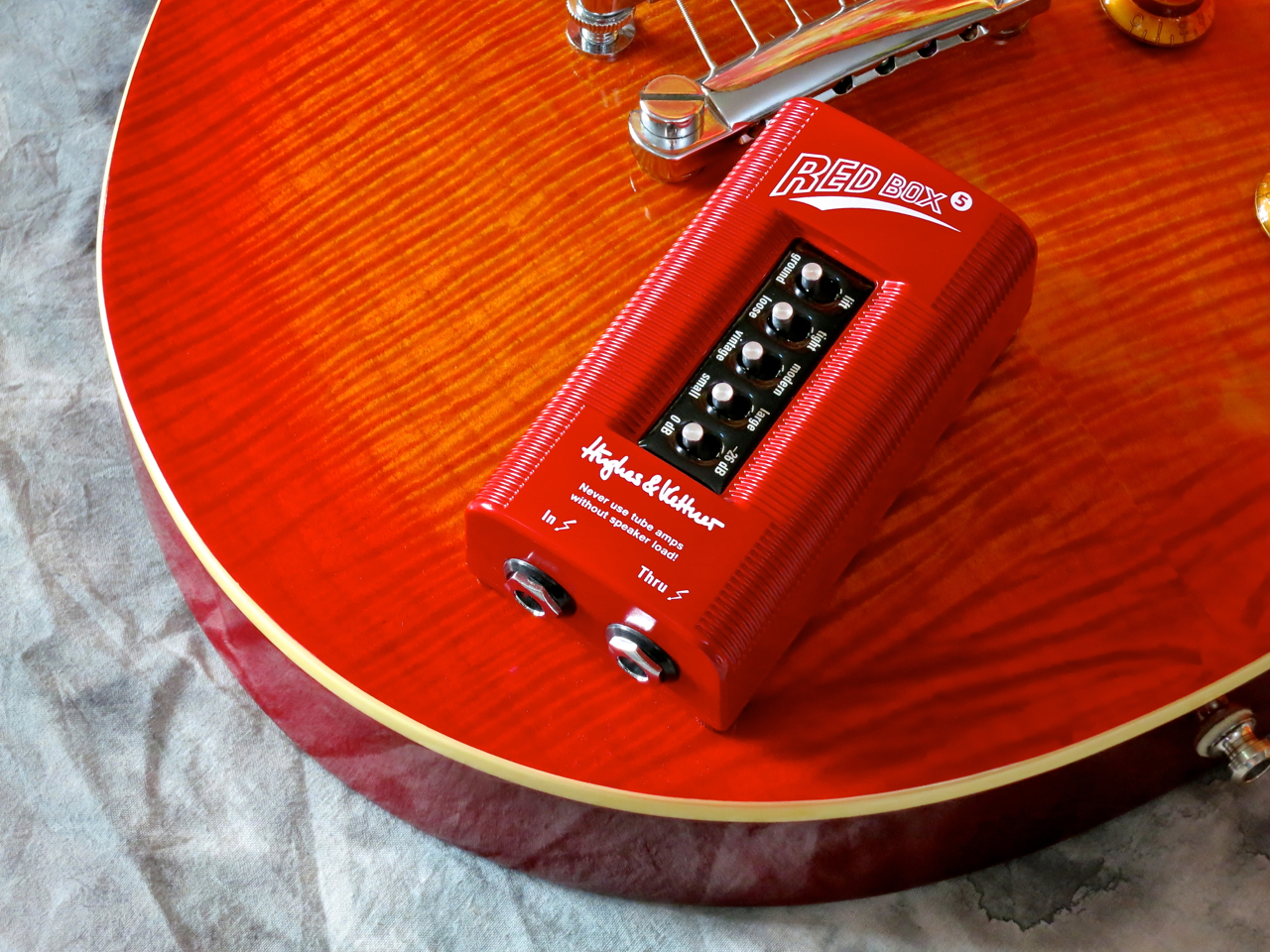
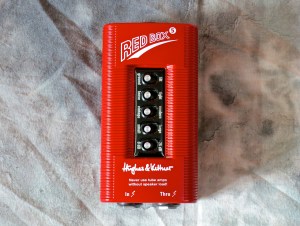
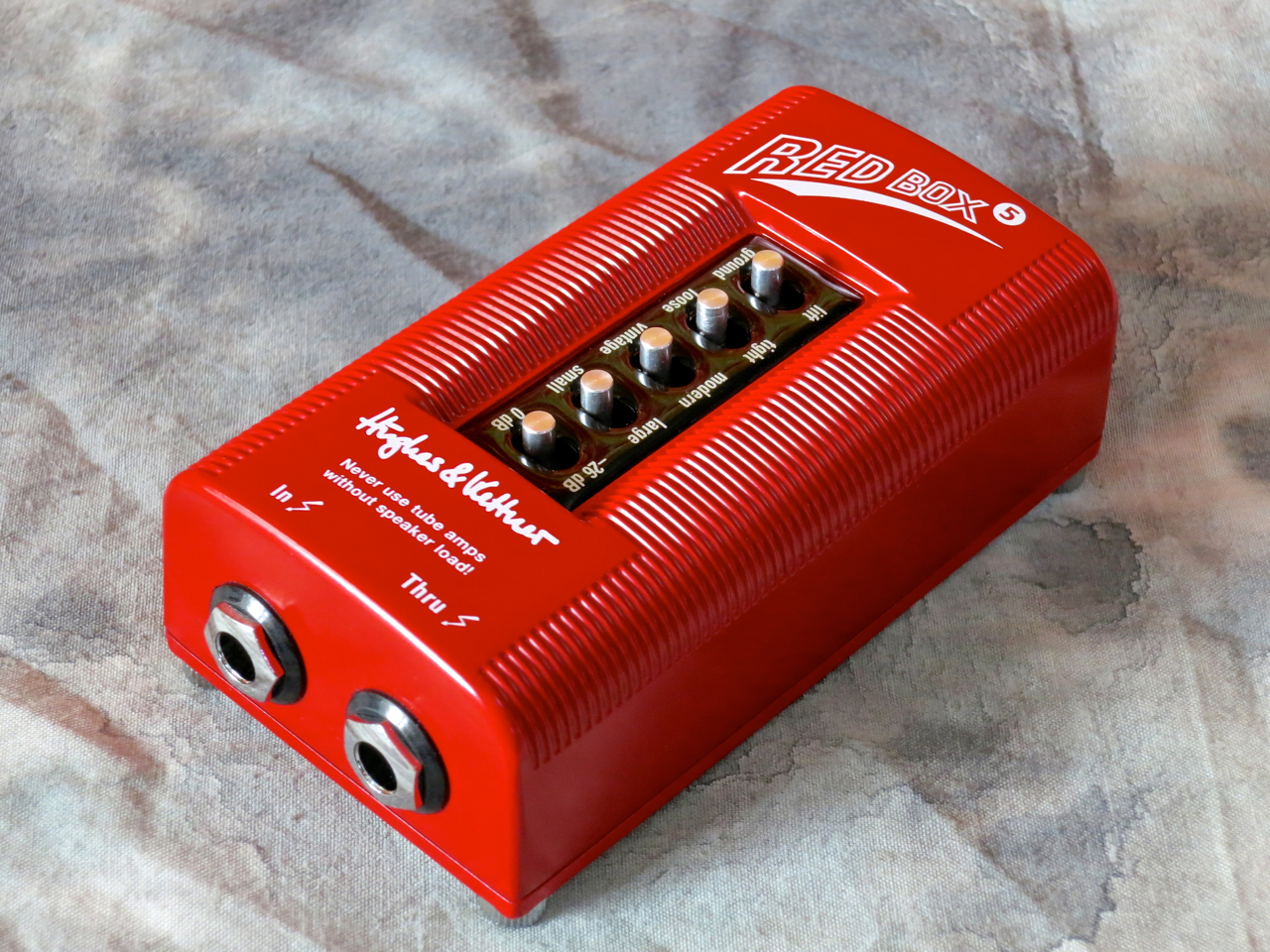
Hughes & Kettner Red Box 5 – full

Hughes & Kettner Red Box 5 (89,90 €) tuntuu hyvin kestävänoloiselta, sen kompaktin, valumetallisen kotelonsa ansiosta.

Red Boxin koteloon upotettu kytkinpaneeli suojaa kytkimiä tehokkaasti mekaaniselta rasitukselta, sekä tahattomilta asetusmuutoksilta.

Hughes & Kettner Red Box 5 – bottom view

Kitaristin ja teknikon iloksi uusille Red Boxeille voi syöttää monenlaista sähköä:

Tämä Hughes & Kettner toimii sekä 9 voltin paristolla, mikserin phantomsyötöllä tai ulkoisen virtalähteen sähköllä, jolloin Red Boxiin voi syöttää 9-12 volttia joko tasavirtana (miinus keskellä) tai vaihtovirtana. Sopivan verkkolaitteen löytäminen ei siis pitäisi olla tässä tapauksessa ongelma!

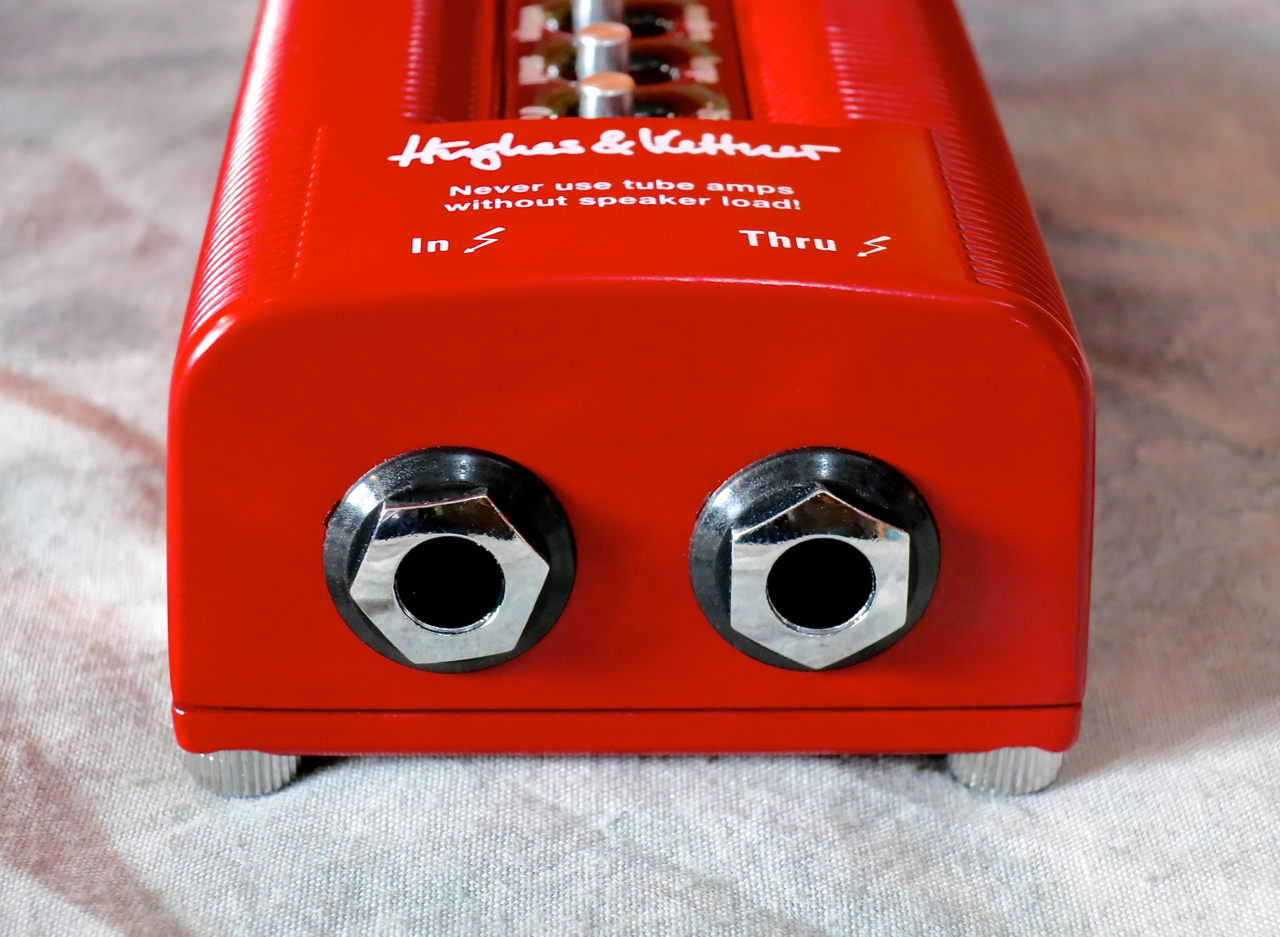
Hughes & Kettner Red Box 5 – speaker jacks

Hughes & Kettnerin alareunasta löytyy boksin kaiutinliittimet:

Vahvistimesta tuleva kaiutinjohto kytketään In-tuloon, kun taas Thru-lähdön signaali menee eteenpäin kaiuttimelle.

On erittäin tärkeä korostaa, että Red Box 5 ei ole keinokuorma, vaan ainoastaan DI-boksi! Jos käytössä on putkivahvistin (tai putkipäätteellä varustettu hybridi), vahvistinta saa ainoastaan käyttää sopivalla (= oikea ohmiarvo) kaiuttimella/kaiutinkaapilla tai keinokuormalla, riippumatta siitä käytetäänkö Red Boxia vai ei. Putkivahvistimen käyttäminen ilman asianmukaista kuormaa rikkoo (käytännössä väistämättä) laitteen audiomuuntajan!

Hughes & Kettner Red Box 5 – XLR + DC

Red Boxin yläreunaan on asennettu laitteen balansoitu XLR-lähtö mikserille, sekä liitin virtalähteelle.

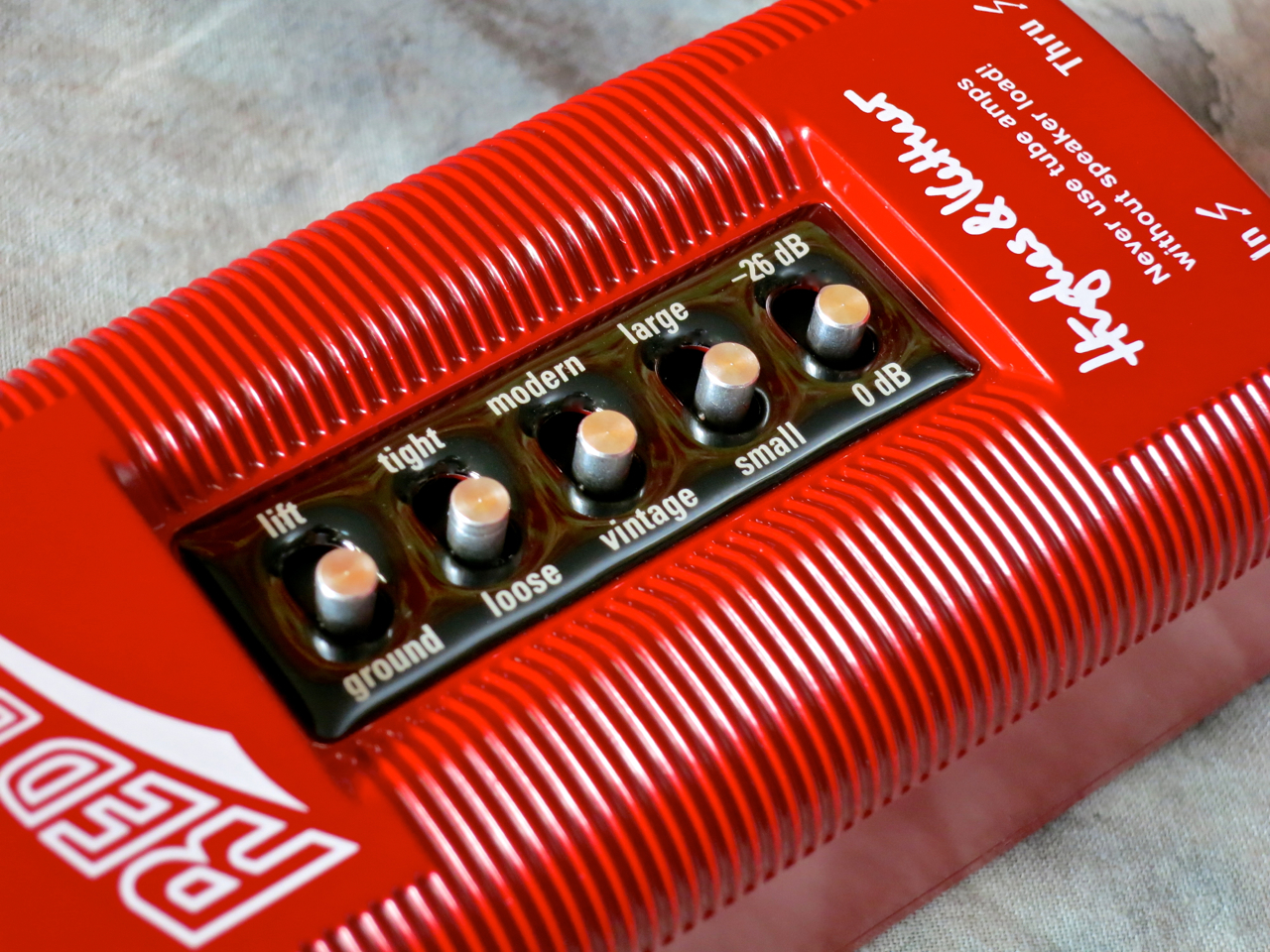
Hughes & Kettner Red Box 5 – switches

Hughes & Kettnerin viidellä kytkimellä voi hienosäätää DI-boksin toimintaa ja soundia:

Tarjolla on maalenkin katkaisin, bassokarakteerikytkin, modern/vintage-valitsin, kaappikokokytkin (small: kombo; large: 4 x 12 -kaappi), sekä 26:n desibelin padi DI-signaalille.

Hughes & Kettner Red Box 5 – baggie

Pakkauksesta löytyy myös musta samettipussi kuljetusta varten.

****

Hughes & Kettner Red Box 5 – angle left

”Hyvä kitarasoundi” on ehkä yksi maailmankaikkeuden subjektiivisimmista asioista. Signaaliketjussa sinänsä on tavallisesti jo suuri määrä muuttuvia tekijöitä. Kun soppaan lisätään vielä kaapin mikitykseen käytetty mikrofoni, sen asento kaiuttimeen nähden ja mikin etäisyys, soundien kirjosta tulee miltei ääretön. Olisi täysin kohtuutonta vaatia tämänkaltaisesta DI-boksista samankaltaiset laajat muokkausmahdollisuudet.

Hughes & Kettner Red Box 5:n idea onkin tarjota käyttäjälle mahdollisimman luonnollisen kuuloisia Best of -vaihtoehtoja tyypillisistä kitarakaappisoundeista, suoraan vahvistimesta mikseriin, täysin ilman mikkiasetuksesta tai huoneakustiikasta johtuvia häiriötekijöitä. Ja juuri siinä Red Box 5 onnistuu mielestäni loistavasti.

Seuraavissa klipeissä on samat pätkät vertailun vuoksi äänitetty sekä ”akustisesti” Shure SM57 -mikrofonilla että suoraan Red Boxilla. Käytin Blackstar HT-1R -vahvistinta ja Änäkäinen Rumble -kaappia. Hughes & Kettnerin kytkimillä oli valittu asetukset ”loose”, ”vintage” ja ”large”.

Tässä on lähimikitetty puhdas pätkä:

Tällaiselta sama pätkä kuulostaa Red Box 5:llä äänitettynä:

Shurella poimittu särösoundi oli tällainen:

Sama pätkä suoraan Hughes & Kettnerin kautta äänitettynä:

****

Hughes & Kettner Red Box 5 – angle right

Hughes & Kettner Red Box 5 on mainio työkalu etenkin lavalla. Red Box 5:llä pääsee viimein mikrofonin kanssa häsläämisestä, ja se poistaa näin myös tehokkaasti mikrofonin feedback- ja vuoto-ongelmat. Jäljellä jää erittäin laadukas kitarasoundi päivästä toiseen.

****

Hughes & Kettner Red Box 5

89,90 €

Maahantuoja: F-Musiikki

****

Plussat:

+ kompakti koko

+ toimii paristolla, verkkolaitteella (AC + DC) tai phantomsyötöllä

+ eri soundivaihtoehdot

+ laadukas kaiutinmallinnus

Testipenkissä: Änäkäinen Rumble 1 x 12

Änäkäinen Rumble Cream – logo 2

Puuverstas Änäkäisen Rumble 1 x 12 -kaappi (hinnat alk. 580 €) tarjoaa tuoreita suomalaisia ratkaisuja hyvän kitarasoundin perustaksi.

Rumble-konseptin takana ovat puuseppä Kari Änäkäinen, jolla itse on myös kitaristi- ja basistitausta, sekä kuusankoskelaisen Triodipajan vetäjä Lassi Ukkonen. Rumble-kitarakaapin suunnittelu alkoi puolivahingossa, kun Kari päätti rakentaa itselleen kevyen ja kompaktin bassokaapin ja pyysi Lassia laskemaan hänelle siihen oikeat mitat. Onnistuneen bassokaapin perusteella syntyi idea tarjota kitaristille laadukkaita, kompakteja ja kevyitä vahvistinkaappeja. Yksi Änäkäisen ensimmäisistä asiakkaista muusikkopuolelta oli kitaralegenda Juha Björninen.

****

Änäkäinen Rumble Cream – angle right

Rumble-kaappien kosmetiikan suhteen Kari Änäkäinen on vannoutunut vintage-mies.

Änäkäinen Rumble Cream – back angle

Saimme testiin kaksi Rumblea, joista toisella on Fender Blonde -tyylinen ulkonäkö (kermanvärinen päällystys ja beesi etukangas)…

Änäkäinen Rumble Black – front angle left

…ja toisella enemmän Marshallin suuntaan nojaava värimaailma.

Änäkäinen Rumble Black – back angle

Rumble-kaapeissa on metalliset kulmasuojat.

Änäkäinen Rumble Black – input

Vankantekoiseen jakkilevyyn on liimattu selkeä impedanssitarra.

Änäkäinen Rumble Cream – front cloth off

Kari Änäkäinen tarjoaa asiakkailleen viisi erilaista 12-tuumaista kaiutinmallia, joista voi valita sopivan elementin omaan kaappiin.

Testissä käyneeseen kermanvaaleaan Rumbleen oli asennettu Eminence Private Jack -kaiutin (50 W/8 Ω).

Änäkäinen Rumble Black – front cloth off

Mustaan Rumbleen taas on valittu WGS:n Reaper-malli (30 W/8 Ω).

Kuten näistä kuvista näkyy, yksi Rumble-kaappien erikoisuuksista on kaiuttimen viereen sijoitettu ääniaukko. Idea on lainattu useissa basso- ja hifikaapeissa käytetystä refleksirakenteesta, vaikka Rumbleissa ei ole ääntä heijastavia väliseiniä tai viritettyä bassoputkea.

Änäkäinen Rumble Cream – struts 1

Rumble-kaappien perusrakennekin poikkeaa tavallisesta kitarakaapista, sillä kotelo on tehty kotimaisesta, 15-millisestä havuvanerista.

Havuvanerin edut ovat sen laadukkuus, hyvä saatavuus, ja etenkin materiaalin kevyt paino. Monille valmistajille havuvaneri on kitara- ja bassokaappien tekoon hieman liian taipuisa, mutta Kari Änäkäinen on löytynyt tähän ratkaisun – samasta materiaalista tehdyt sisäiset tuet.

Änäkäinen Rumble Cream – struts 2

Kaiutinta kantava etuseinä taas on leikattu 18-millisestä, suomalaisesta koivuvanerista.

Koko kotelo on toteutettu täysin ilman ruuveja, ainoastaan liimaliitoksilla ja puutapeilla. Rumble-kaappien ainoat ruuvit käytetään kaiuttimen, jakkilevyn ja kulmasuojien kiinnityksissä.

Änäkäinen Rumble Cream – top handle

Rumble-kaappi on hyvin kompakti ilmestys, joka painaa vain noin 12 kiloa.

****

Änäkäinen Rumble Cream – front left

Tämä perustuu vain subjektiiviseen vaikutukseen, mutta ensimmäiset sanat jotka tulivat Rumble-kaappien kokeilussa mieleen olivat ”äänekäs”, ”iso” ja ”musikaalinen”. Änäkäinen Rumble saa jopa oman Blackstar-pikkuvahvarin (HT-1R) kuulostamaan täysikokoiselta, aikuiselta putkivahvistimelta.

Rumblessa löytyy se sama lämpö ja avoimuus kuin monissa avoimissa kaapeissa/komboissa, mutta sen erikoisen rakenteen ansiosta äänen suuntavuus on huomattavasti parannettu. Tässä ei katoa puolet soundista johonkin kaapin taakse. Samalla etupuolen ääniaukon ansiosta syntyy sellainen herkullinen, huonetta täyttävä ”laajakulma-soundi”.

Eminence-kaiuttimella varustettu blondi-Rumble soi täyteläisellä ja kermaisella äänellä:

Änäkäinen Rumble Black – front angle right

Mustalla Rumblella taas on – WGS Reaper -kaiuttimen ansiosta – vahva Britti-aksentti. Tämä kaappi on hieman ärhäkämpi ja sillä on purevampi preesensalue. Puhtailla vahvistinasetuksilla ero testikaappien välillä ei ole ehkä niin selkeä kuin särösoundeissa:

****

Änäkäinen Rumble Black – logo 2

Tämän testin perusteella voin vain todeta, että Änäkäinen Rumble -kaappi tarjoaa aitoa suomalaista boutique-laatua reiluun hintaan. Rumble todella kuulostaa isommalta kuin mikä se on.

****

Änäkäinen Rumble 1 x 12

Hinnat alkaen 580 €

Valmistaja: Puuverstas Änäkäinen

****

Plussat:

+ työnjälki

+ valtavirrasta poikkeava, toimiva konsepti

+ laaja, mutta silti fokusoitu soundi

+ bassotoisto

+ saatavilla eri kaiuttimilla

Review: Hehku Custom Nightingale 15

Hehku Nightingale 15 – opener

From a guitarist’s standpoint, Finland truly is the land where milk and honey flow. In relation to its tiny population Finland is home to an unbelievable number of first-rate guitar-, effects- and amp-makers.

One such boutique-level amp brand is Hehku Customs from the town of Pori (on the western coast). Hehku’s team consists of chief designer Jarmo Välimäki, as well as Markku Penttilä and Juha Heljakka, who are in charge of R & D, sales and marketing.

There are several examples of different custom amps the company has built on Hehku’s website. Prices for custom amps start at about roughly 1,300 €. Hehku Custom’s cabinet sizes and shapes are standardised, but all other details can be tailoured to each customers wishes and requirements. ”The basic idea is that we want to make our customers’ wildest dreams come true!” says Jarmo Välimäki.

****

Hehku Nightingale 15 – full front

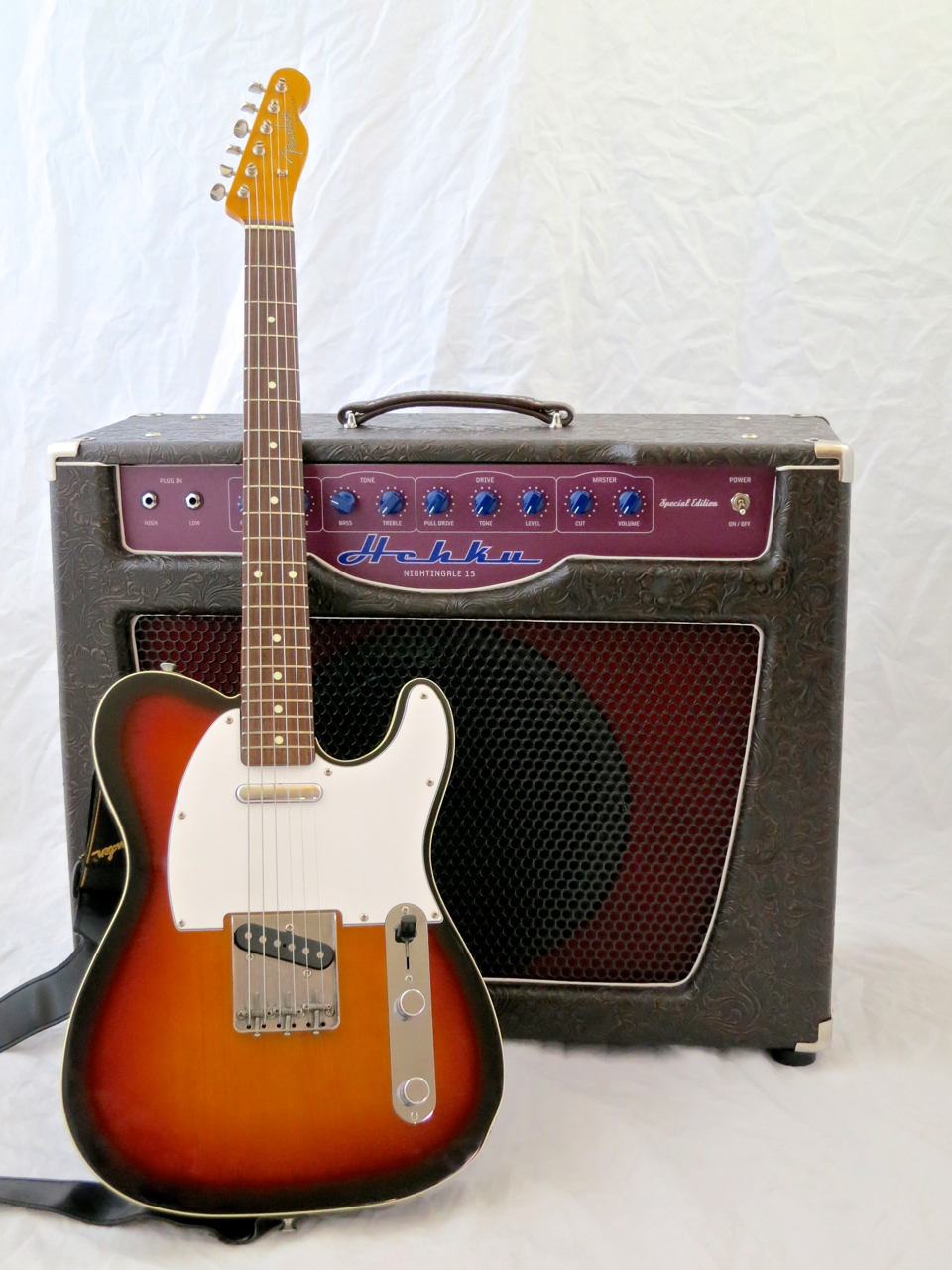
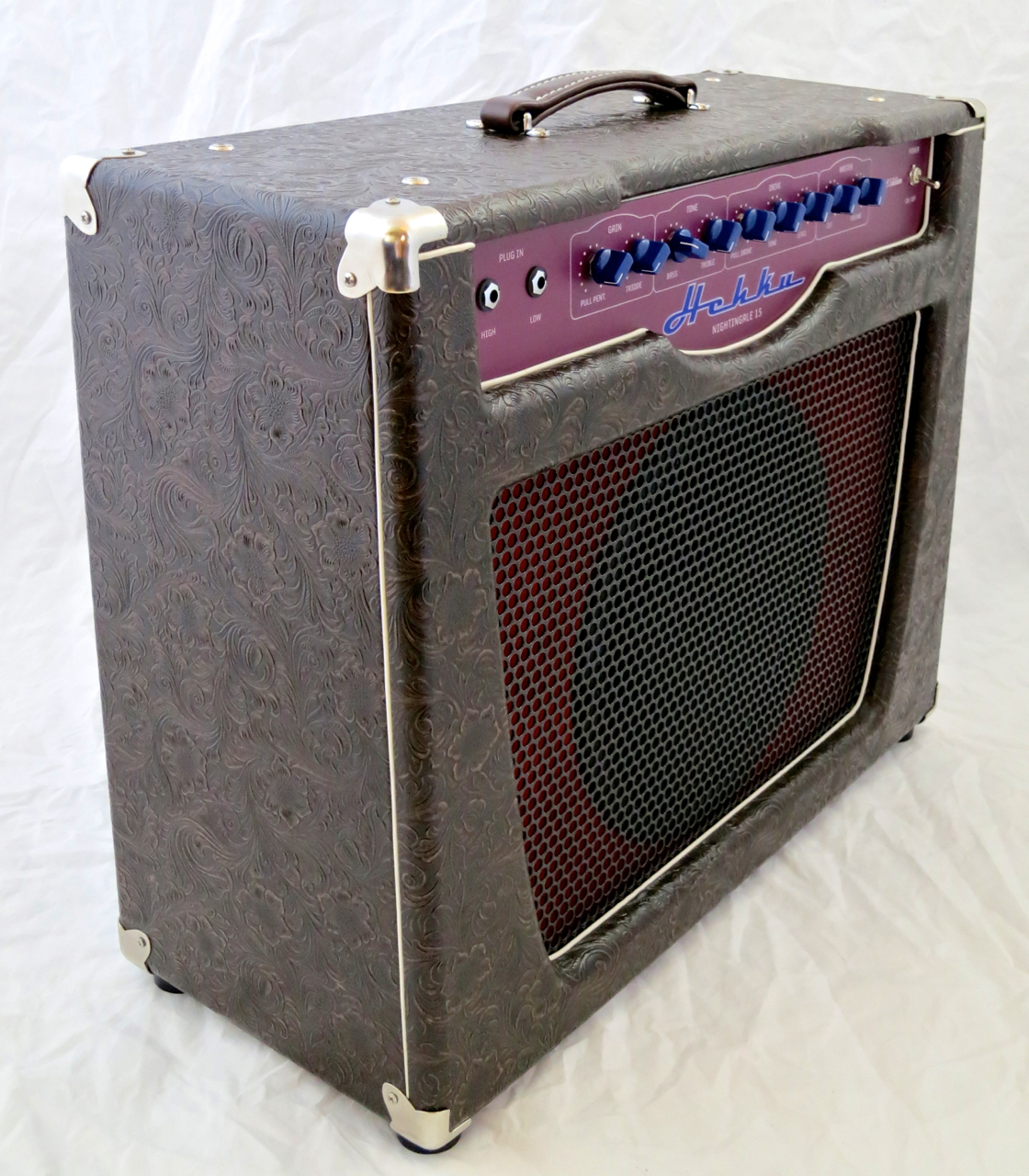
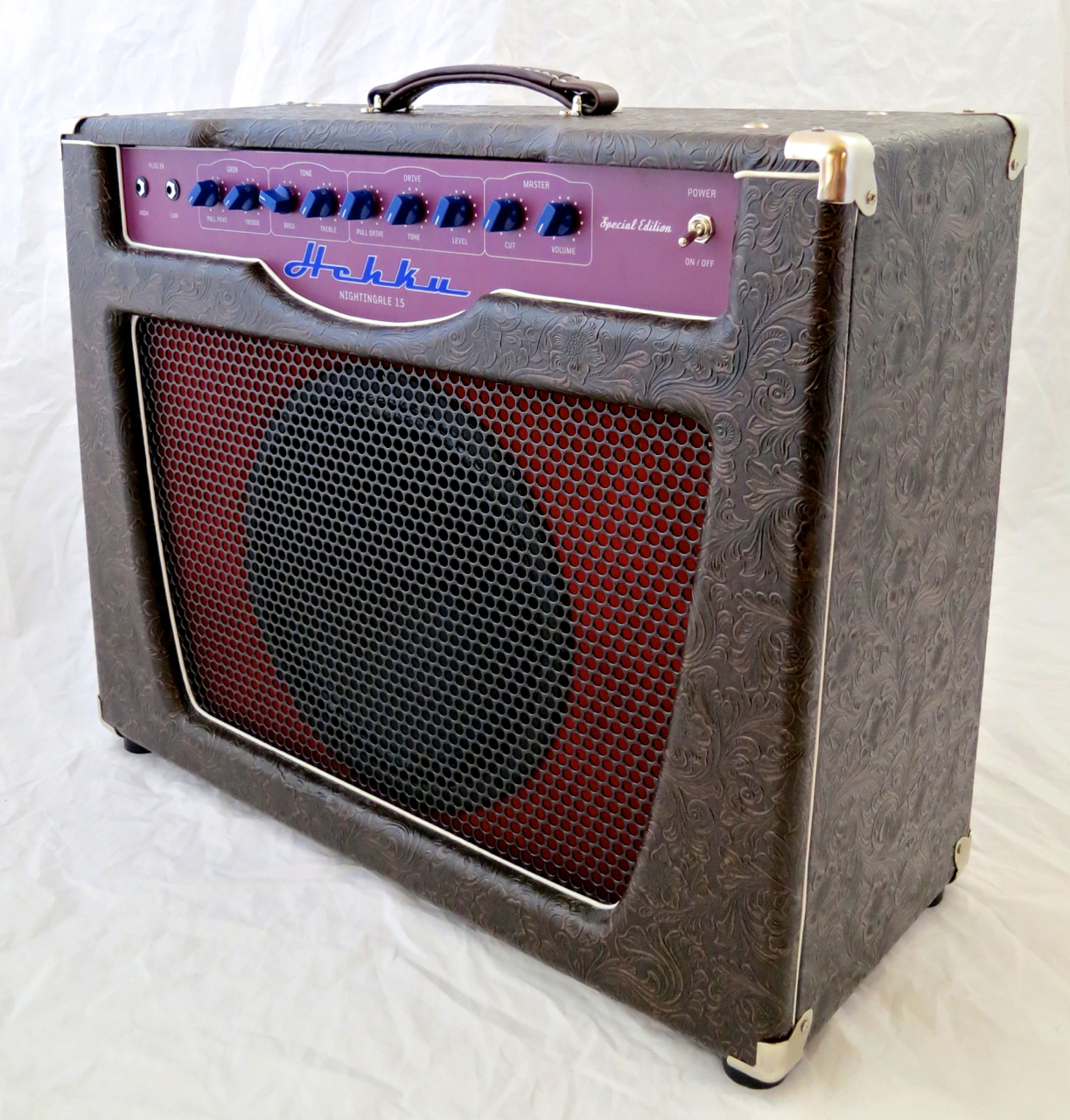
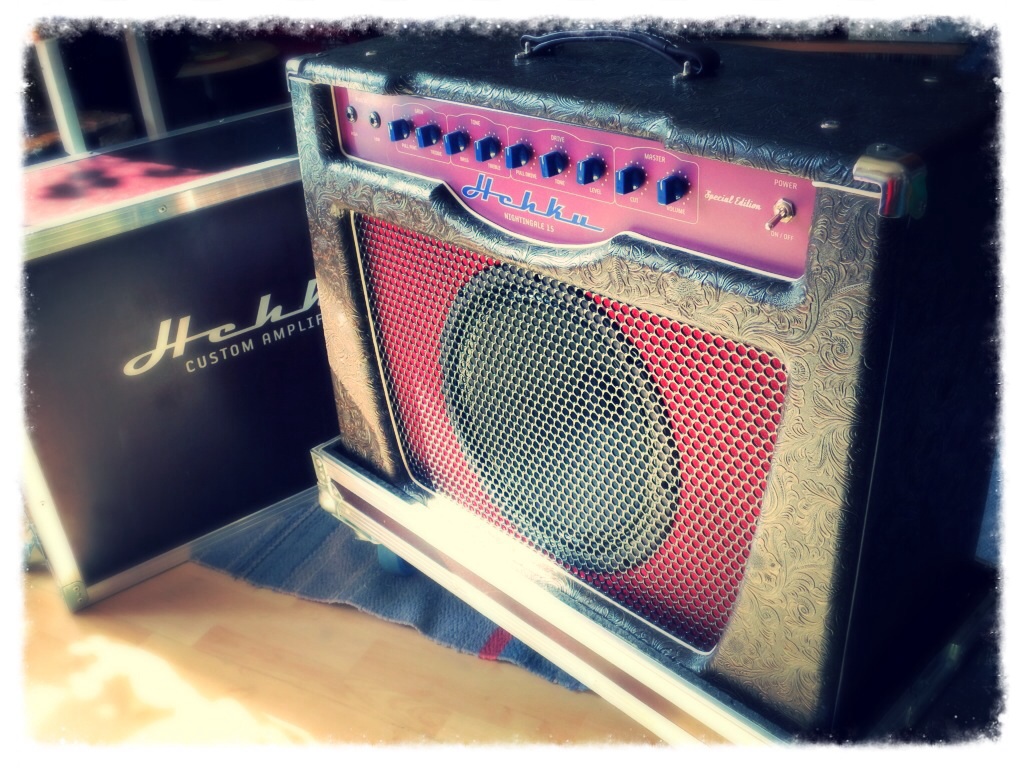
Kitarablogi got a 15-watt Hehku Nightingale 15 combo for testing. This is Hehku Custom’s first standardised model without custom options.

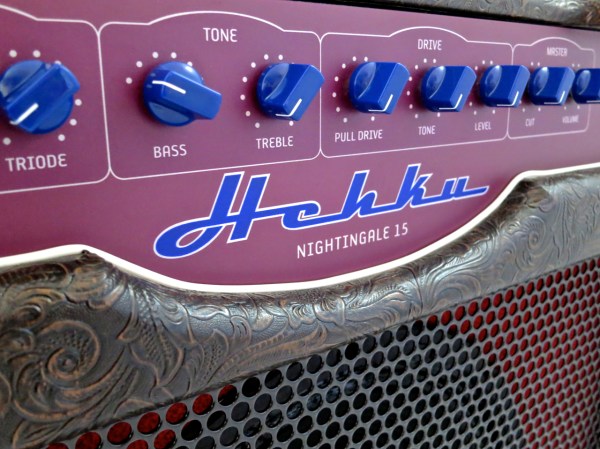
The Nightingale 15 (combo approx.: 1,950 €, head approx.: 1,750 €) is a hand-made, all-valve combo with a single 12-inch speaker, and represents many features typical of Hehku’s design philosophy.

The Nightingale’s cool and original looks make it clear from the off that this combo isn’t your typical Fender Tweed clone.

Hehku Nightingale 15 – full back

The Hehku Nightingale is an open-backed combo with easy valve access. All Hehku cabinets are made from Finnish birch ply, which is an outstanding material, both in terms of strength as well as sound.

Hehku Nightingale 15 – top handle

Birch ply is also relatively lightweight, which is why the Nightingale is easy to carry by its single top handle.

Hehku Nightingale 15

Hehku also offers professional transport cases to go with their amps and cabinets. A road case for the Nightingale 15 would set you back around 260 €.

****

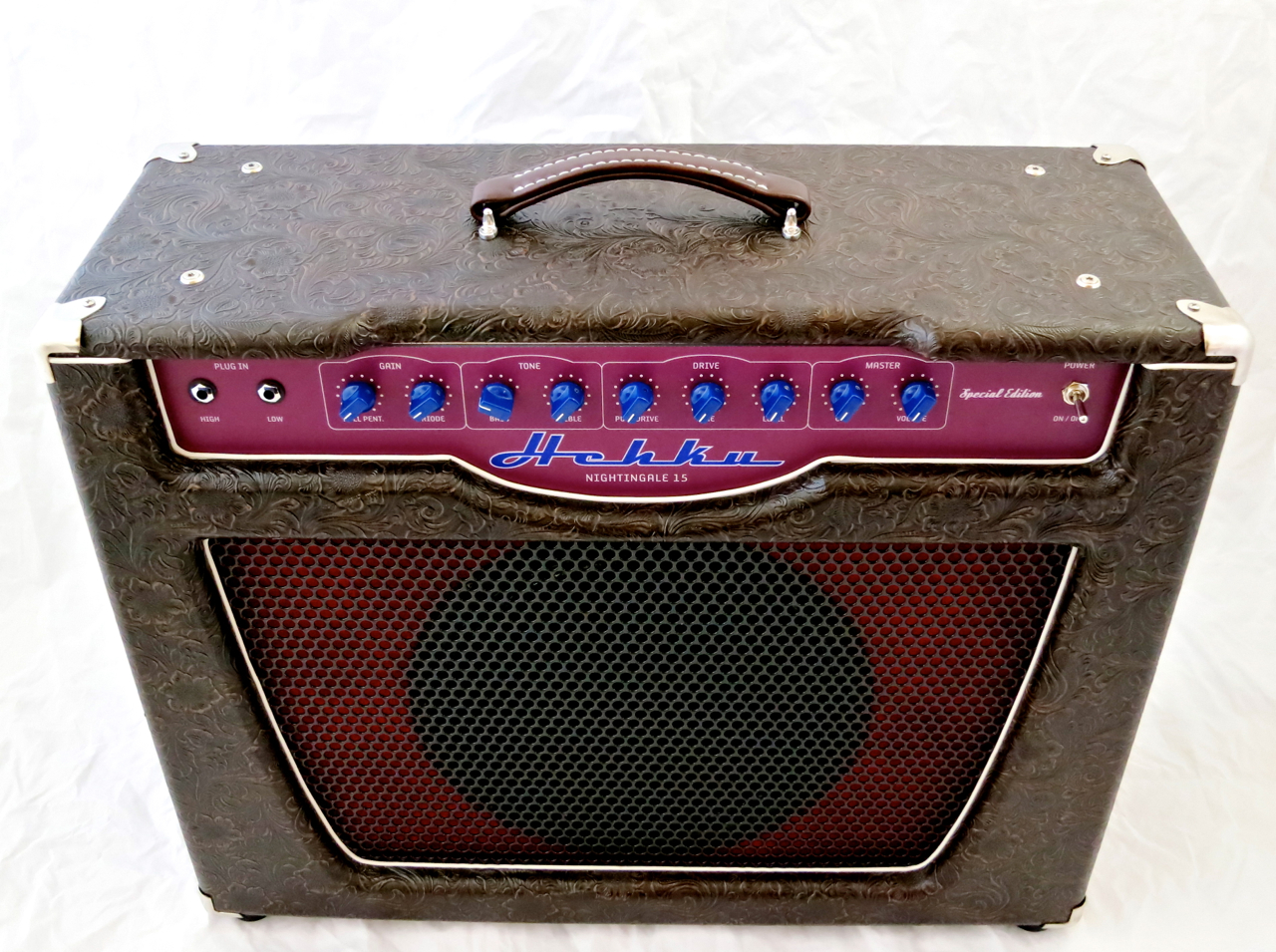
Hehku Nightingale 15 – full control panel

Hehku’s Nightingale 15 is a very special case for a two channel combo, because its signal path is in series the whole way through.

Most vintage (-style) amps have two discrete channels with separate controls and functions (like ”Normal” and ”Tremolo”), and no channel switching capabilities. Modern amps, on the other hand, may share a single EQ section between two channels, but they offer channel switching, and separate gain and volume settings for each channel.

Hehku’s Nightingale takes its own, idiosyncratic path by offering two switchable channels in a cascading set-up. This means that the Clean channel’s triode and pentode gain settings, as well as this channels two-band EQ (six-position rotary Bass, active Treble), also influence the Drive channel’s tone and response.

Hehku Nightingale 15 – footswitch + valves

You can either use the control panel’s push/pull-switches or the compact footswitch unit (included with the amp) to select triode- and pentode-modes, and to switch from Clean to Drive.

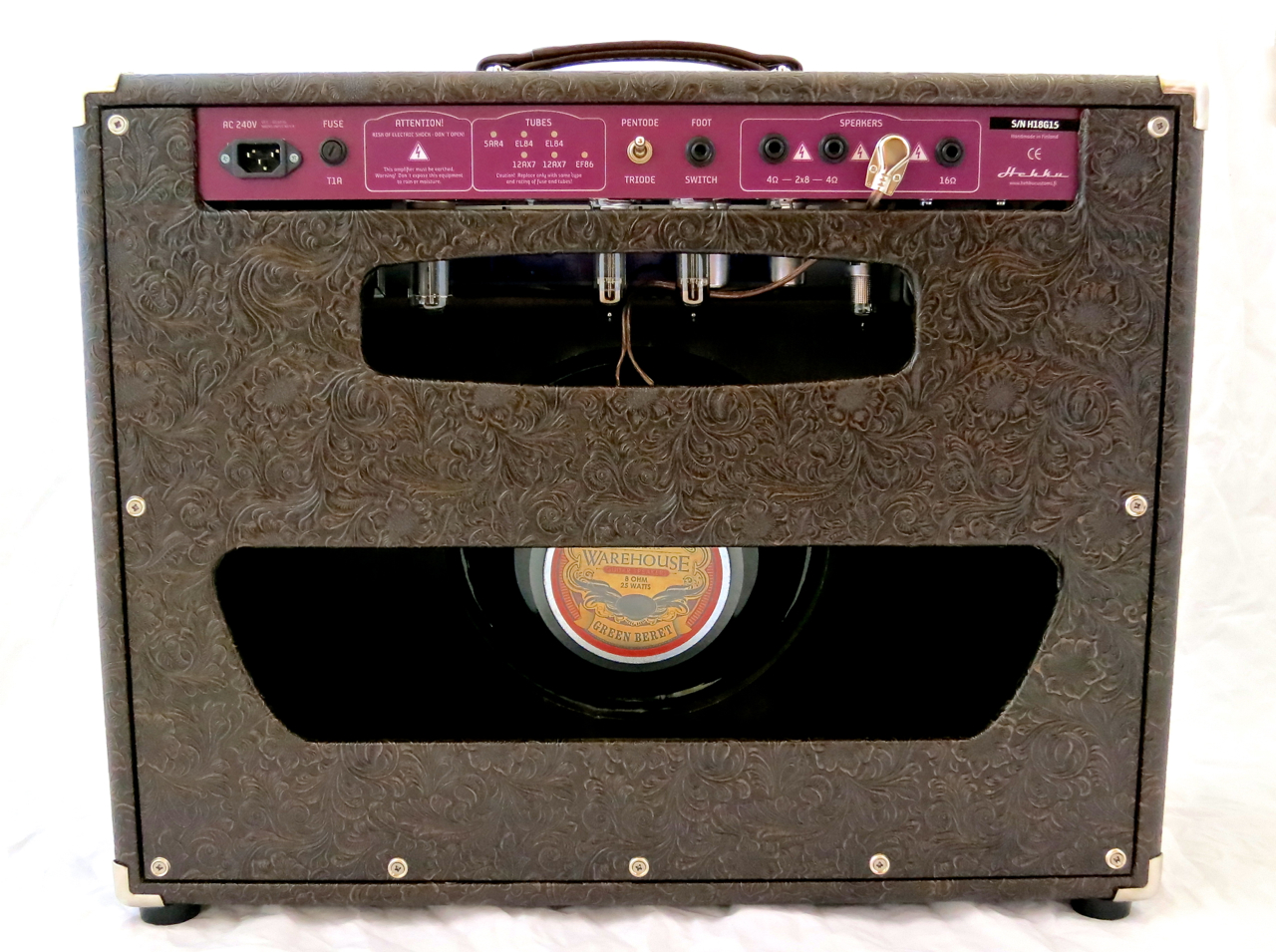
Hehku Nightingale 15 – back panel

The Nightingale’s back panel sports a handy valve chart for easy orientation.

There’s also a triode/pentode switch for the power amp valves – switching to triode-mode the combo’s output power drops from fifteen to seven watts, and it also changes the amp’s tone somewhat.

Thanks to its four speaker outputs you will be able to connect the Nightingale to virtually any external guitar cabinet you can find.

Hehku Nightingale 15 – EF86 preamp valve

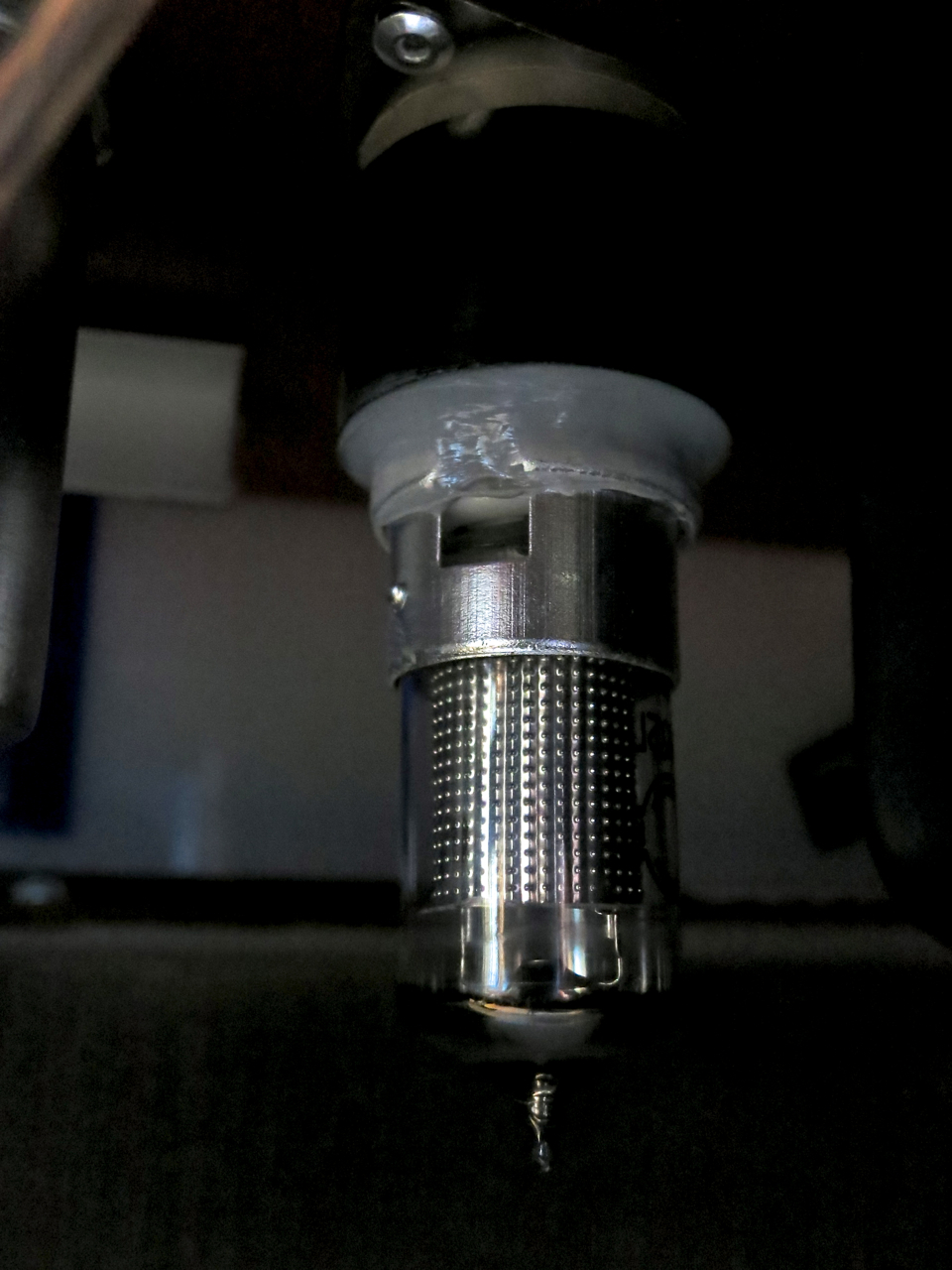
The clean channel is constructed around a EF86-type pentode. The EF86 (aka the 6267) is known for its great tone, and it can be found in some vintage Vox amps, as well as in Matchless and Dr Z amps. But due to its microphonic nature this tube type is not widely used.

Hehku Customs has solved this problem by using a damper made from silicone, which decouples the EF86 from the mechanical vibrations of the combo.
Hehku Nightingale 15 – preamp valves + switches

Overdrive (and phase inversion) duties are handled by a pair of 6N2P-valves, which are Russian, military-spec’ed relatives of the 12AX7/ECC83, offering a slightly different gain structure and sound.

Hehku Nightingale 15 – 5AR4 rectifier tube

The Nightingale uses a tube rectifier designed around a type 5AR4.

Hehku Nightingale 15 – power amp valves

The power amp section runs on a pair of EL84s. You could also drop in two Russian (military) 6P15P/EL83-types, and thanks to the fact that the Hehku Nightingale is self-biasing, you can do this without the need for an amp technician.

Hehku Nightingale 15 – Warehouse-speaker

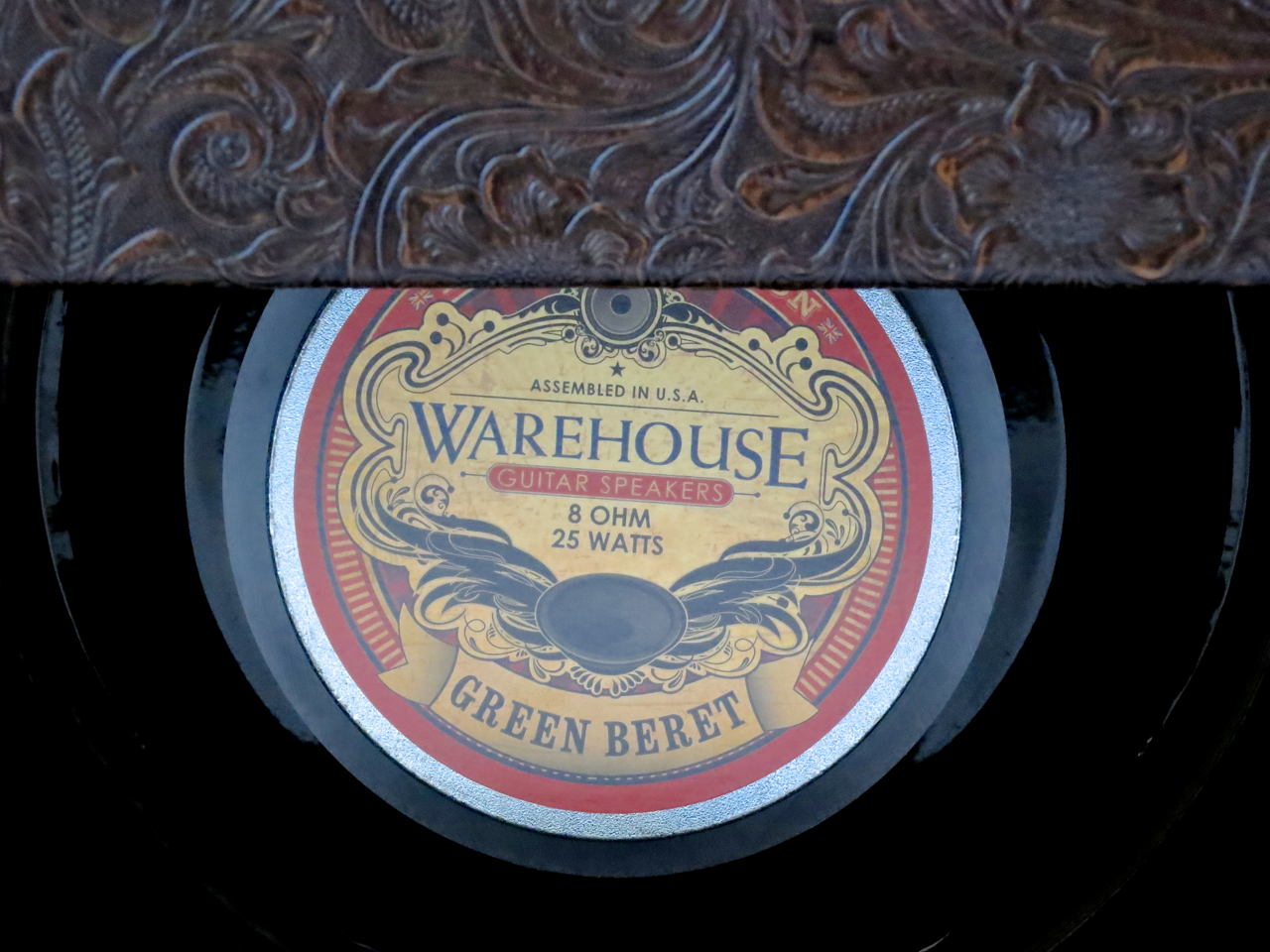
A quality 12-inch speaker from Warehouse, the Green Beret, has been selected for its British sound.

****

With its factory set-up (6N2P + EL84), the Hehku Nightingale 15’s clean channels has plenty of headroom, even for twin humbucker guitars. The six-step Bass-rotary and the combo’s active Treble control offer you a lot of leeway to tune the tone to your requirements. Tonally, the Nightingale’s clean delivery is more ”Vox” than ”Blackface”.

The Nightingale’s overdriven tones are extremely tasty, too. There’s a very juicy mid-range, coupled with a healthy dose of top end grit, which will surely satisfy any fan of classic Rock and Blues sounds.

Here’s a clip recorded with my vintage-reissue Fender Telecaster – you will hear: clean (triode) –> clean (pentode) –> overdriven (triode) –> overdriven (pentode); the power amp runs in pentode-mode:

And here’s a similar clip played with my Hamer USA Studio Custom:

Hehku Nightingale 15 – full angle

****

Hehku’s Jarmo Välimäki also supplied me with a set of alternative valves (12AX7 + 6P15P), and the difference in tone and dynamics is easy to hear:

With the alternative set, there’s much less headroom on offer. Even the Telecaster will drive the clean channel into break-up (in pentode-mode), with the Hamer stepping clearly into Blues-overdrive territory.

These valves add more gain to the drive channel, and also result in a slightly flabbier bass and sharper treble. The Nightingale 15 sounds great this way, too, even though my own preferences lean more into the direction of the factory set-up.

Here’s a clip with the Telecaster (the control settings have stayed unchanged, only the valves have been swapped):

And here’s the sound of the amp played with the Hamer’s two humbuckers:

Hehku Nightingale 15 – reverse angle

****

Hehku Nightingale 15 – logo

In my view, the Hehku Customs Nightingale 15 is a fantastic all-valve combo with its own voice and an interestingly idiosyncratic overall concept. I like Hehku’s eye for detail, and the fact that the company go their own way in terms of looks and electronic design. The Nightingale is a top-drawer amp, offering its own distinctive looks and sounds, without the need to resort to snake oil or nostalgic tube voodoo.

Hehku’s Nightingale is a modern, hand-made valve combo, with a clear and easy-to-understand lay-out, as well as a very interesting and interactive signal path. The Nightingale is not about trying to imitate any specific vintage amp’s sounds – this amp is a true creative tool, setting you on your path to your personal guitar tone nirvana.

The Nightingale 15 sure isn’t cheap, but in light of the fact that this is a hand-made Finnish product, you can only call the price tag very fair!

****

Hehku Customs Nightingale 15

approximately 1.950 €

Contact: Hehku Custom

****

Pros:

+ voluptious appearance

+ workmanship

+ hand-crafted

+ Made in Finland

+ idiosyncratic channel lay-out

+ sound

Review: Roland Cube-10GX

****

cube-10gx_angle_black_gal

The new Roland Cube-10GX approaches the company’s popular Cube-concept from a slightly different angle.

****

cube-10gx_front_gal

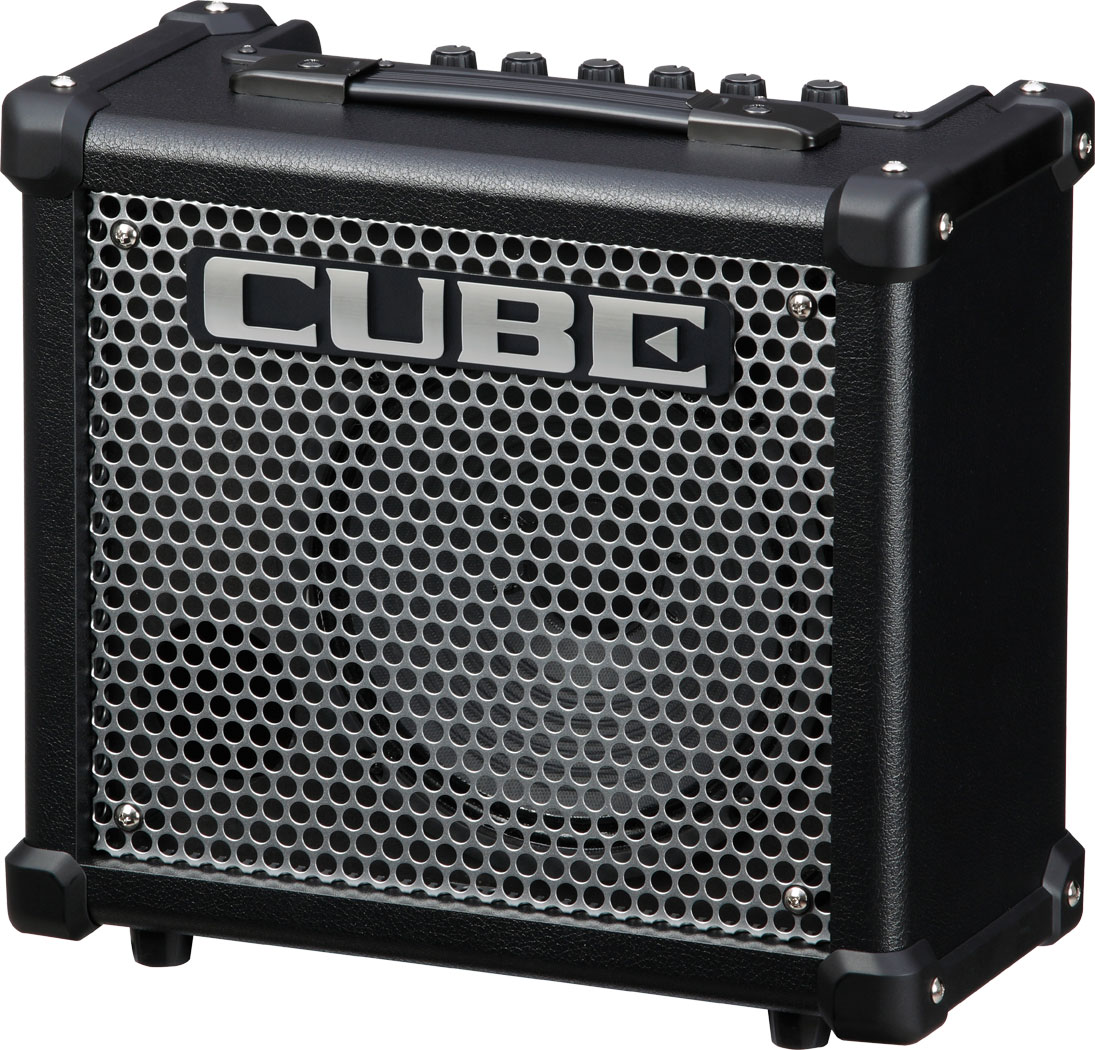
The 10-watt Roland Cube-10GX (Finnish price approx. 125 €) slots into the model range right between the 3-watt Micro Cube GX and the 20-watt Cube-20GX combo.

Despite its very affordable price, the 10GX is built as sturdily as the larger Cube models, featuring chunky corner protectors, and the metal grille typical of this series.

An eight-inch speaker has been installed into the closed-back, front-ported cabinet.

cube-10gx_back_gal

The backpanel sports connections for DC In (the PSU comes included), Aux In, as well as a combined line level output/headphones jack.
cube-10gx_top_gal

The Cube-10GX combo’s architecture differs somewhat from the rest of the GX-models:

The 10GX doesn’t feature a built-in tuner or an i-Cube-Link, like the rest of the GX-models, but offers a much more open way of offering its COSM-generated amp models.

cube-kit-image_1800

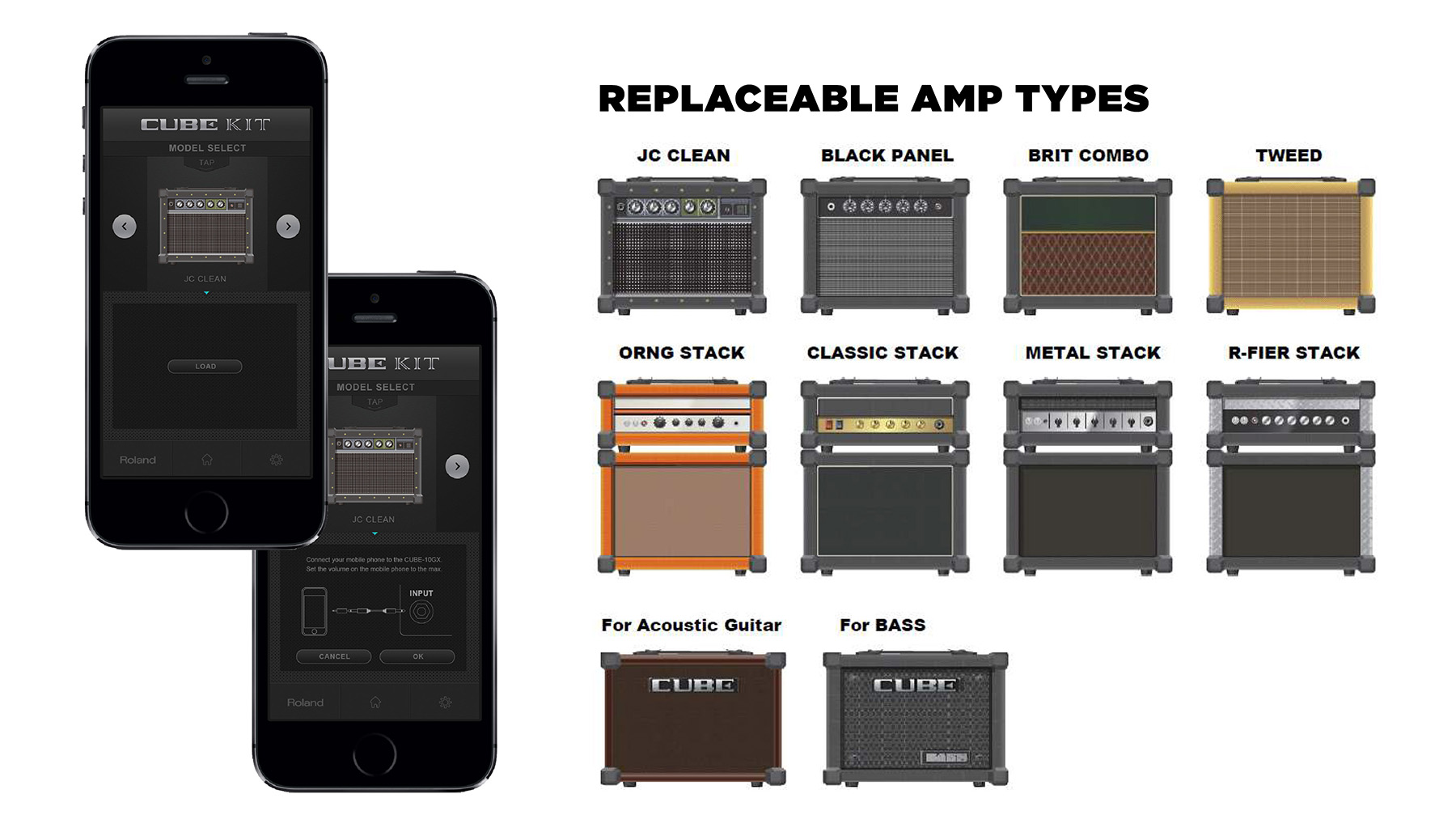
The Cube-10GX lets you choose from a number of different amp models via the new Roland Cube Kit app (Android and iOS). At the moment of writing the app offers eight guitar amp models, plus one bass amp and one amp for acoustic guitar.

Despite the fact that the control panel reads ”Clean”, ”Crunch” and ”Lead”, you can load any of the COSM amp models on offer into any of the amp’s three channels. If you’re a Jazzer, for example, you might prefer to use only clean amps, like Acoustic, JC Clean and Black Panel.

****

cube-10gx_angle_gal

Let me deal with the ”bad news” first: Sadly, the Cube-10GX offers only a single effect section, in contrast to all the other Cube GX -combos. The 10GX gives you the choice between either a chorus or a delay or a hall reverb or a (very wet) spring reverb. And there are no effect combinations on offer.
The new combo’s main focus lies in the easy-to-swap amp models, and improvements in the sound of both the amp and the COSM-models. For a 10-watter the Cube-10GX is surprisingly loud. Thanks to its much larger speaker the new combo sounds much fuller and more grown up than the Micro Cube.

The updated COSM-models sound noticeably more transparent and fresher, without any additional background hiss or noise. The 10GX’ well-designed three-band EQ section lets you tailor the sound to your requirements.

Loading a new amp model into one of the Cube-10GX’ channels via the Cube Kit app is fast and easy, and doesn’t require any special cables. You only need a fitting mini-jack adapter to hook up the guitar lead to your smartphone (or tablet). All the necessary data is then transmitted from the Android- or iOS-device to the amp via the guitar cable. The whole process takes only a few taps and a couple of seconds.

The factory default has the Jazz Chorus amp model loaded into channel 1. I’m playing my Fender Telecaster with a little chorus added from the combo:

Here’s another Jazz Chorus clip, but this time seasoned with some Surf-type spring reverb:

The Classic Stack model is the factory setting for channel 2. It is Roland’s version of a Marshall-stack. I’ve added some delay for this clip:

I loaded the Brit Combo (AC30) model into channel 2, using the Cube Kit app. I’m playing my Telecaster with some reverb from the combo:

”Orng Stack” stands for Orange-stack. This is what it sounds like, played with my Gibson Melody Maker SG:

The factory default for channel 3 is the R-fier Stack model. First a clip using the Telecaster, and then an example Played with the Melody Maker SG:

The Cube Kit’s Acoustic model provides an easy solution for amplifying your acoustic guitar. I’ve used a Tanglewood dreadnought equipped with a magnetic soundhole pickup by Seymour Duncan:

The Cube-10GX even sounds surprisingly good as a tiny bass combo (all audio clips have been recorded with a Shure SM57):

****

Roland’s Cube-10GX (and the cool Cube Kit app) makes it possible to turn this little combo into the amp you really need. A Blues player will probably load his (or her) Cube-10GX with the Black Panel-, Brit Combo-, and Tweed-models, while a Metal guitarist will prefer the chunkier COSM-models on offer (like the Classic-, Metal- and R-fier-stacks).

The Cube-10GX sounds great and is a real little shouter. Despite offering fewer built-in effects than the rest of the GX-range, the Roland Cube-10GX still offers a lot of fun at a very competitive price.

cube-header

****

Roland Cube-10GX

Price range in Finland approx. 125 €

Maahantuoja: Roland Scandinavia

****

Pros:

+ fair price

+ powerful

+ wide range of available amp models (via the Cube Kit app)

+ three-band EQ

+ sturdy build

+ sound

Cons:

– only one effect section

spring reverb offers only little scope for adjustment

Pidä blogia WordPress.comissa.

Ylös ↑