Contact: Bluetone Amps
Kitarablogi.com – Finland's premier Guitar and Bass blog
Juttuja kitaroista ja bassoista


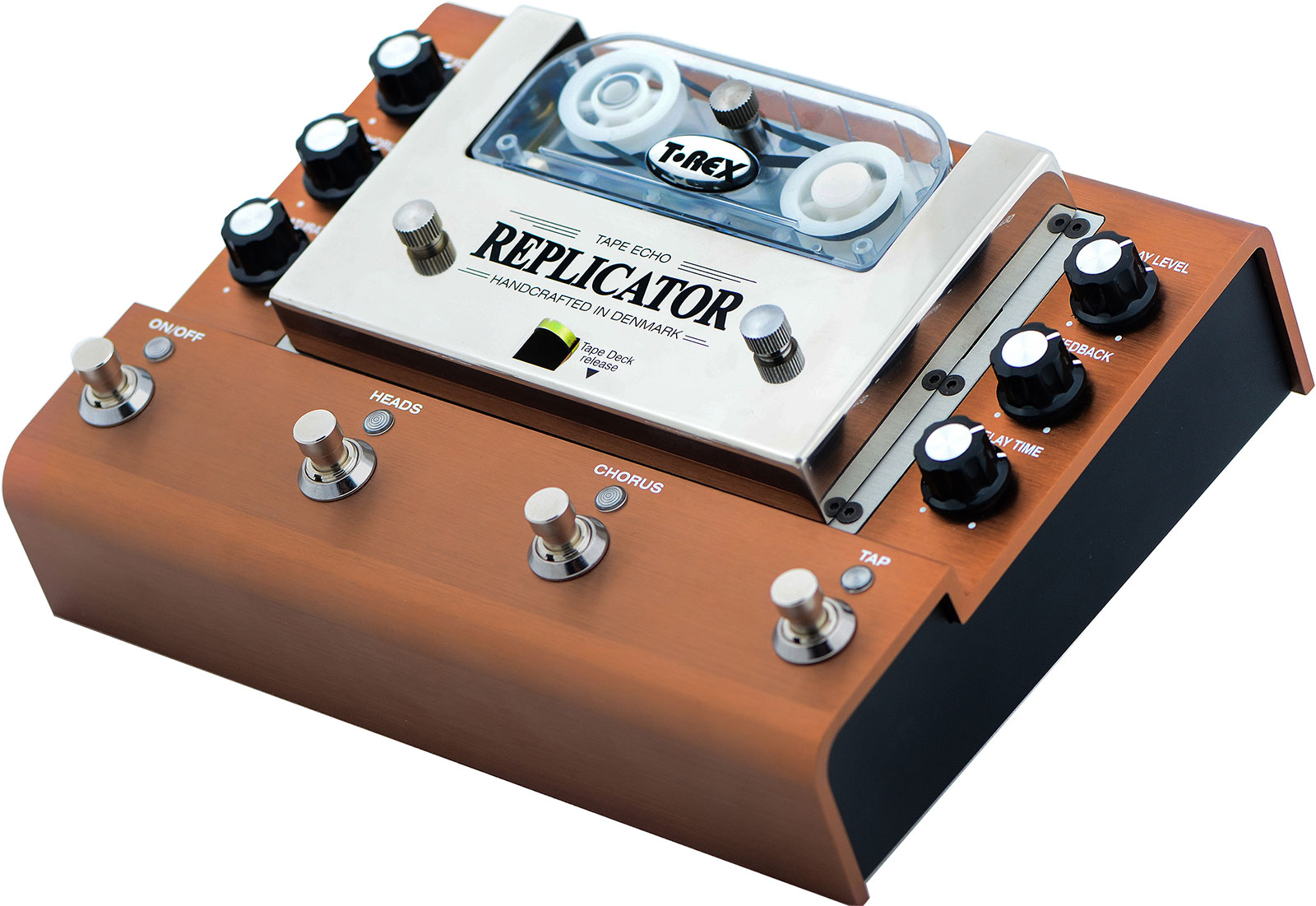
Danish effects specialists T-Rex have caused an enormous stir with their newest guitar pedal. Their new stompbox – called the Replicator – is a genuine, all analogue tape delay, hand-assembled in Denmark. These days tape echoes in themselves are rather rare beasts, but T-Rex ups the ante by giving us the first tape delay with a built-in tap tempo function!
****
The tape delay was the first studio effect invented (back when Rock ’n’ Roll was in its infancy), and it was produced by ”misusing” an open-reel tape recorder (hence the name).
The magnetic tape recorder – originally called the Magnetophon – was a German invention from the 1930s, which used a plastic tape coated with magnetisable material as its recording medium.
An empty – or wiped – magnetic tape has all the metal particles in its magnetisable surface pointing in the same direction. The result is silence (in theory) – or rather: some tape hiss.
During recording the recording head transforms the incoming audio signal into magnetic bursts of different strength, wavelength and polarity, and magnetises the tape’s metal particles, rearranging them into different magnetic clusters. During playback these ”magnetic ripples” are picked up by the playback head and translated back into an audio signal.
In tape recorders, such as open-reel studio machines or C-Cassette recorders, many different factors affect the audio quality of the playback. These factors include things such as the physical condition of the tape, tape width, tape speed, the condition of the parts involved in the mechanical transport of the tape, as well as the exact position of the playback head in relation to the tape.
Most C-Cassette players have/had only two heads – one erase head, plus a combined recording and playback head – but reel-to-reel tape recorders in the studio usually came with at least three heads (erase, record, playback). Thanks to the separate recording and playback heads the studio engineer was able to listen to the recording in progress as it sounded on the tape, while it was being recorded (to listen for tape distortion or tape defects/drop-outs).
Because there is a small physical distance between the recording and playback head, there’s always a short audible delay between the signal being recorded and the playback off the tape. The length of this delay is directly dependent on the distance between the two heads, as well as on the tape speed.
In the end, a recording engineer somewhere hit upon the bright idea to use the studio’s backup tape machine as an ”effect processor”. The engineer used the main recorder in the usual way, to record the song’s final (live-) mix off the mixing console’s master buss. The spare tape recorder was fed only the instruments and vocal parts (from the mixer) which needed to receive tape delay. If you mixed the output of the second recorder’s playback head into the recording desk you got a single delay effect. By feeding a small portion of the delay signal back into the delay tape machine’s input you could get multiple delays.

Tape delays meant for live use usually come with more than one playback head, which makes it easier to fine-tune the length of the echo effect, and which makes rhythmic delay patterns possible. Almost all mobile tape echoes use tape loops as their recording medium.
The T-Rex Replicator comes equipped with four tape heads:
The black head is the erase head, next in line is the record head, followed by two playback heads.
****

The T-Rex Replicator (current price in Finland: 849 €) comes in its own, vintage-themed ”vinyl leather” carrying bag, which contains the Replicator itself, as well as its power supply, a second tape loop cartridge, the owner’s manual, and a set of cotton swabs (for cleaning the heads with a drop of isopropyl alcohol).

The Replicator is quite a rugged pice of gear, made to withstand onstage use.
The 24 VDC power supply, though, seemed a little weedy in comparison.

The back panel offers the following connectors:
There are the input and output jacks, as well as two connectors for expression pedals, should you want to control the delay time (tape speed) and/or the feedback on the fly.
The little Kill Dry-switch mutes the dry (uneffected) signal in the Replicator’s output. This is a very handy feature, should you want to run the Replicator connected to a parallel effect loop, or to a mixing desk using a send/return-bus.

The T-Rex Replicator offers you six controls and four footswitches to control its functions:
The On/Off-switch does what it says on the tin. When the delay effect is off the Replicator’s tape loop stops running.
The Heads-switch gives you access to the effect’s three delay modes by switching the playback heads on or off. A green light means you’re using the long mode (delay times of approx. 250 – 1.200 ms), red stands for short mode (125 – 600 ms), while orange means you’re running both playback heads simultaneously for a rhythmic delay pattern.
Stepping onto the Chorus-switch will introduce deliberate wow and flutter (tape speed fluctuations) to produce a chorus-style effect that can be fine-tuned with the corresponding control.
Tap Tempo does what it says on the tin. Although this is quite a normal feature on digital delay units, the Tap Tempo-switch on the Replicator is huge news for tape delay fans. T-Rex have developed a system to control the unit’s motor digitally, making it possible, for the first time, to synchronise a tape delay precisely on the fly.
The Saturate-control holds a pivotal role for the sound of the Replicator’s delays. Depending on its settings the effect can either be clean and dynamic or greasy and overdriven.
Adjusting the Delay Time- and Feedback-controls on the fly can produce some wild and wonderful effects (in Feedback’s case up to and including self-oscillation).
****

Despite being a child of the Sixties, who has used a tape echo as the main effect in his first band’s PA-system, I have to admit that I’ve grown accustomed to the clarity and precision of digital effects. My first reaction when I tried out the Replicator for this review was ”Is it supposed to sound like this, or is there something wrong?”
Alas, it didn’t take long for the memories of a distant past to return, and I started to really enjoy the genuine old-school tones emanating from the Replicator. You should remember, though, that the Replicator is meant as a handy, portable tool for the guitarist or keyboard player. You shouldn’t expect Queen-style ultra-long, studio quality delay sounds from a compact unit such as this.
Tape speed is of course the most important variable, when it comes to the audio quality of the delay effects – short delay times (= faster running tape loop) will naturally result in cleaner and more stable sounds than long delay times (= a slow running tape).
The first audio clip has been recorded with the shortest possible delay time, while the second clip lets you hear the Replicator running at maximum delay (both clips feature all three head modes):
In my view, the T-Rex Replicator is a portable tape delay of professional quality. You should keep in mind, though, that a genuine analogue tape echo is always (!) a low-fi device in comparison to a digital delay pedal. But it is exactly this authenticity, the slight greasiness, and the sense of unpredictability a genuine tape echo conveys, that makes the Replicator such an enjoyable piece of equipment. The T-Rex’ delay never sounds tacked on, instead it becomes a natural part of your guitar signal’s harmonic content.
I’d say it is hard to overemphasise the advantages this unit’s tap tempo-function brings. The Replicator makes synching your delay child’s play.
I used the T-Rex Replicator to record two demo tracks, which show off the effect’s sounds in different musical contexts:
Demo Track 1
Demo Track 2

****

There’s no beating about the bush about this – the single restrictive factor to seeing the Replicator creep into the pedalboard of each and every guitarist is the unit’s steep price. Most players will baulk at a price tag of over 800 euros for a ”lo-fi effect”, and rather opt for one of the numerous tape delay modellers, like the Strymon El Capistan.
The Replicator, which is lovingly assembled by hand in Denmark, will find most of its clientele among vintage collectors and well-heeled boutique guitar and amp connoisseurs. If you run your original 1950s guitar through an equally vintage amplifier, running an authentic, mechanical tape delay unit will be like the icing on the cake. Especially, if the tape delay is as reliable and easy to use as the T-Rex Replicator.
Is the T-Rex Replicator the best genuine tape delay ever? To my knowledge, there are currently three different new tape echo models on the market – each of them sound great. I would pick the Replicator, though, because it is small enough to fit on a medium-to-large pedalboard, and because of its nifty tap tempo feature.
****
T-Rex Replicator
849 €
Finnish distribution: Custom Sounds
****
Pros:
+ hand-assembled in Denmark
+ tap tempo
+ two playback heads
+ easy to exchange the tape cartridge
+ authentic sound
+ compact size
Cons:
– flimsy PSU cable
– price
• fully programmable digital amp head
• Frank Gambale’s signature presets
• fully-featured amp, cabinet and microphone modelling
• wide range of digital effects
• stereo power amp section (2 x 150 W @ 8 ohm; 2 x 250 W @ 4 ohm)
****
Demo Track
• two clean rhythm guitars – Fender Telecaster (left channel) & Kasuga ES-335 copy (right channel)
• two auto-wah/filter rhythm guitars – Fender Stratocaster (left) & Gibson Melody Maker SG (right)
• lead guitar – Gibson Melody Maker SG
• all guitar tracks recorded direct using Frank Gambale presets (no added effects) via the Multiamp’s balanced XLR-output
****
Lisätiedot: Musamaailma
Tanskalainen efektivalmistaja T-Rex aiheutti aikamoisen kohun sen uudella efektipedaalilla. Replicator-niminen laite on nimittäin Tanskassa käsintehty aito nauhakaiku. Nauhakaiut ovat jo sinänsä nykyään melko harvinaisia laitteita, mutta T-Rexin uutuus tarjoaa ensimmäisenä maailmassa digiefekteistä tutun tap tempo -ominaisuuden.
****
Nauhakaiku oli ensimmäinen varsinainen efekti äänitysstudioissa (Rock ’n’ Rollin syntymän aikoina), ja se luotiin alun perin väärinkäyttämällä studion kelanauhuria tahallaan.
Kelanauhuri on 1930-luvun saksalaiskeksintö (alkuperäinen nimi oli Magnetophon), jossa tallennusvälineenä toimi magnetoitavilla metallihiukkasilla päällystetty muovinauha.
Tyhjässä – tai pyyhityssä – nauhassa kaikki metallihiukkaset ovat siistissä rivissä ja osoittavat samaan suuntaan. Tästä syntyy teoreettinen hiljaisuus ja todellisuudessa nauhan kohina.
Äänitysvaiheessa äänipää muuttaa tulevan signaalin muuttuvaksi magneettikentäksi, joka magnetisoi nauhan metallihiukkasia ja muuttaa näin niiden suuntaa. Toistovaiheessa äänipää taas lukee näitä nauhaan tallennettuja ”magneettiryppyjä”, jotka muutetaan takaisin audiosignaaliksi.
Kelanauhureissa (ja kasettisoittimissa) äänenlaatuun vaikuttavat monet tekijät, kuten nauhan fyysinen kunto, nauhan leveys, nauhan kulkunopeus, äänipään ja nauhurin kuljetusmekanismin kunto, tai äänipään asento nauhaan nähden.
C-kasettinauhureissa on yleensä vain kaksi päätä – poistopää ja yhdistetty äänitys- ja toistopää – mutta studiokäyttöön tarkoitetuissa kelanauhureissa on tavallisesti ainakin kolme päätä – poistopää, äänityspää ja toistopää. Erillisen äänitys- ja toistopään järjestelmän ansiosta on mahdollista kuunnella jo äänityksen aikana, miltä äänite kuulostaa nauhalla (esimerkiksi särön tai rikkinäisen nauhan varalta).
Koska äänitys- ja toistopään välillä on fyysinen matka, toistopään signaali on aina vähän tulosignaalia jäljessä. Aikaeron pituus on riippuvainen päiden välisestä etäisyydestä ja nauhan kulkunopeudesta.
Lopulta joku keksi hankkia studioon kaksi kelanauhuria. Toinen oli master-nauhuri, jonne äänitettiin biisin lopullinen (live-) miksaus, kun taas toiseen lähetettiin mikserista ne signaalit, joihin haluttiin lisätä erillisen toistopään tuottama viive-efekti (yksi toisto). Syöttämällä osan efektinauhurista tulevasta signaalista takaisin saman nauhurin tuloon saatiin haluttaessa syntymään kokonainen toistojen ketju.
Live-käyttöön tarkoitetuissa nauhakaiuissa on usein enemmän kuin yksi toistopää, minkä ansiosta eri pituisten viive-efektien ja/tai rytmisten toistojen tuottaminen helpottuu. Lisäksi tallennusvälineenä toimii miltei aina nauhasilmukka, joka pyörii omassa erikoiskasetissa.
T-Rex Replicatorissa on neljä päätä:
Musta pää on poistopää, seuraavaksi on äänityspää, ja kaksi viimeistä ovat toistopäitä.
****
Vintage-teemaan sopivasti T-Rex Replicator (849 €) myydään omassa keinonahkaisessa kantolaukussa, josta löytyy efektilaitteen lisäksi ulkoinen virtalähde, toinen nauhakasetti, selkeät käyttöohjeet, sekä muutama vanupuikko äänipäiden ja koneiston varovaiseen putsaamiseen (isopropyylillä).
Replicator on todella tukevasti valmistettu laite, joka on nähtävästi suunniteltu myös live-käyttöä varten.
Ainoastaan laitteen mukana tuleva muovinen 24 VDC -verkkomuunnin, ja etenkin sen ohut johto saavat testaajalta muutaman miinuspisteen.
Takapaneelista löytyy tarvittavat liittimet:
Tulo- ja lähtöjakkien lisäksi löytyy vielä kaksi liitintä, joiden kautta pystyy säätämään ekspressiopedaaleilla sekä delay-ajan (nauhan nopeuden) että signaalin takaisinkytkennän (Feedback).
Kill Dry -kytkimellä saa poistettua tulosignaalin kokonaan Replicatorin lähtösignaalista. Tämä on tärkeä ominaisuus, jos haluaa käyttää nauhakaikua rinnakkaisessa efektilenkissä tai send/return-periaatteella pedaalilaudassa tai mikserin kanssa.
T-Rex Replicator tarjoaa käyttäjälle kuusi säädintä ja neljä jalkakytkintä:
On/Off-kytkimellä laitetaan – luonnollisesti – nauhakaiku päälle tai pois; kun Replicator on pois päältä nauha ei pyöri.
Heads-kytkimellä valitaan nauhakaiun toistopäitä – vihreä valo tarkoittaa pidempiä viiveaikoja (noin 250 – 1.200 ms), punaisessa moodissa toinen pää antaa puoleksi lyhyemmät viiveajat (125 – 600 ms), ja oranssi merkkivalo palaa silloin kun molemmat toistopäät toimivat yhtä aikaa.
Chorus-kytkimellä ja Chorus-säätimellä voidaan lisätä tahallista nauhan huojuntaa, mikä vaikuttaa toistojen sävelkorkeuteen:
Tap Tempo -kytkin on tämän nauhakaiun uusi, ennennäkemätön ominaisuus. Digitaalisesti synkronoitu moottori mahdollistaa Replicatorin intuitiivista ja nopeata säätämistä.
Saturate-säätimellä on tärkeä rooli, koska sillä säädetään nauhakaiun äänitystasoa. Saturate-asetuksesta riippuu toistojen puhtaus ja kompressointi.
Delay Timen ja Feedbackin säätäminen lennossa tuottaa villejä efektejä (Feedbackin tapauksessa jopa itseoskillaatioon asti).
****
Vaikka olen itse 1960-luvun lapsi, joka on käyttänyt koulubändini aikoina vielä aitoa nauhakaikua, täytyy myöntää, että digitaalisen vallankumouksen takia kuuloni on tottunut sen verran puhtaisiin, tasaisiin ja kirkkaisiin viive-efekteihin, että ensivaikutelma oli ”Onko laitteessa joku vika?”
Muisto menneistä soundeista kuitenkin palasi hyvinkin nopeasti, ja sen myötä Replicatorin aitojen nauhakaikusoundien diggailu ja nautinto. On kuitenkin muistettava, että T-Rexin uutuuslaite on tarkoitettu kitaristin (tai kiipparistin) pedaalilautaan mahtuvaksi efektipedaaliksi. Näissä raameissa olisi täysin epärealistista odottaa Replicatorilta Queen-tyylisiä superpitkiä, mutta samalla studiolaatuisia toistoja (joita on tehty studiossa kahdella tai kolmella isokokoisella master-nauhurilla).
Nauhan kulkunopeudella on iso vaikutus toistojen äänenlaatuun – nopeasti kulkevasta nauhasta (= lyhyet delay-ajat) tulee tuoreempaa ja laadullisesti vakaampaa jälkeä kuin hitaasti kulkevasta nauhasta (= pitkät delay-ajat). Ensimmäisessä pätkässä on valittu lyhyin mahdollinen delay-aika, kun taas toisessa pätkässä kuulee maksimiviiveen soundeja (kaikissa Heads-variaatioissa):
Mielestäni T-Rex Replicator on erittäin laadukas nauhakaiku. Ei pidä kuitenkaan unohtaa, että aito nauhakaiku on toimintaperiaatteeltaan aina (!) lo-fi-laite. Mutta se on juuri tämä aitous, se soundin lämpöä, sekä nauhan tuoma tietynlainen ”vaara” ja ”arvaamattomuus”, mikä tekee Replicatorin käytöstä niin nautittavan. T-Rexin toistot eivät kuulosta päälle liimatuilta, vaan niistä tulee kitarasoundin harmoninen osa.
Ei voi mielestäni yliarvioida Replicatorissa tap tempo -toiminnon tuomaa hyötyä. Nauhakaiun synkronointi biisiin ei koskaan ollut näin vaivatonta.
Äänitin T-Rex Replicatorilla kaksi erityylistä demobiisiä, joista voi kuulla uutuuslaitteen soundeja bändisovituksen kontekstissa.
Demobiisi 1
Demobiisi 2
****
Ei kannata kierrellä ja kaarrella, vaan suurin (käytännössä ainoa) rajoittava seikka T-Rex Replicator -nauhakaiun käyttössä on sen korkea hinta. Tavalliselle keskivertokitaristille yli 800 euroa yhdestä lo-fi-efektilaitteesta on yksinkertaisesti liikkaa. Meille kuolevaisille nauhakaiun laadukas digitaalinen mallinnus (esimerkiksi Strymon El Capistan) tyydyttää omia lo-fi-tarpeita enemmän kuin riittävän hyvin.
Huolellisesti Tanskassa käsin rakennetun Replicatorin käyttäjäkunta löytyy varmaan enemmän vintage-keräilijöiden joukosta, sekä boutique-vahvistimien ja -soittimien käyttäjien leiristä. Jos on aito 1950/60-luvun sähkökitara ja vahvistin, saa T-Rexistä näiden rinnalle autenttisen, mekaanisesti toimivan viive-efektin, joka toimii varmasti luotettavammin kuin loppuun kulunut vintage-nauhakaiku.
Onko T-Rex Replicator paras nauhakaiku ikinä? Tietääkseni maailmassa on tällä hetkellä kolme nauhakaikua sarjatuotannossa, ja kaikissa on soundi kohdallaan. Minä valitsisin kuitenkin Replicatorin, koska se mahtuu (isoon) pedaalilautaan ja koska sillä on tap tempo -toiminto.
****
T-Rex Replicator
849 €
Maahantuoja: Custom Sounds
****
Plussat:
+ käsintehty Tanskassa
+ tap tempo
+ kaksi toistopäätä
+ helppo nauhan vaihto
+ autenttinen soundi
+ kompakti koko
Miinukset:
– virtalähteen johto
– hinta

• Genuine tape echo
• 100% analog signal
• True bypass
• Two playback heads for three modes of operation
• Tap tempo
• ”Kill dry” switch
• Expression pedal control of time and feedback
• Comes with second tape cartridge and soft bag
****
Demo Track
• All guitar tracks recorded using the Replicator and a Blackstar HT-1R valve combo
• Rhythm guitars – Fender Stratocaster (left channel) & Fender Telecaster (right channel)
• Lead guitar – Fender Stratocaster
Maahantuoja: Custom Sounds
Bogner Amplification has recently added a new member to its Goldfinger-family of guitar amps. In addition to the two-channel Goldfinger 45, there’s now also a single-channel amplifier available, called the Goldfinger 54 Phi.
****

The basic idea behind the Bogner Goldfinger 54 Phi combo (current price in Finland: 3.091 €) was to develop the most versatile single-channel valve amp possible.
The 54 Phi’s starting point was the Goldfinger 45’s clean Alpha-channel. The new model is concentrating mainly on clean tones, and it is meant as the ideal combo for guitarists who achieve most of their sounds with the help of effect pedals.

In its combo version – the 54 Phi is also available as an amp head – weighs in at about 26 kilos.
The cabinet is made from pine ply and it sports an open back construction.
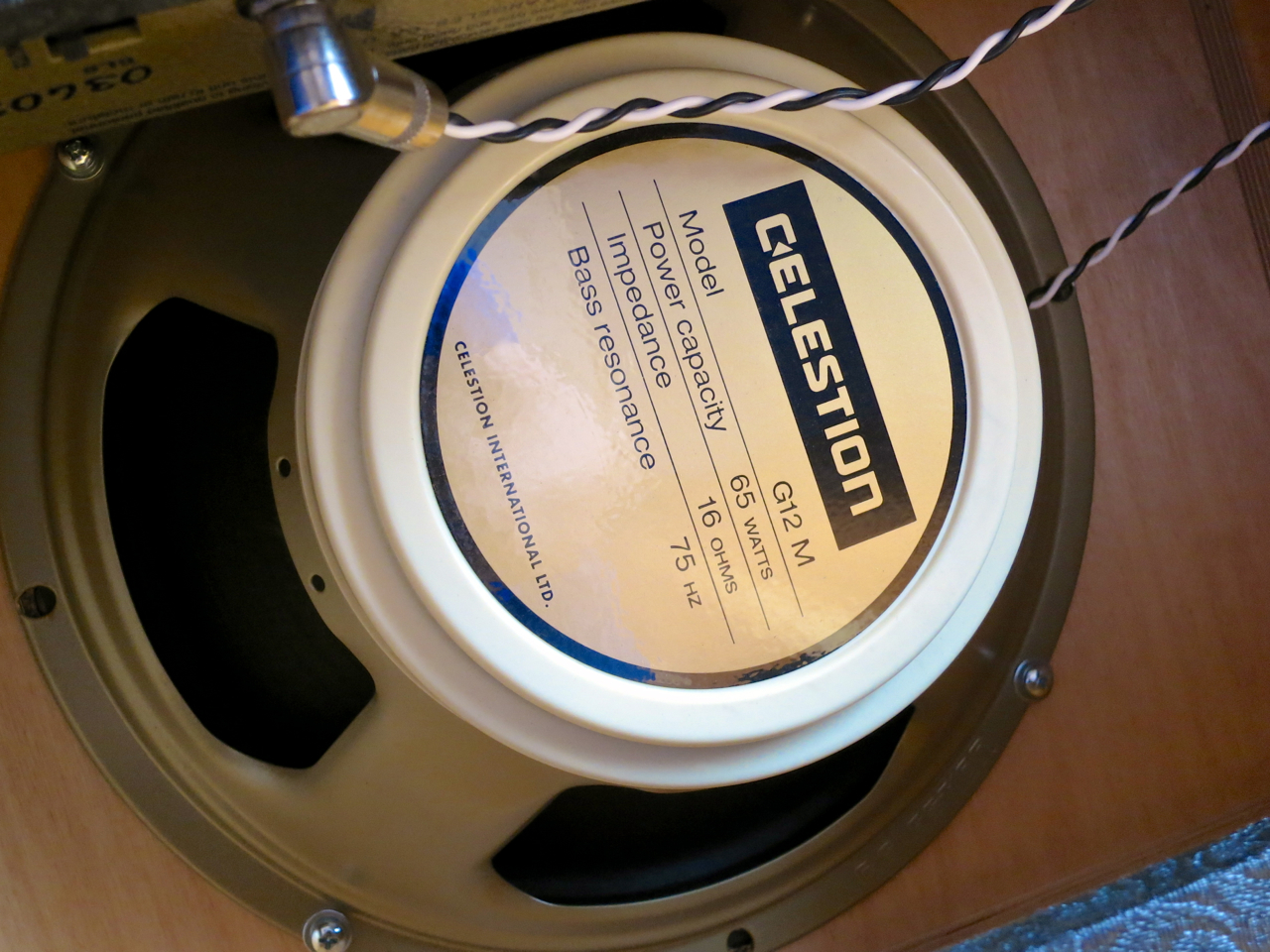
Bogner’s new tube combo comes equipped with a Celestion G12M-65 Creamback speaker, which combines a modern power rating with a classic, Greenback-type tonality.

A four-button footswitch unit is sold with the GF 54 Phi, and it gives us some hints regarding the combo’s versatility and features.
****

Bogner’s Goldfinger Phi offers a lot of scope for adjustment, so that every guitarist can dial in the sound he or she wants. Due to its versatility the 54 Phi needs you to get familiar with all its features, before plugging your guitar in and wailing away.
Actually, you should start your sonic journey with this Bogner’s back panel! The GF 54 Phi comes with a slightly unusual split power amp that employs two pairs of power amp valves – a pair of 6V6s and a pair of 6L6s. Each pair can be switched on or off individually, while the front panel’s Hi/Low-switch makes it possible to use only a single power amp tube from each pair, in effect halving the combo’s output power. By using the Hi/Low-switch and the power amp switches you can choose from six power modes. The lowest alternative lets the Goldfinger Phi run at approximately nine watts (6V6, Low), while the highest power mode (6L6+6V6, Hi) will give you the combo’s full 66 watts of output.
As were talking about a valve amp here, choosing between pairs (or single) power amp tubes doesn’t only have a bearing on the 54’s power rating, but it also affects the amp’s behaviour, especially when it comes to clean headroom and power amp compression (sag). You need to find the ”right” tube and Hi/Low-switch mix for your own, personal tone.
The Gain knob is used to set the preamp gain, while Loudness is what Bogner calls their master volume controls. There are two signal boosts implemented in the Goldfinger Phi’s preamp, but their are placed at different points in the signal chain, which makes them work and sound differently. The adjustable Boost booster is placed in front of the Gain control, even making it possible to achieve some distortion, if necessary. Solo, in turn, is a fixed booster that sits right at the end of the preamp.
Bogner’s GF 54 Phi offers you two different EQ-configurations. You can choose from Bogner’s own, modern tone stack or switch to a vintage Baxandall EQ. Originally, the Baxandall circuit was designed for Hi-Fi equipment, but it found its way into some guitar amps from the 1950s and 60s. Due to the way a Bax EQ works, there’s a perceivable drop in volume when you switch over without readjusting the EQ controls.
The EQ-section is complemented by a separate Presence control, as well as two Expand-switches (one adding bottom end, the other treble).
It may come as a shock to some valve purists, but Reinhold Bogner has deliberately chosen a digital reverb unit for his 54 Phi. In his view this digital unit offers more depth of sound and lushness than the type of spring tray he’d be able to fit into the 54 Phi combo. The reverb type features a little bit of chorus-style modulation to liven things up even further.

I’ve moaned about this before, and I’ll say it again: I’m not the biggest fan of Bogner’s downward-facing back panels. Unless you know the exact position of all connectors and switches by heart, you are forced to lie on your back to make sense of it all.
Be that as it may, the Bogner Goldfinger 54 Phi’s back panel gives you a wide array of different options for getting the most from your combo.
****

I was only given a weekend to test Bogner’s new baby, which is why I didn’t have enough time to record more audio demos. I still managed to come up with two, stylistically rather different demo songs.
The first track was recorded with the 54 Phi combo running in in 9 watts power mode, which made it possible to achieve overdriven sounds without the aid of pedals, simply by running hot humbucking pickups into the Goldfinger. The lead guitar is a Gibson Les Paul Junior with the tone knob turned down halfway, while all backwards guitar tracks were played on a Gibson Melody Maker SG. I recorded the combo (in both demo songs) with a Shure SM57:
The second demo track was recorded with the Bogner running at full tilt (66 W), and with a Boss SD-1 overdrive and a Joyo JF-37 chorus pedal in front of the combo. All guitar parts are played on a Flaxwood MTQ Hybrid guitar with a neck humbucker and a Telecaster-type single coil in the bridge position:
****

Bogner’s Goldfinger 54 Phi is a prime example of the versatility and quality of sound a well-designed, single-channel valve amp can offer.
This is a combo for the sound aesthete, who wants to build a strong foundation for his or her sound, regardless of whether this tone comes from just the fingers or a range of effect pedals.

****
Bogner Goldfinger Phi 54
3.091 €
Finnish distributor: Musamaailma
Pros:
+ workmanship
+ versatile preamp
+ switchable power amp configuration
+ sound

This spring is bringing exciting news from Flaxwood Guitars – the Finnish maker has given its model line-up a thorough overhaul.
One important change sees Flaxwood rearranging their models into three distinct series:

The (newly-expanded) Hybrid Series encompasses Fender-inspired electric guitars, which combine Flaxwood’s famous injection-moulded WFC-necks (Wood Fibre Composite) with wooden bodies.

Flaxwood’s bona fide classics – such as the Äijä, Laine or Rautia models – have now been grouped into the aptly-named Classic Series.

The brand-new Master Series is offering the guitarist ”factory customised” Flaxwood guitars. These models have received special finishes and/or hardware, in addition to pickup choices that differ from similar Classic Series instruments.
For this review we received one guitar from each series – the MTQ Hybrid (current RRP in Finland: 1.750 €), the Liekki 290-T Classic (current RRP in Finland: 2.054 €) and the 57HM-H Master (current RRP in Finland: 2.707 €).
****
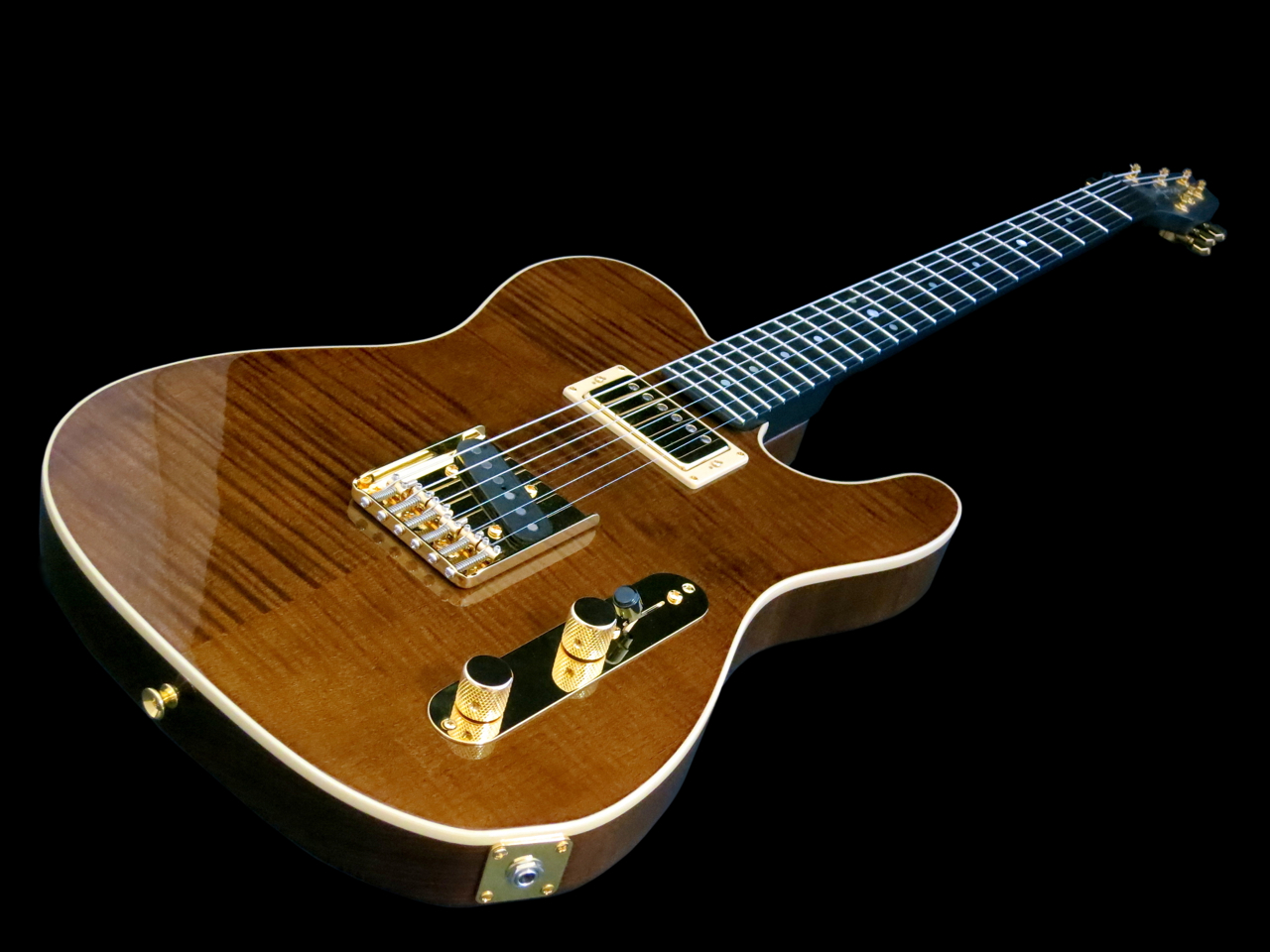
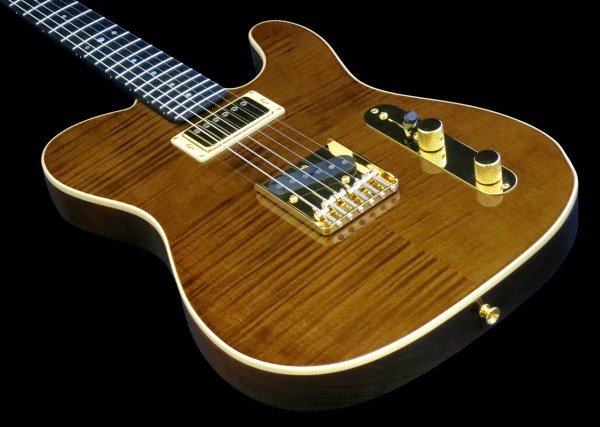
The Flaxwood MTQ Hybrid is the company’s beautiful take on the Telecaster Custom theme, with its wood-composite Flaxwood-neck and a swamp ash body with a bound flame maple top.

The MTQ’s gorgeous Honeyburst finish shows off some luscious wood grain.
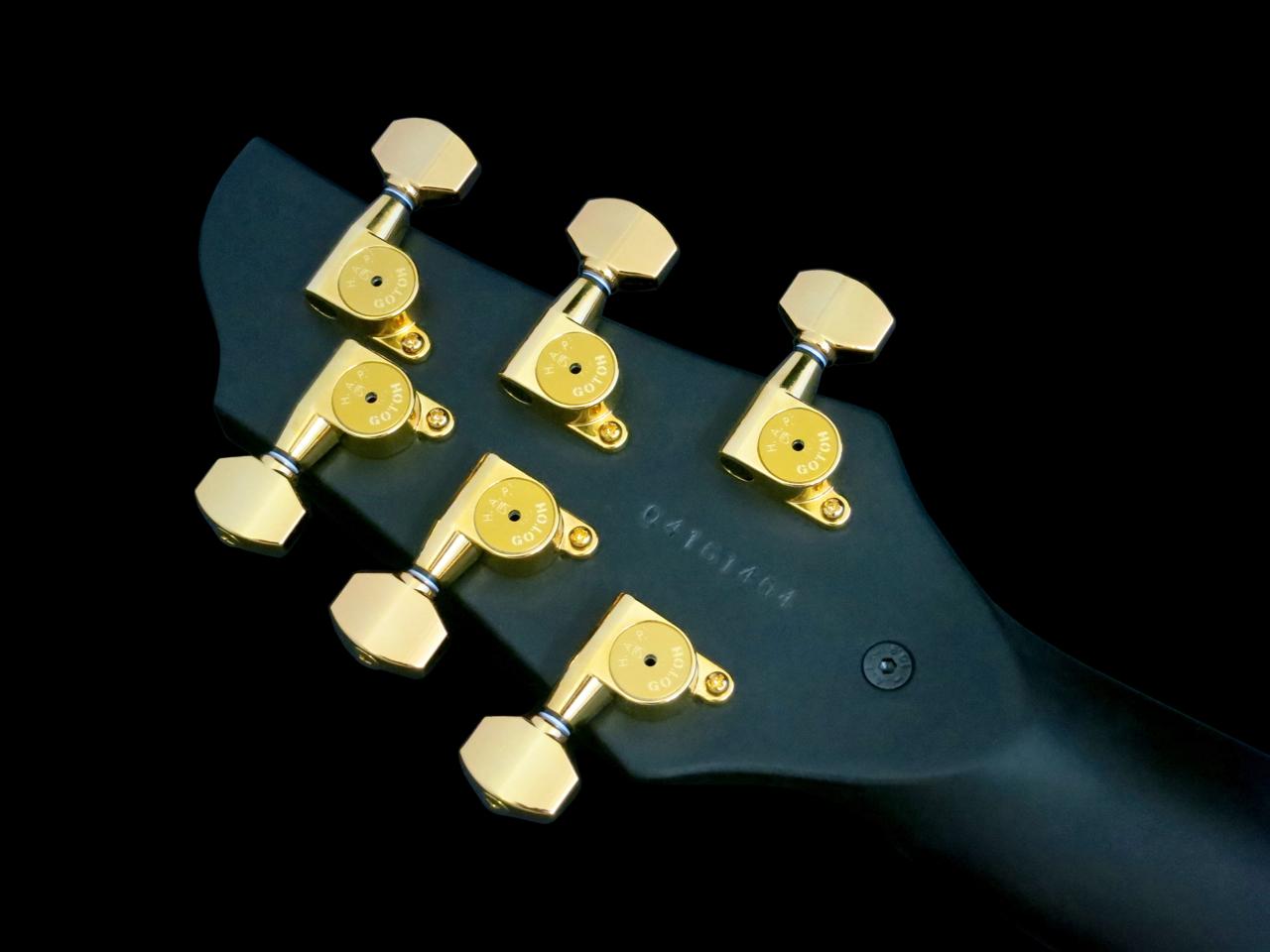
The golden machine heads on the MTQ Hybrid are locking Gotoh H.A.P. units with height-adjustable tuning posts.
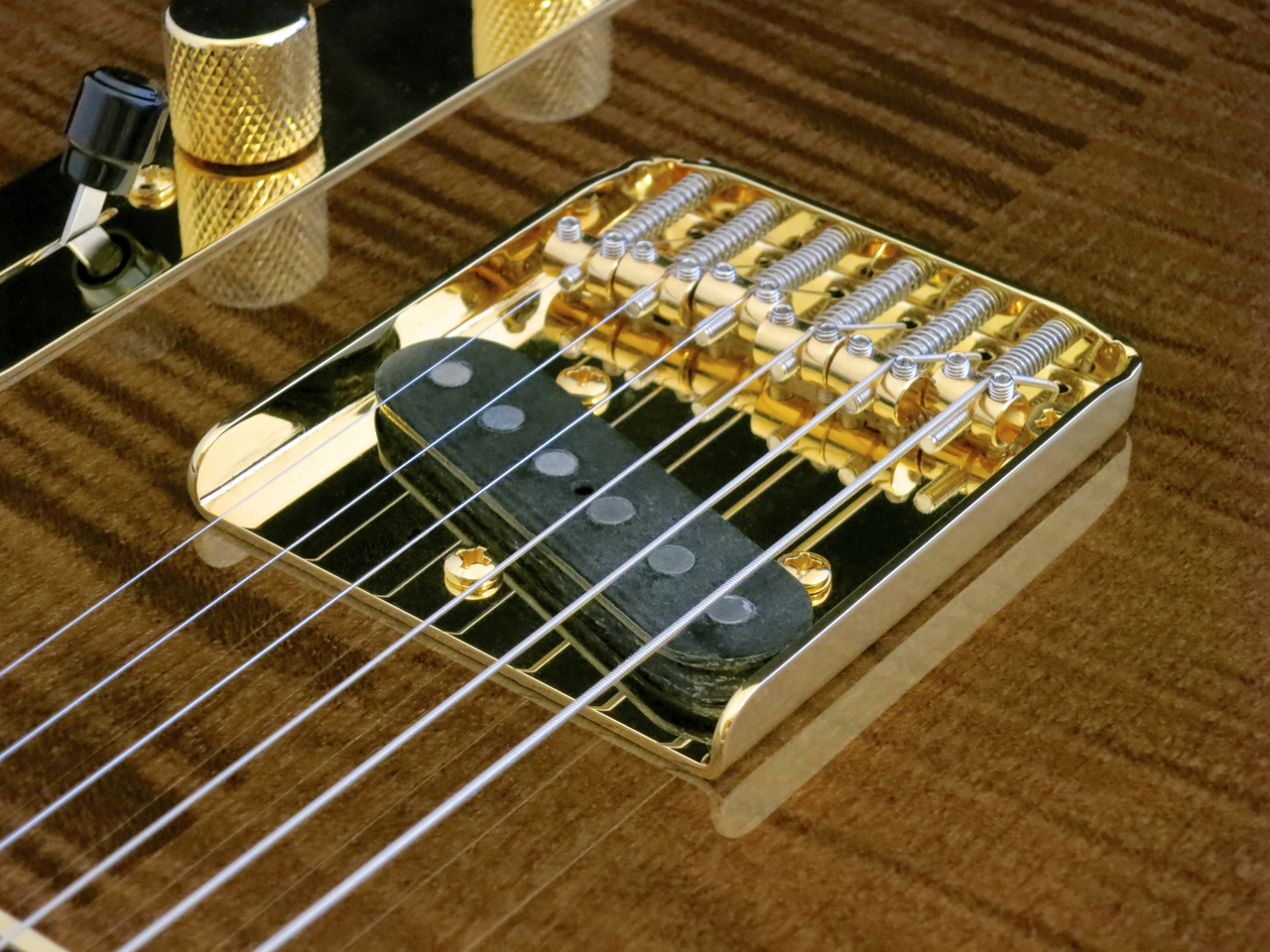
The bridge is a traditional Tele-ashtray design, but it comes updated with six bridge saddles for perfect intonation and action adjustment.

The MTQ’s pickups are made by Seymour Duncan:
The neck unit is a (PAF-style) Antiquity Humbucker, while the bridge single coil is a chunky STL-1B.
****

The Flaxwood Liekki 290-T Classic (liekki means flame in Finnish) is without doubt one of the best-known guitars from this Finnish maker. This slender and gracious f-holed beauty is offered in several cool finishes.
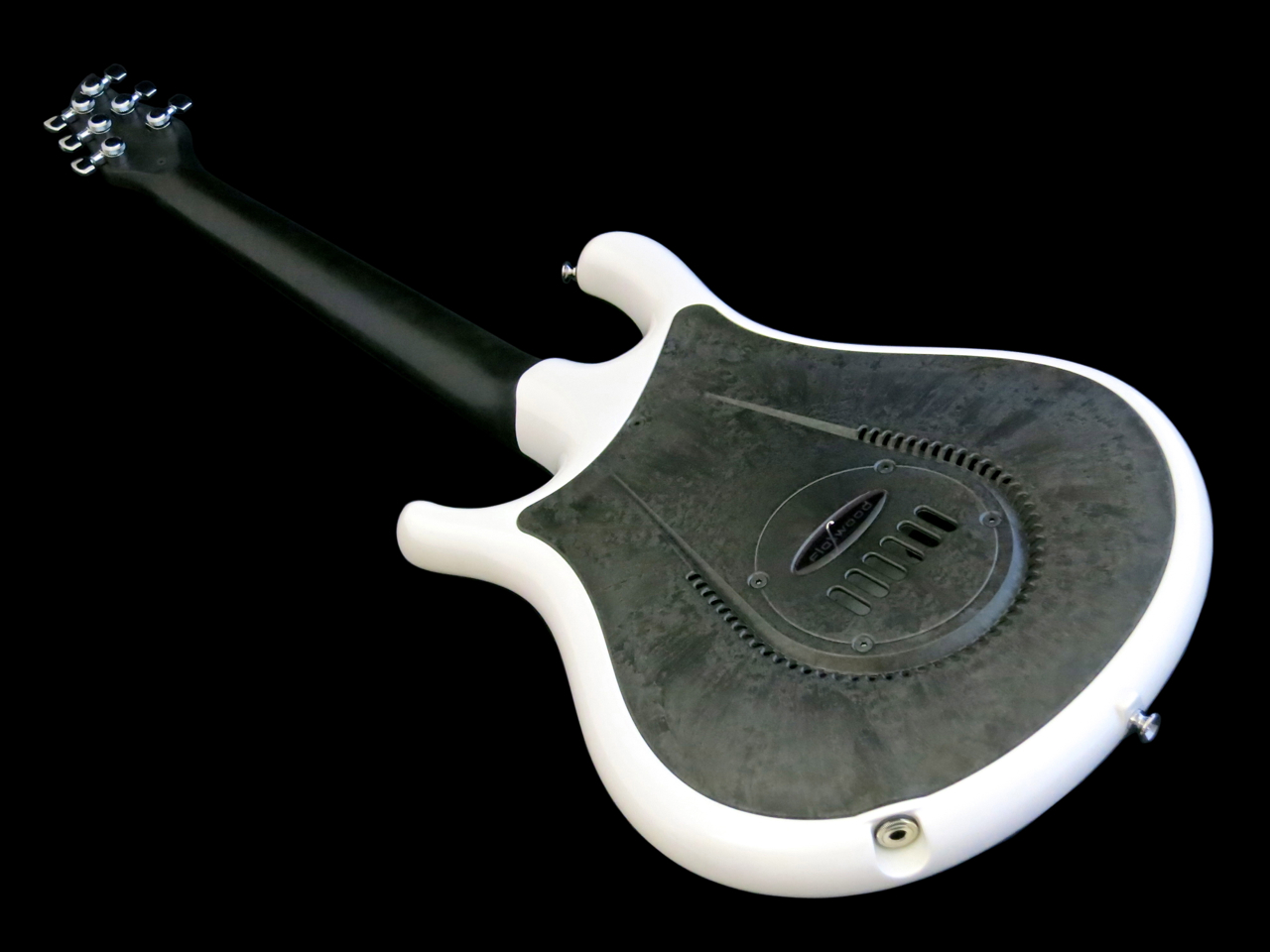
The Liekki 290-T Classic is an all Flaxwood-WFC instrument. This injection-moulded material – which was developed in co-operation with the University of Eastern Finland – is eco-friendly and fully recyclable.
The Flaxwood body is partially hollow, and capped from the back with a resonating back plate.
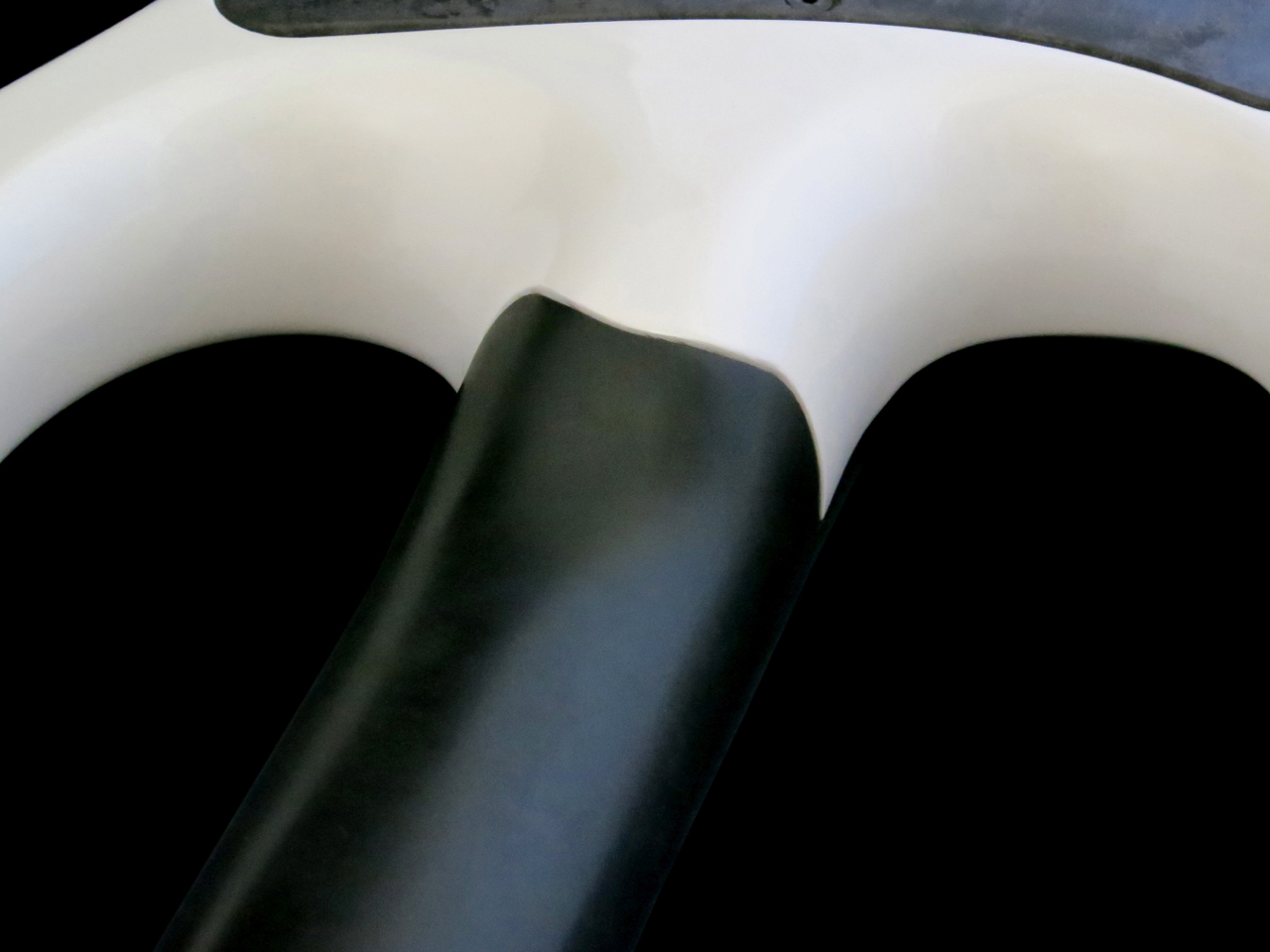
Flaxwood Guitars’ proprietary 3D neck joint is very smooth.
As you can see from this picture, newer Flaxwood instruments now sport a matte black neck, instead of the original, structured look of the early Flaxwood necks.

The company uses it’s own compensated X-Tune Nut on all Classic and Master Series models. The X-Tune Nut will make open chords ring out much more in tune than most traditional guitars.

The Liekki’s 290-T-version comes equipped with Schaller’s ingenious LP Tremolo vibrato bridge.

Two Seymour Duncan P-90-type pickups (SP90-1 Vintage Soapbar) have been installed on the Liekki Classic.
****

Flaxwood’s brand-new 57HM-H Master is a Metal guitarist’s dream machine.
The 57HM-H comes with a suitably moody matte black finish with golden pinstripes, Schaller Security Locks, and a pair of active EMG pickups.

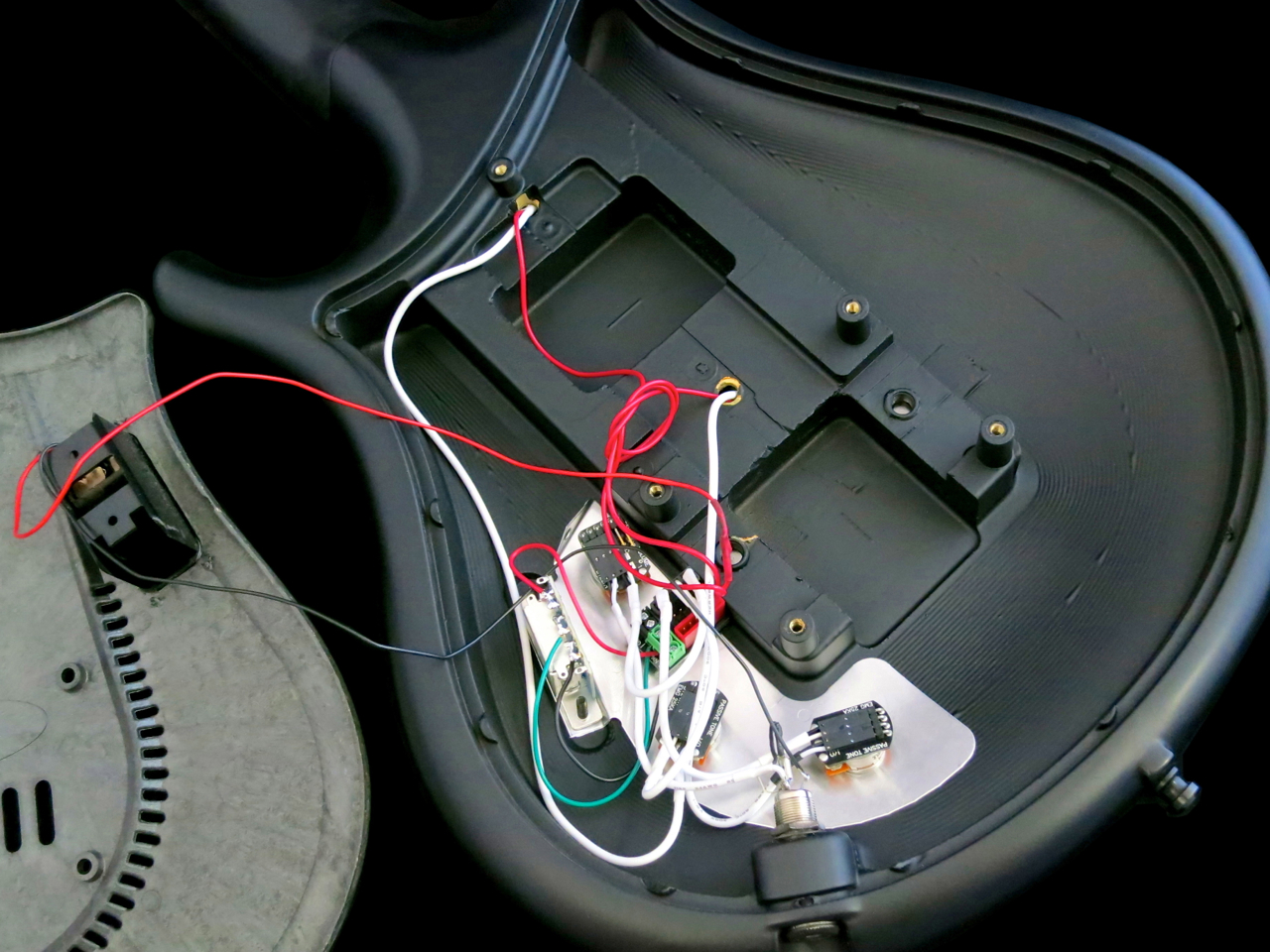
The 57HM-H Master’s battery compartment has been installed into the instrument’s back plate.

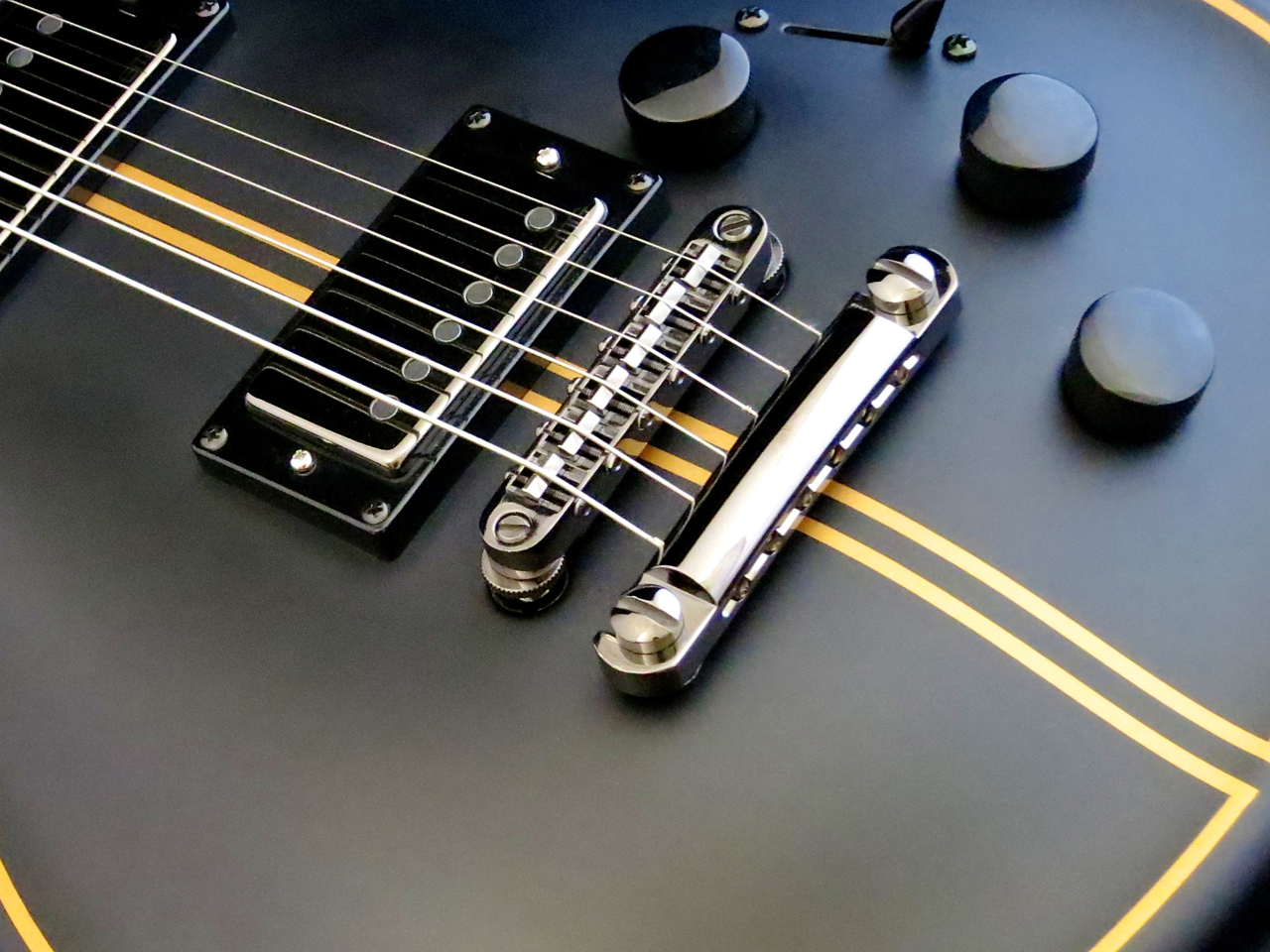
The Gotoh hardware – locking tuners and a tune-o-matic bridge plus stopbar – has been finished in black chrome.

EMG’s 57/66-set comprises a pair of alnico-loaded humbuckers, and promises to deliver an intriguing combination of vintage warmth with active punch and clarity.
****
Even though Flaxwood Guitars’ brand philosophy is based on the ultra-modern use of injection-moulded WFC-composite material, there is still a surprising amount of traditional handicraft that goes into the making of each and every Flaxwood model. There isn’t a machine in existence that will churn out finished instruments from raw materials, you do still need lots of guitar-making skills to build a top notch instrument.
You can see and feel the touch of a craftsman when you pick up a Flaxwood guitar. Our review trio displayed excellent workmanship, and all guitars came with a top grade set-up.
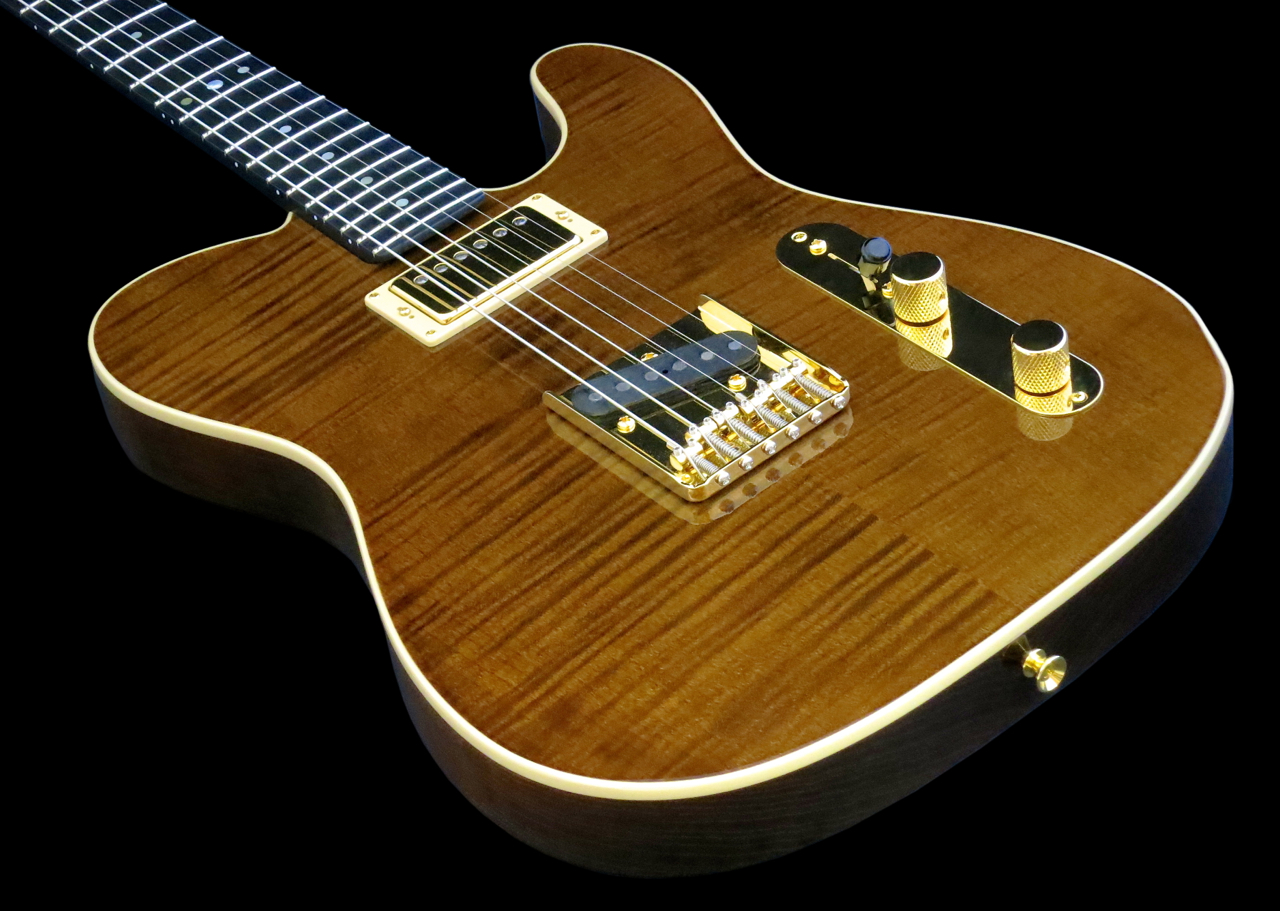
Any old Telecaster lover will feel right at home with the Flaxwood MTQ Hybrid, because the most important design elements – like the vintage bridge or the control positioning – have been carried over from the classic to this new model.
The neck profile is slim and slightly oval, with a mere whiff of a V-neck’s spine along its back. The playing feel is fast, effortless and precise.
The tone of the Flaxwood MTQ doesn’t come as a surprise – this model offers an array of very tasty Tele-style sounds!

****
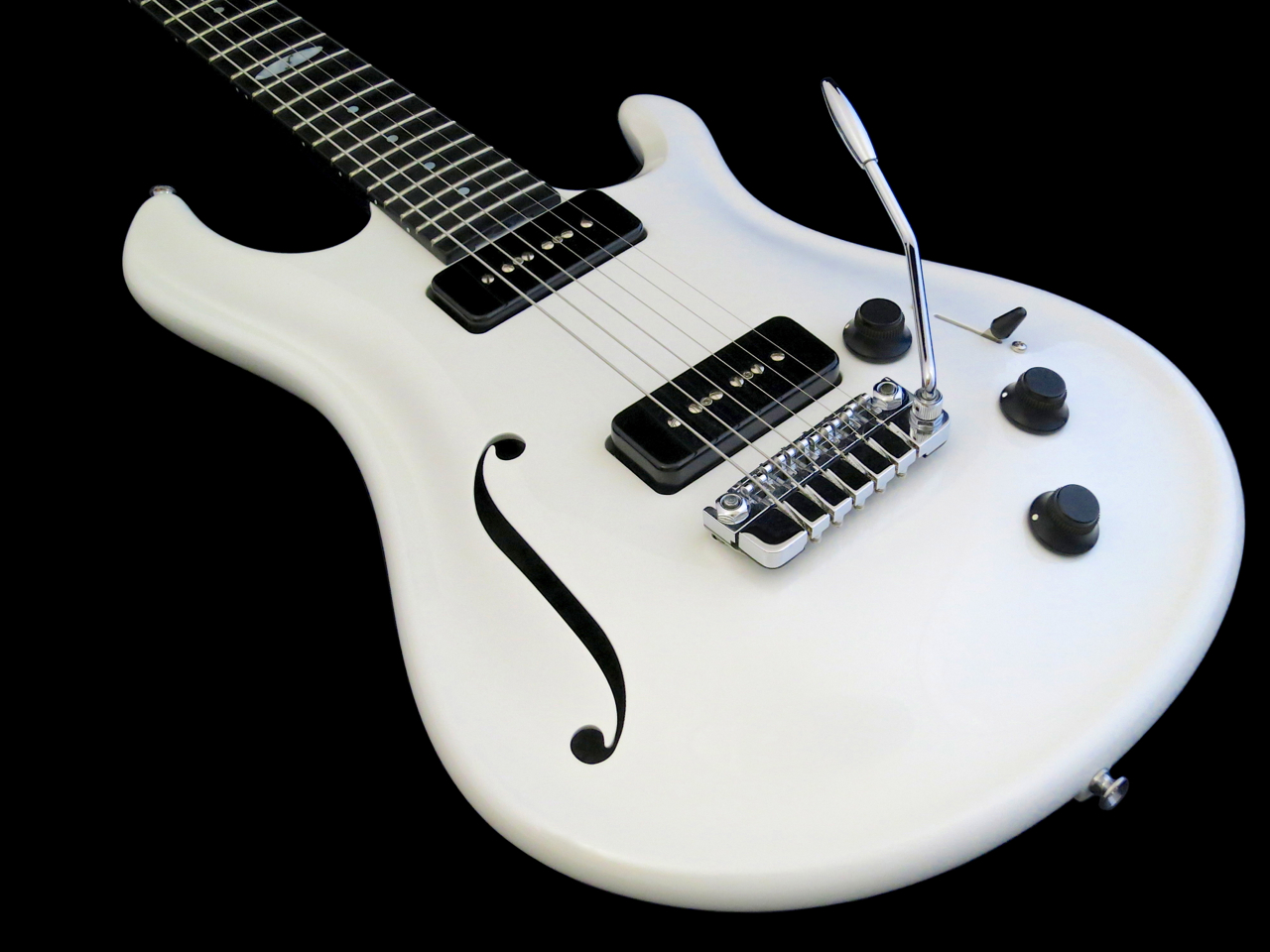
Flaxwood’s Liekki 290-T Classic is a lightweight and compact instrument that balances perfectly on a strap.
In addition to the three-way pickup switch, most Flaxwood models traditionally feature a single master volume control and two tone controls (one per pickup).
I can’t understand why Schaller’s excellent LP Tremolo isn’t used on more guitars as a standard feature. I can only applaud Flaxwood for featuring the LP Tremolo on several of their models!
The Seymour Duncan P-90s give you a wide range of different tones on the Liekki, from jazzy warmth all the way to gritty Rock.

****
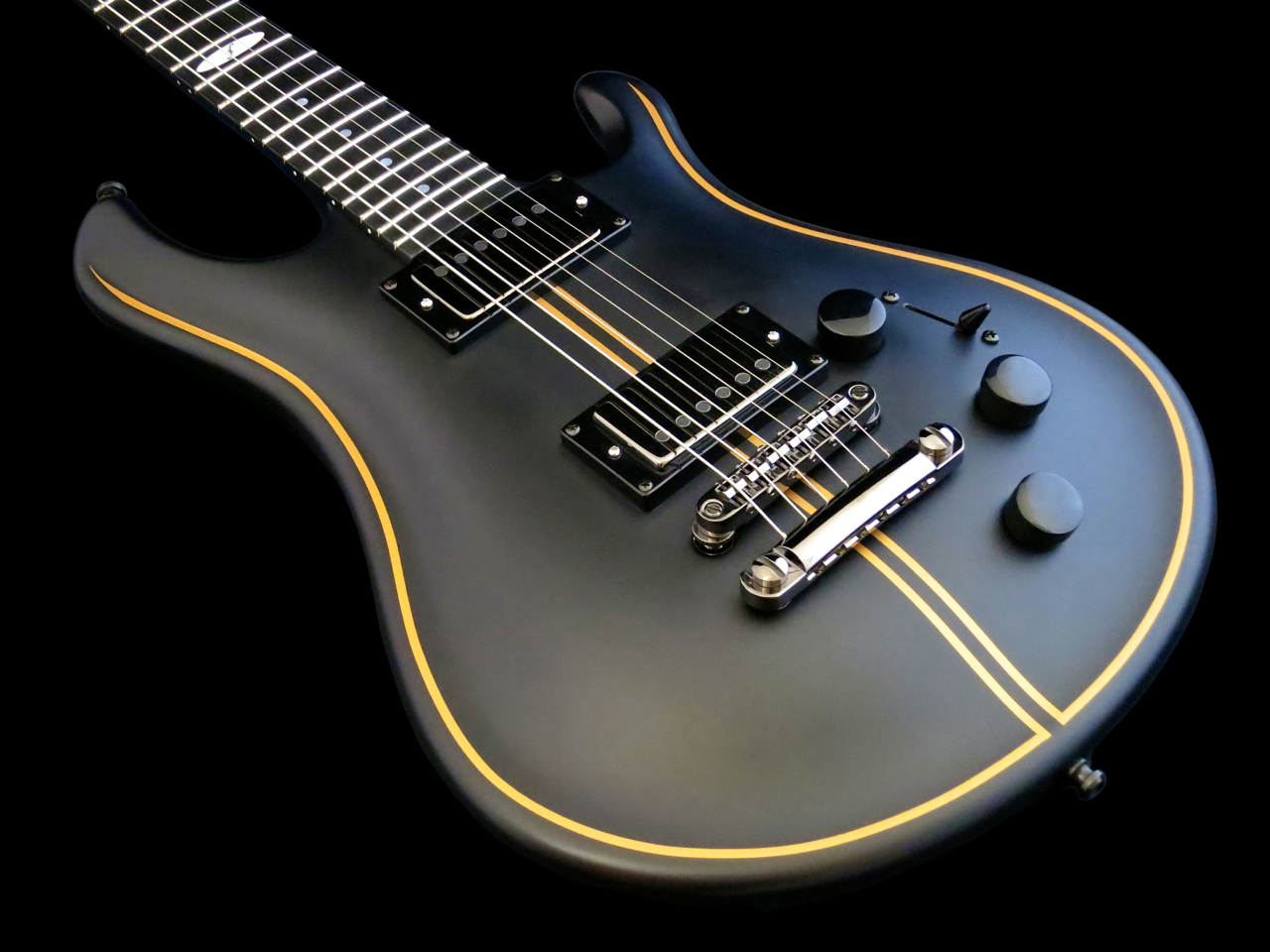
The Flaxwood 57HM-H is a fantastic addition to the company’s line-up in my opinion:
The playing feel of the 57HM-H is quite similar to the Liekki model, but the fatter frets and stable, non-trem bridge will be just the ticket for fans of detuned high-gain riffage.
The EMG 57/66-set is a great update on the US-maker’s original active humbucker recipe. There’s more than enough power and punch on tap, but you could never call these active humbuckers cold, clinical or sterile!
****


It’s really great to see Flaxwood Guitars expanding their line-up further!
In my view the new three-tiered model range makes a lot of sense, making it easier to find the right Flaxwood for any player.
The Liekki 290-T Classic has become a genuine classic over the years, while the brand-new MTQ Hybrid and 57HM-H models further widen Flaxwood’s appeal to include both traditional and modern guitarists. A test drive is highly recommended!

****
Flaxwood Guitars
MTQ Hybrid – 1.750 € (comes with a gig bag)
Liekki 290-T Classic – 2.045 € (comes with a case)
57HM-H Master – 2.707 € (comes with a case)
Pros:
+ made in Finland
+ workmanship
+ quality parts and pickups
+ playability
+ sound

