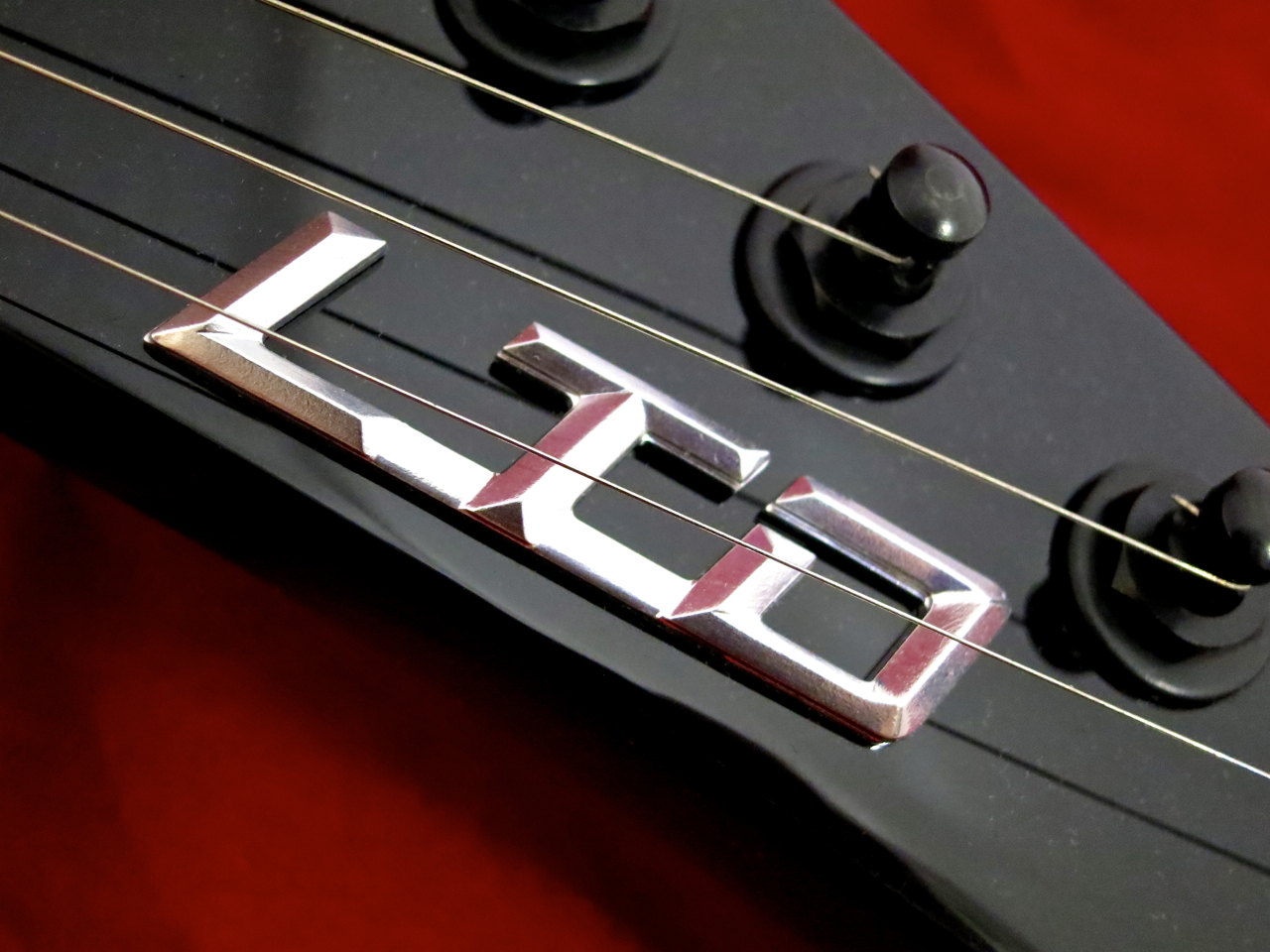
Review: LTD James Hetfield Snakebyte

****

LTD Hetfield Snakebyte – teaser

James Hetfield is a musician, who surely needs no introduction. He is Metallica’s frontman, singer, songwriter and guitarist, and has played a very important part in the development of the Metal genre.

James Hetfield with Snakebyte

Metallica’s guitarists – Hetfield and his colleague Kirk Hammet – have long been collaborating with ESP Guitars. The LTD James Hetfield Snakebyte is the most recent fruit of this partnership.

****

LTD Hetfield Snakebyte – full front

In the early years of Metallica, James Hetfield used to play a Gibsonin Explorer, and looking at his new signature model, it’s easy to conclude that this guitar legend still holds a place in his heart for angular guitars.

LTD’s James Hetfield Snakebyte (current price in Finland: 1.098 €) is an ultra-modern Metal-machine, with a clear stylistic nod to the Explorer.
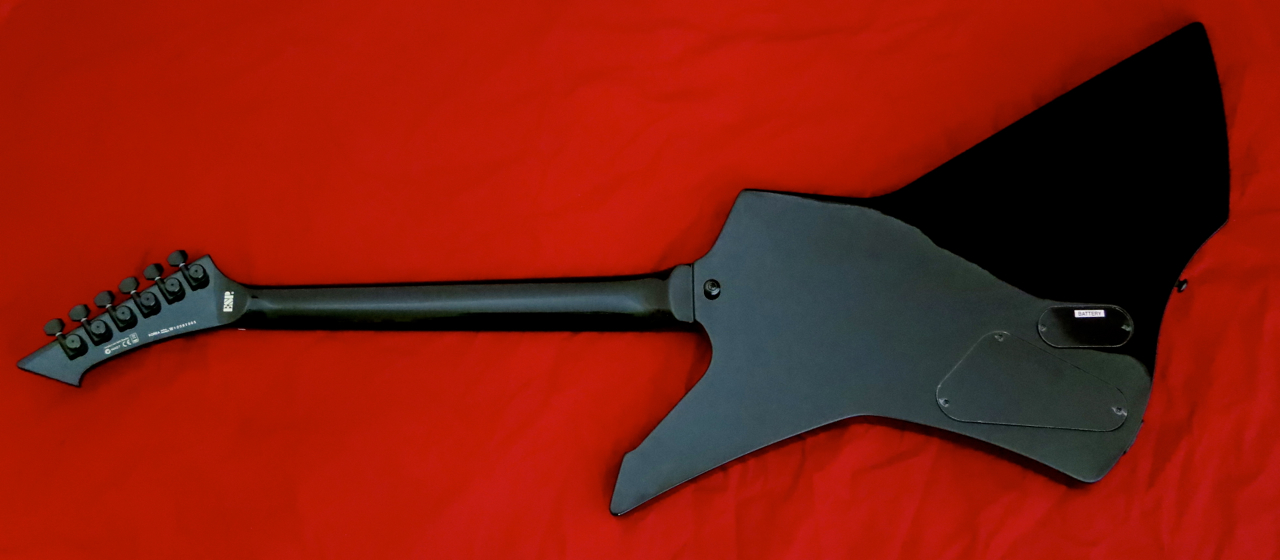
LTD Hetfield Snakebyte – full back

Both the guitar’s body and set neck have been crafted from mahogany, while dark-black ebony has been chosen for this model’s fingerboard.
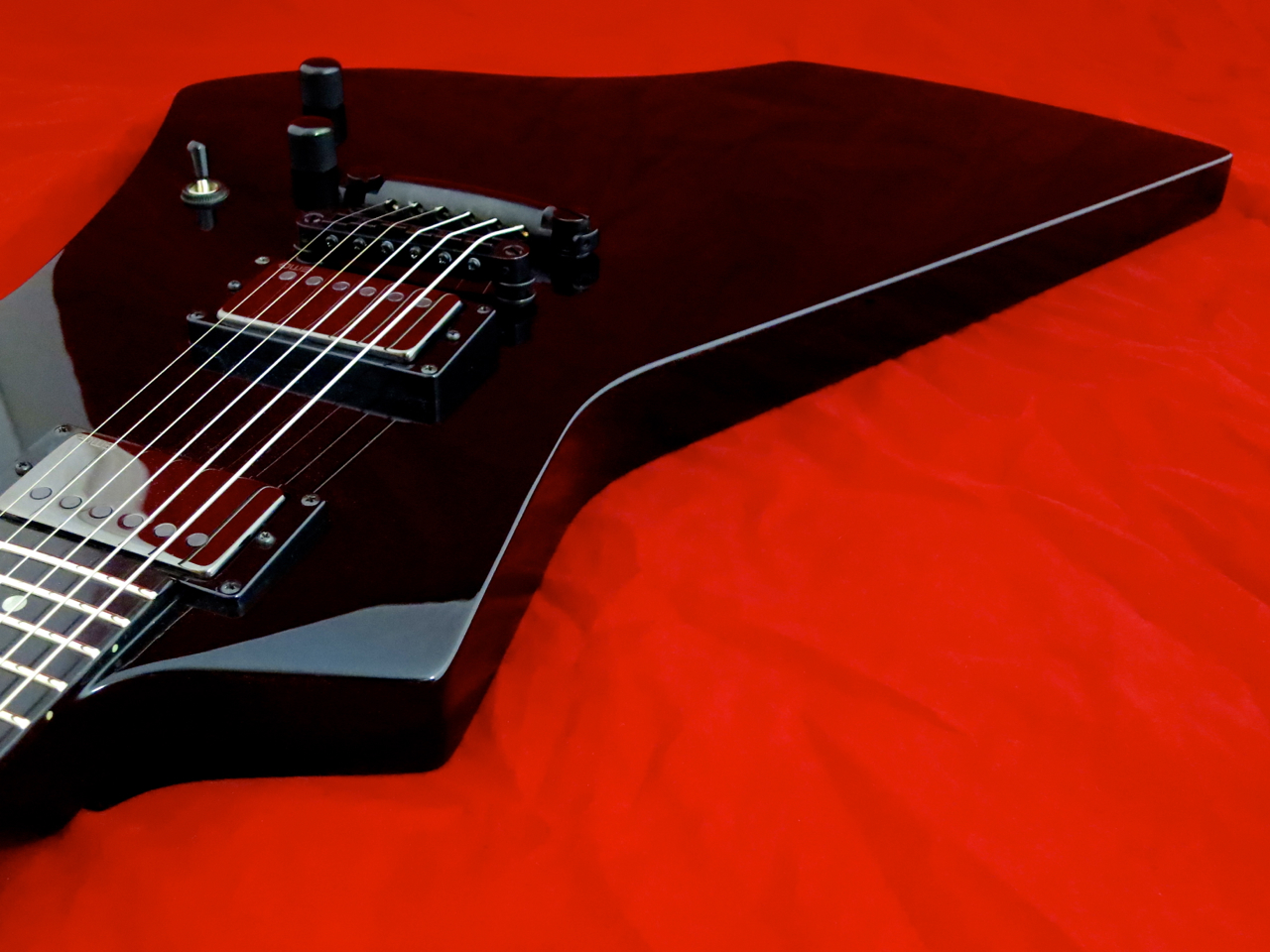
LTD Hetfield Snakebyte – bevelled top edge

The Snakebyte’s body is noticeably more compact when compared to its vintage forefather, making for a lighter and more comfortable playing experience.

There’s a long, flat chamfer on the body’s bass side, which proved hard to photograph, but which really makes a difference in terms of the Hetfield signature model’s ergonomics.
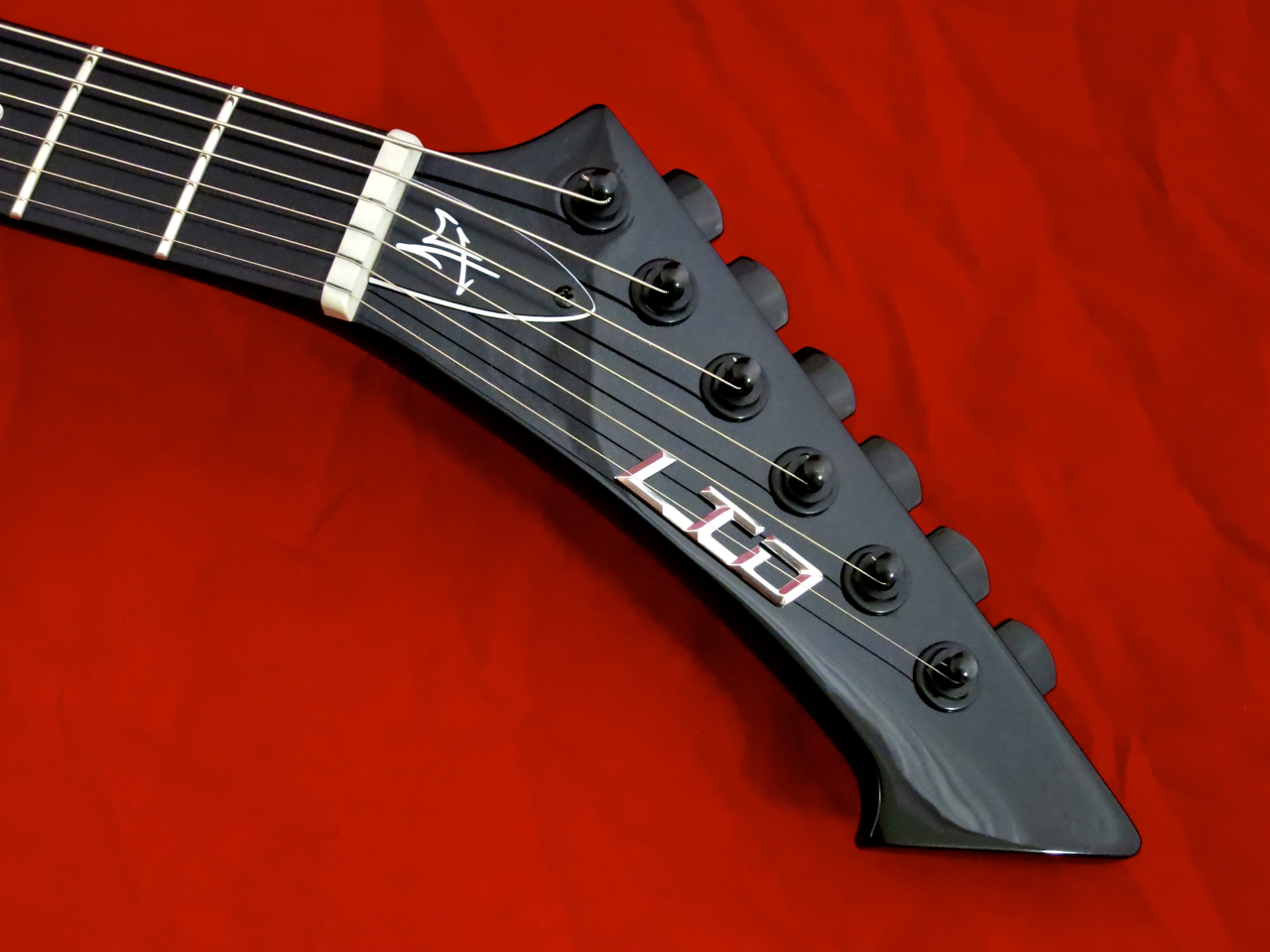
LTD Hetfield Snakebyte – headstock 2

LTD Hetfield Snakebyte – tuners

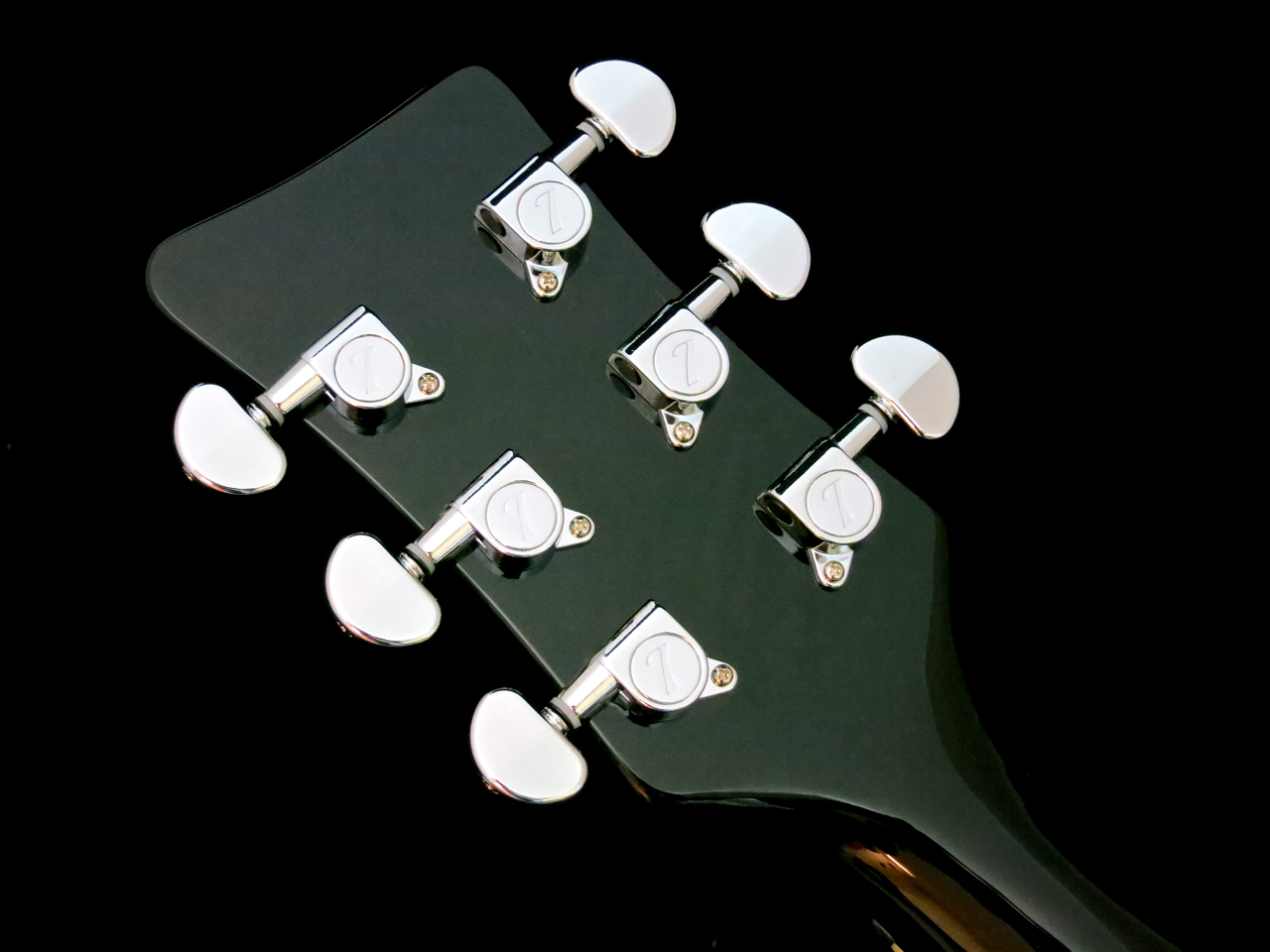
A set of locking Sperzel tuning machines have been chosen for their high quality and proven tuning stability.

LTD Hetfield Snakebyte – bridge

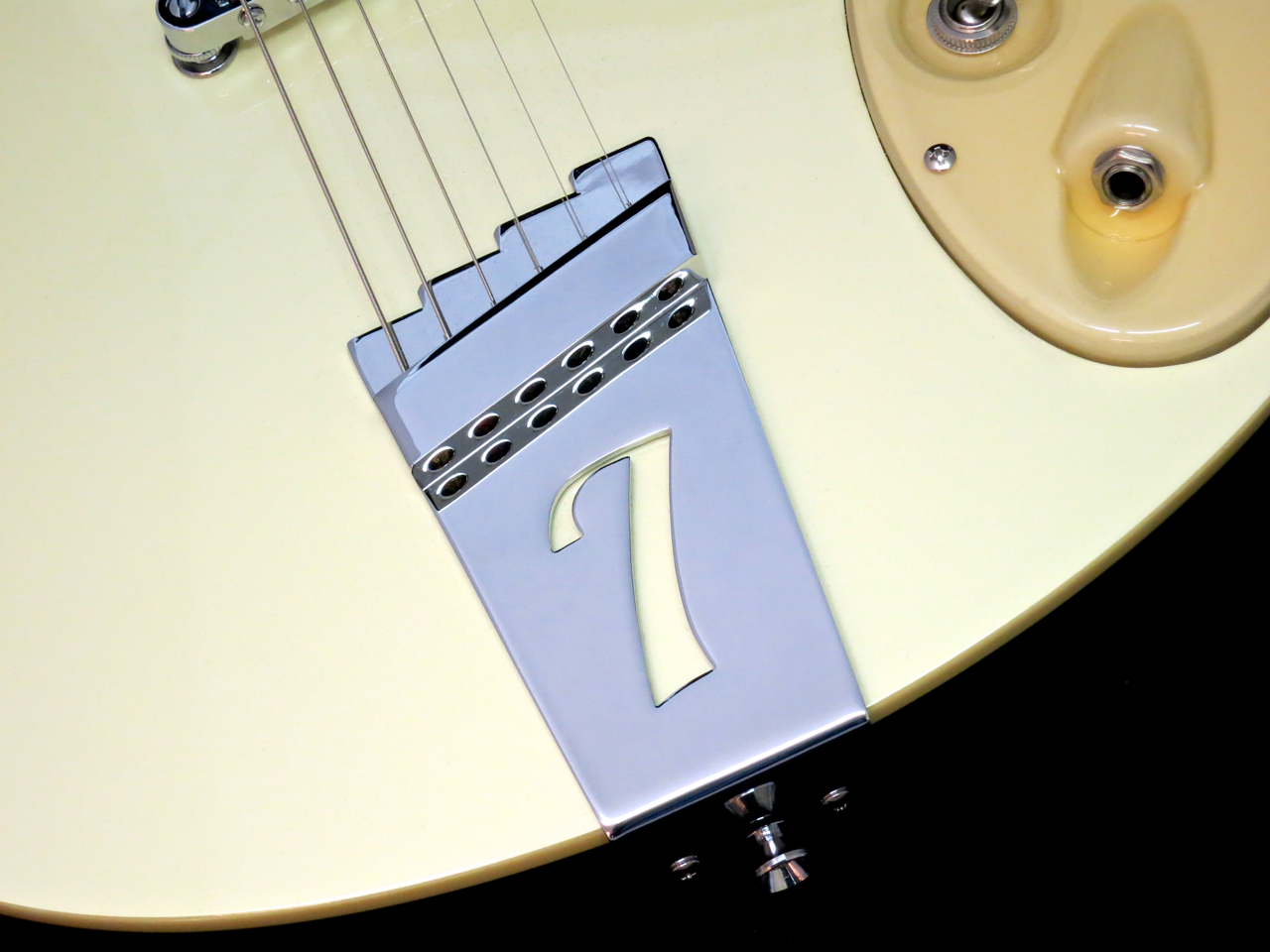
The Tone Pros bridge and tailpiece combination is locked in place after adjustment, meaning everything will stay perfectly put even under the most demanding onstage conditions.

LTD Hetfield Snakebyte – fretboard

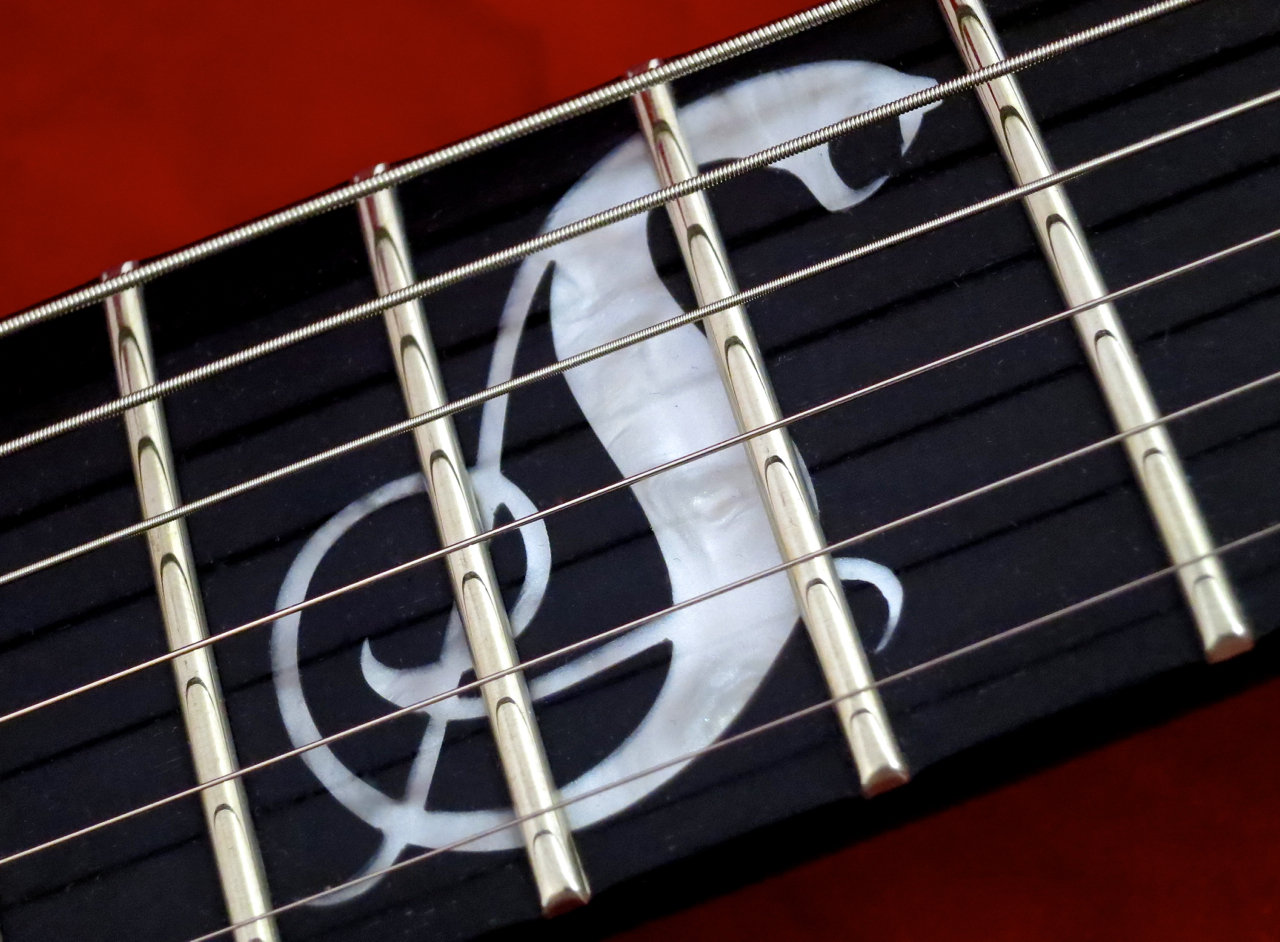
LTD’s Snakebyte sports 22 jumbo-sized frets. The fretwork is first-rate, resulting in a fast and rattle-free playing surface.

LTD Hetfield Snakebyte – EMG pickups

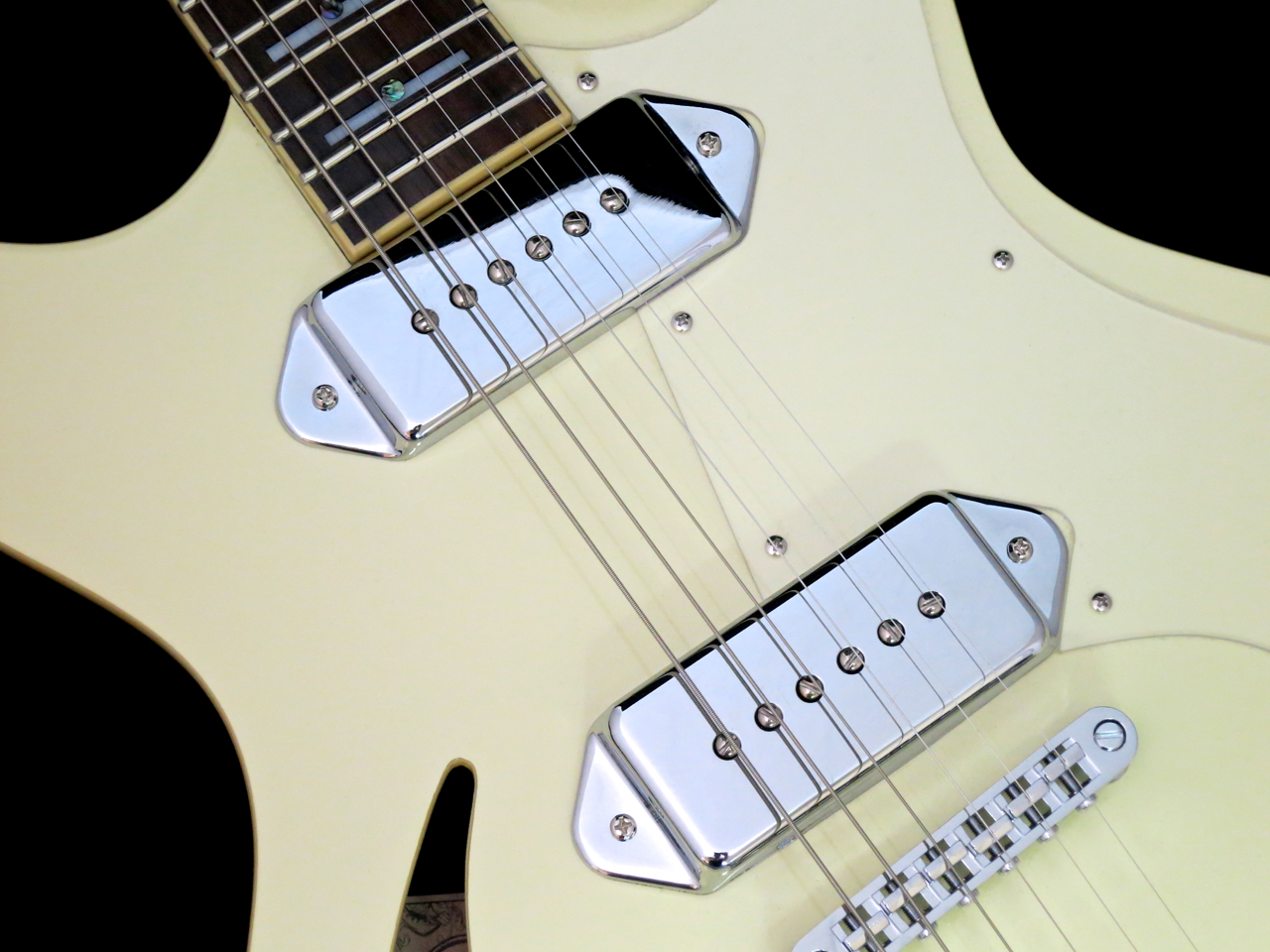
Active EMG-pickups have long played an important part in James Hetfield’s sound. A couple of years back EMG have introduced a signature pickup set –the EMG JH ”Het” Set – made to the legendary guitarist’s specifications, and used on this signature LTD.

The JH-Nneck humbucker has been developed based on EMG’s Model 60, but Hetfield’s humbucker uses separate ceramic magnets and fatter coils. EMG’s Model 81 has formed the basis for the JH-B signature bridge pickup, but here steel polepieces have been added to the pickup’s ceramic bar magnets.

According to EMG the ”Het” Set has a warm and organic basic tone, coupled with a very clear attack and loads of output power.

LTD Hetfield Snakebyte – controls

OK, one three-way toggle, two controls – case closed…

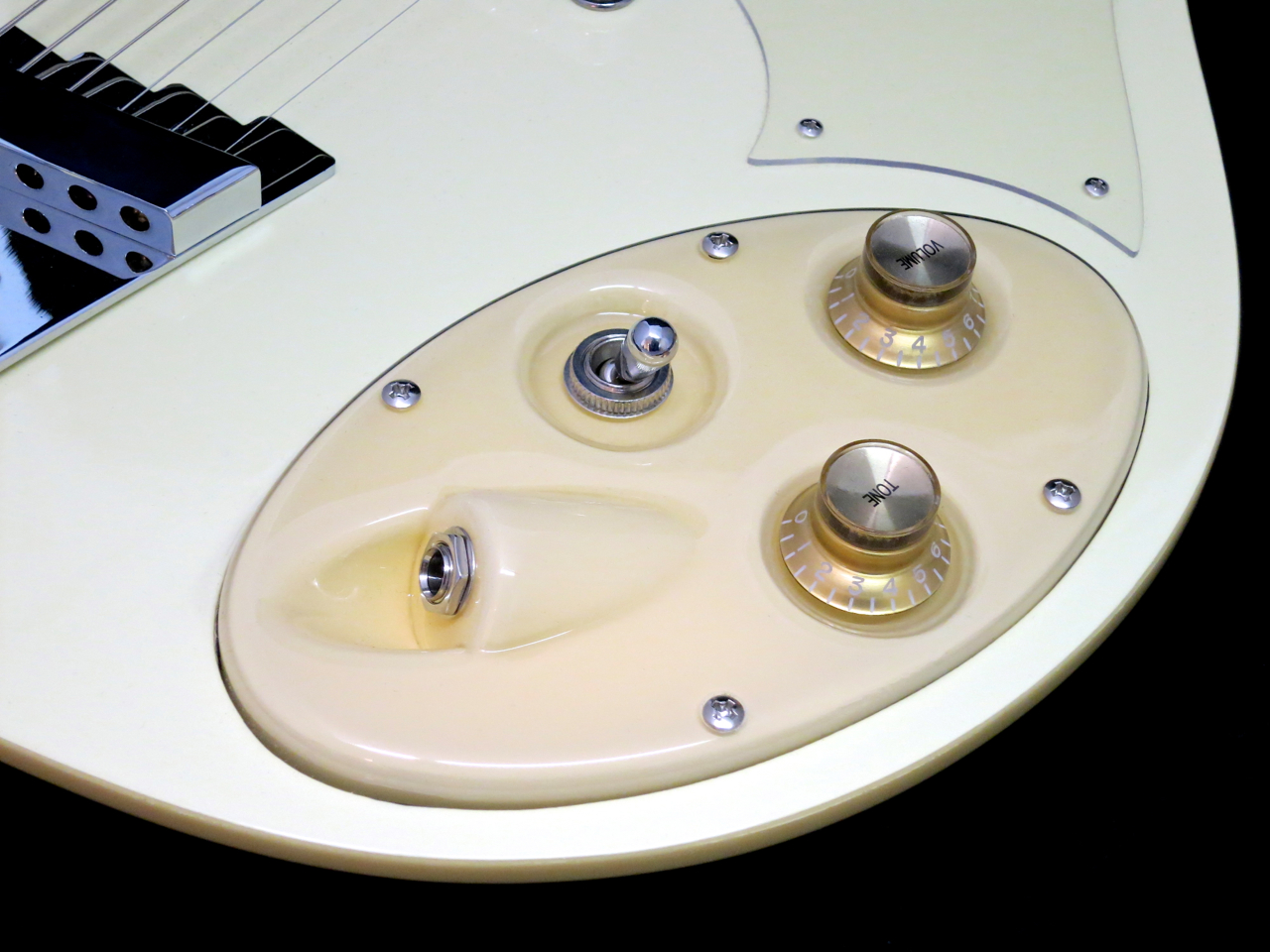
Hold your horses! Yes, the toggle switch works in the usual way, but the controls aren’t a master volume and a master tone, but rather two separate volumes – one knob for each pickup.

James Hetfield doesn’t need a tone control, as all his settings are dialled in by his guitar technician. This way he only has to concentrate on pickup selection, while playing and singing at the same time.

LTD Hetfield Snakebyte – control cavity

The battery compartment’s cover is held in place by machine screws and threaded inlets.

****

LTD Hetfield Snakebyte – beauty shot 1

It’s true that in 1958 Gibson’s Explorer was a trailblazer thanks to its unusual, angular design. But it’s also true that this classic model is very large and cumbersome, often feeling like a bedside table strapped to your body.

Hetfield’s LTD signature model succeeds in keeping the Explorer’s angular spirit intact. Nonetheless, the LTD Snakebyte is a much more compact affair, which makes it far more comfortable to play and easier to hold.

The Hetfield Snakebyte is a fantastic player, as you would expect from a pro-quality guitar, such as this. The neck profile is a rounded ”C”. Our review sample came with a light action, measuring 1.8 mm (bottom E) and 1.6 mm (top e) at the 12th fret (with a set of 010s), and played well and rattle-free across the whole fretboard.

I must admit I was quite surprised at the sheer beauty of this guitar’s unplugged voice. There’s a strong, piano-like attack and an open character with a long sustain-phase.

EMG’s active ”Het” Set has the power of an approaching speedboat, yet the humbuckers still manage to offer open-sounding clean tones with plenty of organic mid-range character:

Switching to a High Gain channel takes the LTD Snakebyte straight into – surprise, surprise – legendary Hetfield-Metallica-territory. There’s power and attack to boot, and ample bite to cut through:

LTD Hetfield Snakebyte – back beauty

****

LTD Hetfield Snakebyte – beauty shot 2

In my view, LTD’s James Hetfield Snakebyte is a top-notch precision tool for the Metal- and Thrash-guitarist. This probably isn’t the most versatile electric guitar ever, but if you’re into Hard ’n’ Heavy this guitar offers the most direct way to sheer sonic bliss.

****

LTD James Hetfield Snakebyte

1.096 €

Finnish distributor: Musamaailma

****

Pros:

+ workmanship

+ light weight

+ playability

+ acoustic tone

+ amplified sound

Cons:

– no tone control
LTD Hetfield Snakebyte – teaser 2

Review: Italia Fiorano Standard + Mondial Deluxe

Italia Fiorano Standard – full front

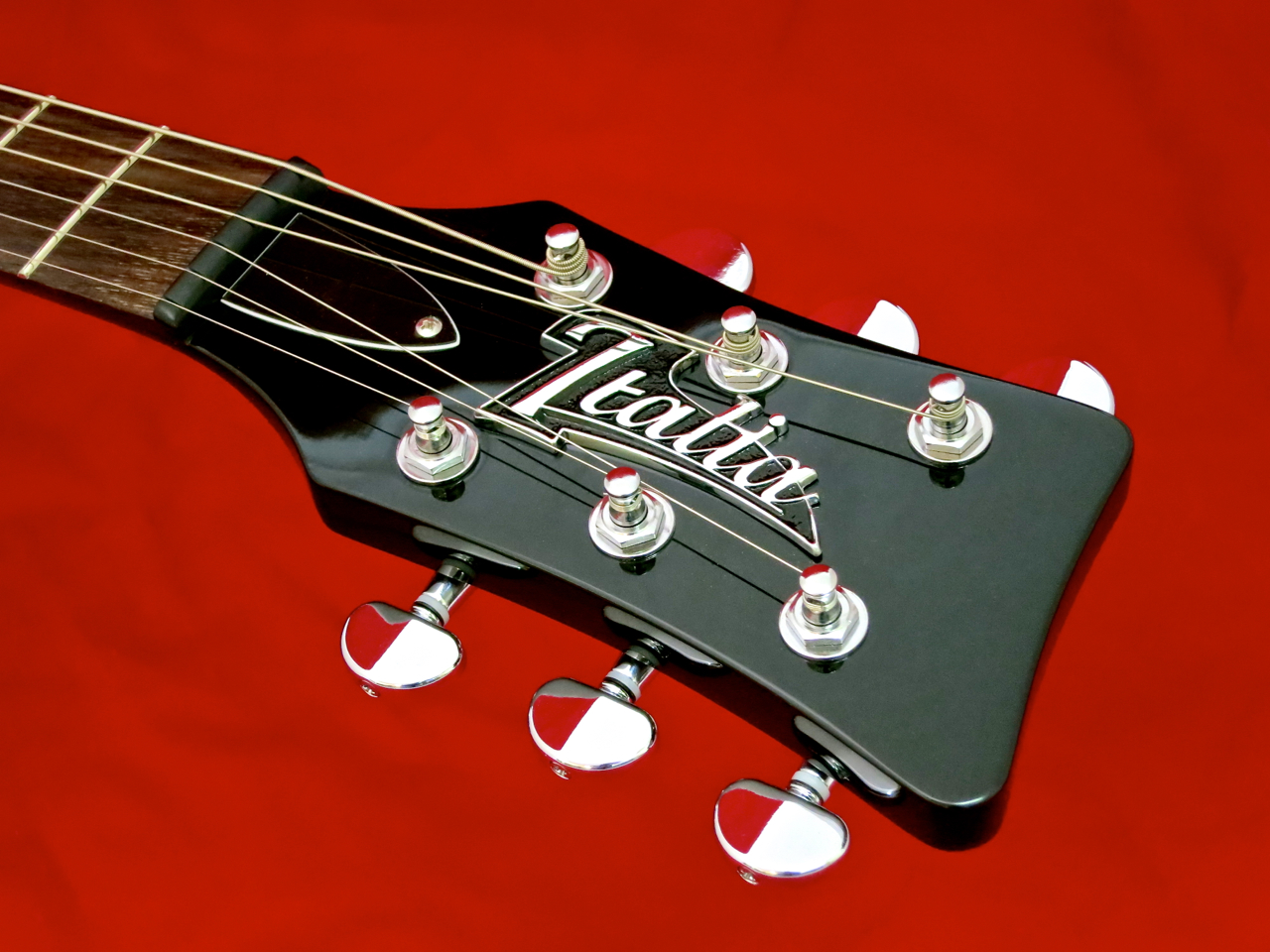
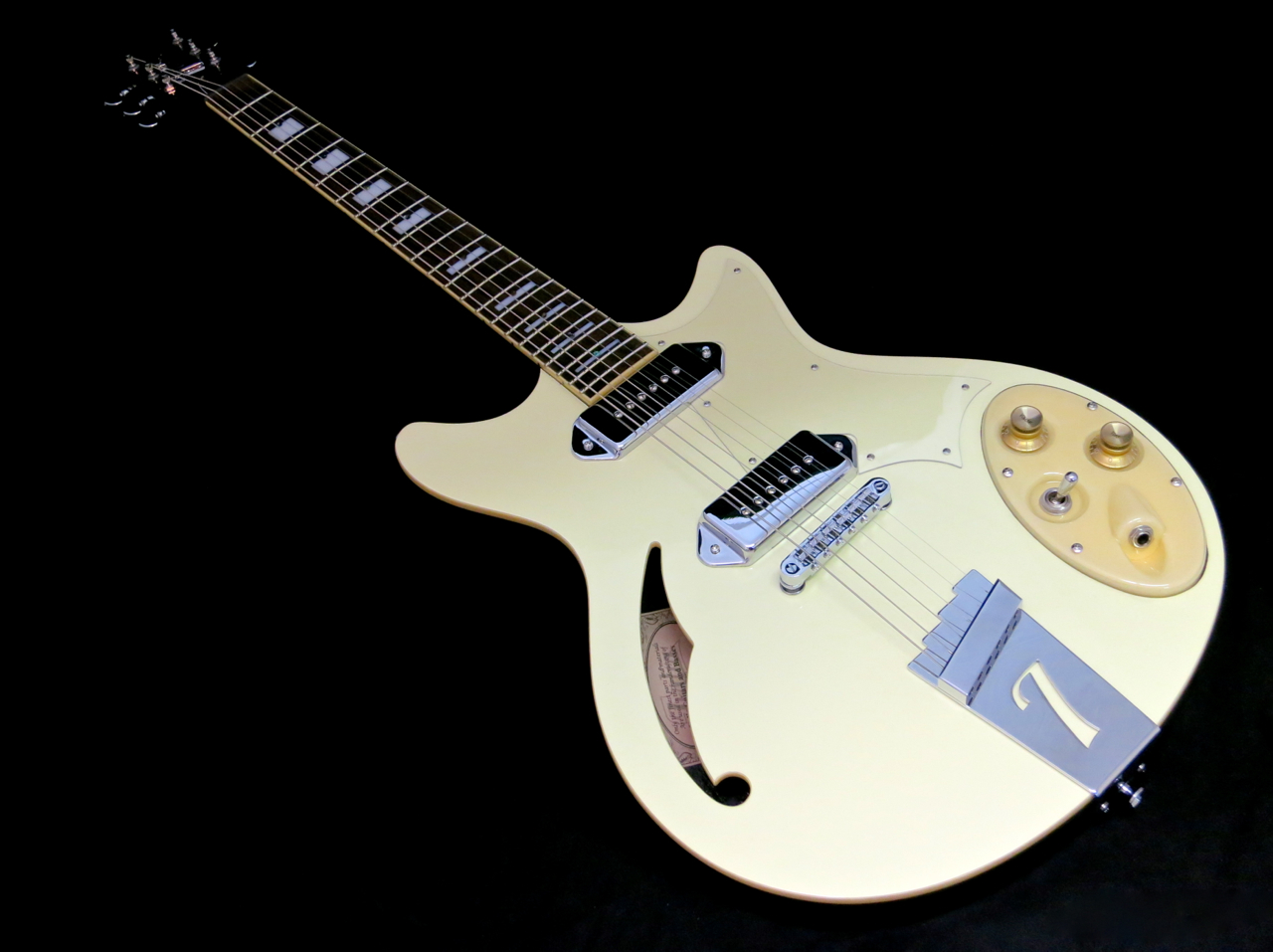
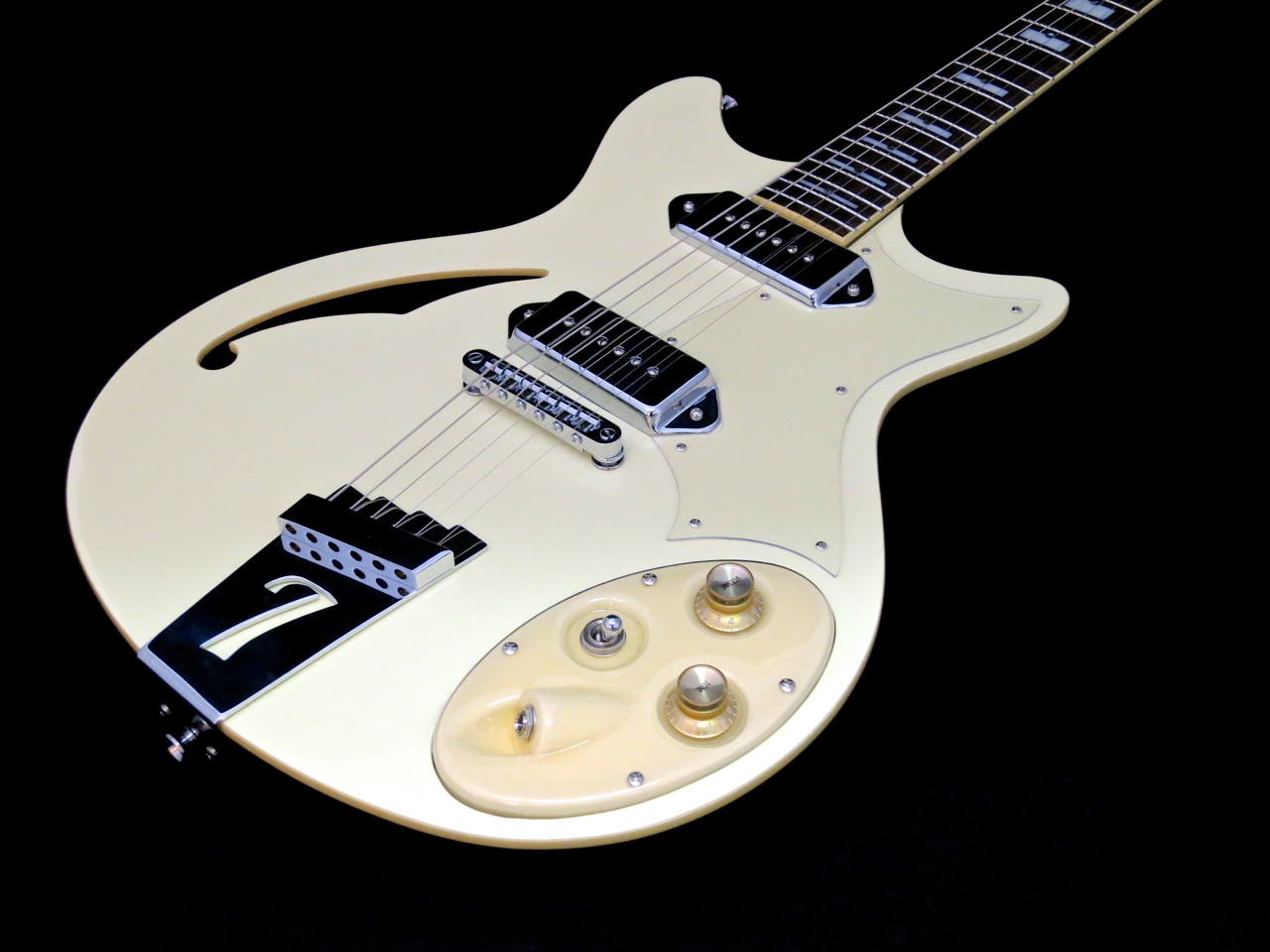
The Italia Fiorano Standard (price in Finland approx.  640 €) is a beautiful thinline, double-cutaway semi.

The Fiorano’s body is made by routing large pockets into the front of a solid mahogany body. In contrast to Italia’s Rimini 6 or Mondial Deluxe models the Fiorano doesn’t have a full centre block, though, but features an opening in the block between the guitar’s pickups. The body is then finished by glueing on a bound spruce top.

Italia Fiorano Standard – headstock

Hard rock maple is used for the Fiorano Standard’s neck.

Italia Fiorano Standard – tuners

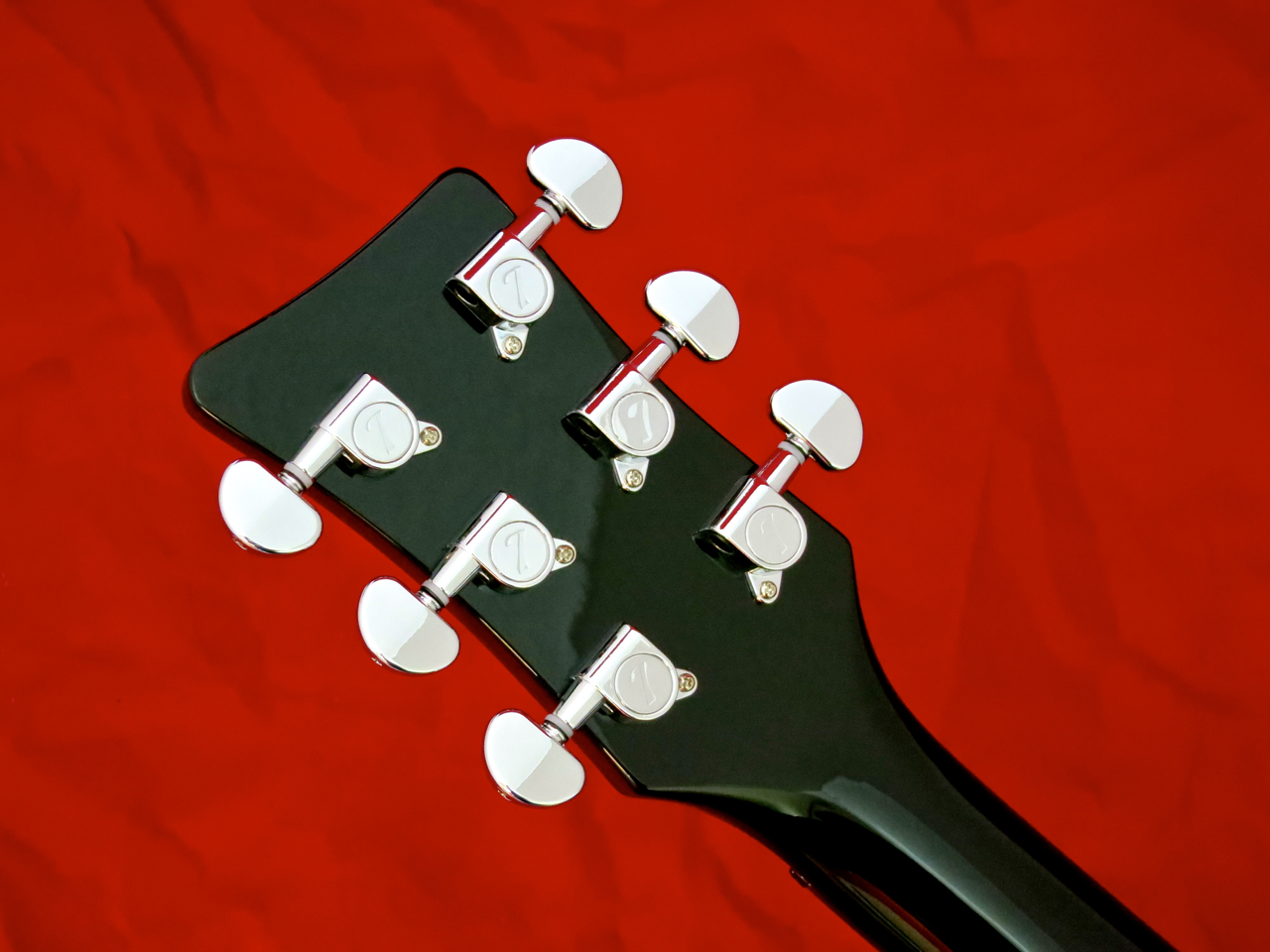
The modern tuning machines are embossed with the I-for-Italia logo, and work very nicely.

Italia Fiorano Standard – fretboard

The bound fretboard sports Italia’s stylish inlays, consisting of pearloid blocks and abalone dots.

Italia Fiorano Standard – body beauty 2

The Fiorano Standard’s neck is glued in at the 19th fret.

Italia Fiorano Standard – bridge

Great to see Italia using a modern version of the venerable Tune-o-Matic-bridge. The updated design does away with the annoying and ever-rattling piece of wire, used to keep the bridge saddles in place in the vintage version.

Italia Fiorano Standard – tailpiece

The snazzy chrome tailpiece adds its own bit of panache to this stylish semi.

Italia Fiorano Standard – pickups

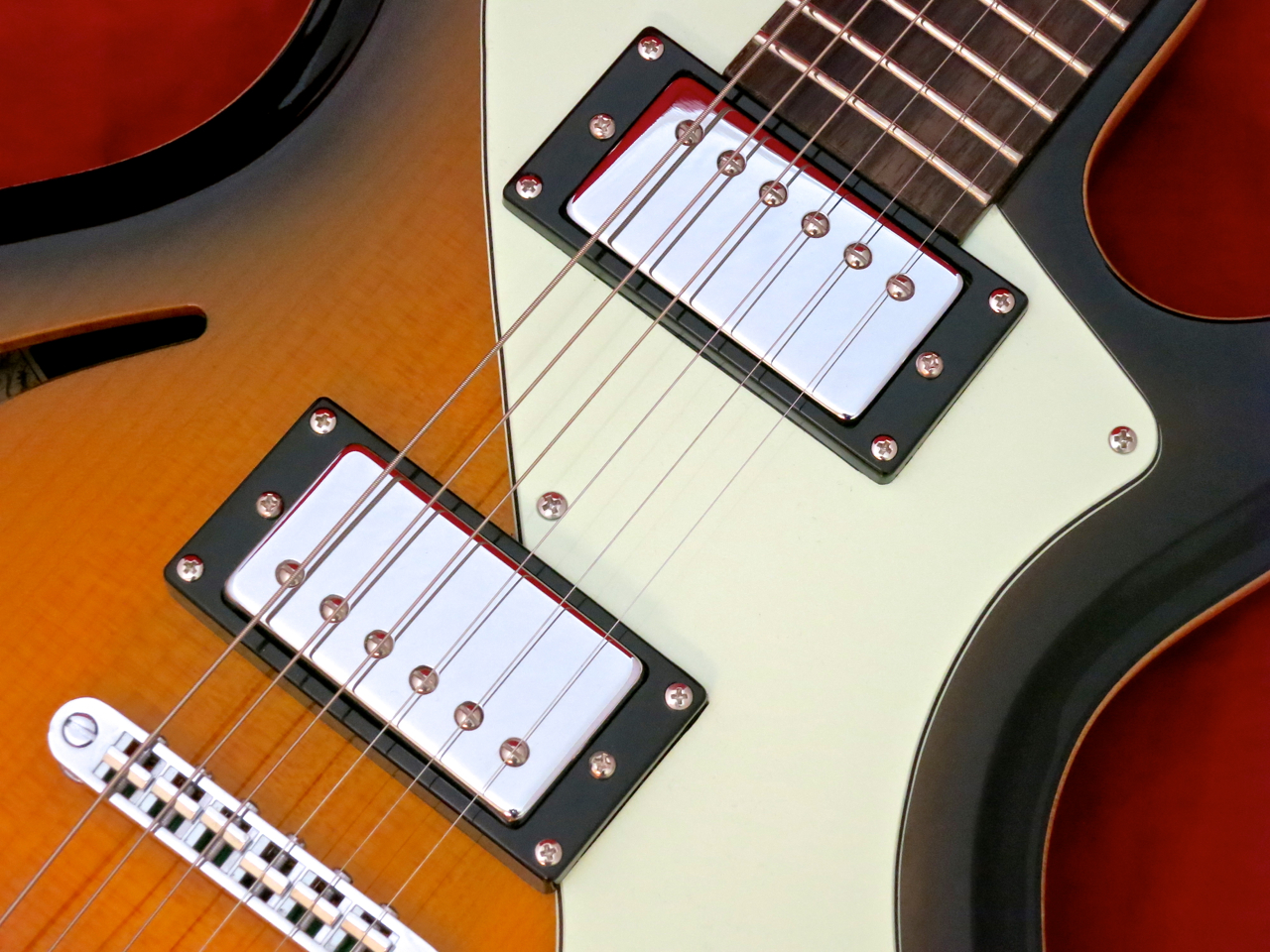
As you might know by now, I’m something of a P-90 fan. The Fiorano Standard comes equipped with not one, but two of my favourite pickups. These are made by Wilkinson and come with chromed dog-ear covers.

Italia Fiorano Standard – controls

Like many of Italia’s models, the Fiorano also features a sping-suspended plastic tray as an unusual control cavity cover. The electronics comprise a three-way toggle, as well as master volume and tone controls.

****

Italia Mondial Deluxe – full front

Italia’s Mondial Deluxe (price in Finland approx. 675 €) is a genuine semiacoustic hybrid, offering you a piezo-equipped bridge (and active preamp) for acoustic-style guitar sounds alongside its traditional magnetic humbuckers.

Thinline-type mahogany body is mated to a maple top, which sports a very fetching Rickenbacker/Mosrite-style German Carve -edge. The top’s edges have been left natural, constituting what is usually called ”fake binding”.

Italia Mondial Deluxe – back beauty

The Mondial comes with a set maple neck.

You can also see the quick-release battery compartment for the 9 V battery used to power the piezo preamp.

Italia Mondial Deluxe – headstock

Italia’s top nut is made from a self-lubricating material containing graphite.

Italia Mondial Deluxe – tuners

We find the same decent-quality tuners on Mondial Deluxe as on the Fiorano.

Italia Mondial Deluxe – fingerboard

Look at the all the nice hues of blues and greens in the guitar’s abalone dots!

Italia Mondial Deluxe – piezo bridge

The Mondial’s bridge may look identical to the Fiorano’s, but this here is a piezo-equipped model. There’s a thin lead going from beneath the bridge and through the maple top to feed the piezo signal to the preamp.

Italia Mondial Deluxe – tailpiece

”I” – stands for Italia…

Italia Mondial Deluxe – pickups

Two vintage-voiced Wilkinson WVC-humbuckers handle magnetic duties on the Mondial Deluxe.

Italia Mondial Deluxe – piezo EQ

The sliders on the guitar’s shoulder control the piezo side’s three-band EQ.

Italia Mondial Deluxe – controls

The magnetic signal is fed to a three-way toggle selector and master volume and tone controls.

There’s a dedicated volume control for the piezo signal, as well as a second output jack, enabling you to feed the acoustic side to a mixing console or a dedicated acoustic amplifier.

****

Italia Fiorano Standard – beauty shot 1+

Italia’s Fiorano Standard is just the guiar for me. It is comfortably lightweight and balances nicely. Its relatively thin body sits nicely against your belly/ribcage, even without any contouring or bevels.

The neck has a nice, mid-depth C-profile, which will feel comfortable to most players. The Fiorano arrived extremely well set-up with a slinky action (E: 1.9 mm/e: 1.7 mm).

Even if you cannot expect a thinline guitar, such as the Fiorano Standard, to out-shout a fat Jazz guitar, the Italia’s spruce-topped mahogany body results in a warm and woody acoustic voice.

In my opinion, P-90s are the best choice for a guitar of this type, because their singlecoil construction makes for a more percussive and dynamic tone than what you’d get from a creamy humbucker.

Played into a clean amp channel you’ll get a nice, clucky attack and a open, yet strong overall voice, that will fit Jazz just as well as Brit Pop, Country, Blues or early Rock’n’Roll (why not add a Bigsby, perhaps?):

If you’re after warm, rich and dynamic dirty tones P-90s are just the ticket! The Fiorano Standard will work great for any Beatles-, Kinks- or Who-inspired player, as well as George Thorogood-style electric Blues:

Italia Fiorano Standard – beauty shot 2

****

Italia Mondial Deluxe – beauty shot 1+

Italia’s Mondial Deluxe is a medium-weight instrument. The well-executed German Carve and very clean fake binding make this guitar look more expensive than it really is.

The neck’s D-profile feels really good. Thanks to its clean fretwork and fine set-up this instrument also plays great (E: 2.0 mm/e: 1.3 mm).

Unplugged, Italia’s Mondial Deluxe is rather quiet, but its fresh acoustic voice and clear attack bode well for things to come.

This hybrid’s piezo sound was the real surprise for me in this review. Italia’s piezo system simply sounds that good and genuinely ”acoustic”:

Naturally, it’s good to hear the Mondial’s magnetic side perform to equally high standards. This guitar’s vintage-voiced Wilkinsons do a fine job of translating the Mondial’s fresh unplugged voice into nice clean tones:

Switching over to the distortion channel will turn the Mondial into a Seventies-style Blues Rock machine:

Italia Mondial Deluxe – beauty shot 2

****

Italia Fiorano Standard – body beauty 1

It’s nigh on impossible not to get a crush on these Italia-guitars: Both the Fiorano Standard and the Mondial Deluxe are distinctly different from the mainstream of guitars on the market, but their design idiosyncrasies  never get in the way of easy playability and great sound. If you want to steer clear of the usual copies, bust still look for a guitar with its own charm, you should definitely check out an Italia.

Italia Mondial Deluxe – body beauty 1

****

Italia Guitars – Fiorano Standard + Mondial Deluxe

Fiorano Standard – approx. 640 €

Mondial Deluxe – approx. 675 €

Finnish distributor: R-JAM Group

****

Pros (both models):

+ idiosyncratic design

+ workmanship

+ finish

+ playability

+ sound

Testipenkissä: Marshall DSL5C

****

Marshall DSL5C – close-up 1

Marshallin DSL5C on DSL-sarjan uusin, ja samalla myös pienitehoisin jäsen.

DSL-sarjan juuret ulottuvat vuoteen 1997, jolloin Marshallin legendaarinen JCM2000 Dual Super Lead -nuppi julkaistiin. JCM2000 oli silloin ensimmäinen Marshall, jossa oli yhdistetty Plexi-tyylinen vintage-kanava ja moderni Ultra Gain -kanava.

Alkuperäisen DSL-sarjan tuotanto lopetettiin vuonna 2007, jolloin JVM-sarja tuli sen tilalle. Uusi DSL-sarja tarjoaa firman edullisimmat putkivahvistimet, joita valmistetaan Marshallin omassa tehtaassa Vietnamissa.

****

Marshall DSL5C – full front

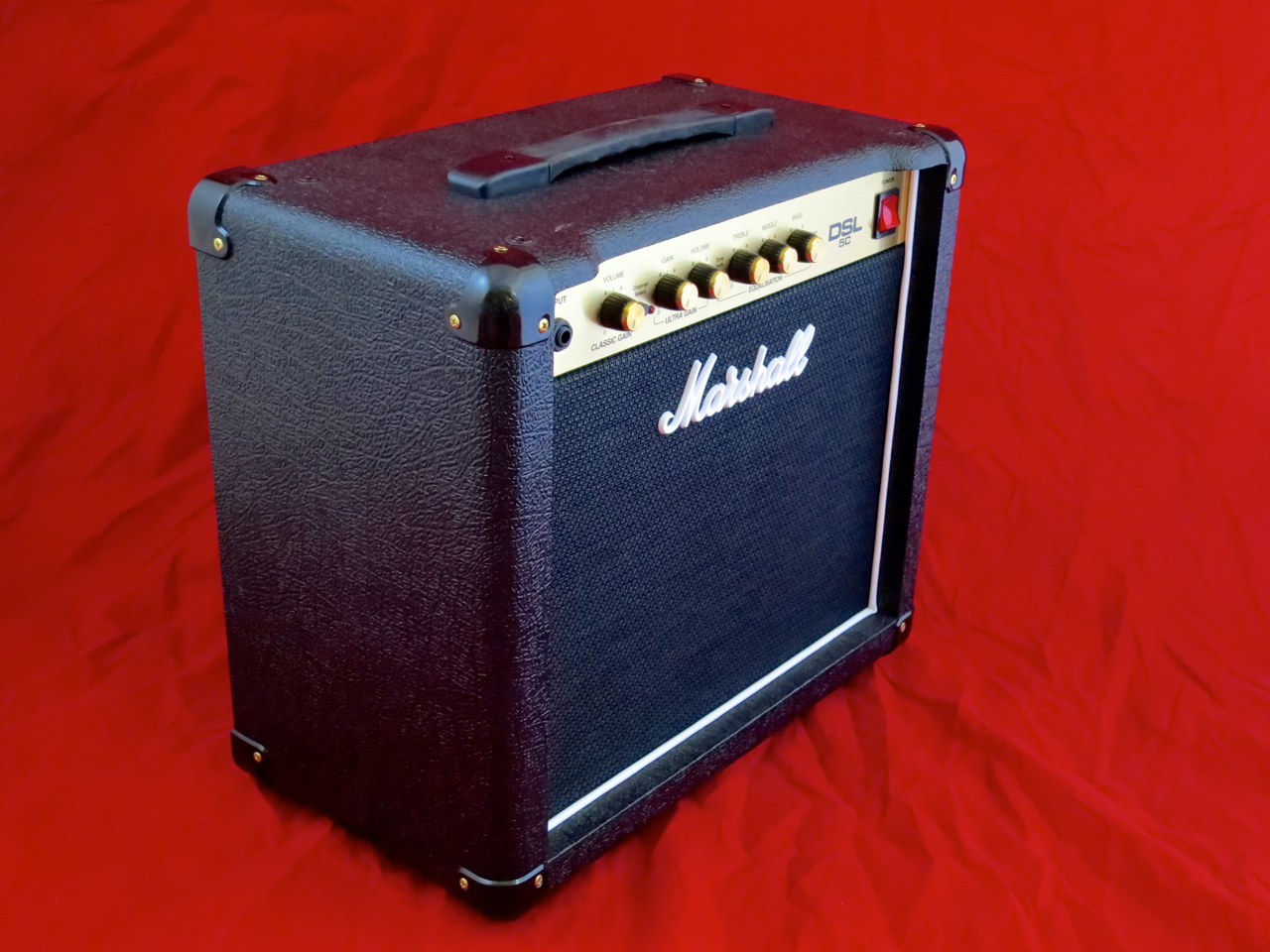
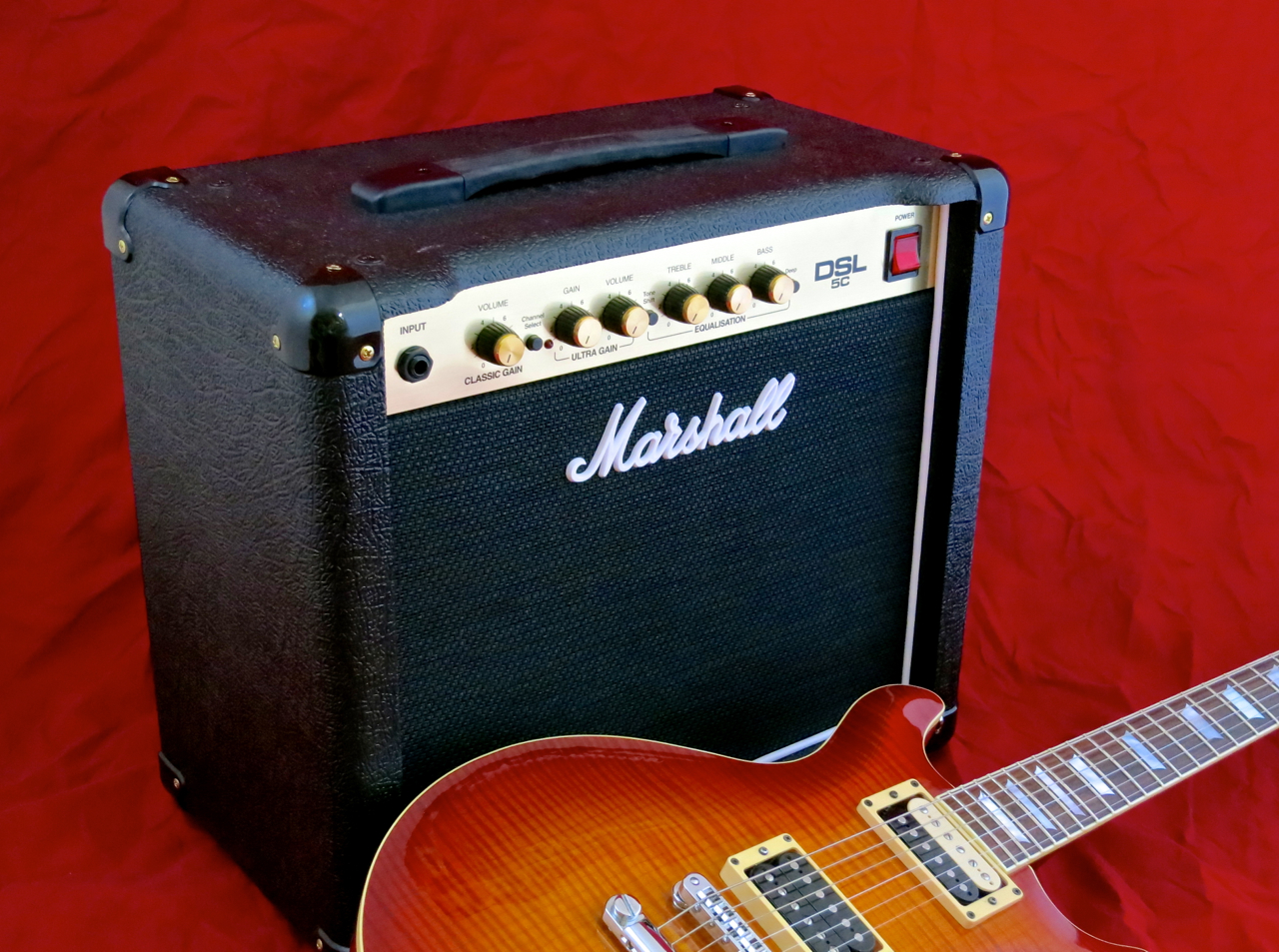
Nimensä mukaisesti Marshall DSL5C (katuhinta noin 520 €) on viisiwattinen, kaksikanavainen putkikombo.

Vahvistimen ulkonäkö – samoin kuin viimeistelyn taso – on ehtaa Marshallia. Vietnamilaisessa tehtaassa laadunvalvonta näyttää pelaavan kiitettävästi, ja kombo tuntuu heti kättelyssä luotettavalta ja kestävältä.

Marshall DSL5C – full back

Kotelon rakenne on DSL5C:n tapauksessa avoin. Takaseinän ylempään aukkoon on asennettu metalliritilä, joka suojaa vahvistinputkia kosketukselta ja kitaristin käsiä kuumilta putkilta.

Marshall DSL5C – valves

Pikku-Marsun putkivarustus koostuu kolmesta etuasteputkesta (ECC83/12AX7) sekä yhdestä pääteputkesta (ECC99/12BH7).

Marshall DSL5C – Celestion Ten 30

DSL5C:n kaiutin on 10-tuumainen, keraamisella magneetilla varustettu Celestion Ten 30, jolle luvataan lämmintä bassorekisteriä, sekä monelle Celestion-kaiuttimelle tyypillistä purevuutta preesensalueella.

Marshall DSL5C – angle 1

Tämä kompakti uutuuskombo painaa vain viisi kiloa, minkä ansiosta se on erittäin helppo kuljettaa sen kumimaisella kahvalla.

****

Marshall DSL5C – front panel

Marshall DSL5C on kaksikanavainen putkikombo:

Ykköskanava – Classic Gain – tarjoaa klassista Marshall 1959 -mallia muistuttavaa soundia ja gain-rakennetta. Classic-kanava ulottuu kirkkaista clean-soundeista keskivahvoihin vintage-säröihin. Koska tähän kanavaan ei ole lisätty omaa Master Volume -säädintä, Classicin särösoundeja saa esiin kuitenkin ainoastaan hyvin kovalla volyymitasolla, silloin kun päätevahvistin on 5 W -moodissa.

Nimensä mukaisesti kakkoskanava – Ultra Gain – on luotu tarjoamaan nykyaikaisia high gain -soundeja.

Molemmille kanaville yhteinen EQ-osasto tarkoittaa luonnollisesti, että soundin kannalta täytyy elää jonkin verran kompromisseja tekemällä, mutta Marshall DSL5C:n tapauksessa tästä ei koidu minkäänlaisia ongelmia.

Tone Shift -kytkimellä saa esiin loudnessmaisia Metal-soundeja, kun taas ilman Tone Shiftiä pikku-Marsulla on täyteläisempi keskialue. Deep-kytkin taas vaikuttaa päätevahvistimen bassotoistoon, ja lisää tarvittaessa muhkeamman bassorekisterin.

Marshall DSL5C – back panel

Takapaneelista löytyy efektilenkin ohella myös liitin pakettiin kuuluvalle kanavavaihto-kytkimelle (katso alla).

DSL5C:n kaappimallinnettu lähtö toimii kahdella eri tavalla, pääteasteen Power-kytkimen asennosta riippuen:

Power täysille jakki on linjatasoinen lähtö mikserille tai äänikortille, ja kombon oma kaiutin toimii myös silloin, kun linjalähtöä käytetään. Low Power -moodissa (käyttöohjeessa lukee 0,5 W, nettisivulla taas 1 W) sama lähtö toimii kuuloketasolla, ja kuulokkeen liittäminen jakkiin mykistää vahvarin oman kaiutinta.

Marshall footswitch

****

Marshall DSL5C – close-up 2

Marshall DSL5C on mielestäni erittäin hyvältä kuulostava Rock- ja Metal-kombo koti-, harjoitus-, äänitys- ja warm up -käyttöön.

Ainoa kritiikkini kohdistuu kombon kaappimallinnettuun lähtöön, joka – ainakin testikoneessa – kohisi enemmän kuin mitä olisin odottanut. Tässä voi kuitenkin olla hyvinkin kyse yksilöviasta.

DSL5C:n kahdesta kanavasta saa esiin hyvin erilaisia soundeja, riippuen etupaneelin gain- ja volume-säädöistä, mutta myös päätevahvistimen Power-kytkimestä. Päätetehon pudottaminen aiheuttaa headroomin kutistamisen, mikä nostaa selvästi kompression määrää entisestään. Power-moodin valinnassa ei siis ainoastaan ole kyse pelkästä volyymistä, vaan myös siitä halutaanko soundista tiukemman (Full Power) vai muhkeamman (Low Power).

Kaikki ääninäytteet on äänitetty Full Power -moodissa.

Tässä ensin Stratocaster soitettu Classic-kanavan kautta Shure SM57 -mikrofonilla poimittuna:

…ja tässä sama pätkä linjalähdön kautta:

Tällainen on mikitetty puhdas soundi Hamer Studio Customin kaulamikillä soitettuna:

…ja sama pätkä linjalähdön kautta:

Tällainen on Straton soundi Ultra-kanavan kautta (Tone Shift on pois päältä) SM57 äänitettynä:

…ja sama pätkä linjalähdön kautta:

Tässä soitan Hamer-kitaraa Drop-D-virityksessä Ultra-kanavaan (Tone Shift päällä):

…ja sama linjalähdön kautta poimittuna:

****

Marshall DSL5C – Hamer Studio Custom

Marshallin viisiwattinen DSL5C sopii loistavasti sekä ensimmäiseksi putkikomboksi (”My first Marshall”) että varttuneen soittajan työkaluna, sellaisissa tilanteissa, joissa isosta styrkkarista on enemmän haittaa kuin hyötyä (esim. kotistudiossa tai olohuoneessa).

DSL5C tuo aidon Marshall-soundin myös pieneen huoneeseen, ja kombon vietnamilaisen alkuperän ansiosta tämän putkivahvistimen hinta on kukkarolle ystävällinen.

Marshall DSL5C – angle 2

****

Marshall DSL5C

Katuhinta noin 520 €

Maahantuoja: EM Nordic

Kiitos DLX Musiikille testivahvistimen lainasta!

****

Plussat:

+ hinta

+ viimeistely

+ soundi

+ päätevahvistimen tehonpudottaja

+ kaappimallinnettu lähtö

+ jalkakytkin kuuluu hintaan

Miinukset:

– linjalähdön kohinataso

Testipenkissä: Mooer

****

Mooer teaser

Musamaailma on hiljattain alkanut tuoda maahan Mooerin erittäin kompakteja kitaraefektejä.

Mooerin tapauksessa kyse on suhteellisen edullisista pedaaleista, joille valmistaja lupaa kuitenkin laadukasta soundia. Koska kitaristin pedaalilaudassa on aina liian vähän tilaa, ja soittajan kukkarossa aina vain rajoitetusti rahaa, Mooer-pedaalien kokeilu luonnollisesti kiinnosti.

****

Mooer Pure Boost – top

Aloitetaan Mooer Pure Boost -boosterilla (54 €), joka tarjoaa 20 dB:n verran puhdasta signaalivahvistusta.

Tämän lisäksi Pure Boost on varustettu hyvin tehokkaalla kaksikaistaisella EQ:lla (+/- 15 dB), sekä Gain-säätimellä, jolla voi lisätä signaaliin pikkuisen putkimaista lämpöä.

Mooer Pure Boost – front

Kaikki Mooer-pikkupedaalit saavat virtansa vain ja ainoastaan Boss-standardin (miinus keskellä) mukaisesta 9V-virtalähteestä, ja vain 6 mA kuluttava Pure Boost on varsinainen energiapihi (mikä on aina hyvä asia).

Pure Boost on true bypass -pedaali – niin kuin kaikki tässä testatut efektit – mikä tarkoittaa, että signaali kulkee suoraan tulosta lähtöön, silloin kun boosteri on kytketty pois päältä.

Mooer Pure Boost – left

Kestävänoloinen Mooer Pure Boost on erittäin kätevä apulainen, kun halutaan nostaa signaalitasoa, kenties myös hieman maustettuna EQ:lla.

Pure Boostilla saa myös nostettua putkivahvistimen puhtaan kanavan särölle tai lisättyä boostaamisella pikkusärölle vielä aimo annoksen lisää säröä.

Ääninäytteessä Fender Stratocasterin signaali menee Mooer Pure Boost -pedaalin kautta Blackstar HT-1R -komboon:

****

Mooer Green Mile – top

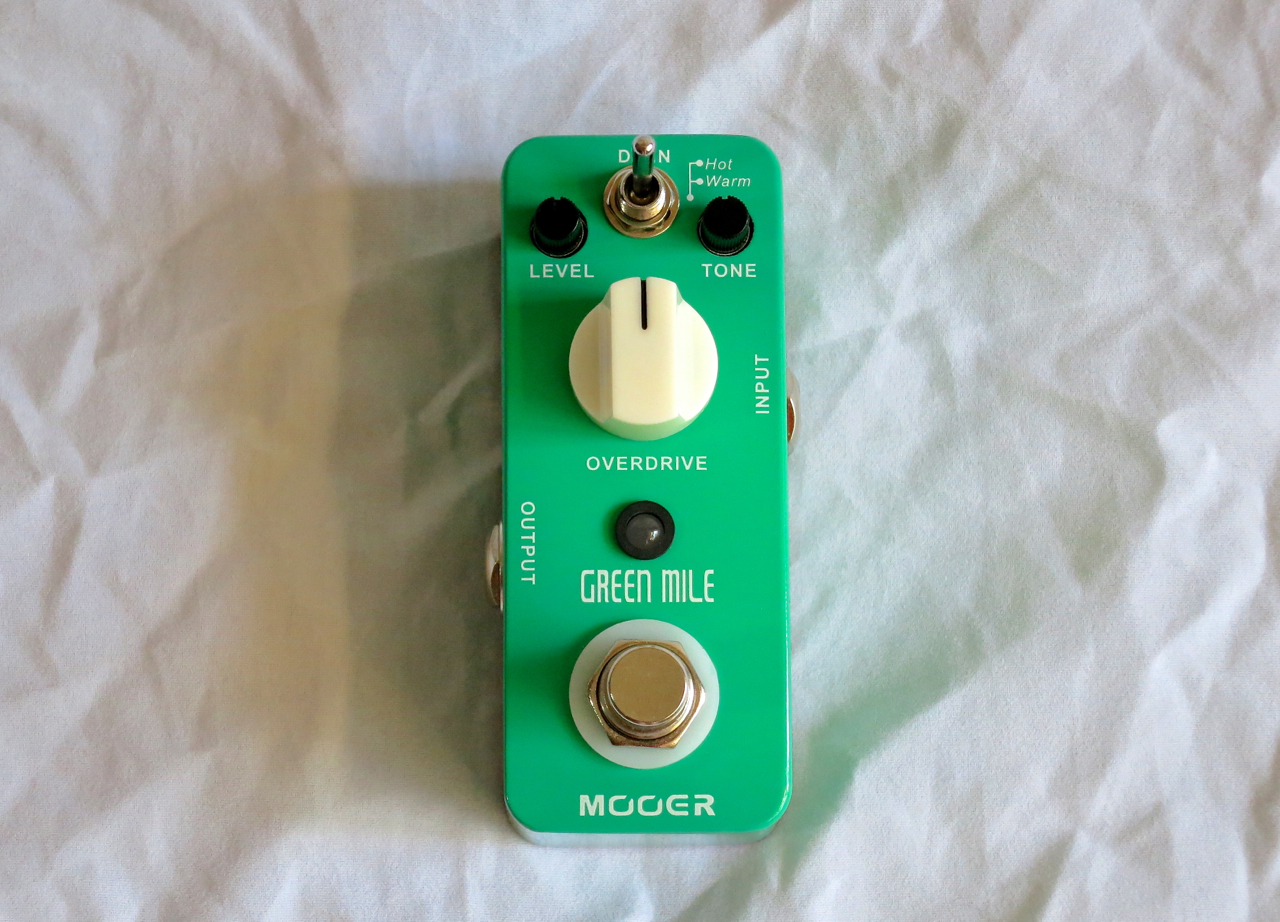
Mooer Green Mile (54 €) on firman Tube Screamer -tyylinen overdrive-särö.

Perinteisten Overdrive- , Tone- ja Level-säätimien lisäksi Green Mile tarjoaa vielä kaksipykäläisen moodikytkimen.

Warm-moodissa Green Mile -pedaali toimii tavallisena TS-tyylisenä särönä, jolla on kermainen keskialue ja maltillinen kompressointi. Hot-moodissa lisätään signaalitielle vielä tehokas boosteri.

Green Mile käyttää virtaa hyvin säästeliäästi (7 mA).

Mooer Green Mile – right

Kyllä, hyvin toimii!

Tässä pätkässä Mooer Green Mile on Warm-moodissa. Soitan ensin Stratocasteria puhtaaseen kanavaan, ja sen jälkeen särökanavaan:

****

Mooer Cruncher – top

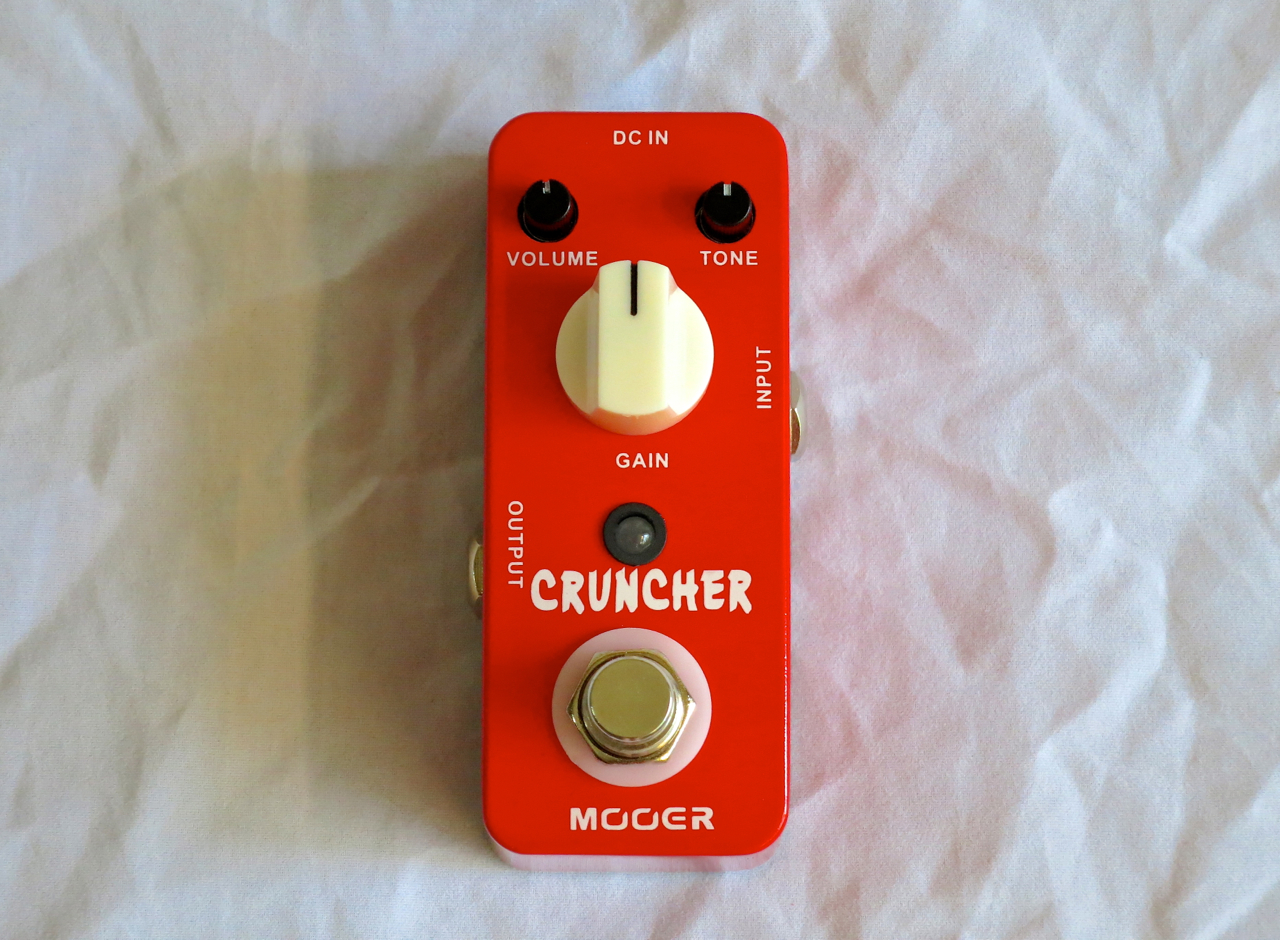
Punainen Mooer Cruncher (54 €) on distortion-tyyppinen särörasia.

Cruncherin käyttö on hyvin helppo, sillä efekti keskittyy olennaiseen tarjoamalla ainoastaan perinteiset Gain-, Tone- ja Volume-säätimet.

Mooer Cruncher – left

Mooer Cruncher kuulostaa mielestäni varsin herkulliselta. Tästä säröstä lähtee sopivasti potkulla ja purevuudella höystetty Rock- ja Metal-soundi.

Jällen kerran audiopätkässä kuulaan ensin HT-1R:n puhtaan kanavaan menevä vaihtoehto, ennen kun Cruncher soitetaan särökanavaan:

****

Mooer Ensemble King – top

Se on vaaleansininen, sen täyttyy siis olla chorus.

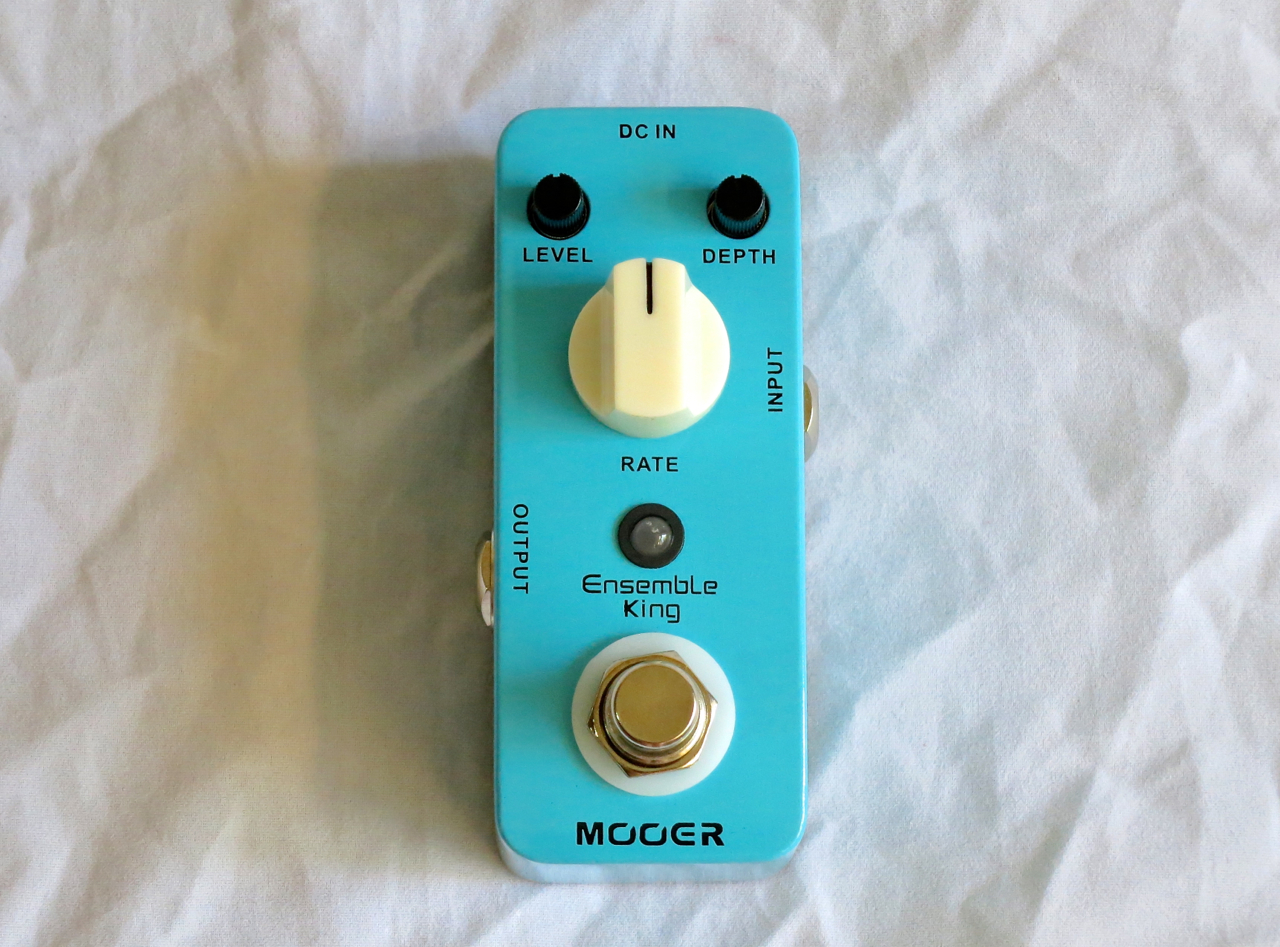
Ensemble King (59 €) on Mooer-pikkuspedujen helppokäyttöinen chorus-pedaali.

Niin kuin kaikkien muiden firman pedaaleissa, myös Ensemble Kingin kotelo on valmistettu kokonaan metallista, ja sen pohjassa on paksu, liukumista estävä kumikerros.

Mooer Ensemble King – right

Pikku-Mooerista lähtee kauniisti tiheä, klassinen chorussoundi, joka sopii mainiosti joka lähtöön. Ensemble Kingin oma kohina on kiitettävän alhainen:

****

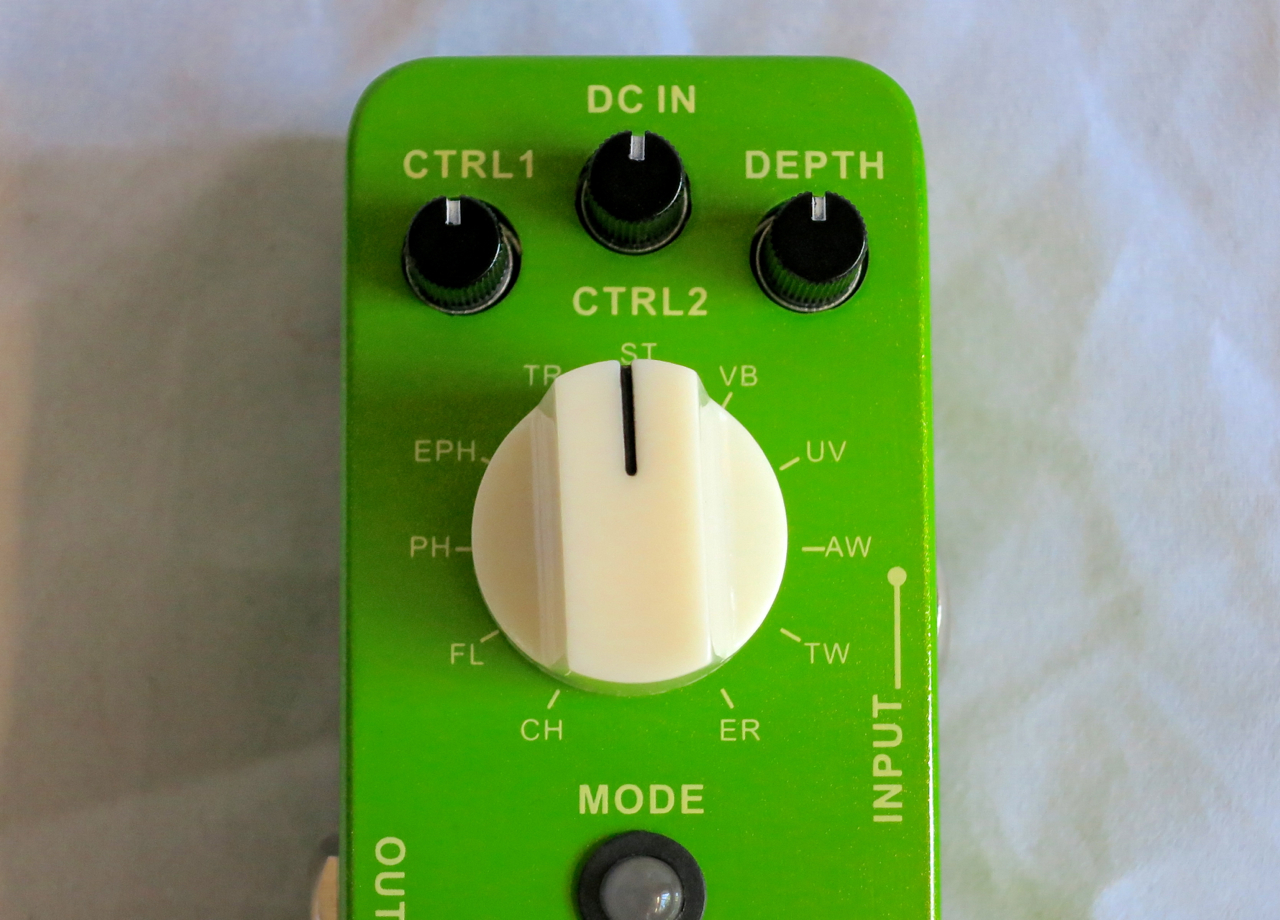
Mooer Mod Factory – top

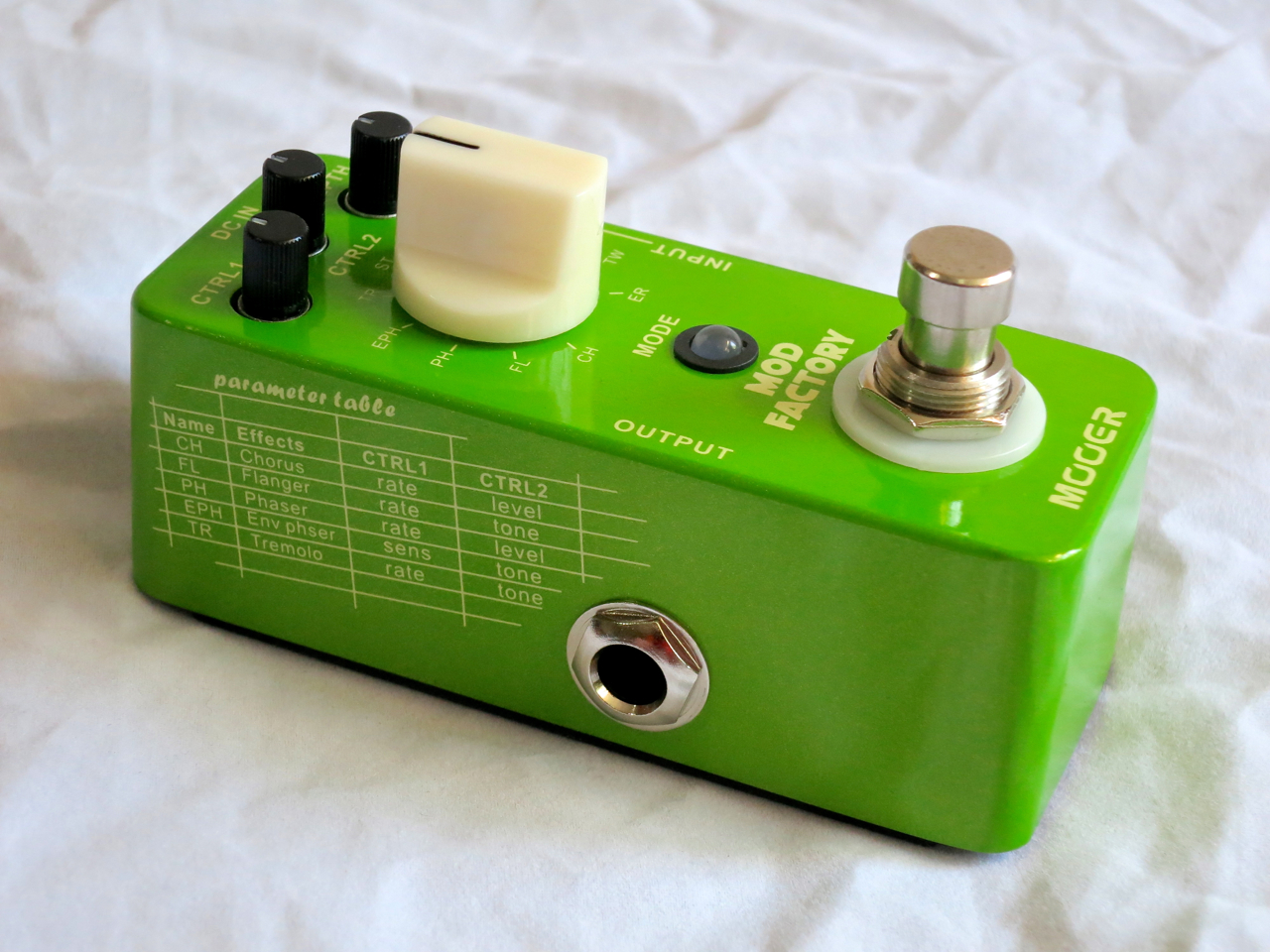
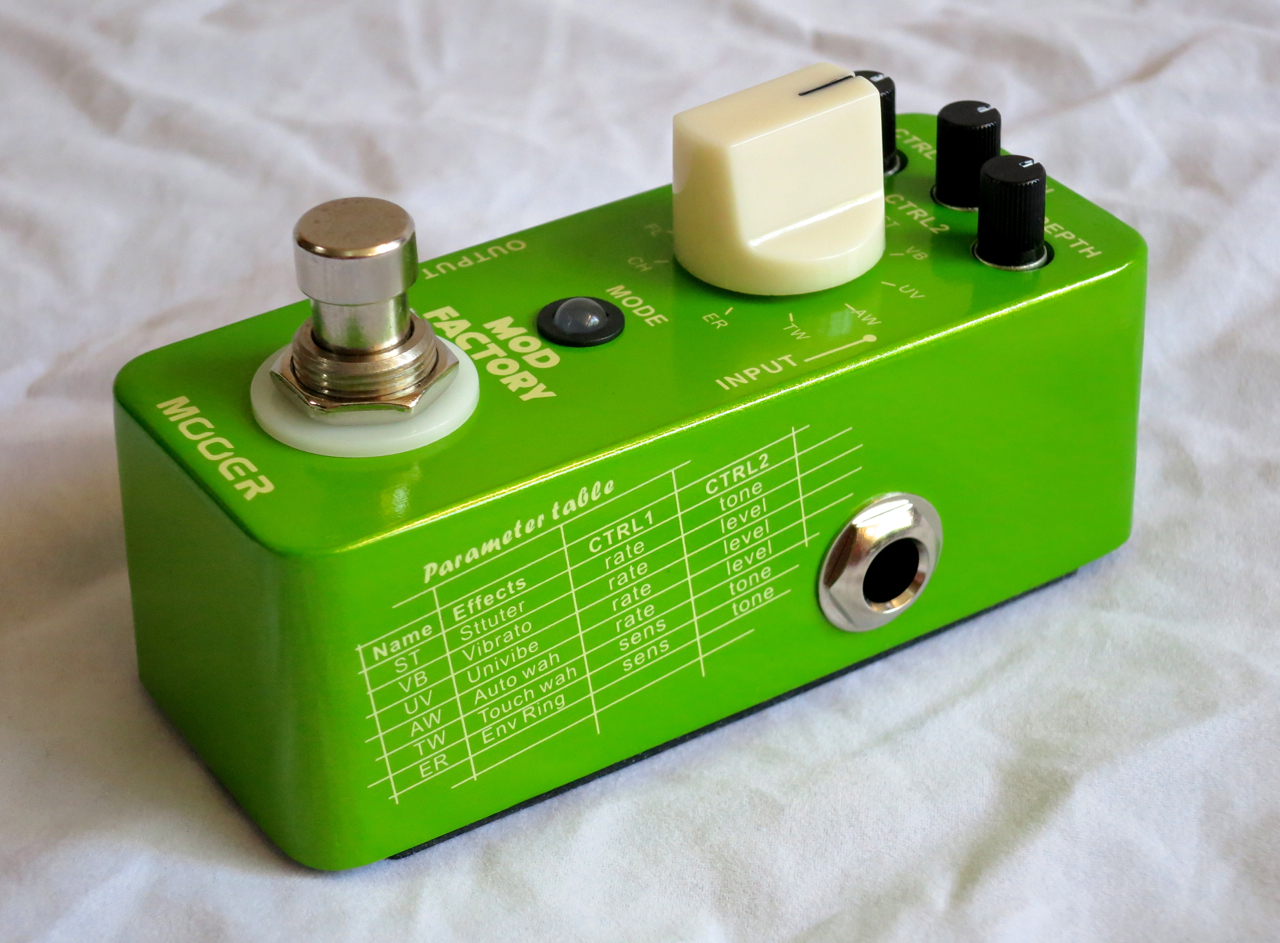
Mooer Mod Factory (75 €) on tämän efektisarjan moniosaaja, joka pystyy tuottamaan peräti yksitoista eri modulaatioefektiä!

Mooer Mod Factory – mode switch

Isolla Mode-kytkimellä valitaan Mod Factoryn efekteistä sen, jota haluaa käyttää.

Mooer Mod Factory – left

Tarjolla ovat chorus, flanger, phaser, envelope phaser, tremolo…

Mooer Mod Factory – right

…stutter, vibrato, Univibe, auto-wah, touch-wah, sekä kehämodulaattori.

Omat suosikkini ovat Mod Factory -pedaalin molemmat phaserit, sen tremoloefekti, sekä tämän Mooerin auto-wah. Olen kuitenkin melko varma, että jokainen kitaristi löytää Mod Factorysta muutaman mielenkiintoisen efektin omaan käyttöön.

Tässä esimerkissä soitan kaikki efektit läpi (aloitan choruksesta):

****

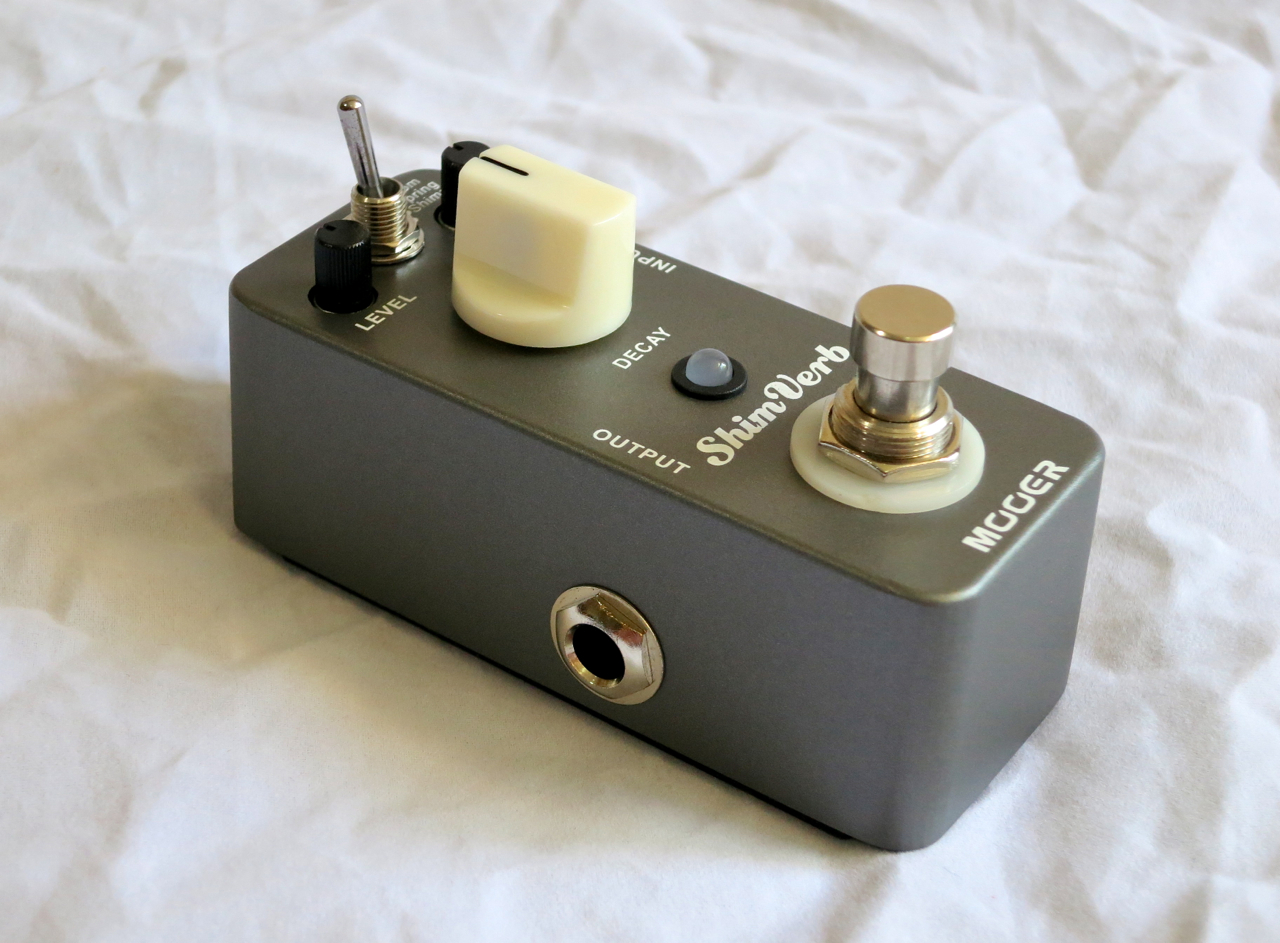
Mooer ShimVerb – top

Mooerin ShimVerb -kaiku (66 €) tarjoaa kolme erilaista kaikutyyppiä:

Room on huonetta (tai studiotilaa) muistuva kaikusoundi, kun taas Spring-vaihtoehto on digitaalinen näköispainos jousikaiusta. Shimmer on ShimVerbin erikoiskaiku, jossa tuodaan kaikuun hieman metallista hohdetta lisäämällä signaaliin kvintin verran ylöspäin nostettua ääntä.

Mooer ShimVerb – left

ShimVerb on tästä kattauksesta ehkä se pedaali, joka puhuttelee minua henkilökohtaisesti vähiten. Ainakin omiin korviini Room on pikkusen liian honottava, eikä Spring-kaiusta löydy niin selvää jousimaista klangia ja pärskettä kuin odotin. Mooerin Shimmer-kaiku on kuitenkin mielenkiintoinen valinta kokeiluhaluiselle kitaristille.

Aloitan äänipätkässä Room-kaiulta:

****

Mooer Reecho – top

Mooer Reecho (75 €) on viivepedaali, joka tarjoaa kolme erilaista delay-tyyppiä:

Analog on Mooerin versio vanhasta analogisesta viivepedaalista, Real Echo on nykyaikainen digitaalinen delay-efekti, ja Tape Echo matkii vanhan nauhakaiun soundia.

Mooer Reecho – right

Mooerin Reecho-pedaalin Time-säätimellä voi säätää viiveajan viiden ja 780 millisekunnin välillä.

Mielestäni Reecho on ilahduttavan suoraviivainen, mutta silti melko monipuolinen delay-pedaali. Analog-moodi soi juuri oikealla tavalla suttuisesti, kun taas Real Echo tarjoaa orgaanisen lämmintä viive-efekiä. Pitkillä viiveasetuksilla Tape Echolla on ehkä hieman liian voimakas nauhahuojunta, mutta Rockabilly- ja Rautalanka-meininkiin soundi sopii kuin piste iin päällä.

Esimerkki alkaa Analog-vaihtoehdosta, sitten tulee Real Echo, ja sitten Tape – viimeisinä toinen Analog-viivellä soitettu pätkä:

****

Mooer Baby Tuner – left

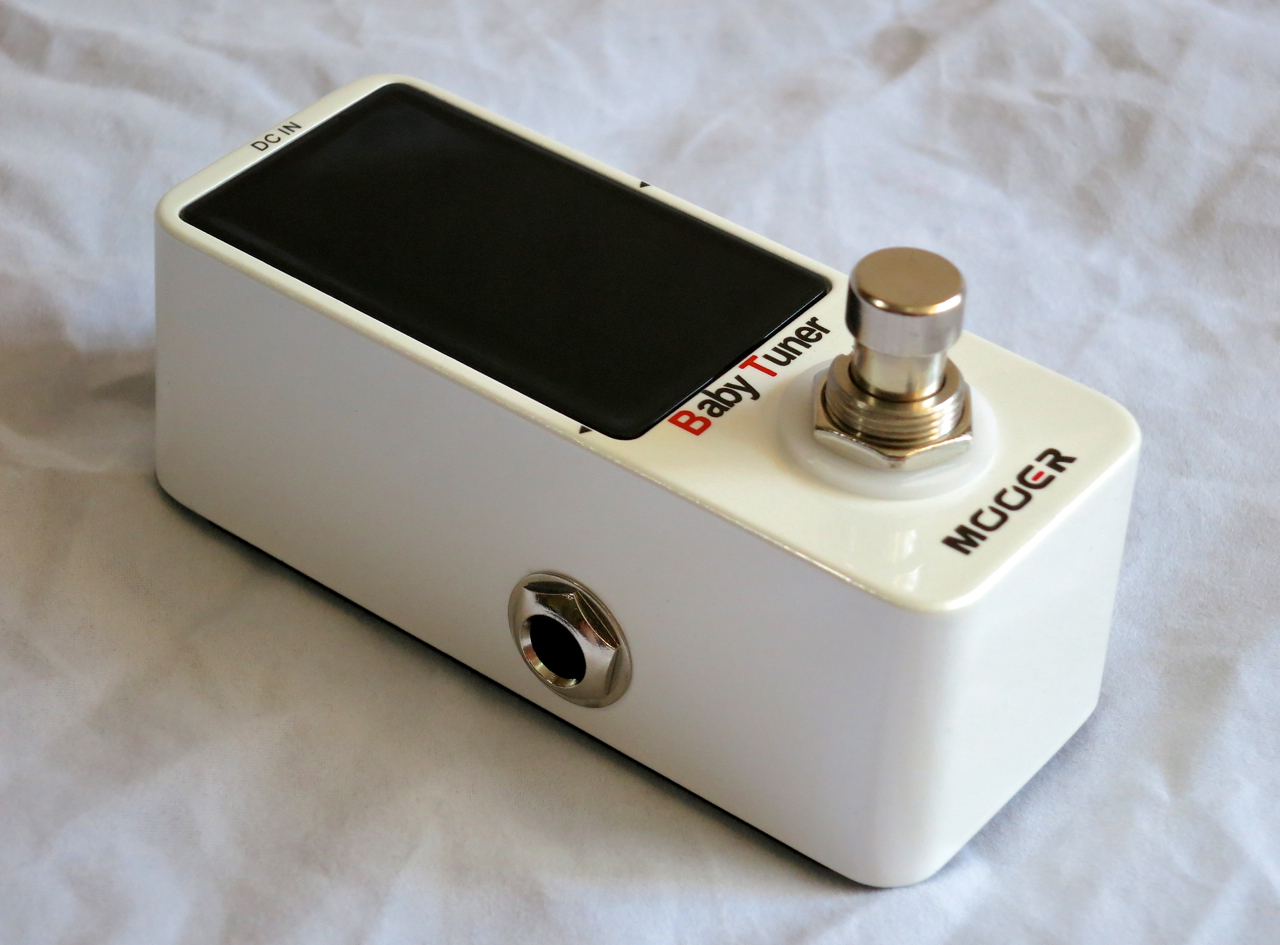
Baby Tuner (49,90 €) on tämän Mooer-sarjan digitaalinen viritysmittari.

Vaikka Baby Tunerin ulkonäkö muistuttaa erästä polyfonista viritysmittaria, tämä pikku-Mooer on kuitenkin perinteinen viritinmittari.

Ison, kirkkailla ledeillä varustetun näyttönsä ansiosta Mooer Baby Tuner on erittäin helposti luettavissa, ja viritysmittari on optimoitu toimimaan moitteettomasti myös seitsenkielisillä kitaroilla ja viisikielisillä bassoilla.

****

Mooerin mikrokokoiset efektipedaalit kyllä tarjoavat roimasti vastinetta rahalle! En väitä, että nämä pikkulootat olisivat boutique-luokan peliä, mutta Mooer-pedaalien soundi on kuitenkin niin hyvässä mallissa, että näitä löytävät varmasti tiensä myös monen ammattimuusikon pedaalilaudalle.

Nyt kokeiltujen pedaalien lisäksi löytyy vielä runsaasti lisää Mooer-efektejä, joihin kannattaa varmasti myös tutustua lähemmin.

****

Mooer  – minikokoiset efektipedaalit

• Cruncher – 54 €

• Ensemble King – 59 €

• Green Mile – 54 €

• Mod Factory – 75 €

• Pure Boost – 54 €

• Reecho – 75 €

• ShimVerb – 66 €

• Baby Tuner – 49,90 €

Maahantuoja: Musamaailma

****

Plussat:

+ hinta-laatu-suhde

+ metallikotelo

+ pieni koko

+ soundi

Review: Amfisound Raudus Bass

Amfisound Guitars is a small company from the northern Finnish town of Oulu. Run by two master luthiers, Amfisound offers a surprisingly wide variety of different guitar and bass models, as well doing a lot of customising and repair jobs. Kitarablogi visited Amfisound’s workshop late last year – read all about it HERE.

Amfisound have introduced a new bass model recently, called the Raudus Bass, which is the subject of this review.

****

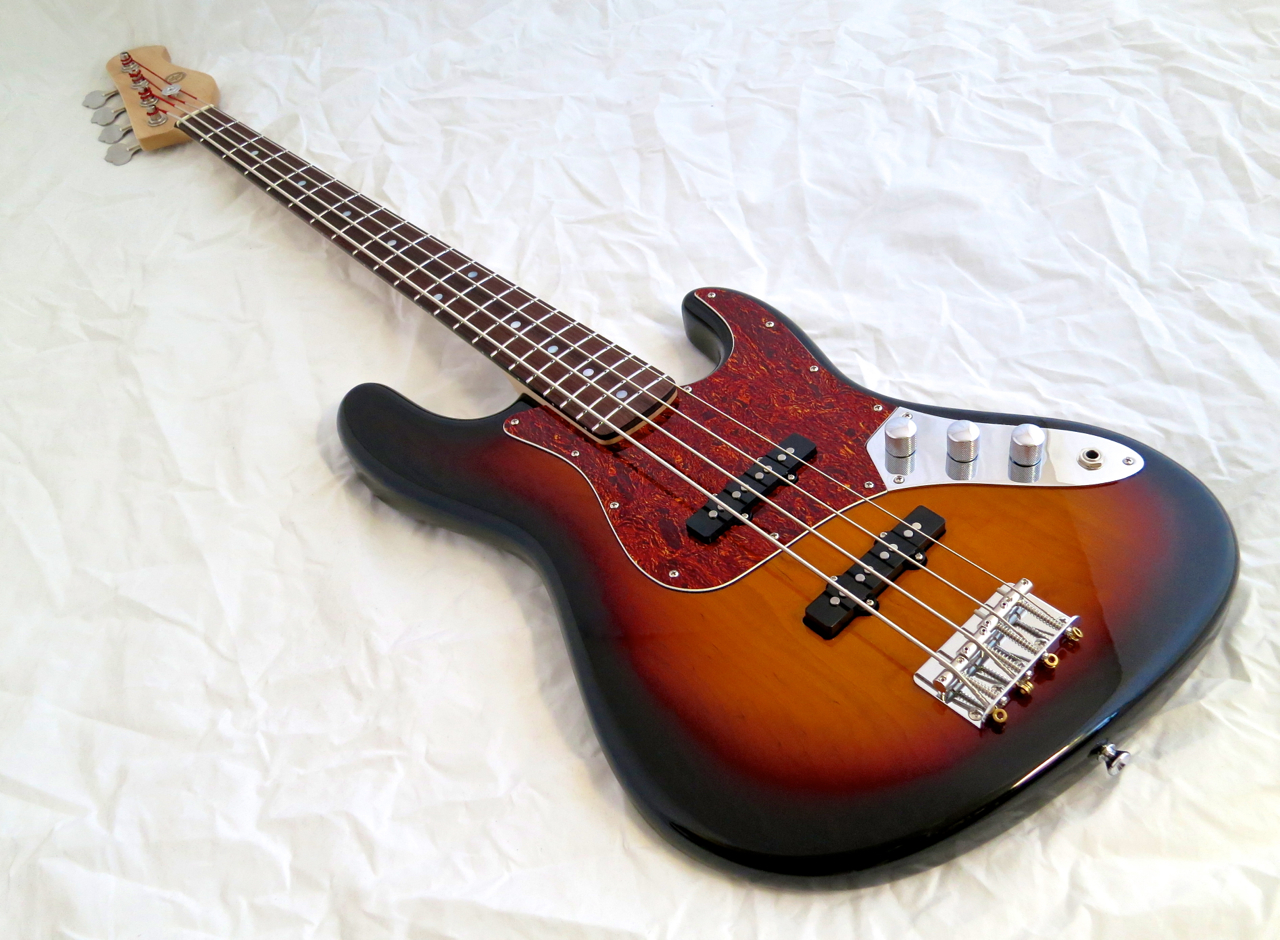
Amfisound Raudus Bass – full front

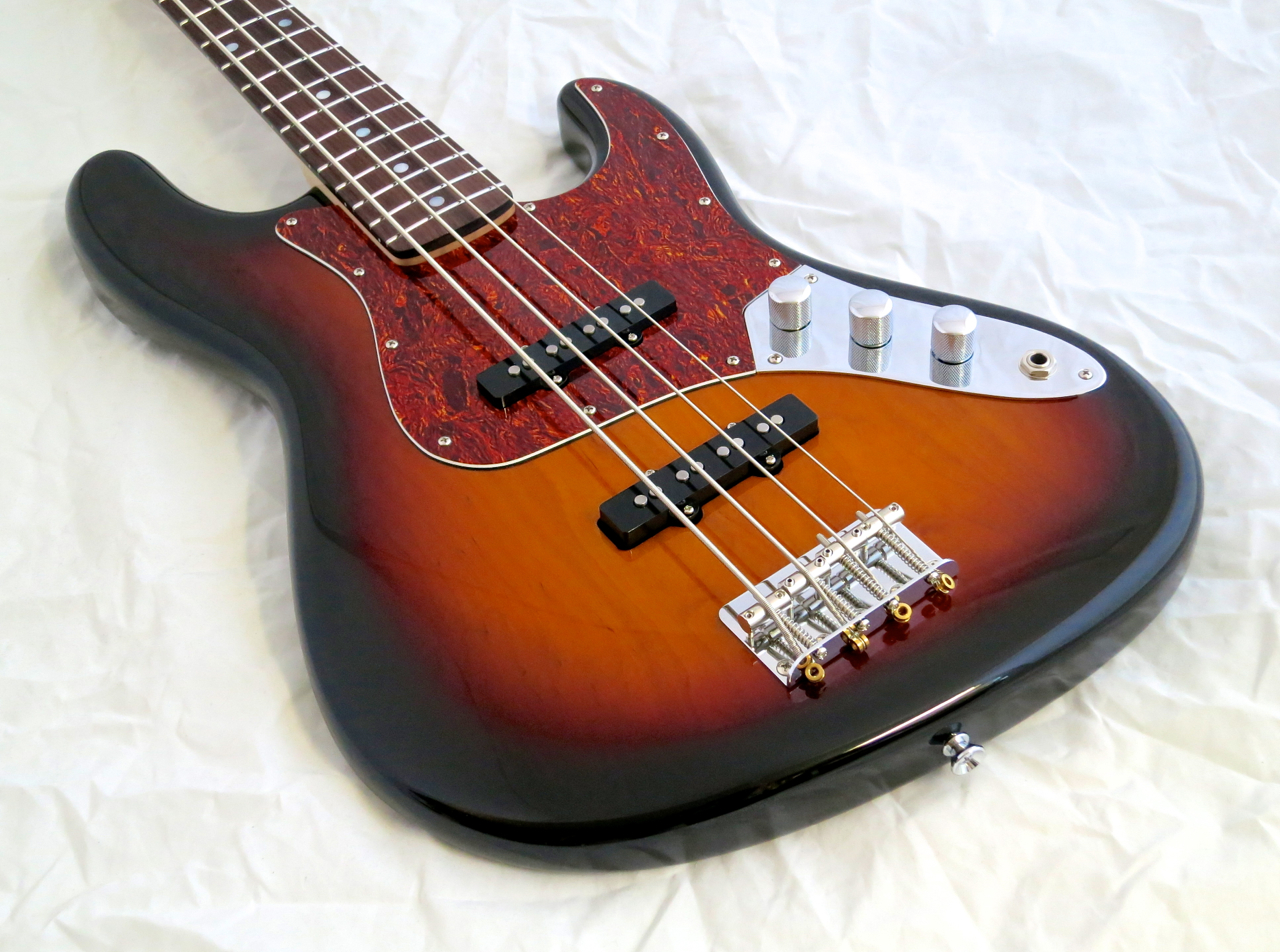
The Amfisound Raudus Bass (prices for EU-customers starting from 2,520 €) clearly takes its inspiration from Fender’s classic Jazz Bass, but this new Finnish (passive) bass offers a number of modern updates and improvements. The easiest things to notice on first sight are probably the added 21st fret and the much deeper cutaway.

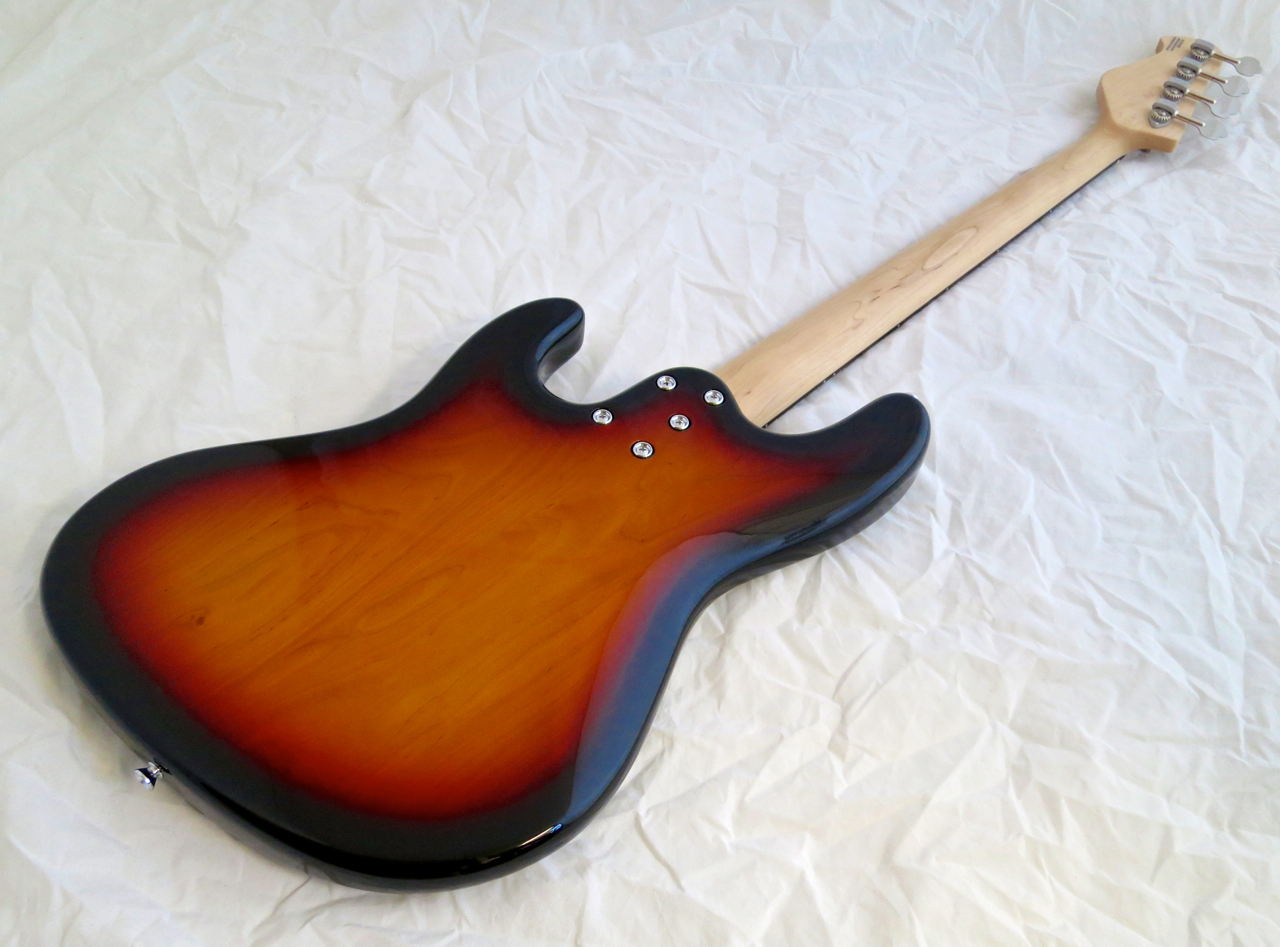
Amfisound Raudus Bass – full back

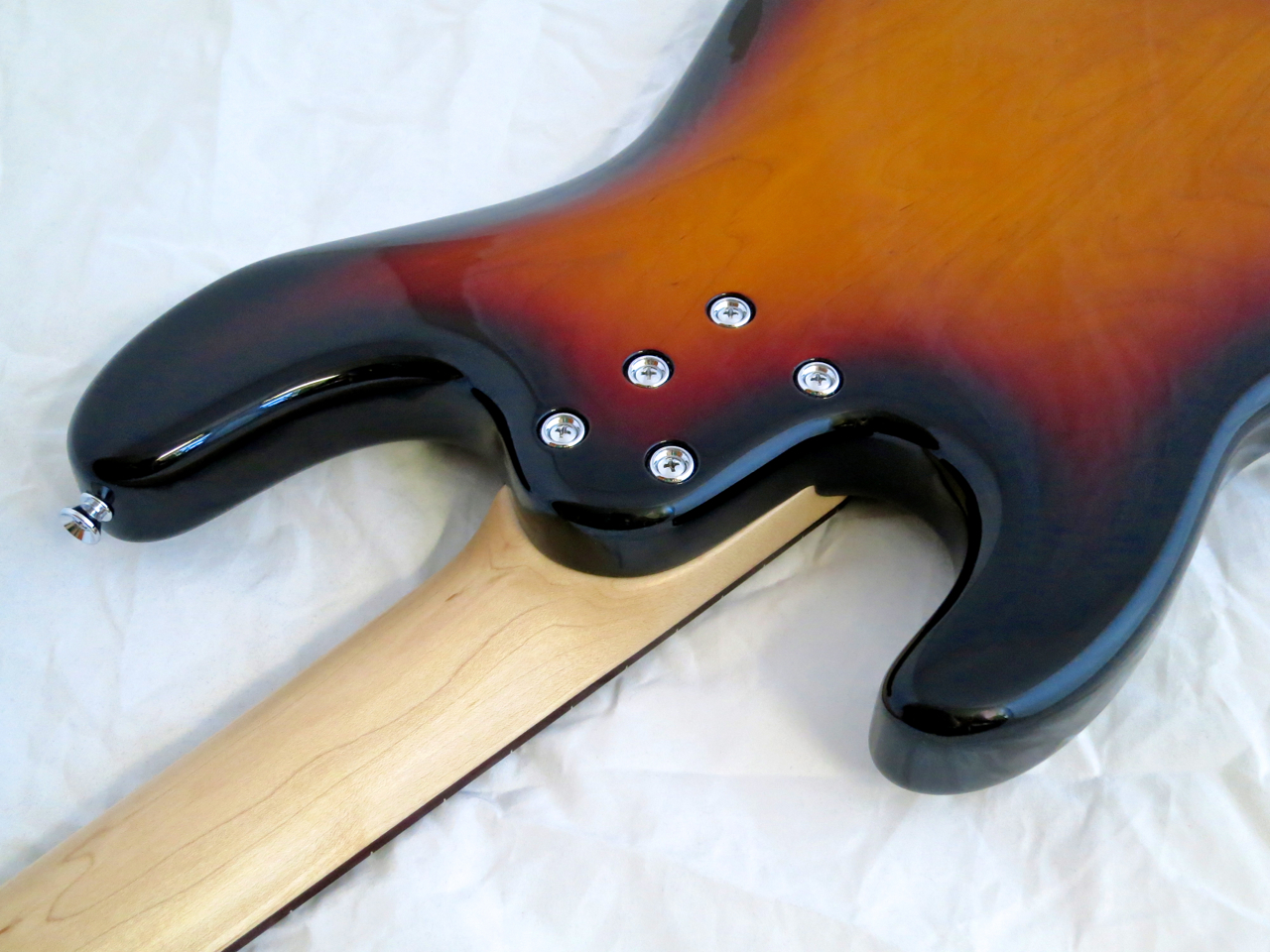
The Raudus sports a body made from Finnish alder and a bolt-on maple neck.

The neck comes finished in a very thin satin lacquer, while the body is gloss finished in a glorious tri-colour sunburst.

Amfisound Raudus Bass – headstock

Our review sample of the Amfisound Raudus features two differences to the basic model – different tuning machines and different pickups.

Amfisound Raudus Bass – tuners

This Raudus comes equipped with a set of Hipshot’s UltraLite tuners (additional charge: 50 €), which are built from aircraft-grade aluminium. The UltraLite machines work extremely smoothly and precisely, and they efficiently cut down on surplus headstock weight, which is a good thing on such a traditionally-inspired long scale bass, such as the Raudus.

The two-way truss rod is accessed from the headstock side of the neck.

Amfisound Raudus Bass – fretboard

The outstanding standard of workmanship displayed in the Raudus-model’s fretwork, is but one of many points bearing clear testament to the world-class standard of Finnish luthiery! This is genuine custom shop quality.

The fretboard is made of Indian rosewood, and it’s sporting 21 medium-jumbo sized frets.

Amfisound Raudus Bass – neck joint

Amfisound’s rounded body heel makes excursions to the dusty end of the neck very comfortable, indeed.

Amfisound Raudus Bass – bridge

The bridge is a quality copy of the original, late-Sixties Fender bridge – if it ain’t broken, don’t fix it.

Amfisound Raudus Bass – pickups

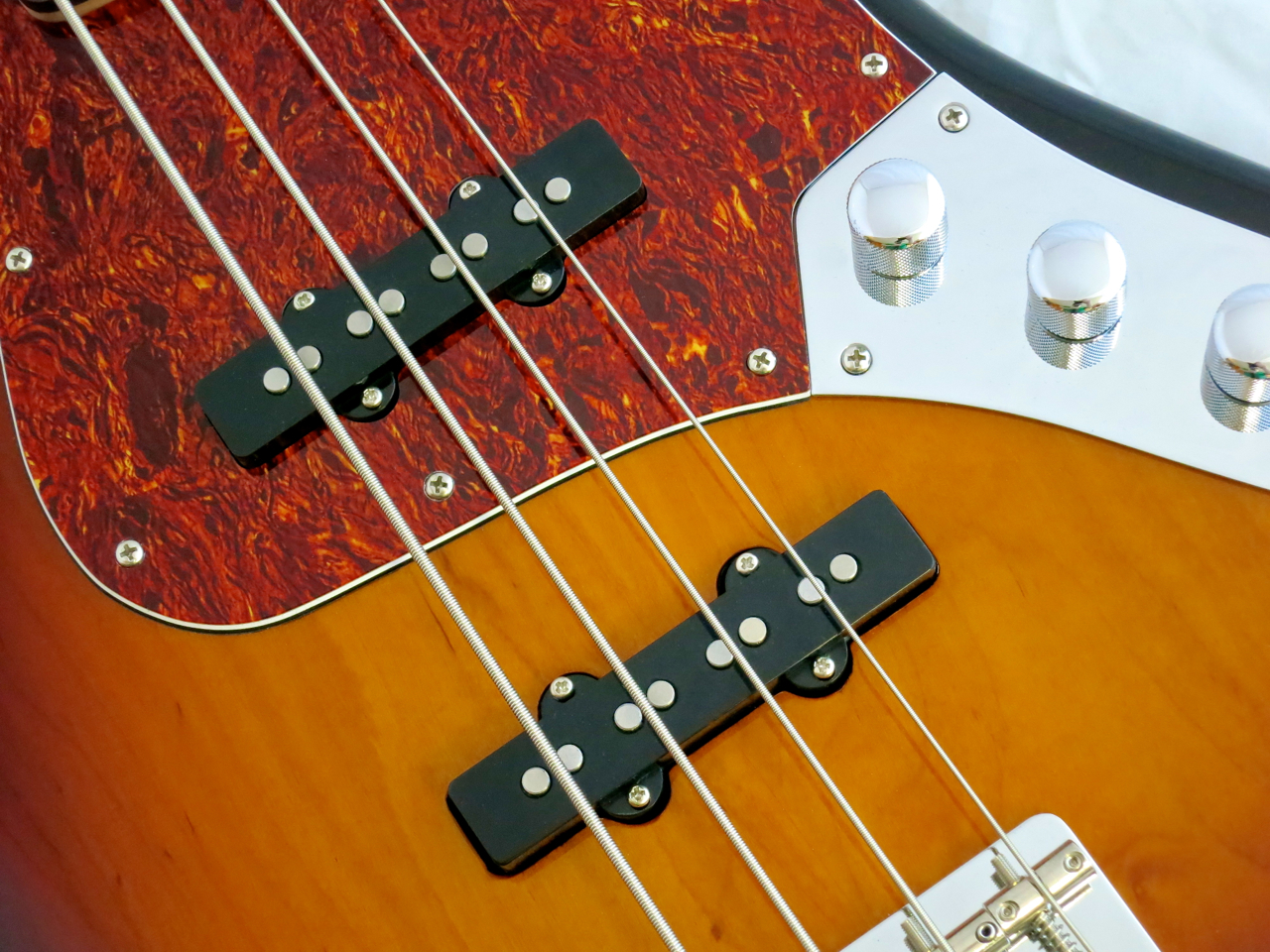
The review sample comes with a set of Jarno Salo Pickups from Finland. The basic version uses Swedish Lundgrens.

Amfisound Raudus Bass – controls

This instrument offers you Jazz Bass-type controls – separate volume-knobs for each pickup, plus a master tone-control.

Amfisound Raudus Bass – electronics

Amfisound’s workmanship is spot-on and very crisp – even under the hood.

Amfisound Raudus Bass – body beauty 2

The list of available custom options from Amfisound is very long, and includes (in the Raudus-model’s case) an ash body, different bridges and/or tuners, as well as active Glockenklang-electronics (among other things). For more detailed information you should contact Amfisound’s Tomi or Sampo.

There’s also a five-string Raudus on offer, which is built with a longer scale of 35 inches.

****

Amfisound Raudus Bass – beauty shot 1

Amfisound’s Raudus Bass is a real corker of an instrument, with its sound and playability second to none.

The flatter-than-vintage fingerboard radius (9.5″) gives the slender neck a suitably modern playing feel. Thanks to Amfisound’s exemplary fretwork, our review sample’s low action (E: 2.0 mm/g: 1.6 mm) was completely free of annoying fret buzz or string rattle.

I’m a devoted Jazz Bass-fan, which made me feel right at home playing the Raudus. Yes, it’s true that the Amfisound offers much better top fret access, but overall this new bass feels like a dear old friend.

And this bass’ sound is outstanding, too, dishing out oodles of classic, Jazz Bass-style tones.

Jarno Salo’s excellent pickups are singlecoil designs, with the bridge pickup being reverse-wound and reverse-polarity in relation to the neck unit. This means that using both pickups together gets rid of any possible electromagnetic hum and buzz (from transformers, lighting or displays).

In terms of sound, these Salo-pickups really give you all those classic tones you’d expect from a bass such as this.

Listen to these three audio clips. Each clip has the neck pickup first, followed by both pickups on, and the bridge pickup going last:

Amfisound Raudus Bass – back beauty 1

****

Amfisound Raudus Bass – beauty shot 2

The Amfisound Raudus Bass is a very fine example Finnish luthiery, there’s no two ways about this. Finns must be very lucky to find such fine instruments right at their doorstep!

****

Amfisound Guitars Raudus Bass

Prices starting from 2,520 € (EU-customers) & 2,032 € (outside the EU)

Hard case included.

Contact: Amfisound Guitars

****

Pros:

+ Made in Finland

+ handmade 

+ workmanship

+ playability

+ sound

Review: Boss OD-1X + DS-1X

od-1x + DS-1x

Boss unveiled two Special Edition pedals at NAMM 2014. These new stompboxes are updates on two classic Boss-models, and are called the OD-1X Overdrive and the DS-1X Distortion. These deluxe versions promise more gain, a tighter attack, and an even more versatile EQ-section.

****

od-1x_back_angle_gal

What is the difference between a fuzz, an overdrive and a distortion?

The fuzz pedal is the granddaddy of everything ”brang”, and it works in a rather neanderthal way, by means of brutal transistor overload. The resulting tone of transistors clipping sounds quite edgy and fuzzy (hence the name), and tends to work much better on solos and riffs, than it does on chords. A good early example would be the memorable riff on the Rolling Stones’ hit ”Satisfaction”.

The terms ”overdrive” and ”distortion” describe effects that try to mimick the way tube amp distortion sounds. In the beginning both terms were used as general descriptions of valve distortion-type stompboxes, but thanks to Boss’ way of labelling their pedals, the use of the terms has now become standardised: An overdrive effect usually offers moderate gain and less compression, resulting in a more dynamic tone, while a distortion pedal will give you more gain, more bite and more squashy compression.

od-1x_top_gal

Early on, Boss also came up with the idea of giving specific colours to specific effect types – an overdrive pedal, for example, is always yellow.

The brand-new Boss OD-1X Overdrive (155 €) represents the next generation of overdrive stompboxes, with its much more versatile range of sounds. In addition to the Drive- and Level-controls, you will find a very powerful two-band EQ-section.

****

ds-1x_back_angle_gal

Both new Special Edition-pedals are based on Boss’ patented digital MDP-technology (Multi-Dimension Processing). MDP allows for the lightning-fast, multi-band processing of the guitar signal that is needed to keep the attack tight and chords free from sonic mud. There’s added clarity and note separation, even at the higher gain levels these new pedals provide.

ds-1x_top_gal

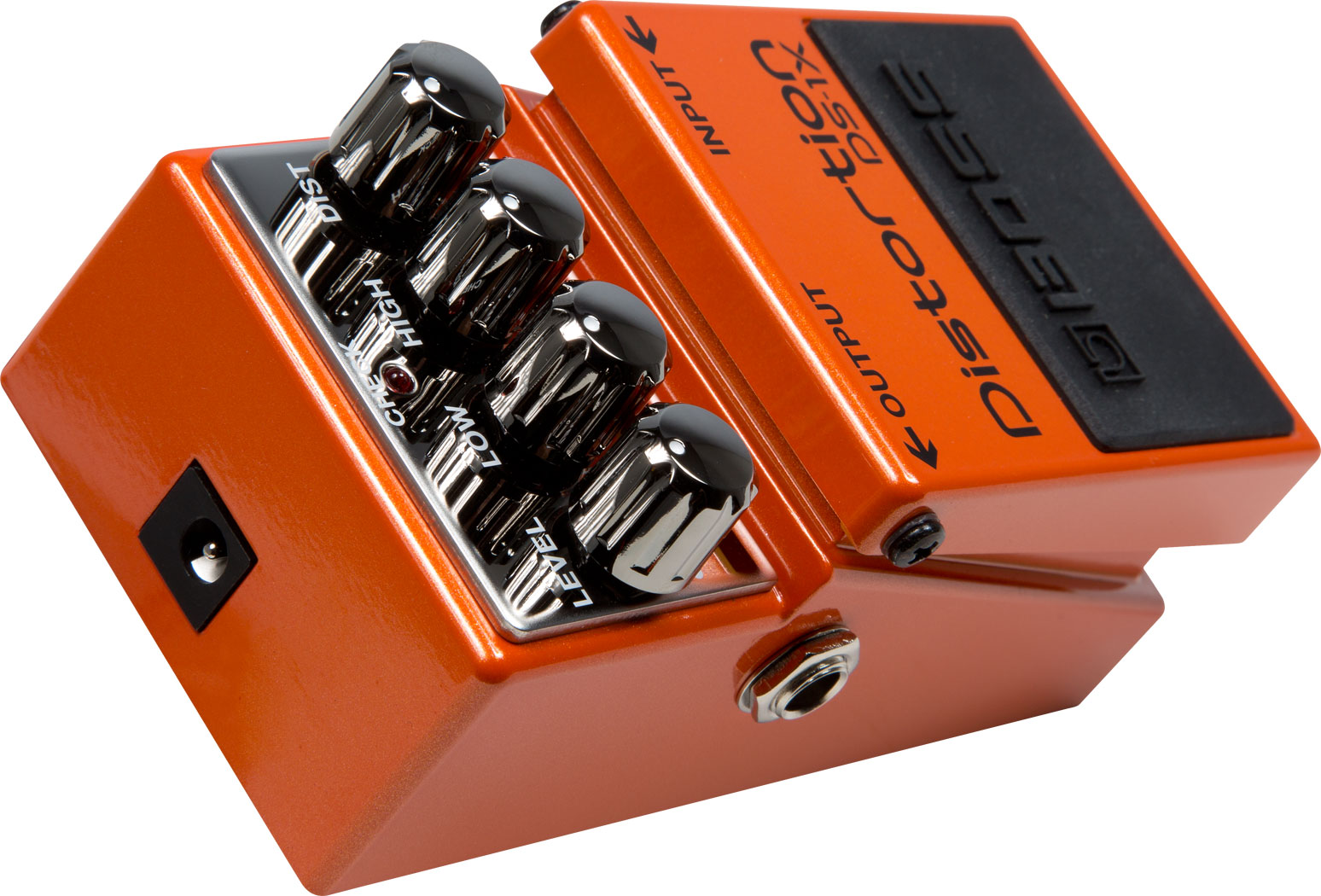
The tangerine-coloured Boss DS-1X Distortion (155 €) offers you four control knobs – Distortion, High, Low and Level. Its sound has been optimised to also work fabulously with seven- or eight-string guitars.

Both pedals can be run either using a 9 V block (an alkaline battery will give you about nine hours of continuous playing time) or a power supply (not included).

****

od-1x_angle_3_gal

You can get all the legendary Boss-overdrive sounds (think SD-1 and OD-3) from the OD-1X, too. The difference here is the much more versatile EQ-section, which gives you way more scope for fine-tuning your tone, and a bit more overdrive at the extreme end of the Drive-control. This leads to a very tasty and dynamic overdrive sound that is more open than what your traditional, mid-range focussed overdrive pedal has to offer.

Here’s anice example of the OD-1X’s lush bass register (Vox Mark III, Drive 9 o’clock, High 10 o’clock, Low 2 o’clock):

A bridge humbucker will surely benefit from a sprinkle of added top end (Hamer USA Studio Custom, Drive 9 o’clock, High 11 o’clock, Low 12 o’clock):

Turn up Drive to full, and even a small Marshall-combo’s clean channel will sound like a stack. I used the Vox-guitar for this:

And here’s the Hamer with a similar setting:

****

ds-1x_angle_3_gal

Boss’ new DS-1X broadens the sound palette of a traditional DS-1 in a very appealing way. There’s oozes of the type of tasty, chewey compression heard on so many great tracks. The DS-1X adds a much deeper low end, better note separation, a tighter attack and a more versatile two-band EQ to proceedings.

It’s clear right from the start that the DS-1X offers much more gain than its overdrive-sibling (Vox Mark III, Dist 9 o’clock):

Using humbuckers you will clearly notice the nice and creamy compression setting in (Hamer, Dist 9 o’clock):

Even though the pedal’s Distortion-control is on full in this clip, almost all of the hiss you can hear comes from the amp’s clean channel, not the DS-1X (Vox Mark III):

The DS-1X’s deep, but tight bass register is just the ticket for playing low Metal-riffs (Hamer, Dist full):

****

od-1x_ds-1x_boxes_gal

It’s a known fact that a guitarist can never own too many overdrive and distortion pedals! But thanks to these new Boss Special Edition-pedals you might be able to cut down the number of pedals on your pedalboard, after all, because the OD-1X and DS-1X cover such a large amount of musical ground. Regardless of whether you’re after a mild Blues-overdrive or insanely distorted, ultra-low Thrash-riffs, these two pedals will do it all in style.

****

Boss OD-1X + DS-1X – Special Edition -säröpedaalit

OD-1X: 155 €

DS-1X: 155 €

Finnish distributor: Roland

****

Pros (both pedals):

+ sound

+ larger gain reserves

+ two-band EQ

+ very precise attack

+ low levels of hiss

Review: Italia Maranello Classic + Rimini 6

italiaLogo

Now Italia Guitars are finally available in Finland!

Italia is a new brand on the Finnish market, even though these guitars have been available in many EU-countries for 15 years already. Italia Guitars is the joint effort of South Korean guitar factory Mirr Music and British guitar guru Trev Wilkinson. Wilkinson’s list of achievements is long and illustrious, including inventions such as the Wilkinson-vibrato and his roller nut, as well as instrument designs for Vintage (by JHS) and his own Fret-King brand.

The basic concept behind Italia Guitars is to come up with instruments that are imbued with the quirky charm of European electric guitars from the Fifties and Sixties, but which feature up-to-date playability and reliable electronics.

Italia’s distributor in Finland is R-JAM Group.

****

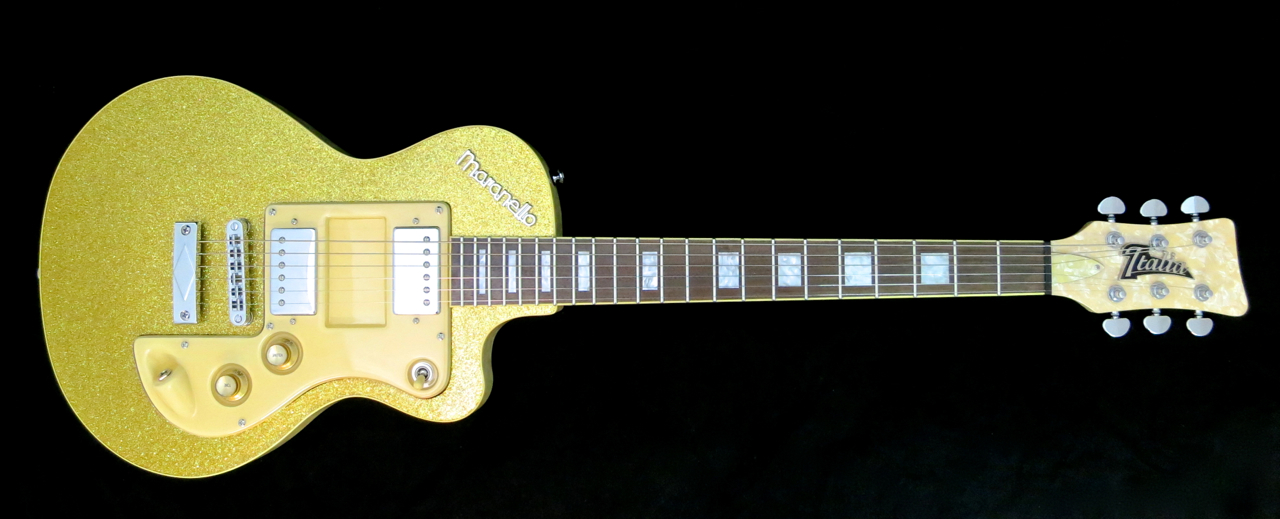
Italia Maranello Classic – full front

The Italia Maranello Classic (price in Finland around 640 €) is this brand’s best-known model, which has even found its way into the hands (and heart) of British songwriter and slide guitarist Chris Rea.

This model takes its inspiration from Hagström’s first solidbody electric, the P46, which has also been sold in North America under the Guyatone banner. In terms of its looks, the Maranello is a dead ringer for the P46, but the Italia’s electronic department clearly has been streamlined to make it a more sensible affair.

Italia Maranello Classic – full back

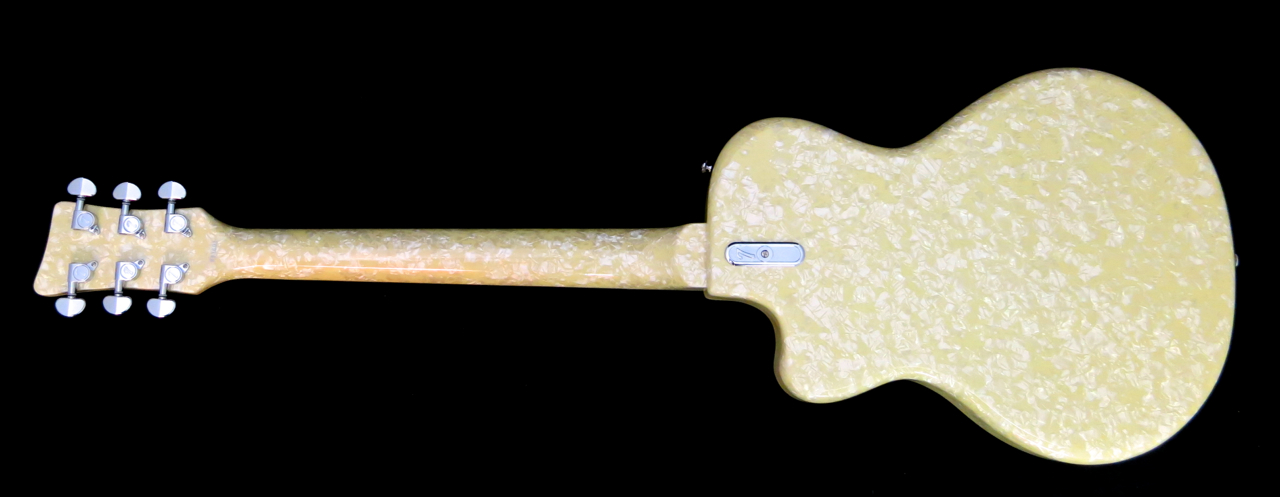
The Maranello Classic is quite a looker, sporting many hallmarks of classic Sixties designs.

The agathis body’s curved front comes in a gold sparkle metal finish, while the back of the body, as well as the neck, have received a pearloid coating.

Italia Maranello Classic – neck plate

The maple neck is screwed onto the body with two screws, which can be found beneath a snazzy cover plate.

Italia Maranello Classic – headstock

A truss rod access at the headstock end, as well as a self-lubricating top nut are distinctly modern features…

Italia Maranello Classic – tuners

…as are the Maranello’s sealed tuning machines.

Italia Maranello Classic – fingerboard

The position markers are large block inlays. The bound rosewood fingerboard sports 22 medium-jumbo frets.

Italia Maranello Classic – bridge

This Italia comes with a modern, Wilkinson-branded tune-o-matic bridge. The tailpiece, which rests on ferules, has been lifted straight off the old trapezes used in some Gibson- and Epiphone-semis.

Italia Maranello Classic – pickups 2

The Maranello Classic comes equipped with a pair of Wilkinson WVC-humbuckers, which are Trev Wilkinson’s own version of the legendary PAF-humbucker.

Italia Maranello Classic – controls

All of the electronic parts on the Maranello – pickups, controls, and all – have been mounted onto a large cover-plate made stiff plastic, which is height adjustable, thanks to being suspended on top of metal springs.

This is an idea originally used on the Hagström P46. Italia Guitars are using a smaller, oval version of this – holding only the pickup switch, as well as the controls – on some of their other models.

Italia Maranello Classic – body beauty 1

****

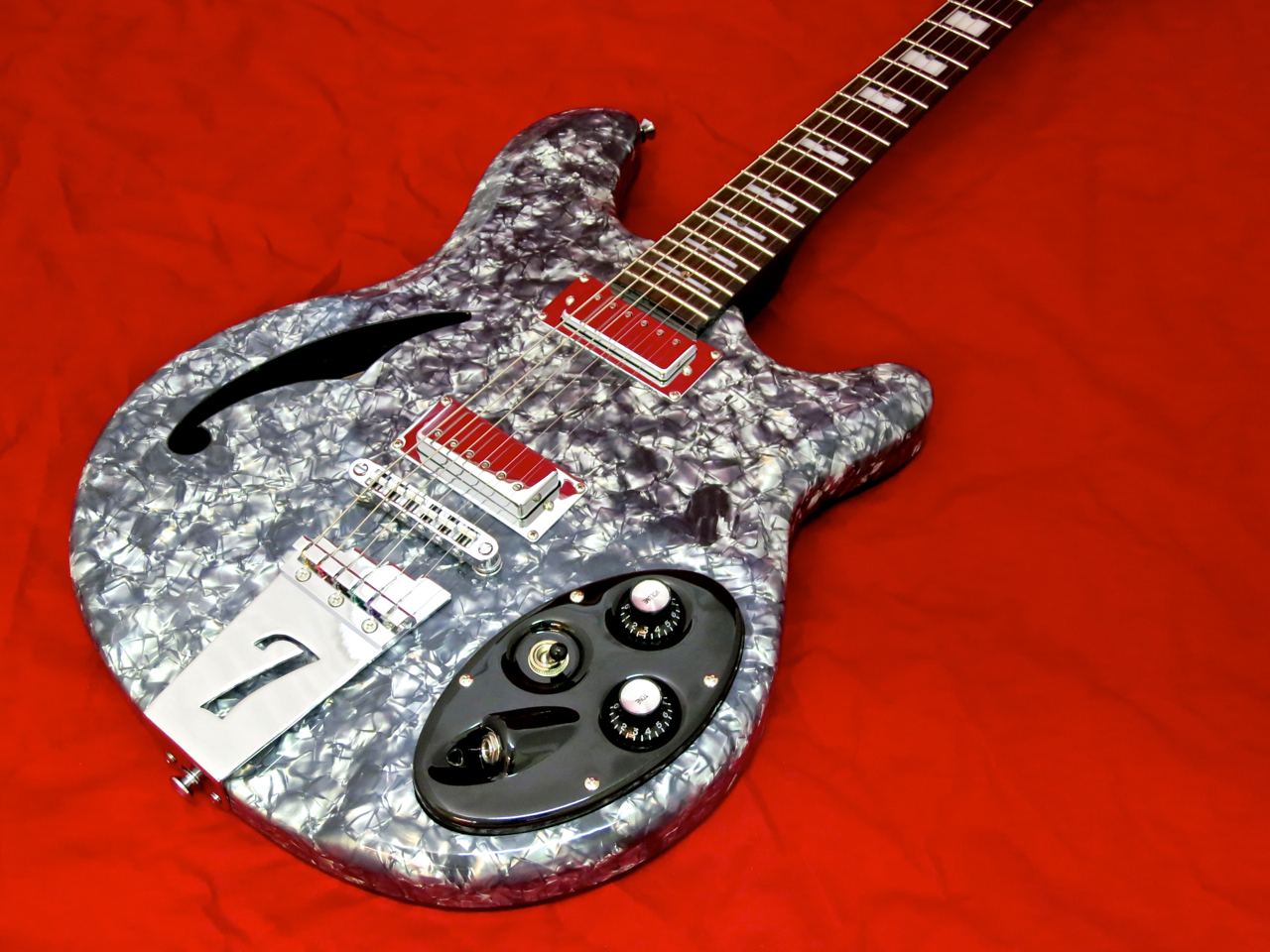
Italia Rimini 6 – full front

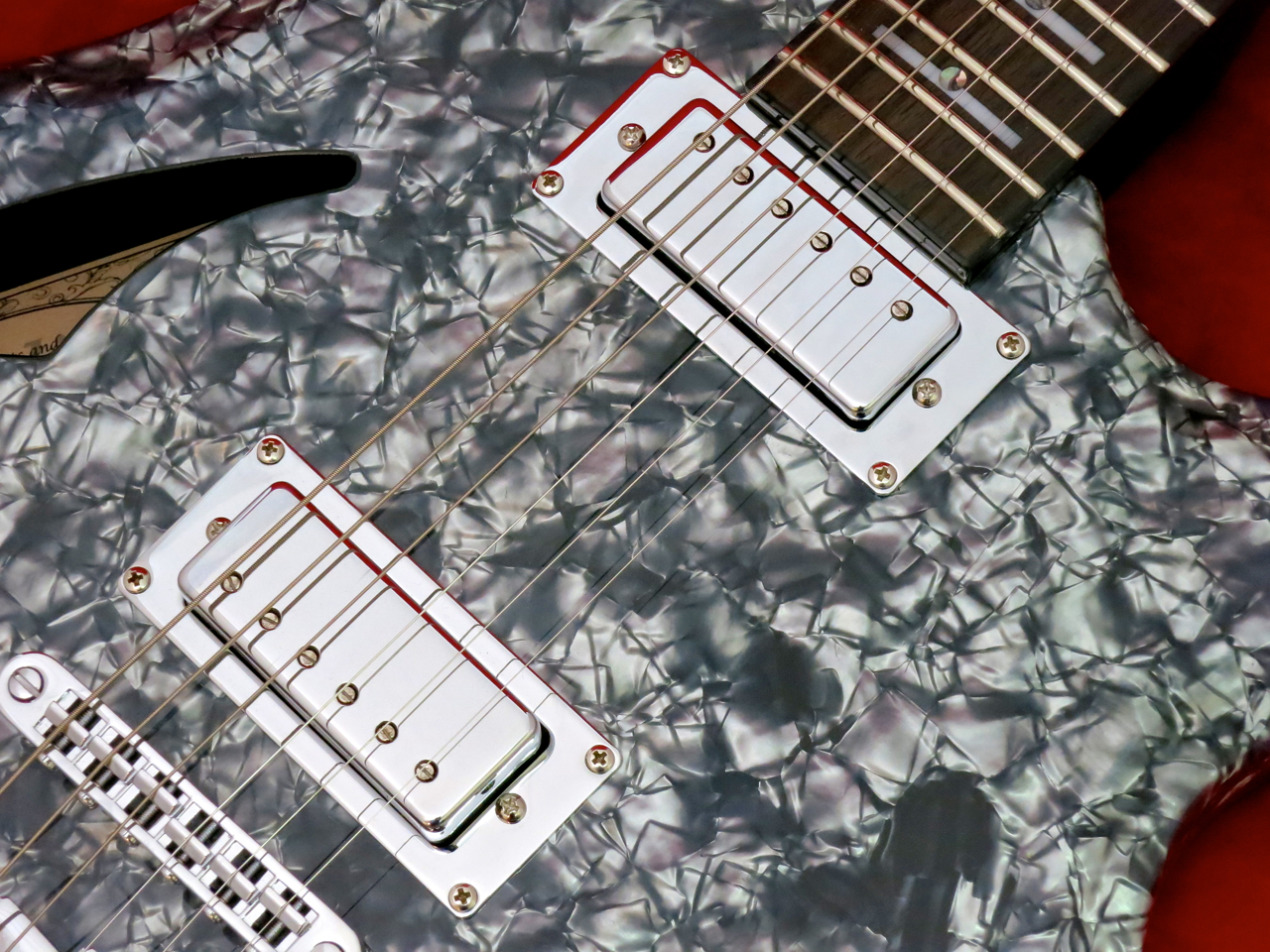
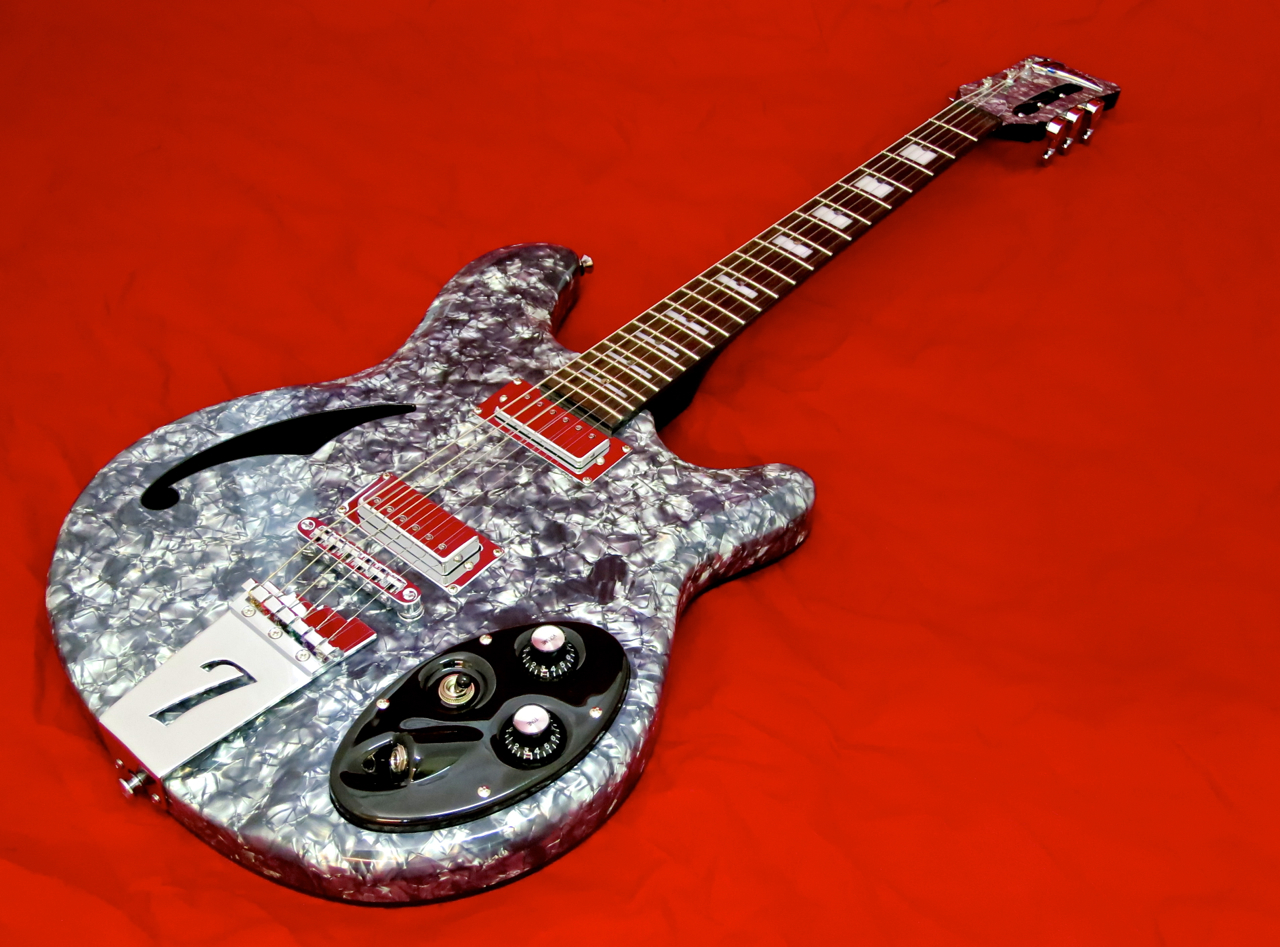
Italia’s Rimini 6 (price in Finland around 645 €) is rather reminiscent of the Rickenbacker 360, although it isn’t a straight copy of this classic guitar at all .

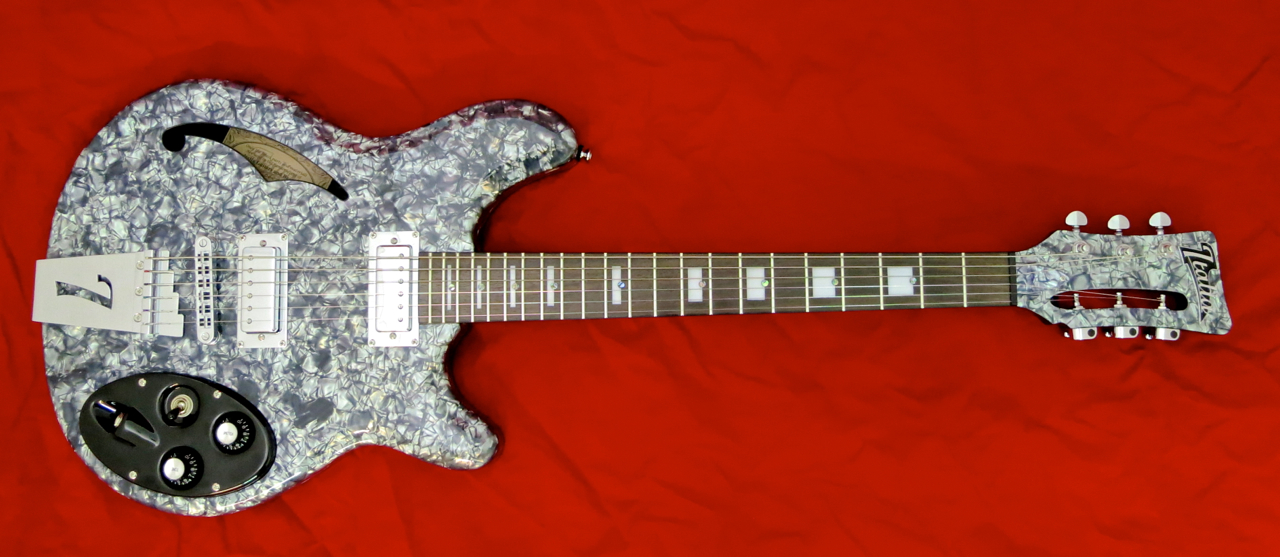
The Rimini 6 has a semiacoustic body made from solid agathis. The body blank is then routed out from the back, creating large cavities to both sides of a solid centre block. The body is then completed by glueing on a solid ash back.

Our review sample comes in a very fetching ”black” pearloid finish (some would call it ”bowling ball” or ”mother of toilet seat”), but you can also get your Rimini in a traditional colour finish, such as sunburst (sans the pearloid).

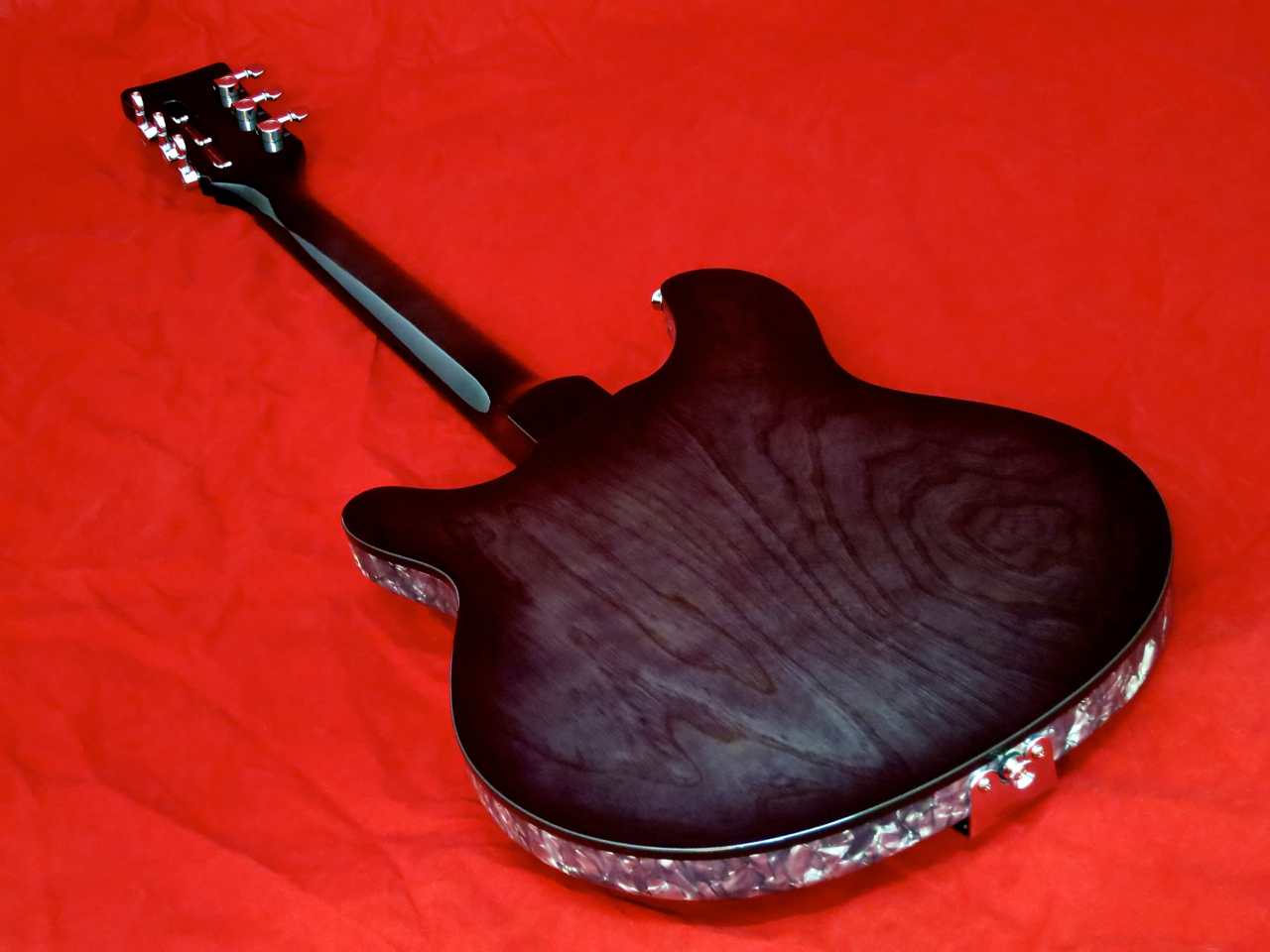
Italia Rimini 6 – back beauty 2

The black sunburst finish of the Rimini’s back shows off its beautiful grain nicely.

The model is built with a set maple neck.

Italia Rimini 6 – headstock

The headstock on the Italia Rimini 6 doffs its hat in Rickenbacker’s direction:

The legendary US brand had come up with a very nifty design for the headstocks of their 12-string electrics, which has the normally-tuned strings fixed to tuners installed to the headstock’s underside (like the Rimini’s bass strings), while the octave-strings are fed to tuning heads installed from the side (like the Rimini’s treble strings).

Italia Rimini 6 – tuners

The Rimini’s modern tuners carry Italia Guitars’ stylised I-logo.

Italia Rimini 6 – fingerboard

Simple, but beautiful – the position markers combine blocks with small abalone-dots.

Italia Rimini 6 – bridge

The Rimini 6 is equipped with a modern version of the tune-o-matic bridge, too.

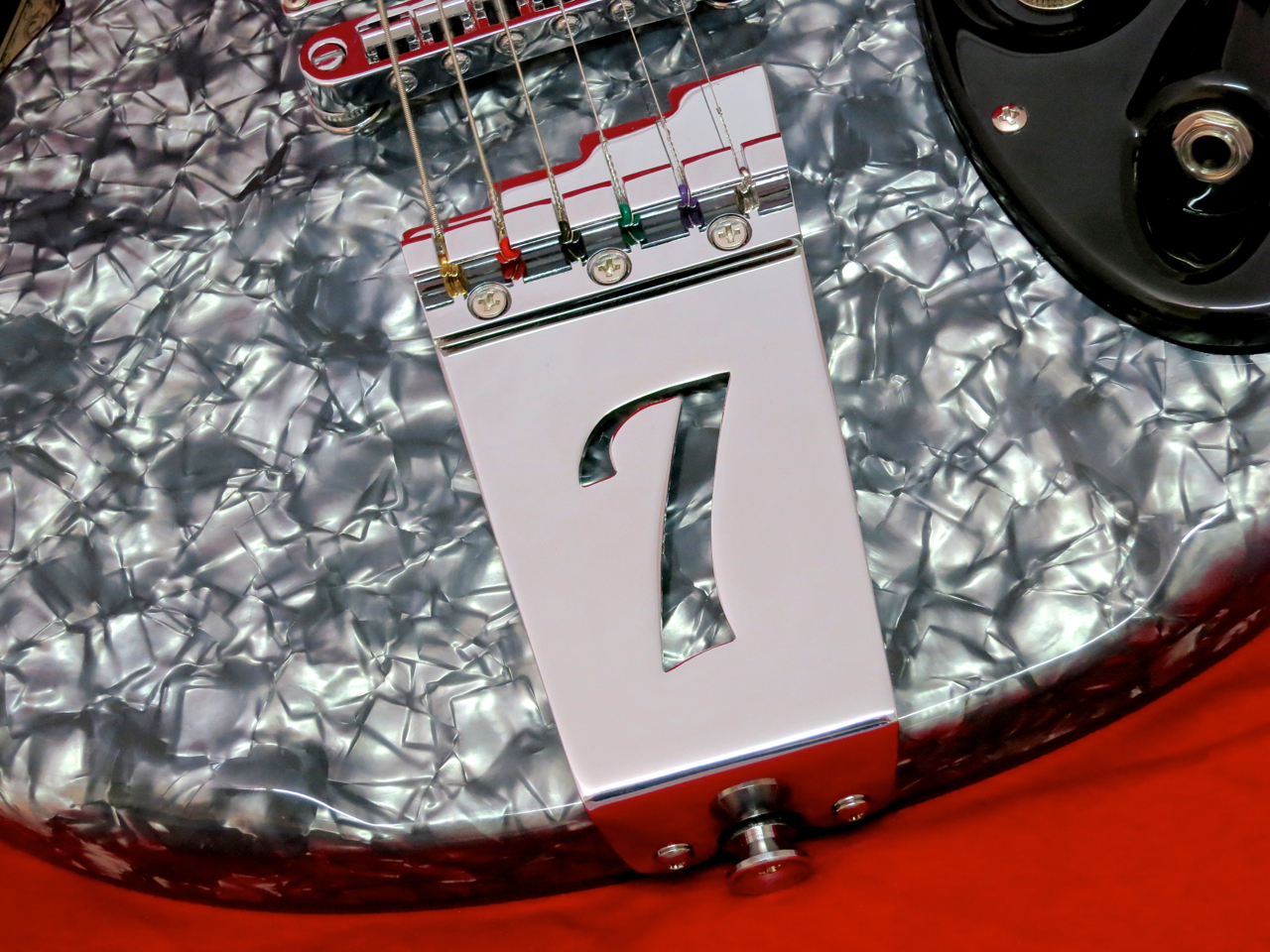
Italia Rimini 6 – tailpiece

The large, chromed tailpiece adds still more visual bling to proceedings.

Italia Rimini 6 – pickups

I believe we can expect to hear some suitably fresh tones from the Rimini 6’s alnico-powered Wilkinson WMC-minihumbuckers.

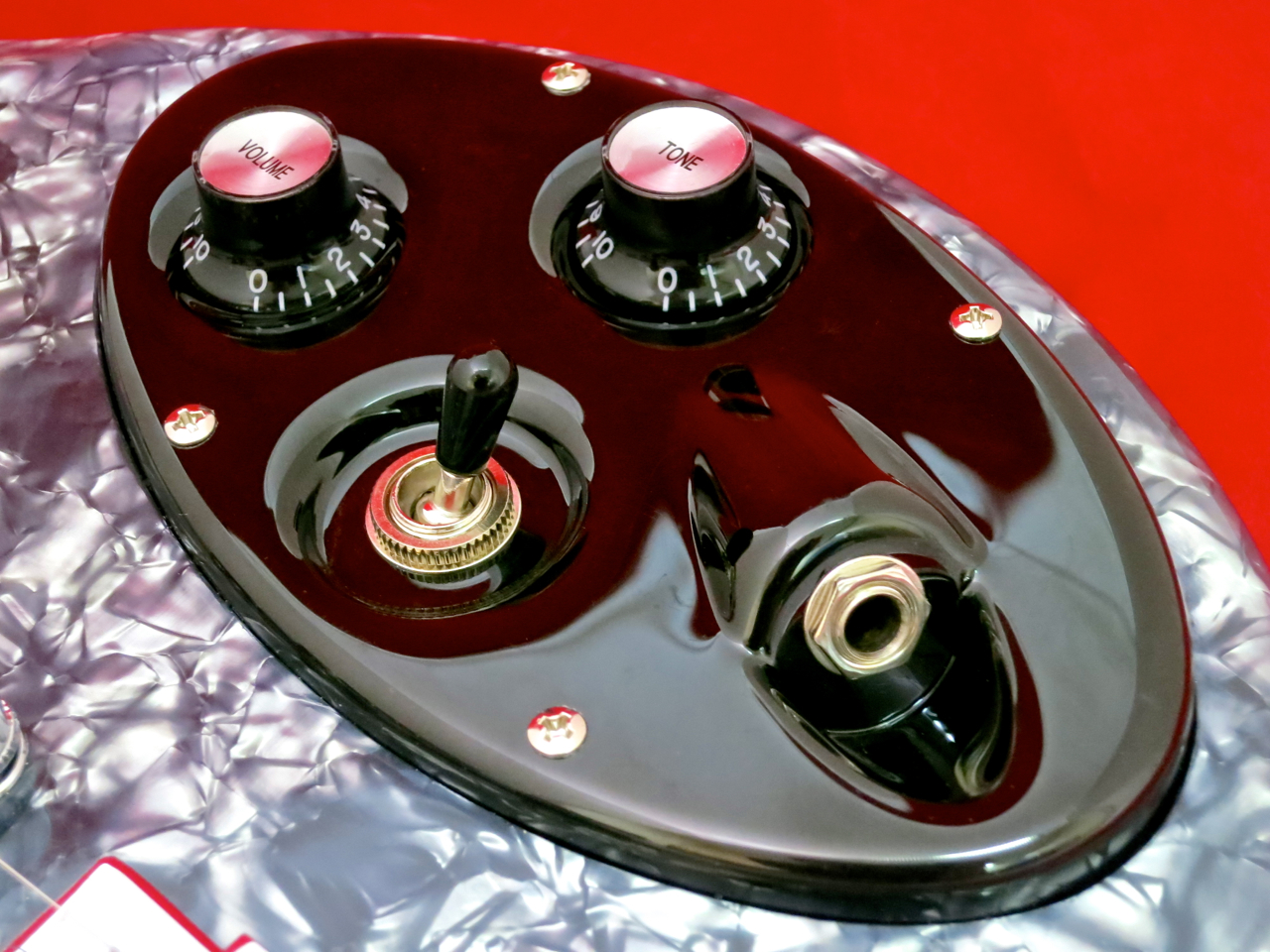
Italia Rimini 6 – controls

The guitar’s controls comprise a three-way toggle switch, as well as controls for master volume and master tone.

Italia Rimini 6 – electronics

Removing the plastic tray gives us a good look at Italia’s clean workmanship and the very decent components used.

Italia Rimini 6 – body beauty 1

****

Italia Maranello Classic – beauty shot 1

The Italia Maranello Classic has a shape and weight similar to a Gibson Les Paul, even though the Maranello features a slightly longer scale (63.5 cm/25″). Depending on your playing style, the placement of the toggle switch right beneath the neck pickup might lead to some involuntary pickup switching, at least in the very beginning.

I really like this guitar’s fat and round D-profile, giving you something to hold on to.

The Maranello Classic had received a pro setup (at Guitarworx) before leaving R-Jam Group’s headquarters, which resulted in a very comfortable action (E: 2.0 mm/e: 1.4 mm) without any annoying rattling.

The Maranello’s acoustic tone contains more than a hint of semi-style hollowness, no doubt thanks to the large pickup and electronics routing and the huge plastic scratchplate/tray.

Some of this open acoustic character is also carried over into the Maranello Classic’s amplified sounds, which adds a welcome degree of liveliness. Wilkinson’s alnico-equipped WVC-humbuckers have a nice vintage-style tonality at moderate output levels.

Modern Metal- and Hard Rock-styles aren’t probably the best environment for this Italia-model, because the Maranello’s large plastic cover tends to add a slight bit of microphonics. On the other hand, I don’t think this guitar is aimed at the Thrash-metaller. Instead, the Maranello Classic is a great guitar for classic Blues, Rock, Jazz and Pop!

Italia Maranello Classic – back beauty 1

****

Italia Rimini 6 – beauty shot 1

Wow, what a compact and lightweight guitar! The Rimini 6 feels great, both played seated and standing up with a strap, and balances very nicely.

The neck has an oval, C-type profile, and comes with a Rickenbacker-style scale (62.8 cm/24.75″). The medium-jumbo frets, as well as the great setup and low action (E: 1.9 mm/e: 1.3 mm), result in a very light and fast touch, turning this guitar into a natural extension of the player’s body.

Acoustically, the Rimini 6 sounds very open and fresh.

Like the P-90, a minihumbucker could be described as a sonic compromise between a Fender-style singlecoil and a full-blown humbucker. The minihumbucker’s great advantage over the P-90 lies in the former’s immunity against electromagnetic interference.

This Italia has fine ringing tone with a piano-like attack, which is never brittle or grating. These Wilkinson-pickups sound fantastic and offer enough output to take you from authentic Sixties-sounds (think Beatles, Byrds and early Who) all the way to more grittier stuff (think Paul Weller or Peter Buck).

Italia Rimini 6 – back beauty 1

****

Italia Maranello Classic – body beauty 2

Italia Guitars’ Maranello Classic ja Rimini 6 are quality instruments, which manage to combine vintage looks and quirkiness with easy playability and great tone.If you’re on the lookout for a cool guitar off the beaten track, you should really give one of these Italia-models a try!

Italia Rimini 6 – body beauty 2

****

Italia Guitars – Maranello Classic + Rimini 6

Maranello Classic – approx. 640 €

Rimini 6 – pearloid-version (as tested) approx. 645 €, basic version approx. 615 €

Finnish distributor: R-JAM Group

****

Pros (both models):

+ cool, idiosyncratic design

+ workmanship

+ quality of finish

+ playability

+ sound

Cons (only Maranello):

– small dark spot in finish next to output jack

Testipenkissä: Hehku Custom Nightingale 15

Hehku Nightingale 15 – opener

Kitaristin näkökulmasta Suomi on suorastaan se tarunhohtoinen luvattu maa. Asukaslukuun suhtautettuna täällä on uskomaton määrä soitinpajoja, sekä efektien ja vahvistimien valmistajia.

Yksi tällainen custom-vahvistimia rakentava firma on porilainen Hehku Customs. Hehkun puuhamiehiä ovat Jarmo Välimäki, joka vastaa suunnittelusta, valmistuksesta ja huollosta, sekä Markku Penttilä ja Juha Heljakka, jotka ovat vastuussa tuotekehittelystä, markkinoinnista ja myynnistä.

Hehkun kotisivulla esitellään muutamia asiakkaille rakennettuja custom-vahvistimia. Custom-tilauksissa (hinnat alk. 1.300 €) vain kabinettien koot ja muodot ovat vakiona, kaikki muu on neuvoteltavissa: ”Ajatuksena on, että koitamme toteuttaa soittajan villeimmätkin haaveet, joten voidaan neuvotella kaikenlaisista optioista.” sanoo Jarmo Välimäki.

****

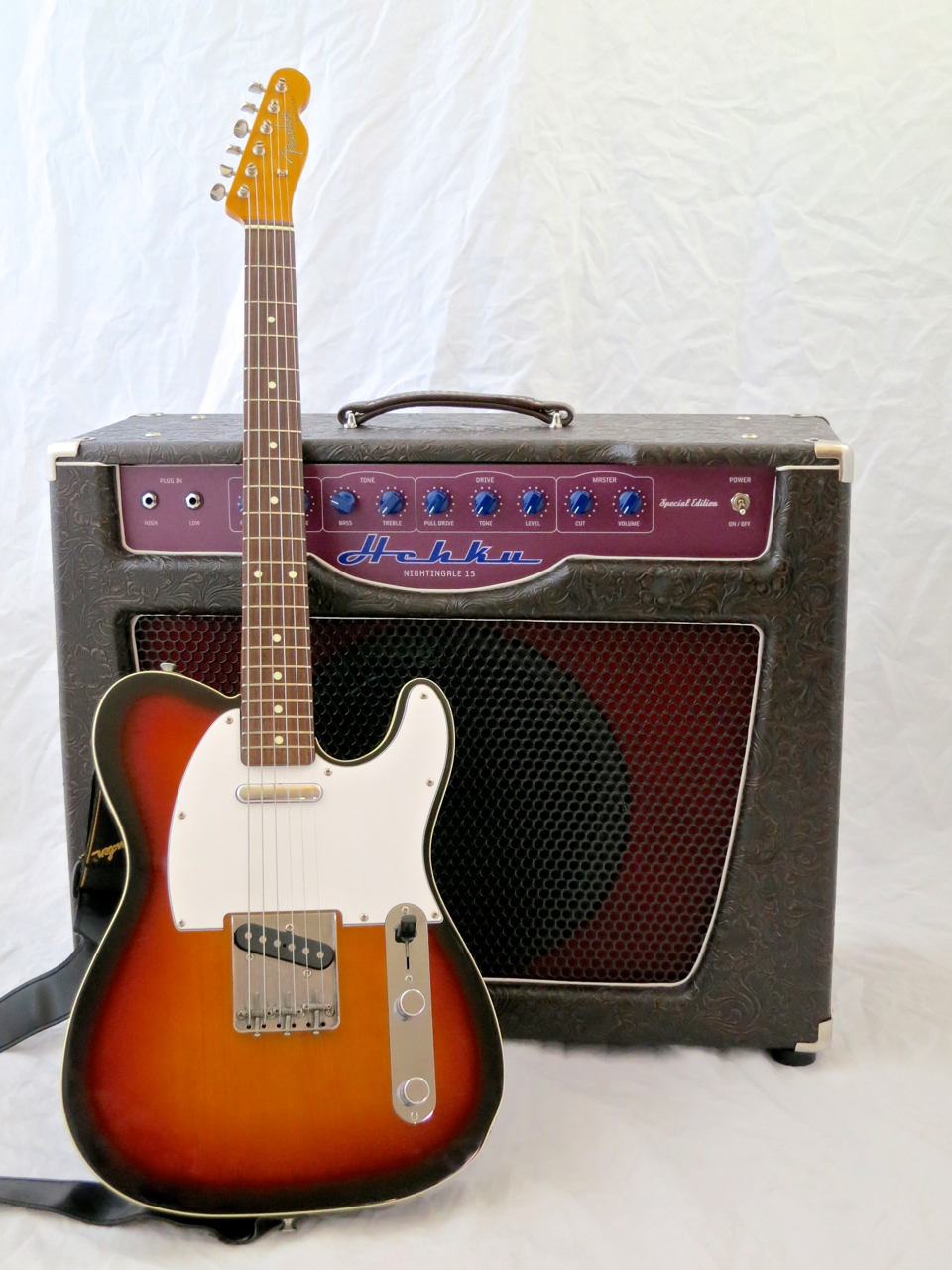
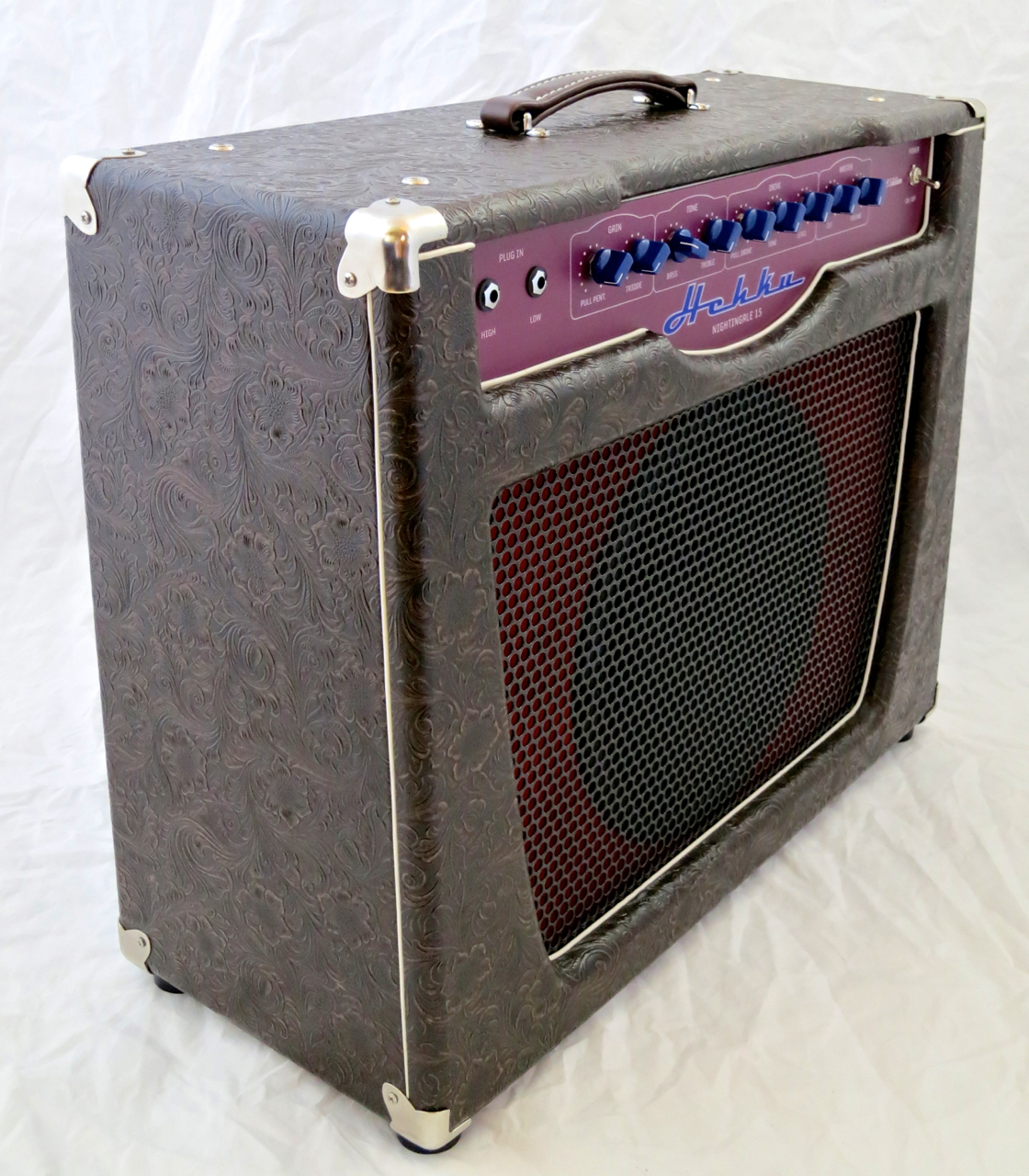
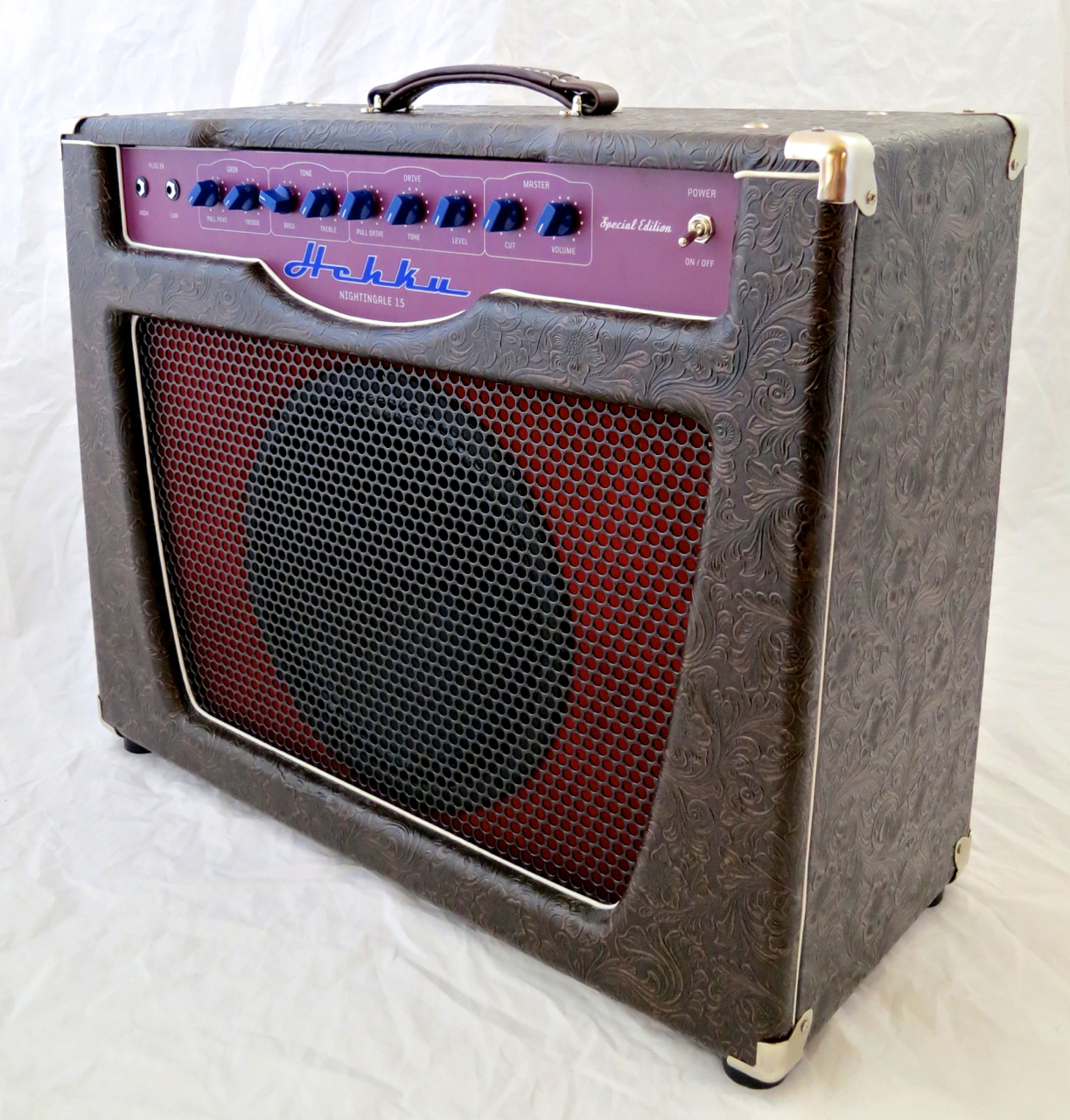
Hehku Nightingale 15 – full front

Kitarablogi sai testattavaksi 15-wattisen Hehku Nightingale 15 -kombon, joka on Hehku Customsin ensimmäinen ”sarjavalmisteinen” kitarakombo ilman custom-optioita.

Nightingale 15 (1.950 €, nuppi: 1.750 €) on 12-tuumaisella kaiuttimella varustettu käsintehty putkikombo, joka edustaa täydellisesti Hehku-vahvistimien filosofiaa, sekä ulkonäön että signaalitien kannoilta.

Nightingalen uskalias, mutta erittäin kaunis värimaailma, sekä kombon pronssireliefia muistuttava päällyste tekevät heti selväksi, että Hehku-vahvistimessa ei ole kyse vanhan Tweed-Fenkun kloonista.

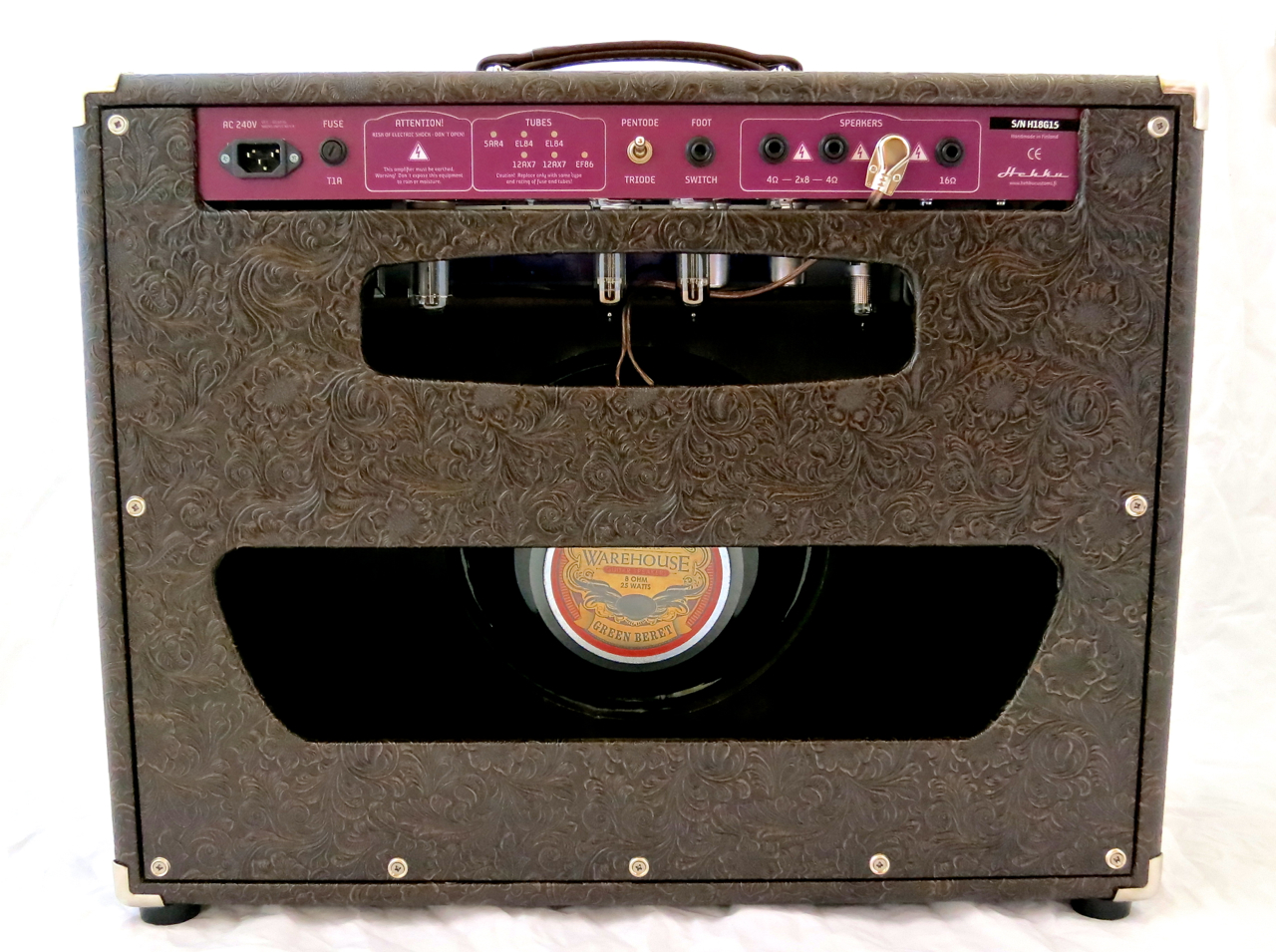
Hehku Nightingale 15 – full back

Hehku Nightingale -kombossa on avoin takaseinä, ja putkiin pääsee käsiksi vaivattomasti. Hehkujen kotelot valmistetaan aina suomalaisesta koivuvanerista, mikä on erinomainen materiaali sekä kotelon kestävyyttä että vahvistimen soundia ajatellen.

Hehku Nightingale 15 – top handle

Koivuvaneri on myös suhteellisen kevyt materiaali, minkä ansiosta Nightingalea pystyy kantamaan mukavasti kombon ainoasta kahvasta.

Hehku Nightingale 15

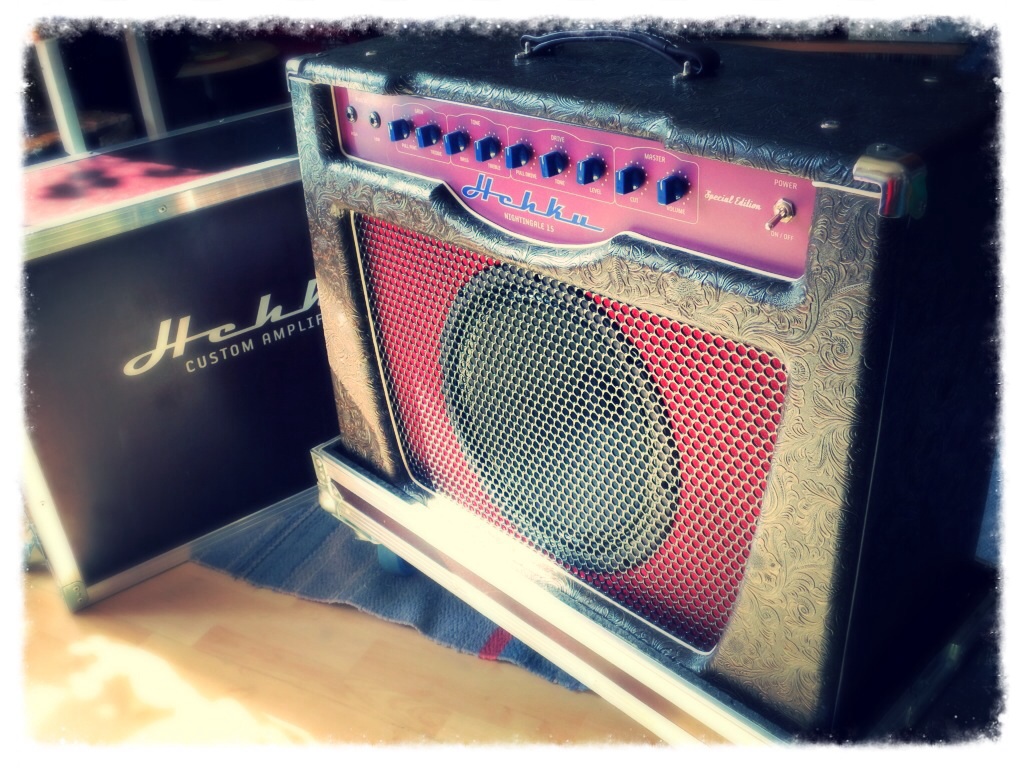
Hehku tarjoaa myös huippulaadukkaita kuljetuskoteloita vahvistimilleen. Nightingale 15 -kombolle sopiva malli maksaa noin 260 euroa.

****

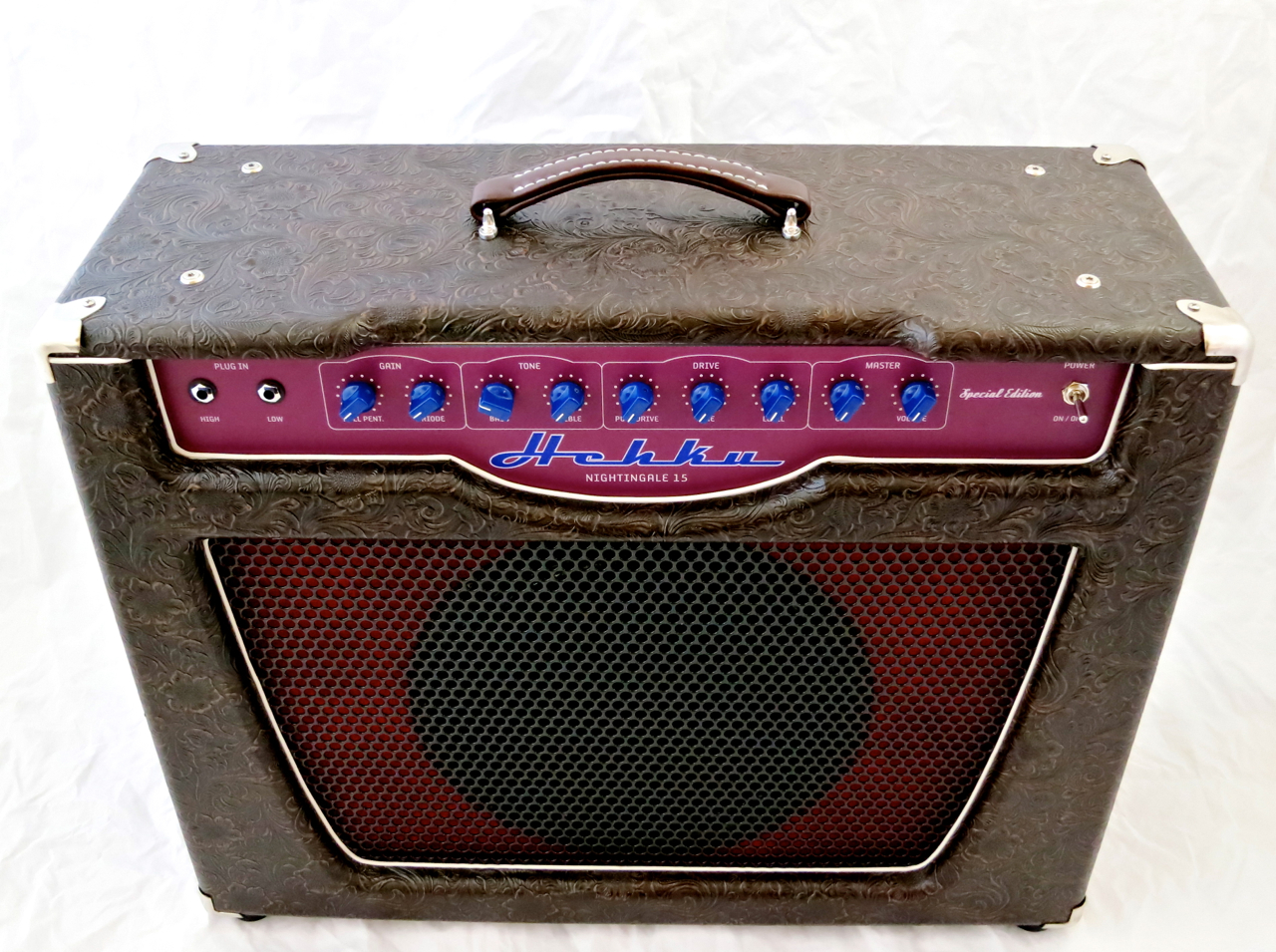
Hehku Nightingale 15 – full control panel
Hehku Nightingale 15 on hyvin erikoinen kaksikanavainen putkikombo, koska vahvistimen koko signaalitie on kytketty sarjaan.

Monissa vintage-vahvistimissa on kaksi rinnakkaista, toisista riippumattomaa kanavaa (esim. ”Normal” ja ”Tremolo”), joiden välillä ei voi vaihtaa lennossa (paitsi erillisellä A/B-polkimella). Nykyaikaisemmissa kitarastyrkareissa taas voi olla ehkä yhteinen EQ, mutta puhtaan ja särökanavan gainea ja volyymiä pystyy säätämään erikseen.

Hehkun Nightingale taas toimii niin, että puhtaan puolen asetukset – tässä tapauksessa triodi- ja pentodi-kytkennän gain-asetukset, sekä vahvistimen kuusipykäläinen Bass-säädin ja aktiivinen Treble-EQ – vaikuttavat suoraan myös Drive-kanavan soundiin.

Hehku Nightingale 15 – footswitch + valves

Triodi- ja pentodikytkennän välillä voi vaihtaa – ja Drive-kanavan laittaa päälle – joko suoraan etupaneelista nostokytkimillä tai kombon mukaan tulevalla kompaktilla jalkakytkimellä.

Hehku Nightingale 15 – back panel
Nightingalen selkeän putkikartan ansiosta kombon eri putkien sijainti selviää nopeasti.

Takapaneelista löytyy myös triodi/pentodi-kytkin pääteputkille. Triodimoodissa kombon nimellisteho putoaa 15 watista seitsemän wattiin, ja samalla myös Hehkun soundi muuttuu hieman.

Takapaneelin tarjoamasta kaiutinlähtöjen runsaudesta kitaristi taas iloitsee silloin, kun haluaa käyttää komboa toisen kaapin kanssa.

Hehku Nightingale 15 – EF86 preamp valve

Puhdas kanava on rakennettu EF86-nimisen pentodiputken ympärille. EF86 (myös tunnettu nimellä 6267) on soundiltaan erinomainen putki, jota löydetään myös joissakin vanhoissa Voxissa, sekä Matchless- ja Dr Z -vahvistimissa, mutta sitä käytetään nykyään melko harvoin, koska tämä malli on yleensä melko mikrofoninen (herkkä mekaaniselle tärylle).

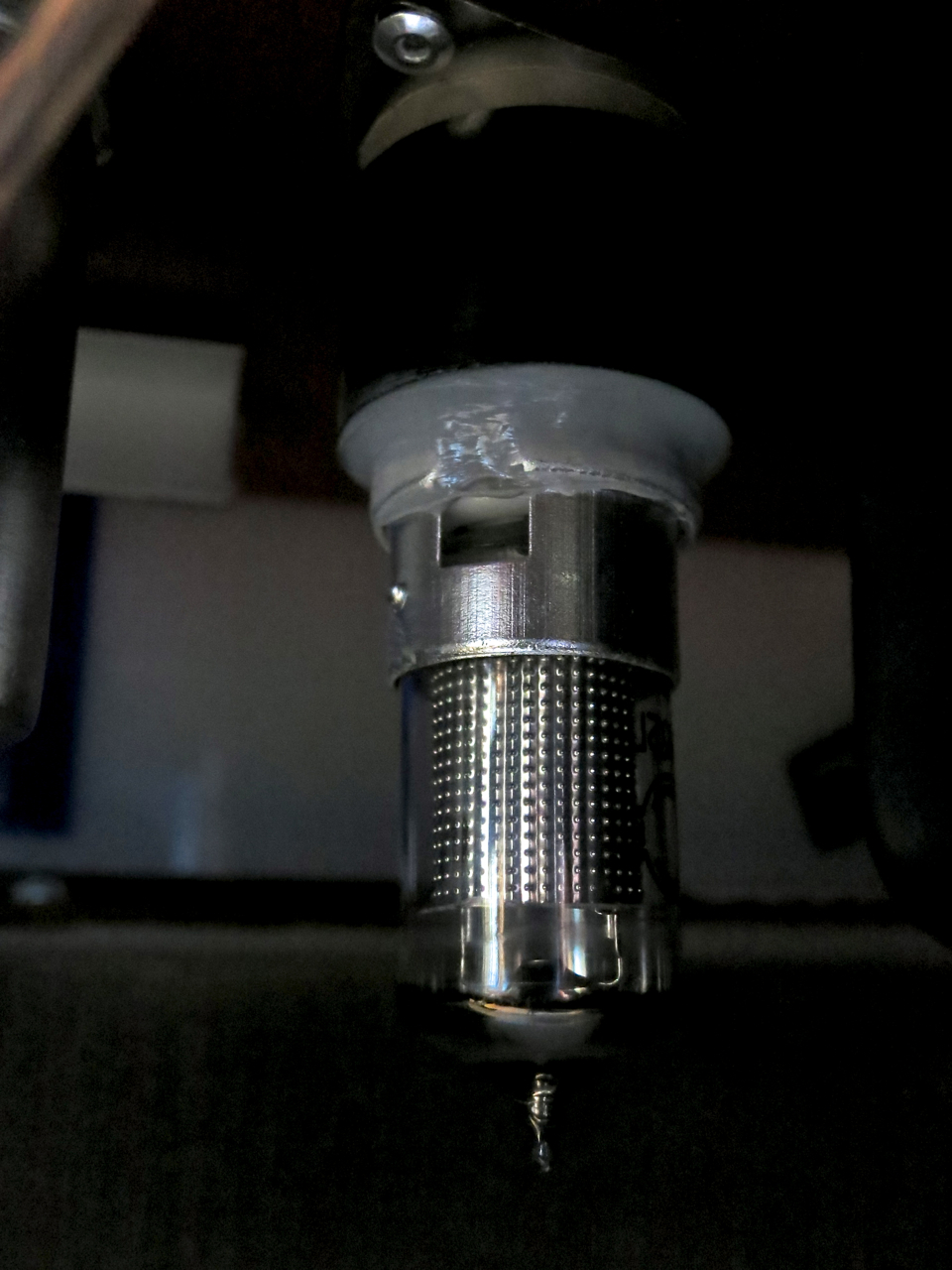
Hehku Customs on ratkaissut ongelman tehokkaasti käyttämällä EF86:lle tärinää vaimentavaa silikoniadapteria.

Hehku Nightingale 15 – preamp valves + switches

Säröpuolelta (ja vaiheenkäntämisestä) ovat vastuussa kaksi 6N2P-putkea, jotka ovat venäläisiä, military-speksattuja 12AX7/ECC83-putkien sukulaisia, joilla on kuitenkin hieman toisenlainen soundi ja erilainen gain-rakenne.

Hehku Nightingale 15 – 5AR4 rectifier tube

Nightingalessa tasasuuntausta hoidetaan 5AR4-putkella.

Hehku Nightingale 15 – power amp valves

Tämän Hehkun päätevahvistin käyttää pari EL84-putkea. Myös pääteputket voi vaihtaa venäläisiin military-malleihin 6P15P/EL83, ja koska Nightingale on itsebiasoiva vahvistin, pääteputkien vaihtamiseen ei tarvita tekniikon apua.

Hehku Nightingale 15 – Warehouse-speaker

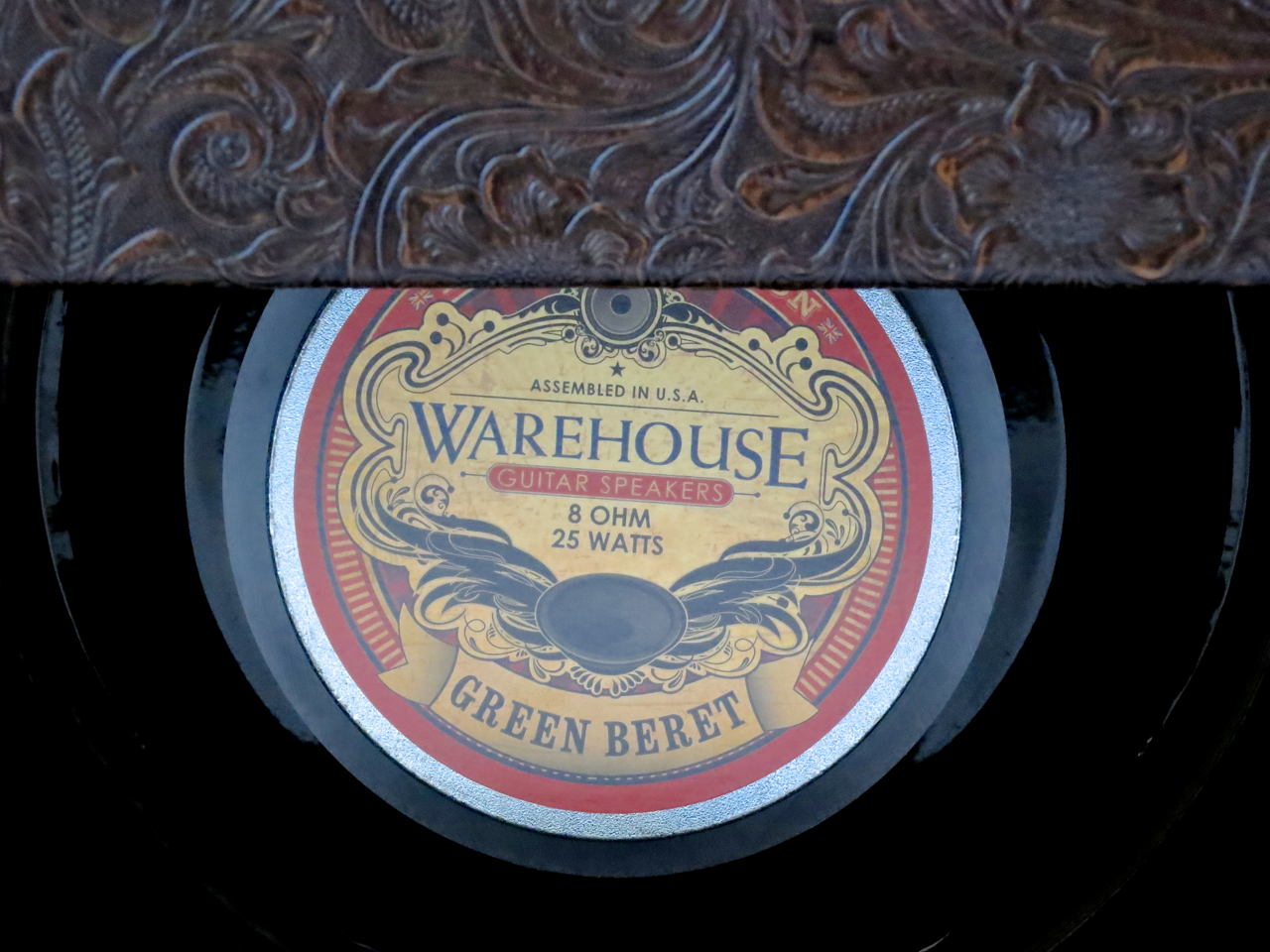
Warehousen laadukas 12-tuumainen Green Beret -kaiutin tarjoaa valmistajan mukaan brittiläistyylistä soundia.

****

Tehdasvarustuksella (6N2P + EL84) Hehku Nightingale 15 -kombon puhtaassa soundissa riittää headroomia jopa kahdella humbuckerilla varustetulle kitaralle. Kuusipykäläinen Bass-säädin ja aktiivinen Treble-potikka antavat runsaasti vaihtoehtoja, jolla jokainen voi löytää oman soundinsa. Hehkun puhdas äänimaailma on selvästi lähempänä Voxia kuin ”mustanaama” Fenderiä.

Nightingalen särösoundikin on vallan mainio. Kombo kuulostaa herkullisen mehevältä ja diskantissa on juuri sopivasti rouheutta klassikko-Blues- ja Rock-soundeihin.

Tässä pätkässä soi vintage-tyylinen Fender Telecaster – järjestys on: puhdas (triodi) –> puhdas (pentodi) –> särö (triodi) –> särö (pentodi); päätevahvistin toimii pentodikytkennässä:

Ja tässä samankaltainen pätkä Hamer USA Studio Custom -kitaralla soitettuna:

Hehku Nightingale 15 – full angle

****

Kokeilin myös Jarmo Välimäeltä saatuja vaihtoputkia (12AX7 + 6P15P), ja ero on selvästi kuultavissa:

Puhdas headroom on vähentänyt tuntuvasti. Telecasterilla ollaan jo breakup-särön maailmassa pentodikytkennässä, kun taas Hamerin soundi menee silloin jo selvästi särön puolelle.

Särökanavalla tarjoaa näillä putkilla myös enemmän säröä, hieman löysempää bassorekisteriä, sekä enemmän diskantin purevuutta. Oikein mainio kattaus tämäkin, vaikka tehdasputkisto on ehkä hieman enemmän minun makuun.

Ensimmäisessä pätkässä kuullaan jälleen Telecaster (samoilla asetuksilla, vain putket on vaihdettu):

Ja tässä on Hamerilla soitettu humbucker-pätkä:

Hehku Nightingale 15 – reverse angle

****

Hehku Nightingale 15 – logo

Hehku Customsin Nightingale 15 on mielestäni loistava täysputkikombo omalla äänellä ja omilla detaljiratkaisuilla. Tykkään myös Hehkun konseptista rakentaa putkivahvistimia, joilla on oma, huikea ulkonäkö ja soundi, mutta ilman turhan muka-nostalgista ”putkivoodooa”.

Hehku Nightingale on nykyaikainen, käsintehty putkikombo, jolla on erittäin selkeä säädin- ja takapaneeli, ja mielenkiintoisen interaktiivisesti toimiva signaalitie. Idea ei ole matkia jonkun tietyn kitaralegendan tai klassikkovahvistimen soundeja, vaan luoda erittäin toimivan perustan Hehku-käyttäjän omalle soundille.

Nightingale 15:n hinta on mielestäni kohdallaan, kun tässä puhutaan kuitenkin laadukkaan suomalaisen käsityön helmestä.

PS: Olen kuulut huhuja vielä tänä keväänä ilmestyvästä Hehku-kombosta trubaduureille, jossa olisi erillisiä kanavia kitaralle ja laululle. Kannattaa varmasti tsekata säännöllisesti Hehkun Facebook-sivua

****

Hehku Customs Nightingale 15

hinta: 1.950 €

Lisätiedot: Hehku Custom

****

Plussat:

+ uhkea ulkonäkö

+ työnjälki

+ käsintehty 

+ kotimainen

+ omaleimainen kytkentä

+ soundi

Pidä blogia WordPress.comissa.

Ylös ↑