Review: Ampeg GVT15-112

****

Digital amp-modelling has come to stay, no doubt about it. But while some form of amp-modelling is used almost daily by many guitarists, the good old valve amp isn’t really fading away. On the contrary – it seems that these days especially low-powered valve amps are experiencing something of a renaissance.

A good example of this type of all-valve amp is Ampeg’s new GVT15-112.

****

The Ampeg GVT15-112 (current street price in Finland: 620 €) is a relatively compact 15-Watt valve amp, which can also be used at home, thanks to its half-power power amp mode.

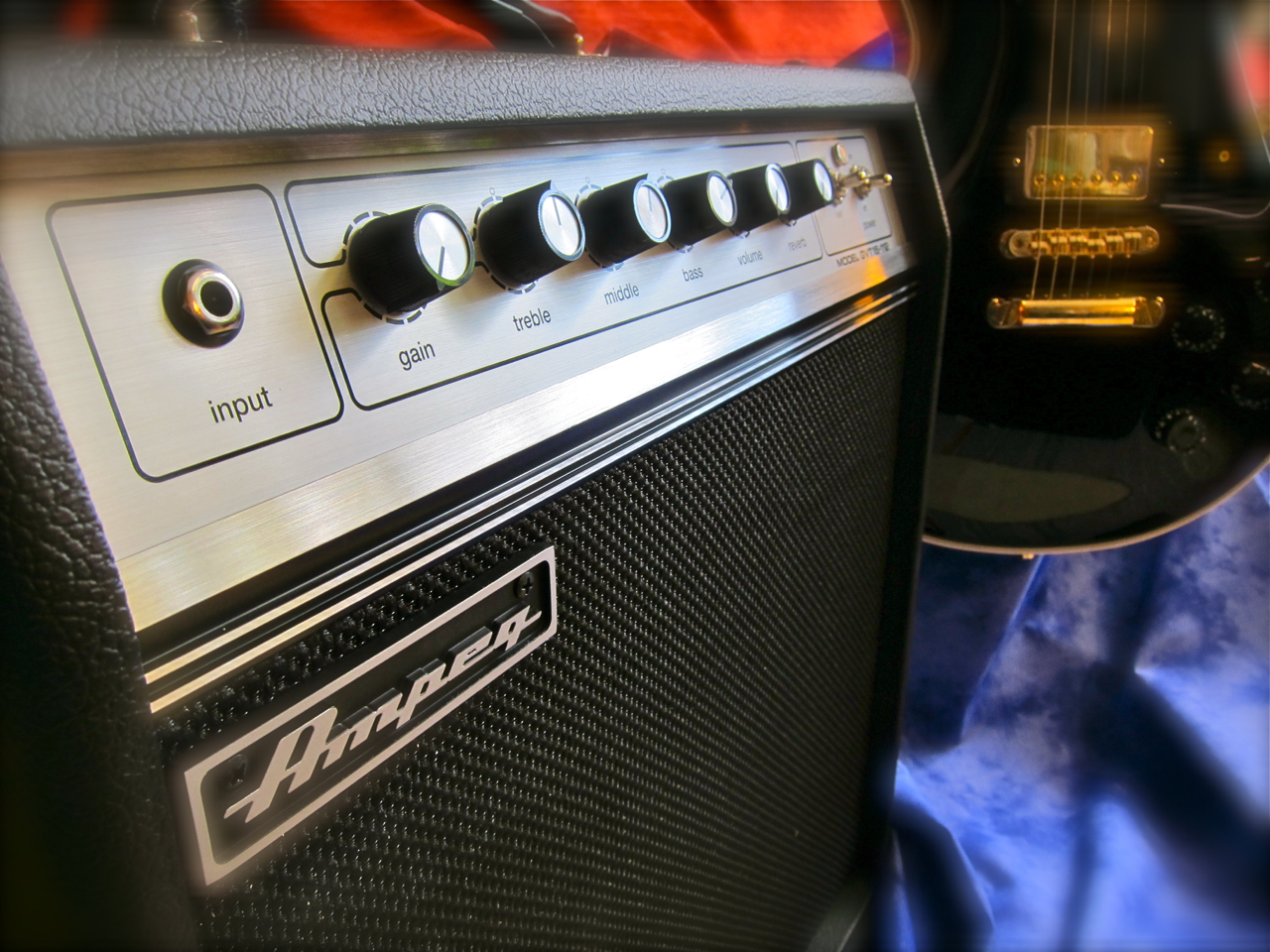
Made in South Korea, the combo’s cabinet seems very well made, and the amp’s looks have a stylish retro touch. Our test sample receives a small cosmetic mark-down, because the decorative metal rail below the control panel sits slightly askew.

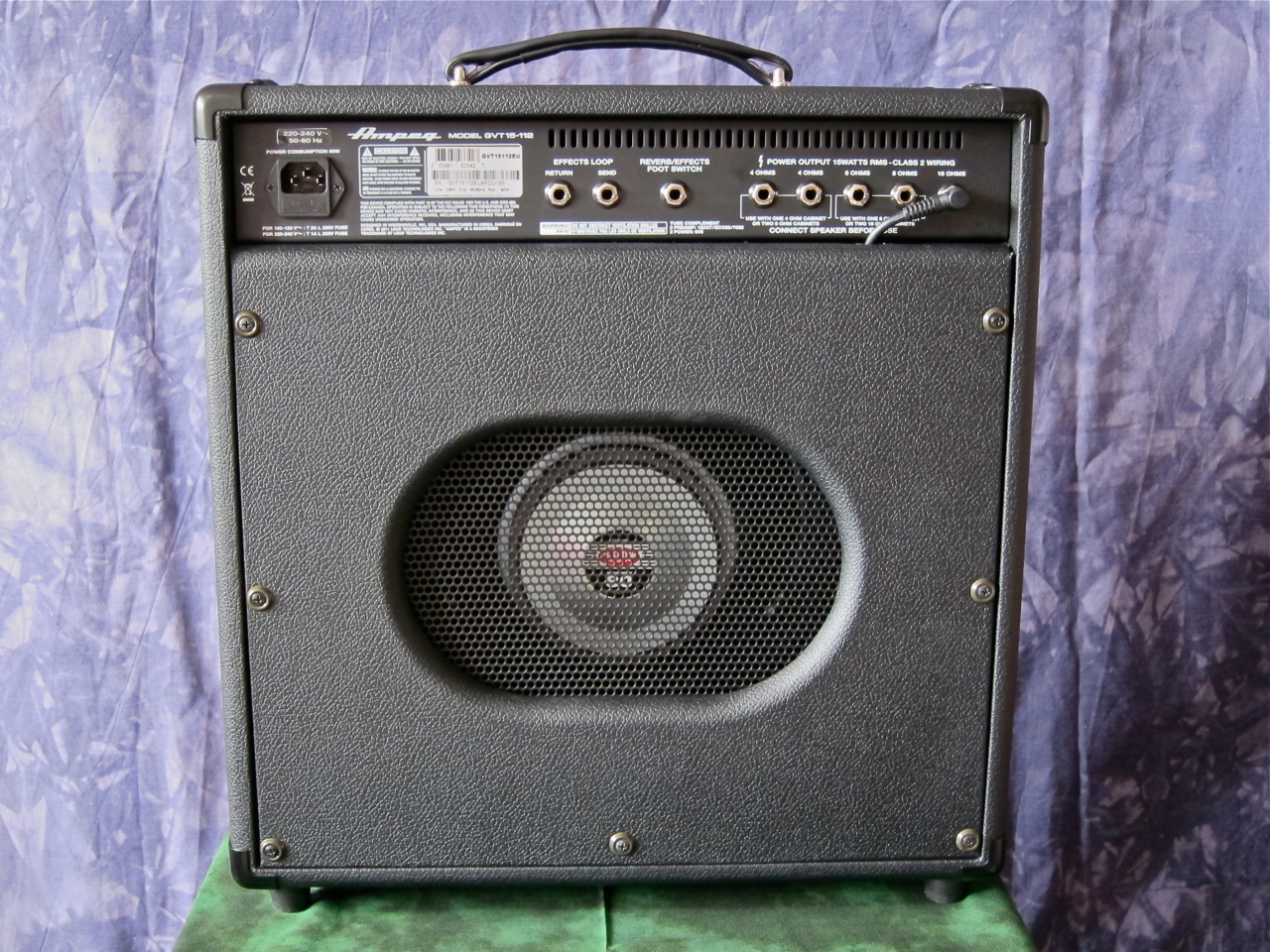
The clean and understated look carries over onto the Ampeg’s back as well. The cabinet is half-closed, with the Celestion Seventy 80 -speaker visible behind a metal grille.

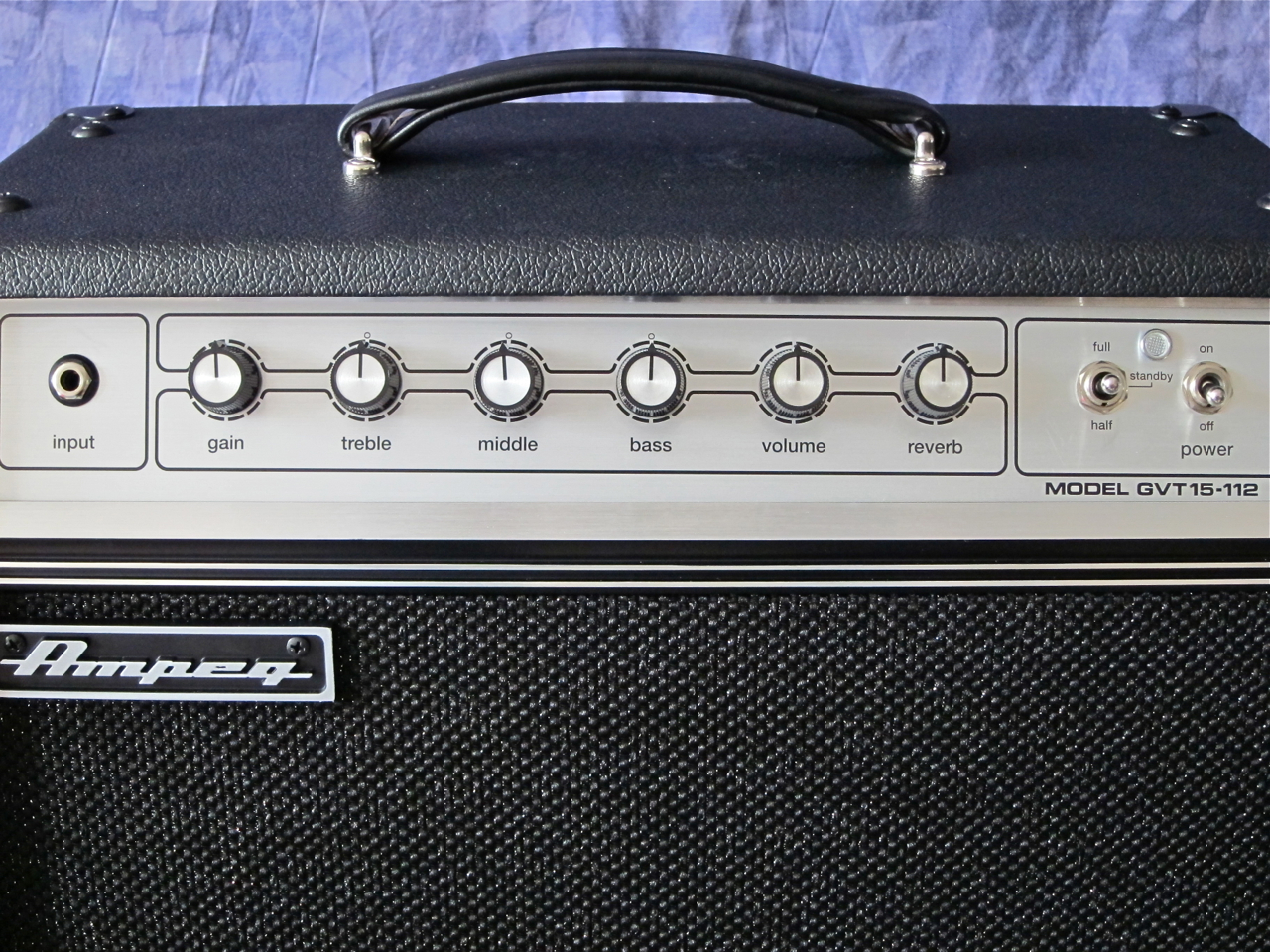
The Ampeg GVT15-112 is a single-channel design. The controls comprise gain, treble, middle, bass, master volume and reverb level. The standby switch is a three-way toggle giving you the full 15 Watts in the ”up” position, as well as half-power when switched downward.

The preamp section is powered by two 12AX7/ECC83-valves (or ”toobs” as the Americans say), while two 6V6-valves take care of business on the power amp side of things – this means we can expect an American-type tone and response.

The spring reverb has been placed at the bottom of the cabinet, neatly tucked away in its own padded bag.

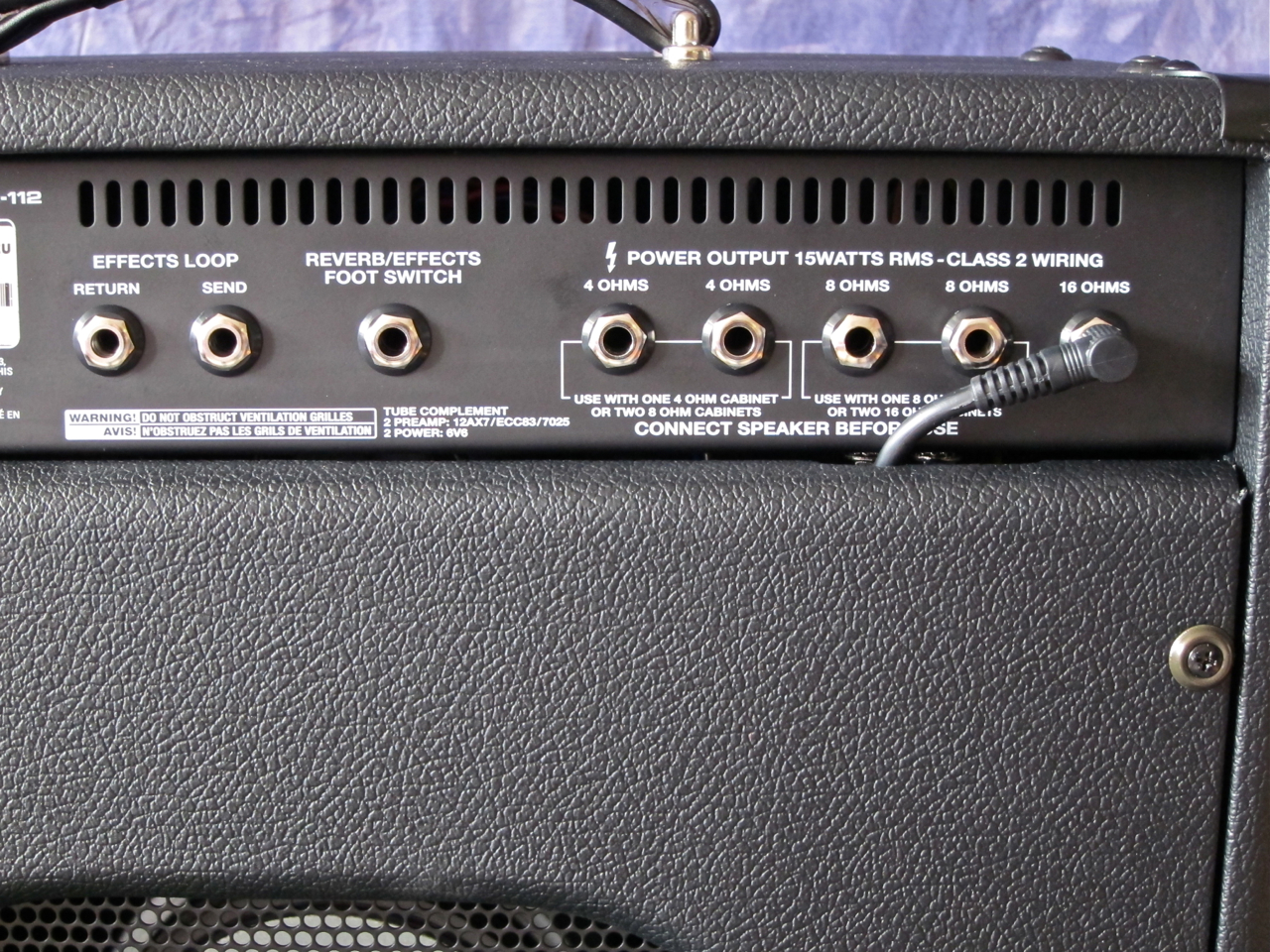
The back panel is home to the speaker outputs, as well as the connectors for the effects loop. You can also connect a footswitch (not included) to the combo to mute the reverb and the effects loop on the fly.

****

The Ampeg GVT15-112 has been designed as a classic 1960s clean amp with loads of headroom. Using a guitar with traditional singlecoil pickups, you’d be hard pressed to get the combo to distort even at the highest gain levels.

The sound is warm, big and organic, with a nice ring and sheen in the top end. The Ampeg’s reverb-circuit is one of the best spring reverbs I have heard on a new amp for quite some while.

Stratocaster – clean

To coax dirty sounds out of this combo with a Strat or Tele you will have to resort to either a booster or an overdrive/distortion pedal:

Stratocaster + overdrive pedal (Boss SD-1)

****

The Ampeg also loves humbuckers:

SG – clean

At full gain a humbucker will drive the GVT15-112 into gritty and dynamic break-up overdrive, which some Blues- and slide-enthusiasts may like.

SG – at full gain

For fat overdrive and singing lead tones you will still need to use a pedal:

SG + overdrive pedal (Boss SD-1)

If you’re into classy clean tones this Ampeg is just the amp for you. The GVT15-112 has a great clean tone and a gorgeous spring reverb. Just pack one or two overdrive pedals, and maybe a chorus or delay – and you’re ready to gig!

****

Ampeg GVT15-112

Street price: 620 €

Finnish distributor: Soundtools

****

Pros:

+ price

+ sound

+ lush spring reverb

+ workmanship

Cons:

– one minor cosmetic wobble (see text)

****

Testipenkissä: Ampeg GVT15-112

****

Vaikka monelle kitaristille digitaalinen vahvistinmallinnus on hyvinkin tuttua ja päivittäisessä käytössä, se ei kuitenkaan ole tarkoittanut putkivahvistimien kuolemaa. Päinvastoin – tuntuu siitä, että tällä hetkellä etenkin pienitehoiset putkivahvistimet kokevat uuden tulemisen.

Hyvä esimerkki tästä ilmiöstä on Ampegin uusi GVT15-112.

****

Ampeg GVT15-112 (katuhinta: 620 €) on suhteellisen kompakti, 15-wattinen putkikombo, joka soveltuu tehonpuolituskytkimensä ansiosta sekä koti-, keikka- että studiokäyttöön.

Etelä-Koreassa valmistetun kombon vanerikotelo vaikuttaa hyvin kestävältä, ja vahvistimen ulkonäkö on tyylikkään retrohenkinen. Ainoastaan testiyksilön hieman vinosti asennetusta koristelistasta annetaan pieni kosmeettinen miinuspiste.

Erittäin siisti ja asiallisen tyylikäs linja jatkuu myös Ampegin takapuolella. Kotelon rakenne on puolisuljettu, ja metalliritilän läpi näkyy laadukas 12-tuumainen Celestion Seventy 80 -kaiutin.

Ampeg GVT15-112 on yksikanavainen. Etupaneelissa on säätimet gainille, diskantille, keskialueelle, bassolle, master volumelle ja jousikaiulle. Päälle/pois-kytkimen vieressä sijaitsee kolmiasentoinen vipukytkin, jolla voi valita standby-tilan sekä täyden ja puolen päätetehon väliltä.

Etuaste pyörii kahden 12AX7/ECC83-putken voimalla, kun taas päätteessä toimii kaksi 6V6-putkea – perinteinen amerikalainen soundi on siis odotettavissa.

Jousikaiun kotelo on sijoitettu perinteisellä tavalla kotelon pohjaan omassa suojapussissaan.

Takapaneelista löytyy liitännät efektilenkille ja kaiuttimille. Jalkakytkimellä (ei kuulu hintaan) voi tarvittaessa mykistää jousikaiun sekä efektilenkin signaalin.

****

Ampeg GVT15-112 on suunniteltu varhaisen 1960-luvun hengessä hyvin puhtaaksi komboksi. Tavallisilla yksikelaisilla mikrofoneilla Ampeg pysyy puhtaana koko sen gain-skaalalla.

Soundi on lämmin, muhkea ja täyteläinen, ja diskantissa on kaunis, samettisen kimmeltävä sävy. GVT15-112:n jousikaiku on selvästi kauneimpia, joita olen viime aikoina kuulut.

Stratocaster – puhdas

Säröä saa Stratolla aikaiseksi ainoastaan boosterilla tai säröpedaalilla:

Stratocaster + säröpedaali (Boss SD-1)

****

Myös PAF-tyylinen humbucker soi kauniisti Ampegin kautta:

SG – puhdas

Humbuckereita käyttämällä ja täydellä gainilla GVT15-112:n saa juurevaan Blues-säröön. Kompressointi on silloin melko lievää, mikä edesauttaa dynaamista soittamista.

SG – gain täysillä

Tiheämpiä särösoundeja varten tarvitsee kuitenkin myös SG:n kanssa säröpedaalia:

SG + säröpedaali (Boss SD-1)

Ampegin uutukainen on mainio putkikombo perinteiselle kitaristille. GVT15-112:n soundi on kaunis ja sen jousikaiku on erittäin maukas. Ampeg-kombo, kaksi säröpedaalia, yksi chorus ja ehkä yksi viive-pedaali – ja eikun keikalle vaan!

****

Ampeg GVT15-112

katuhinta: 620 €

Maahantuoja: Soundtools

****

Plussat:

+ hinta

+ soundi

+ erinomainen jousikaiku

+ vankka rakenne

Miinukset:

– testiyksilössä vino koristelista

****

Kielten vaihtaminen nailonkielisessä kitarassa

Kuvat: Miloš Berka

****

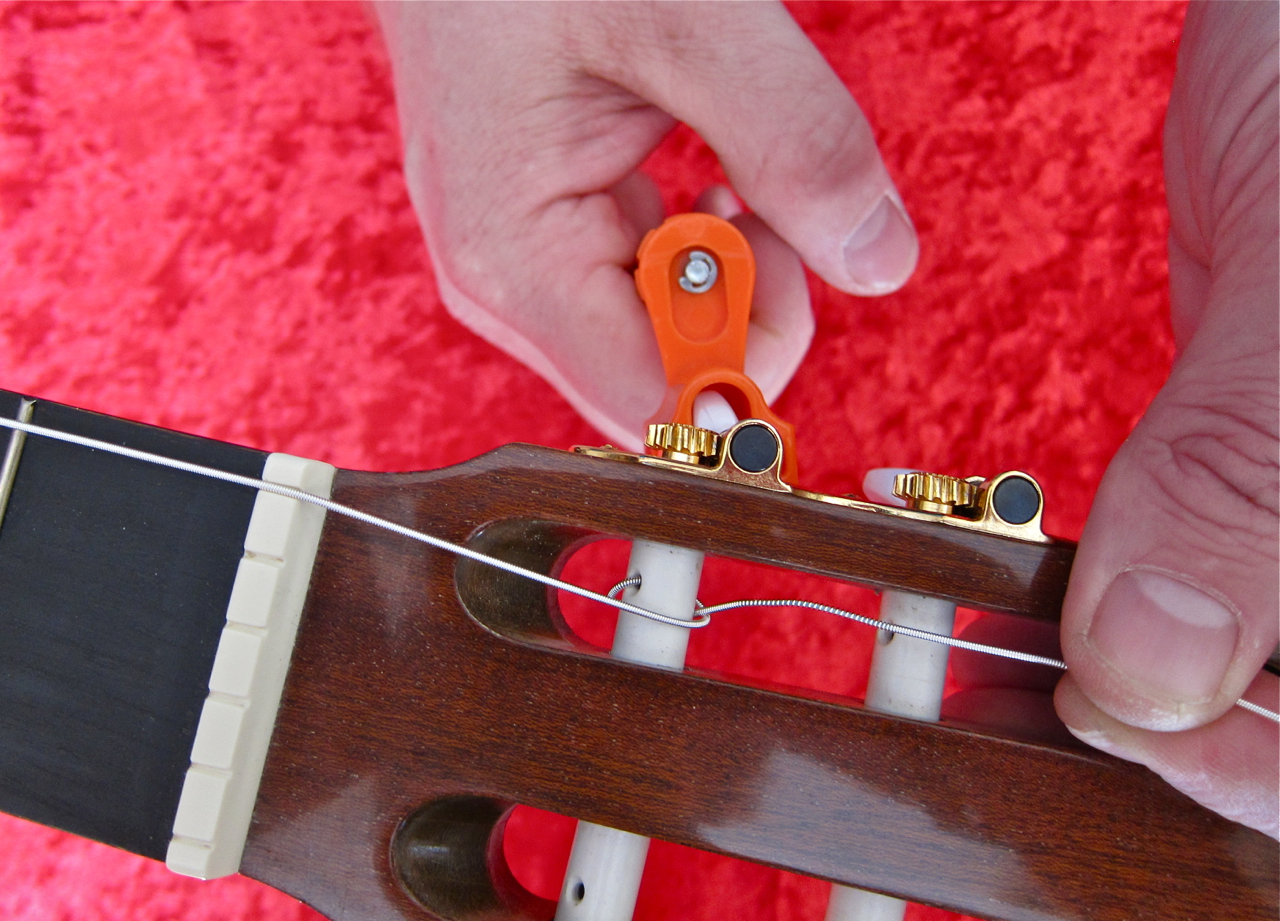
Tässä alkutilanne: uuden kielisatsin lisäksi tarvitset viritysmittarin, sekä kelaamisen nopeuttajaksi pienen muovivivun. Kun kerran poistetaan kaikki kielet kitarasta, on ehkä hyvä idea myös puhdistaa soitin. Puhdistusliinalla voi myös suojata kitaraa kolhuilta. Itse käytän myös saksia yhdessä työvaiheessa (katso lopusta).

Myös nailonkielisille kitaroille on tarjolla erilaisia kielisatseja. Klassisen kitaran tapauksessa kielisatseja ei tarjota paksuuden mukaan lajiteltuna, vaan ratkaiseva kriteeri on kielten veto/jäykkyys. High tension -satsi tuntuu jäykemmältä ja soi hieman kirkkaammalta kuin low tension -satsin kielet. Myös valmiiksi kustomoituja kielipakkauksia on olemassa, joissa esimerkiksi punotut bassokielet ja kirkkaat diskanttikielet ovat peräisin saman valmistajan kahdesta eri sarjasta.

Nailonkielisessä kitarassa kielisatsin vaihtaminen ei vaikuta dramaattisesti kitaran intonaatioon tai säätöihin, kyse on enemmän eri soittotatsista ja soundista. Kokeilumielessä voi siis vaihtaa turvallisesti yhdestä lajista toiseen, niin kauan kun kielet on tarkoitettu nimenomaan klassiselle tai Flamenco-kitaralle.

Itse olen suurikokoinen mies, jolla on voimakas soittotyyli – valitsen siis high tension -kieliä.

****

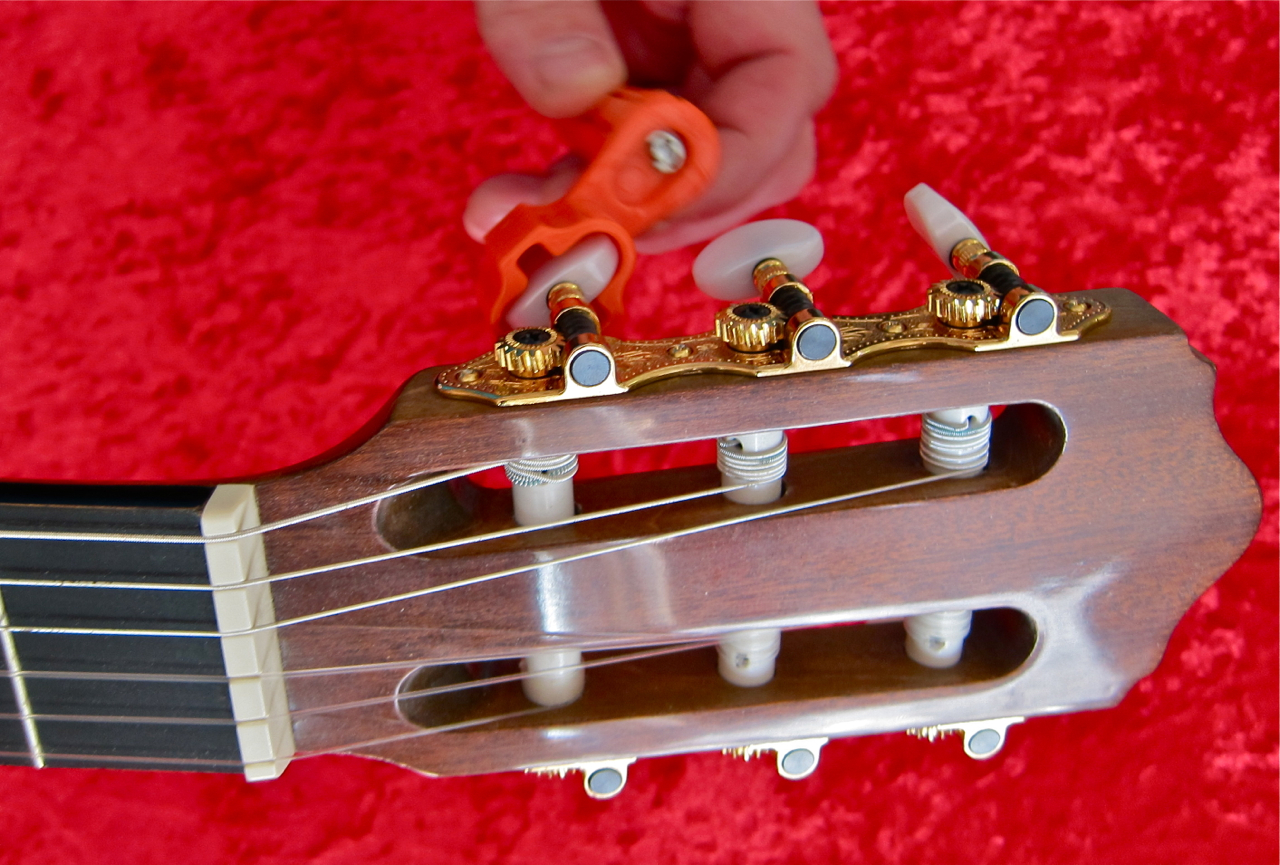
Ensin vanhat kielet löysätään kokonaan – vivulla tämä käy käden käänteessä. Jos kitarasi koneistot tuntuvat epätavallisen jäykiltä, voit lisätä pari tippaa öljyä hammasradan ja kierretangon väliin tai ehkä myös löysätä hammasratojen kiinnitysruuveja aavistuksen verran.

****

Kun kielet ovat täysin velttoja, leikkaan kielet kylmästi kahtia. Näin ei tarvitse vetää koko kieltä tallan tai virittimen läpi, ja vaihtaminen nopeutuu.

****

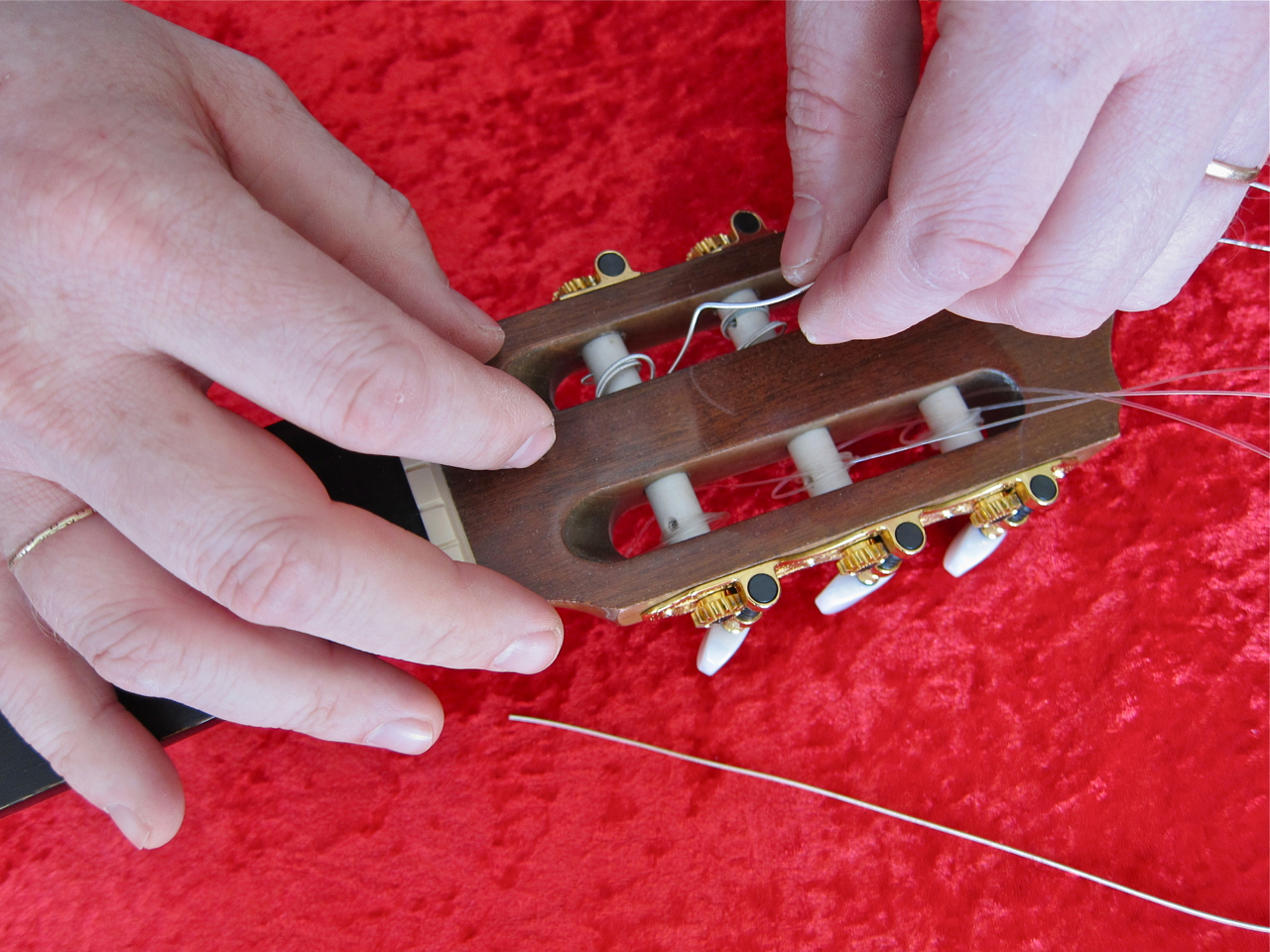
Avaan vanhojen kielten solmut…

…ja poistan ne sekä tallasta…

…että virittimistä.

****

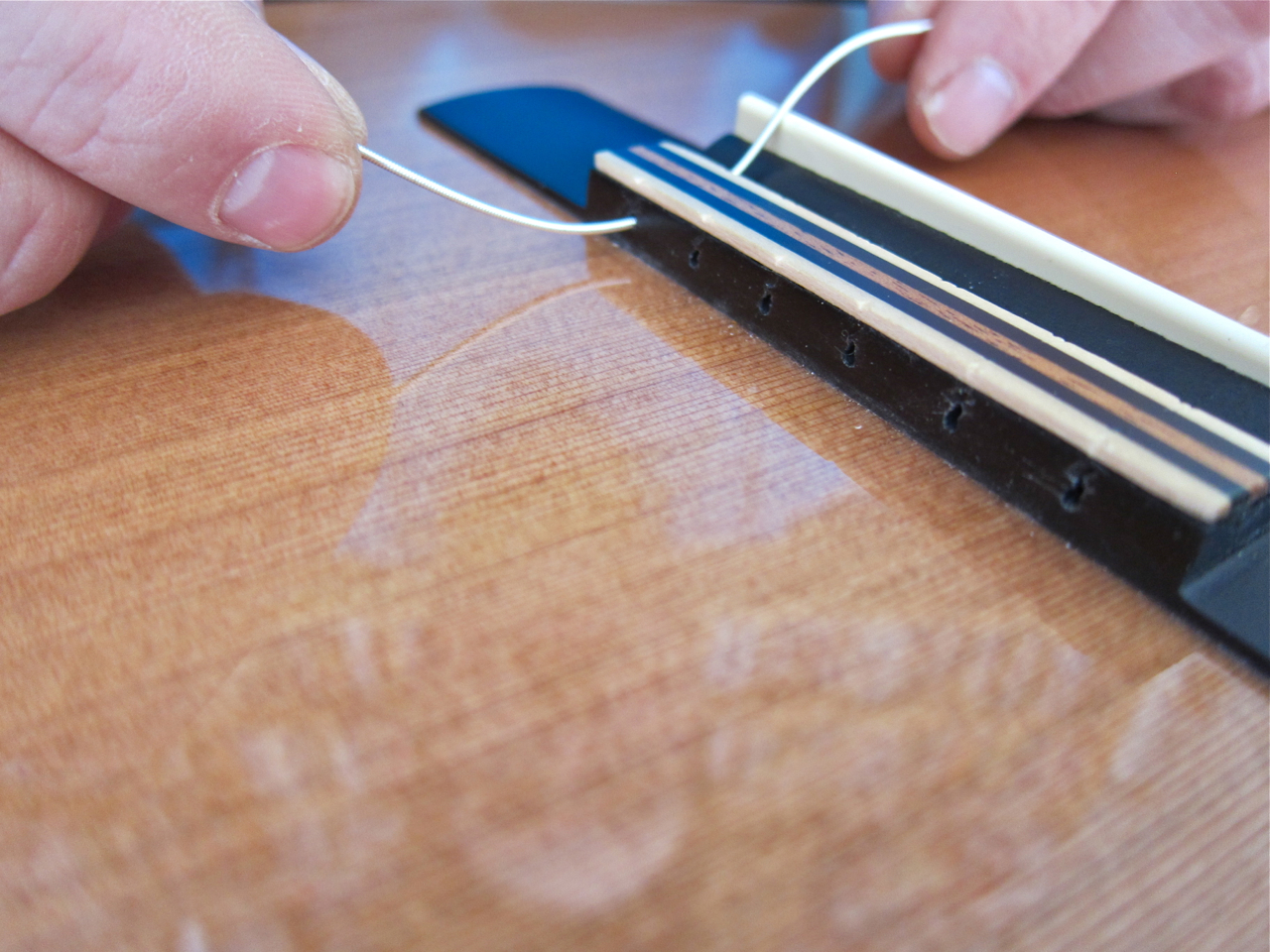
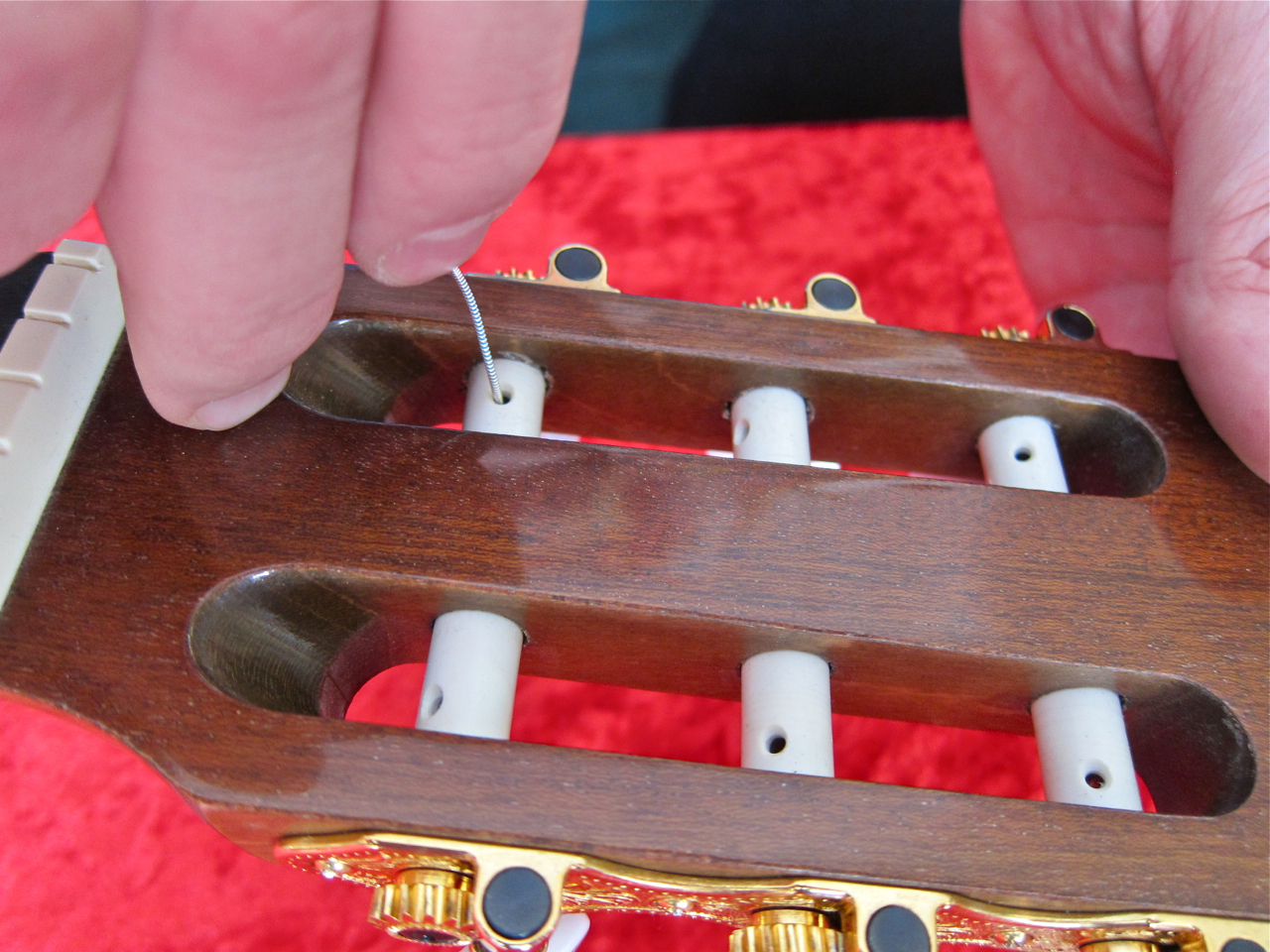
Uusi kieli työnnetään ensin kaulan puoleiselta sivulta tallasta läpi.

Lyhyt pätkä kielestä vedetään tallasta ulos ja ylös…

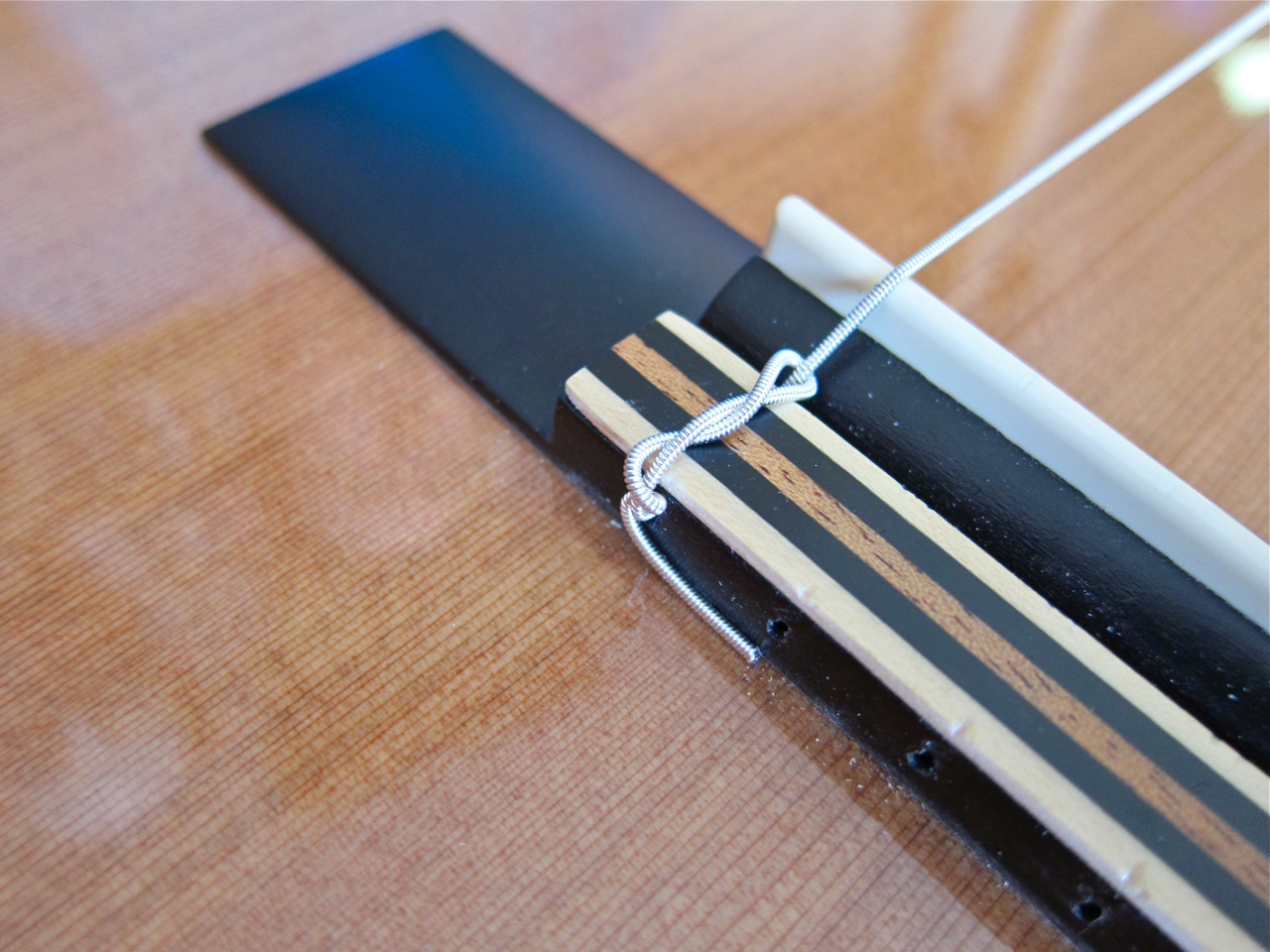
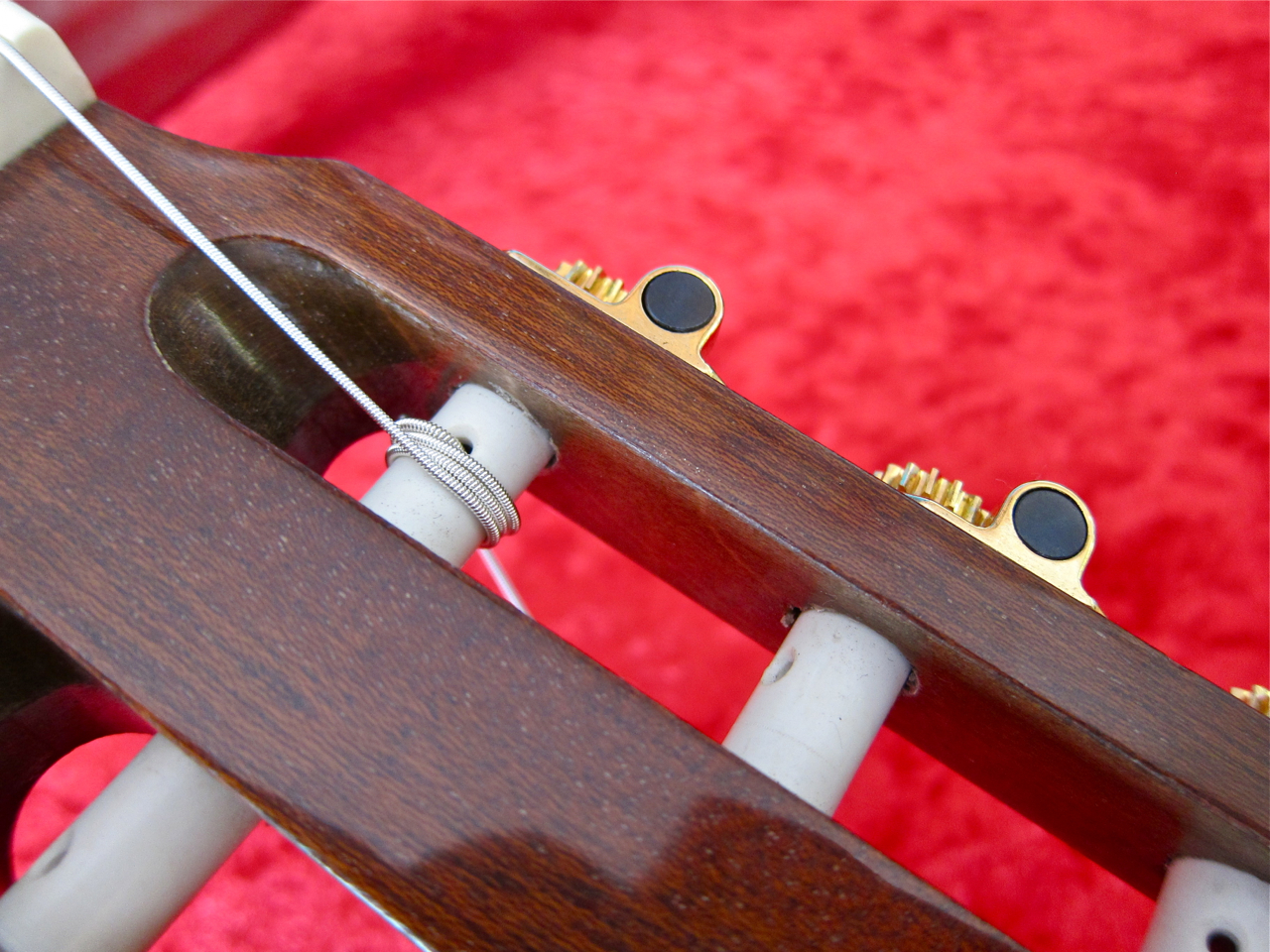
…ja vedetään ensin kerran pitkän kielipalan alitse, ja sen jälkeen muutaman kerran itsensä ympäri.

Lopputuloksen pitäisi näyttää tämänkaltaiselta.

Jotkut soittajat käyttävät bassokielillä erilaista menetelmää, jossa kielet lukitaan yhdellä isolla silmukalla. Molemmat versiot toimivat ja ovat ”sallittuja” – makukysymyksiä luultavasti. Tässä on kuva yhdestä Ramírez-kitarasta, jossa käytetään sitä toista kiinnitystapaa:

****

Kielen toinen pää pujotetaan virittimen läpi…

…minkä jälkeen kielen voi lukita itseensä vetämällä kielen vapaata päätä sen otelautaan menevän osaan alitse.

Seuraavaksi voi jo virittää uuden kielen.

Ja tällainen on suunnilleen onnistuneen toimenpiteen lopputulos.

****

Itse aloitan aina satulan ulkoreunoista ja jatkan sieltä poispäin kielipareissa (E-e, A-h, D-g).

Ei ole yhtään huono idea venyttää uusia kieliä samalla lailla kuin teräskielisissä tai sähkökitaroissa. Tosiasia on kuitenkin, että nailonkielet tarvitsevat huomattavasti pidemmän ajan, ennen kuin ne pysyvät vireessä. Ei ole siis syytä turhautua, jos joutuu ensimmäisinä päivinä kieltenvaihdon jälkeen virittää useasti!

Muuten: useat ammattilaiskitaristit eivät vaihda nailonkielisessä heti koko satsia kerrallaan. Usein on nimittäin niin, että täysin muovista valmistetut diskanttikielet kestävät soittoa huomattavasti pidempään kuin saman satsin bassokielet, joissa on suhteellisen ohuen silkkikudoksen ympärille punottu pehmeää metallia.

Nailonkielisessä kitarassa ei voi (eikä tarvitse) säätää intonaatiota – kun uudet kielet ovat päällä, soitto voi alkaa.

Save

Changing strings – nylon-string classical guitar

Photos: Miloš Berka

****

Here’s what you need for the procedure: A string winder comes in very handy for taking off and putting on the strings, and a tuner is needed to get the guitar up to pitch. I use a pair of scissors to make life a little easier for myself (see below). A polishing cloth may come in handy for cleaning and/or protecting your guitar.

There are different string tensions available. Unlike on a steel string or an electric, you can use any type of classical guitar string on your guitar without the need for a complete set-up. A differently tensioned set won’t noticeably affect your intonation, but it will make a difference in the guitar’s feel, action and sound – feel free to experiment.

I’m a big guy with a strong touch, so I use high-tension sets…

****

First you need to slacken the strings completely. If your guitar’s tuners are particularly hard to turn, use one or two drops of light oil on the cogs, or try loosening the (black) screws which hold the cogs to the tuner posts by a tiny amount.

****

Once the strings are free from tension, I use the scissors to cut each string into two pieces. I find this makes taking the strings off a little easier, because you don’t have to feed all the string through either the tuner or the bridge for removal.

****

Untie the knot at the bridge…

…then remove the old string from the bridge…

…as well as the tuner.

****

Feed one end of the fresh string through the neck-facing side of the bridge.

Take the short end sticking out towards end of the body…

…and tie it into a sling, by first feeding the short end under the long piece and then tying to itself.

The final result should look somewhat like this.

Some guitarists use a different technique on the lower three strings, utilising only one large loop. Both ways are valid, but the slightly more elaborate way seems to work best for me.

Here’s a picture of a Ramírez strung in the other way:

****

Feed the other end of the string through the appropriate tuner…

…pull it through and lock it in by putting the string end underneath the part going to the fingerboard…

…and then wind it to pitch.

This is what the result should look like.

****

I find it easiest to string up a classical guitar from the nut upward, so I work in pairs – E-e, A-b, D-g.

You can do some string-stretching on a nylon-strung guitar, just the way you’d do it on an steel-string or electric, but in general nylon strings need much longer to settle into pitch. So, don’t be annoyed or alarmed if you have to retune rather often during the first few days of use!

By the way: Some professional classical guitarists don’t change the whole set each time. The three top strings, which are all-nylon, usually tend to stay useable for longer than the three bass strings, made of a thin fiber core and spun with soft metal.

There’s no real scope for intonation-adjustment on a classical guitar, so once the strings are on you’re ready to go.

Kitarr.ee – etelänaapurimmekin osaavat!

Virolainen aikakauslehti Kitarr on tyylikäs julkaisu kitaristeille. Lehti sisältää haastatteluja, testejä, juttuja vintage-soittimista sekä vinkkejä miten tulla paremmaksi soittajaksi.

Ajakiri Kitarr -lehdellä on myös hyvin näyttävä nettisivusto, joka täydentää ja laajentaa lehden sisältöä mm. videoilla.

Kannattaa siis tutustua!

NAMM 2012 – Martin Guitars DRS2

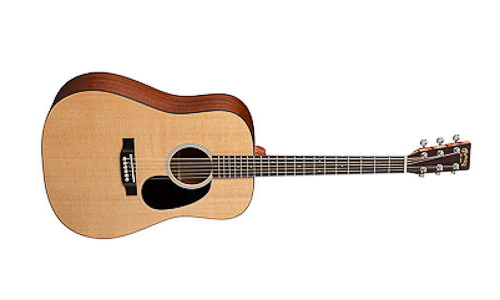
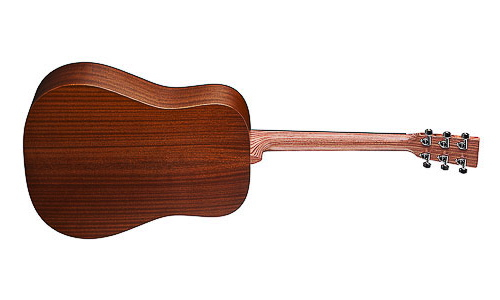
Uusi Road-sarjan jäsen on nimeltään Martin DRS2.

Dreadnought-kokoisessa kitarassa yhdistyvät koivuviipaleista laminoitu Stratabond-ruuvikaula ja runko kokopuisella kuusikannella ja kokopuisella pohjalla sapele-mahongista.

Sekä otelauta että talla ovat Richlite-materiaalista, joka on komposiitti paperista ja mustasta hartsista.

Fishman Sonitone -järjestelmä sekä kova laukku kuuluvat hintaan.

****

Maahatuoja: F-Musiikki

NAMM 2012 – Zoom G5 & Zoom B3

Upouusi Zoom G5 on G3-pedaalin isoveli. Pedaalilauta tarjoaa neljä multiefektiä samassa patchissa. Niiden lisäksi G5:een on lisätty putkella toimiva boosteri (jopa 18 dB), jolla on oma tone-säädin.

Zoom G5:ssa löytyy myös firman erinomainen Z-Pedal-pedaali, joka mahdollistaa useamman efektiparametrin säätämistä samanaikaisesti.

****

Basistillekin on tarjolla uusi maustepurkki nimeltään Zoom B3. Laitteella on sama arkkitehtuuri kuin G3-kitaraefektissä, mutta juuri bassolle sopivaksi räätälöityjä mallinnuksia ja efektejä.

****

Maahantuoja: Studiotec

Review: Tanglewood TW1000N – English summary

****

Tanglewood Guitars combines British design with quality luthiery from Asia for a winning value-for-money-mix. Especially the brand’s acoustic guitars have won over many fans.

The Tanglewood TW1000N (current price in Finland: 721 €) is a real Dreadnought-beauty from the company’s Sundance-series, and features a solid spruce top mated to a laminated back and sides made of rosewood.

The bound headstock looks fashionably understated, sporting a rosewood veneer, as well as the company logo in abalone.

The nicely finished top nut is genuine bone.

A volute strengthens the area where the neck changes into the headstock. The gold-coloured tuners are sealed Grover Rotomatics.

The TW1000N’s neck is a one-piece mahogany affair, save for a small glued-on bit for the neck heel.

Tanglewood have added a nice little detail for the gigging guitarist – a second strap button.

The TW1000N has been generously endowed in the looks stakes, but always with good taste. We find abalone hexagons inlaid into the nice-looking rosewood fretboard, as well as herringbone binding around the guitar’s top.

Black and white rings coupled with cleanly inlaid abalone make up the soundhole rosette.

The bridge is Tanglewood’s own design, crafted from a fine piece of rosewood on the test sample. The compensated saddle is made from genuine bone.

****

It’s not hard to fall in love with the Tanglewood TW1000N – this guitar possesses timeless beauty, is easy to play and sounds magnificent!

The neck profile is a very friendly, medium-depth ”C”, with the satin finish and the well-dressed medium frets doing their bit to keep the feel comfortably modern.

As is the case with many D-sized guitars, the TW1000 has a nice middle-of-the-road set-up, with a neck width of 44 mm at the nut and a string spacing of 53 cm (E–e), working equally well for strummers as well as pickers.

With the factory-supplied Elixir Nanoweb Light 12–53 -strings the Tanglewoodin sounds well-rounded and warm, with clear top-end definition and a dose of sparkle.

The dynamic range on offer is impressive and the guitar projects well. There’s a good whack of attack on offer, when you dig in with a plectrum, while the sound stays nicely focussed and transparent when fingerpicked.

Here are two examples recorded using a Zoom H1:

Tanglewood TW 1000 N – fingerstyle

Tanglewood TW 1000 N – strumming

In the TW1000N’s case you don’t pay through the nose for perceived status or the name on the headstock; with Tanglewood you get a great guitar for your hard-earned money.

****

Tanglewood TW1000N

Current price in Finland: 721 €

Finnish distributor: Musamaailma

****

Pros

+ workmanship

+ neck profile

+ playability

+ sound

+ value-for-money

Pidä blogia WordPress.comissa.

Ylös ↑